Helianthus Annuus (Sunflower) Seed Oil
Sunflower oil
No meaningful concern for most people; irritation is possible but rare.
Also written as: Helianthus Annuus Seed Oil · Sunflower Oil · High Oleic Sunflower Oil
What it is
Sunflower seed oil is pressed from the seeds of Helianthus annuus and is one of the most common carrier oils in skincare. Conventional sunflower oil is roughly 55 to 70% linoleic acid, the essential fatty acid that skin uses to build the acylceramides that hold the barrier together; high-oleic cultivars invert that ratio to around 80% oleic acid. Formulators use it because it is cheap, light on the skin, and a good solvent for oil-soluble ingredients such as vitamin E.
How it shows up on a label
Often the base oil of an oil-in-water mask - twelve of the forty-six masks here print it in the first five rows - and frequently the unnamed carrier behind an 'oil blend' higher up the list. Its position is genuinely split: twenty-five sit above the point where ingredient order stops indicating quantity and twenty-one below it.
What it does well
Preserves the skin barrier rather than damaging it
In a randomised forearm-controlled study in adults, four weeks of twice-daily sunflower seed oil maintained stratum corneum integrity, caused no redness and improved hydration, while olive oil applied to the other arm of the same volunteers significantly damaged the barrier.
Moderate evidence
Supplies linoleic acid, which is relatively scarce in acne-prone skin
People with acne have consistently been shown to have low linoleic acid in their surface lipids, and the leading hypothesis is that this creates a local essential fatty acid deficiency in the follicle wall that drives hyperkeratosis. Whether topping it up topically changes acne outcomes has not been convincingly demonstrated.
Limited evidence
Cheap, light and well tolerated
Sunflower oil sinks in quickly and is widely used in products for sensitive and eczema-prone skin, including in neonatal care in low-resource settings. Contact allergy is rare.
Moderate evidence
Worth knowing
Two very different oils share the same INCI name
'Helianthus Annuus (Sunflower) Seed Oil' covers both the high-linoleic type and the high-oleic type, which behave differently on the skin and have opposite stability profiles. The label will not tell you which one you are getting.
Matters most toPeople choosing an oil specifically for its linoleic acid content.
Not a good idea on very immature skin
In a randomised trial in premature infants, daily sunflower seed oil for the first ten days was followed by a significant rise in water loss through the skin and falling hydration, suggesting it may slow rather than help barrier maturation. Findings in full-term and adult skin have been more favourable, but this is a real counterweight to the idea that plant oils are automatically gentle.
Matters most toParents and carers of premature or newborn infants.
Oxidises relatively quickly
The polyunsaturated fatty acids that make it useful also make it prone to going rancid, which is why it is almost always supplied with added tocopherol. An oil that smells sharp or like old crayons should be discarded.
Matters most toAnyone keeping oils or oil-rich masks open for many months.
Where the EU stands
No specific restriction
Not listed in any Annex of the EU Cosmetics Regulation, so there is no specific concentration limit; it is still covered by the general safety assessment every cosmetic product must pass before sale.
Regulation (EC) No 1223/2009 - no annex entry · source ↗
Sources (3)
Every link goes to the original: a journal, a PubMed record or an EU document.
- [1]Effect of olive and sunflower seed oil on the adult skin barrier: implications for neonatal skin care
Pediatric Dermatology · 2013 · doi:10.1111/j.1525-1470.2012.01865.x
Sunflower seed oil preserved stratum corneum integrity and improved hydration without causing redness, whereas olive oil on the same volunteers significantly damaged the skin barrier.
- [2]Influence of sunflower seed oil on the skin barrier function of preterm infants: a randomized controlled trial
Dermatology · 2014 · doi:10.1159/000363380
Daily sunflower seed oil in premature infants was followed by significantly increased water loss through the skin and falling hydration, suggesting it may retard postnatal barrier maturation.
- [3]Essential fatty acids and acne
Journal of the American Academy of Dermatology · 1986 · doi:10.1016/s0190-9622(86)70025-x
Proposed that low linoleic acid concentrations in sebum create a local essential fatty acid deficiency in the follicle wall, driving the hyperkeratosis that forms comedones.
Masks that contain Helianthus Annuus (Sunflower) Seed Oil
alverde Naturkosmetik
Gesichtsmaske Q10 mit Vitamin C
17th of 40 on the label
Annemarie Börlind
Sensitive Cream Mask
24th of 31 on the label
below ≈1%
Balea
Gesichtsmaske Aloe Vera
2nd of 21 on the label
Balea
Gesichtsmaske Hyaluron
3rd of 29 on the label
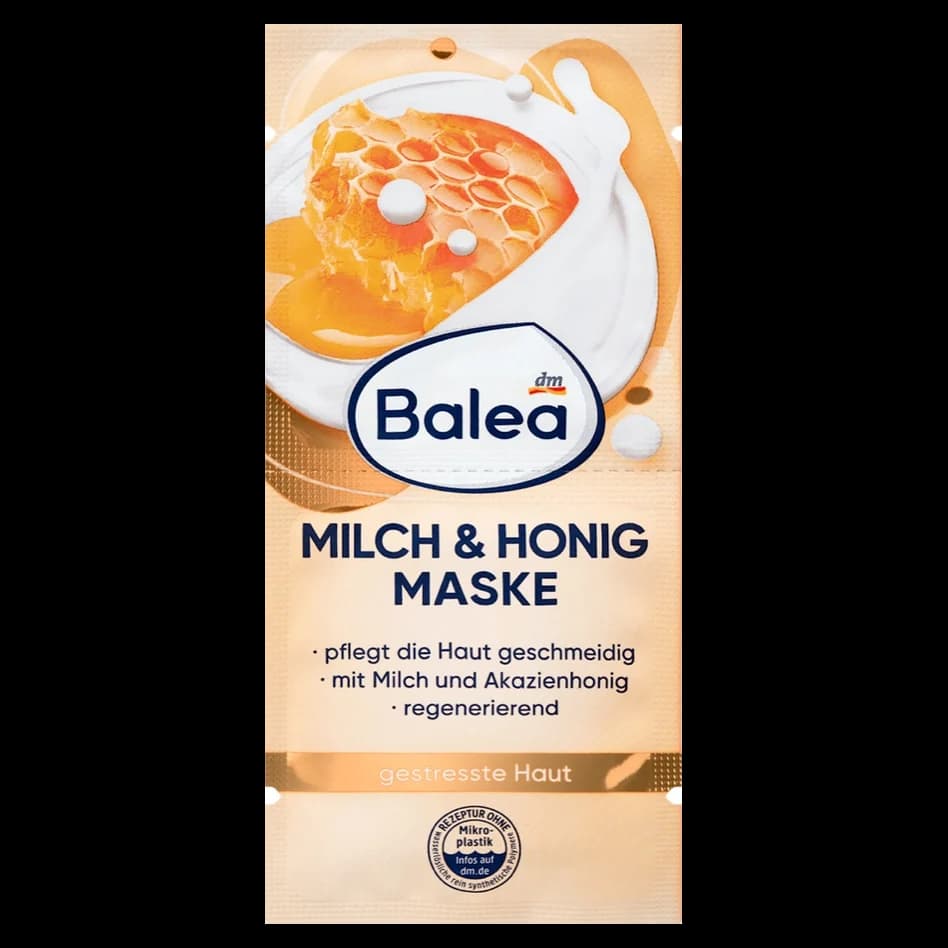
Balea
Gesichtsmaske Milch & Honig
17th of 36 on the label
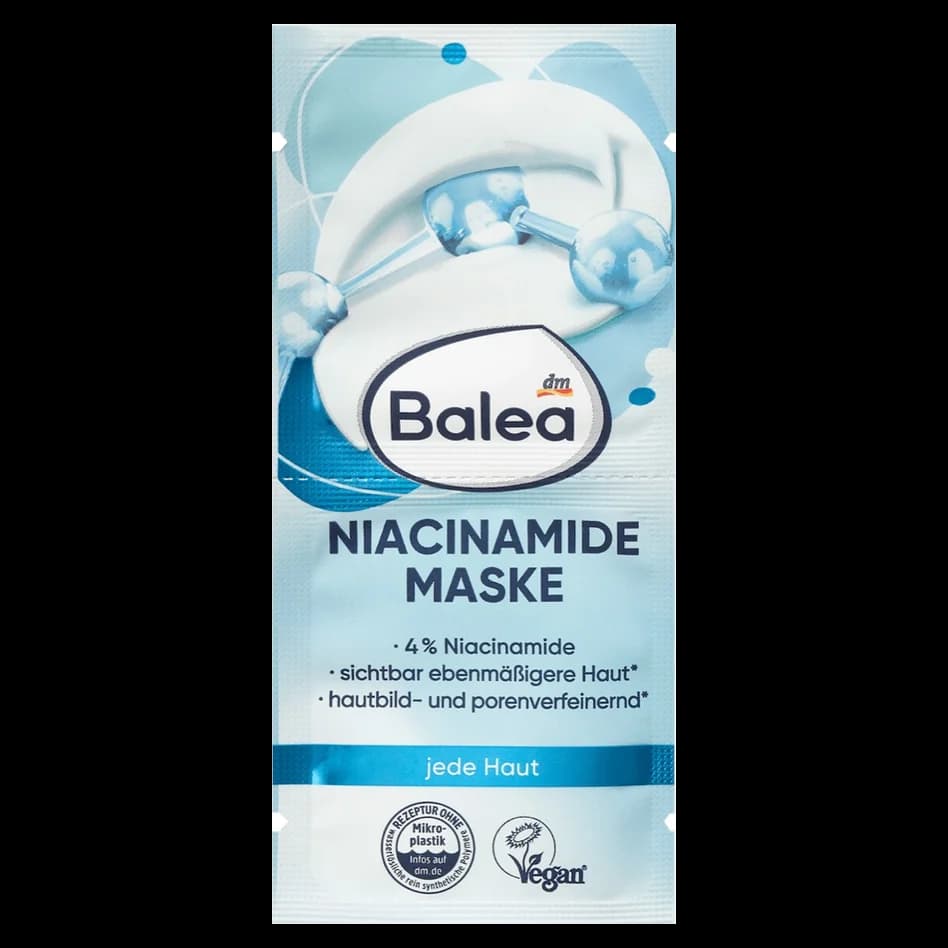
Balea
Gesichtsmaske Niacinamide
2nd of 17 on the label
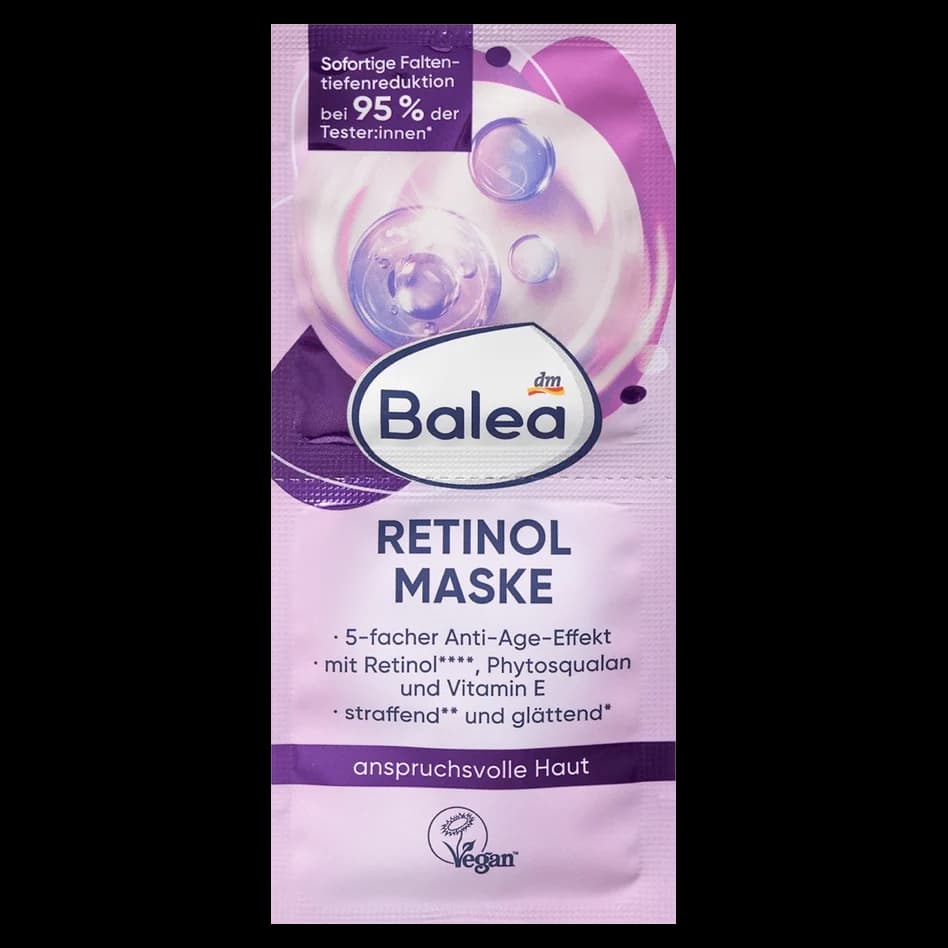
Balea
Gesichtsmaske Retinol
2nd of 23 on the label
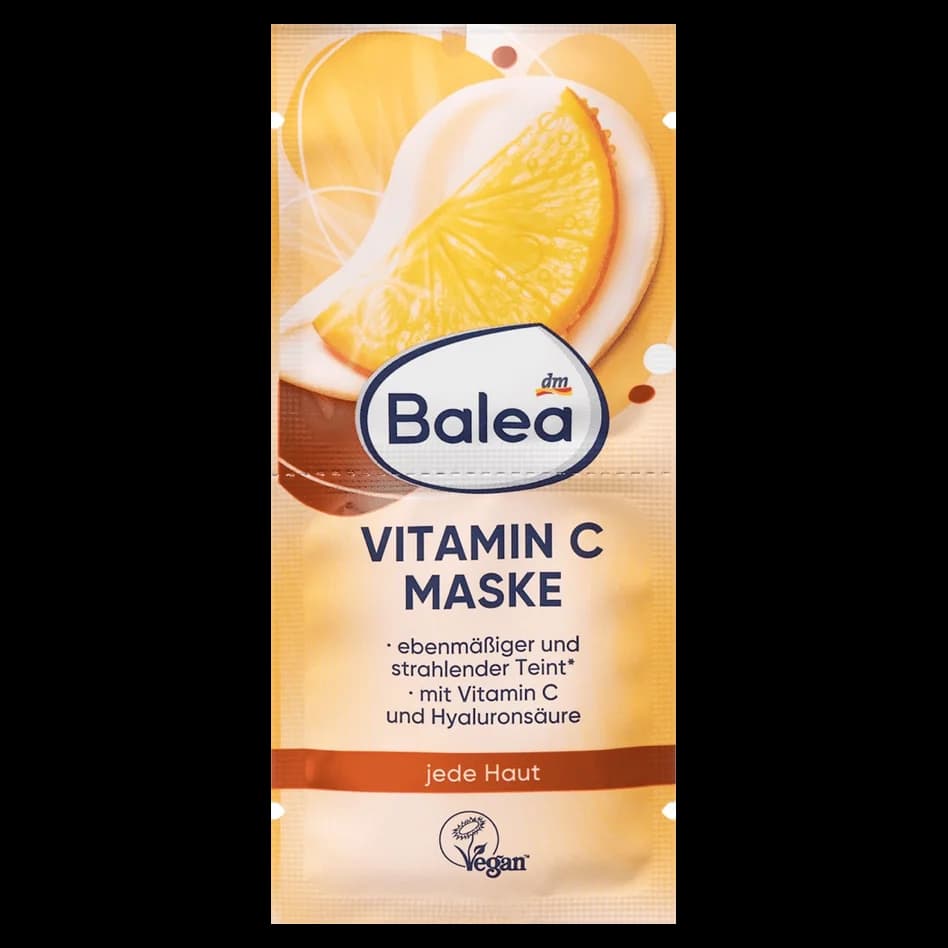
Balea
Gesichtsmaske Vitamin C
2nd of 23 on the label
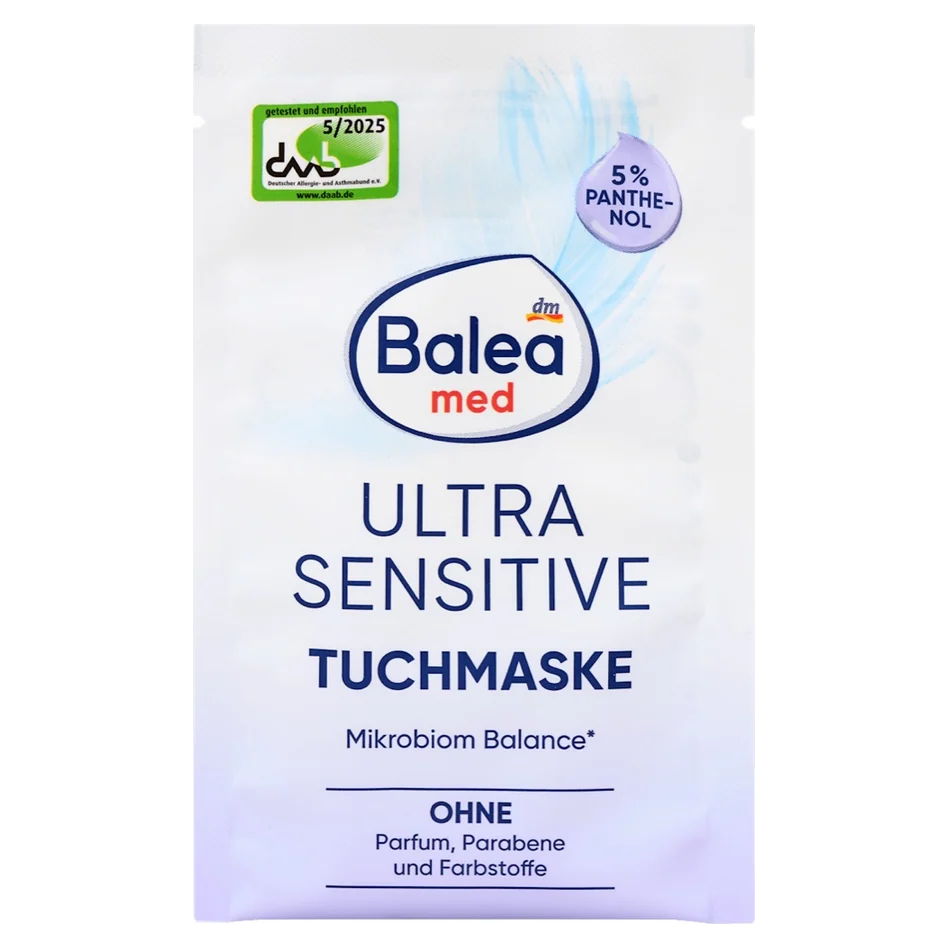
Balea med
Tuchmaske Panthenol Ultra Sensitive
4th of 16 on the label
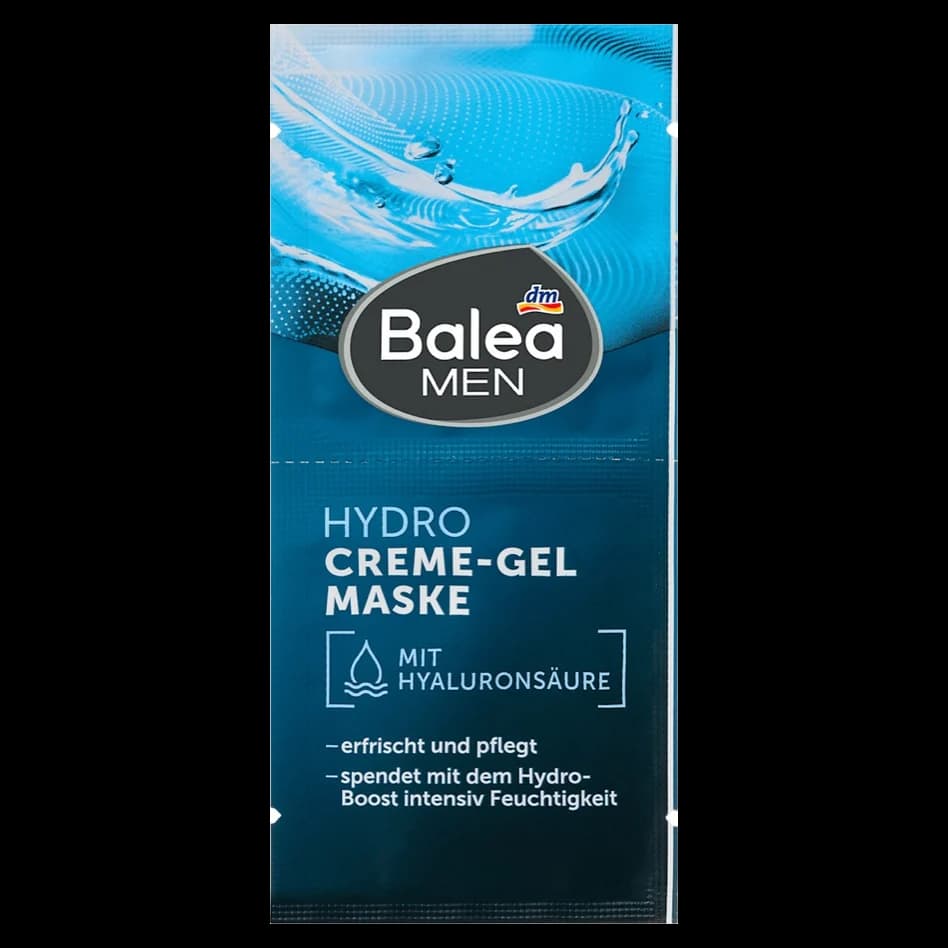
Balea MEN
Gesichtsmaske Creme-Gel Hydro
8th of 31 on the label
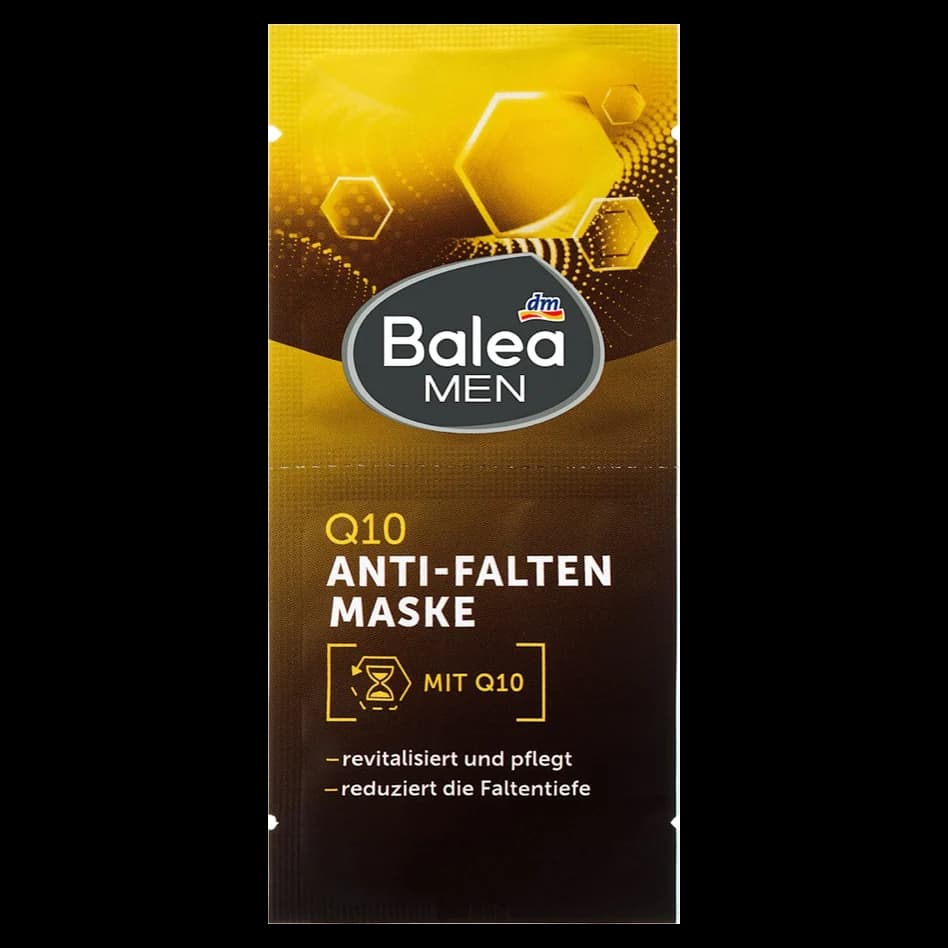
Balea MEN
Gesichtsmaske Q10 Anti-Falten
17th of 28 on the label
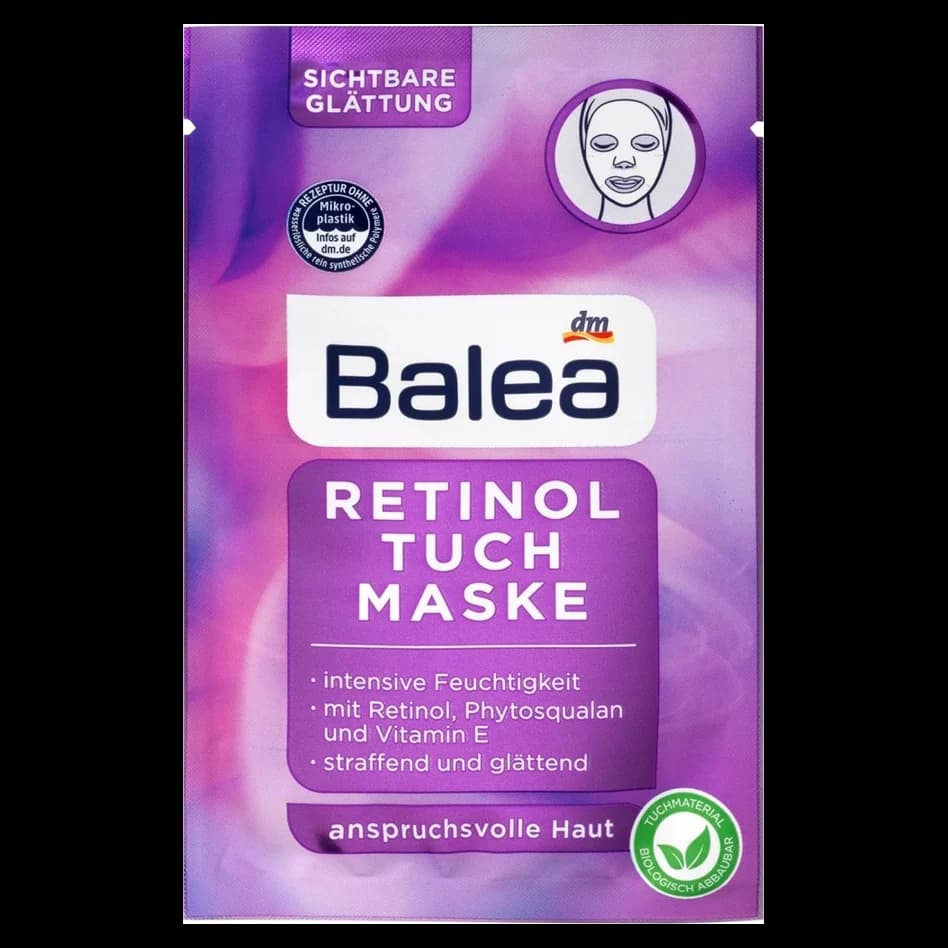
Balea
Tuchmaske Retinol
12th of 16 on the label
below ≈1%
BIOMARIS
Super Rich Mask
11th of 19 on the label
below ≈1%
Bullrich
Tuchmaske Heilerde+Zink
18th of 19 on the label
below ≈1%
BULLRICH
Tuchmaske Vitamin C + Retinol
7th of 11 on the label
Caudalie
VinoHydra Moisturising Cream Mask (Masque-Creme Hydratant)
20th of 32 on the label
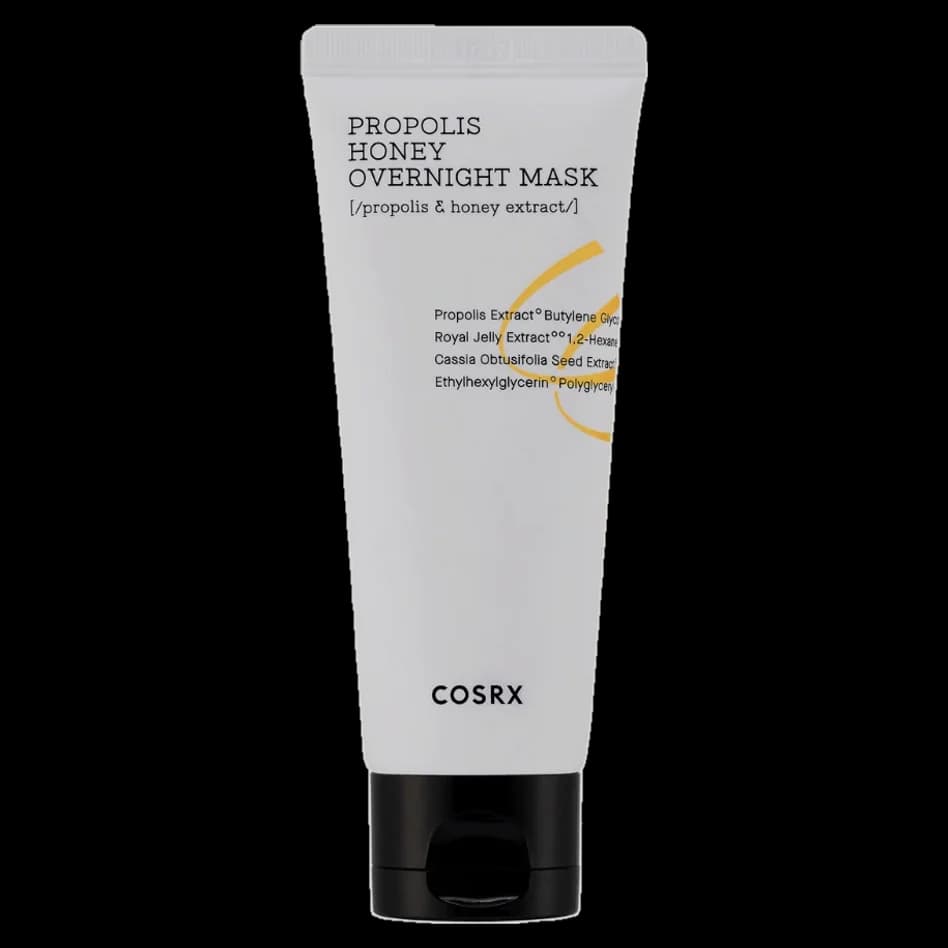
COSRX
Full Fit Propolis Honey Overnight Mask
16th of 22 on the label
below ≈1%
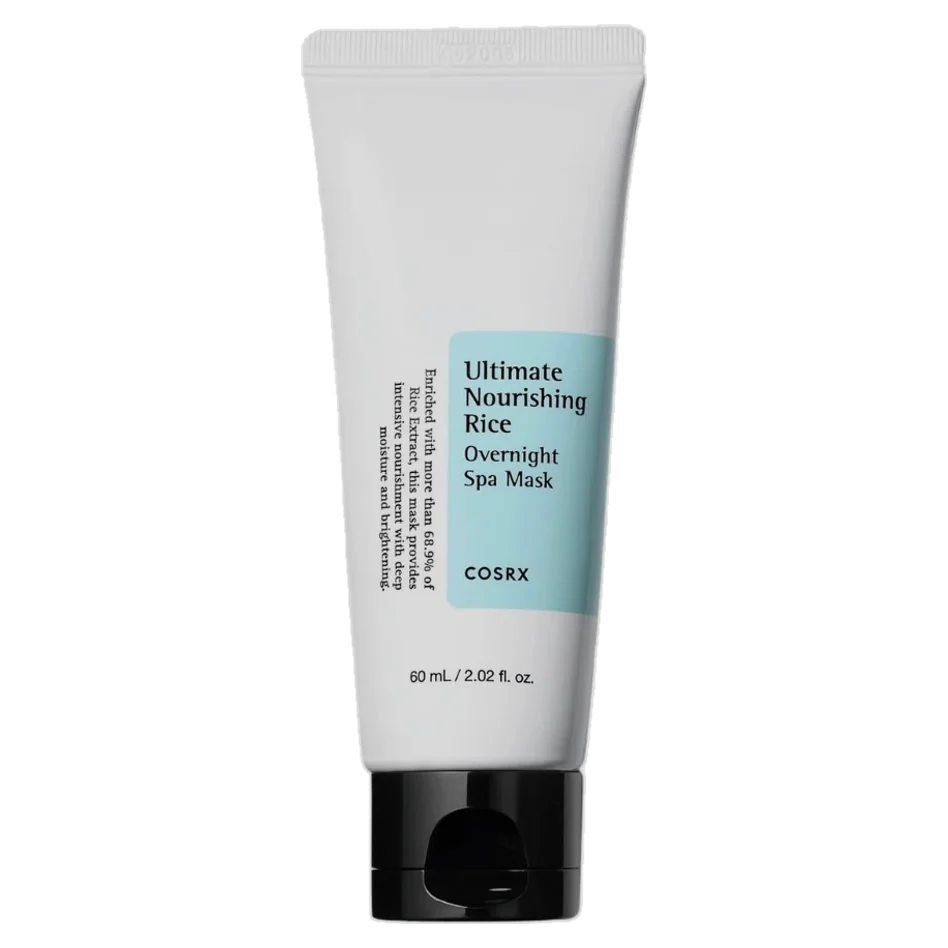
COSRX
Ultimate Nourishing Rice Overnight Spa Mask
4th of 19 on the label
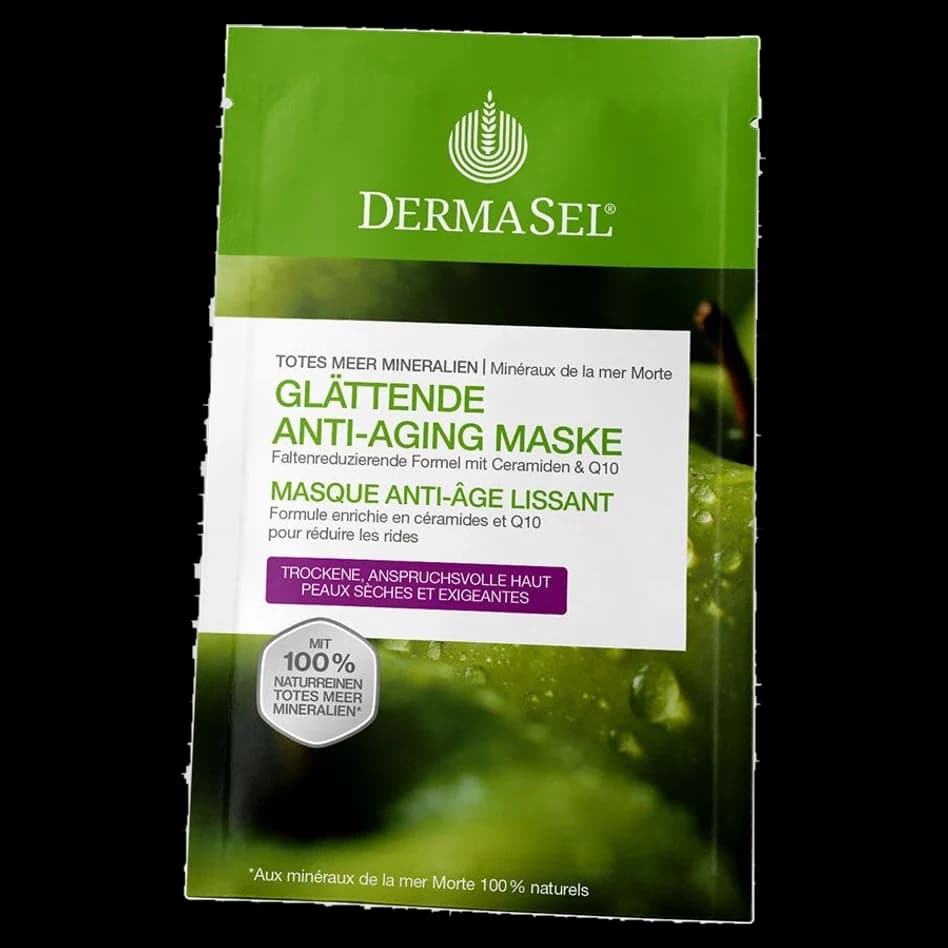
DERMASEL
EXKLUSIV Totes Meer Maske Anti Aging
14th of 26 on the label
below ≈1%
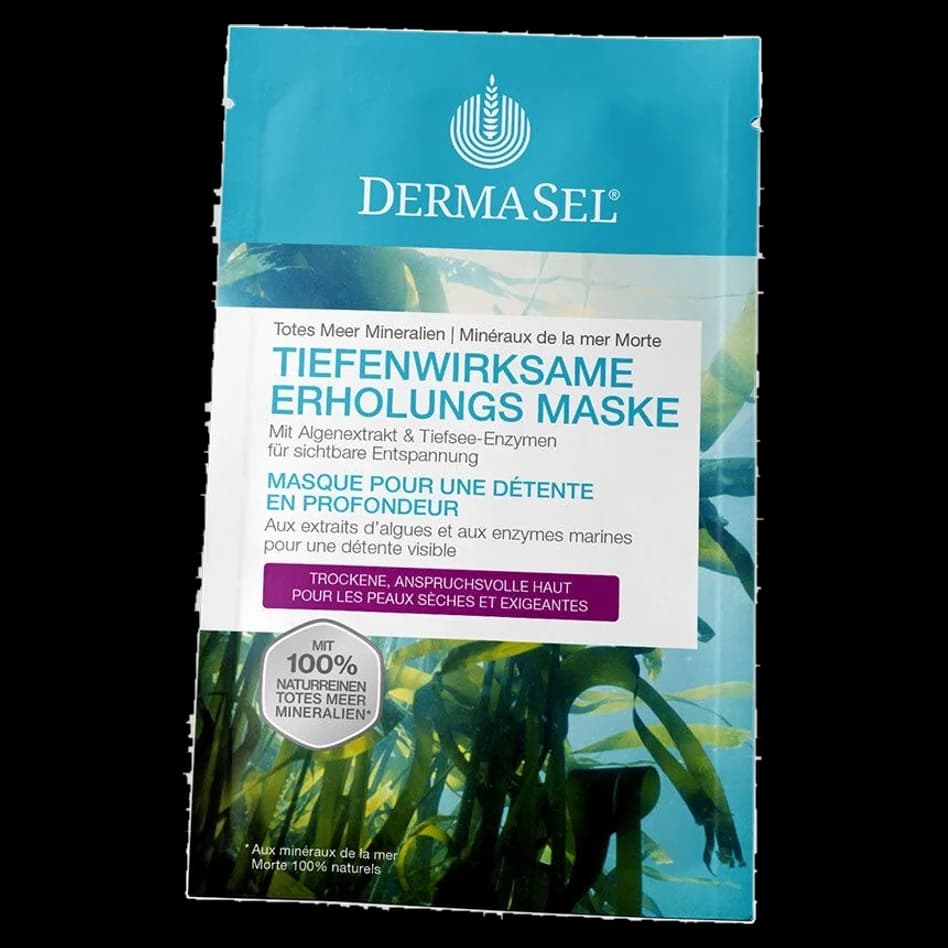
DERMASEL
SPA Totes Meer Maske Erholung
19th of 31 on the label
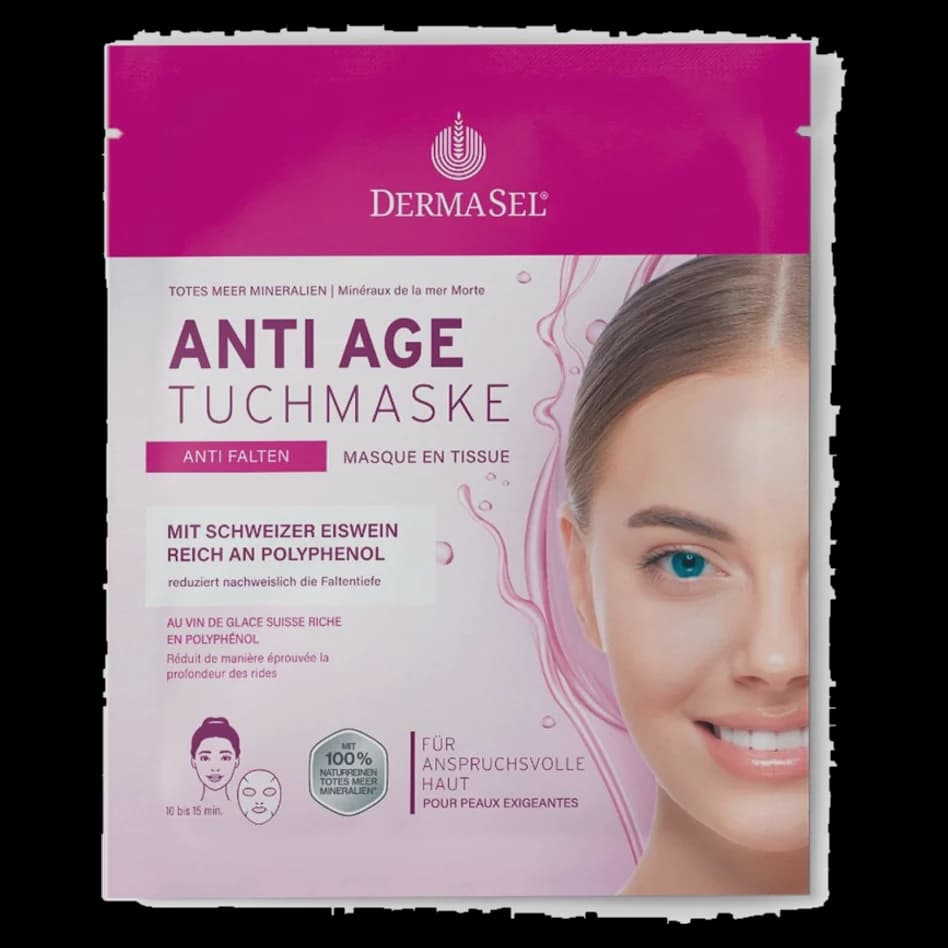
DERMASEL
Totes Meer Anti-Age Tuchmaske
14th of 23 on the label
below ≈1%
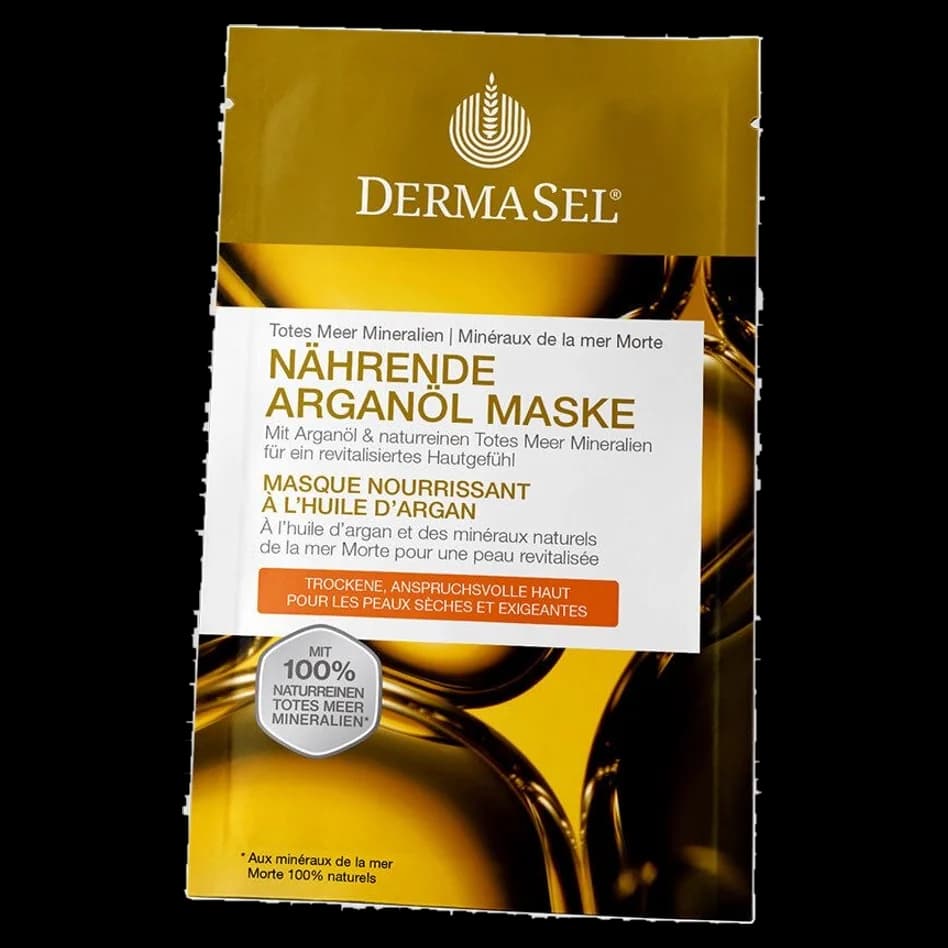
DERMASEL
Totes Meer Mineralien Nährende Arganöl Maske
23rd of 29 on the label
below ≈1%
Dr. Barbara Sturm
Face Mask
11th of 18 on the label
below ≈1%
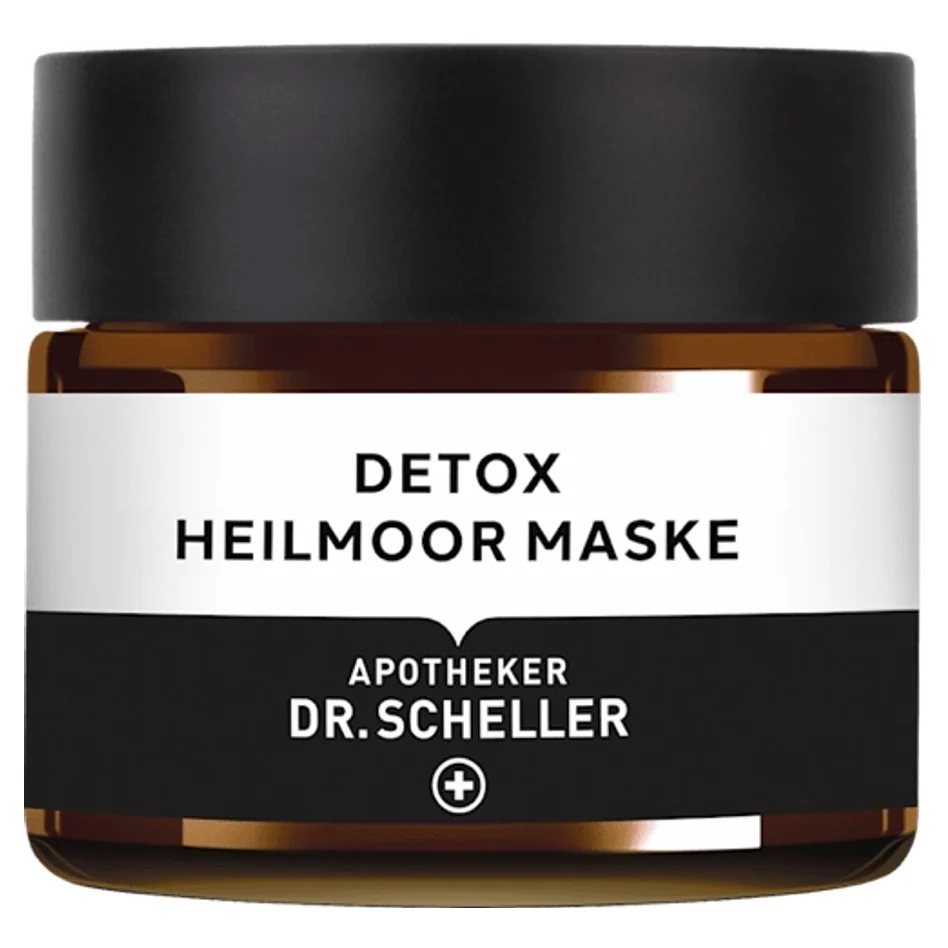
Dr. Scheller
Detox Heilmoor Maske
16th of 22 on the label
below ≈1%
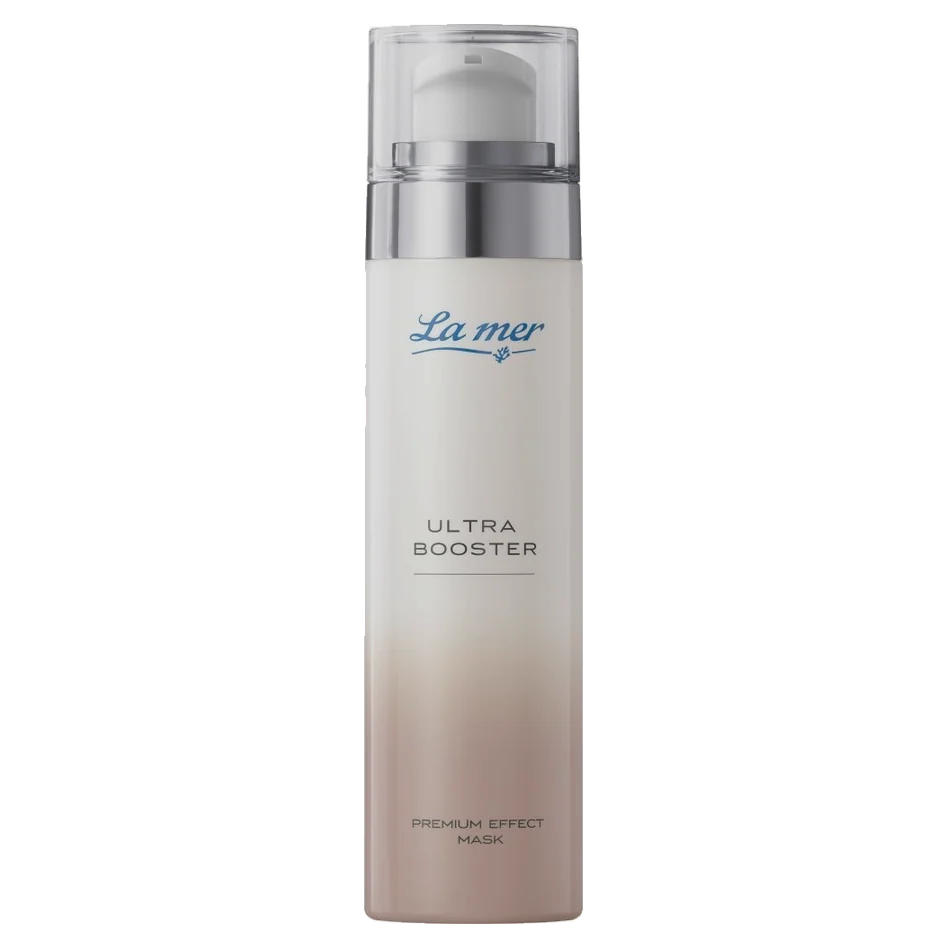
LA MER
Ultra Booster Premium Mask Effect
25th of 41 on the label
below ≈1%
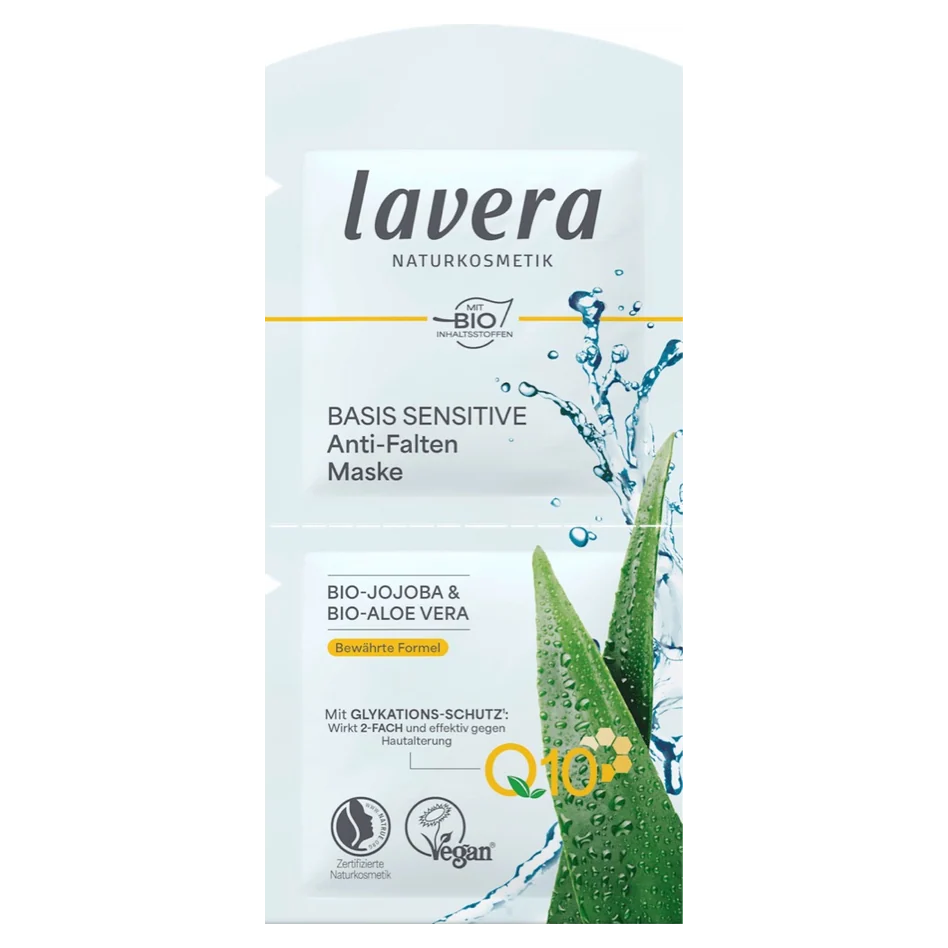
lavera
basis sensitiv Anti-Falten Gesichtsmaske
18th of 42 on the label
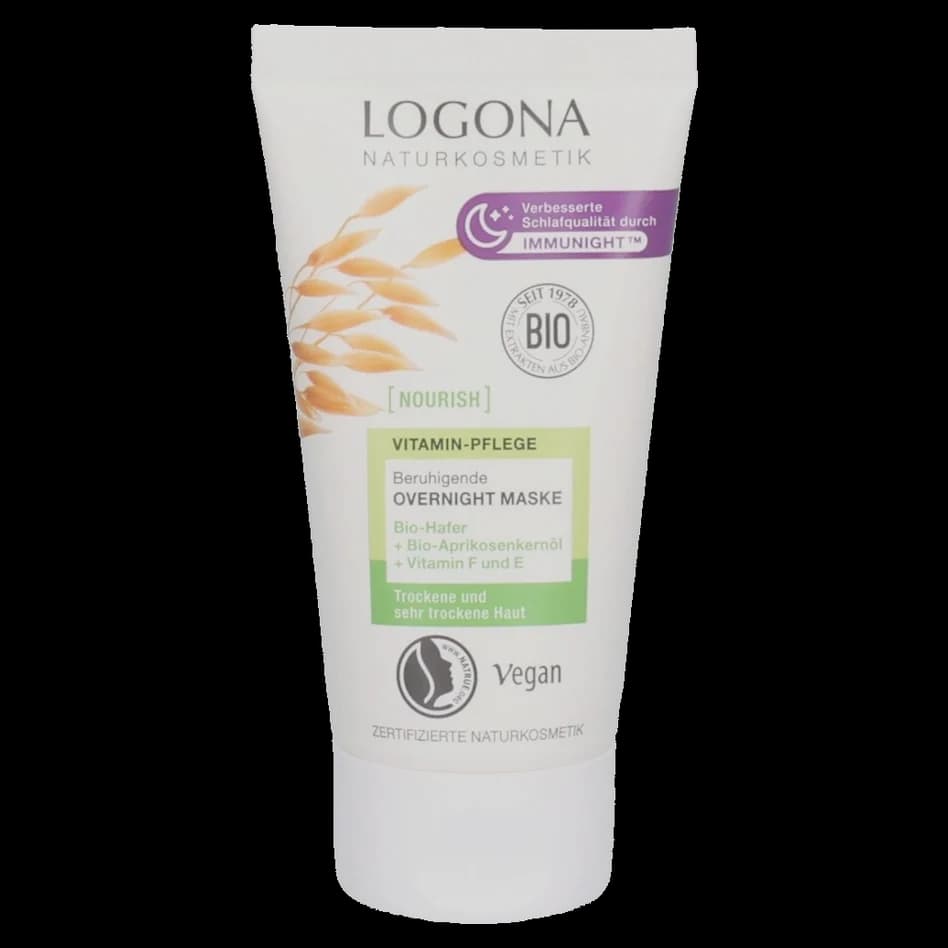
LOGONA
Nourish Beruhigende Overnight Maske
30th of 53 on the label
below ≈1%
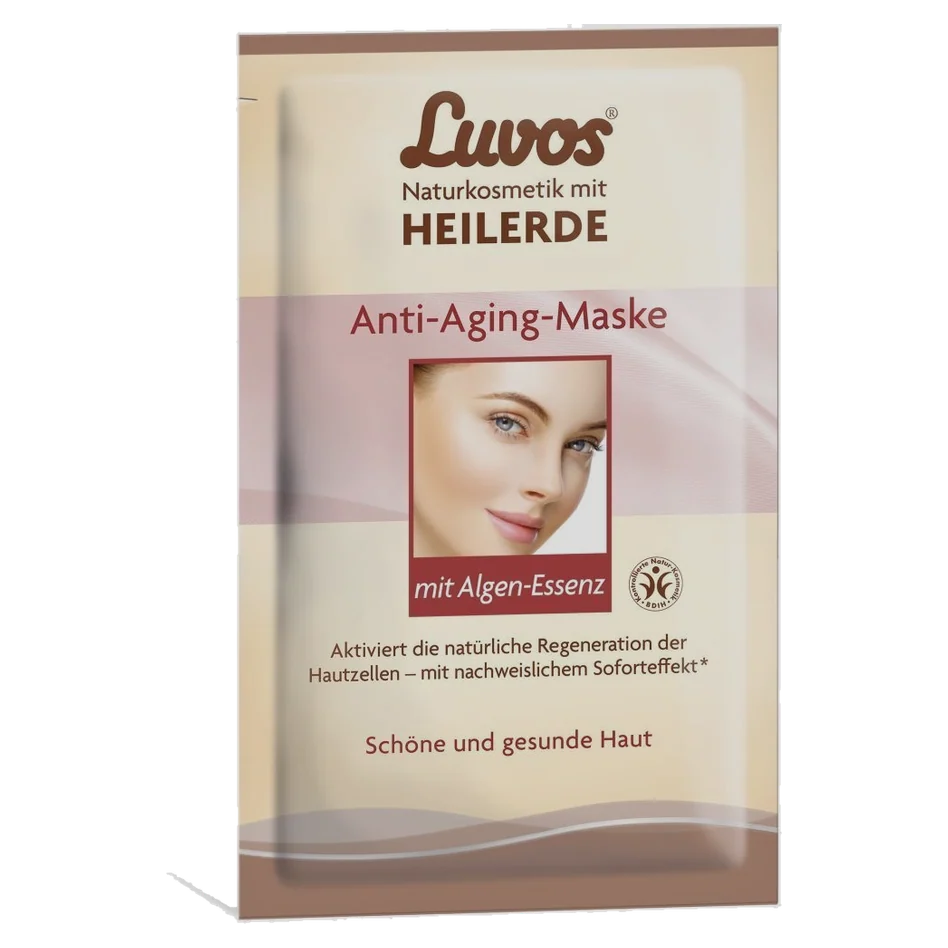
Luvos-Heilerde
Anti-Aging-Maske
17th of 27 on the label
Luvos-Heilerde
Anti-Stress-Maske
22nd of 33 on the label
below ≈1%
Luvos-Heilerde
Clean-Peel-Maske
18th of 29 on the label
below ≈1%
Luvos-Heilerde
Hydro Booster mit Clean Maske
3rd of 63 on the label
Luvos-Heilerde
Hydro-Maske
5th of 33 on the label
Luvos-Heilerde
Peeling-Maske
16th of 29 on the label
Luvos-Heilerde
Reinigungs-Maske
3rd of 28 on the label
Luvos-Heilerde
Vital-Maske
3rd of 30 on the label
NUXE
Prodigieuse Boost Clarifying Detox Mask
11th of 14 on the label
below ≈1%
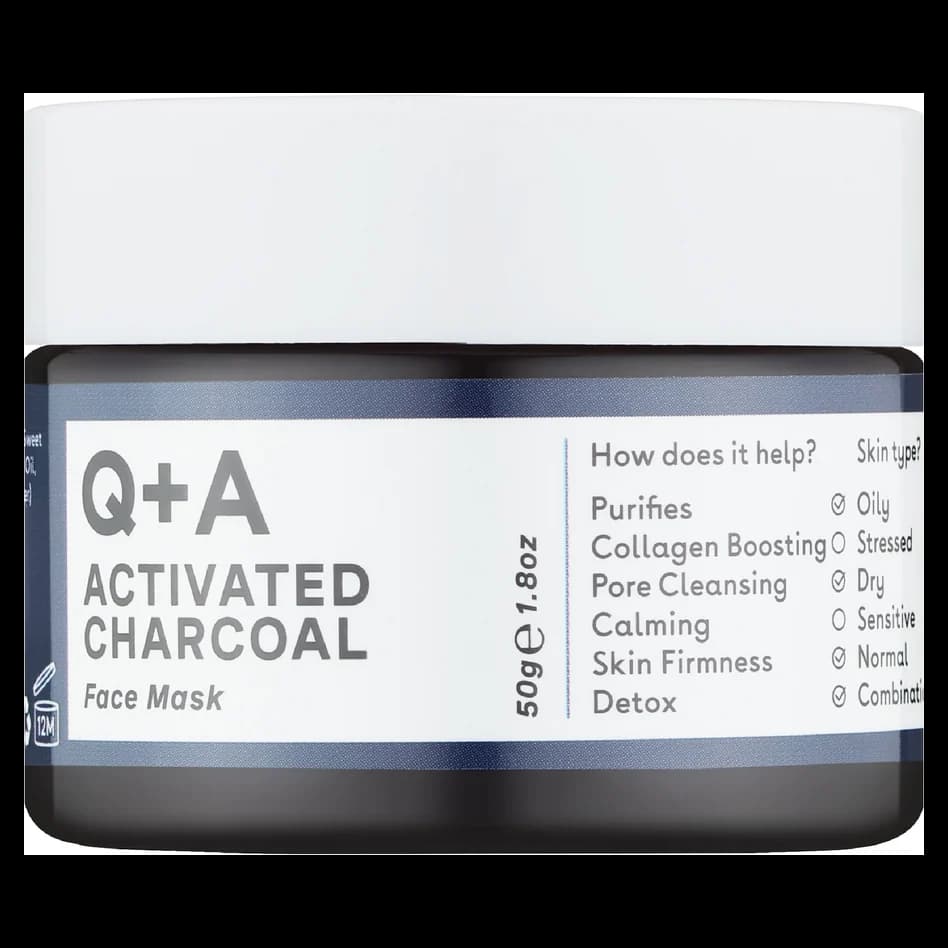
Q+A
Activated Charcoal Face Mask
11th of 18 on the label
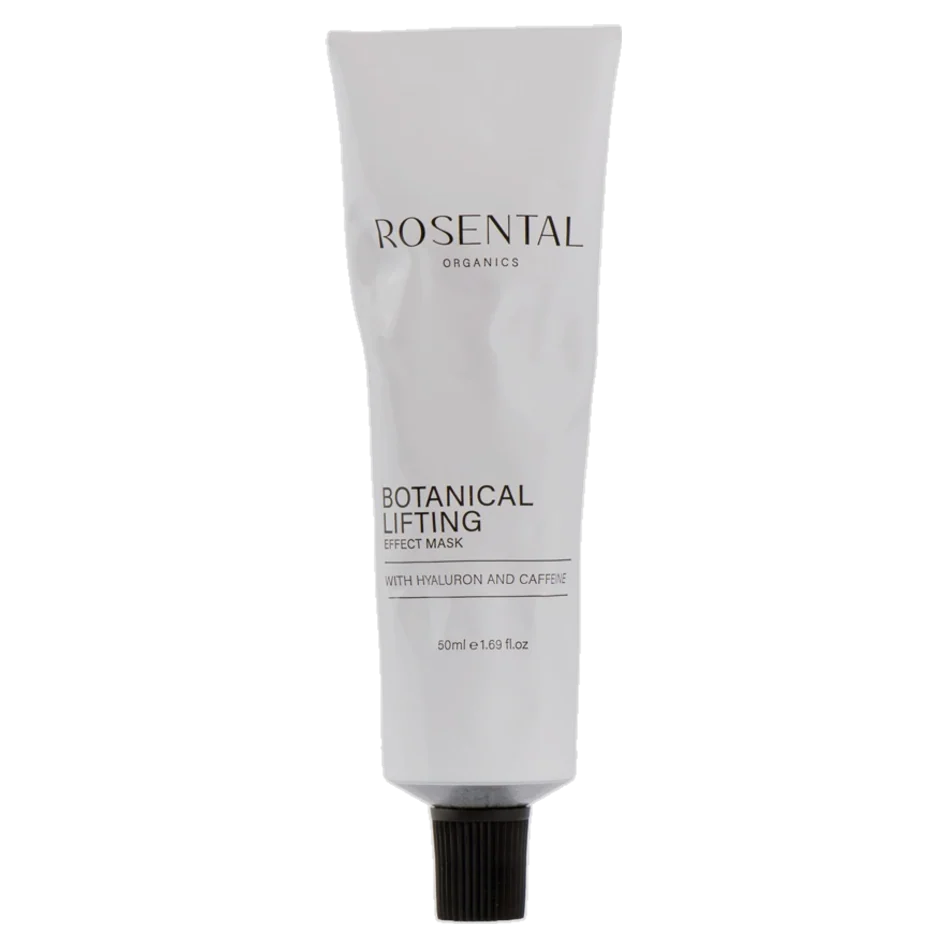
Rosental Organics
Botanical Lifting Effect Mask
25th of 28 on the label
below ≈1%
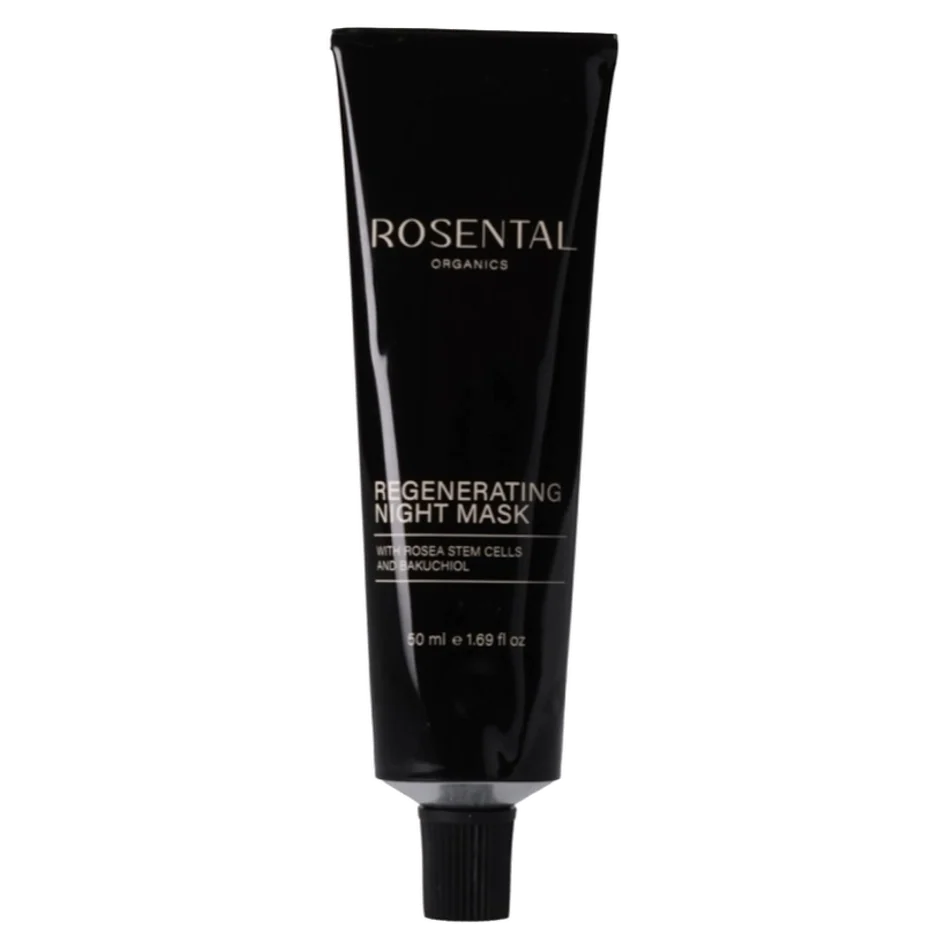
Rosental Organics
Regenerating Night Mask
30th of 44 on the label
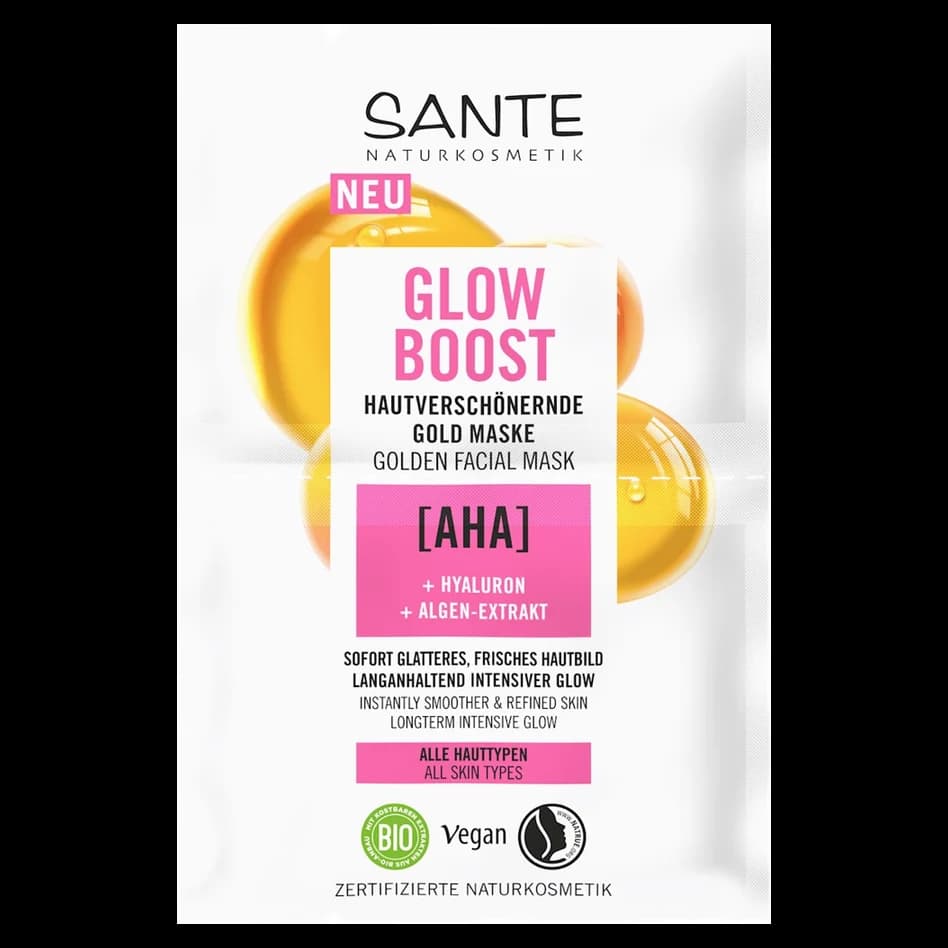
Santé Naturkosmetik
Glow Boost Maske AHA
18th of 29 on the label
below ≈1%
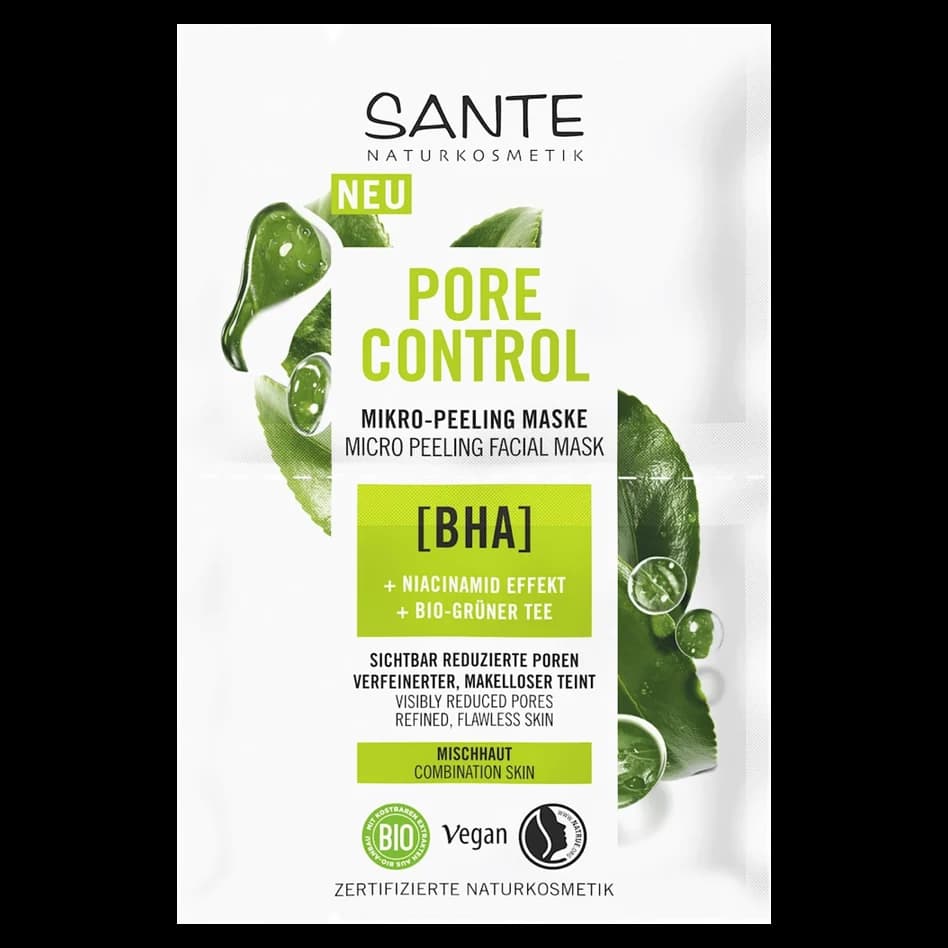
Santé Naturkosmetik
Pore Control Maske BHA
19th of 29 on the label
below ≈1%
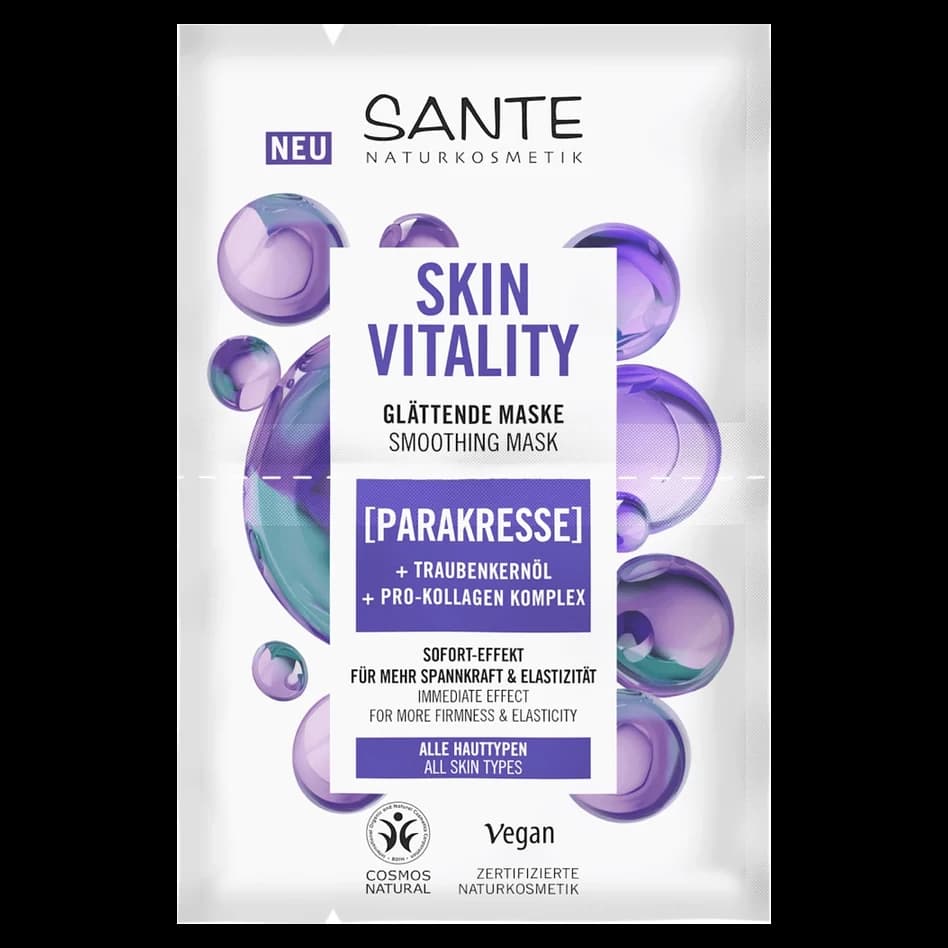
Santé Naturkosmetik
Skin Vitality Maske Parakresse
18th of 33 on the label
below ≈1%
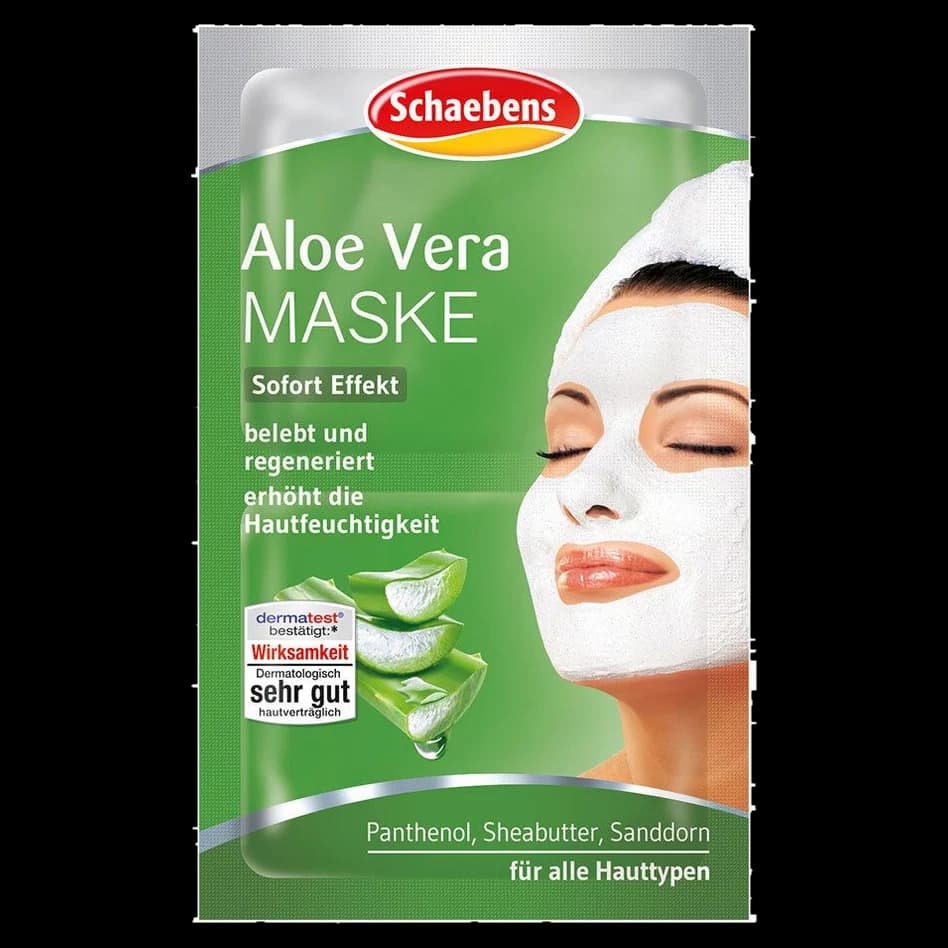
Schaebens
Aloe Vera Maske
13th of 34 on the label
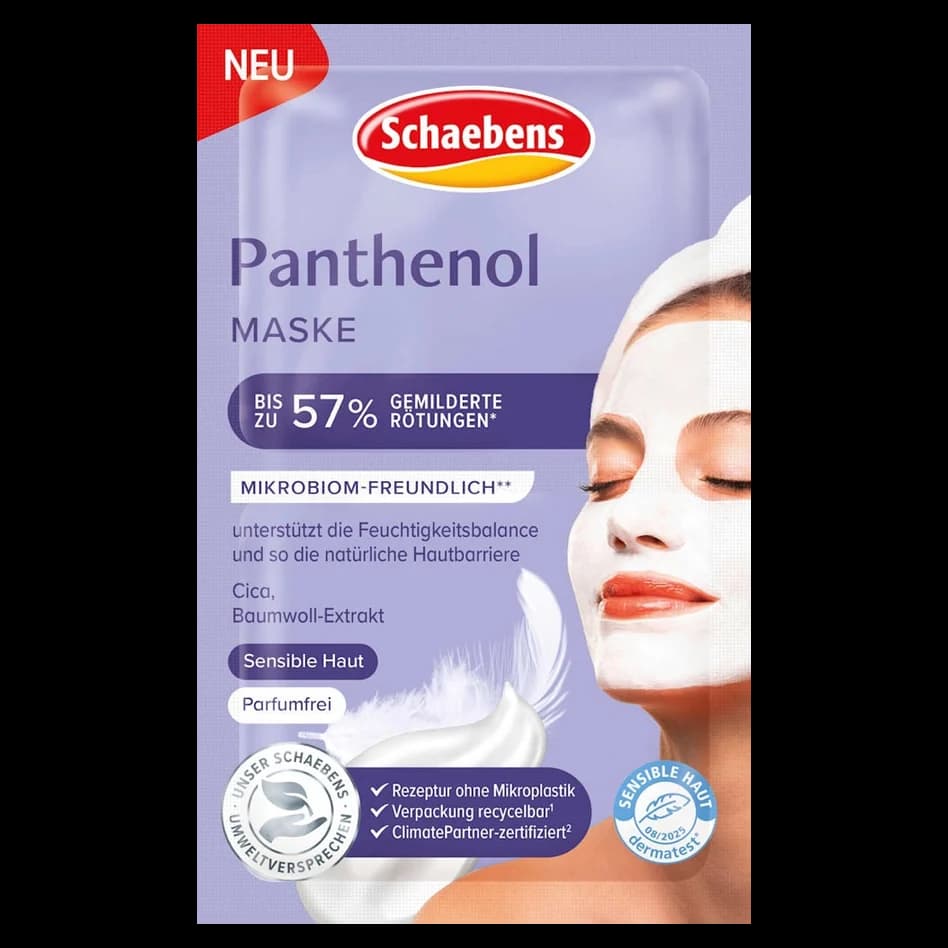
Schaebens
Gesichtsmaske Panthenol
3rd of 22 on the label
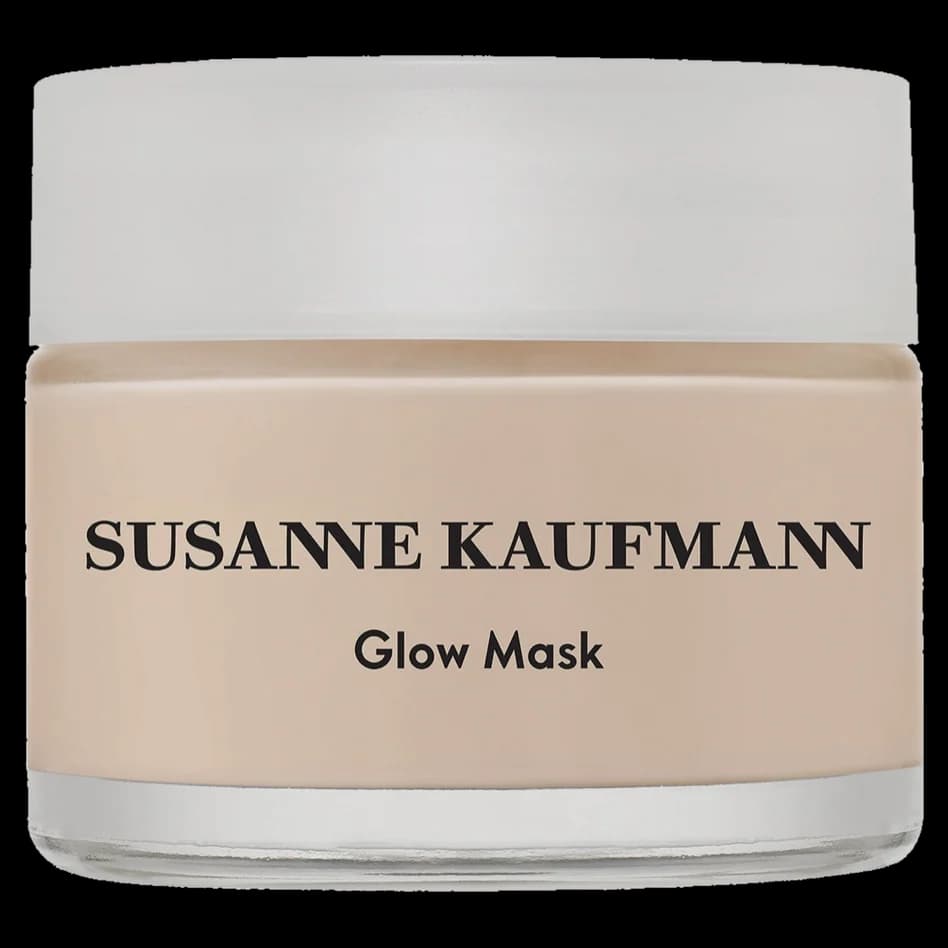
Susanne Kaufmann
Glow Mask
30th of 45 on the label
below ≈1%
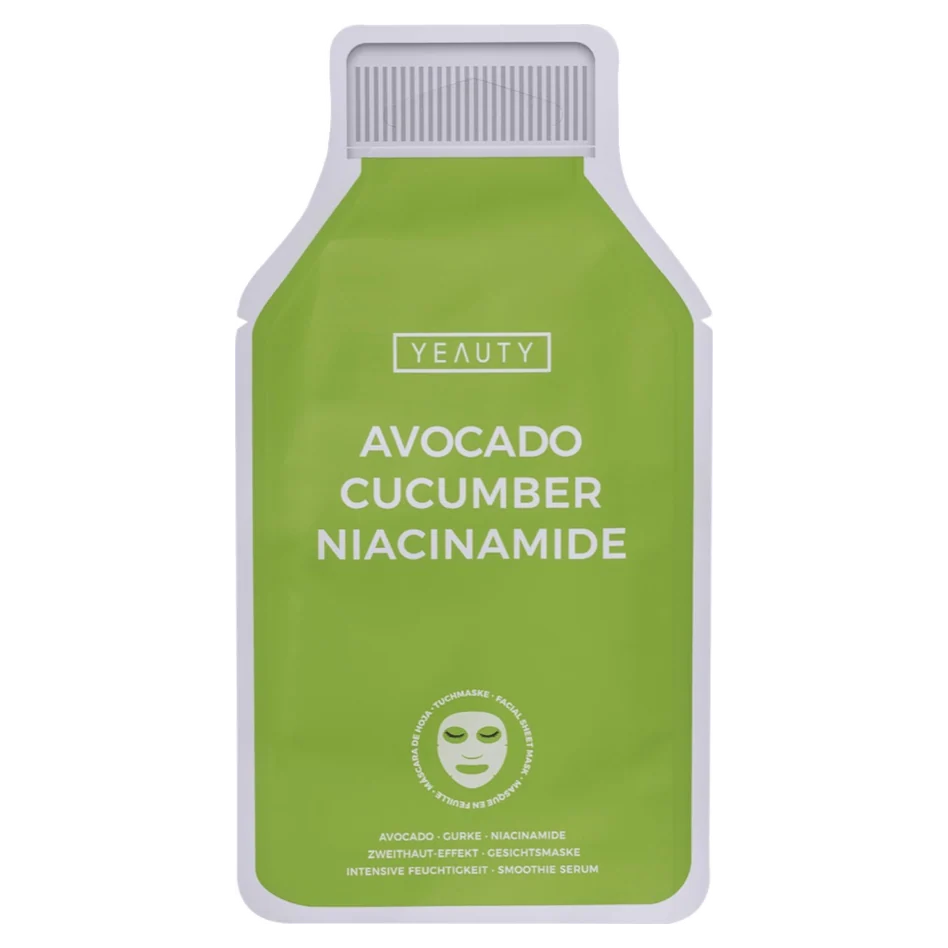
Yeauty
Tuchmaske Avocado Cucumber Niacinamide
9th of 29 on the label
below ≈1%