Cetyl Ethylhexanoate
No meaningful concern for most people; irritation is possible but rare.
Also written as: Hexadecyl 2-Ethylhexanoate
What it is
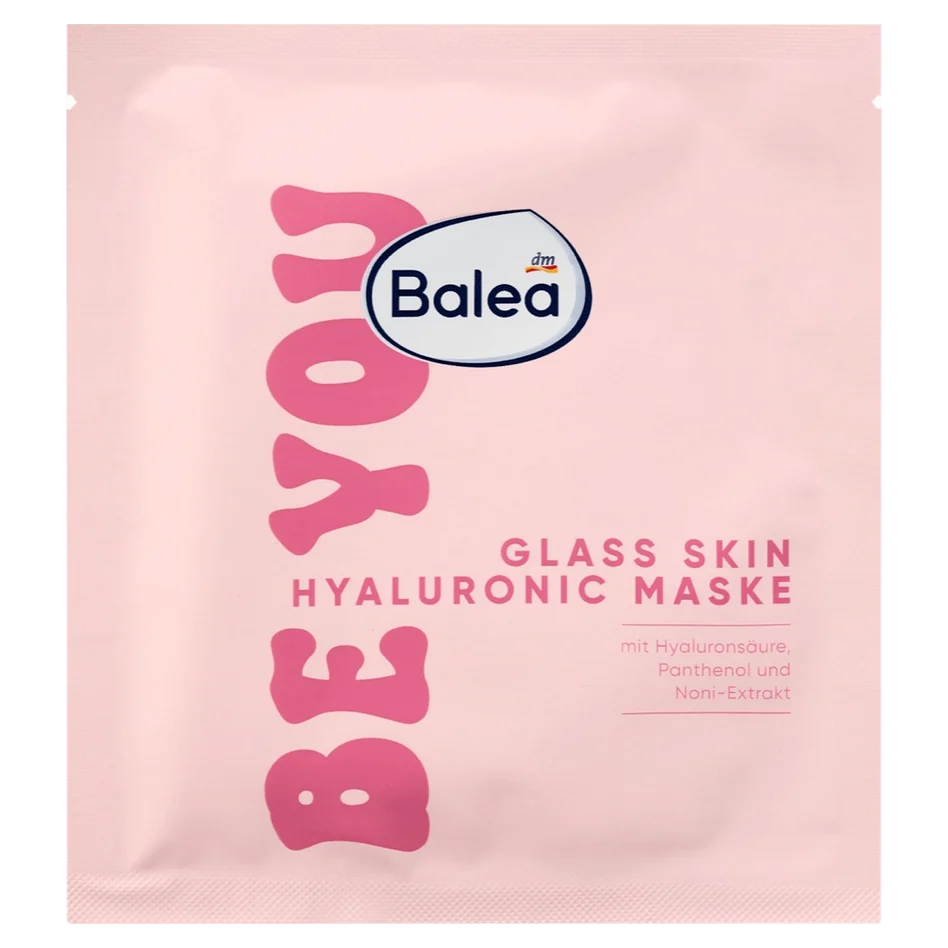
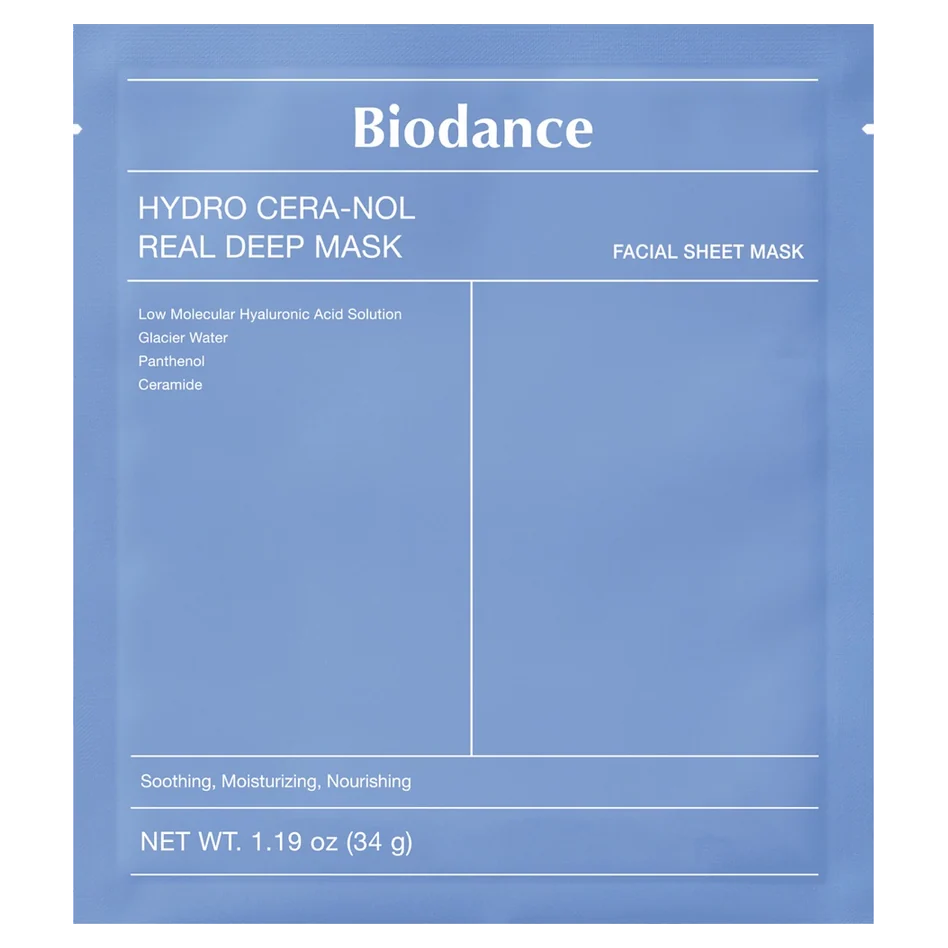
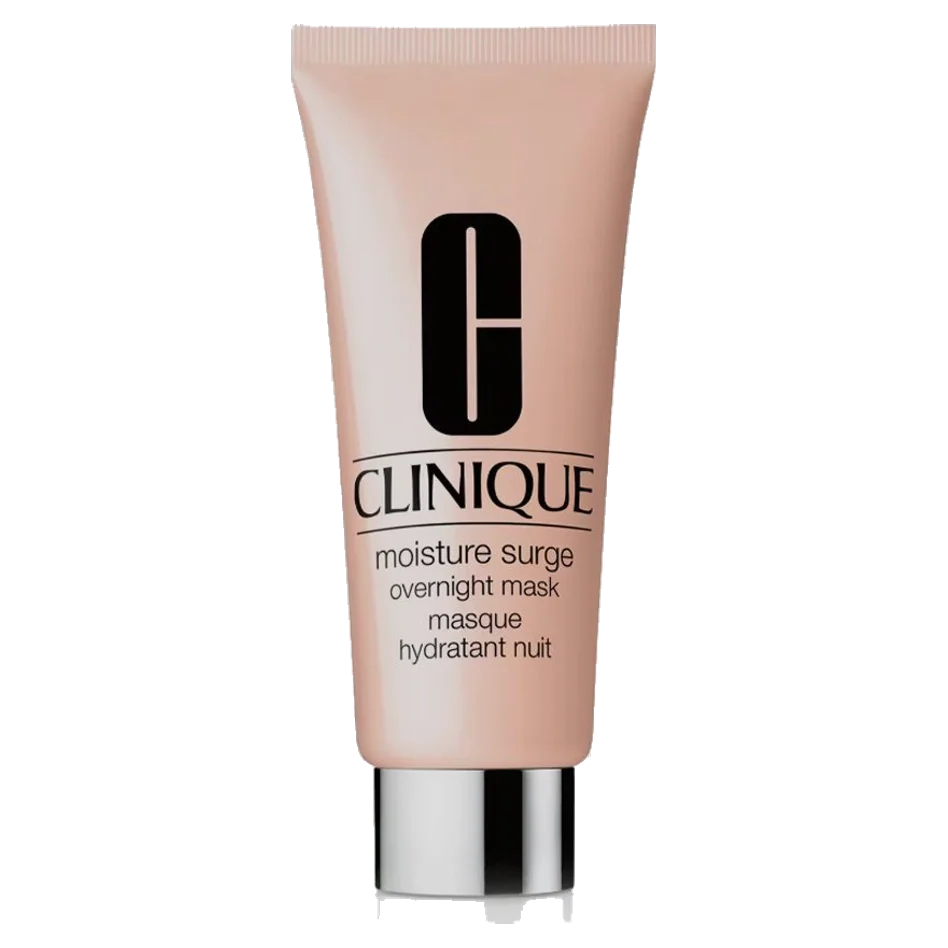
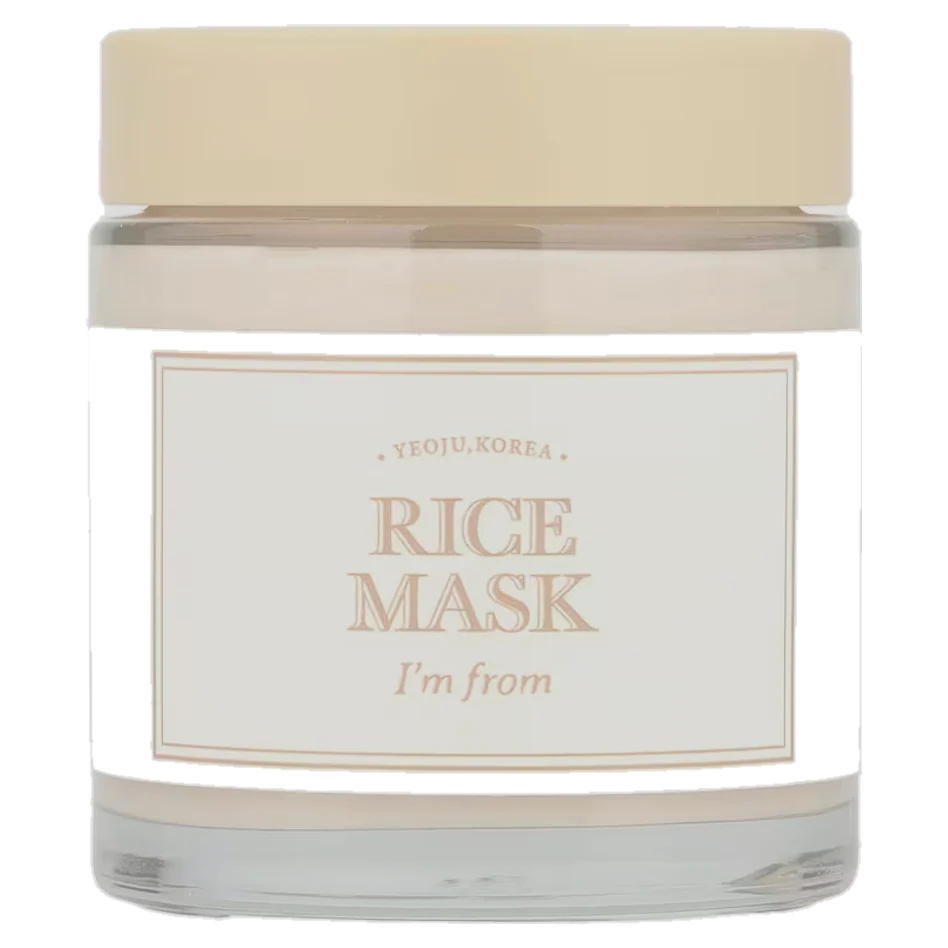
Cetyl ethylhexanoate is the ester of cetyl alcohol and 2-ethylhexanoic acid; CosIng's chemical name for it is hexadecyl 2-ethylhexanoate. CosIng records it as a skin-conditioning emollient. Its sibling cetearyl ethylhexanoate was first included in a draft of the Cosmetic Ingredient Review's alkyl esters re-review, but the panel decided that was not appropriate. The reason was 2-ethylhexanoic acid, which these esters can break down to: given orally at high doses, it has been shown to harm the liver and the developing young in rodents. So the panel gave sixteen ethylhexanoates a separate review, which concluded in 2013 that they are safe when formulated to be non-irritating. With 275 US registrations in 2013, it was the second most used of the sixteen. It also had the highest use concentrations: 77.3% in rinse-off products used near the eye and 52% in lipstick. In this catalogue it is printed on five masks: three Korean, one German and one American.
How it shows up on a label
Fourth on Balea's Glass Skin hydrogel mask, Biodance's Hydro Cera-nol Real Deep Mask and Missha's Airy Fit pearl sheet mask, fifth on I'm From's Rice Mask and seventh on Clinique's Moisture Surge Overnight Mask - above the point where ingredient order stops indicating quantity on all five.
What it does well
Serves as the emollient in the formula
Skin-conditioning emollient is the function CosIng records for it, and the Cosmetic Ingredient Review puts the ethylhexanoates primarily in that role. This is the job it is added to do, not a measured effect of these masks on skin.
Strong evidence
Reviewed as safe when formulated to be non-irritating
The Cosmetic Ingredient Review concluded in 2013 that the alkyl ethylhexanoates, cetyl ethylhexanoate among them, are safe in the present practices of use and concentration when formulated to be non-irritating. The panel addressed the 2-ethylhexanoic acid question directly. Its report concluded that, for any of these esters absorbed through the skin, "any metabolism would not generate hexanoic acid at sufficient levels to trigger the MT-induction-dependent effects observed in animal studies". In context, "hexanoic acid" refers to the 2-ethylhexanoic acid discussed, and MT is metallothionein, whose induction is the first link in the chain of effects the panel described. The evidence grade is limited because the only toxicity tests on cetyl ethylhexanoate itself are skin-irritation tests; its sensitisation, phototoxicity and systemic-toxicity picture is read across from its sibling cetearyl ethylhexanoate, which was not a sensitiser and not phototoxic.
Limited evidence
Worth knowing
Undiluted, it irritated skin in animals and mildly in people
Undiluted cetyl ethylhexanoate was severely irritating to rabbit skin, moderately irritating to guinea pig skin, mildly irritating to rat skin and non-irritating to miniature swine. A 48-hour patch of the undiluted ester on 50 men was mildly irritating, which the study defined as 10-40% positive reactions. The panel was concerned that some products made with alkyl ethylhexanoates could irritate skin, and so required them to be formulated to be non-irritating. The masks here contain it in a formula, not neat.
Matters most toPeople whose skin reddens easily under leave-on or overnight masks.
It can help other ingredients through the skin
In a study on excised hairless rat skin, the drug indomethacin passed through from cetyl ethylhexanoate and two related esters but not from liquid paraffin, and it passed faster the better it dissolved in the ester. The panel cautioned that formulators should take care when combining these esters with ingredients whose safety depends on poor skin absorption.
Where the EU stands
No specific restriction
Not restricted for cosmetic use in the EU: cetyl ethylhexanoate appears in no annex of the Cosmetics Regulation as consolidated on 18 May 2026, and CosIng records no restriction for it. Two related substances are banned under Annex II: 2-ethylhexanoic acid and its salts (entry 1024, which already prohibited the acid and was replaced by Regulation (EU) 2023/1490 to extend it to the salts) and the different ester 2-ethylhexyl 2-ethylhexanoate (entry 1491). Cetyl ethylhexanoate is neither that acid, nor a salt of it, nor that ester.
Regulation (EC) No 1223/2009 - no annex entry; related substances at Annex II entries 1024 and 1491 · source ↗
Sources (5)
Every link goes to the original: a journal, a PubMed record or an EU document.
- [1]Amended Safety Assessment of Alkyl Ethylhexanoates as Used in Cosmetics - final amended report
Cosmetic Ingredient Review · 2013
Final amended report, released 12 April 2013 after the March 18-19, 2013 Panel meeting. Conclusion: "the alkyl ethylhexanoates, listed below, are safe in the present practices of use and concentration described in this safety assessment when formulated to be non-irritating"; Cetyl Ethylhexanoate is on the list. "The alkyl ethylhexanoates primarily function in cosmetics as skin conditioning agents." Use: "Cetearyl ethylhexanoate has the most reported uses, 404, followed by cetyl ethylhexanoate, 275"; "Cetyl ethylhexanoate has the highest reported use concentration, 77.3% in rinse-off formulations used near the eye; it also has the highest leave-on use concentration, 52% in lipstick formulations." Discussion: cetearyl ethylhexanoate's inclusion in the alkyl esters report "was not appropriate because 2-ethylhexanoic acid, a suspected liver and developmental toxicant in animal studies at high dose levels, is a possible metabolite"; "for alkyl ethylhexanoate compounds that are absorbed through the skin, any metabolism would not generate hexanoic acid at sufficient levels to trigger the MT-induction-dependent effects observed in animal studies". Irritation: "Undiluted cetyl ethylhexanoate was severely irritating to rabbit skin, moderately irritating to guinea pig skin, mildly irritating to rat skin, and non-irritating to the skin of miniature swine. A 48-h patch with undiluted cetyl ethylhexanoate produced mild irritation in dermal irritation study in 50 subjects" ("mildly irritating (defined as producing 10-40% positive reactions)", "50 male subjects"). Penetration: "Alkyl ethylhexanoates tended to increase the permeation rate of indomethacin. The increase occurred due to increased solubility"; "care should be taken in formulating cosmetic products that may contain these ingredients in combination with any ingredients whose safety was based on their lack of dermal absorption data". Cetearyl ethylhexanoate "was not a sensitizer, and was not phototoxic". Checked 13 October 2026.
- [2]Safety Assessment of Alkyl Ethylhexanoates as Used in Cosmetics
International Journal of Toxicology 34(3 Suppl):61S-73S · 2015 · doi:10.1177/1091581815617794
The journal publication of the 2013 final amended report, abstract read via Europe PMC: the Panel "assessed the safety of 16 alkyl ethylhexanoates for use in cosmetics, concluding that these ingredients are safe in cosmetic formulations in the present practices of use and concentrations when formulated to be nonirritating"; "The highest concentration of use reported for any of the alkyl ethylhexanoates is 77.3% cetyl ethylhexanoate in rinse-off formulations used near the eye, and the highest leave-on use reported is 52% cetyl ethylhexanoate in lipstick formulations." Checked 13 October 2026.
- [3]Quick Reference Table: CIR conclusions by ingredient
Cosmetic Ingredient Review · 2024
The table of conclusions, updated October 2024, lists Cetyl Ethylhexanoate with finding SQ (safe with qualifications) and the conclusion that the alkyl ethylhexanoates, listed below, "are safe in the present practices of use and concentration described in the safety assessment when formulated to be non-irritating", citing IJT 34(Suppl.3):61-73, 2015. Checked 13 October 2026.
- [4]CosIng entry: Cetyl Ethylhexanoate
European Commission, CosIng database
INCI name CETYL ETHYLHEXANOATE, status active, chemical name "Hexadecyl 2-ethylhexanoate", CAS 59130-69-7. Function: skin conditioning - emollient. No annex number, cosmetic restriction or other restriction is recorded. Checked 13 October 2026.
- [5]Regulation (EC) No 1223/2009 on cosmetic products, consolidated text of 18 May 2026
Official Journal of the European Union · 2026
A sweep of the full consolidated text finds no occurrence of cetyl ethylhexanoate, hexadecyl 2-ethylhexanoate or CAS 59130-69-7. Annex II entry 1024, in the wording substituted by Commission Regulation (EU) 2023/1490, prohibits "2-ethylhexanoic acid and its salts with the exception of those specified elsewhere in Annex VI to Regulation (EC) No 1272/2008" (CAS 149-57-5). Annex II entry 1491 prohibits "2-Ethylhexyl-2-ethylhexanoate" (CAS 7425-14-1). The other ethylhexanoates named are nickel salts within the Annex II nickel entries and dibutyltin bis(2-ethylhexanoate) (Annex II entry 1696). Checked 13 October 2026.