Chlorphenesin
Genuinely relevant for some people, or depends on dose and pH.
Also written as: 3-(4-Chlorophenoxy)propane-1,2-diol · Chlorphenesine
What it is
Chlorphenesin is a synthetic chlorinated glycol ether that was first used as a topical antifungal medicine and later adopted as a cosmetic preservative. It is active against fungi and Gram-positive bacteria and stays effective across a wide pH range, which makes it useful in emulsions and mask essences. It is usually combined with phenoxyethanol or a glycol because it does not cover Gram-negative bacteria well on its own.
What it does well
Strong antifungal activity at low use levels
It is particularly effective against yeasts and moulds, the organisms that spoil sheet-mask essences, and remains active in formulas that are too neutral for benzoates or sorbates.
Moderate evidence
Allows lower total preservative loads in combination systems
Because it complements phenoxyethanol's spectrum, the two together can be used at lower individual concentrations than either alone. This is a formulation rationale rather than a proven consumer benefit.
Limited evidence
Worth knowing
A documented cause of allergic contact dermatitis, often on the face
Case reports going back to the 1980s describe facial dermatitis from chlorphenesin in cosmetics, and dermatology journals reported a re-emergence of cases in 2022 and again in 2025. It is not a top-tier allergen, but it is a real one and it is not in most standard patch-test series, so it can be missed.
Matters most toPeople with unexplained facial dermatitis from skincare, and anyone with known preservative allergy.
Under-recognised because it is not routinely patch tested
A 2025 letter in Dermatitis argued chlorphenesin allergy is overlooked precisely because it is absent from many baseline patch-test panels, so real cases go unattributed.
Matters most toAnyone being investigated for cosmetic contact dermatitis: worth asking for it to be added to testing.
Where the EU stands
Approved preservative (Annex V)
Permitted preservative, maximum 0.3% in all cosmetic products.
Regulation (EC) No 1223/2009, Annex V entry 50 · source ↗
Sources (3)
Every link goes to the original: a journal, a PubMed record or an EU document.
- [1]Re-emergence of allergic contact dermatitis from chlorphenesin
Contact Dermatitis · 2022 · doi:10.1111/cod.14196
Reports a resurgence of allergic contact dermatitis caused by chlorphenesin in cosmetic products, decades after the first published cases.
- [2]Chlorphenesin-Induced Allergic Contact Dermatitis: An Overlooked Phenomenon?
Dermatitis · 2025 · doi:10.1089/derm.2024.0433
A clinical letter arguing that chlorphenesin allergy is probably under-diagnosed because the substance is missing from many routine patch-test series.
- [3]Two cases of facial dermatitis due to chlorphenesin in cosmetics
Contact Dermatitis · 2005
Describes facial dermatitis in two patients traced to chlorphenesin used as a preservative in facial cosmetics.
Masks that contain Chlorphenesin
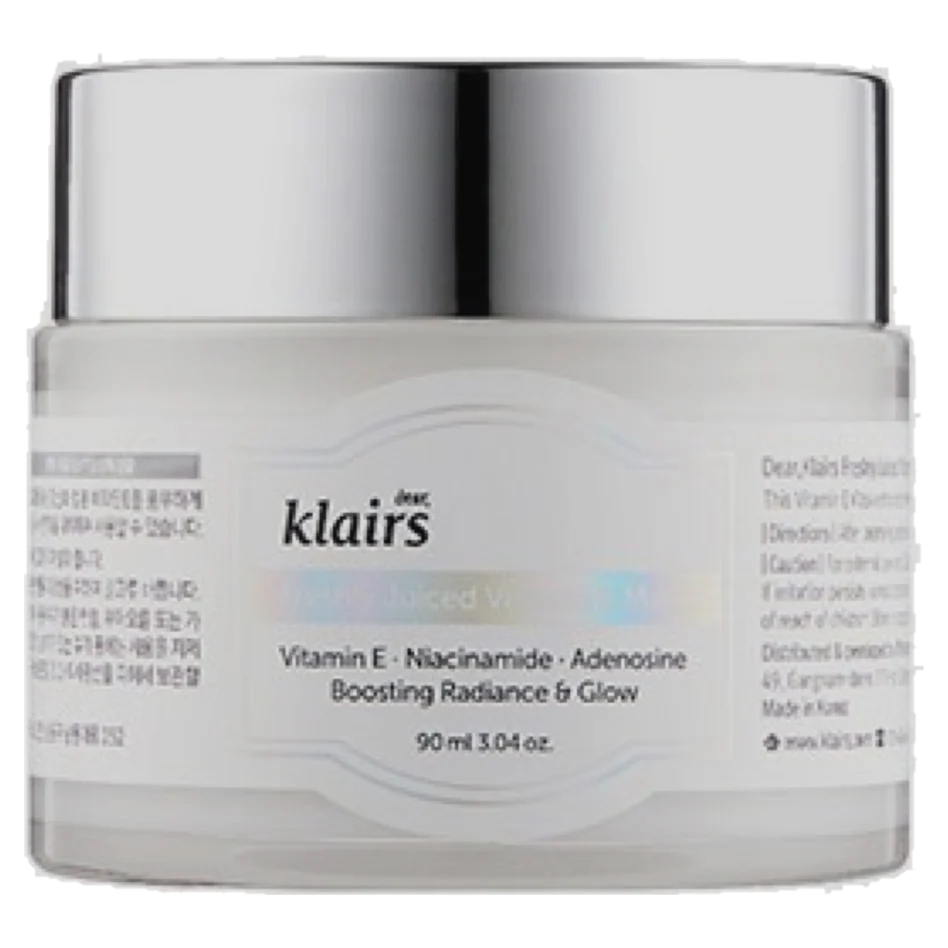
Dear, Klairs
Freshly Juiced Vitamin E Mask
15th of 30 on the label
below ≈1%
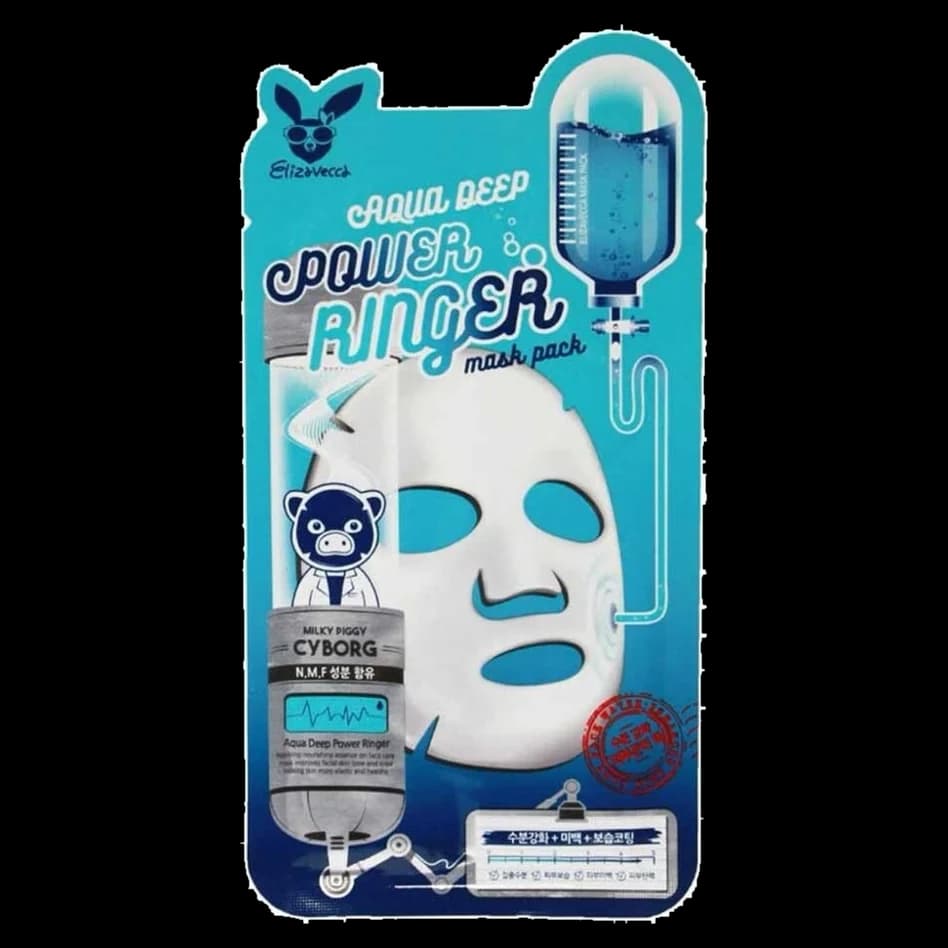
Elizavecca
Aqua Deep Power Ringer Mask Pack
9th of 28 on the label
below ≈1%
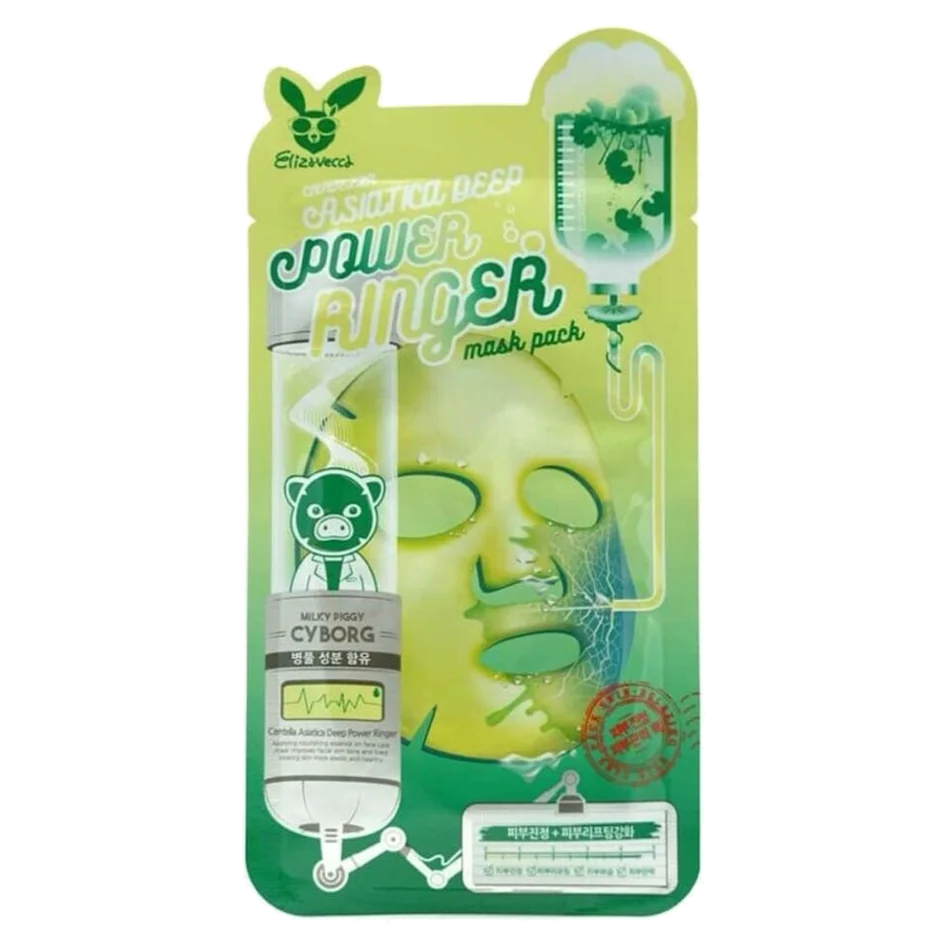
Elizavecca
Centella Deep Power Ringer Mask Pack
10th of 22 on the label
below ≈1%
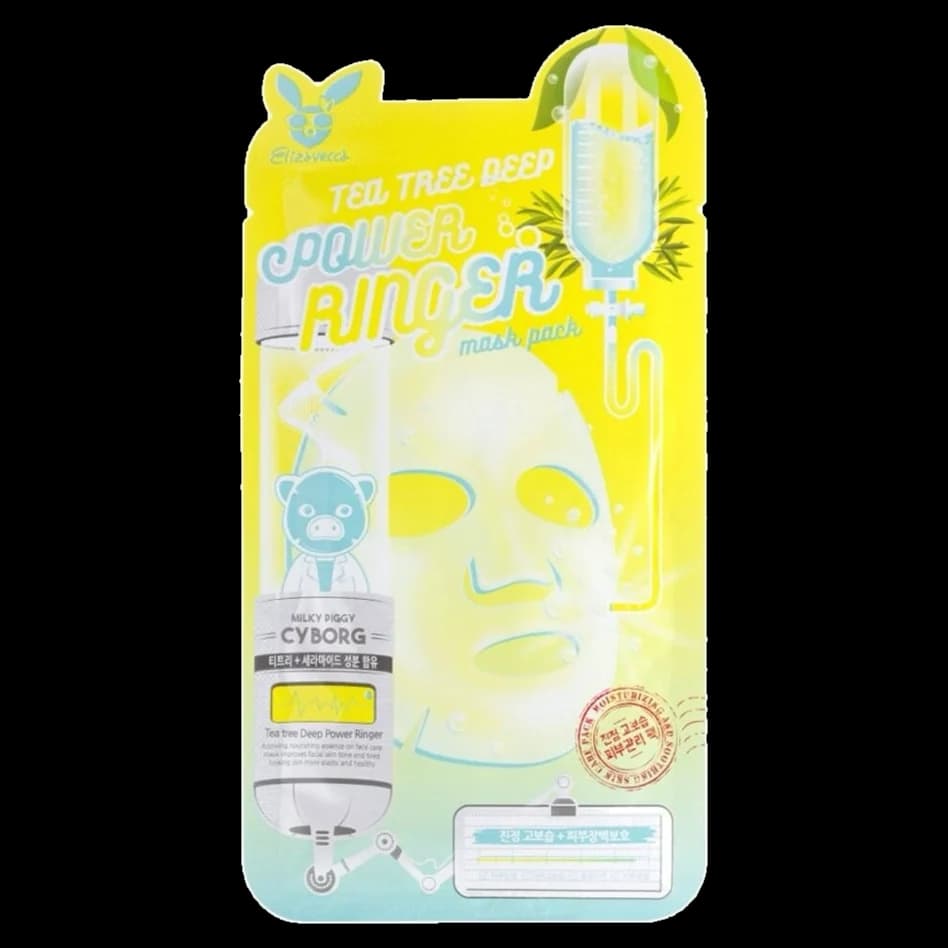
Elizavecca
Tea Tree Deep Power Ringer Mask Pack
9th of 23 on the label
below ≈1%
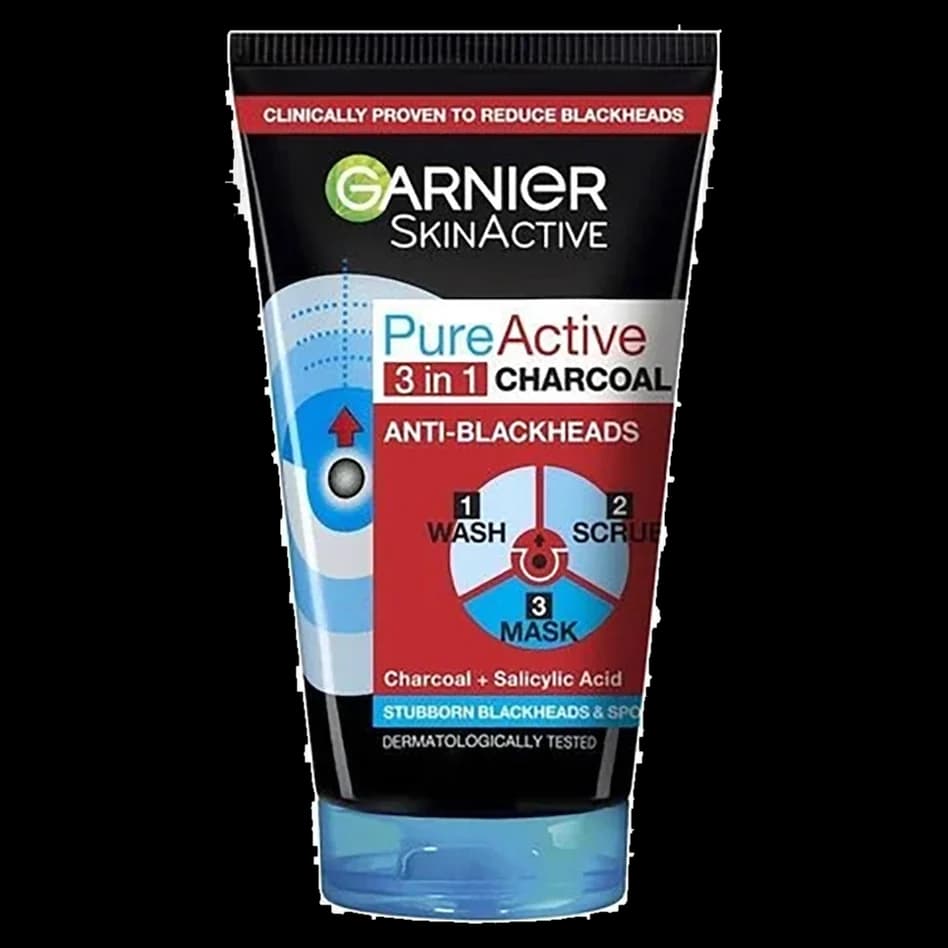
Garnier
Pure Active 3-in-1 Charcoal Wash, Scrub & Mask
23rd of 25 on the label
below ≈1%
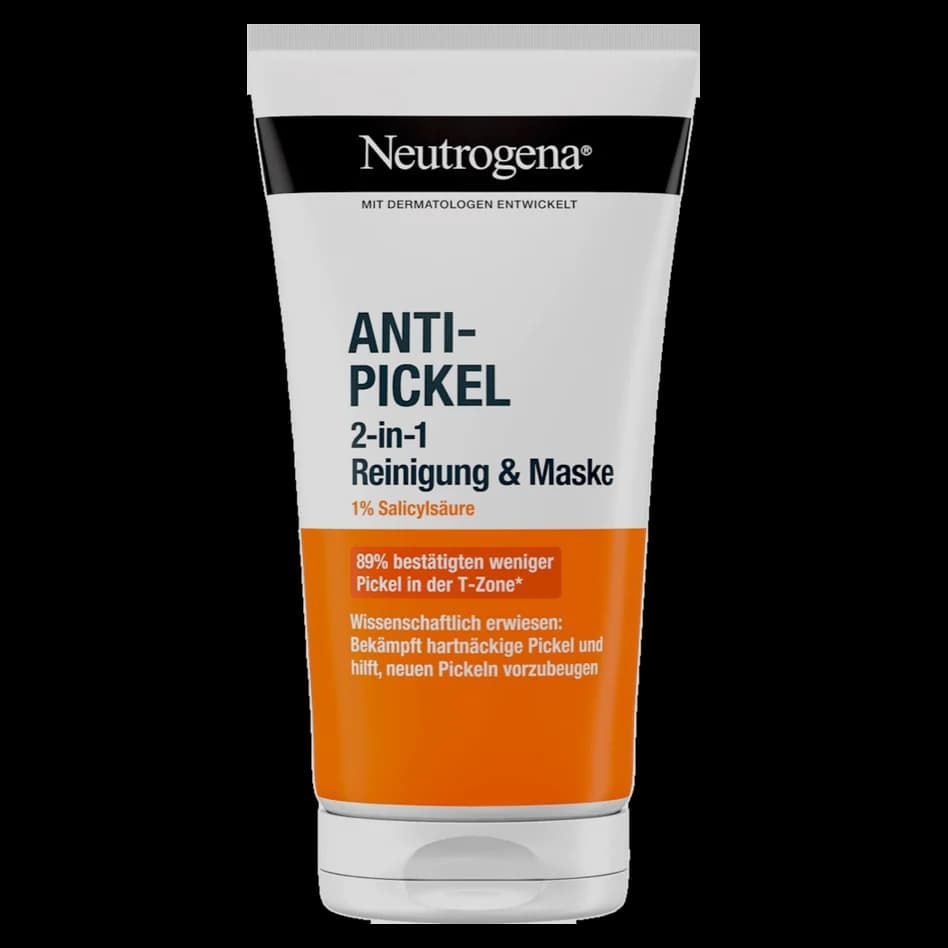
Neutrogena
Anti Pickel Gesichtsmaske 2in1
21st of 23 on the label
below ≈1%
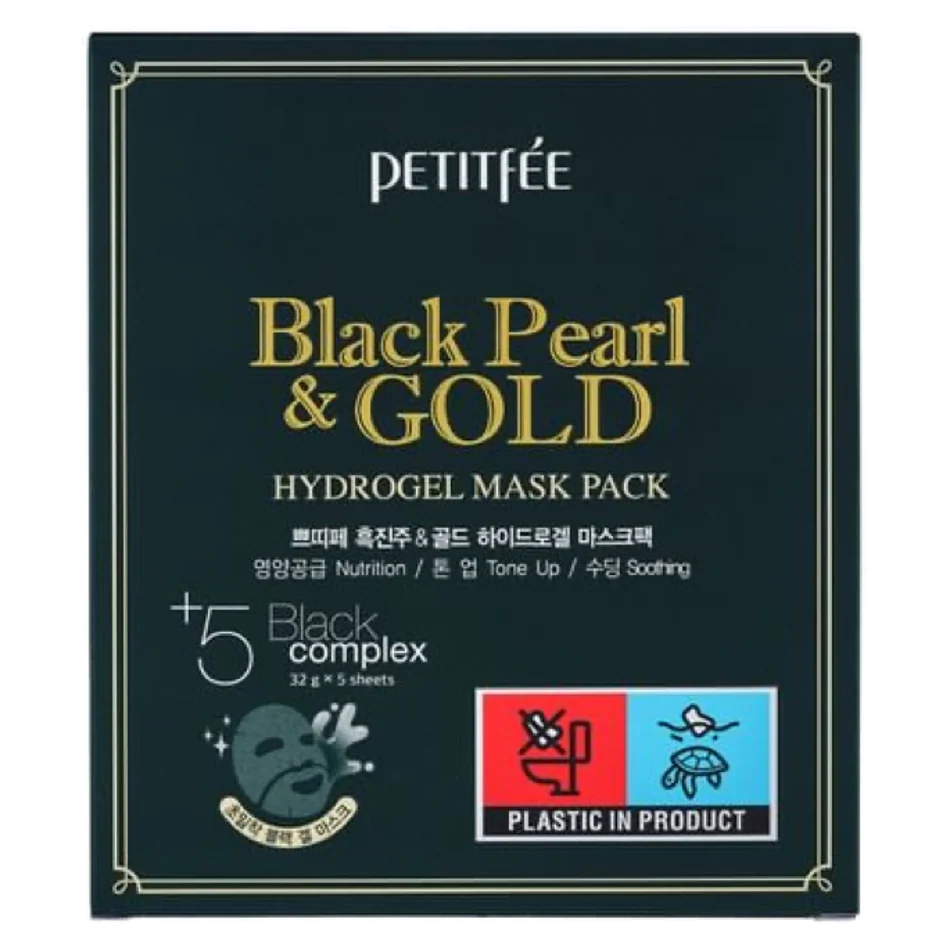
Petitfee
Black Pearl & Gold Hydrogel Mask Pack
30th of 33 on the label
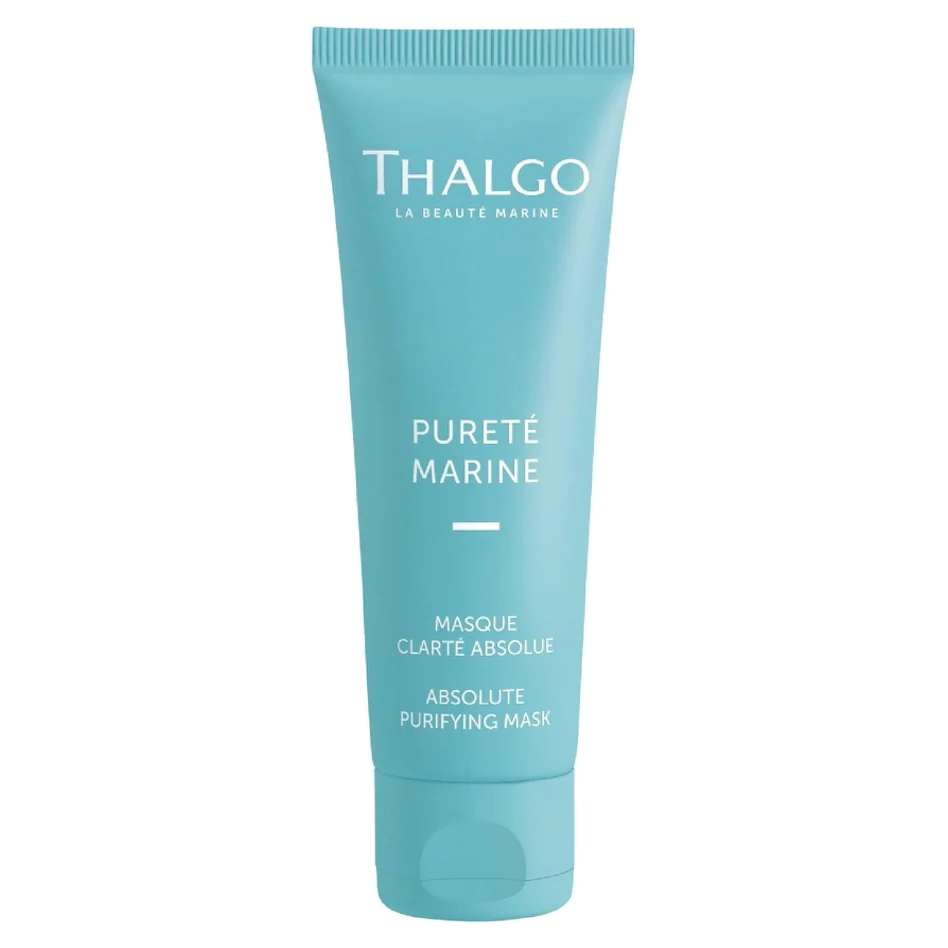
THALGO
Klärende Intensiv-Maske
18th of 32 on the label
below ≈1%
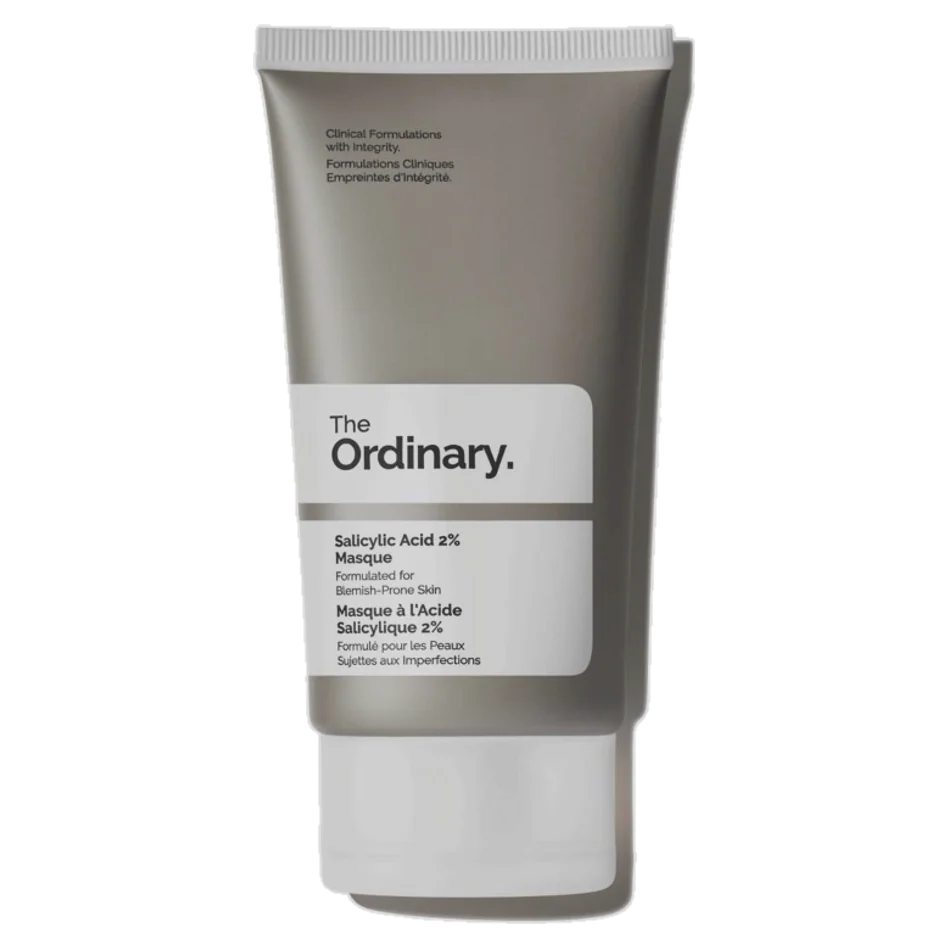
The Ordinary
Salicylic Acid 2% Masque
18th of 19 on the label
below ≈1%
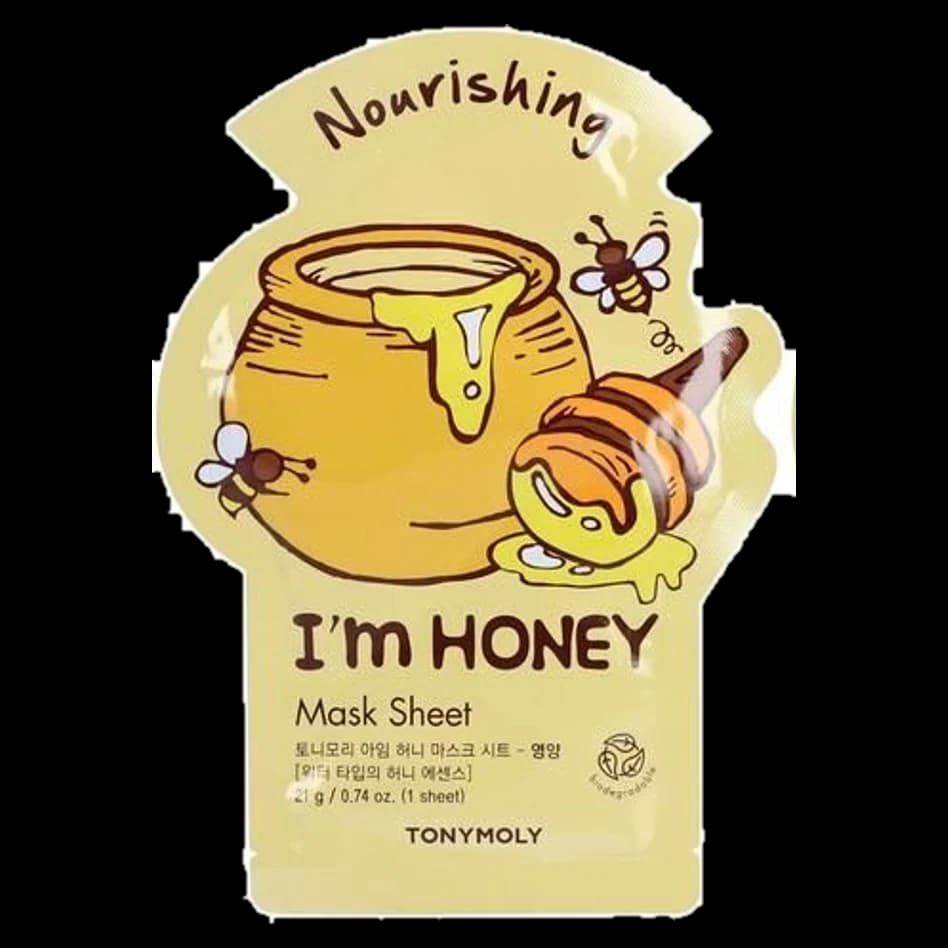
TONYMOLY
I'm Honey Mask Sheet
16th of 18 on the label
below ≈1%
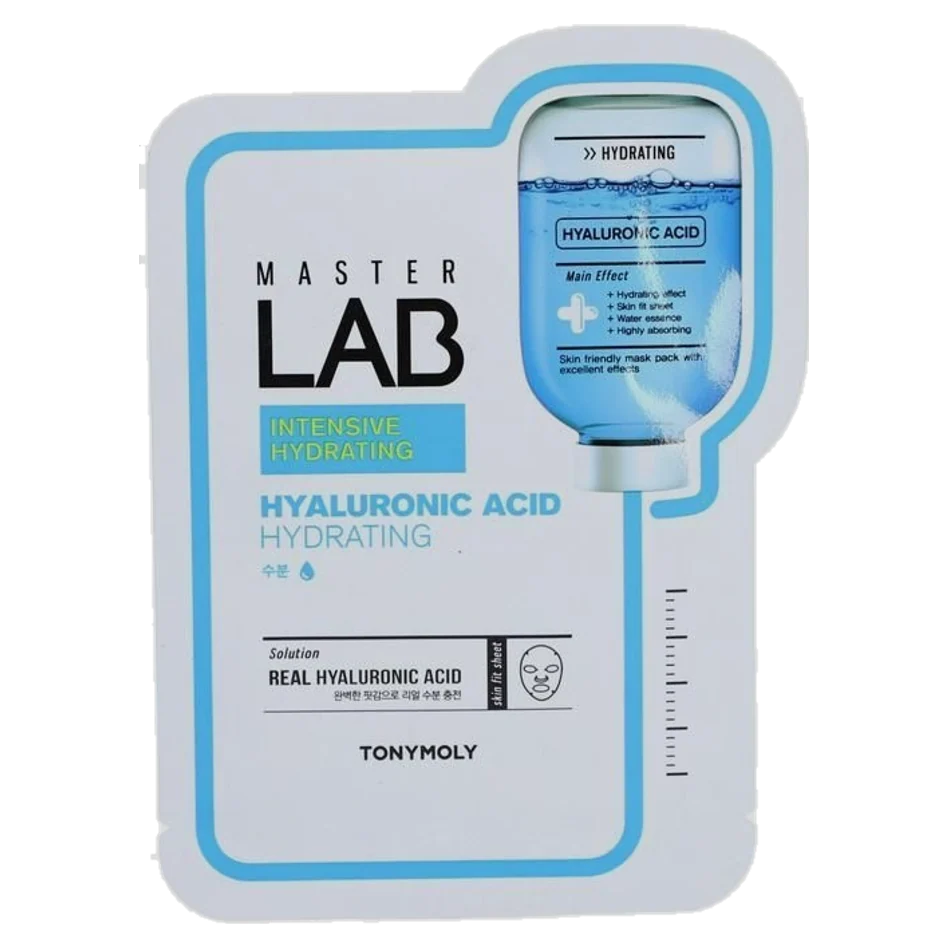
TONYMOLY
Master Lab Sheet Mask Hyaluronic Acid
12th of 31 on the label
below ≈1%
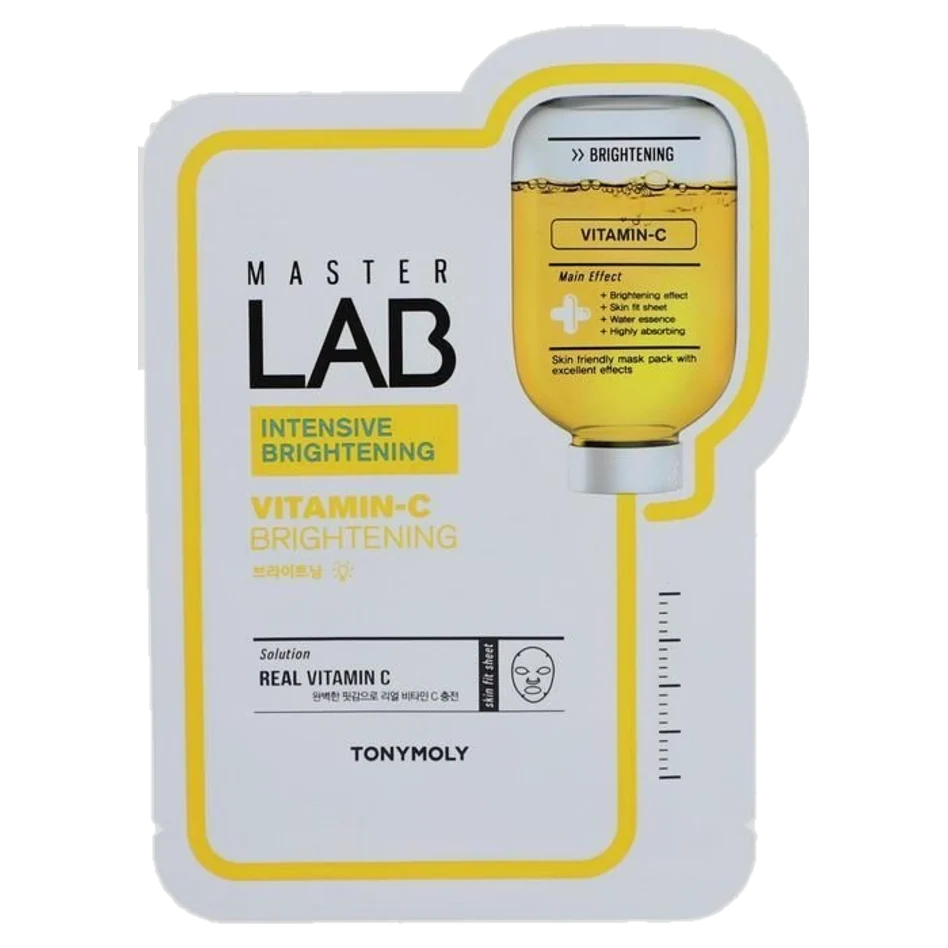
TONYMOLY
Master Lab Sheet Mask Vitamin C
15th of 33 on the label
below ≈1%
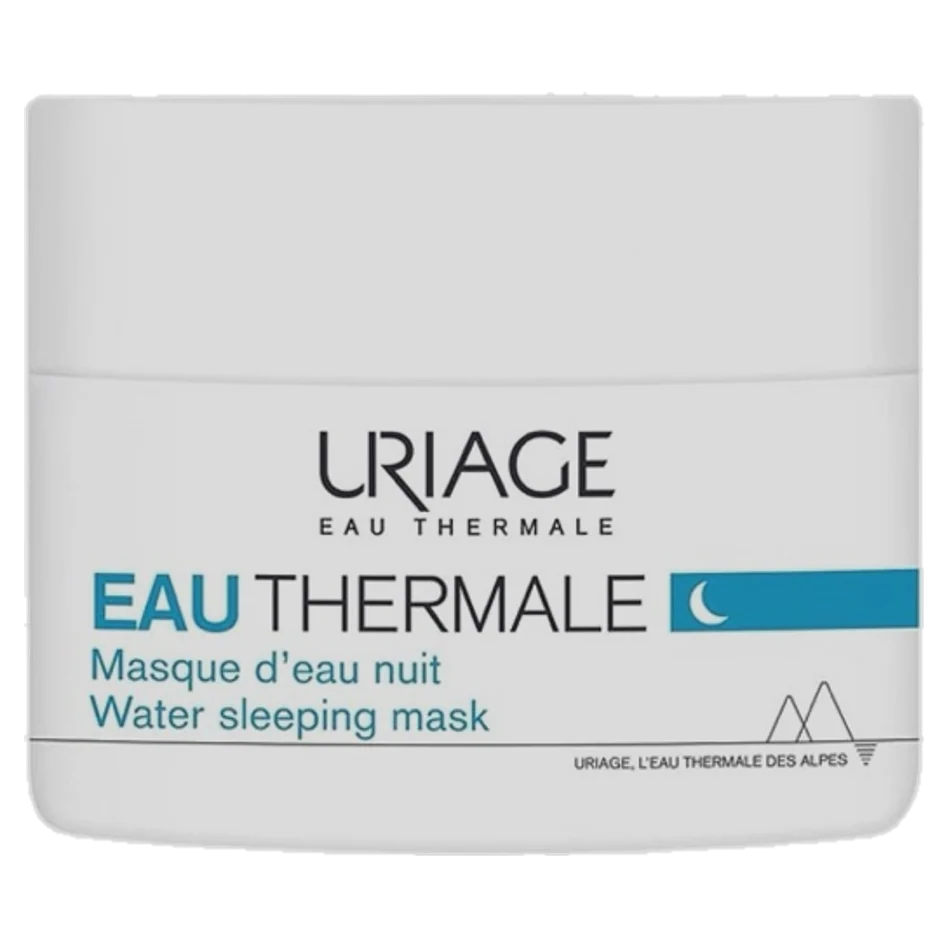
Uriage
Eau Thermale Water Sleeping Mask
12th of 29 on the label
below ≈1%