Cholesterol
Cholesterol
No meaningful concern for most people; irritation is possible but rare.
What it is
Cholesterol is not only a blood lipid: it is a structural component of every cell membrane and makes up roughly a quarter of the lipid mixture in the outermost layer of skin, alongside ceramides and free fatty acids. Epidermal cholesterol production falls with age, which is one reason older skin repairs its barrier more slowly. In cosmetics it is used both as a barrier lipid and as a co-emulsifier that helps build lamellar creams.
How it shows up on a label
Used at fractions of a per cent. Its presence next to ceramides and a fatty acid is a good sign that a formulator has read the barrier repair literature.
What it does well
Completes the three-lipid mixture the barrier needs
Foundational research showed that applying one or two of the three physiological lipids alone actually delays barrier recovery, and that only complete ceramide-cholesterol-fatty acid mixtures allow normal repair. A ceramide product without cholesterol and a fatty acid is working with one leg missing.
Strong evidence
Particularly relevant for older skin
In aged mouse and human skin, a lipid mixture in which cholesterol was the dominant component significantly accelerated barrier recovery after tape stripping, while a fatty-acid-dominant mixture actually delayed it.
Moderate evidence
Worth knowing
Often confused with dietary or blood cholesterol
Topical cholesterol has no bearing on blood cholesterol levels or cardiovascular risk; it is being used here as a structural skin lipid. This is a labelling misunderstanding rather than a safety issue.
Matters most toAnyone who has seen cholesterol on an ingredient list and been alarmed by it.
Frequently animal-derived
Cosmetic cholesterol is commonly isolated from wool grease (lanolin), though plant-derived and fermentation-derived grades exist. The INCI name is the same either way, so vegan status has to come from the brand.
Matters most toVegans, and people with a known lanolin allergy who prefer to avoid wool-derived materials.
Where the EU stands
No specific restriction
Not listed in any Annex of the EU Cosmetics Regulation, so there is no specific concentration limit; it is still covered by the general safety assessment every cosmetic product must pass before sale.
Regulation (EC) No 1223/2009 - no annex entry · source ↗
Sources (2)
Every link goes to the original: a journal, a PubMed record or an EU document.
- [1]Optimization of physiological lipid mixtures for barrier repair
Journal of Investigative Dermatology · 1996 · doi:10.1111/1523-1747.ep12340135
Only complete mixtures of ceramides, cholesterol and free fatty acids allow normal barrier recovery; making any one component up to threefold dominant accelerates repair further.
- [2]Optimal ratios of topical stratum corneum lipids improve barrier recovery in chronologically aged skin
Journal of the American Academy of Dermatology · 1997 · doi:10.1016/s0190-9622(97)70140-3
In aged mouse and human skin, a cholesterol-dominant physiological lipid mixture significantly accelerated barrier recovery, whereas a fatty-acid-dominant mixture delayed it.
Masks that contain Cholesterol
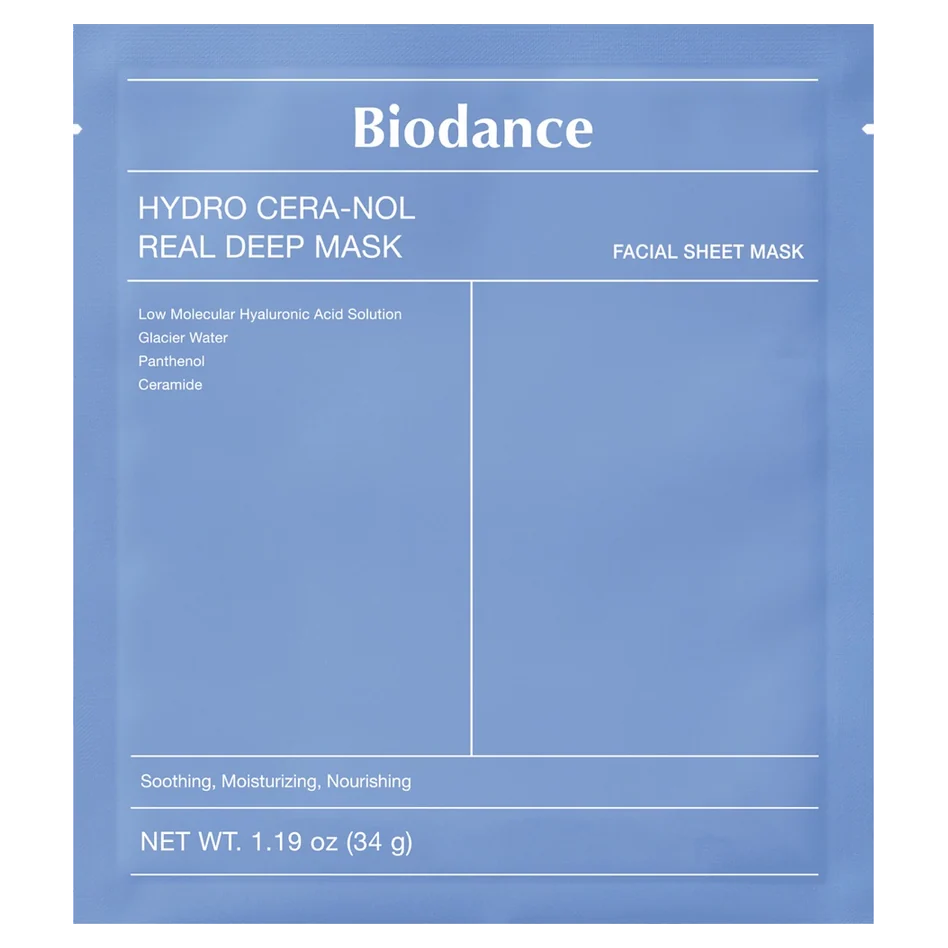
Biodance
Hydro Cera-nol Real Deep Mask
56th of 65 on the label
below ≈1%
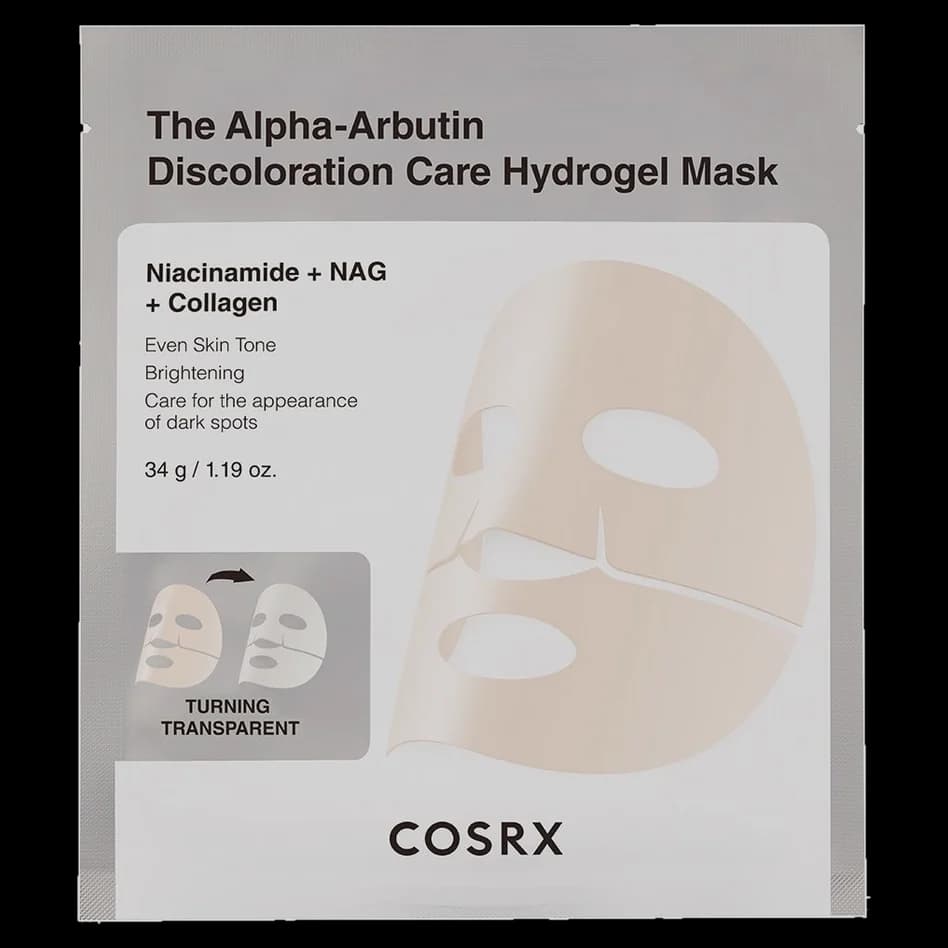
COSRX
The Alpha-Arbutin Discoloration Care Hydrogel Mask
37th of 44 on the label
below ≈1%
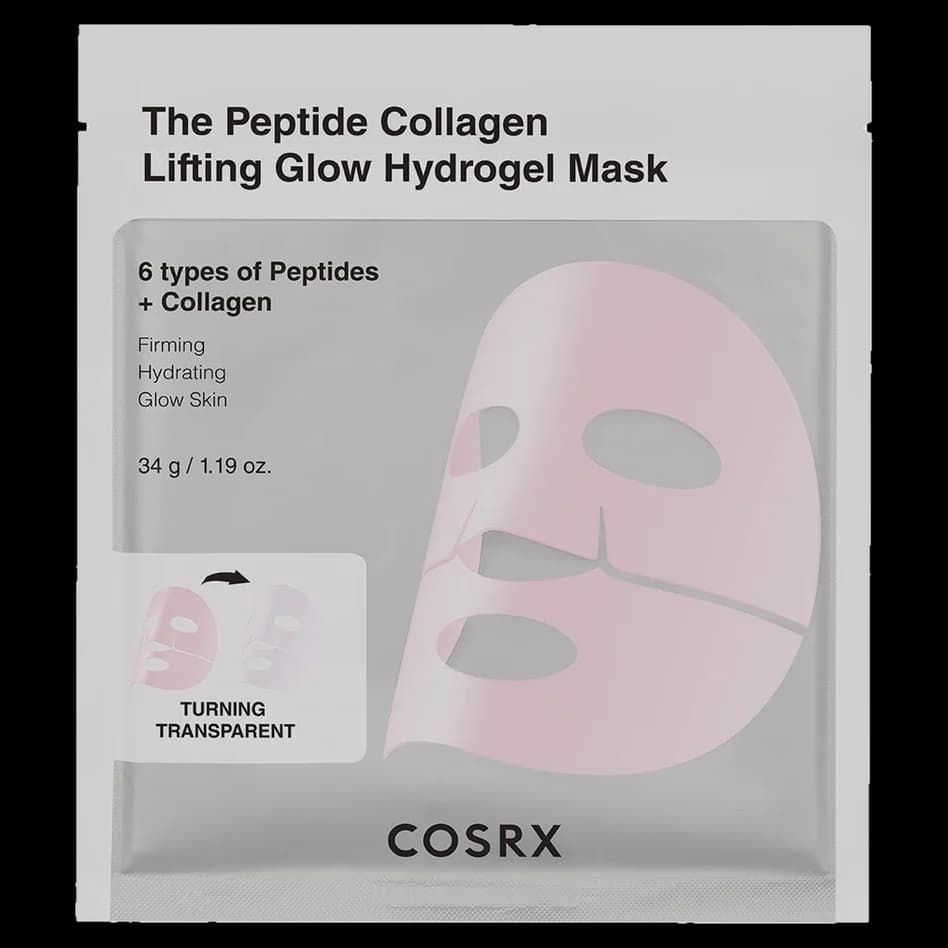
COSRX
The Peptide Collagen Lifting Glow Hydrogel Mask
38th of 49 on the label
below ≈1%
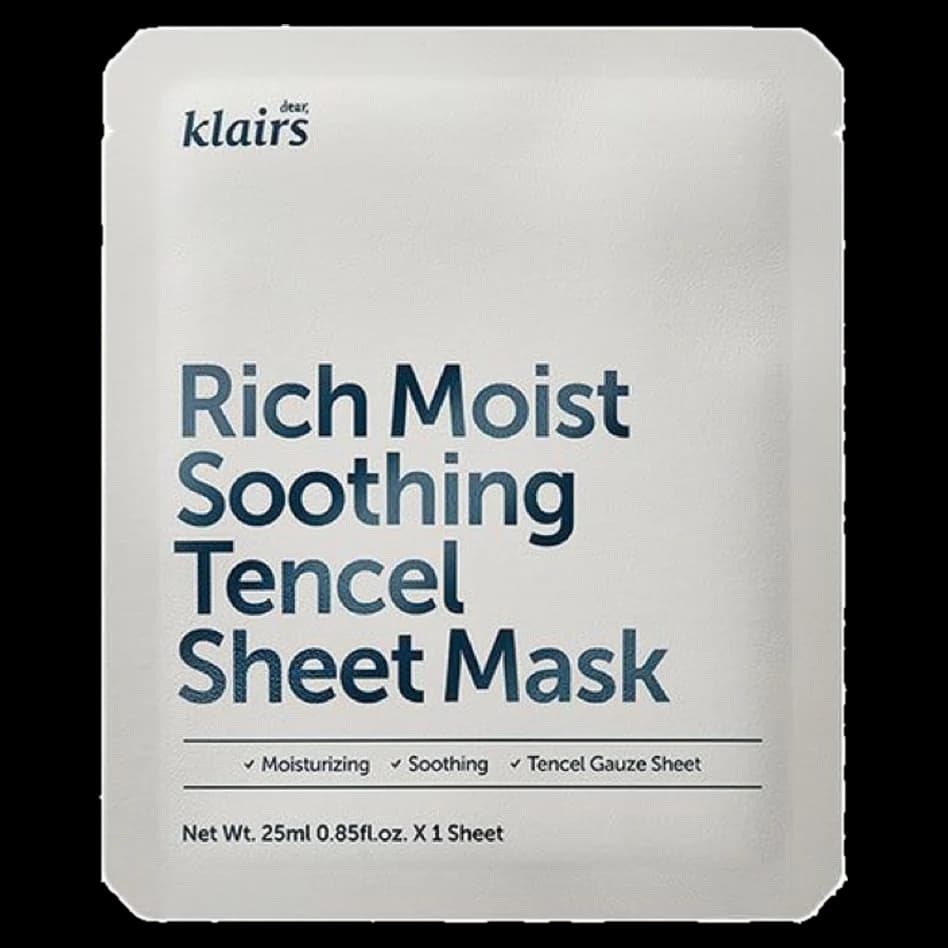
Dear, Klairs
Rich Moist Soothing Tencel Sheet Mask
23rd of 33 on the label
below ≈1%
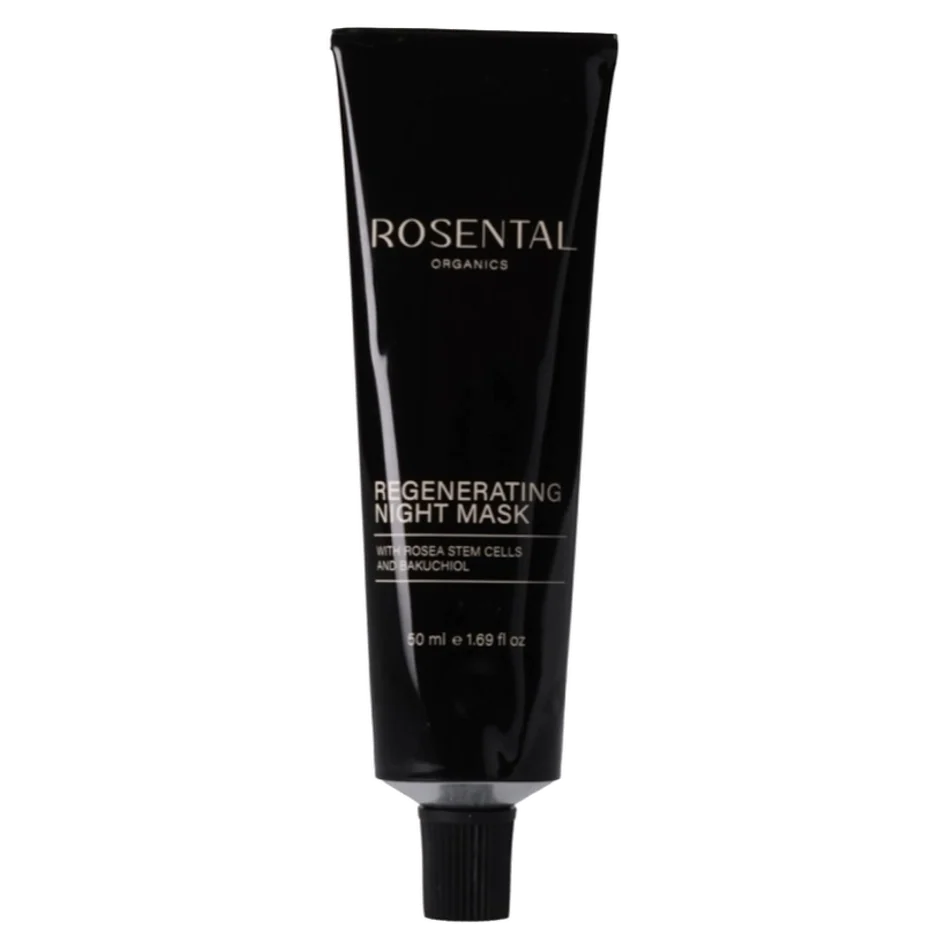
Rosental Organics
Regenerating Night Mask
21st of 44 on the label
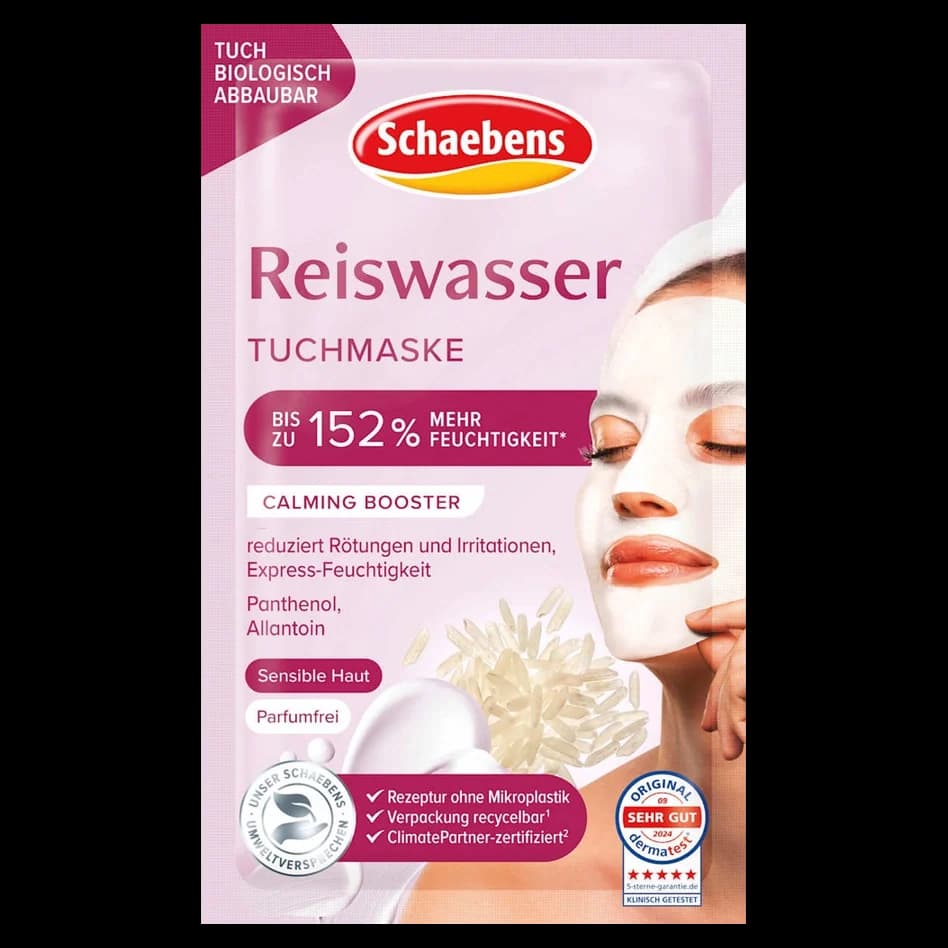
Schaebens
Tuchmaske Reiswasser
16th of 23 on the label
below ≈1%