Vitis Vinifera (Grape) Seed Oil
Grapeseed oil
No meaningful concern for most people; irritation is possible but rare.
Also written as: Vitis Vinifera Seed Oil · Grapeseed Oil
What it is
Grapeseed oil is extracted from the seeds left over after pressing grapes for wine, which makes it a by-product ingredient with a low environmental cost. It is around 70% linoleic acid, one of the highest of any common cosmetic oil, with very little oleic acid. That gives it a notably thin, dry feel and makes it a sensible choice where a linoleic-rich oil is wanted.
What it does well
Very high linoleic acid content and a light feel
Its fatty acid profile puts it at the favourable end of the linoleic-to-oleic ratio that barrier researchers associate with better tolerance. Grapeseed has not been tested directly in the head-to-head human barrier studies that cover olive and sunflower oil.
Limited evidence
Worth knowing
Oxidises quickly and is usually solvent-extracted
Polyunsaturated oils go rancid faster, and the yield from grape seeds is low enough that most commercial grapeseed oil is extracted with hexane rather than pressed. Residual solvent in cosmetic grades is tightly controlled, but the oil does need antioxidants to stay fresh.
Matters most toPeople specifically seeking cold-pressed or solvent-free ingredients.
Where the EU stands
No specific restriction
Not listed in any Annex of the EU Cosmetics Regulation, so there is no specific concentration limit; it is still covered by the general safety assessment every cosmetic product must pass before sale.
Regulation (EC) No 1223/2009 - no annex entry · source ↗
Masks that contain Vitis Vinifera (Grape) Seed Oil
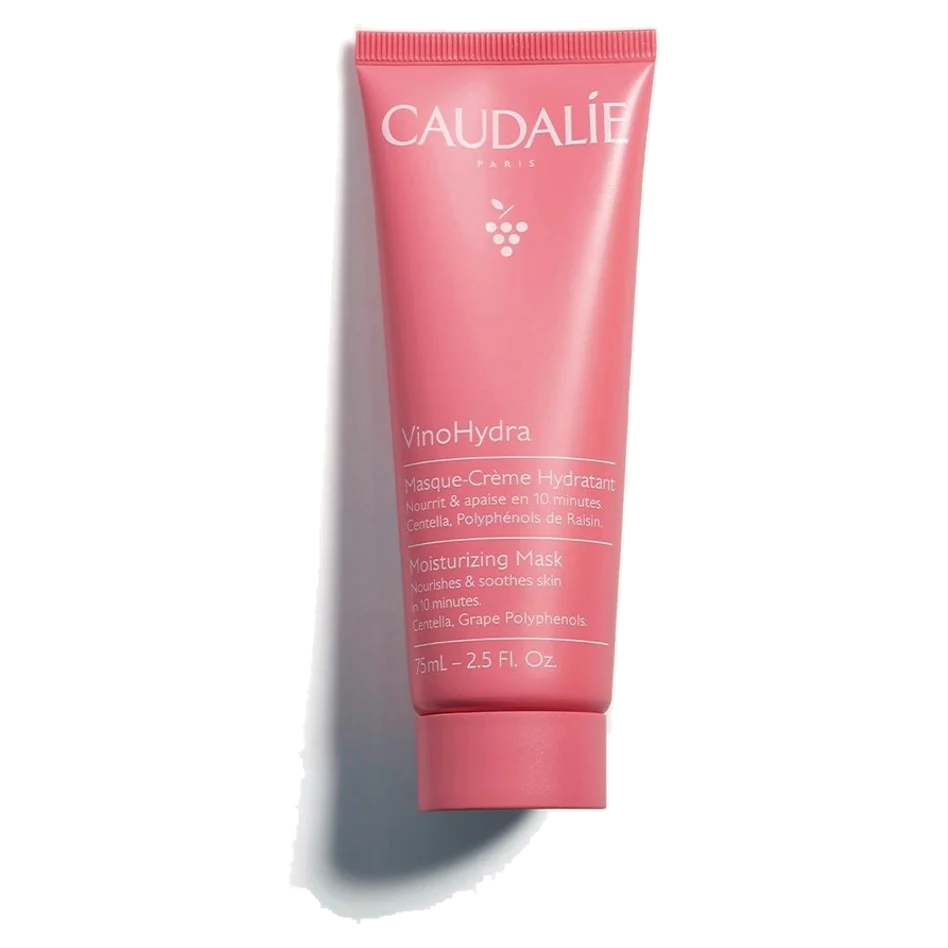
Caudalie
VinoHydra Moisturising Cream Mask (Masque-Creme Hydratant)
10th of 32 on the label
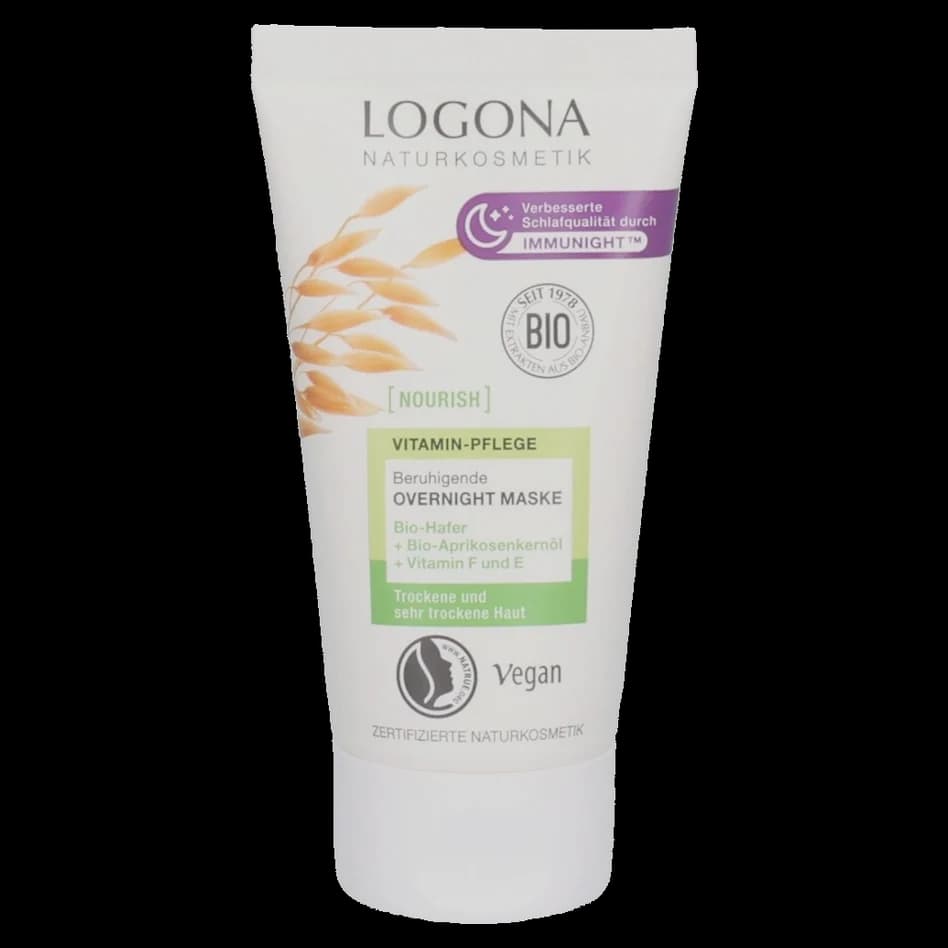
LOGONA
Nourish Beruhigende Overnight Maske
3rd of 53 on the label
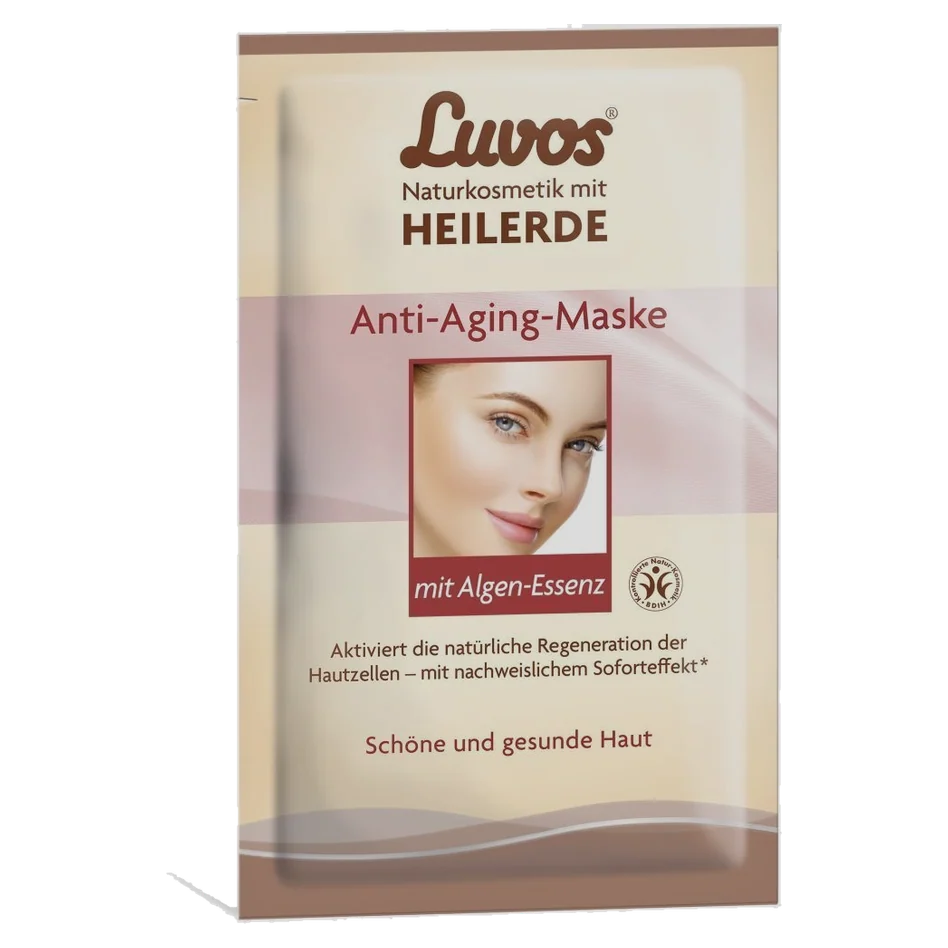
Luvos-Heilerde
Anti-Aging-Maske
13th of 27 on the label
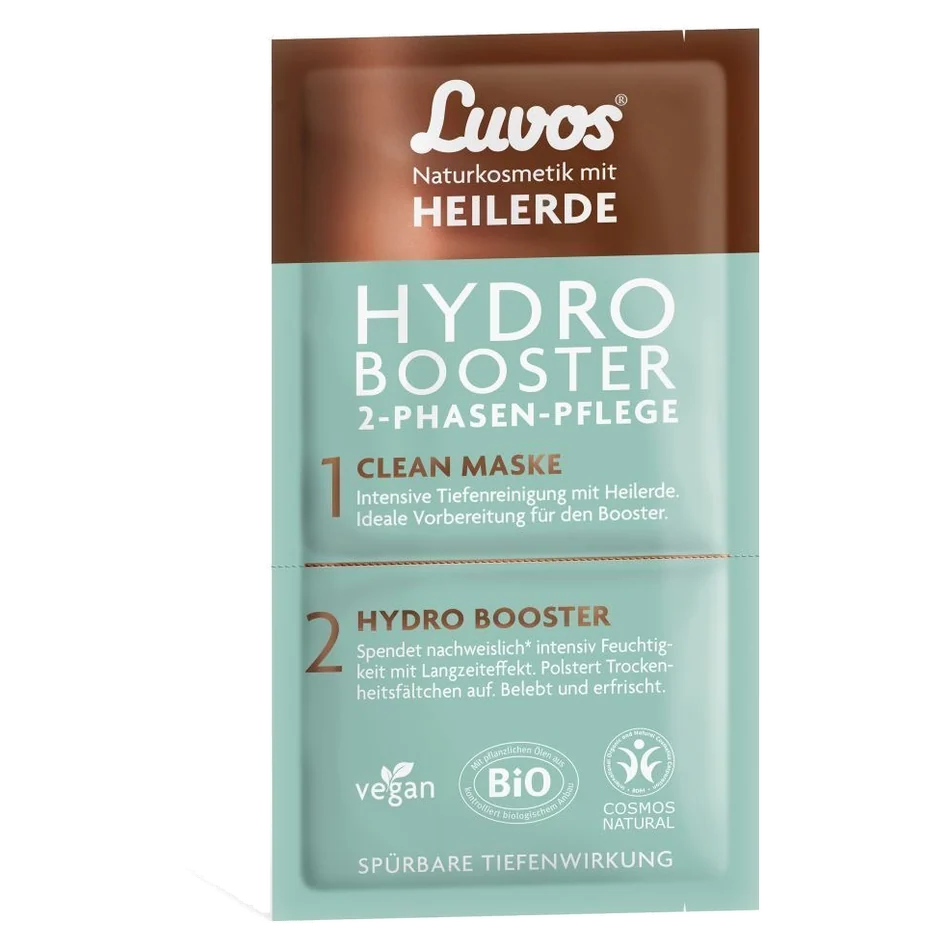
Luvos-Heilerde
Hydro Booster mit Clean Maske
43rd of 63 on the label
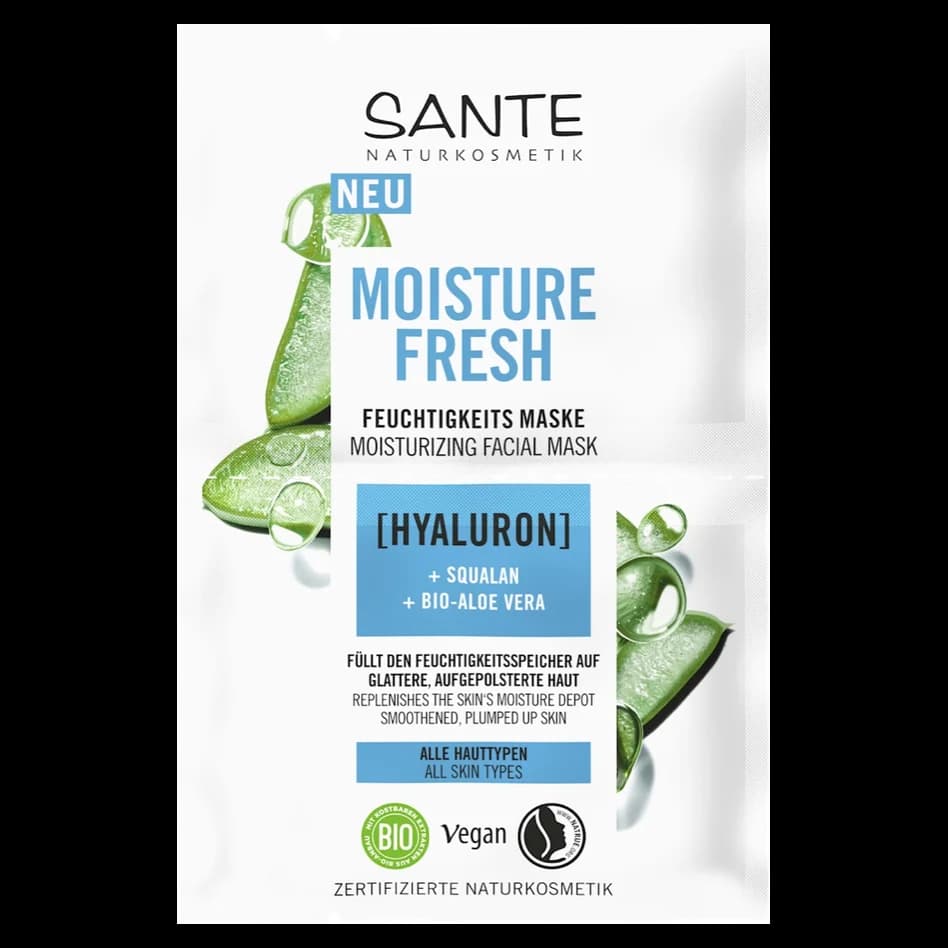
Santé Naturkosmetik
Moisture Fresh Maske Hyaluron
7th of 24 on the label
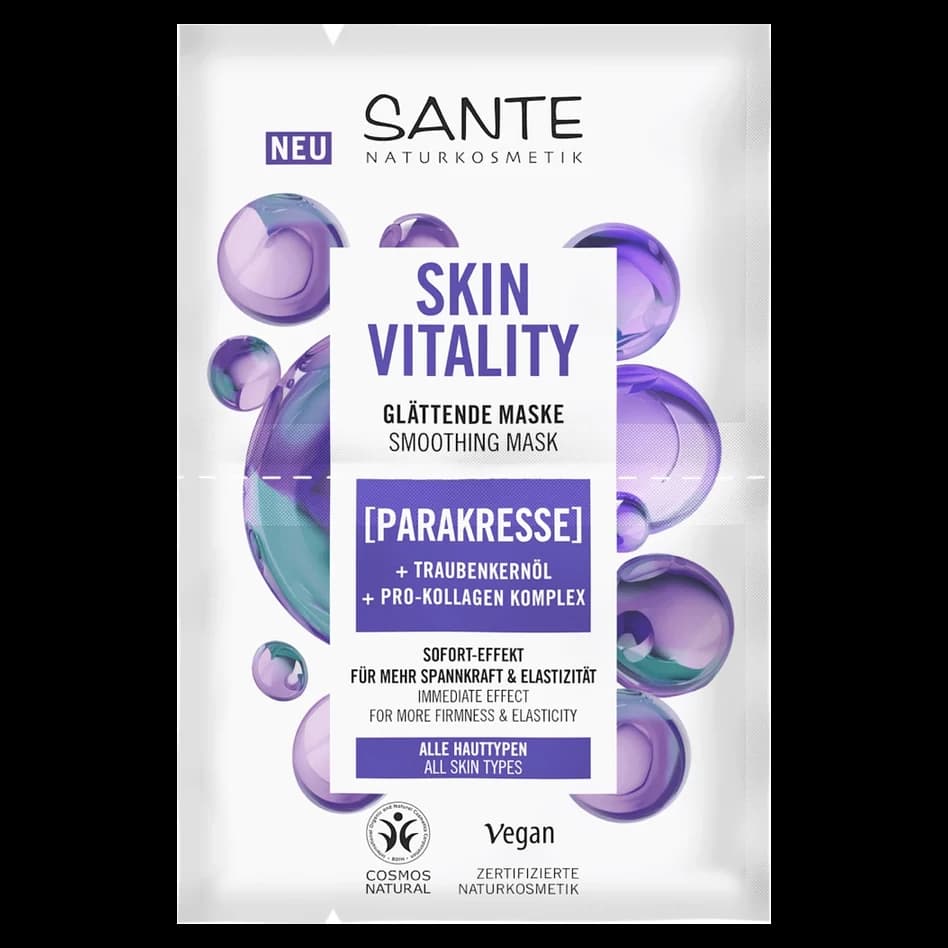
Santé Naturkosmetik
Skin Vitality Maske Parakresse
8th of 33 on the label
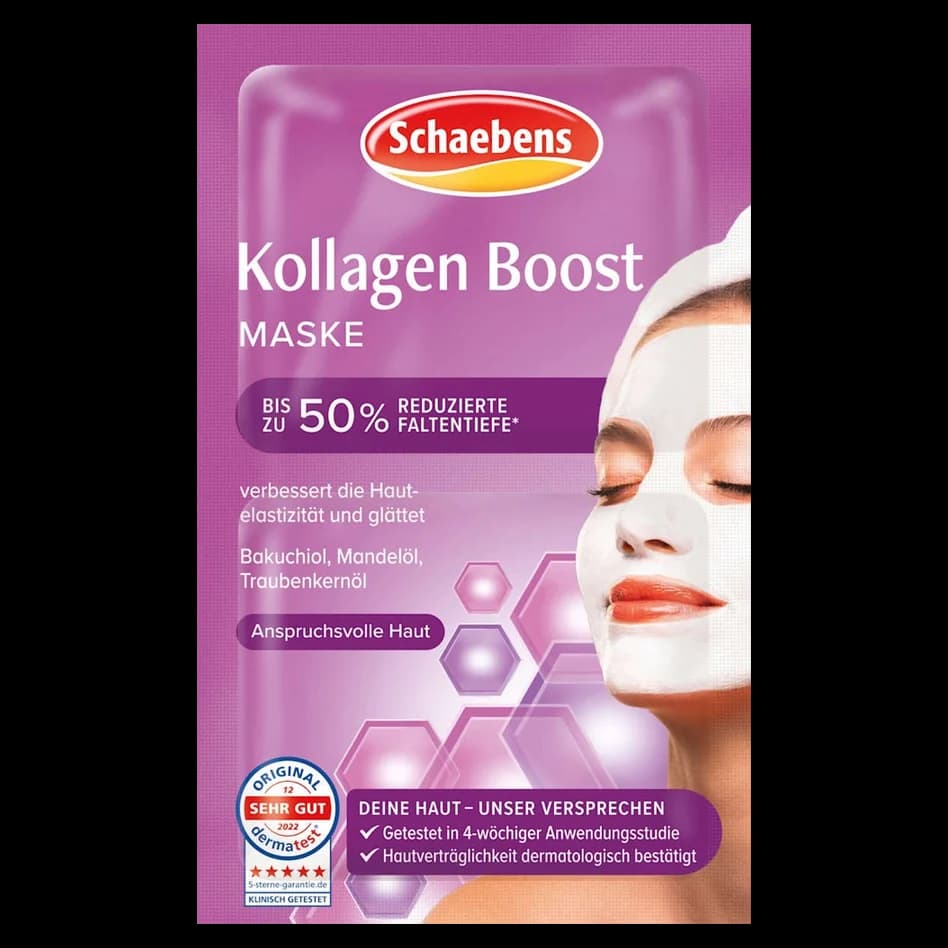
Schaebens
Gesichtsmaske Kollagen Boost
10th of 27 on the label
below ≈1%