Hydroxyethyl Acrylate/Sodium Acryloyldimethyl Taurate Copolymer
No meaningful concern for most people; irritation is possible but rare.
Also written as: Hydroxyethyl Acrylate/Sodium Acryloyl Dimethyl Taurate Copolymer
What it is
Both CosIng and the Cosmetic Ingredient Review define this ingredient as a copolymer of sodium hydroxyethyl acrylate and acryloyldimethyl taurate monomers. It is supplied in a trade mixture at under 60%. CosIng records two functions, emulsion stabilising and viscosity controlling. The Cosmetic Ingredient Review adds dispersing agent and opacifying agent, and in 2017 found it safe as used as part of the acryloyldimethyltaurate polymer family. It was the second most used member of that family in the US in 2017, in 541 formulations, and a 2015 industry survey reported the family's highest concentrations for it: up to 4.3% in depilatories and 3.6% in eye make-up. In this catalogue it is printed on seven masks, four of them sheet masks, once under the spelling "acryloyl dimethyl".
How it shows up on a label
Printed on four sheet masks: Rodial's Vit C mask (sixteenth of 30), TONYMOLY's Master Lab vitamin C and hyaluronic acid masks (seventeenth of 33 and twenty-fifth of 31), and Schaebens' Tuchmaske Tonerde (spelt "acryloyl dimethyl", and twenty-fifth of 35 in the part of the list Schaebens prints alphabetically, so its place there does not show how much is used). It is also on THALGO's clarifying clay mask (twelfth of 32), COSRX's rice overnight mask (thirteenth of 19) and Erborian's BB Shot Mask (fifteenth of 34).
What it does well
Serves as the thickener and emulsion stabiliser in the formula
Emulsion stabilising and viscosity controlling are the functions CosIng records for it, and the Cosmetic Ingredient Review also lists it as a dispersing and opacifying agent. This is the job it is added to do, not a measured effect of these masks on skin.
Strong evidence
Reviewed as safe as used
The Cosmetic Ingredient Review concluded in 2017 that the acryloyldimethyltaurate polymers, this one among them, are safe in cosmetics in the present practices of use and concentration. The tests on this copolymer come from a 2004 Australian regulatory notification. It was not mutagenic in a bacterial assay, and the oral LD50 in rats was above 2000 mg/kg of the trade mixture. It was not an eye irritant in an in-vitro test, and a human irritation test and a human sensitisation test were both negative, but the report gives no further detail on either. The Australian regulator, NICNAS, concluded it is safe in cosmetics at under 3%.
Limited evidence
Worth knowing
Purity depends on how the polymer is made
The Cosmetic Ingredient Review was concerned about impurities, including leftover monomers, in this family of polymers. The three monomers it named (acrylamide, vinyl formamide and methacrylamidolauric acid) are each in a different member of the family, not in this one. It applied its 5 ppm acrylamide limit, from its review of polyacrylamide, to finished products containing any of these polymers, and said the industry should keep using good manufacturing practice to limit impurities. The report gives no purity figures for this copolymer.
Where the EU stands
No specific restriction
Not restricted for cosmetic use in the EU: the copolymer appears in no annex of the Cosmetics Regulation as consolidated on 18 May 2026, and CosIng records no annex entry for it. The nearest annex entry is Annex III entry 66, "Polyacrylamides", which caps residual acrylamide at 0.1 mg/kg in body leave-on products and 0.5 mg/kg in other products. The Cosmetic Ingredient Review lists the four members of this family that are built partly from acrylamide as falling under that entry, and this copolymer is not one of them. Acrylamide itself is prohibited by Annex II entry 681 "unless regulated elsewhere in this Regulation".
Regulation (EC) No 1223/2009 - no annex entry under this INCI name; nearest class entry is Annex III entry 66 (polyacrylamides, residual acrylamide limit) · source ↗
Sources (4)
Every link goes to the original: a journal, a PubMed record or an EU document.
- [1]Safety Assessment of Acryloyldimethyltaurate Polymers as Used in Cosmetics - final report
Cosmetic Ingredient Review · 2017
Final report, released 24 May 2017 (Panel meeting 10-11 April 2017), covering 21 polymers. Conclusion: "the following ingredients are safe in cosmetics in the present practices of use and concentration described in this safety assessment", Hydroxyethyl Acrylate/Sodium Acryloyldimethyl Taurate Copolymer among them. Definition (Table 1): "a copolymer of sodium hydroxyethyl acrylate and acryloyldimethyl taurate monomers", CAS 111286-86-3, functions dispersing agent - nonsurfactant, emulsion stabilizer, opacifying agent, viscosity increasing agent - aqueous. "supplied in a trade name mixture at <60%". Use: "541 formulations, including use in 516 leave-on products, 22 rinse-off products, and 3 products used in the bath" (2017 VCRP); "the highest reported maximum concentration of use ... up to 4.3% in depilatories (rinse-off products) and up to 3.6% in eyeliner and eye shadow (leave-on products)"; range 0.15-4.3% (Table 4). "NICNAS also concluded that Hydroxyethyl Acrylate/Sodium Acryloyldimethyl Taurate Copolymer is safe in cosmetics at <3%". Data on the copolymer (reference 11, NICNAS PLC/491, 2004): oral "LD50 >2000 mg/kg (>1200 mg/kg)" in rats for the trade mixture; "Not mutagenic" in a bacterial reverse mutation assay; "non-irritating in a human irritation assay. No further details were provided."; the trade mixture "was not sensitizing in a human sensitization assay"; "not an ocular irritant in an unspecified in vitro assay". "Developmental and reproductive toxicity data were not found". Discussion: "There were no studies that elicited concern"; the polymers "are large molecules ... and should not be absorbed through the skin"; "The Panel expressed concern about impurities, including residual monomers", naming "acrylamide (in Sodium Acryloyldimethyl Taurate/Acrylamide/VP Copolymer), vinyl formamide (in Ammonium Acryloyldimethyltaurate/Vinyl Formamide Copolymer), and methacrylamidolauric acid (in Sodium Acryloyldimethyltaurate/Methacrylamidolauric Acid Copolymer)"; it applied "the limit of 5 ppm acrylamide ... to finished products containing the ingredients in this safety assessment" and said industry "should continue to use cGMPs to limit impurities". The report lists four acrylamide-containing members as "restricted in Europe according to the European Union (EU) Annex III/66". Checked 15 October 2026.
- [2]Quick Reference Table: CIR conclusions by ingredient
Cosmetic Ingredient Review · 2024
The table of conclusions, updated October 2024, lists Hydroxyethyl Acrylate/Sodium Acryloyldimethyl Taurate Copolymer with finding S (safe), "Final Report 4/2017 Available from CIR". Checked 15 October 2026.
- [3]CosIng entry: Hydroxyethyl Acrylate/Sodium Acryloyldimethyl Taurate Copolymer
European Commission, CosIng database
INCI name HYDROXYETHYL ACRYLATE/SODIUM ACRYLOYLDIMETHYL TAURATE COPOLYMER, status active, description "a copolymer of sodium hydroxyethyl acrylate and acryloyldimethyl taurate monomers", CAS 111286-86-3. Functions: emulsion stabilising; viscosity controlling. No annex number, cosmetic restriction or other restriction is recorded. Checked 15 October 2026.
- [4]Regulation (EC) No 1223/2009 on cosmetic products, consolidated text of 18 May 2026
Official Journal of the European Union · 2026
A sweep of the full consolidated text finds no occurrence of "taurate", "acryloyldimethyl", "hydroxyethyl acrylate" or CAS 111286-86-3. Annex III entry 66 reads "Polyacrylamides", with "(a) Body- leave-on products: Maximum residual acrylamide content 0,1 mg/kg" and "(b) Other products: Maximum residual acrylamide content 0,5 mg/kg". Annex II entry 681 reads "Acrylamide, unless regulated elsewhere in this Regulation" (CAS 79-06-1). Checked 15 October 2026.
Masks that contain Hydroxyethyl Acrylate/Sodium Acryloyldimethyl Taurate Copolymer
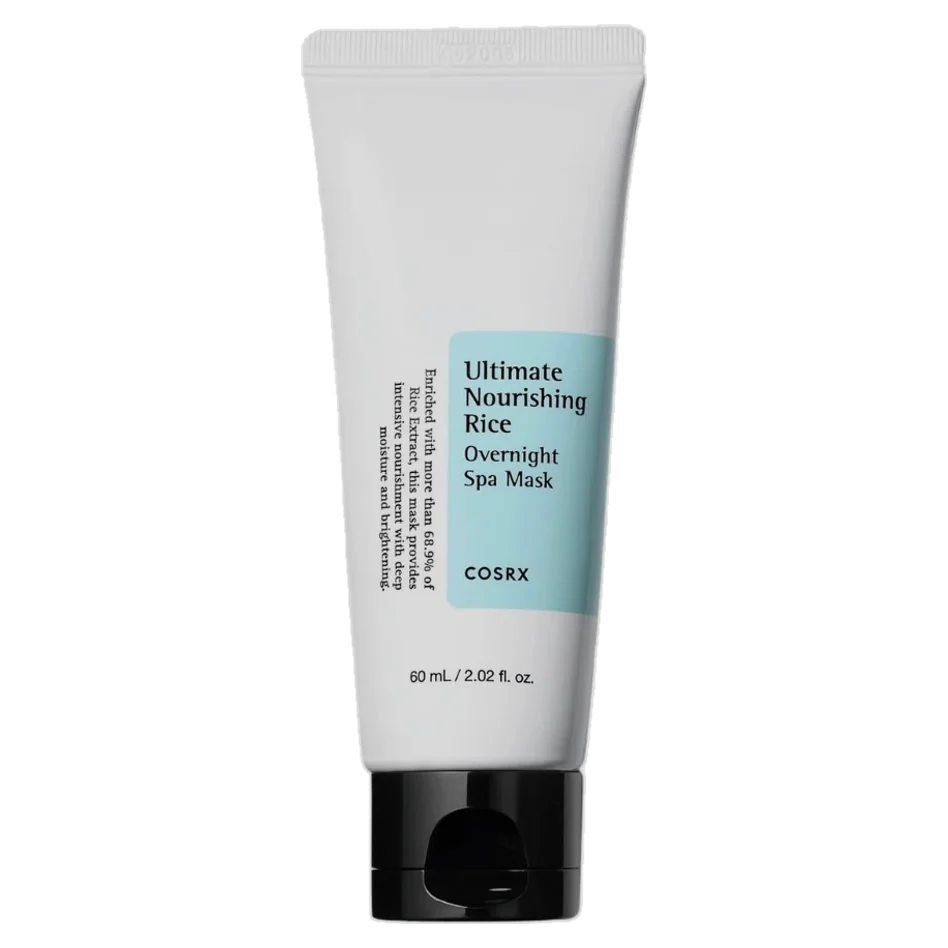
COSRX
Ultimate Nourishing Rice Overnight Spa Mask
13th of 19 on the label
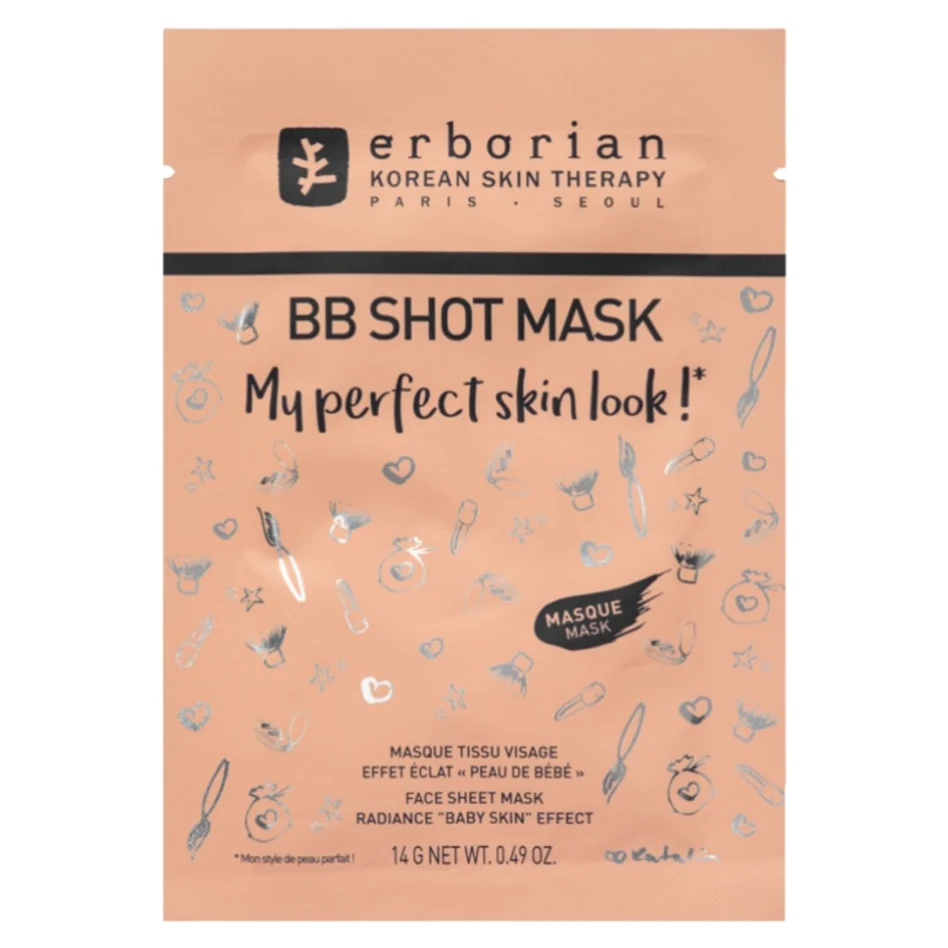
Erborian
BB Shot Mask
15th of 34 on the label
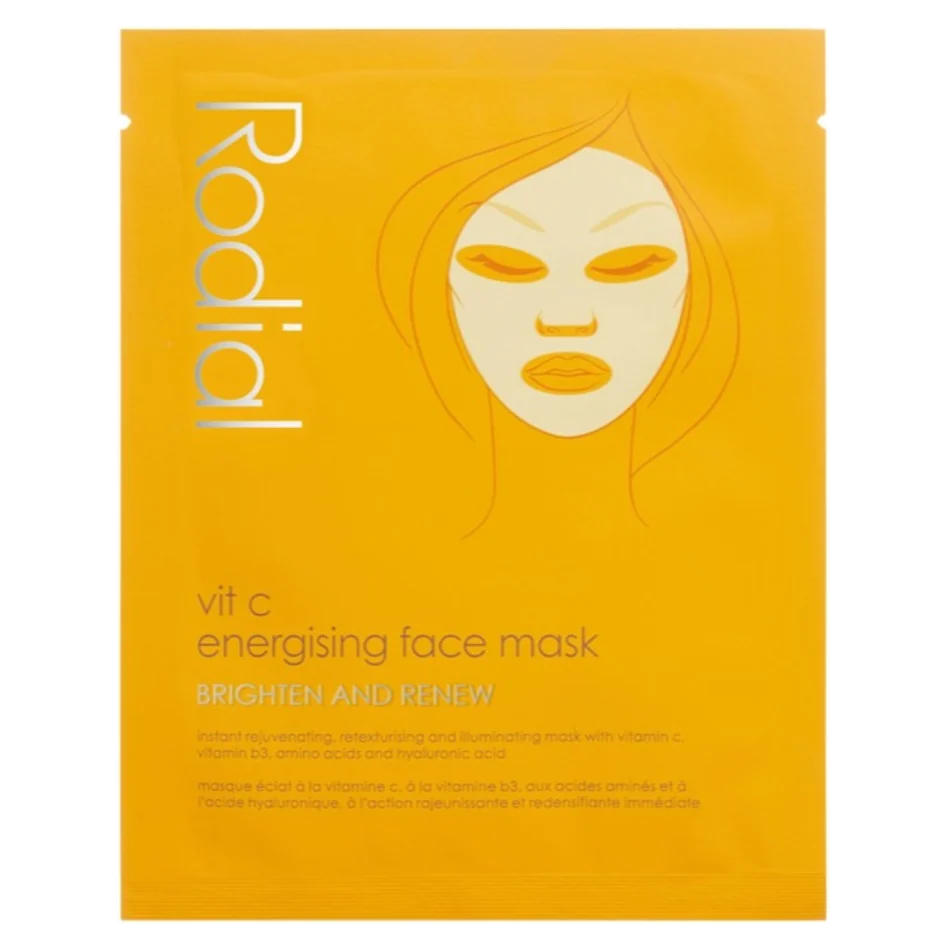
Rodial
Vit C Energising Face Mask
16th of 30 on the label
below ≈1%
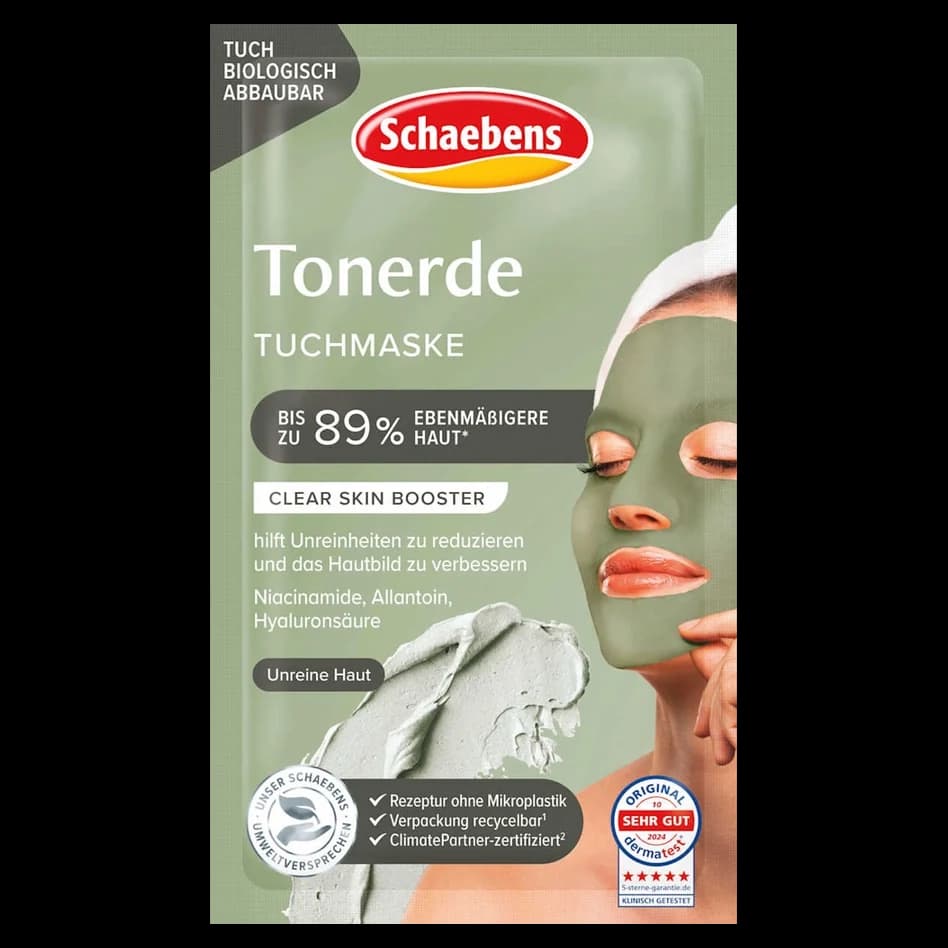
Schaebens
Tuchmaske Tonerde
25th of 35 on the label
below ≈1%
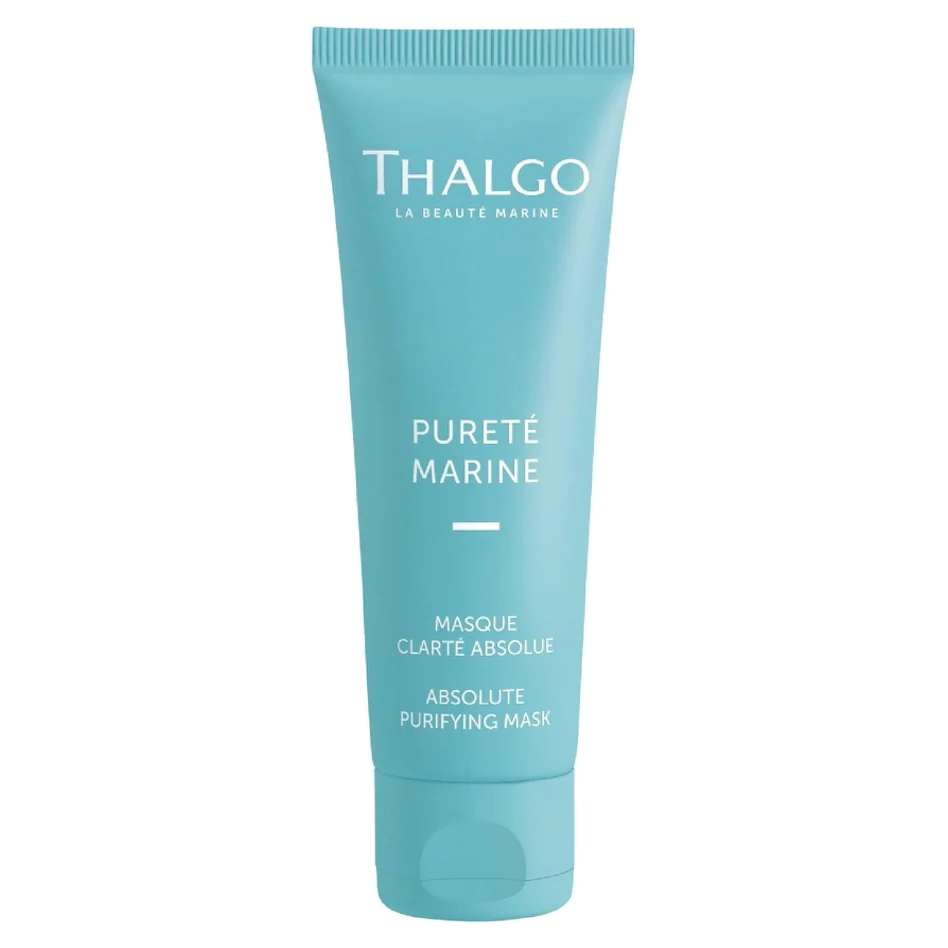
THALGO
Klärende Intensiv-Maske
12th of 32 on the label
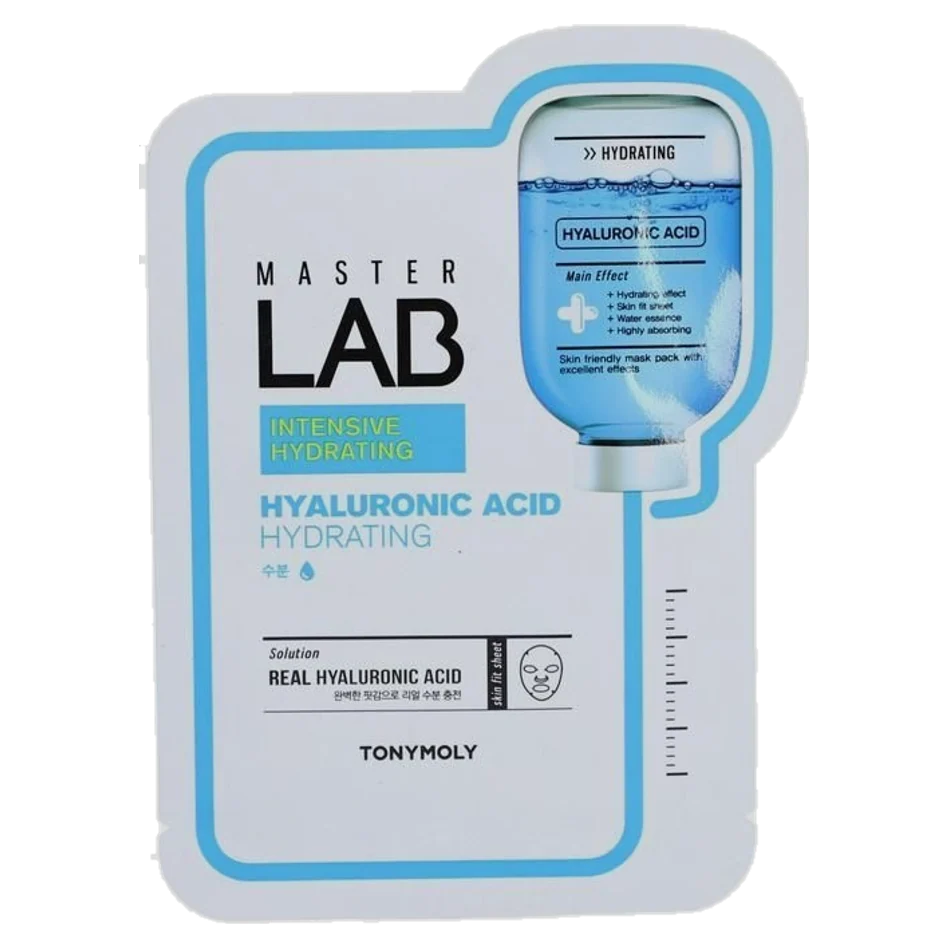
TONYMOLY
Master Lab Sheet Mask Hyaluronic Acid
25th of 31 on the label
below ≈1%
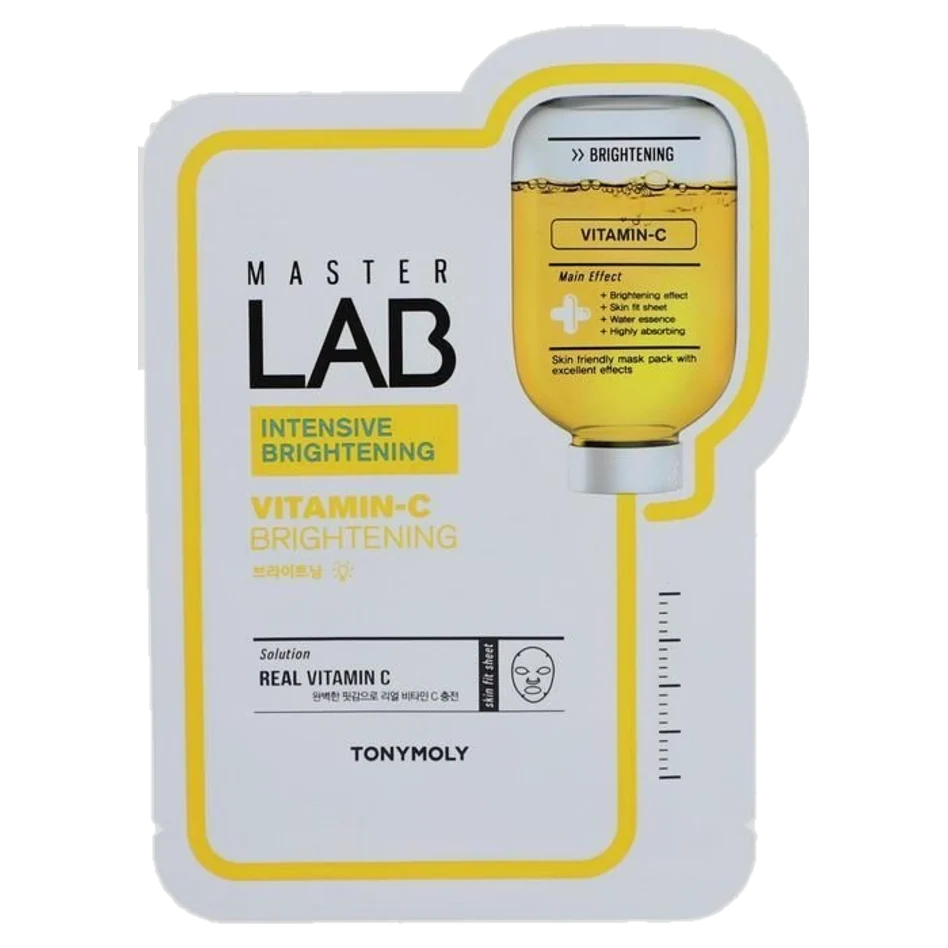
TONYMOLY
Master Lab Sheet Mask Vitamin C
17th of 33 on the label
below ≈1%