Lecithin
Lecithin
No meaningful concern for most people; irritation is possible but rare.
Also written as: Soy Lecithin · Sunflower Lecithin · Phosphatidylcholine
What it is
Lecithin is the unhydrogenated form of the same phospholipid mixture, extracted from soybean or sunflower seed and consisting mainly of phosphatidylcholine. Its fatty acid tails are still unsaturated, which makes it more skin-softening but also less stable than the hydrogenated version. It works as a mild emulsifier, a wetting agent for powders and pigments, and a carrier for oil-soluble ingredients.
What it does well
Mild emulsifier that also conditions skin
Unlike detergent emulsifiers, phospholipids are structurally similar to the skin's own membrane lipids and are well tolerated. Lecithin also helps disperse clays and pigments evenly through a mask base.
Moderate evidence
Worth knowing
Prone to oxidising, which affects colour and smell
Unsaturated lecithin can darken and develop a distinct odour over time, which is why formulators often choose the hydrogenated form for long shelf life. It is a stability rather than a safety issue.
Matters most toAnyone with an old or heat-exposed product that has changed colour or smell.
Where the EU stands
No specific restriction
Not listed in any Annex of the EU Cosmetics Regulation, so there is no specific concentration limit; it is still covered by the general safety assessment every cosmetic product must pass before sale.
Regulation (EC) No 1223/2009 - no annex entry · source ↗
Masks that contain Lecithin
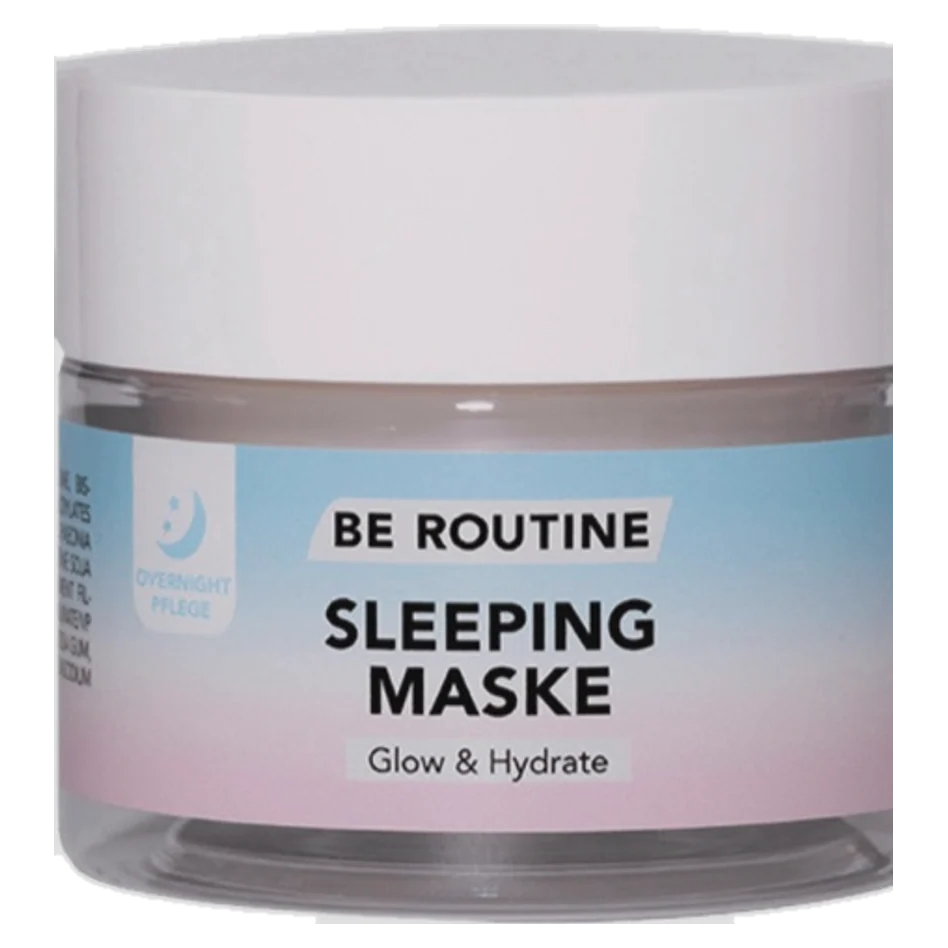
Be Routine
Schlafmaske Glow & Hydrate
17th of 27 on the label
below ≈1%
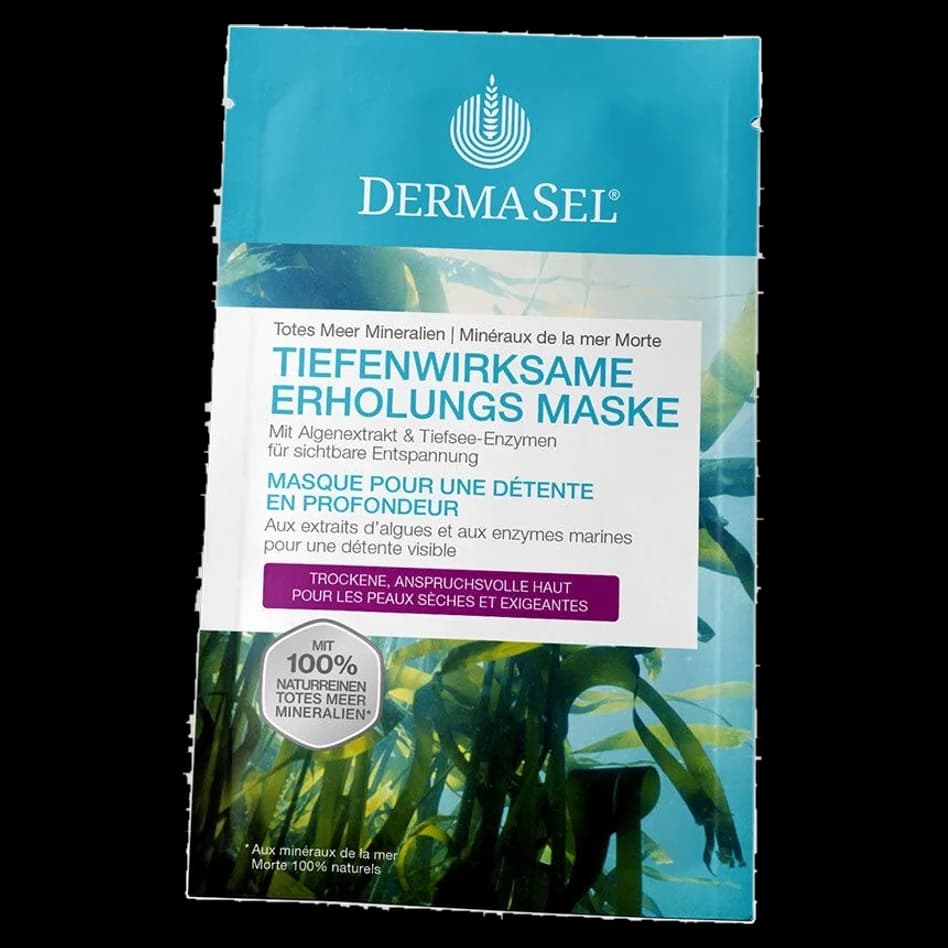
DERMASEL
SPA Totes Meer Maske Erholung
20th of 31 on the label
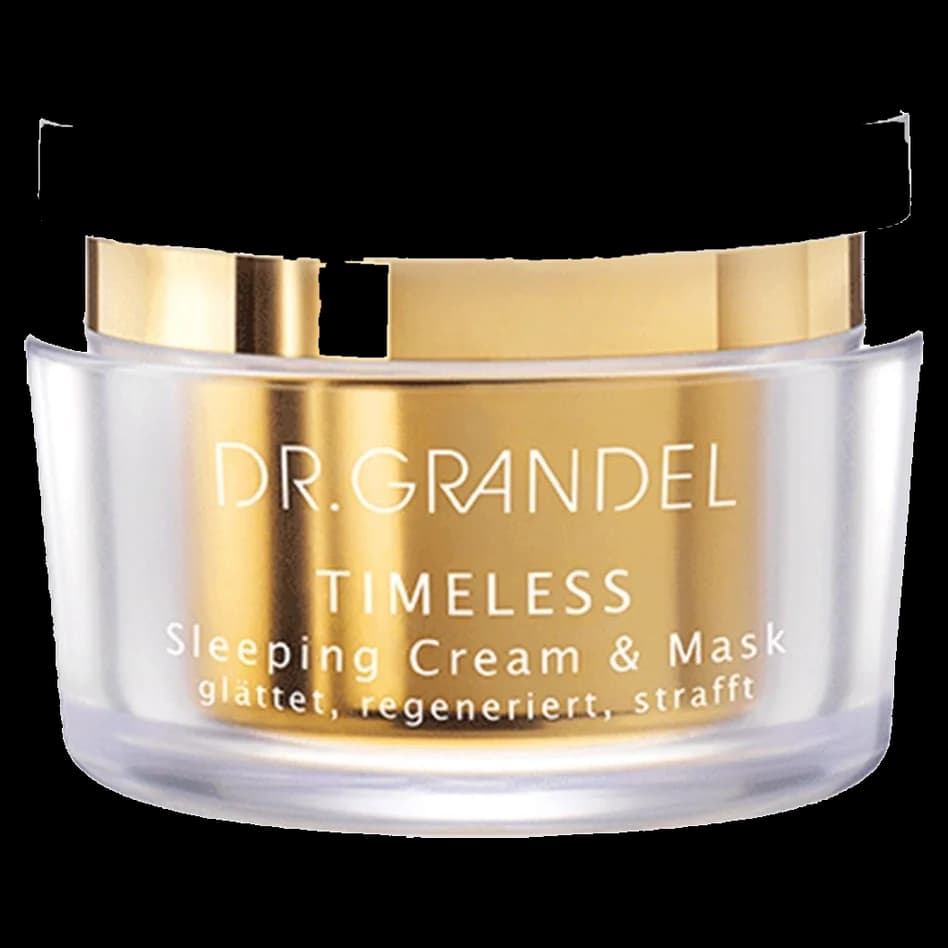
Dr. Grandel
Timeless Sleeping Cream & Mask
21st of 35 on the label
below ≈1%
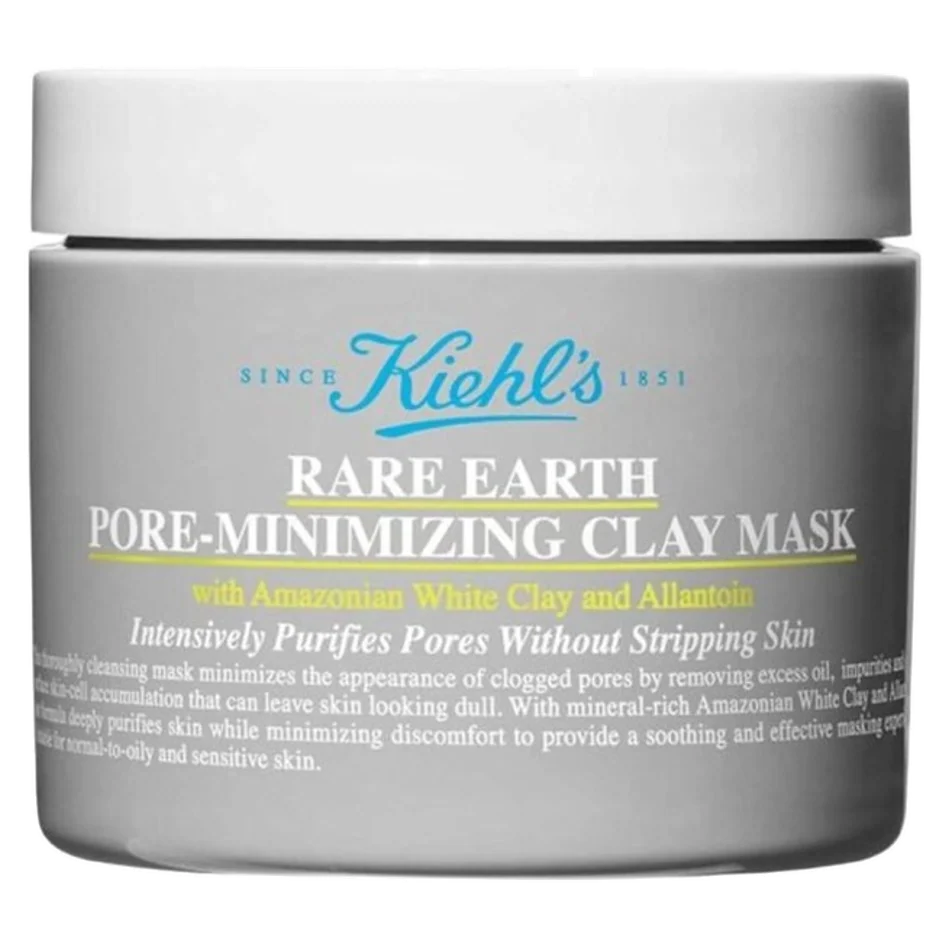
Kiehl's
Rare Earth Pore-Minimizing Clay Mask
16th of 19 on the label
below ≈1%
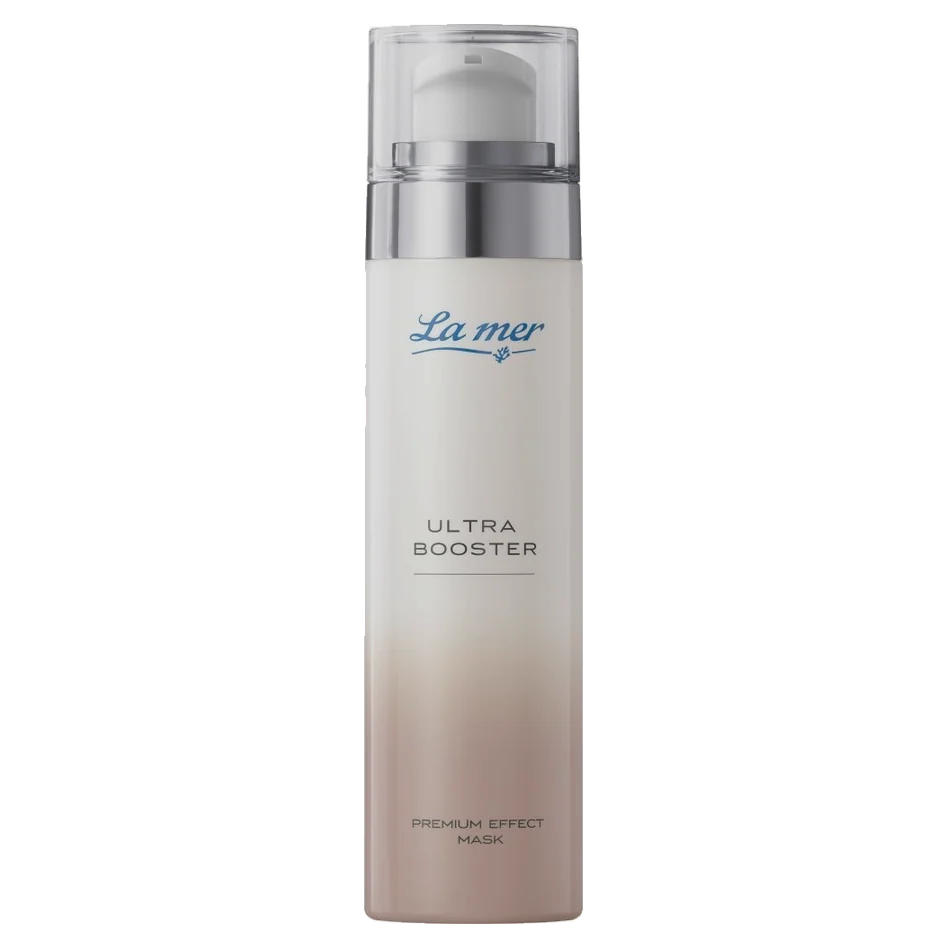
LA MER
Ultra Booster Premium Mask Effect
30th of 41 on the label
below ≈1%
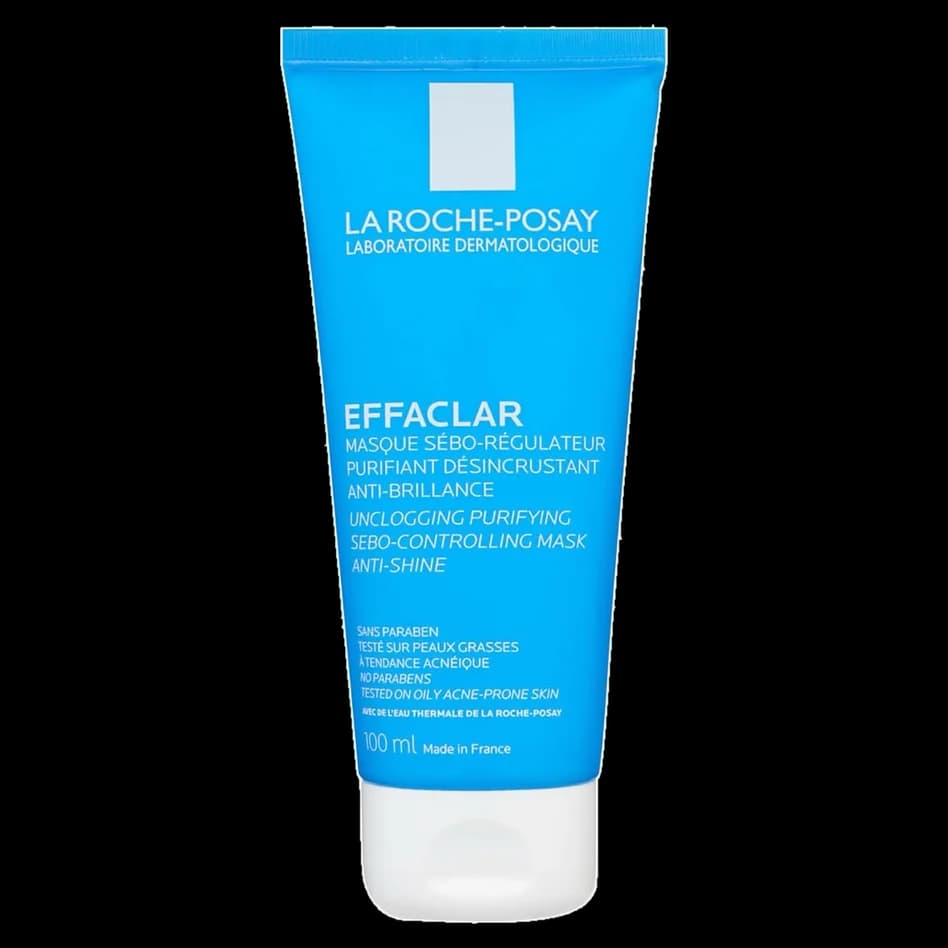
La Roche-Posay
Effaclar Purifying Clay Mask
14th of 20 on the label
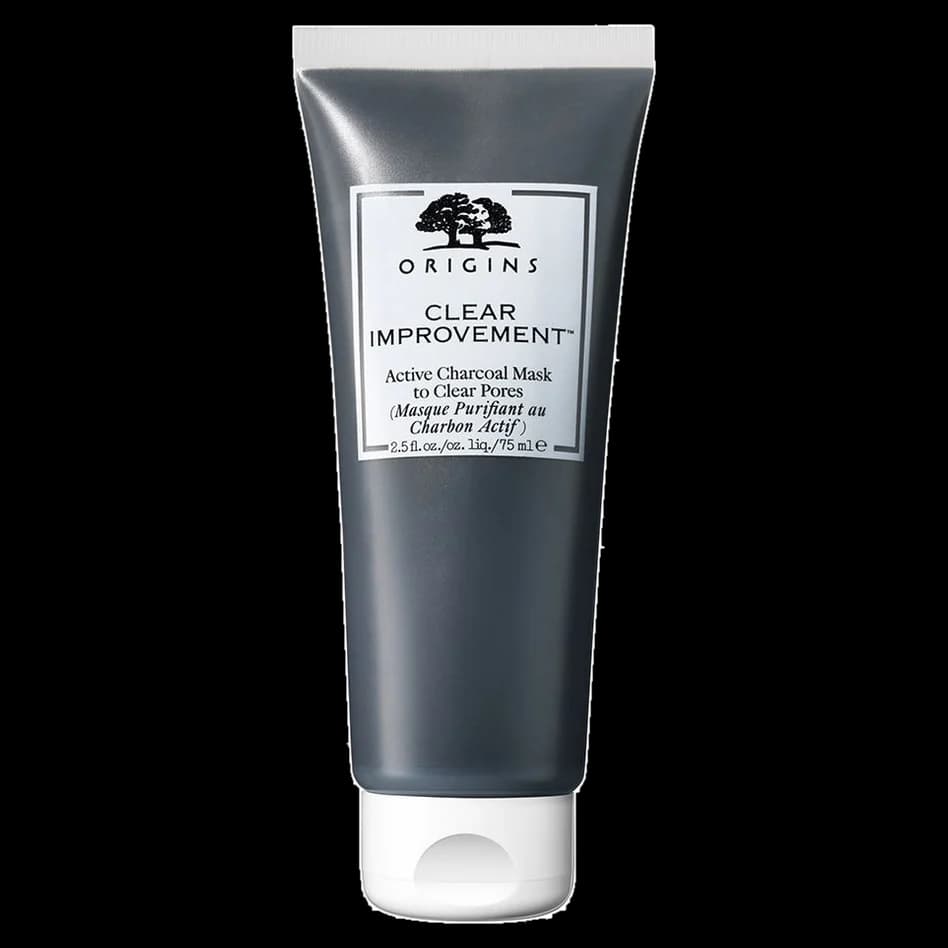
Origins
Clear Improvement Active Charcoal Mask to Clear Pores
11th of 23 on the label
below ≈1%
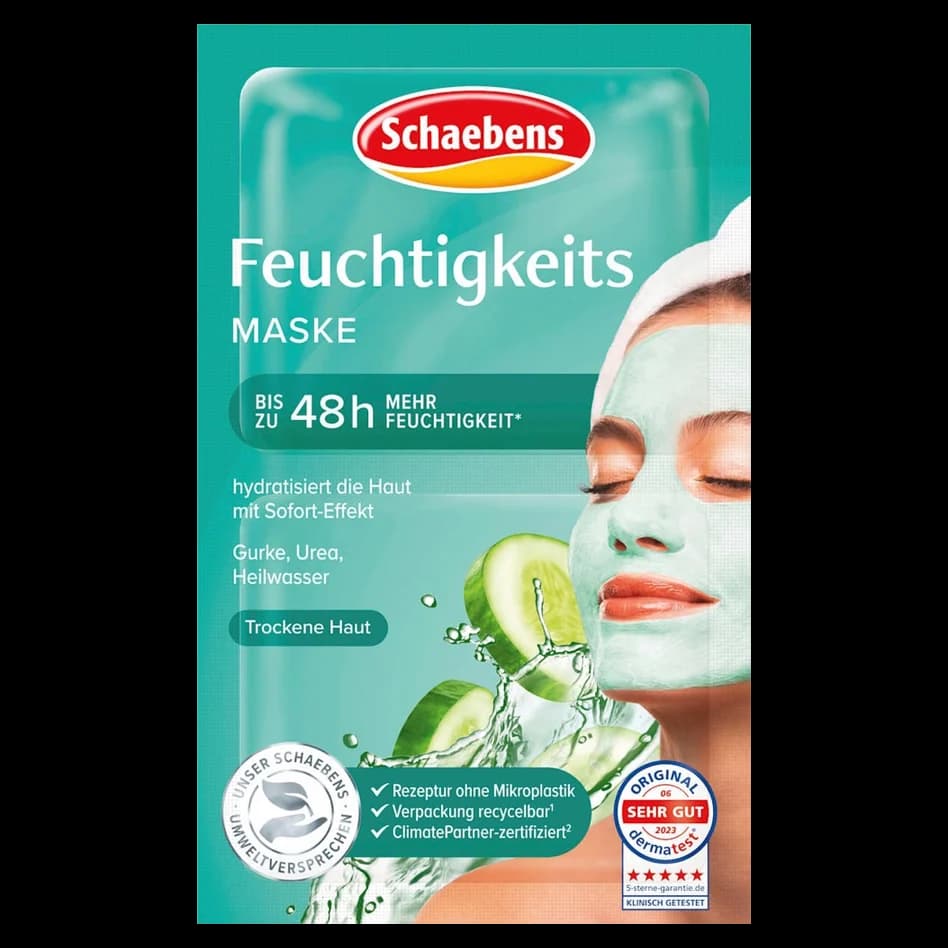
Schaebens
Gesichtsmaske Feuchtigkeit Sofort-Effekt
15th of 38 on the label
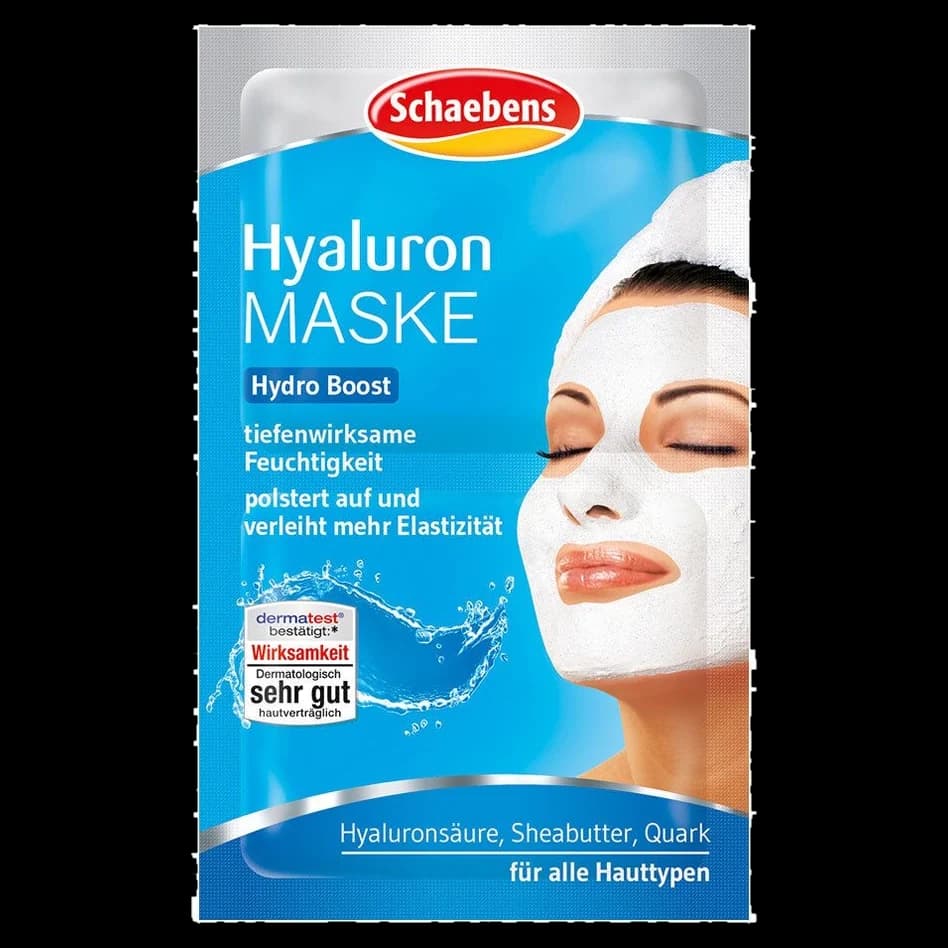
Schaebens
Hyaluron Maske
11th of 32 on the label
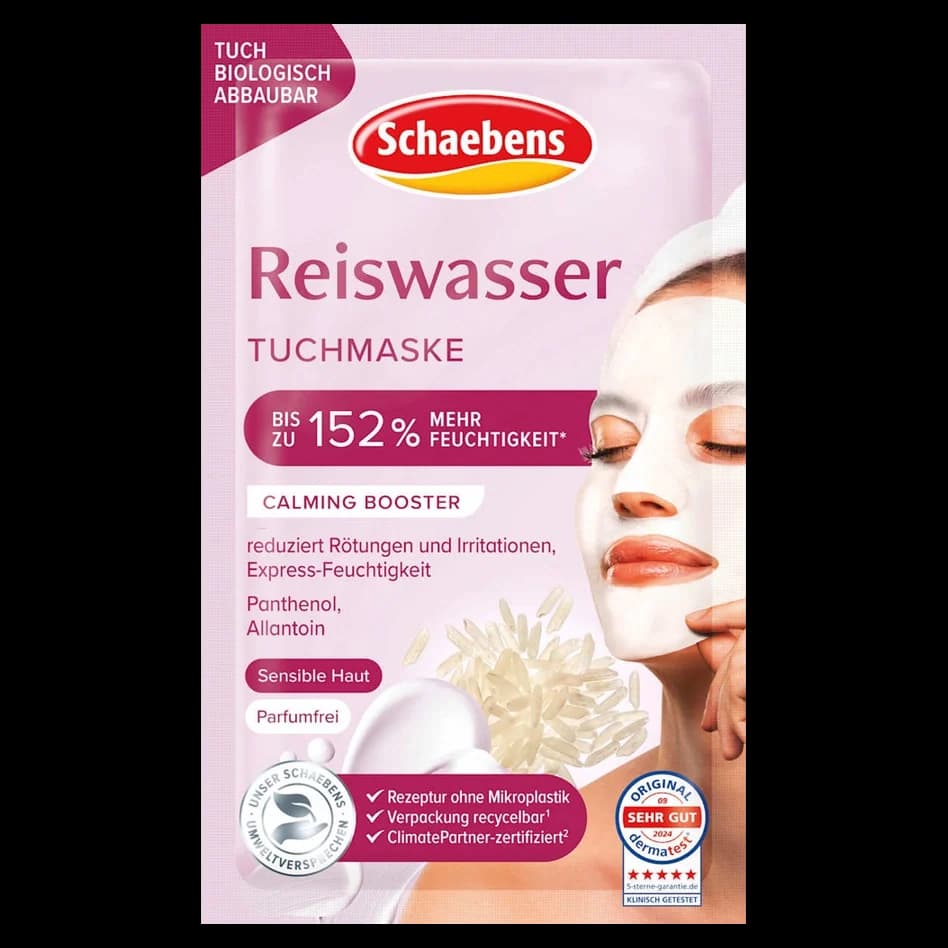
Schaebens
Tuchmaske Reiswasser
8th of 23 on the label
below ≈1%
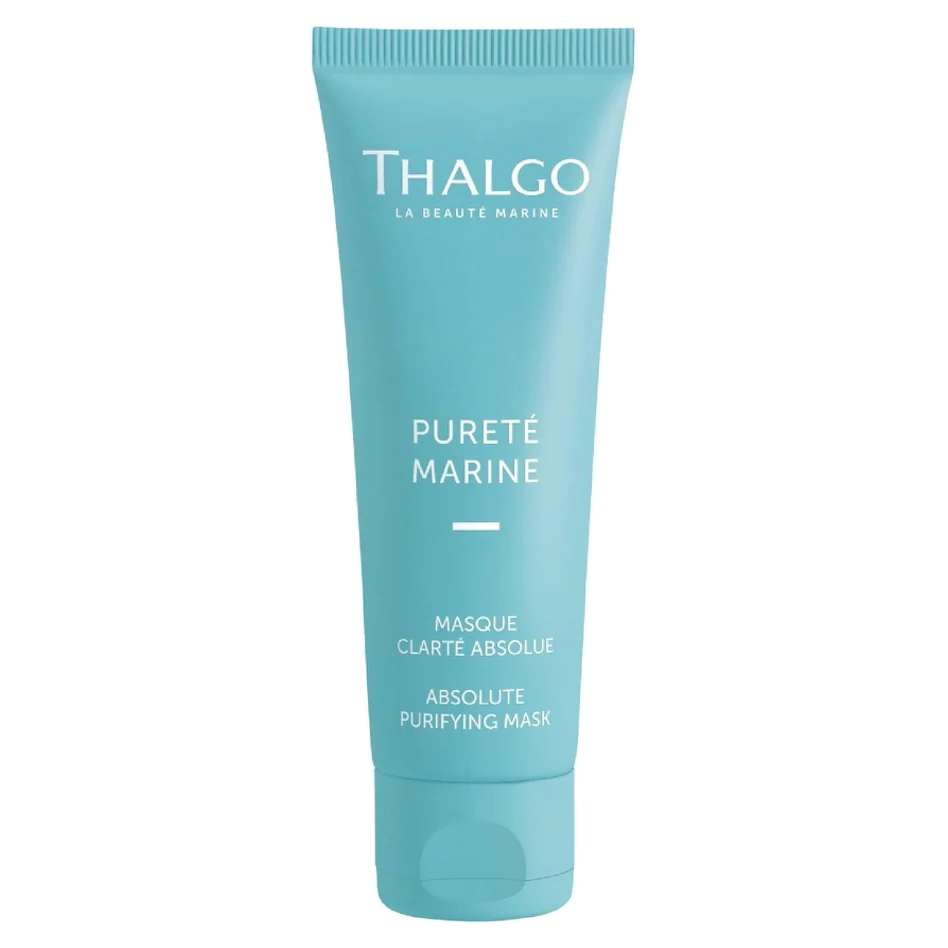
THALGO
Klärende Intensiv-Maske
23rd of 32 on the label
below ≈1%