Linalyl Acetate
Genuinely relevant for some people, or depends on dose and pH.
Also written as: Bergamol · 3,7-Dimethylocta-1,6-dien-3-yl acetate
What it is
Linalyl acetate is the ester of linalool and is the other dominant component of lavender, bergamot and clary sage oils, giving them their sweet fruity-floral edge. Like linalool it is stable in the bottle but not in contact with air. Regulation (EU) 2023/1545 brought it onto the mandatory allergen labelling list for the first time.
How it shows up on a label
This is one of the more visible changes from the 2023 regulation: lavender-scented masks that previously declared only Linalool will now also declare Linalyl Acetate.
What it does well
Carries much of the characteristic lavender and bergamot scent
It is used both as an isolated aroma chemical and as a natural constituent of essential oils. This is a scent function, not a skin benefit.
Strong evidence
Worth knowing
Forms potent contact allergens when it oxidises
Swedish research showed that air-exposed linalyl acetate develops hydroperoxides that are potent sensitisers, following the same pattern as linalool and limonene. This is a large part of why lavender oil becomes more allergenic as it ages.
Matters most toPeople with eczema or a known fragrance allergy, and anyone using long-opened lavender-scented products.
Where the EU stands
Labelling required
Added to the declared fragrance-allergen list by Regulation (EU) 2023/1545 as Annex III entry 337. Must be named on the pack above 0.001% in leave-on products and 0.01% in rinse-off products. Non-compliant products could be placed on the EU market until 31 July 2026 and sold from existing stock until 31 July 2028.
Regulation (EC) No 1223/2009, Annex III entry 337, as inserted by Regulation (EU) 2023/1545 · source ↗
Sources (1)
Every link goes to the original: a journal, a PubMed record or an EU document.
- [1]Autoxidation of linalyl acetate, the main component of lavender oil, creates potent contact allergens
Contact Dermatitis · 2008 · doi:10.1111/j.1600-0536.2007.01262.x
Air exposure converts linalyl acetate into hydroperoxides that act as potent contact allergens, mirroring the behaviour of linalool and limonene.
Masks that contain Linalyl Acetate
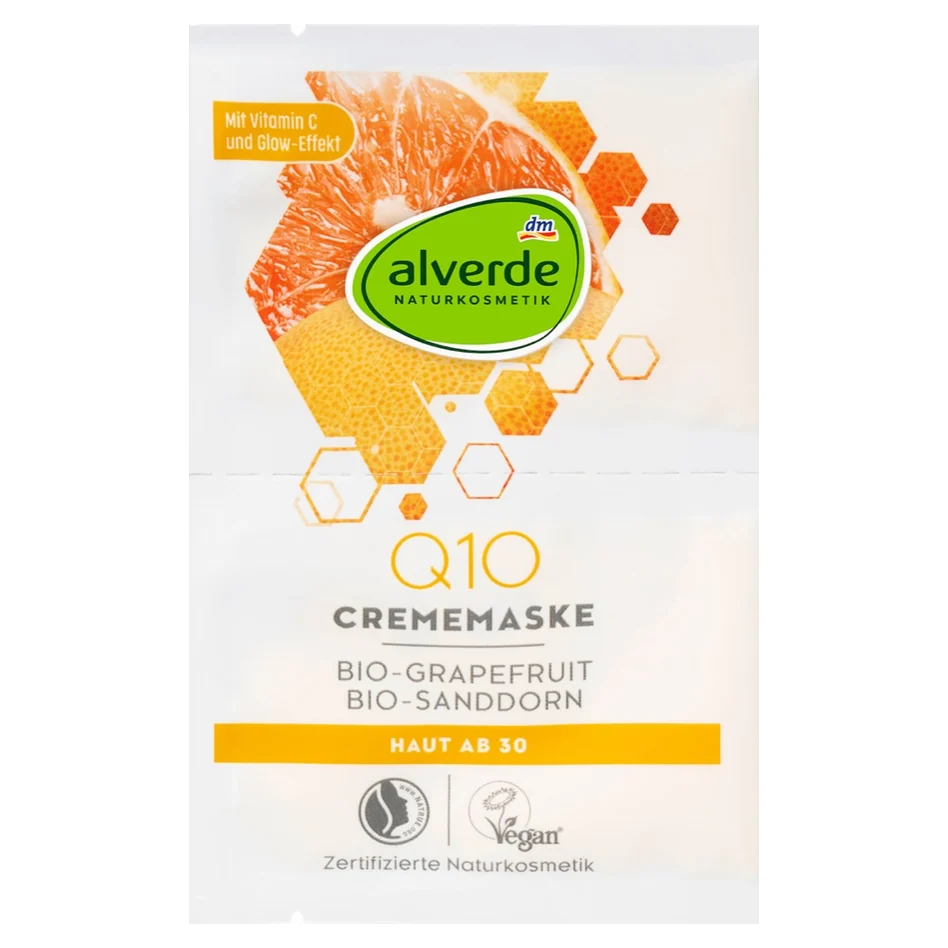
alverde Naturkosmetik
Gesichtsmaske Q10 mit Vitamin C
36th of 40 on the label
below ≈1%
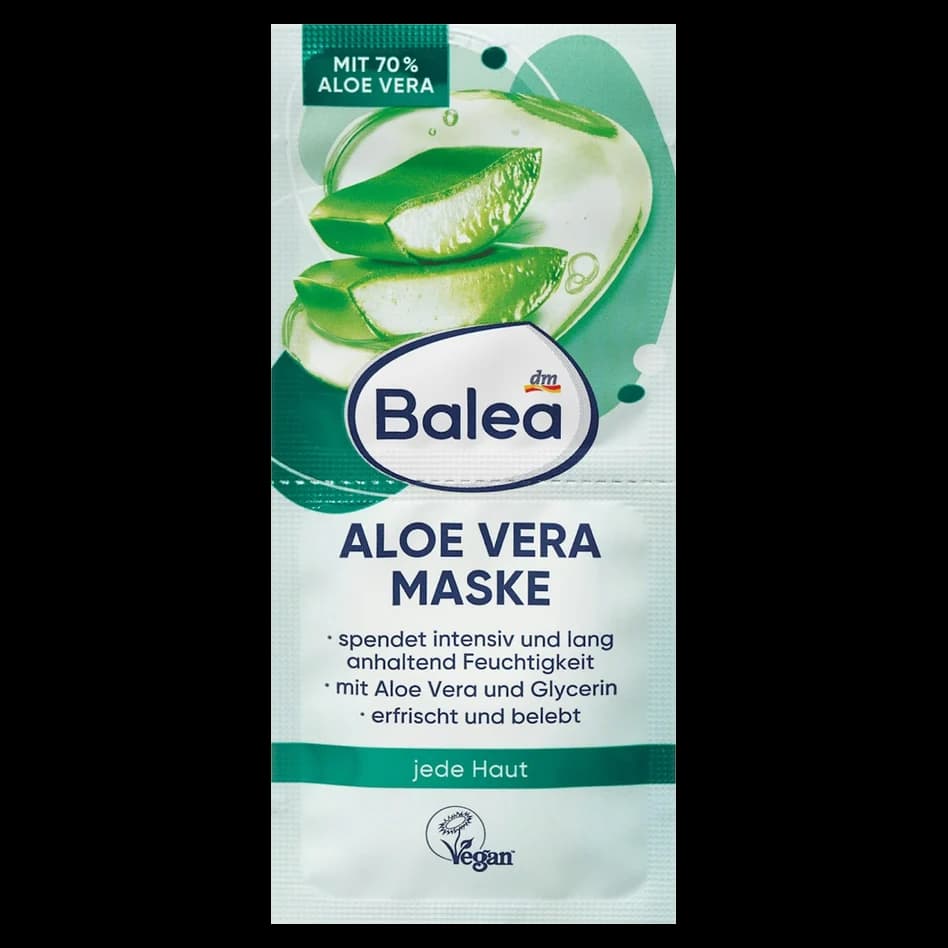
Balea
Gesichtsmaske Aloe Vera
20th of 21 on the label
below ≈1%
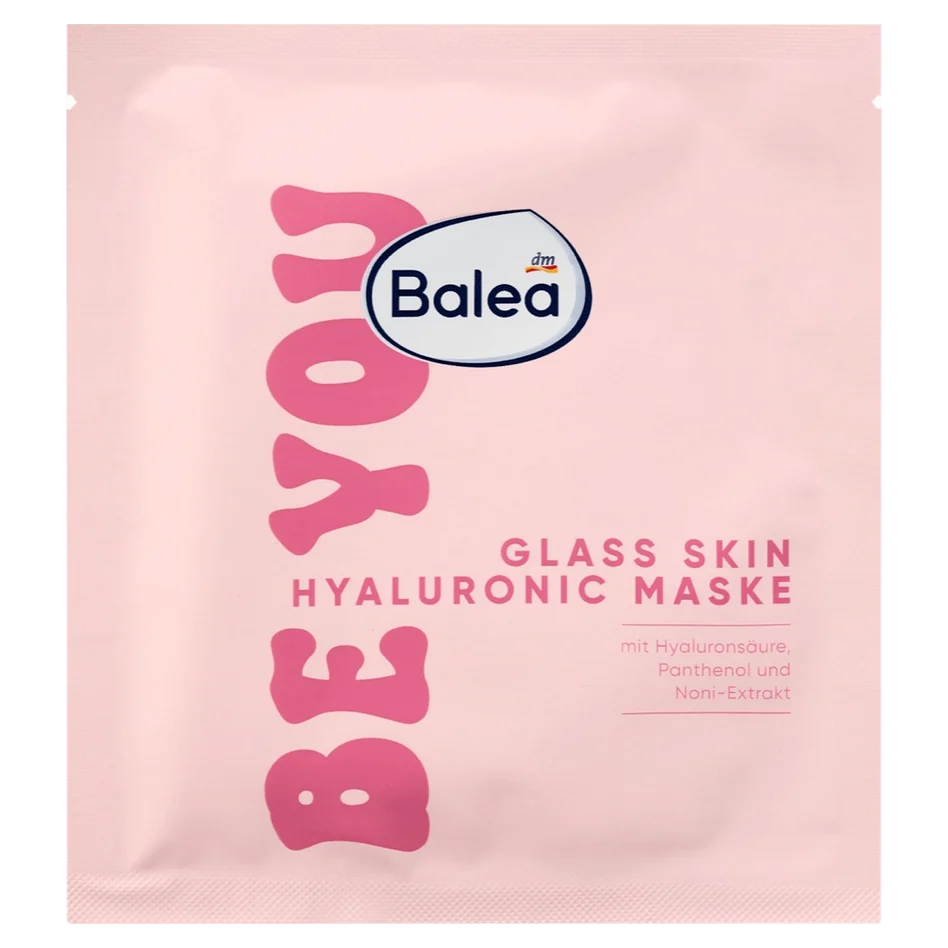
Balea
Gesichtsmaske Glass Skin Hyaluronic Be You
30th of 30 on the label
below ≈1%
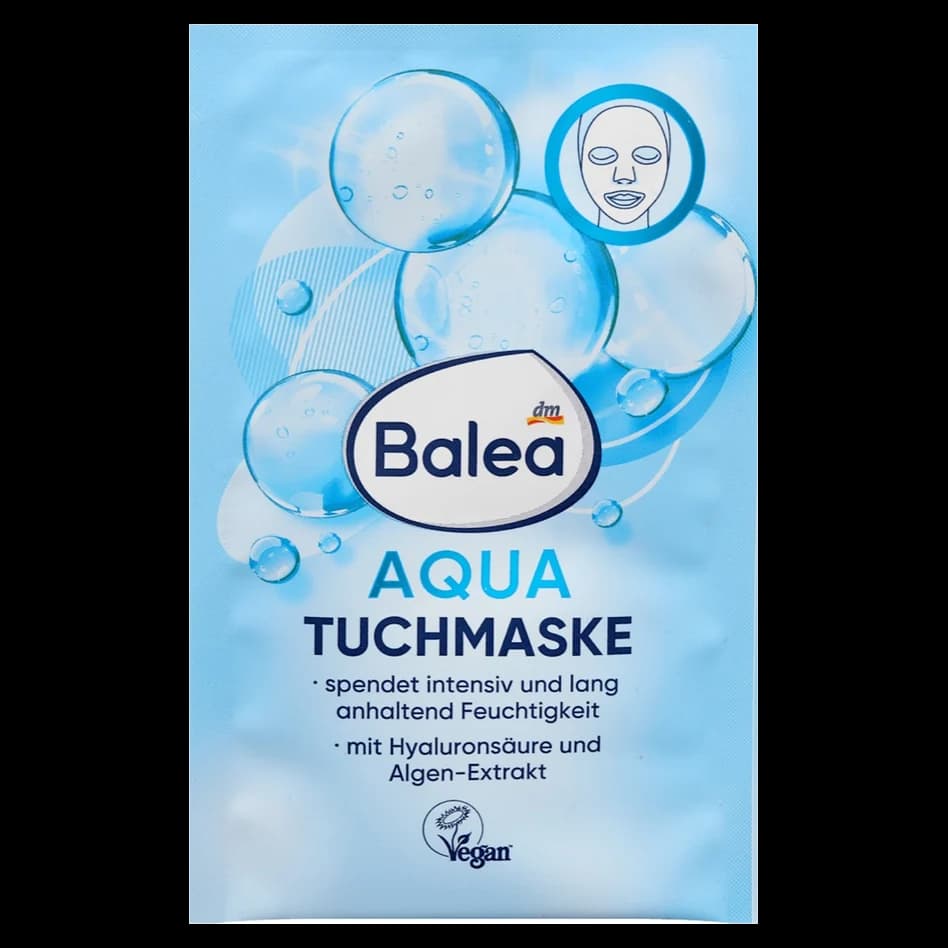
Balea
Tuchmaske Aqua
17th of 18 on the label
below ≈1%
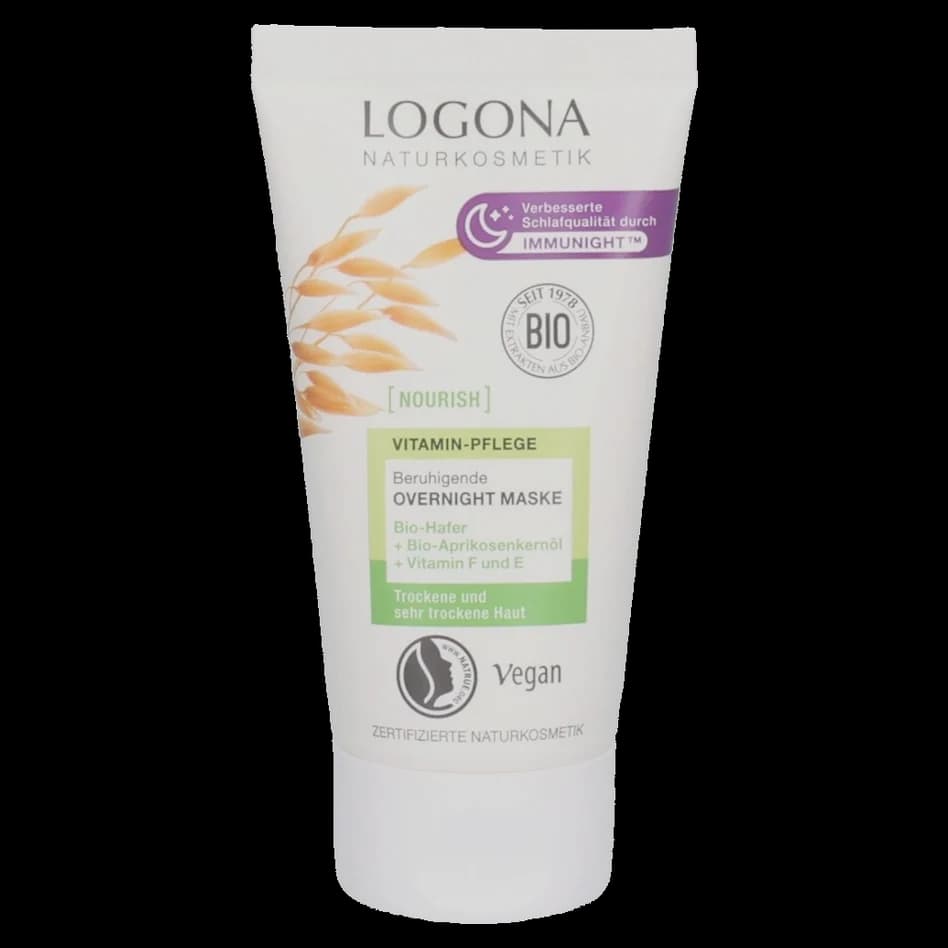
LOGONA
Nourish Beruhigende Overnight Maske
49th of 53 on the label
below ≈1%
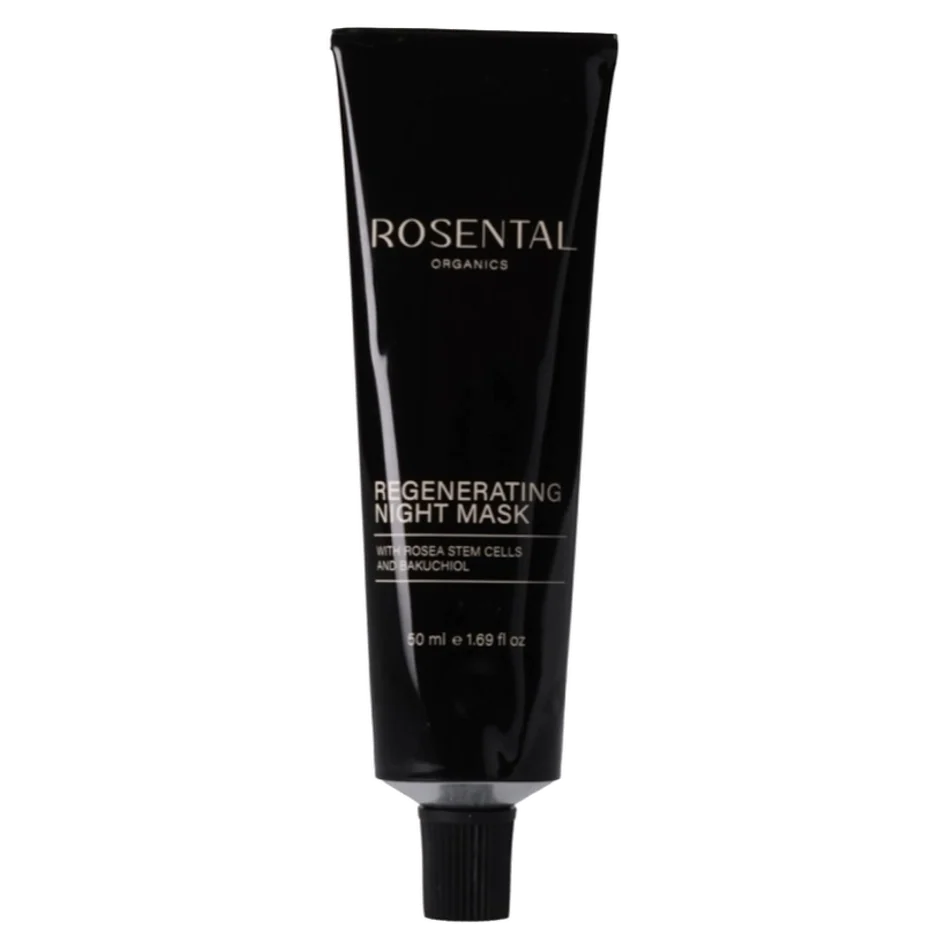
Rosental Organics
Regenerating Night Mask
39th of 44 on the label
below ≈1%
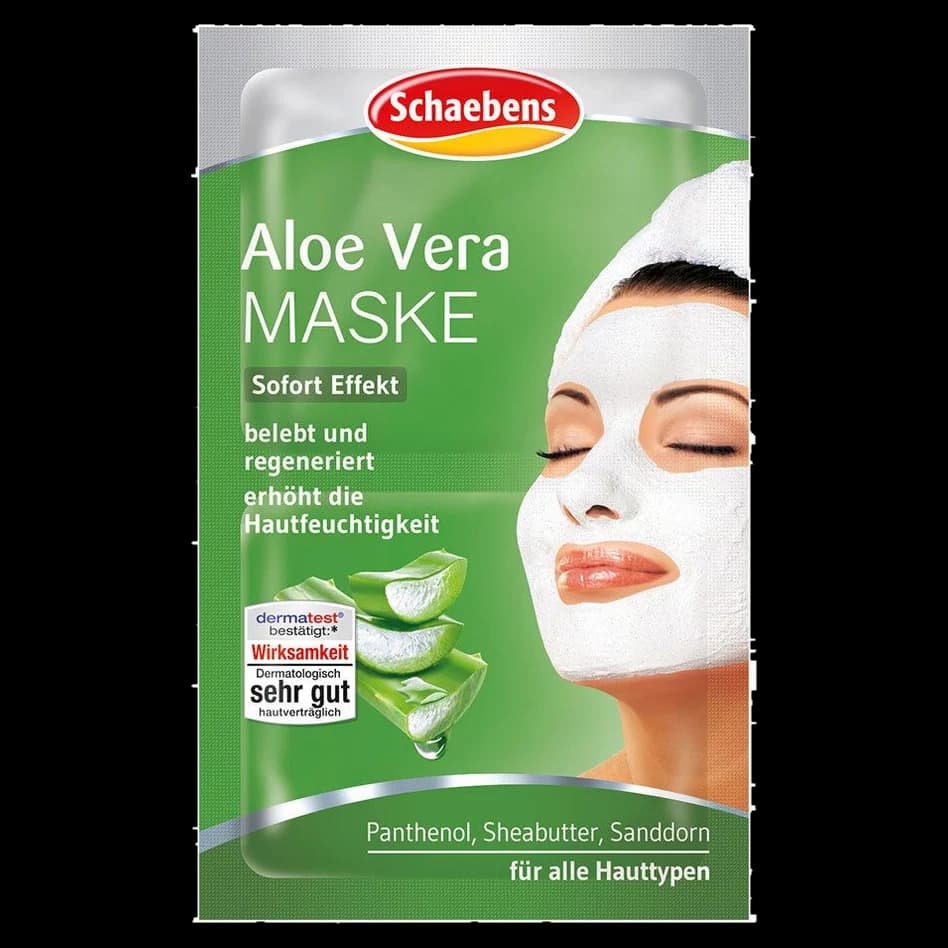
Schaebens
Aloe Vera Maske
32nd of 34 on the label
below ≈1%
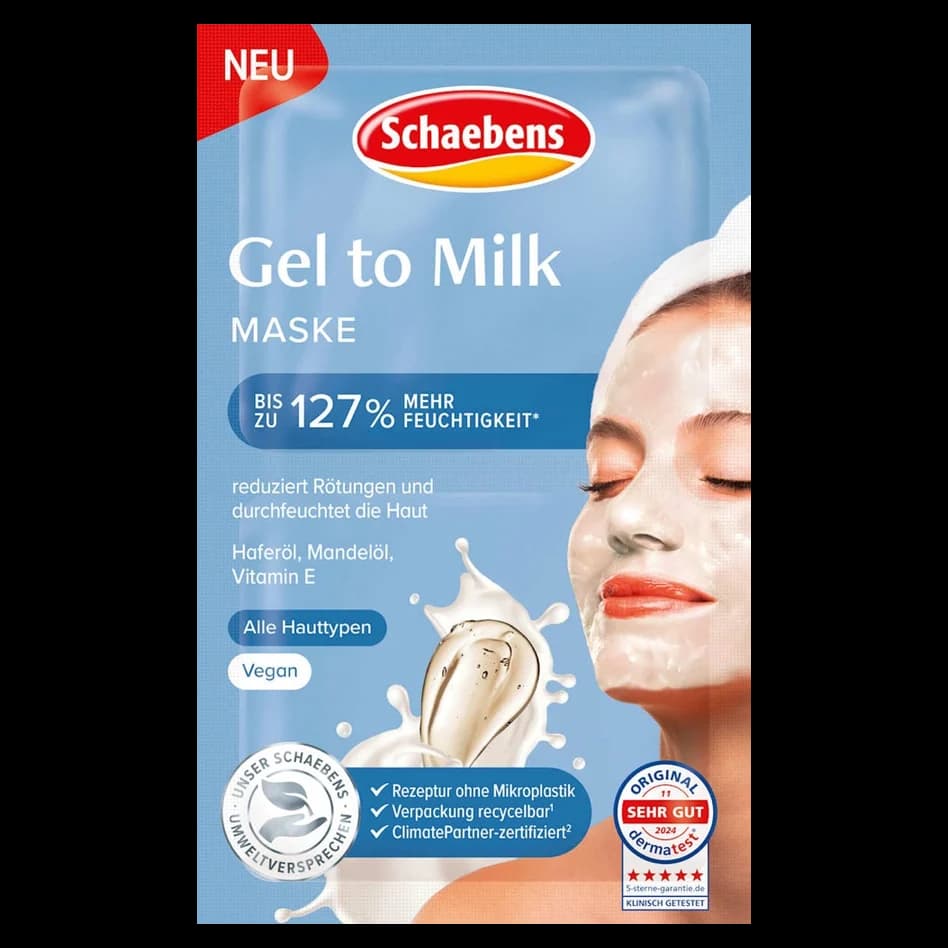
Schaebens
Gesichtscrememaske Gel to Milk
17th of 21 on the label
below ≈1%
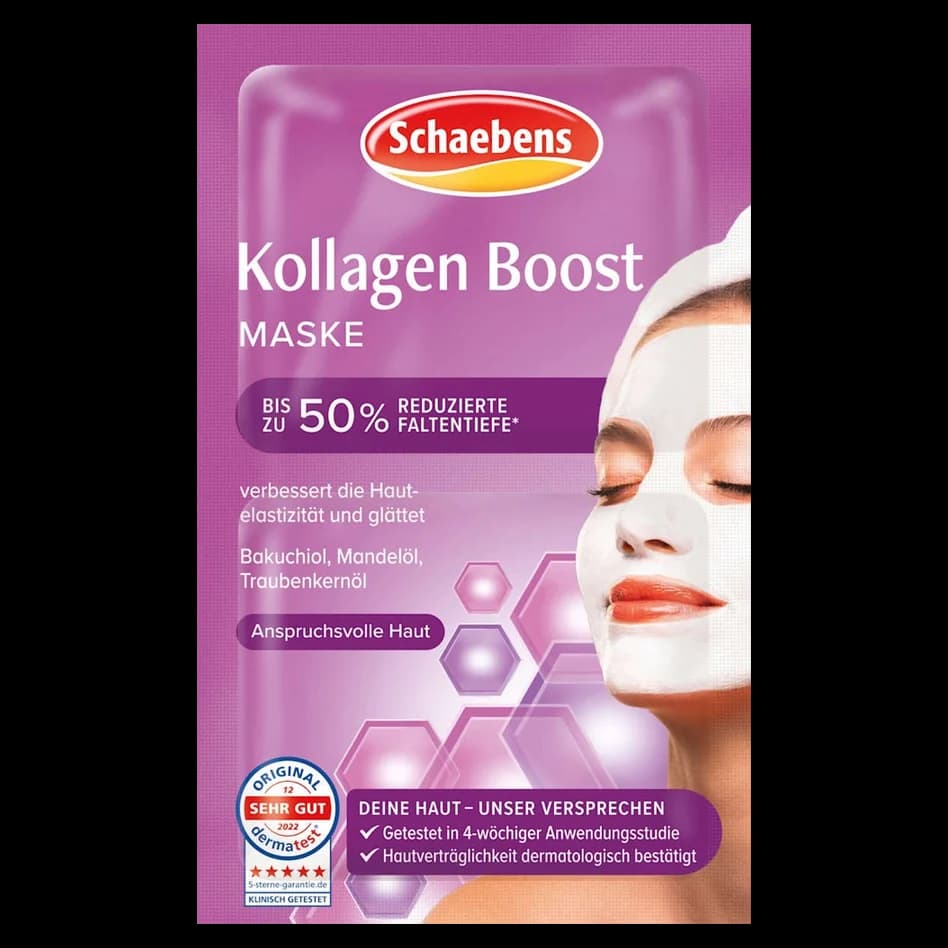
Schaebens
Gesichtsmaske Kollagen Boost
26th of 27 on the label
below ≈1%
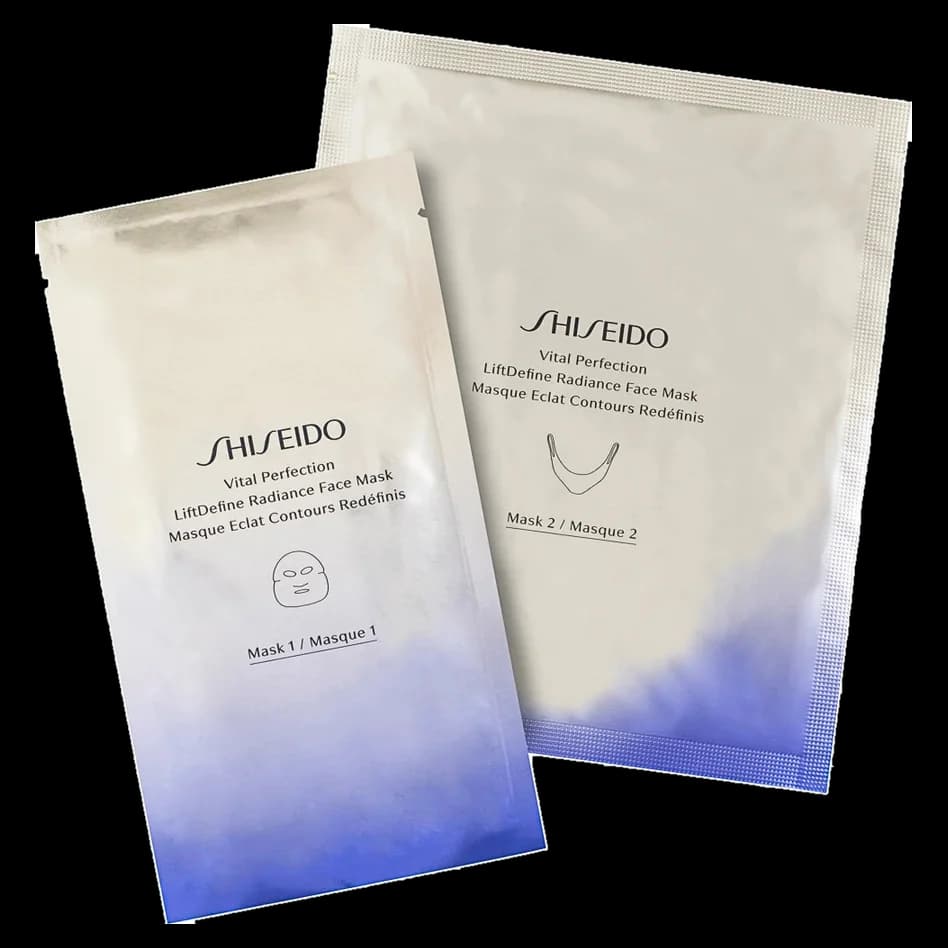
Shiseido
Vital Perfection LiftDefine Radiance Face Mask
48th of 81 on the label
below ≈1%
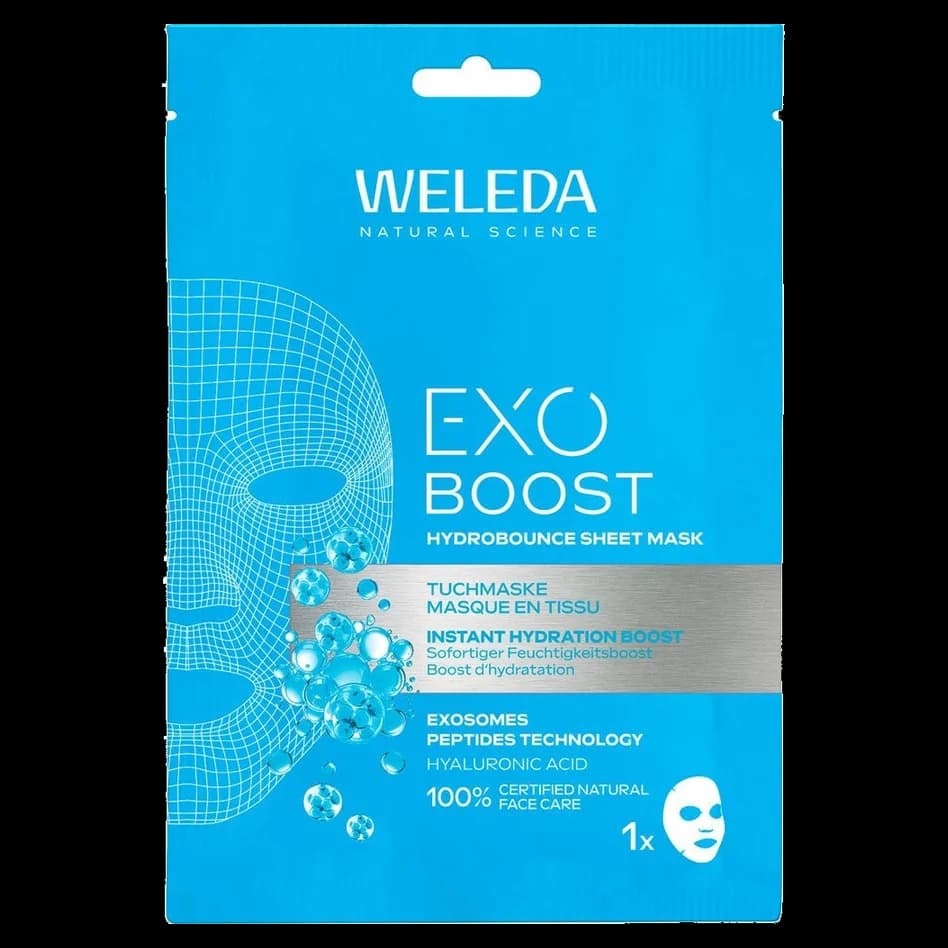
Weleda
Exo Boost Hydrobounce Tuchmaske
30th of 34 on the label
below ≈1%