Magnesium Aluminum Silicate
No meaningful concern for most people; irritation is possible but rare.
Also written as: Veegum · Smectite Clay · Magnesium Aluminium Silicate
What it is
Magnesium aluminum silicate is a refined smectite clay (the bentonite family), mined and then washed and graded to cosmetic purity. Its plate-like particles build a weak internal structure in water that suspends heavier ingredients and gives clay and mud masks their body; it also absorbs a little surface oil.
How it shows up on a label
Turns up in clay, exfoliating and wash-off masks rather than in sheet or hydrogel ones. The clay printed beside it is more often Loess than kaolin or bentonite - most of the masks that carry it are healing-earth formulas.
What it does well
Suspends pigments and powders so a mask does not separate
Its thixotropic structure holds solid particles in place at rest but breaks down under spreading, which is exactly what a clay or mud mask needs.
Strong evidence
Worth knowing
Mined mineral, so purity depends on the supplier
Cosmetic grades are purified and tested to keep trace heavy metals within limits, and EU law requires that traces of prohibited substances be technically unavoidable and safe. It is not chemically related to talc's historical asbestos issue, which concerned a different mineral deposit type.
Matters most toNobody in particular for finished EU-market products; it is a supply-chain quality question.
Where the EU stands
Concentration-restricted
Restricted since 2026 as an aluminium-containing ingredient, having previously appeared in no Annex. Regulation (EU) 2026/909, in force since 18 May 2026, added Annex III entry 381, a class entry covering aluminium-containing ingredients apart from a list of named exceptions in Annexes III, IV, V and VI. Magnesium aluminum silicate is not one of those exceptions, so it is caught. The cap is expressed as aluminium rather than as the weight of the clay: 0.89% (as Al) in face and body rinse-off products, the row a wash-off clay mask falls under, and 10.59% (as Al) in face leave-on products. The SCCS set these levels on the contribution cosmetics make to total systemic aluminium exposure (SCCS/1662/23). Products that do not comply may not be placed on the EU market from 1 January 2027, nor made available from 1 July 2028, so masks on sale today are unaffected.
Regulation (EC) No 1223/2009, Annex III entry 381 (added by Regulation (EU) 2026/909; printed as entry 379 in the Official Journal of 28 April 2026 and renumbered to 381 by the corrigendum at OJ L, 2026/90354, 5.5.2026) · source ↗
Sources (1)
Every link goes to the original: a journal, a PubMed record or an EU document.
- [1]Opinion on the safety of aluminium in cosmetic products - Submission IV (SCCS/1662/23)
SCCS - Scientific Committee on Consumer Safety, European Commission · 2024
The SCCS concluded that aluminium compounds are safe at the maximum levels it tabulated by product category, while noting that aluminium exposure aggregated across cosmetics and food may exceed safe limits for the most highly exposed consumers. These are the levels Regulation (EU) 2026/909 wrote into Annex III entry 381.
Masks that contain Magnesium Aluminum Silicate
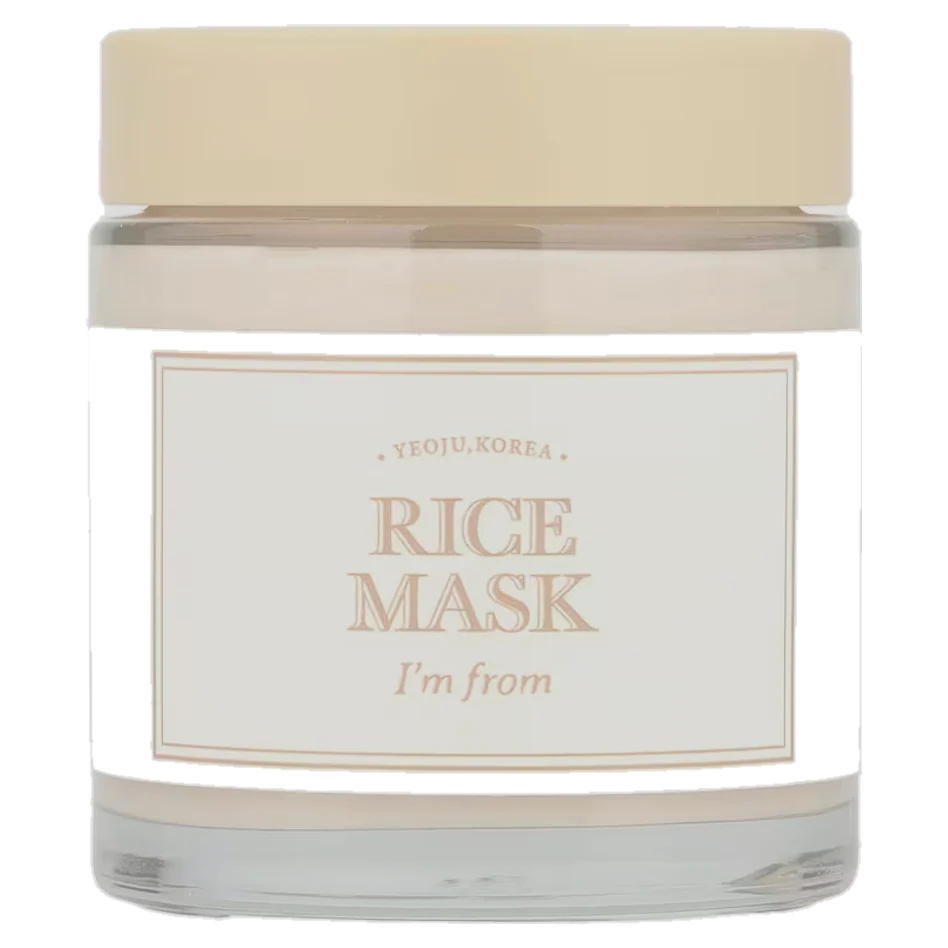
I'm From
Rice Mask
24th of 43 on the label
below ≈1%
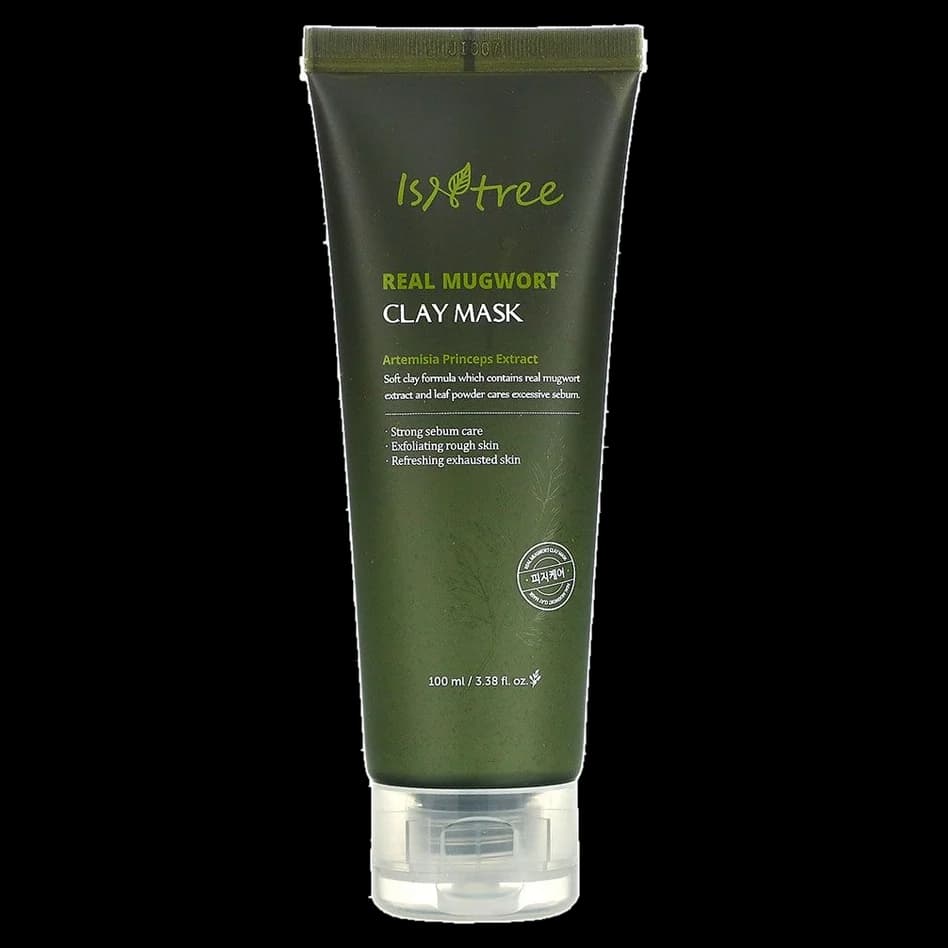
Isntree
Mugwort Calming Clay Mask
31st of 38 on the label
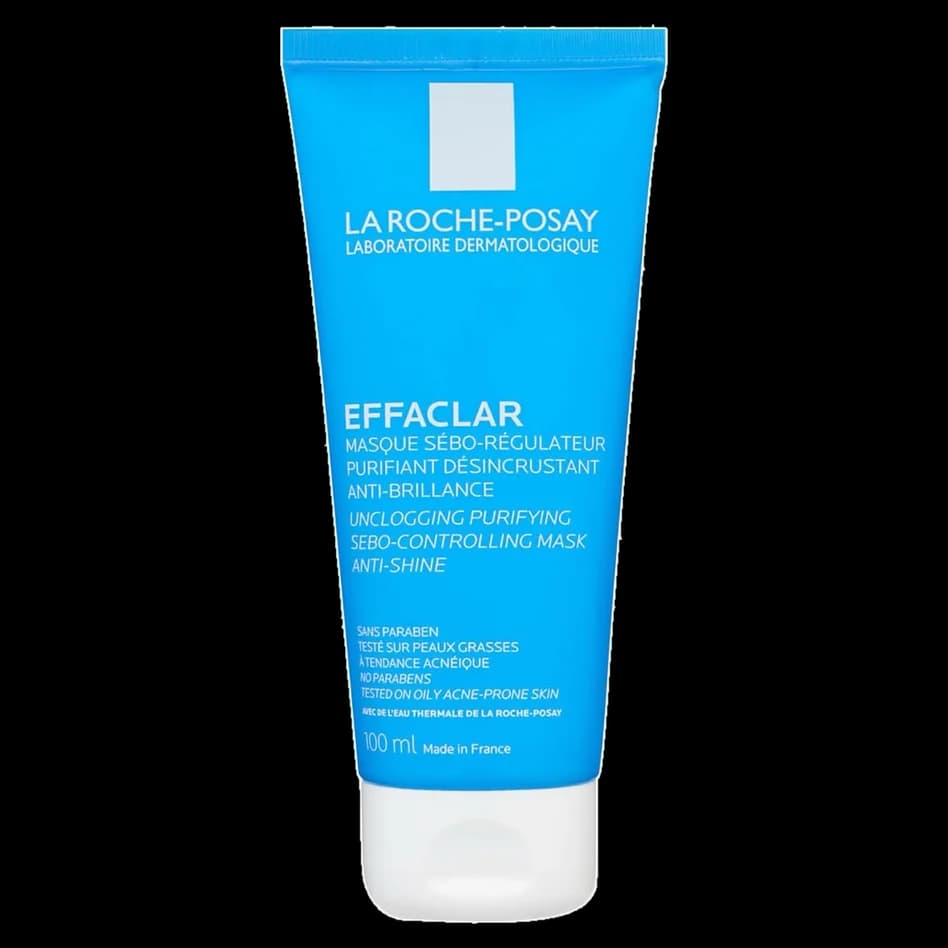
La Roche-Posay
Effaclar Purifying Clay Mask
4th of 20 on the label
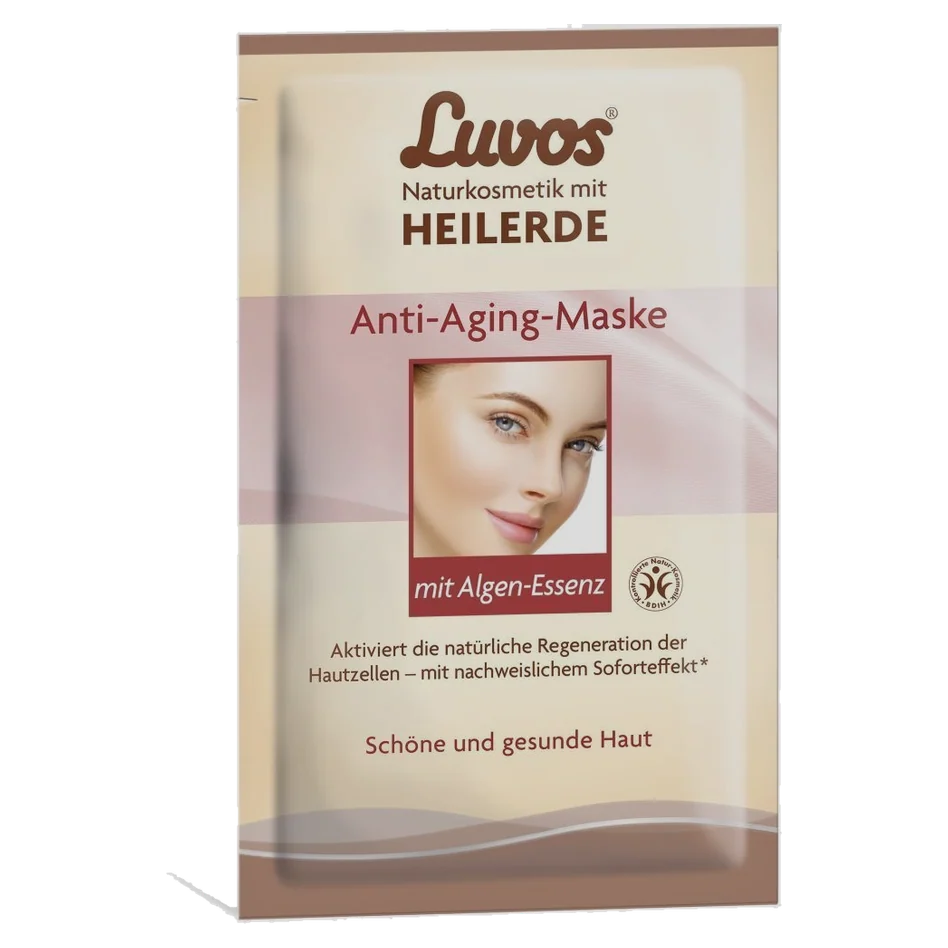
Luvos-Heilerde
Anti-Aging-Maske
12th of 27 on the label
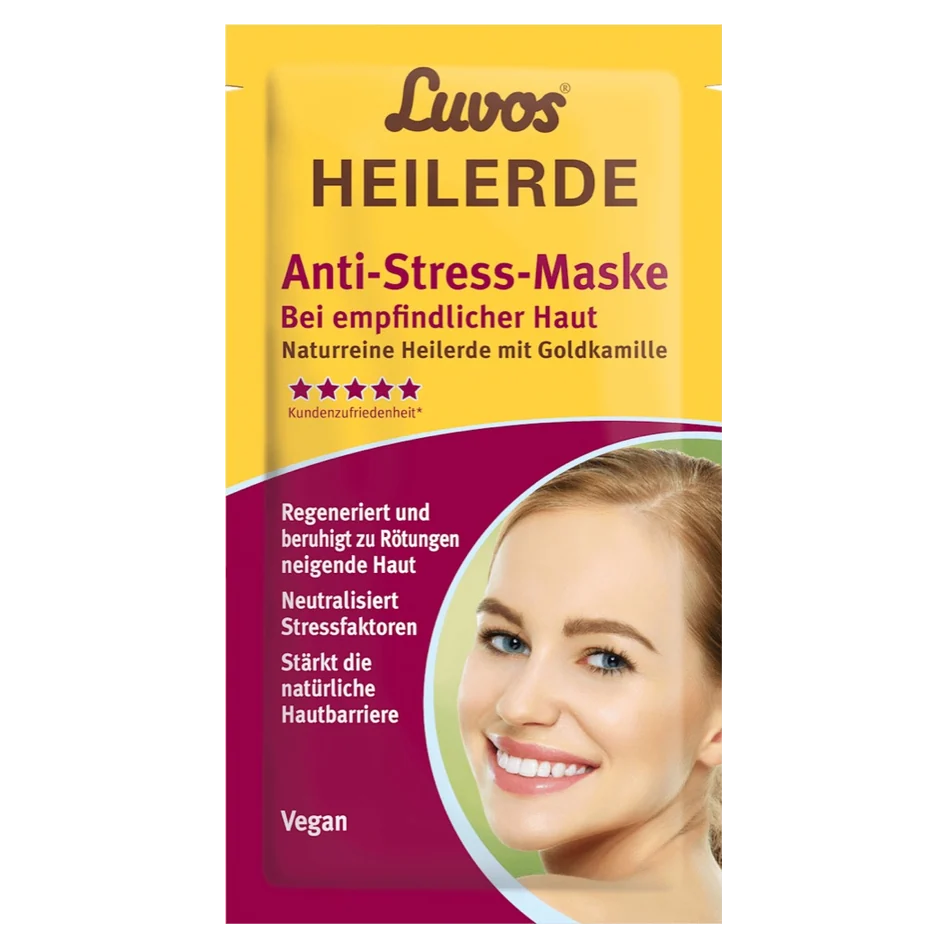
Luvos-Heilerde
Anti-Stress-Maske
24th of 33 on the label
below ≈1%
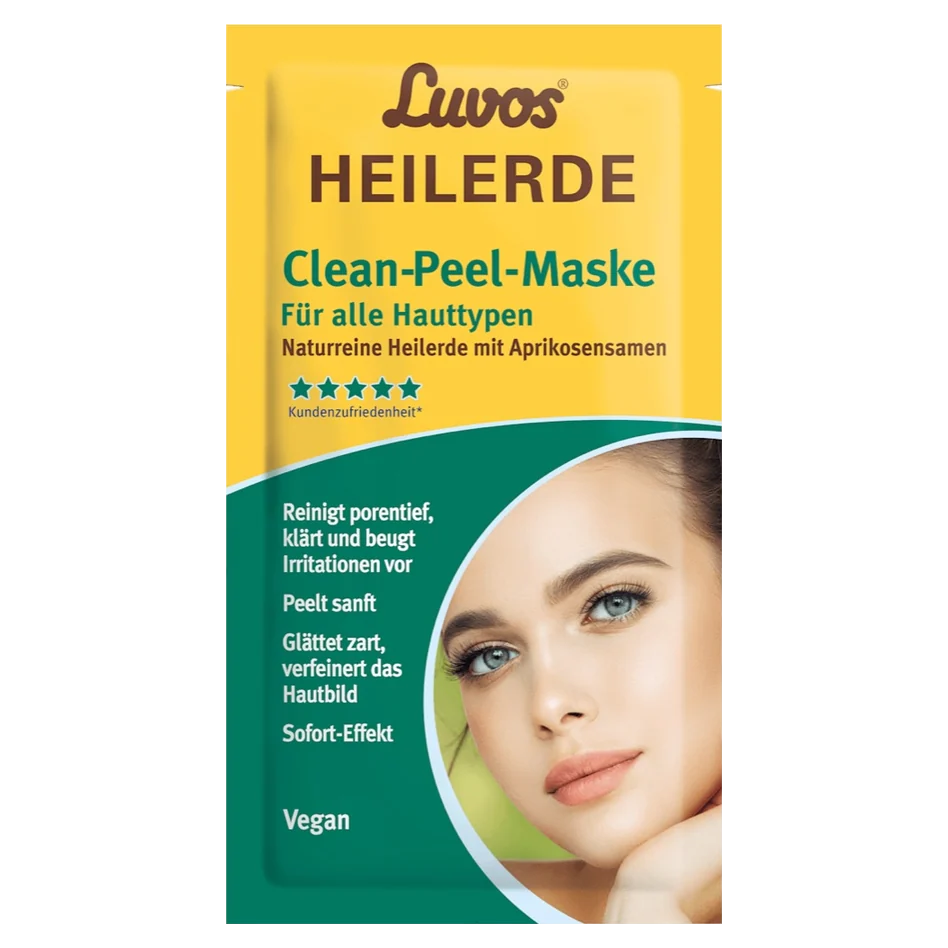
Luvos-Heilerde
Clean-Peel-Maske
14th of 29 on the label
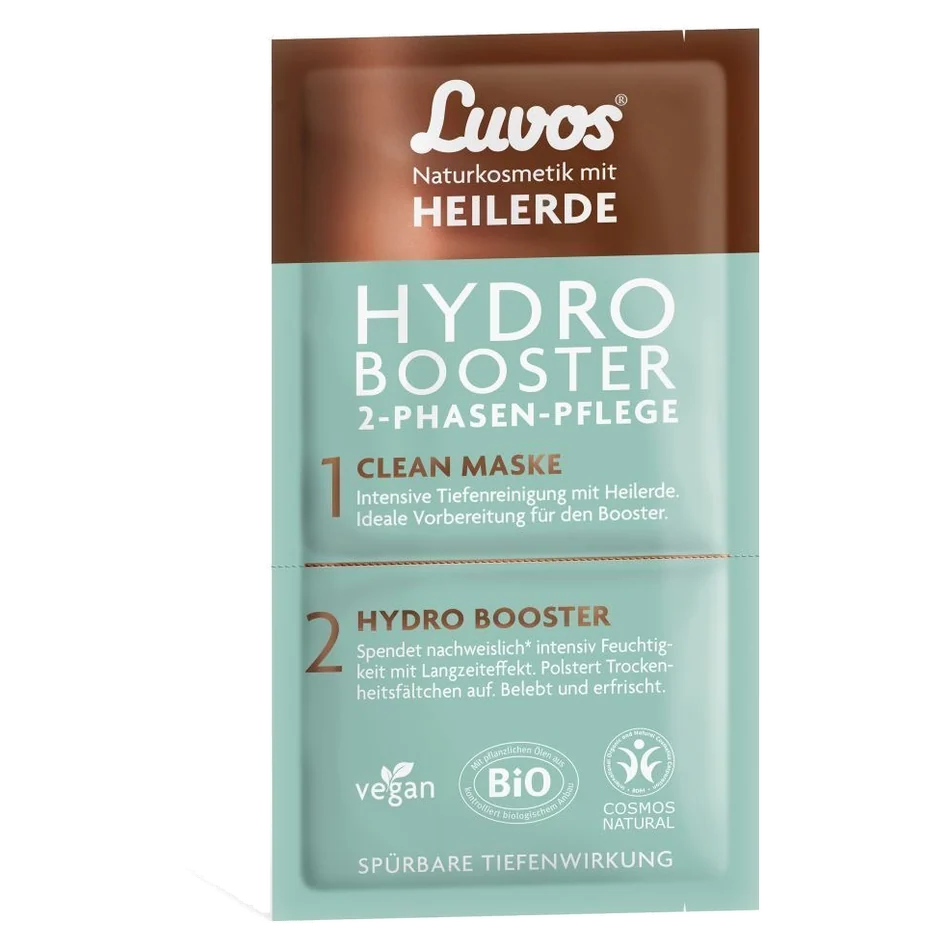
Luvos-Heilerde
Hydro Booster mit Clean Maske
16th of 63 on the label
below ≈1%
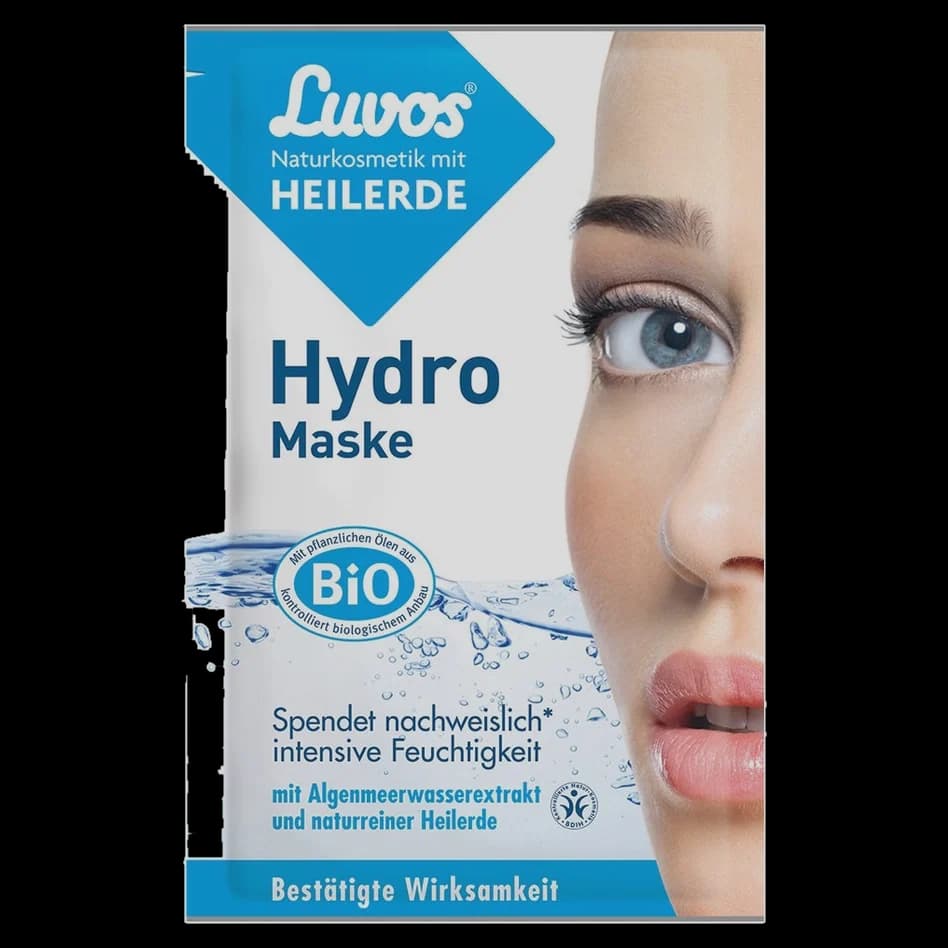
Luvos-Heilerde
Hydro-Maske
16th of 33 on the label
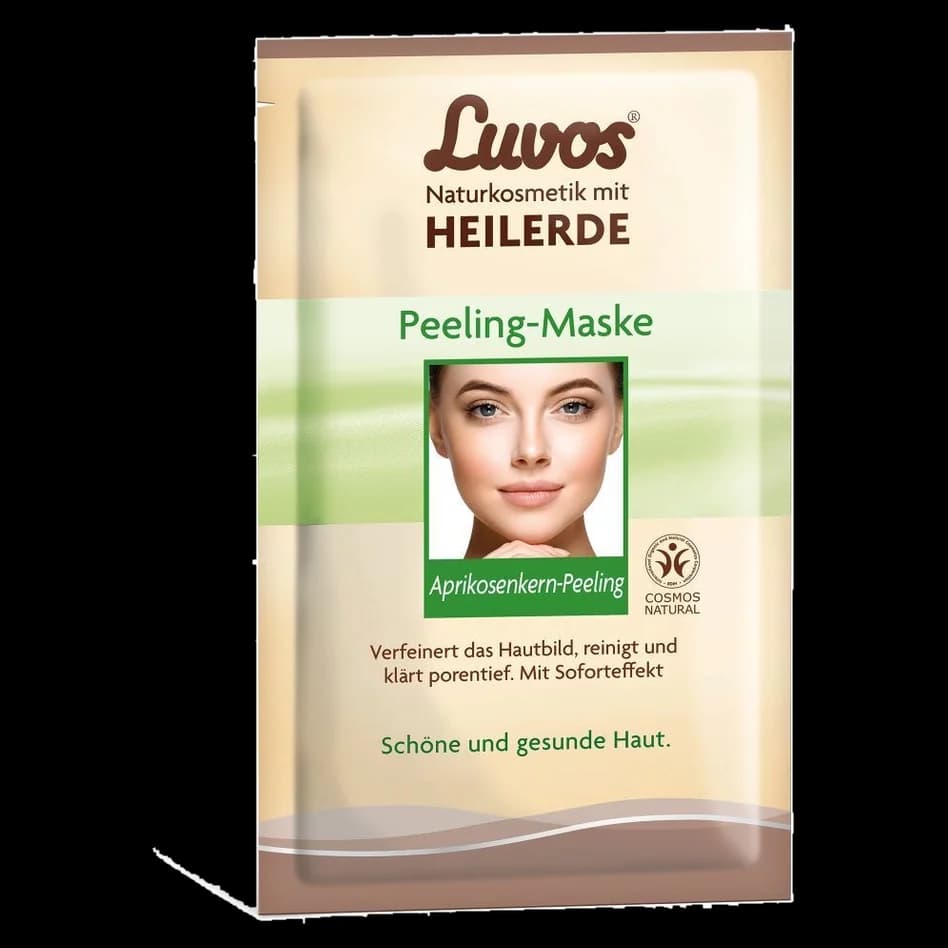
Luvos-Heilerde
Peeling-Maske
13th of 29 on the label
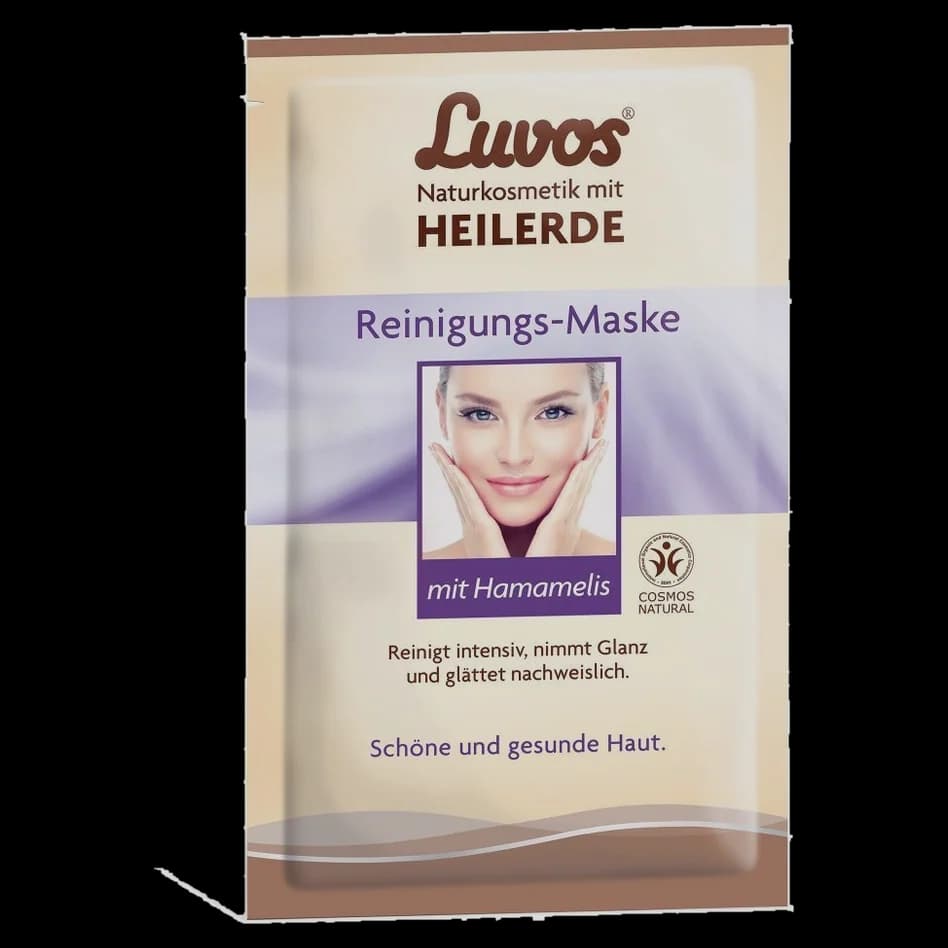
Luvos-Heilerde
Reinigungs-Maske
13th of 28 on the label
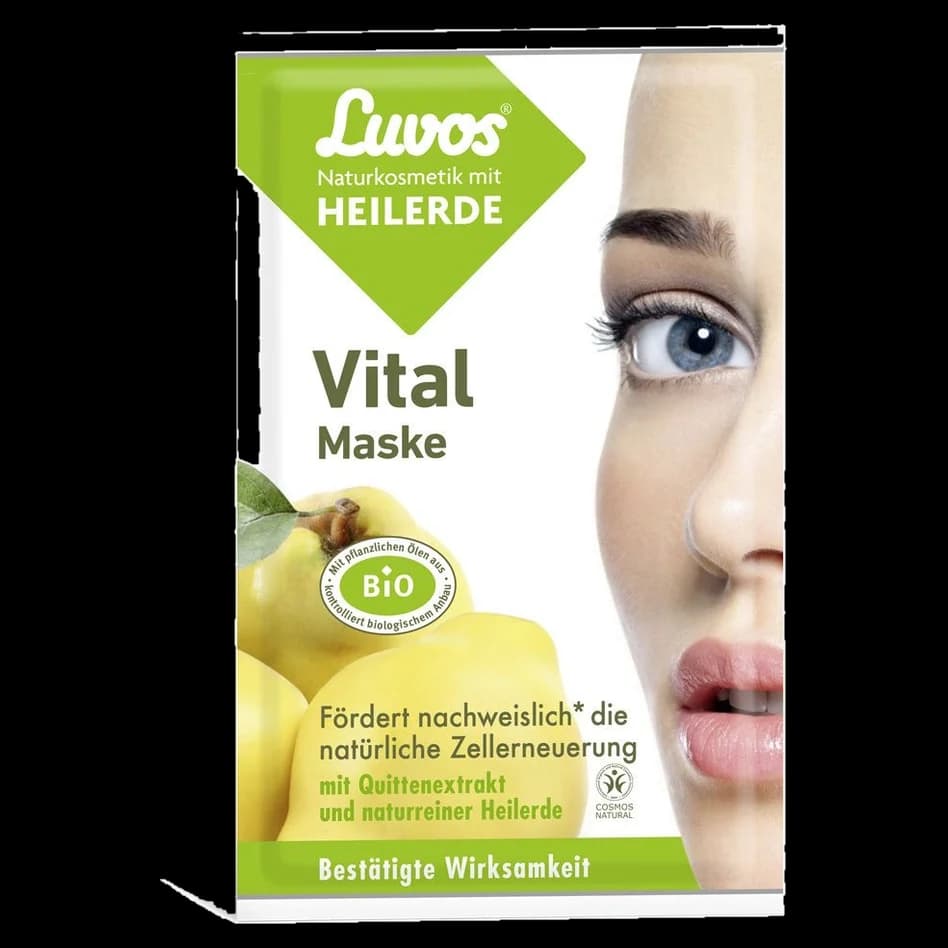
Luvos-Heilerde
Vital-Maske
15th of 30 on the label
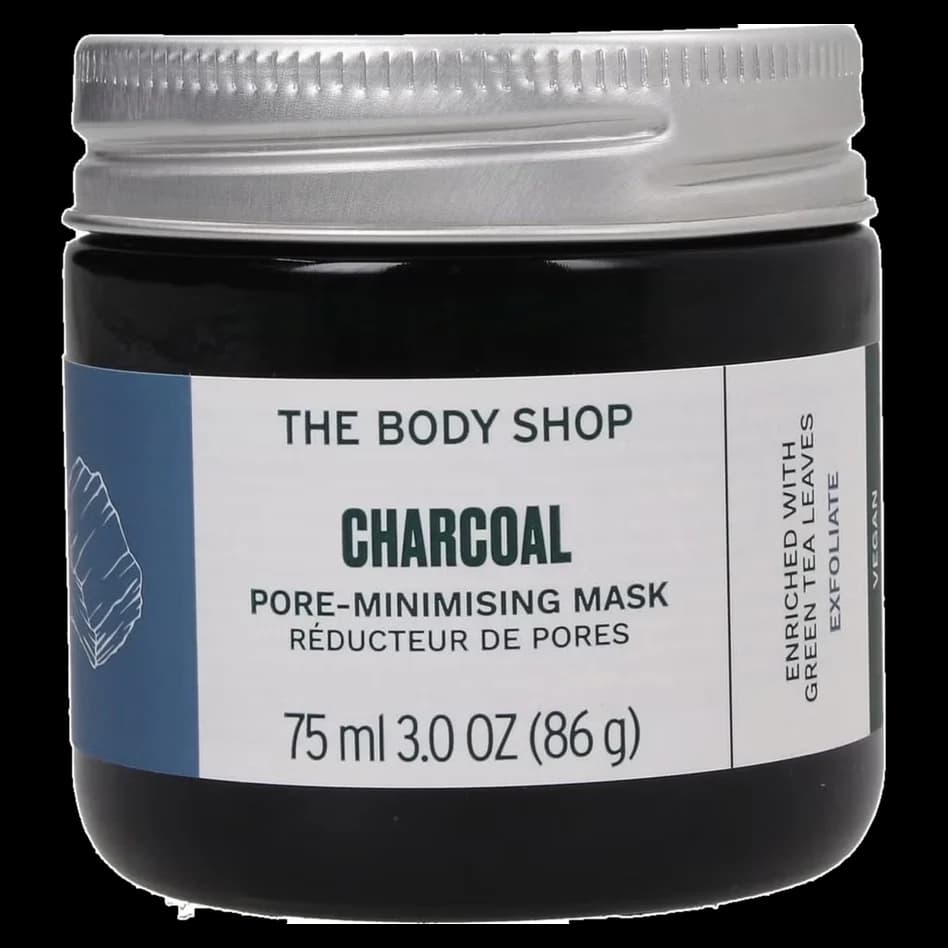
The Body Shop
Charcoal Pore Minimising Mask
4th of 37 on the label