Phytosphingosine
No meaningful concern for most people; irritation is possible but rare.
What it is
Phytosphingosine is not a ceramide but the backbone half of one. A ceramide is the reaction product of a sphingoid base and a fatty acid, and phytosphingosine is the base that the P stands for in Ceramide NP, AP and EOP. It occurs naturally in the stratum corneum both in free form and as part of the major fraction of ceramides, and it is abundant in plants and fungi, which is where cosmetic supply comes from. On an ingredient list it usually appears beside the ceramides it is related to rather than alone.
How it shows up on a label
Five masks here print it, and every one of them puts it below the point where ingredient order stops indicating quantity, typically about three-quarters of the way down the list. On all five it appears beside at least one ceramide, which is what you would expect of a base that the ceramides around it are built on.
What it does well
Antimicrobial and anti-inflammatory in studies addressing acne
Laboratory and small clinical work on phytosphingosine reported antimicrobial activity against the bacterium implicated in acne, and improvement when it was used in skin care for the condition. The limitation is worth stating: that work was carried out on a manufacturer's own material and published in a cosmetic-science journal, so it is a starting point rather than an independent confirmation. A separate review of antibiotic resistance lists phytosphingosine among the molecules with little resistance potential being explored for acne.
Limited evidence
Drives keratinocyte differentiation in laboratory models
In human keratinocytes, phytosphingosine activated the PPAR transcription factors that govern barrier maintenance, increased production of the cornified envelope roughly 1.8-fold against controls, raised the differentiation markers involucrin, loricrin and keratin 1, and cut DNA synthesis to a fifth of control levels. These are cell and mouse experiments describing a mechanism, not a measured result on human skin.
Limited evidence
Worth knowing
Toxic to cells at high concentrations
Researchers working on phytosphingosine note that it and its close derivatives show strong toxicity to cells at high concentrations, which is why much of the laboratory work has gone into modified versions intended to keep the activity and lose that effect. This is an observation about concentrated material in culture, well above anything a mask contains, and it is context for reading the literature rather than a caution about the ingredient on a pack.
Matters most toAnyone reading the primary literature on this ingredient.
Less settled than the ceramides beside it
The CIR has assessed several phytosphingosine derivatives, among them caprooyl phytosphingosine, but its ceramides report does not cover the free base, so this ingredient has no safety conclusion of its own from that panel in the way the ceramides listed next to it do. The efficacy literature is small and largely preclinical. Nothing here suggests a problem; there is simply less to go on.
Matters most toAnyone weighing this ingredient against the better-documented ceramides.
Where the EU stands
No specific restriction
Not listed in any Annex of the EU Cosmetics Regulation, so there is no specific concentration limit; it is still covered by the general safety assessment every cosmetic product must pass before sale.
Regulation (EC) No 1223/2009 - no annex entry · source ↗
Sources (4)
Every link goes to the original: a journal, a PubMed record or an EU document.
- [1]Anti-microbial and -inflammatory activity and efficacy of phytosphingosine: an in vitro and in vivo study addressing acne vulgaris
International Journal of Cosmetic Science · 2007 · doi:10.1111/j.1467-2494.2007.00378.x
Reported antimicrobial and anti-inflammatory activity for phytosphingosine in acne, in work carried out on the producer's own material rather than independently.
- [2]Antibiotic resistance to Propionobacterium acnes: worldwide scenario, diagnosis and management
Expert Review of Anti-infective Therapy · 2015 · doi:10.1586/14787210.2015.1040765
A review of antibiotic resistance in acne lists phytosphingosine among the novel molecules with little resistance potential, alongside octadecenedioic acid, lauric acid, retapamulin and resveratrol.
- [3]Phytosphingosine stimulates the differentiation of human keratinocytes and inhibits TPA-induced inflammatory epidermal hyperplasia in hairless mouse skin
Molecular Medicine · 2006 · doi:10.2119/2006-00001.Kim
Phytosphingosine activated PPAR signalling in keratinocytes, raised differentiation markers and increased cornified envelope production about 1.8-fold against controls.
- [4]Phytosphingosine derivatives ameliorate skin inflammation by inhibiting NF-kappaB and JAK/STAT signaling in keratinocytes and mice
Journal of Investigative Dermatology · 2014 · doi:10.1038/jid.2013.453
Records that phytosphingosine and its acetylated derivatives are part of the skin's own defences but show strong toxicity at high concentrations, which is why modified versions were developed.
Masks that contain Phytosphingosine
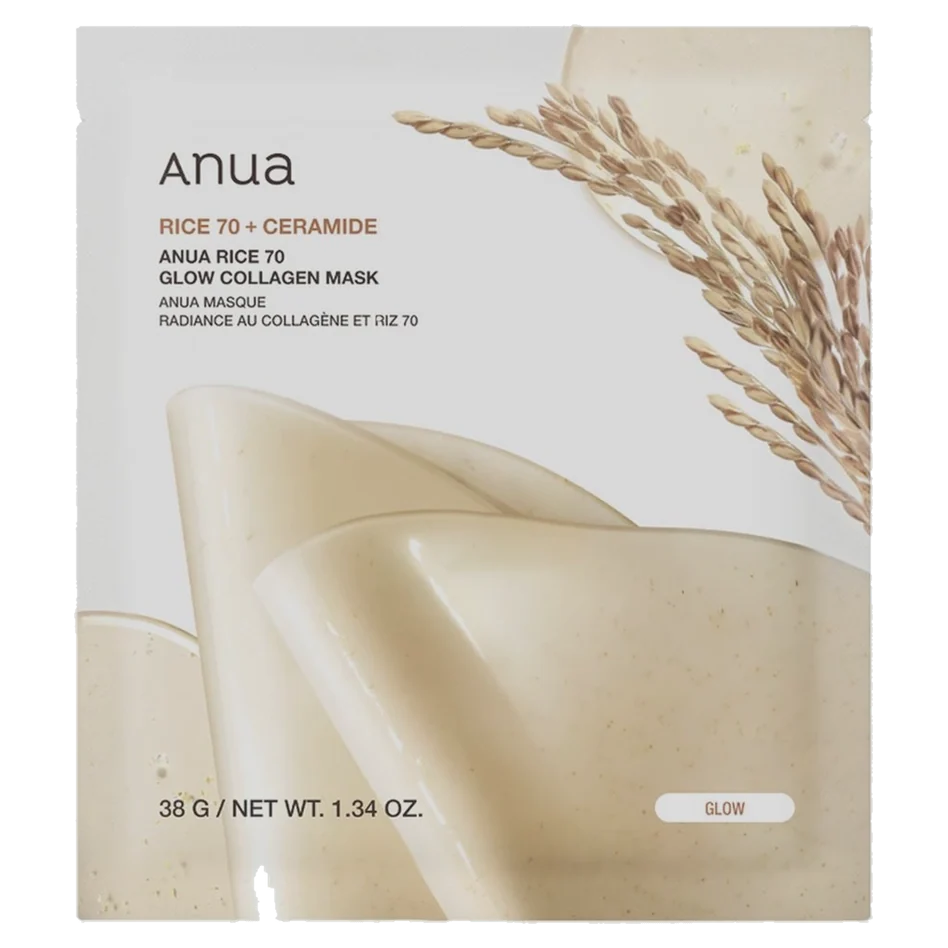
Anua
Rice 70 Glow Collagen Mask
31st of 42 on the label
below ≈1%
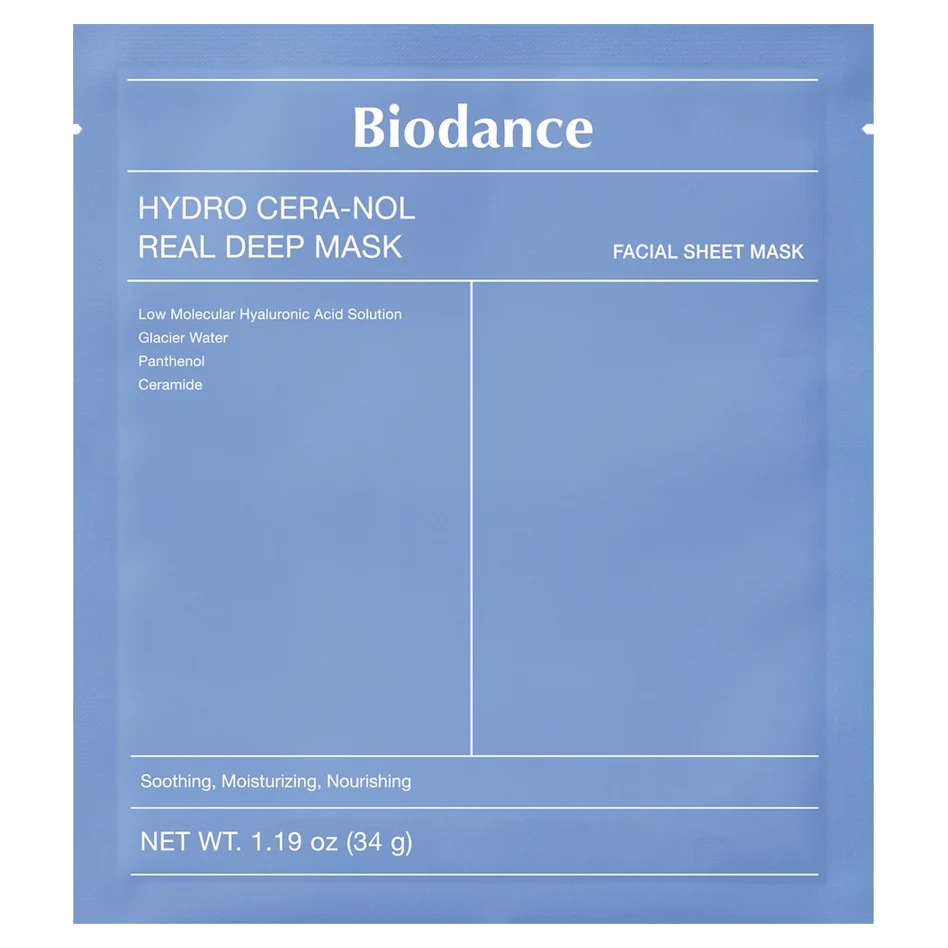
Biodance
Hydro Cera-nol Real Deep Mask
58th of 65 on the label
below ≈1%
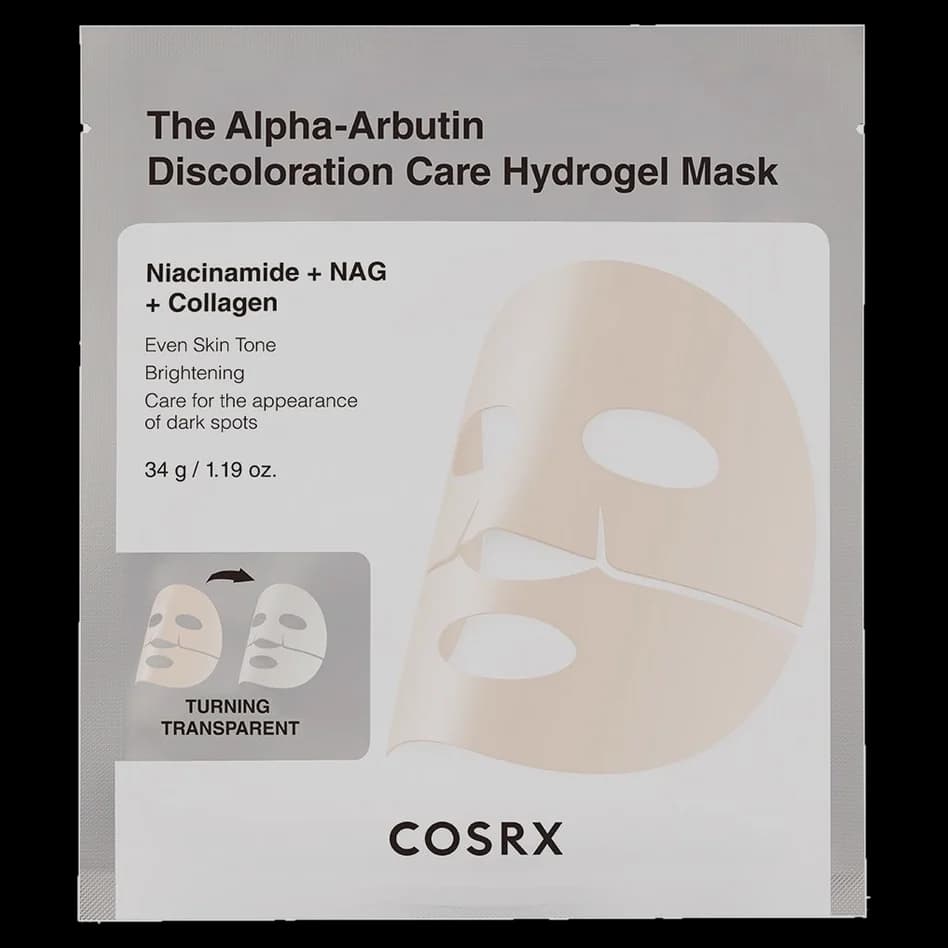
COSRX
The Alpha-Arbutin Discoloration Care Hydrogel Mask
38th of 44 on the label
below ≈1%
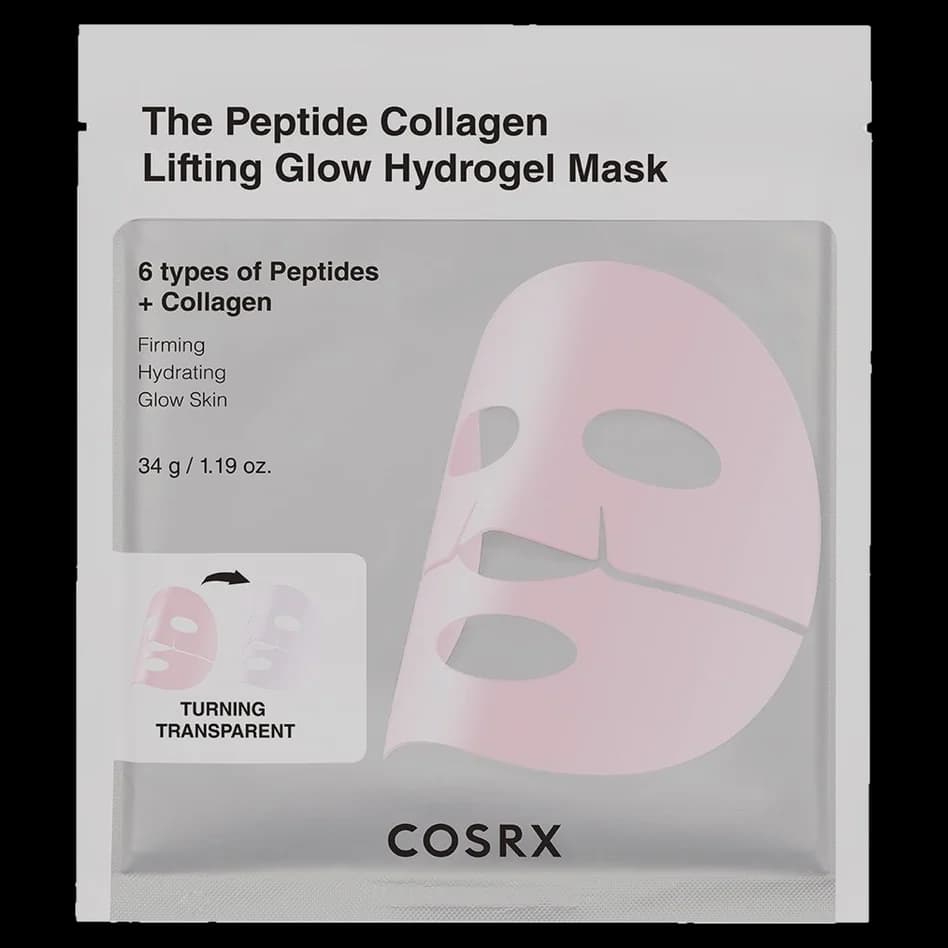
COSRX
The Peptide Collagen Lifting Glow Hydrogel Mask
37th of 49 on the label
below ≈1%
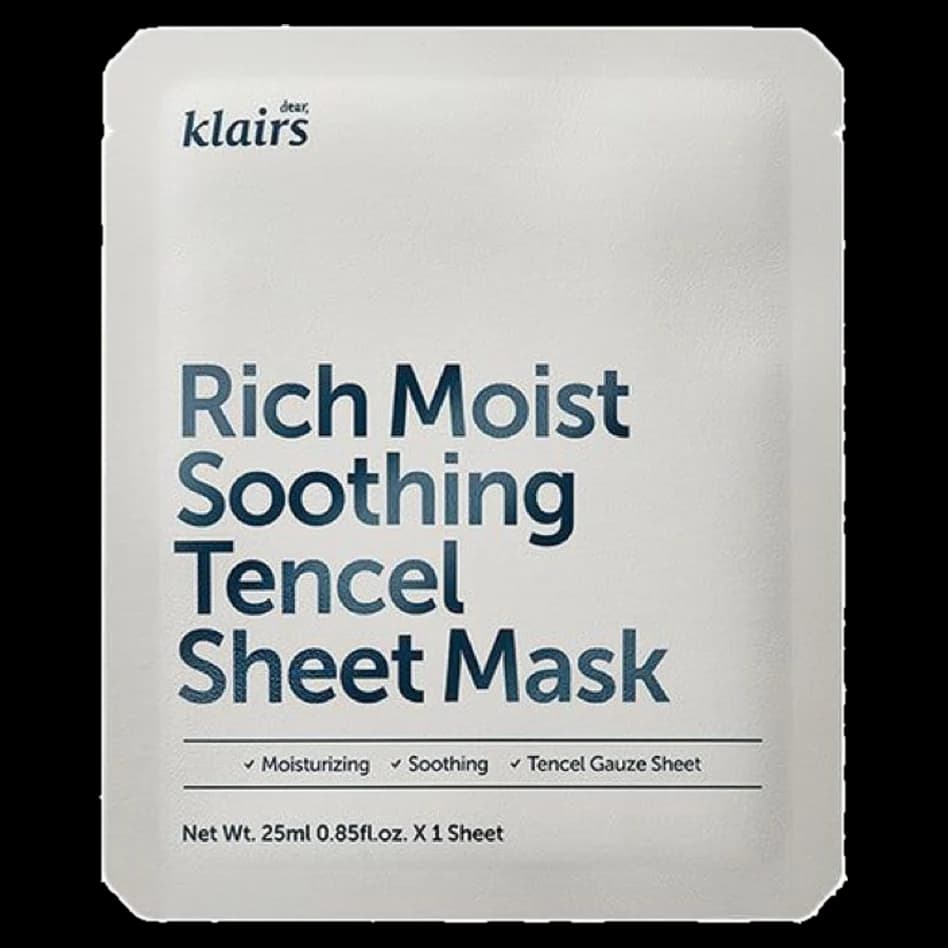
Dear, Klairs
Rich Moist Soothing Tencel Sheet Mask
22nd of 33 on the label
below ≈1%