Pinene
Genuinely relevant for some people, or depends on dose and pH.
Also written as: alpha-Pinene · beta-Pinene · Pinenes
What it is
Pinene is a monoterpene and the principal constituent of turpentine, as well as a major component of pine, juniper, cypress and rosemary oils. Annex III entry 371, inserted by Regulation (EU) 2023/1545, covers alpha-pinene and beta-pinene together under the single label name Pinene. The entry is unusual in carrying two separate duties rather than one: the substance must be declared above 0.001% in leave-on products and 0.01% in rinse-off products, and its peroxide value must be less than 10 mmoles/L.
How it shows up on a label
Pinene on a label is the collective form and does not say which isomer is present. Entry 371 carries footnote (40): products that do not comply could be placed on the Union market until 31 July 2026 and made available until 31 July 2028. The first of those dates has passed, so anything newly placed must comply, while older stock may still be on sale into 2028.
What it does well
Carries a resinous pine note from the oils that contain it
It rarely appears as a standalone addition. A mask lists it because a pine, juniper, cypress or rosemary oil in the formula contains it. This is a scent function; no skin benefit is established for pinene itself.
Strong evidence
Worth knowing
The EU caps how oxidised it may be rather than how much may be used
Entry 371 sets no maximum concentration but requires a peroxide value below 10 mmoles/L, and its footnote (41) routes it to entry 130, Terpenes and terpenoids, which sets the same figure. SCCS/1459/11 defines this pattern: a prehapten is non- or low-sensitising in itself but is converted into a sensitiser outside the skin by air oxidation, and unlike bioactivation that conversion can be prevented by appropriate measures. A ceiling on peroxide value is such a measure.
Matters most toAnyone wondering why a fragrance ingredient carries a freshness limit instead of a concentration limit.
The human evidence comes mostly from turpentine-allergic and occupational groups
SCCS/1459/11 records a Portuguese series of 30 patients with turpentine allergy in which 17 reacted to alpha-pinene and 2 to beta-pinene, an occupational series of 24 pottery workers in which 14 were sensitised to Indonesian oil of turpentine and 8 to alpha-pinene, and a case report involving a perfume-factory worker. These are selected groups, so the proportions are not rates for the general population. In 63 patients positive to Fragrance Mix I, 2 reacted to beta-pinene and none to alpha-pinene.
Matters most toAnyone reading a high patch-test figure as a population risk.
Where the EU stands
Labelling required
Declared fragrance allergen covering alpha-pinene and beta-pinene under the single label name Pinene, added by Regulation (EU) 2023/1545. Must be named on the pack above 0.001% in leave-on products and 0.01% in rinse-off products. No maximum concentration is set, but the peroxide value must be less than 10 mmoles/L.
Regulation (EC) No 1223/2009, Annex III entry 371, as inserted by Regulation (EU) 2023/1545 · source ↗
Masks that contain Pinene
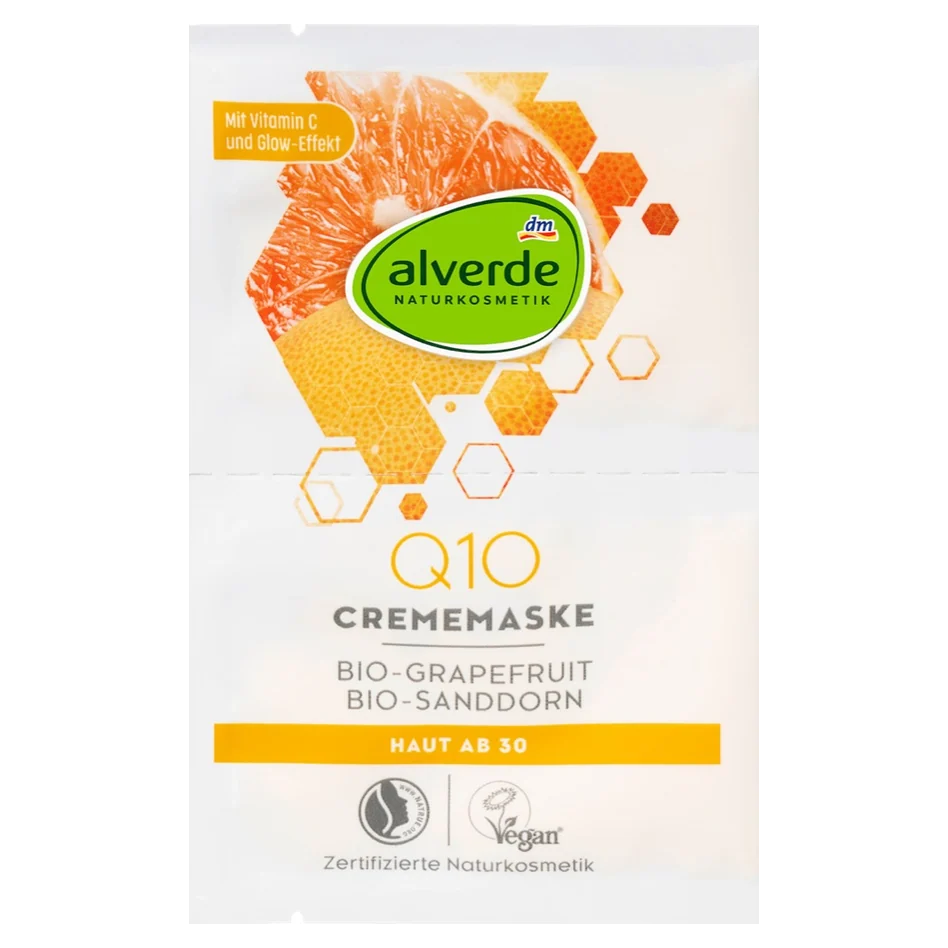
alverde Naturkosmetik
Gesichtsmaske Q10 mit Vitamin C
37th of 40 on the label
below ≈1%
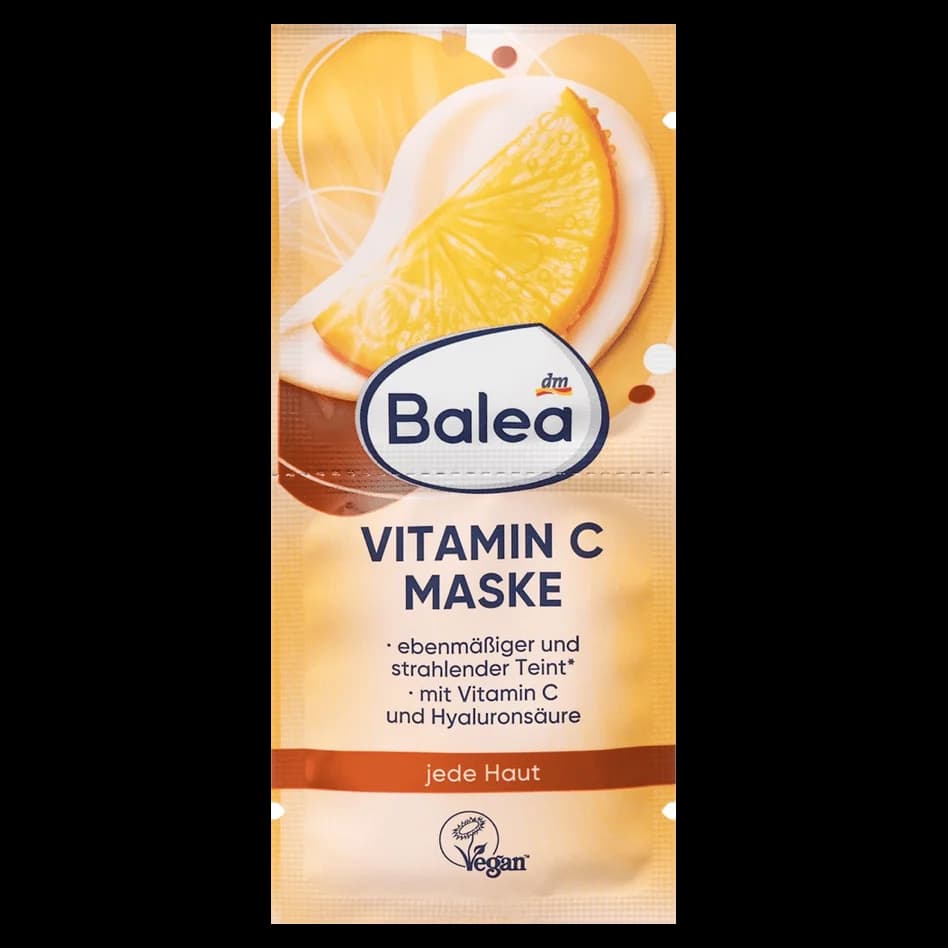
Balea
Gesichtsmaske Vitamin C
22nd of 23 on the label
below ≈1%
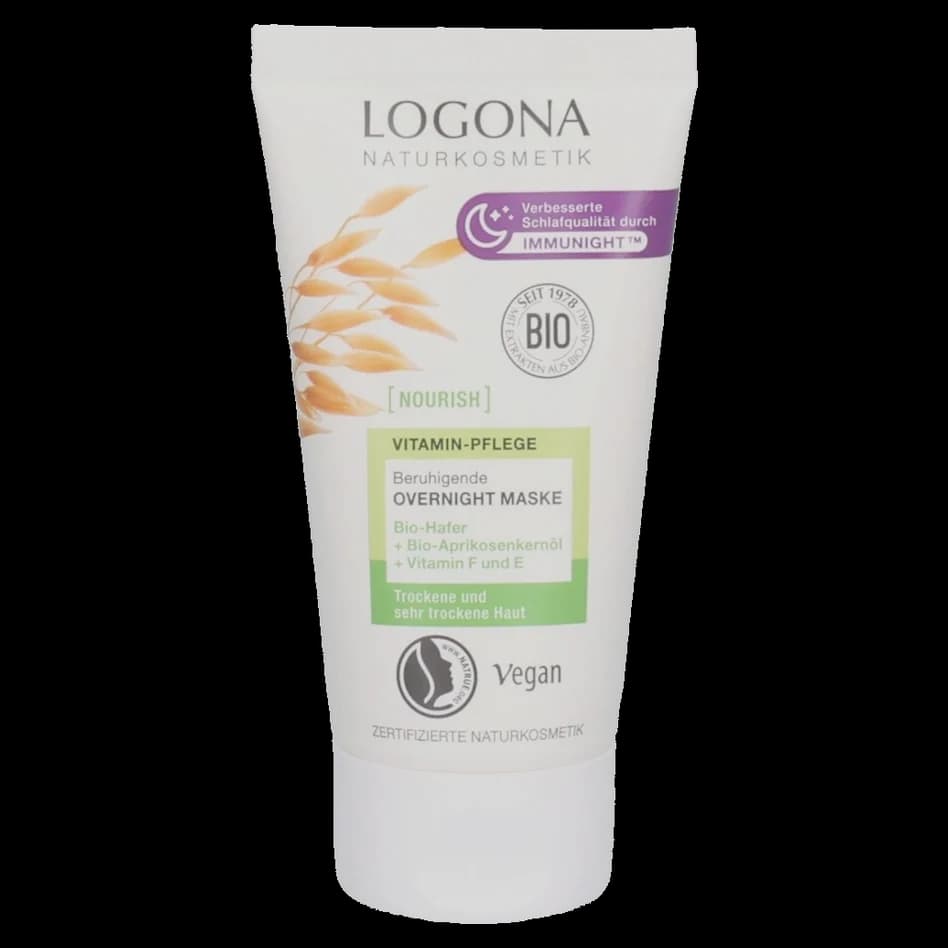
LOGONA
Nourish Beruhigende Overnight Maske
52nd of 53 on the label
below ≈1%
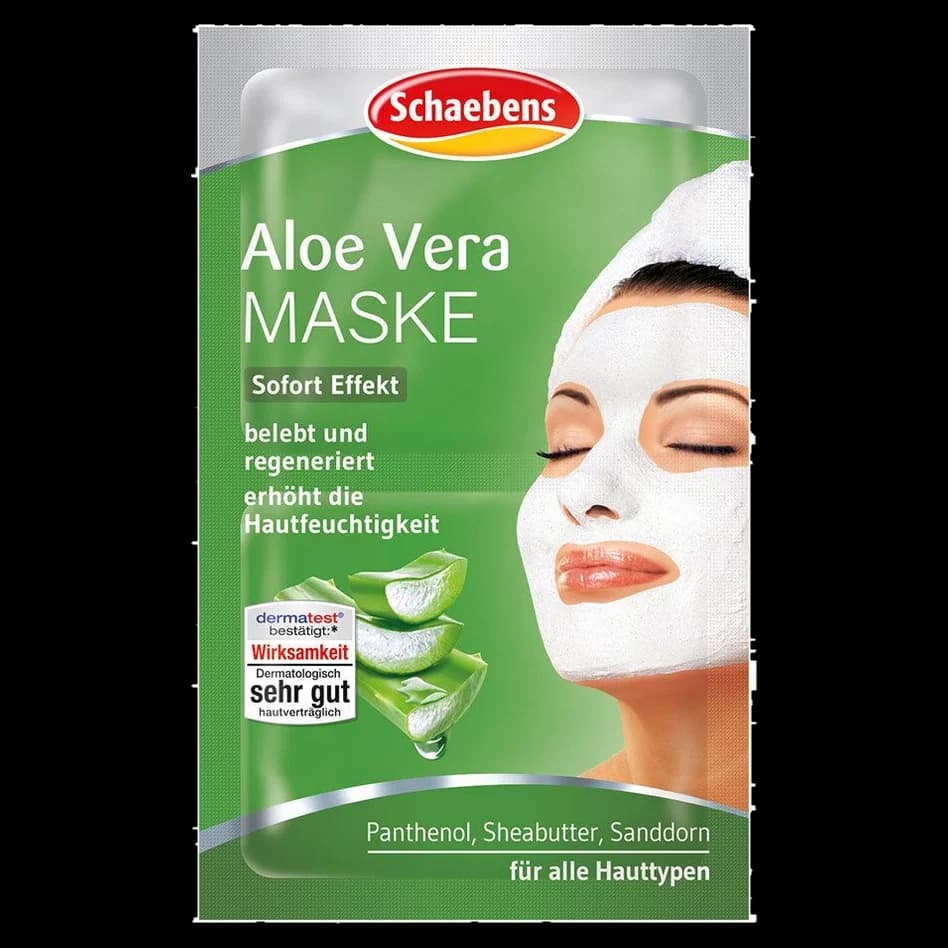
Schaebens
Aloe Vera Maske
33rd of 34 on the label
below ≈1%
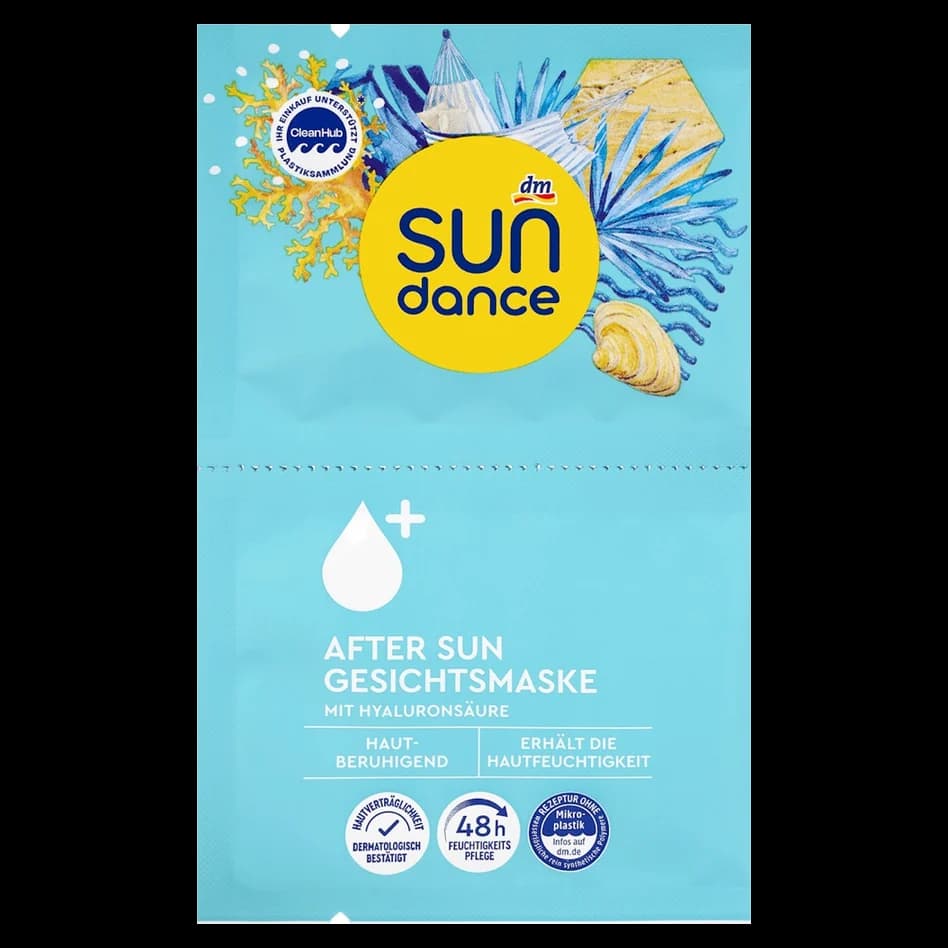
SUNDANCE
After Sun Gesichtsmaske
22nd of 25 on the label
below ≈1%
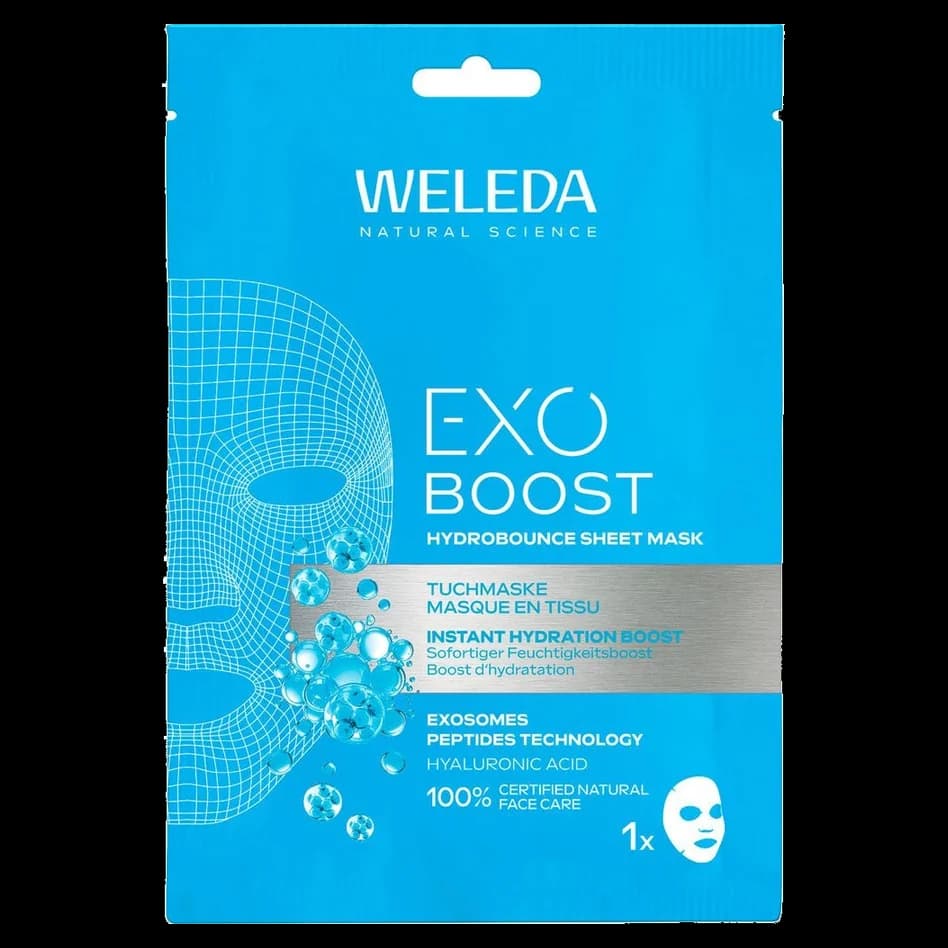
Weleda
Exo Boost Hydrobounce Tuchmaske
31st of 34 on the label
below ≈1%