Betaine
Trimethylglycine
No meaningful concern for most people; irritation is possible but rare.
Also written as: Trimethylglycine · Glycine Betaine · TMG
What it is
Betaine is an amino acid derivative obtained mainly from sugar beet molasses, a by-product of sugar refining. Living cells, including skin cells, use it as an osmolyte, a compound that lets them hold onto water without disrupting their internal chemistry. In cosmetics it acts as a light humectant that hydrates without the tackiness of glycerin, and it is often added to soften the feel of cleansers.
How it shows up on a label
Usually printed high in the list, above the point where ingredient order stops indicating quantity. Do not confuse it with Cocamidopropyl Betaine, a cleansing surfactant and a much more common allergen.
What it does well
Hydrates the skin and supports its own water-handling machinery
A 2024 clinical study found that trimethylglycine, especially combined with aloe vera extract, upregulated aquaporin-3 (the water-channel protein in skin cells) and improved measured hydration both immediately and over 28 days.
Moderate evidence
Reduces the harshness of cleansing formulas
Betaine is routinely added to surfactant systems to lower irritation potential. This is well established in formulation practice, though most of the supporting data comes from manufacturer and industry testing rather than independent trials.
Moderate evidence
Light, non-sticky texture
Betaine gives a hydrating effect without the tacky after-feel of high-glycerin formulas, which is why it often appears alongside glycerin rather than instead of it.
Strong evidence
Worth knowing
No meaningful safety concerns identified
Betaine is a normal dietary and cellular compound, is not a recognised sensitiser, and has no EU restriction. Reported reactions in cosmetic use are essentially absent.
Matters most toNo specific group.
Where the EU stands
No specific restriction
Permitted in EU cosmetics with no concentration limit. It is not listed in the banned, restricted or preservative annexes of the Cosmetics Regulation.
Regulation (EC) No 1223/2009 - no annex entry · source ↗
Sources (1)
Every link goes to the original: a journal, a PubMed record or an EU document.
- [1]Synergetic Effects of Aloe Vera Extract with Trimethylglycine for Targeted Aquaporin 3 Regulation and Long-Term Skin Hydration
Molecules · 2024 · doi:10.3390/molecules29071540
Trimethylglycine (betaine) increased aquaporin-3 expression and, in a clinical test, safely improved skin hydration both after a single use and over 28 days.
Masks that contain Betaine
Abib
Collagen Gel Mask Heartleaf Jelly
5th of 43 on the label
Abib
Collagen Gel Mask Jericho Rose Jelly
5th of 43 on the label
AXIS-Y
Mugwort Pore Clarifying Wash Off Pack
5th of 36 on the label
Balea
AHA & BHA Tuchmaske
5th of 16 on the label
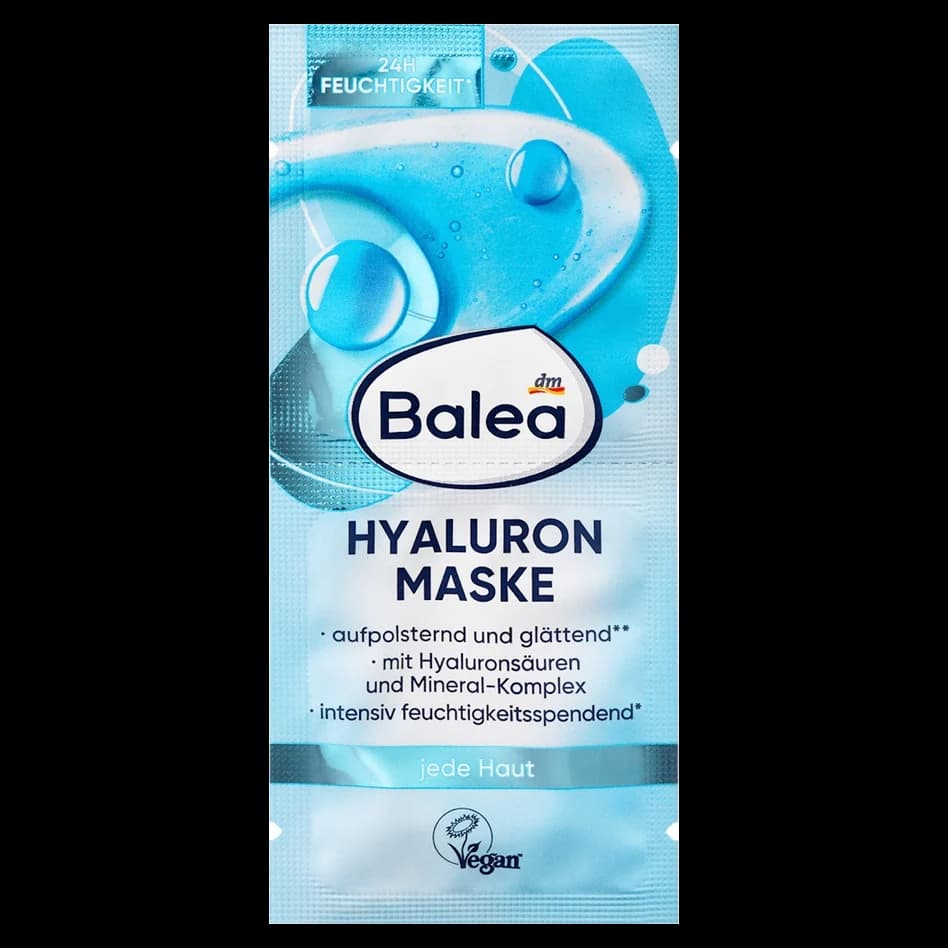
Balea
Gesichtsmaske Hyaluron
5th of 29 on the label
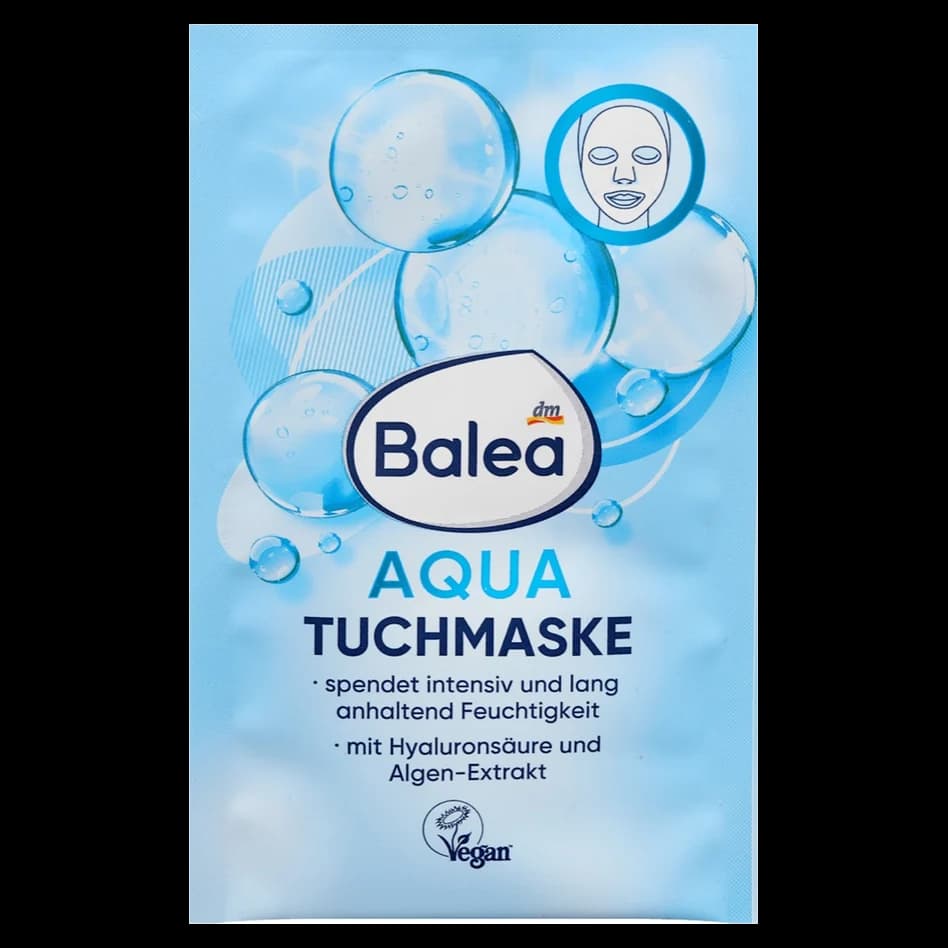
Balea
Tuchmaske Aqua
3rd of 18 on the label
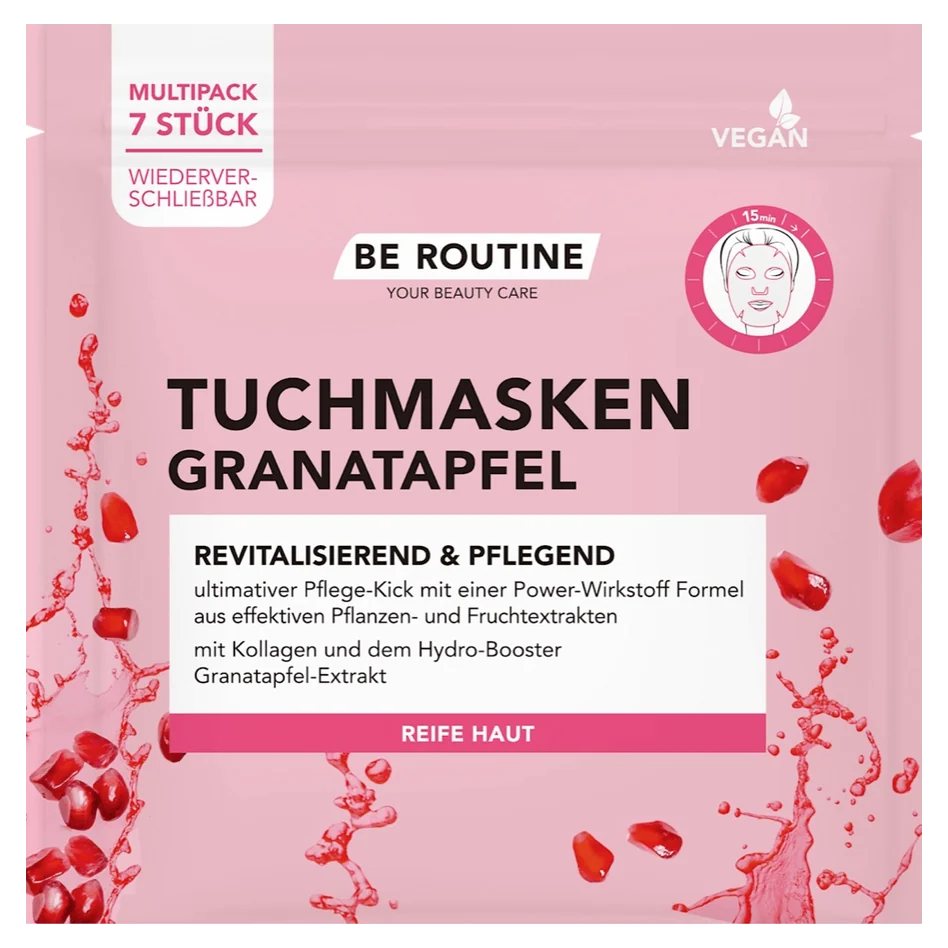
Be Routine
Tuchmasken Granatapfel Multipack
22nd of 32 on the label
below ≈1%
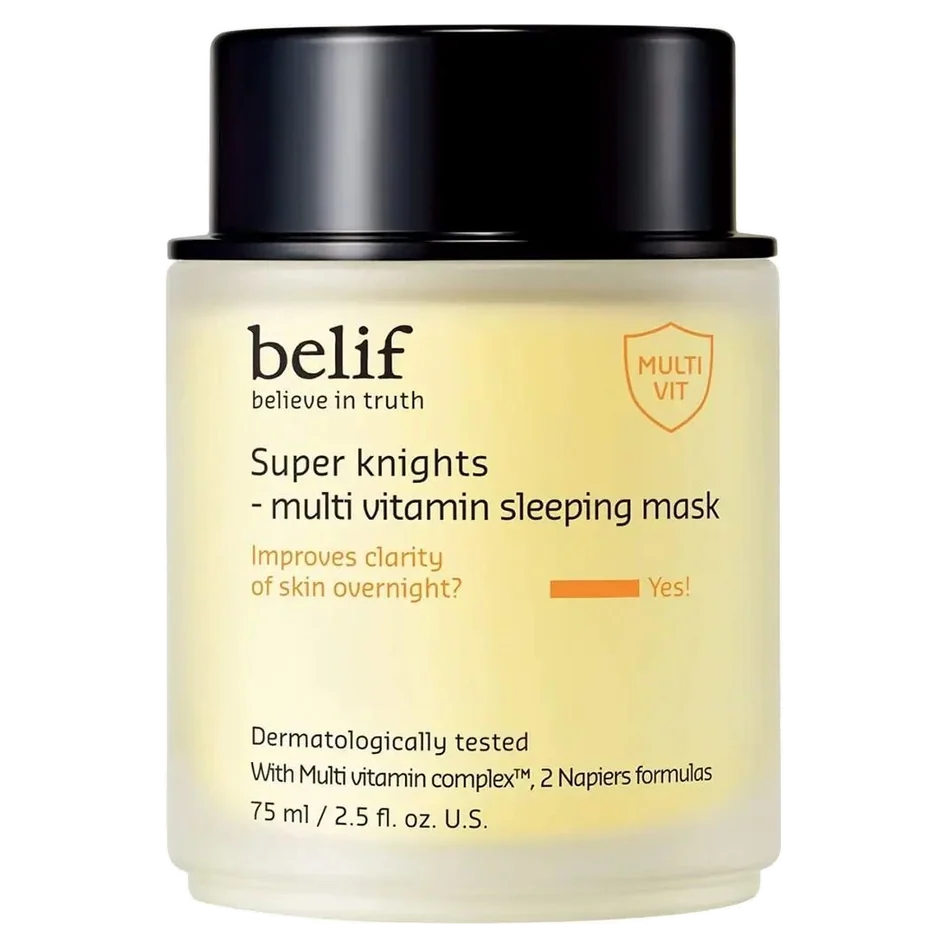
belif
Super Knights Vitamin Mask
21st of 26 on the label
below ≈1%
Benton
Aloe Soothing Mask Pack
15th of 19 on the label
below ≈1%
Benton
Fermentation Mask Pack
16th of 25 on the label
Benton
Snail Bee High Content Mask Pack
19th of 27 on the label
Biodance
Bio-Collagen Real Deep Mask
8th of 34 on the label
Biodance
Hydro Cera-nol Real Deep Mask
9th of 65 on the label
below ≈1%
Biodance
Refreshing Sea Kelp Real Deep Mask
9th of 43 on the label
COSRX
Full Fit Propolis Honey Overnight Mask
8th of 22 on the label
COSRX
The Alpha-Arbutin Discoloration Care Hydrogel Mask
9th of 44 on the label
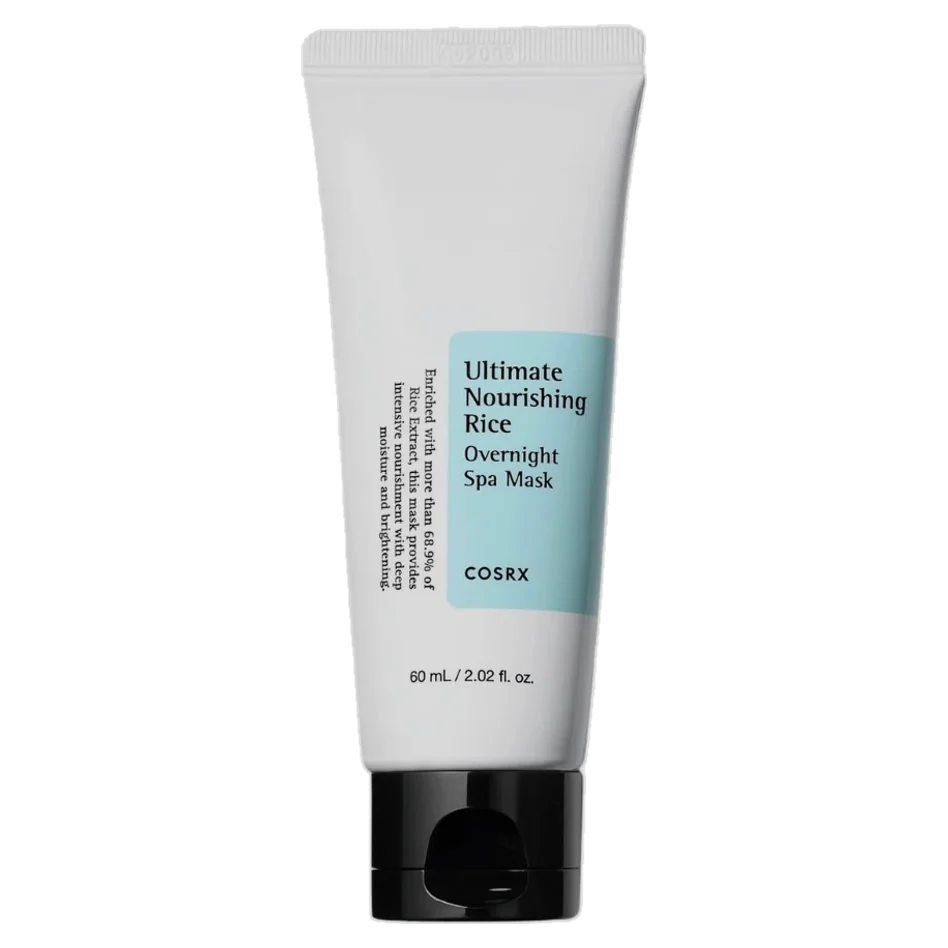
COSRX
Ultimate Nourishing Rice Overnight Spa Mask
5th of 19 on the label
Dear, Klairs
Freshly Juiced Vitamin E Mask
9th of 30 on the label
Dear, Klairs
Midnight Blue Calming Sheet Mask
11th of 21 on the label
below ≈1%
Dear, Klairs
Rich Moist Soothing Tencel Sheet Mask
10th of 33 on the label
below ≈1%
Dr.Jart+
Dermask Vital Hydra Solution Pro + Hyaluronic Acid
7th of 25 on the label
Garnier
SkinActive Hyaluronic Acid Barrier Repair Serum Tissue Mask
3rd of 25 on the label
hautsache
Gesichtsmaske Brightening
7th of 33 on the label
I'm From
Rice Mask
11th of 43 on the label
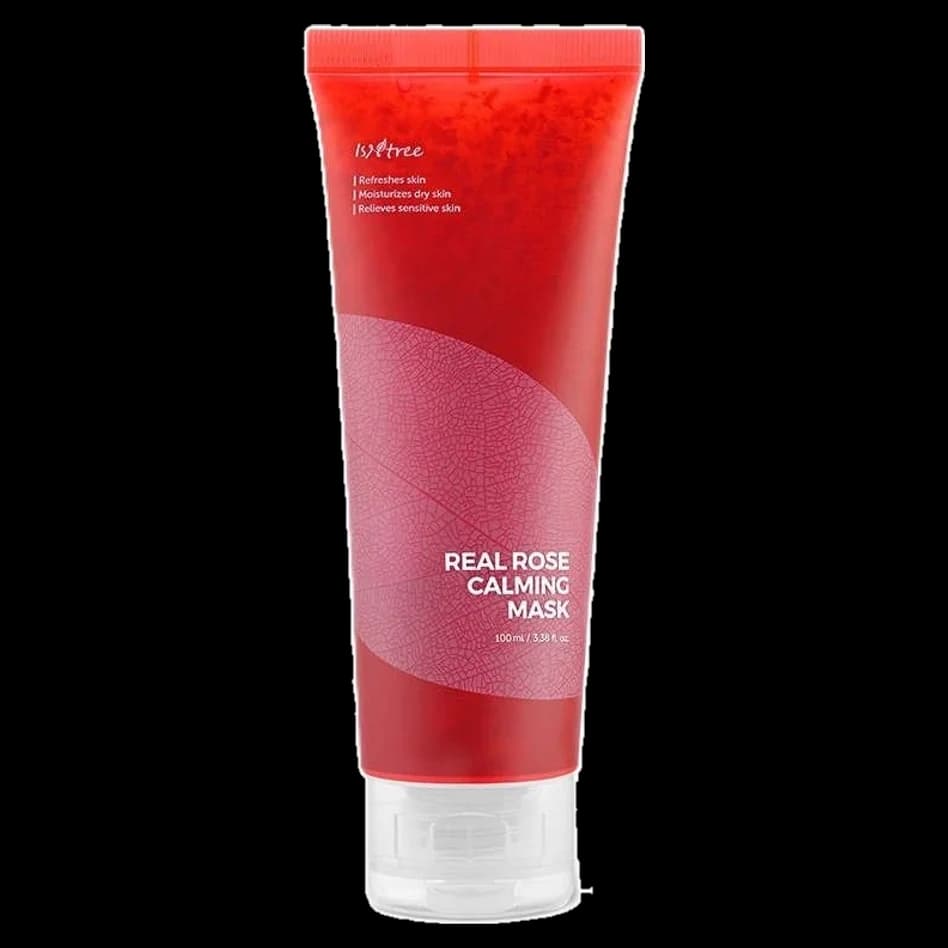
Isntree
Real Rose Calming Mask
5th of 31 on the label
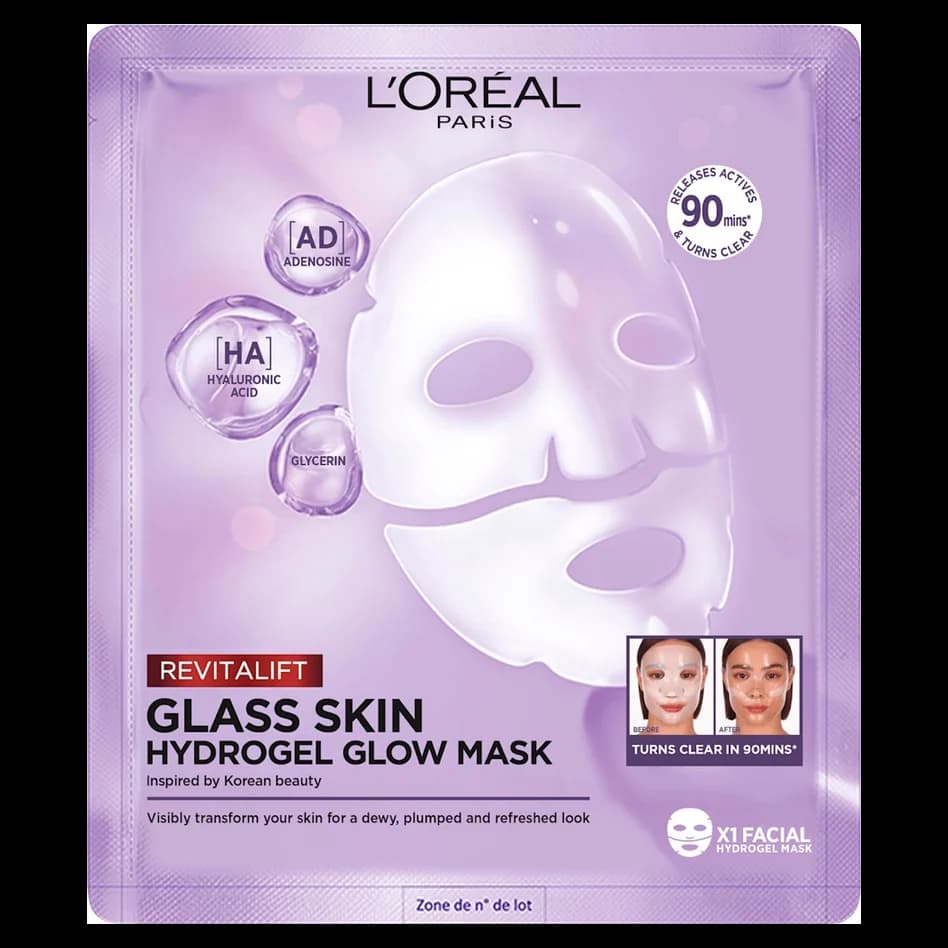
L'Oréal Paris
Revitalift Filler Glass Skin Hydrogel Glow Mask
14th of 32 on the label
below ≈1%
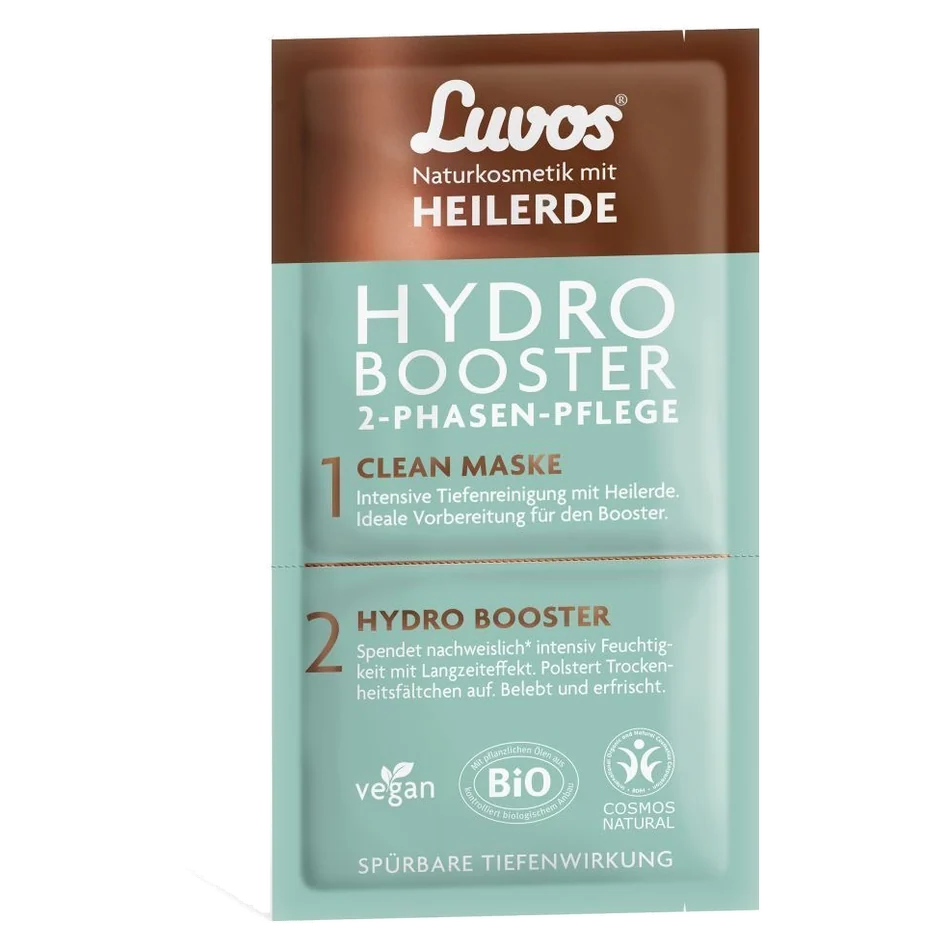
Luvos-Heilerde
Hydro Booster mit Clean Maske
35th of 63 on the label
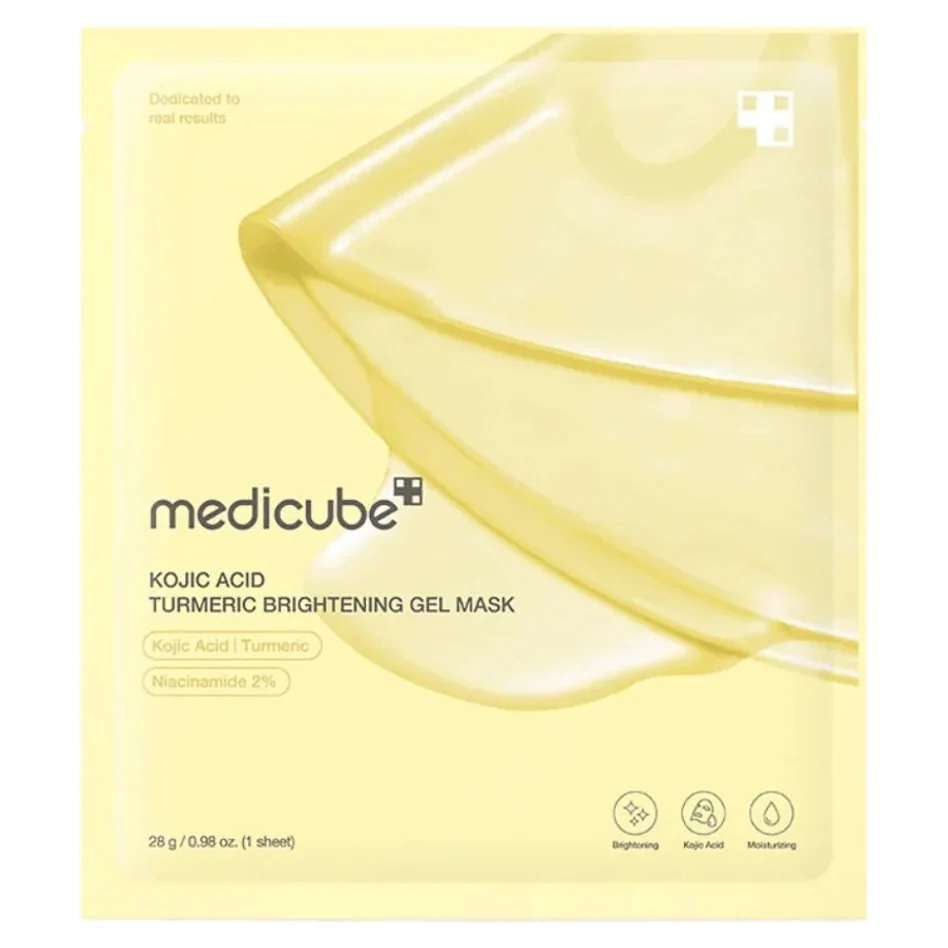
Medicube
Kojic Acid Turmeric Brightening Gel Mask
8th of 35 on the label
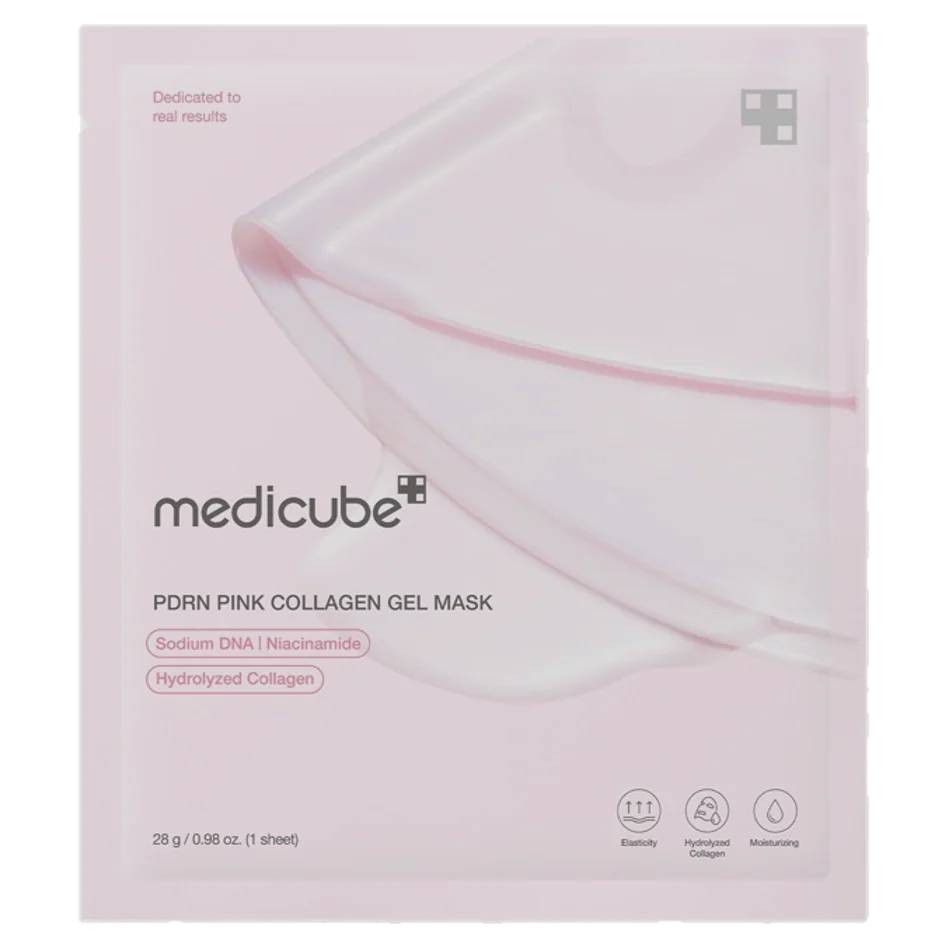
Medicube
PDRN Pink Collagen Gel Mask
9th of 43 on the label
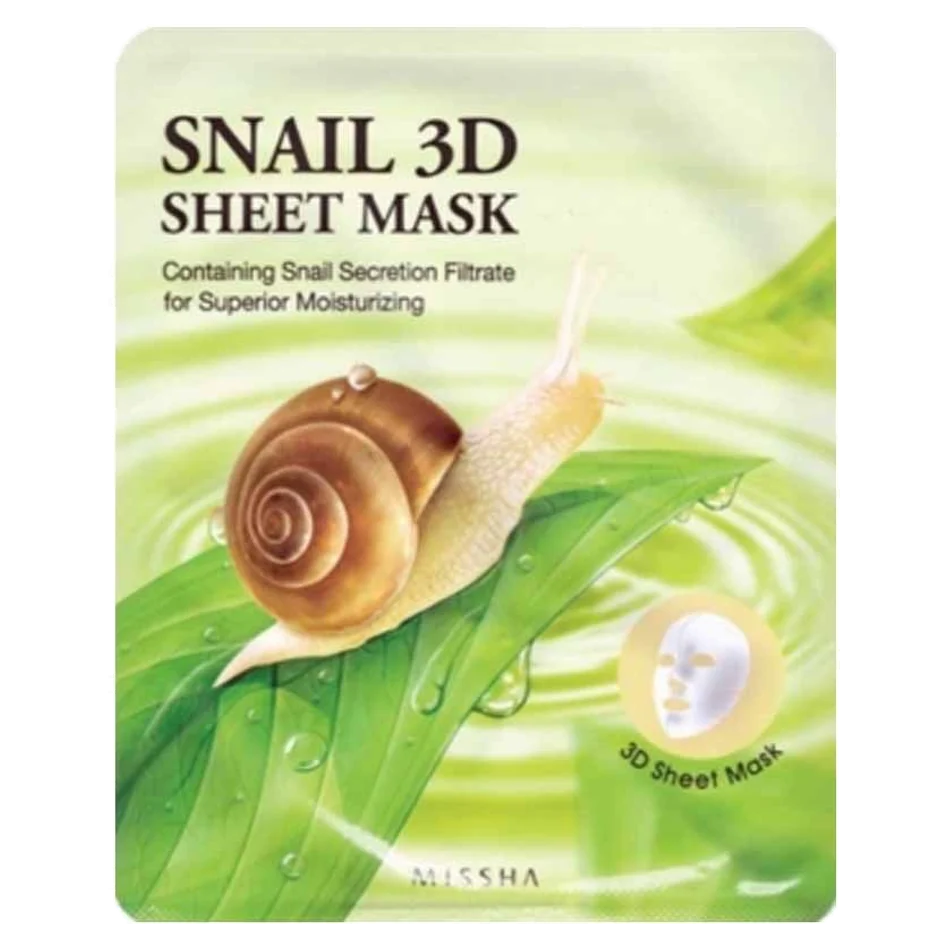
MISSHA
Snail 3D Sheet Mask
7th of 25 on the label
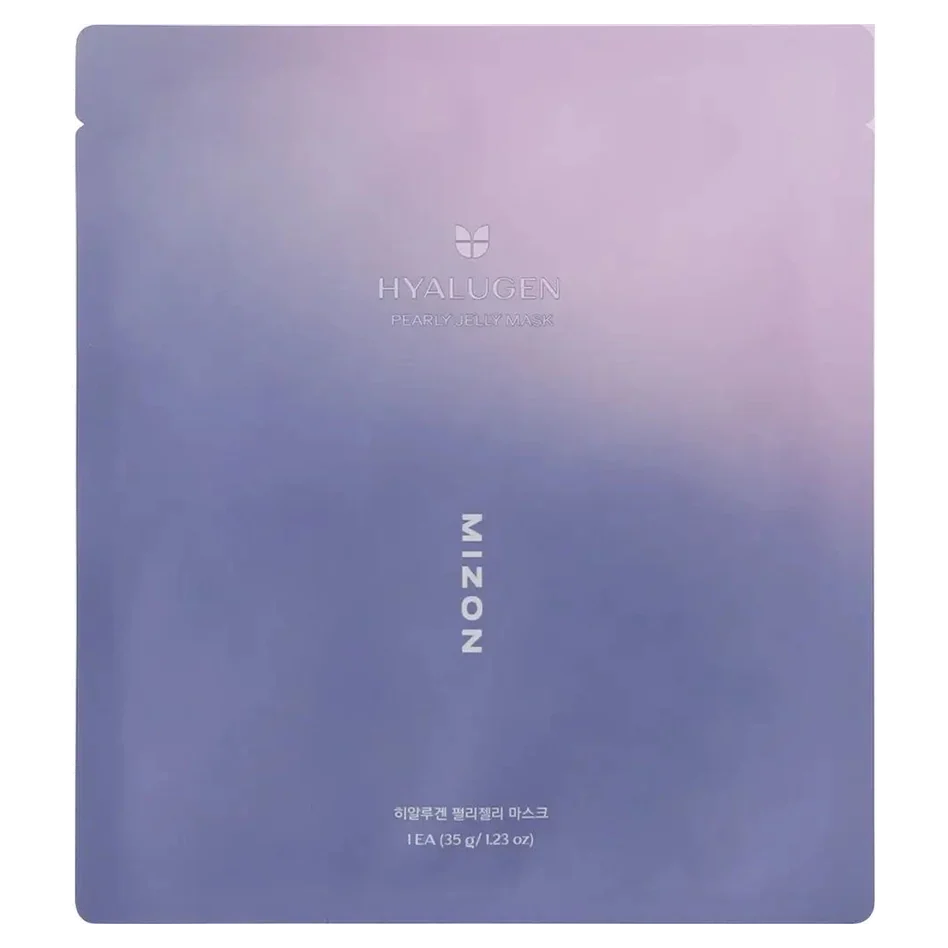
MIZON
Hyalugen Pearly Jelly Mask
5th of 19 on the label
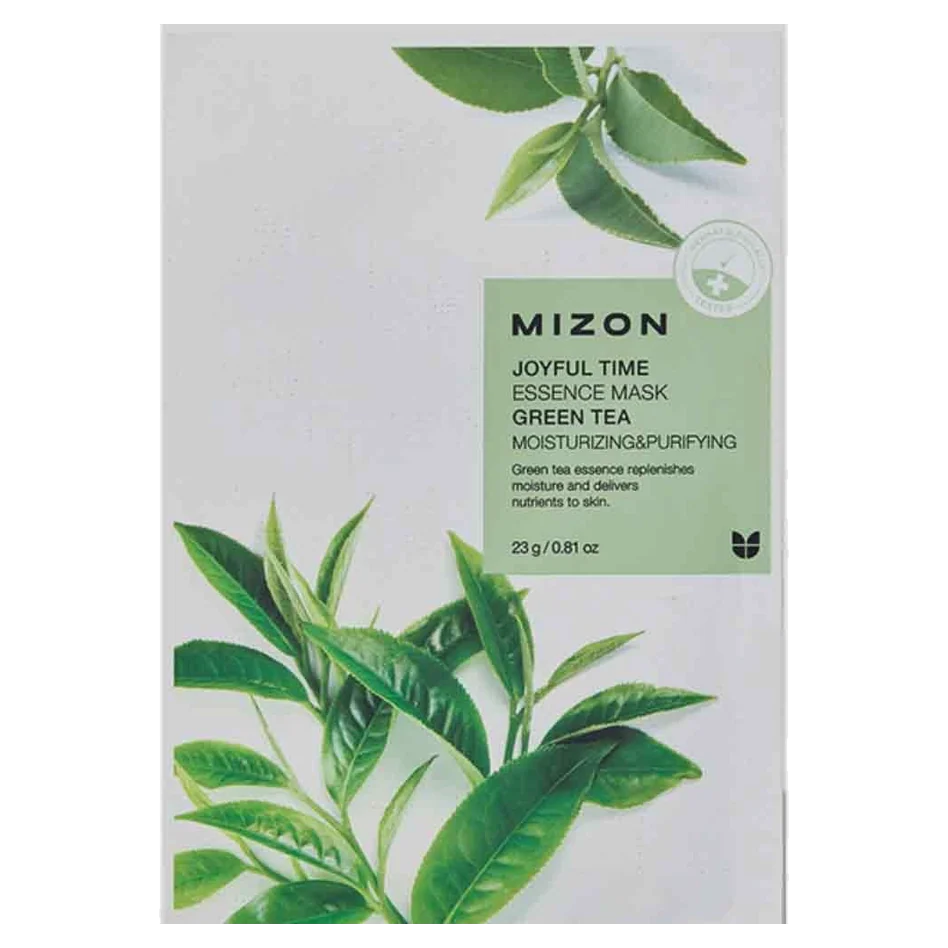
MIZON
Joyful Time Essence Mask Green Tea
4th of 26 on the label
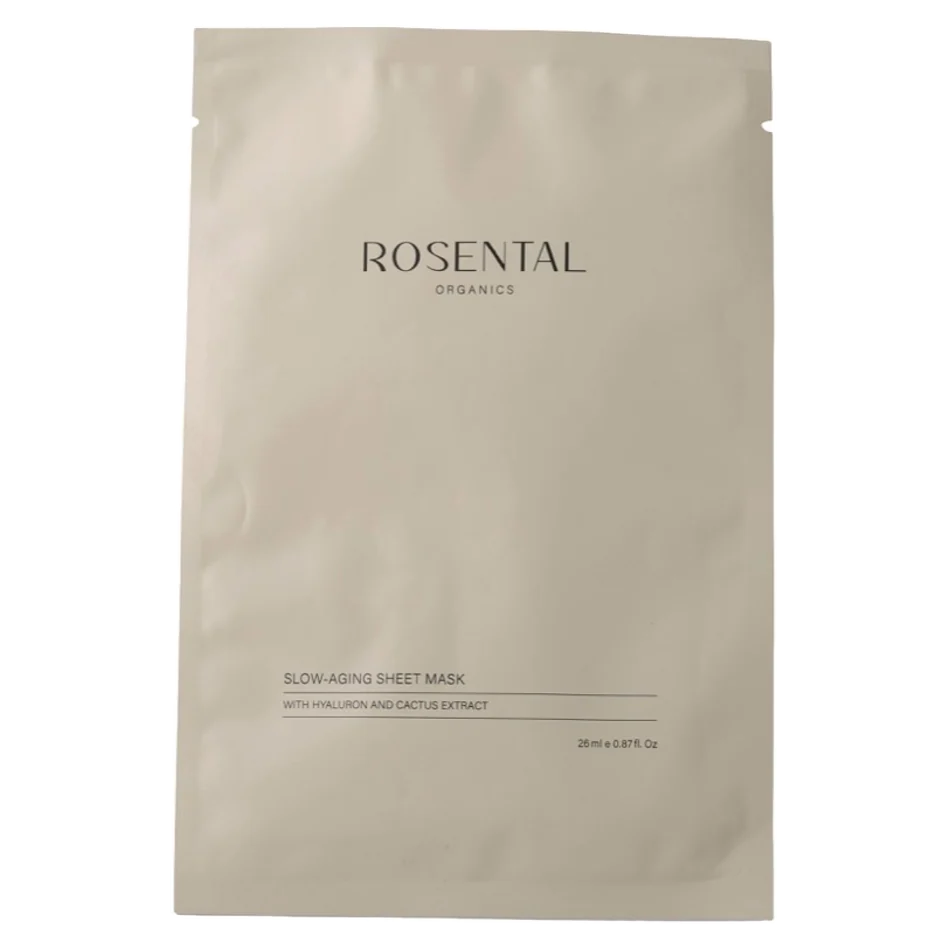
Rosental Organics
Slow-Aging Sheet Mask
5th of 13 on the label
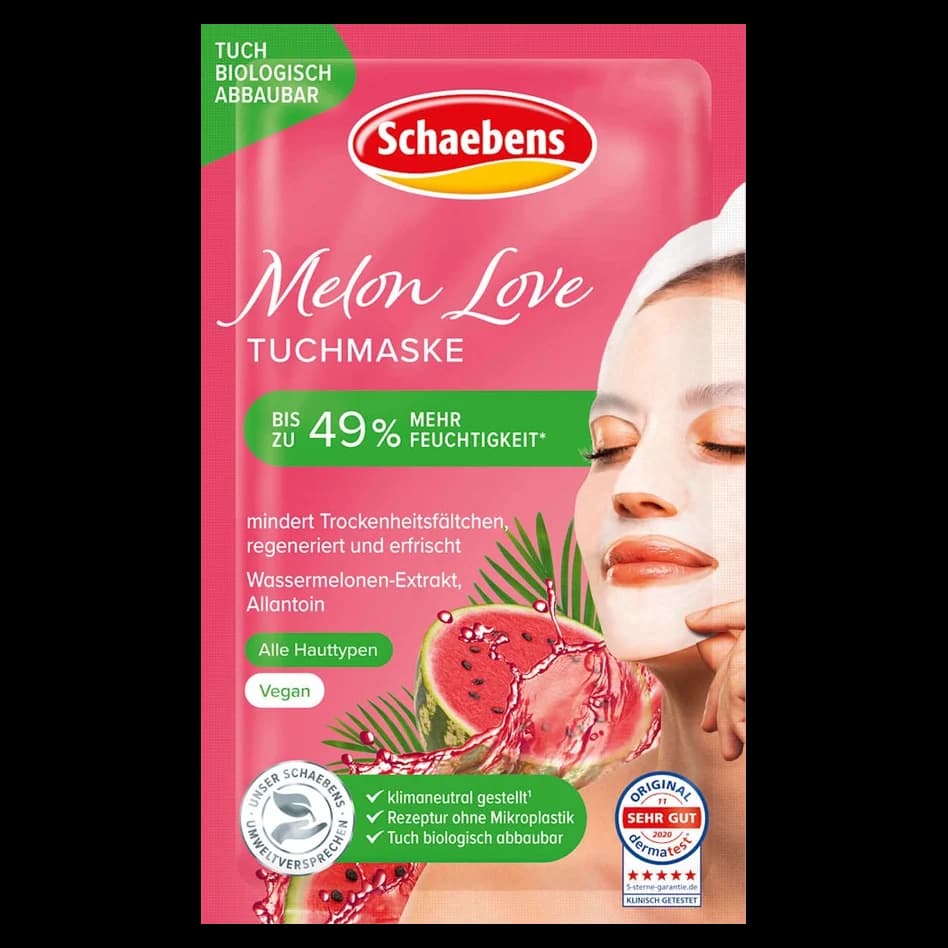
Schaebens
Tuchmaske Melon Love
28th of 45 on the label
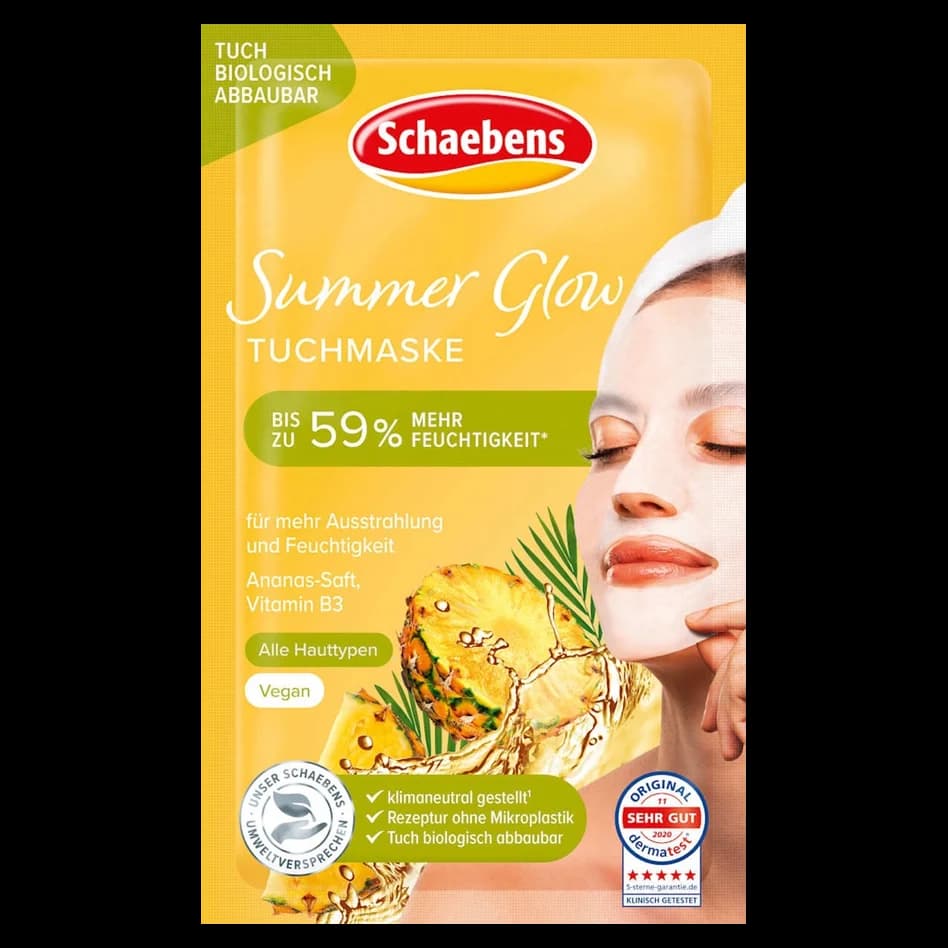
Schaebens
Tuchmaske Summer Glow
28th of 44 on the label
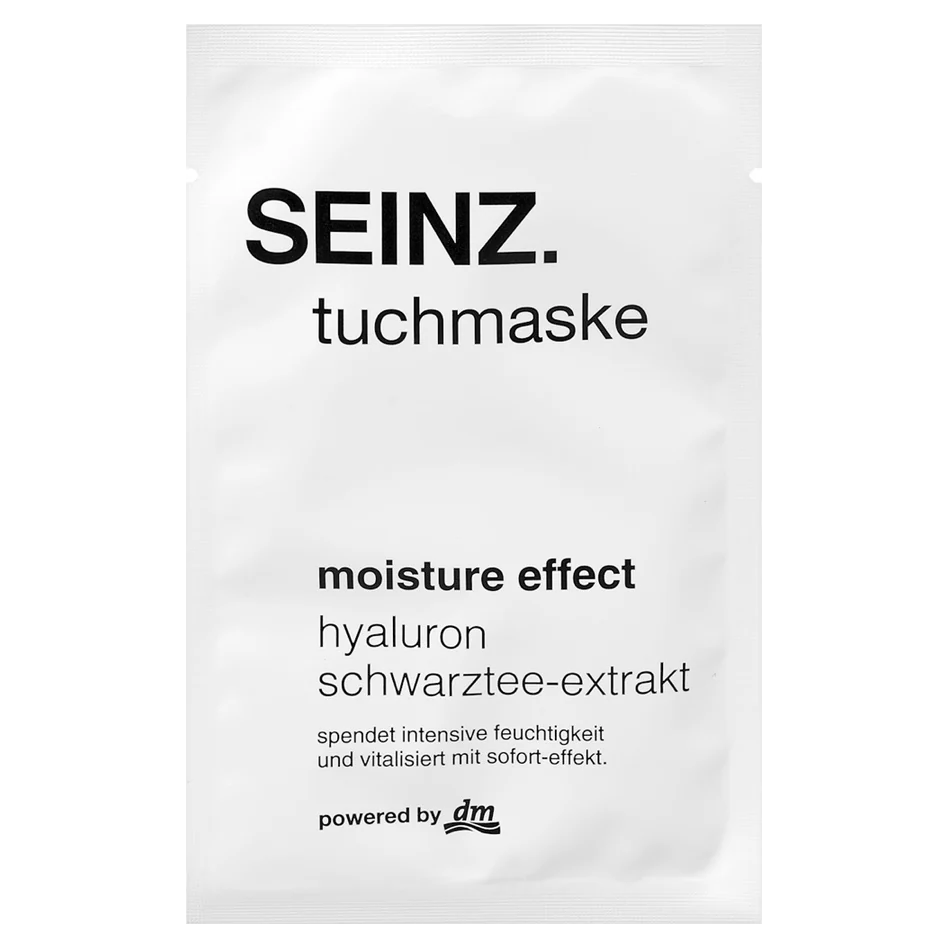
SEINZ.
Tuchmaske moisture effect
5th of 16 on the label
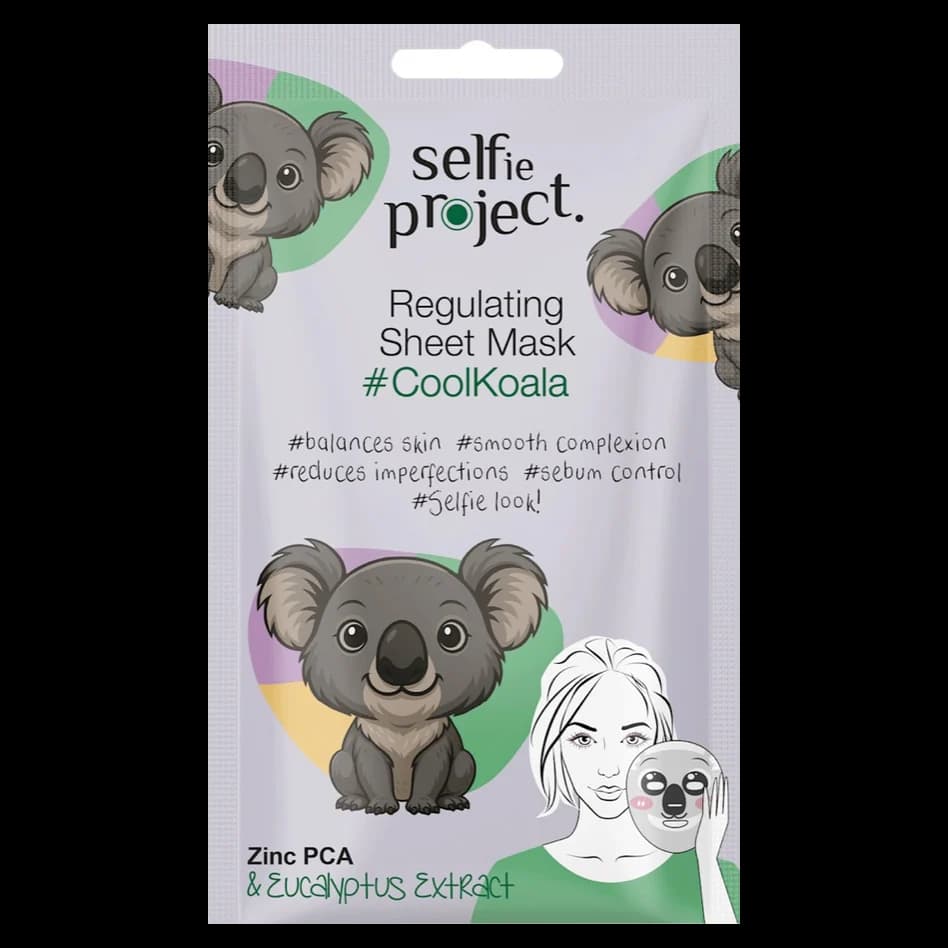
Selfie Project
Gesichtsmaske regulierend #CoolKoala
4th of 27 on the label
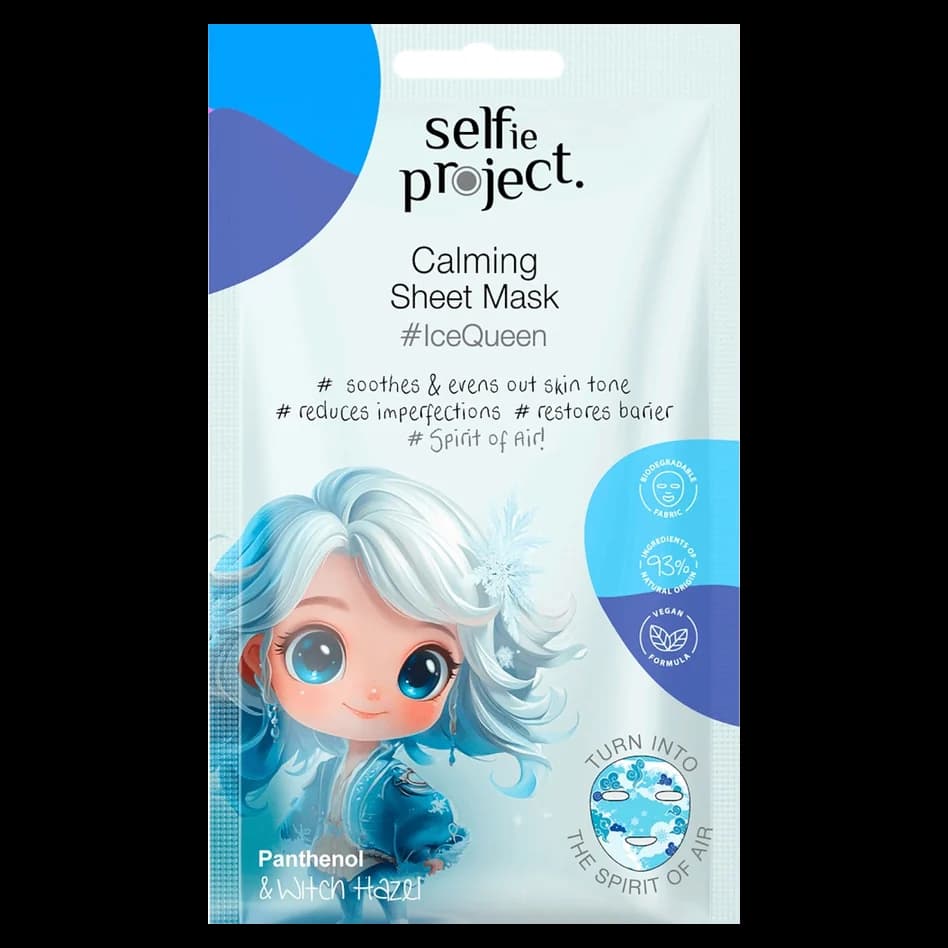
Selfie Project
Tuchmaske Calming #IceQueen
4th of 27 on the label
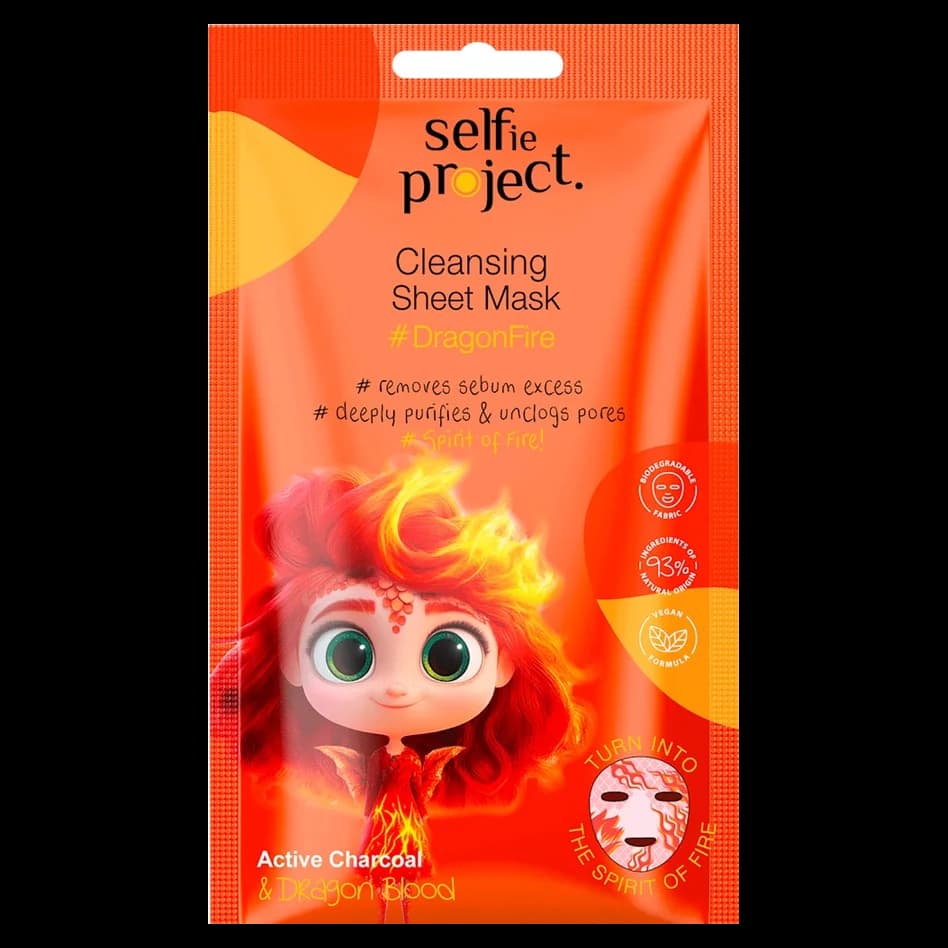
Selfie Project
Tuchmaske Cleansing #DragonFire
4th of 22 on the label
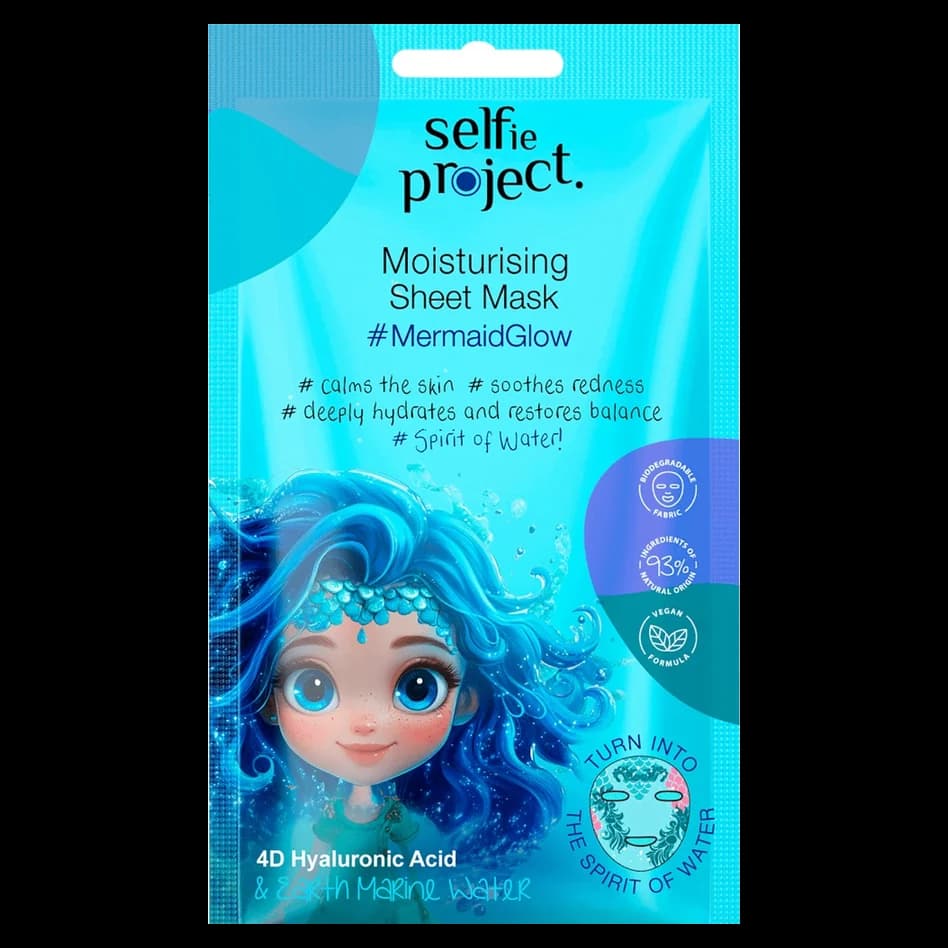
Selfie Project
Tuchmaske Moisturising #MermaidGlow
4th of 30 on the label
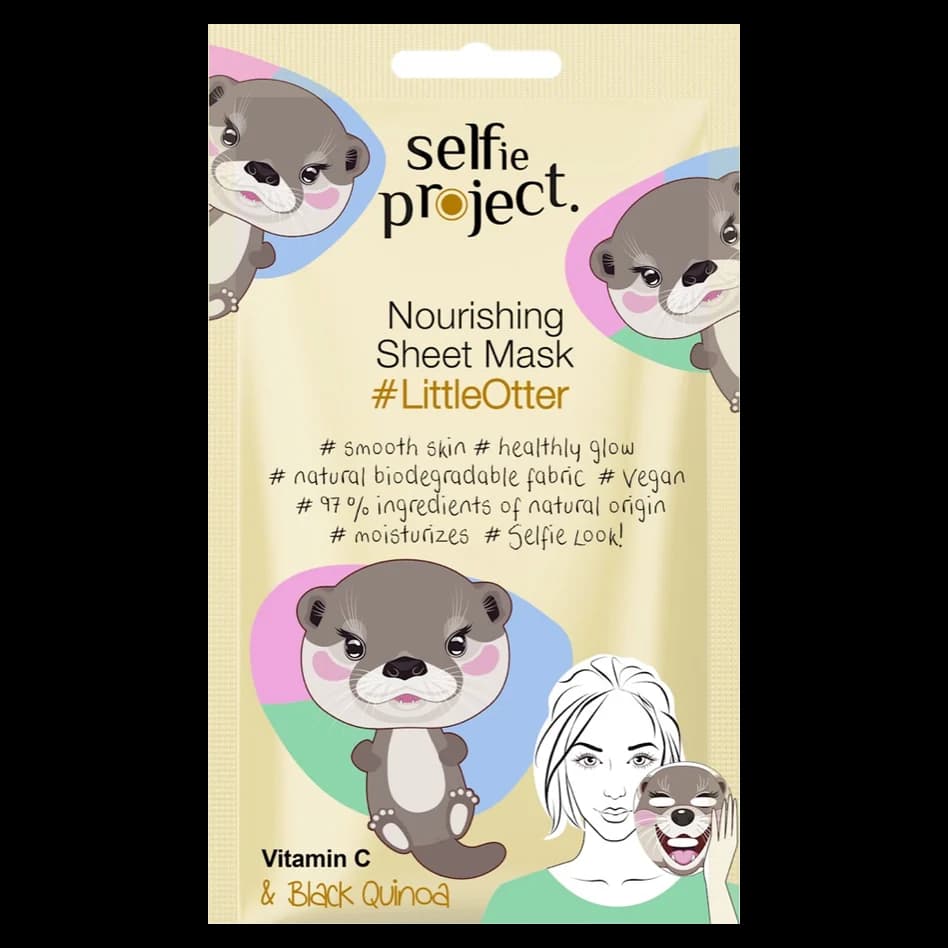
Selfie Project
Tuchmaske Nourishing #LittleOtter
4th of 21 on the label
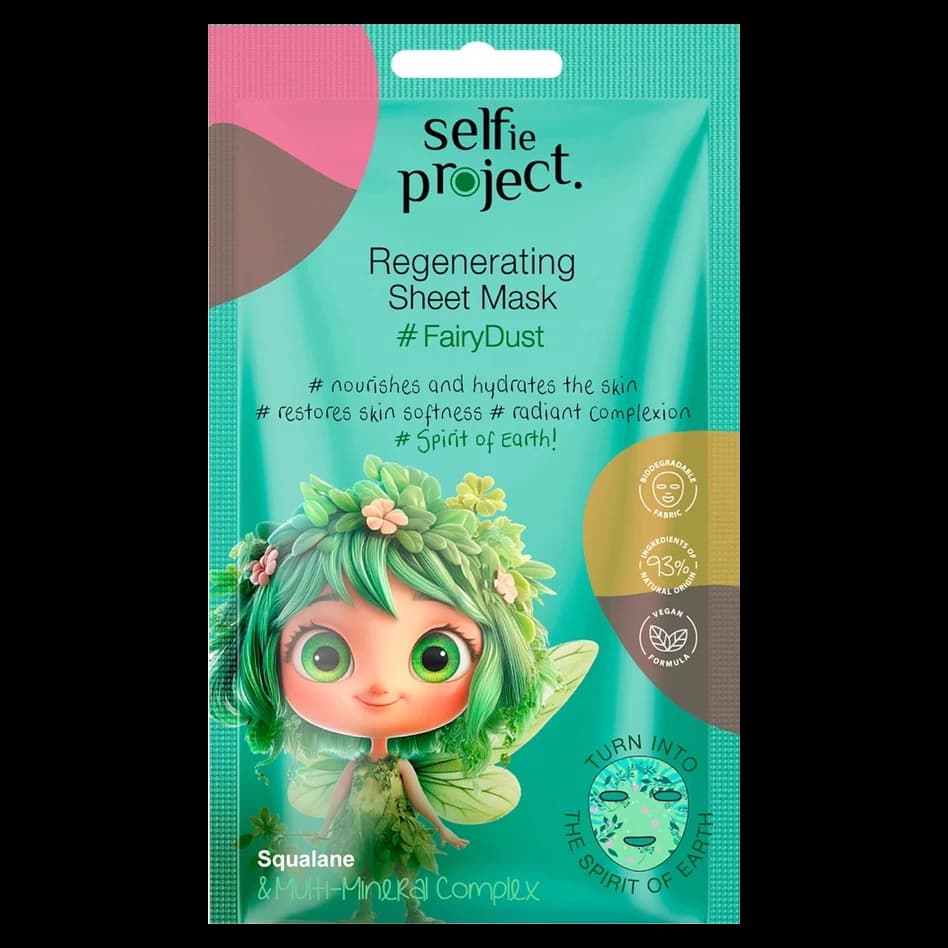
Selfie Project
Tuchmaske Regenerating #FairyDust
4th of 33 on the label
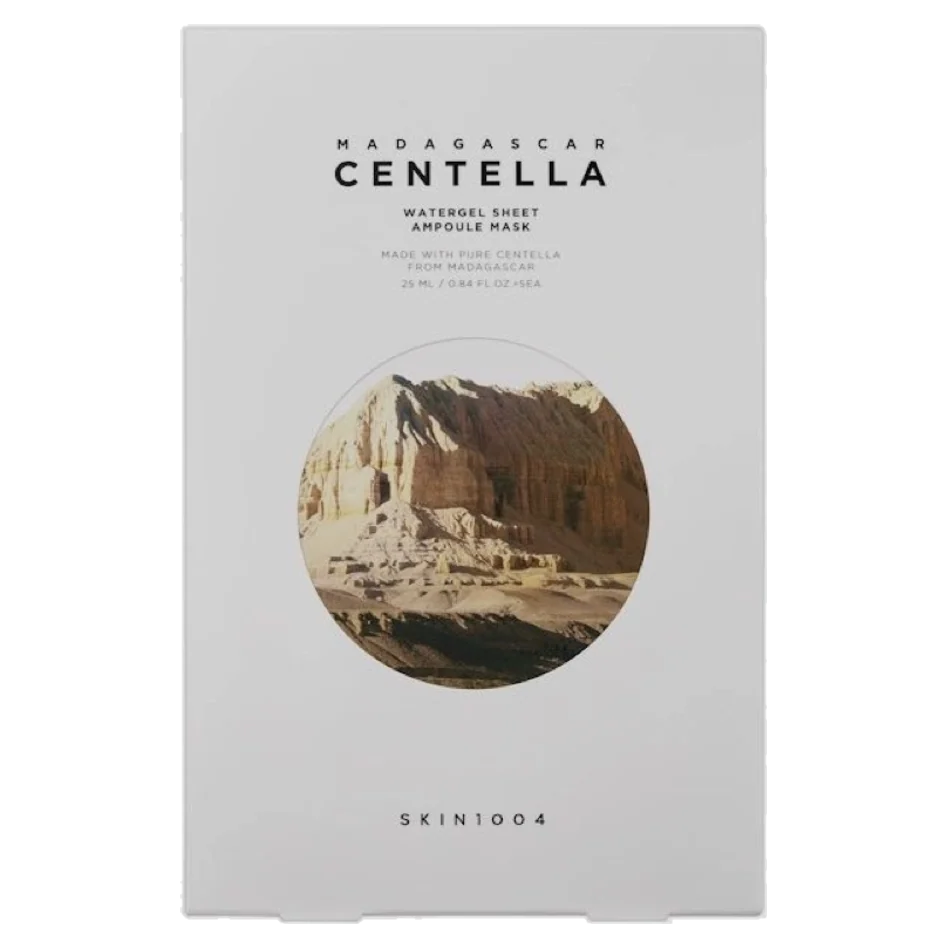
SKIN1004
Madagascar Centella Watergel Sheet Ampoule Mask
7th of 29 on the label
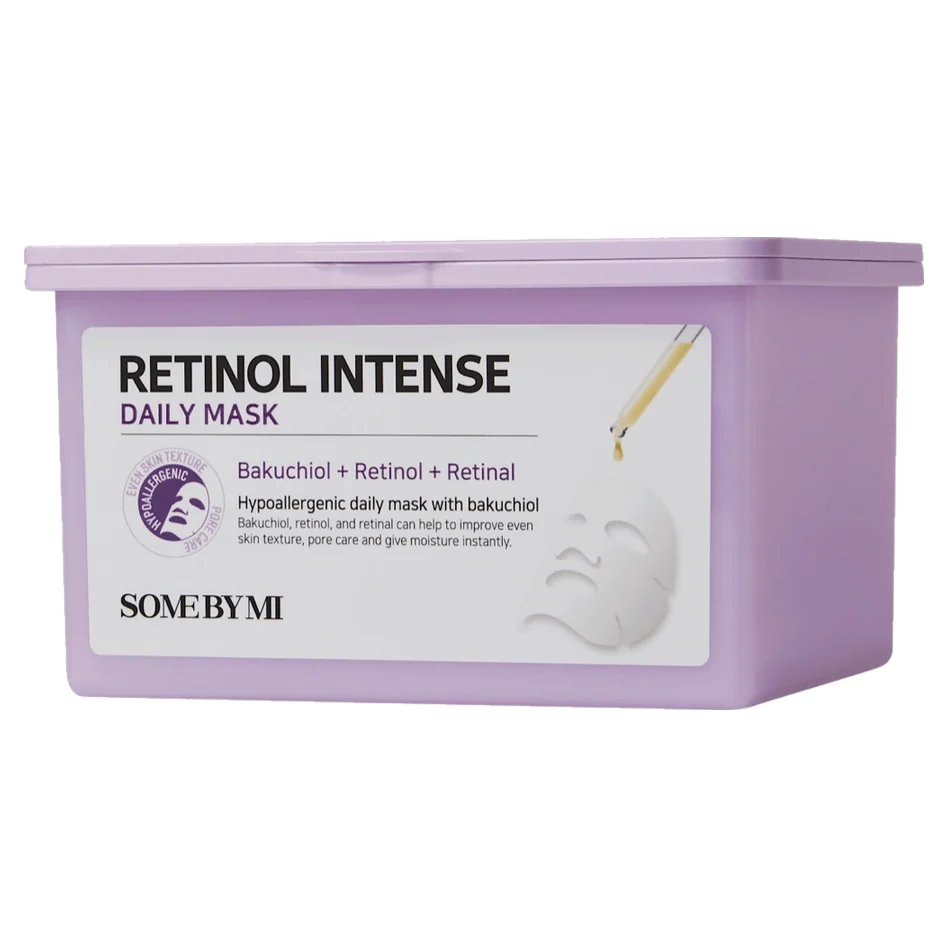
SOME BY MI
Daily Retinol Intense Mask
25th of 62 on the label
below ≈1%
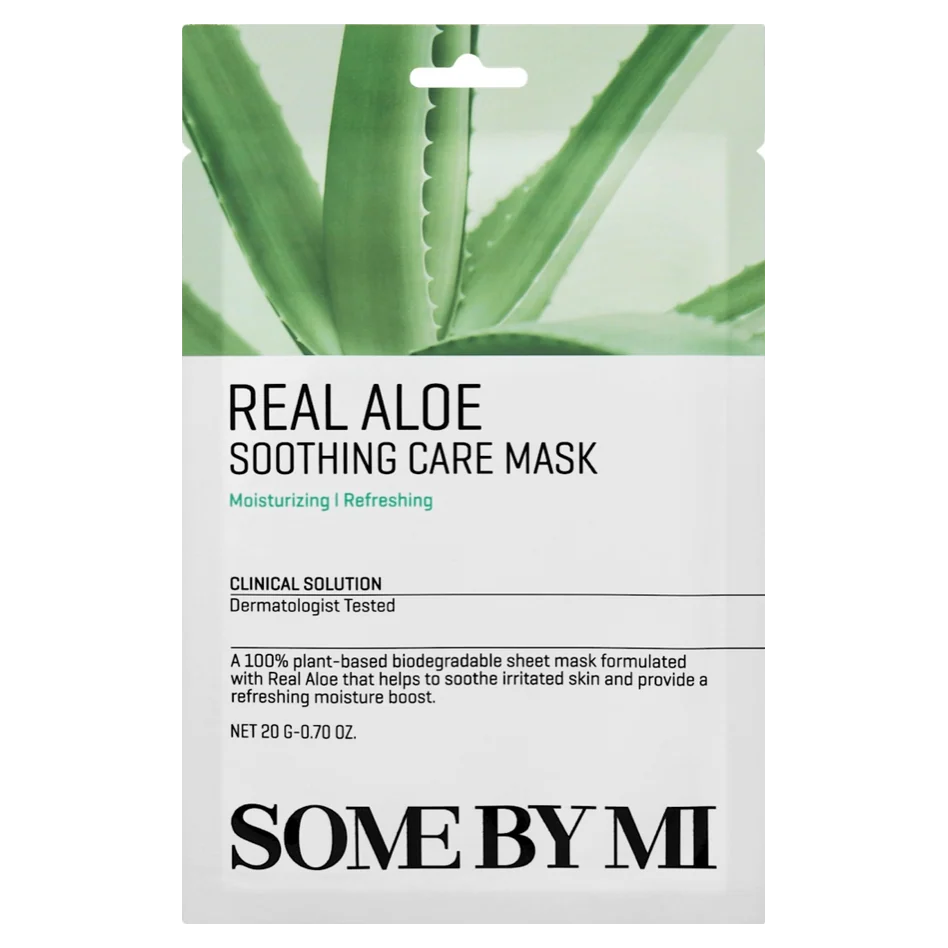
SOME BY MI
Real Aloe Soothing Care Mask
5th of 21 on the label
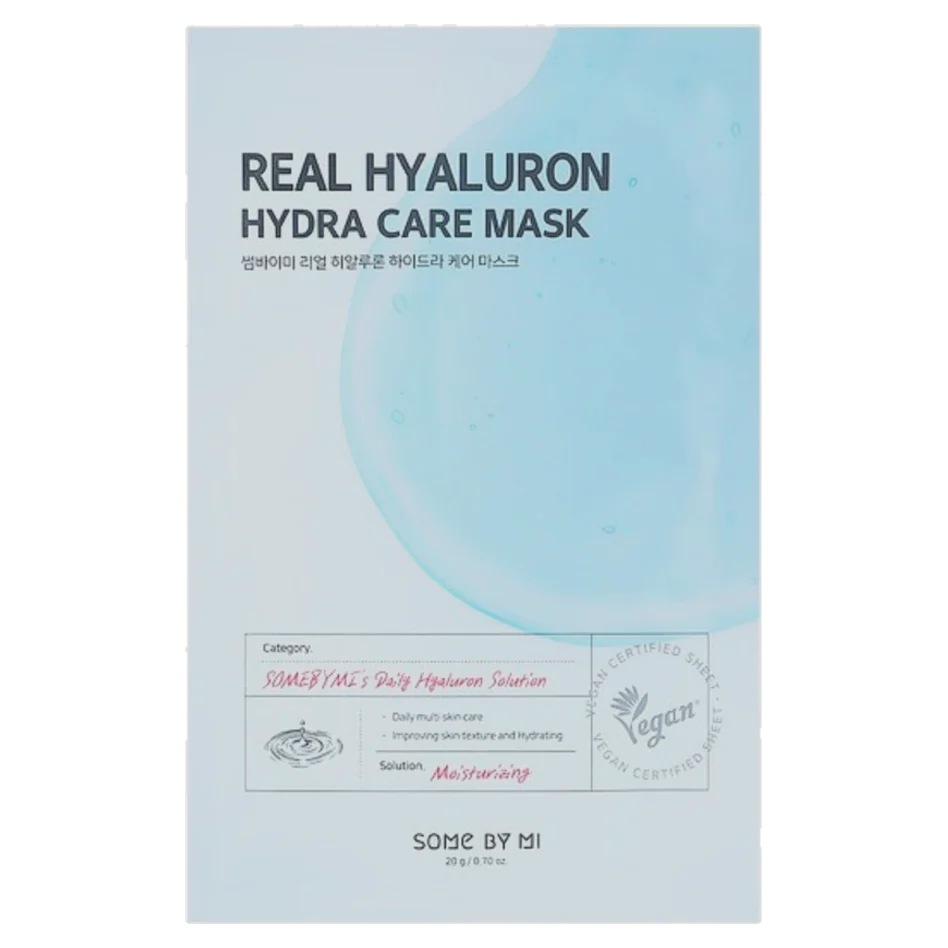
SOME BY MI
Real Hyaluron Hydra Care Mask
5th of 31 on the label
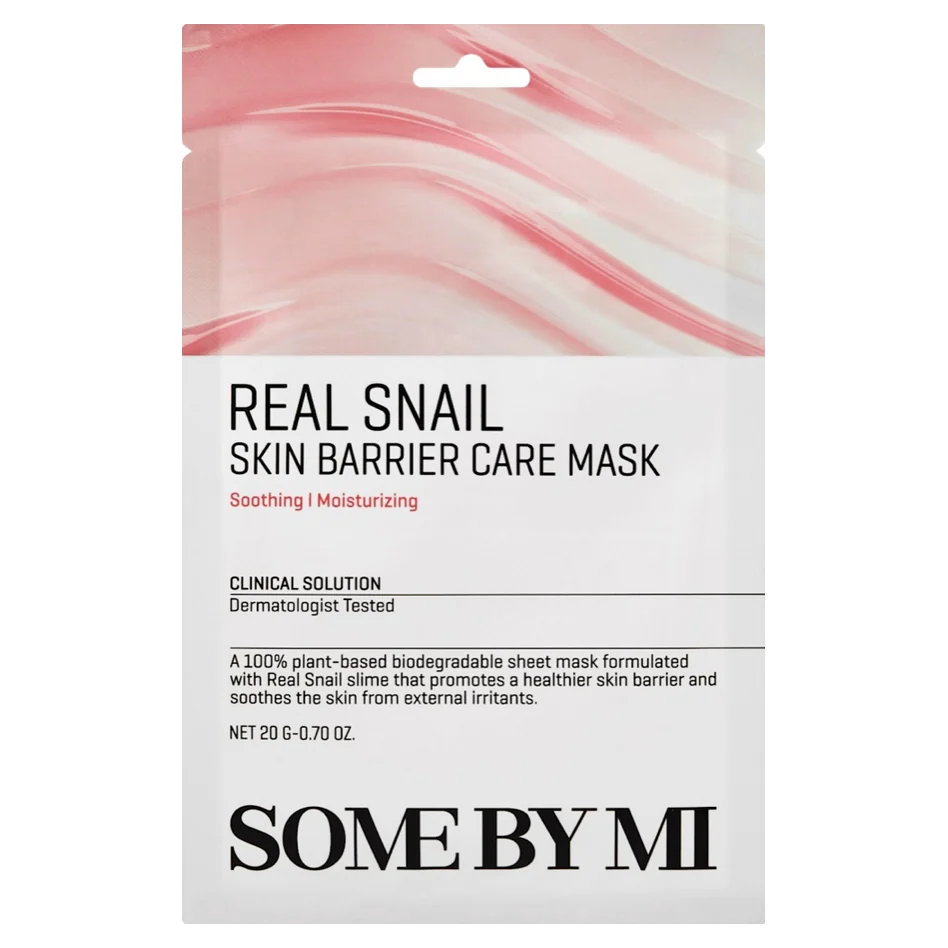
SOME BY MI
Real Snail Skin Barrier Care Mask
4th of 21 on the label
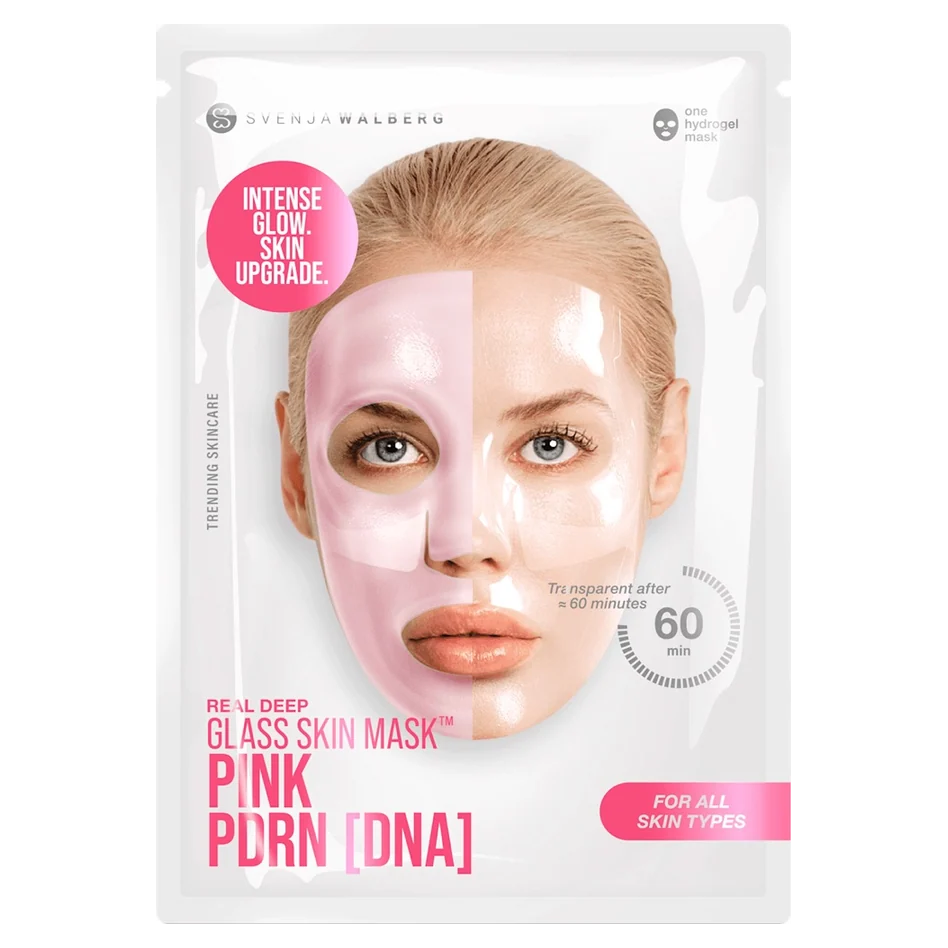
Svenja Walberg
Glass Skin Mask Pink PDRN [DNA]
14th of 26 on the label
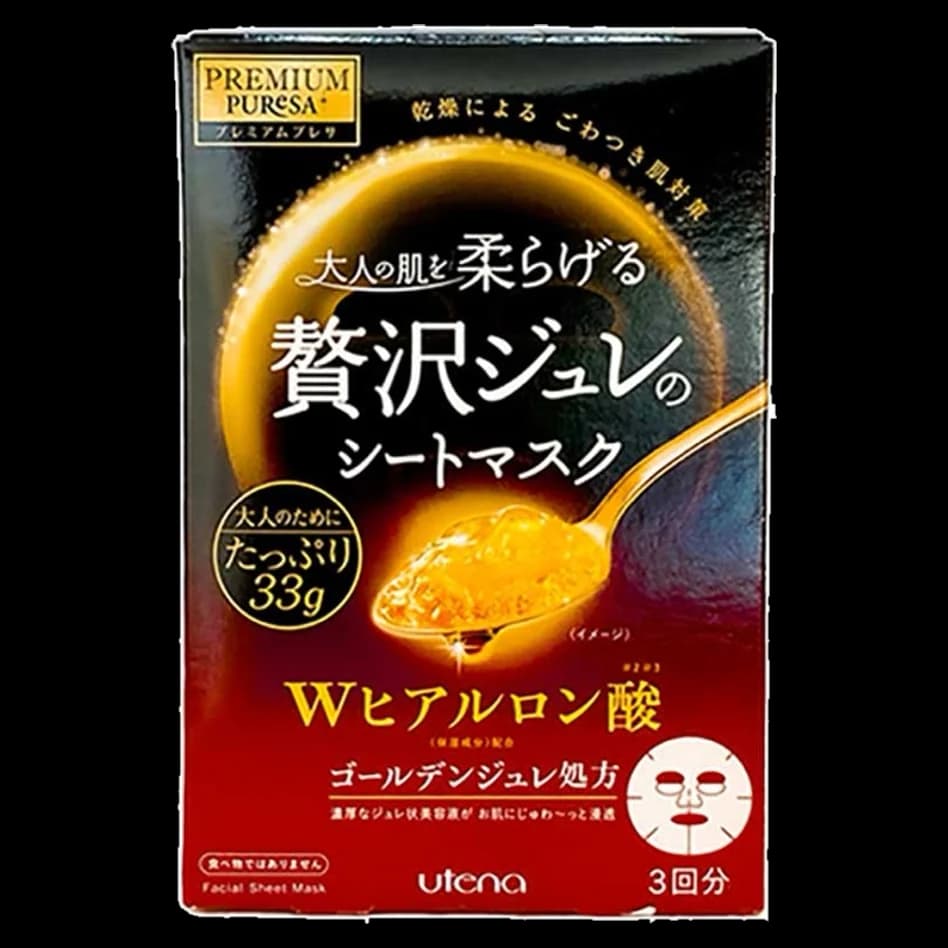
Utena
Premium Puresa Golden Jelly Mask (Hyaluronic Acid)
21st of 35 on the label
below ≈1%