Sclerotium Gum
No meaningful concern for most people; irritation is possible but rare.
Also written as: Scleroglucan · Sclerotium rolfsii gum
What it is
Sclerotium gum is the polysaccharide produced by the fungus Sclerotium rolfsii - some grades come from Sclerotium glucanicum instead - and grown by fermentation rather than extracted from a plant. Structurally it is a beta-glucan: a backbone of beta-D-(1-3)-glucopyranosyl units with a beta-D-glucopyranosyl unit linked (1-6) to every third one. It is non-ionic and disperses easily in cold water, which is why it survives formulas with salts or acids that would thin a carbomer.
How it shows up on a label
Reported use runs from 0.003 to 2%, so its place in a list says less about quantity than usual: on five of the eight masks here whose list shows the point where ingredient order stops indicating quantity it sits below that point, and on three it sits above it while still being a small number.
What it does well
Thickens and stabilises across a wide range of formulas
Its recorded cosmetic functions are emulsion stabiliser, viscosity-increasing agent in aqueous systems and skin-conditioning agent. Being non-ionic, it tolerates electrolytes and a broad pH range better than charged thickeners do. None of that is a claim about skin.
Strong evidence
Worth knowing
Structural, with no effect of its own on skin
Like the other microbial gums, what it contributes to a mask is body and stability. Whatever the mask does for you comes from the water it holds against the skin and from the rest of the list, not from the gum. Its listing as a skin-conditioning agent reflects feel rather than a biological action.
Where the EU stands
No specific restriction
Not restricted under the EU Cosmetics Regulation; it appears in no annex and has no concentration limit.
Regulation (EC) No 1223/2009 - no annex entry · source ↗
Sources (2)
Every link goes to the original: a journal, a PubMed record or an EU document.
- [1]Safety Assessment of Microbial Polysaccharide Gums as Used in Cosmetics
Cosmetic Ingredient Review, International Journal of Toxicology 35:5S-49S · 2016 · doi:10.1177/1091581816651606
Sclerotium Gum is named in the Expert Panel's safe list: the panel "concluded the microbial polysaccharide gums listed below are safe in the present practices of use and concentration in cosmetics", across 34 gums. The supporting report defines Sclerotium Gum (CAS 39464-87-4) as "the polysaccharide gum produced by the fungus, Sclerotium rolfsii" consisting of "the basic backbone of beta-D-(1-3)-glucopyranosyl units with a beta-D-glucopyranosyl unit (1-6) linked to every third unit", gives its reported functions as "emulsion stabilizer; skin conditioning agent-misc.; viscosity increasing agent-aq.", records it in 193 cosmetic formulations over a use range of 0.003 to 2%, and describes it as non-ionic and readily dispersed in cold water. Checked 26 September 2026.
- [2]Quick Reference Table: CIR conclusions by ingredient
Cosmetic Ingredient Review · 2024
The quick reference table lists Sclerotium Gum with an S conclusion - safe as used - citing International Journal of Toxicology 35(Suppl. 1):5-49, 2016. Checked 26 September 2026.
Masks that contain Sclerotium Gum
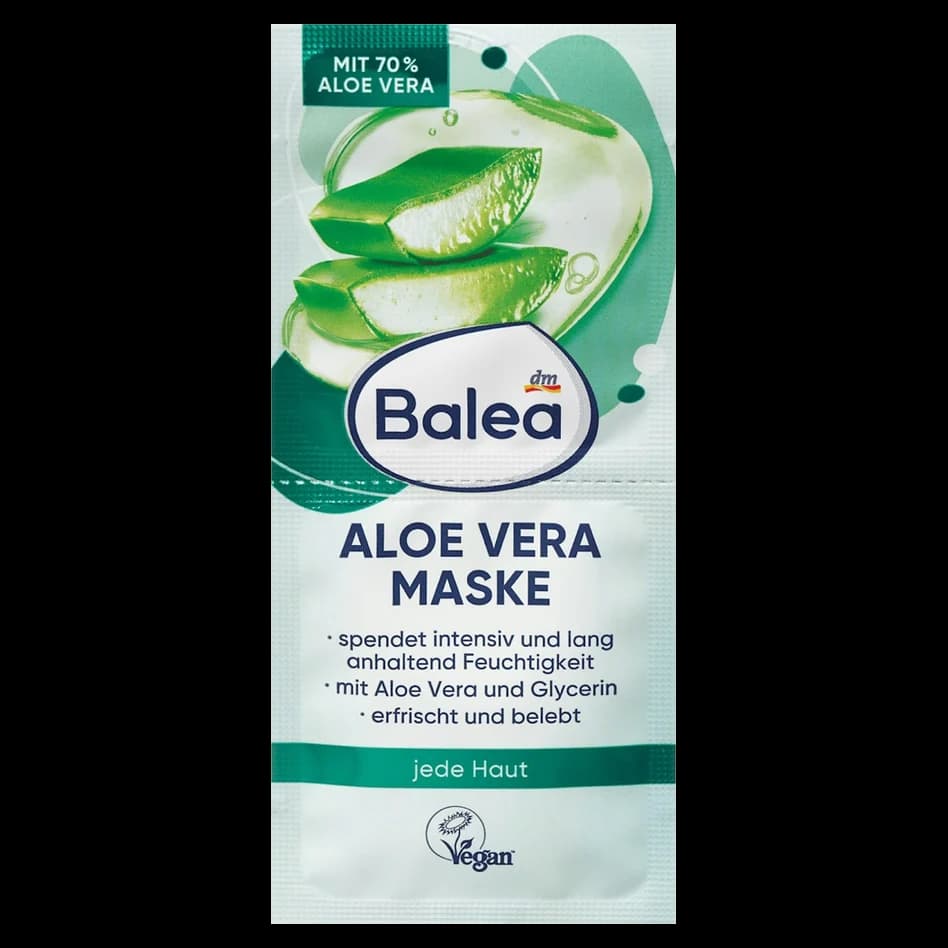
Balea
Gesichtsmaske Aloe Vera
13th of 21 on the label
below ≈1%
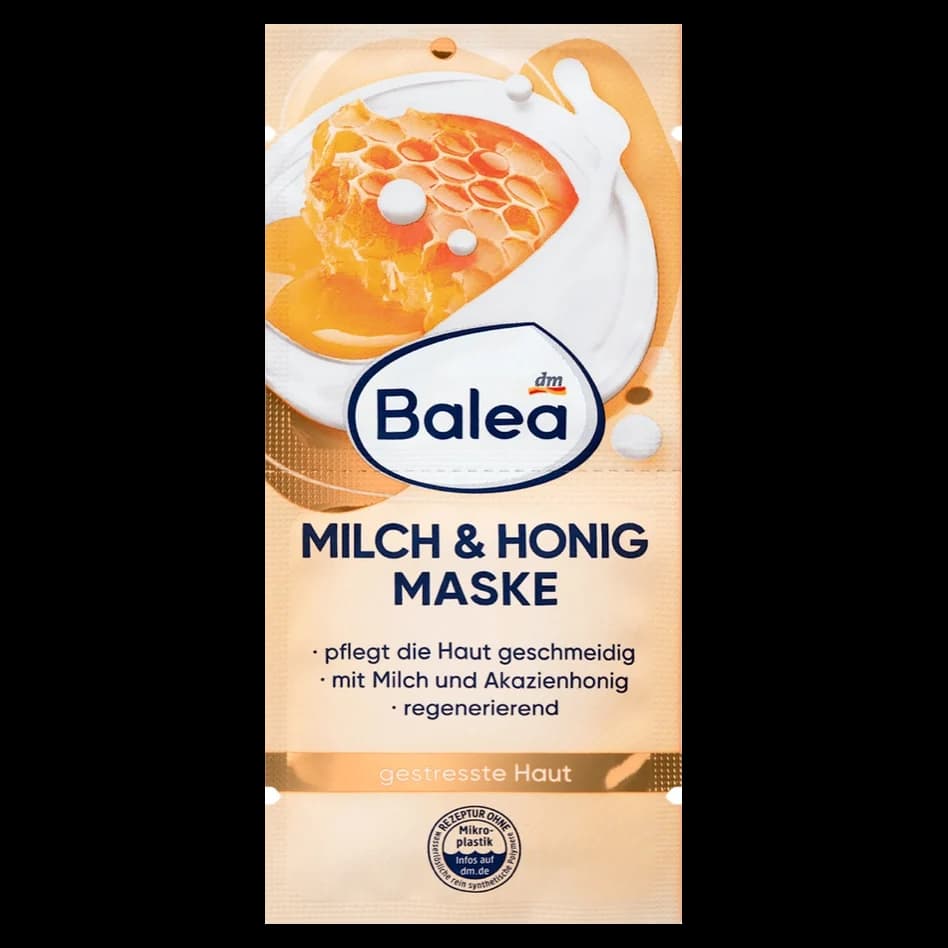
Balea
Gesichtsmaske Milch & Honig
27th of 36 on the label
below ≈1%
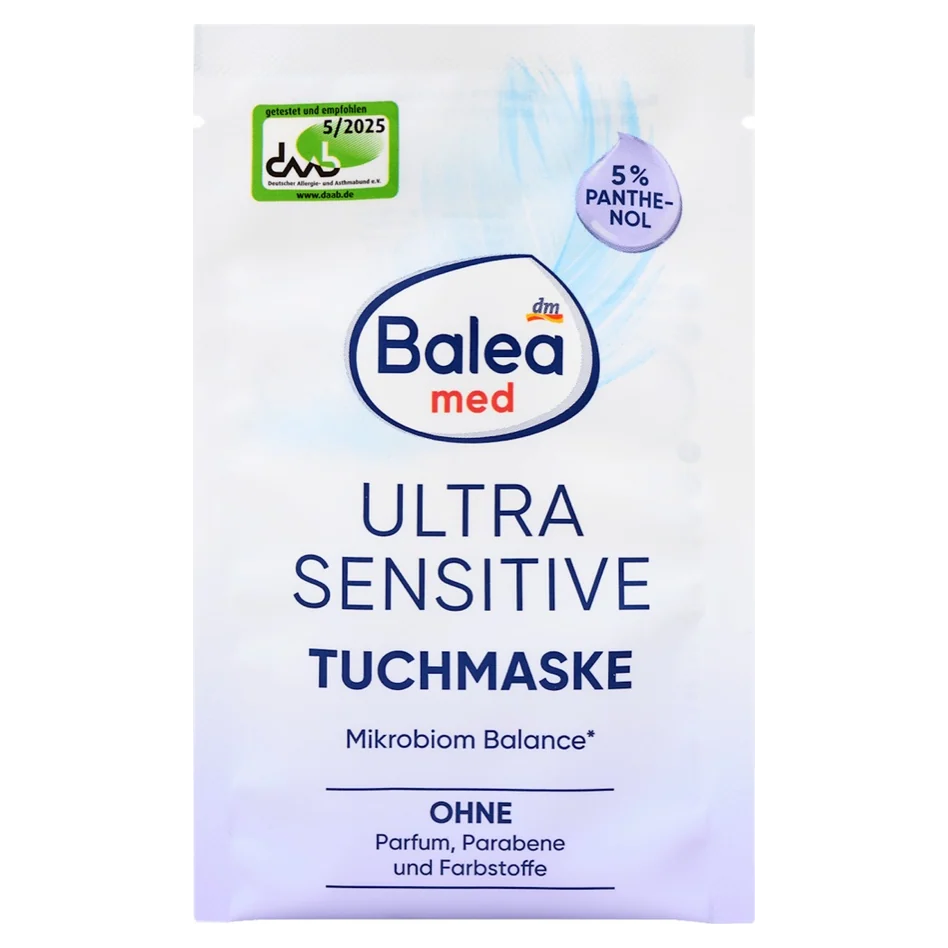
Balea med
Tuchmaske Panthenol Ultra Sensitive
14th of 16 on the label
below ≈1%
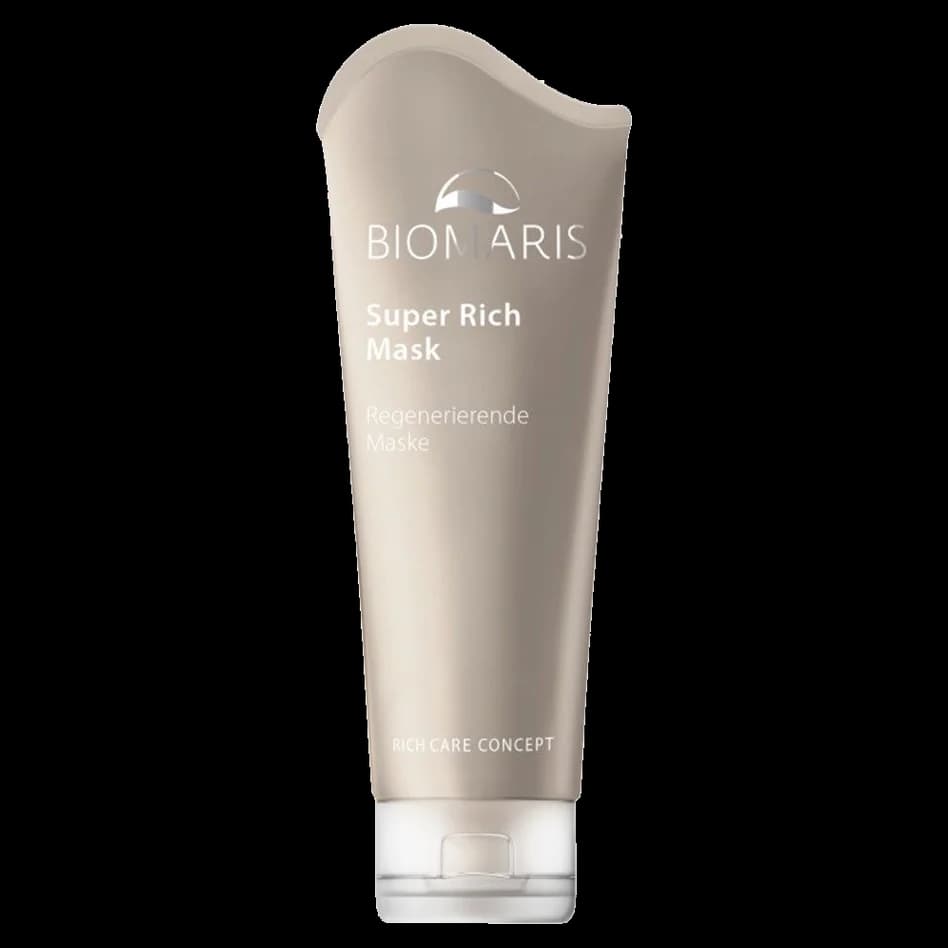
BIOMARIS
Super Rich Mask
8th of 19 on the label
below ≈1%
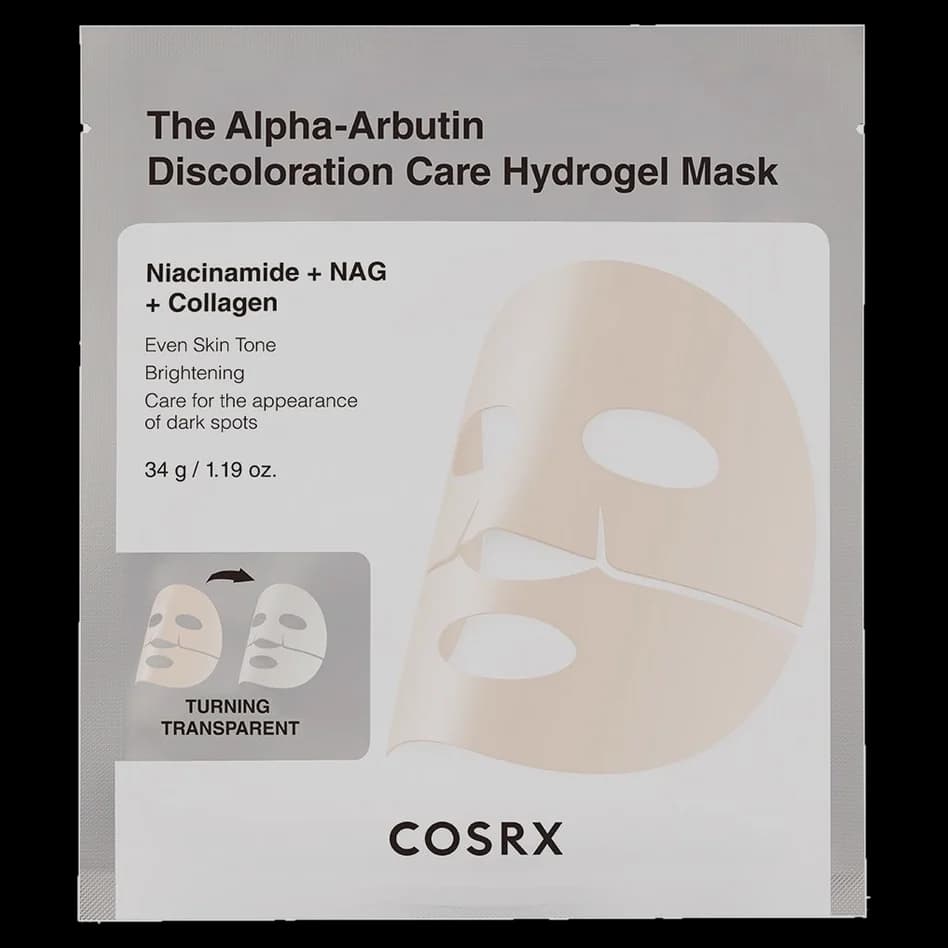
COSRX
The Alpha-Arbutin Discoloration Care Hydrogel Mask
10th of 44 on the label
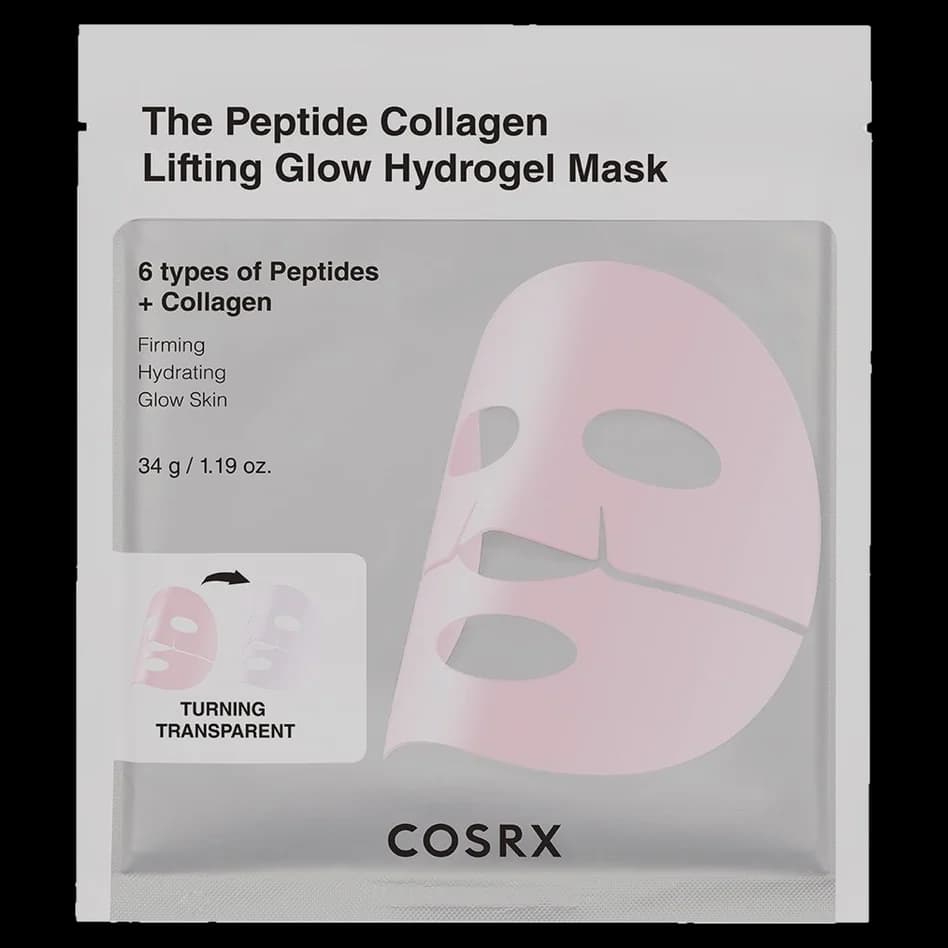
COSRX
The Peptide Collagen Lifting Glow Hydrogel Mask
10th of 49 on the label
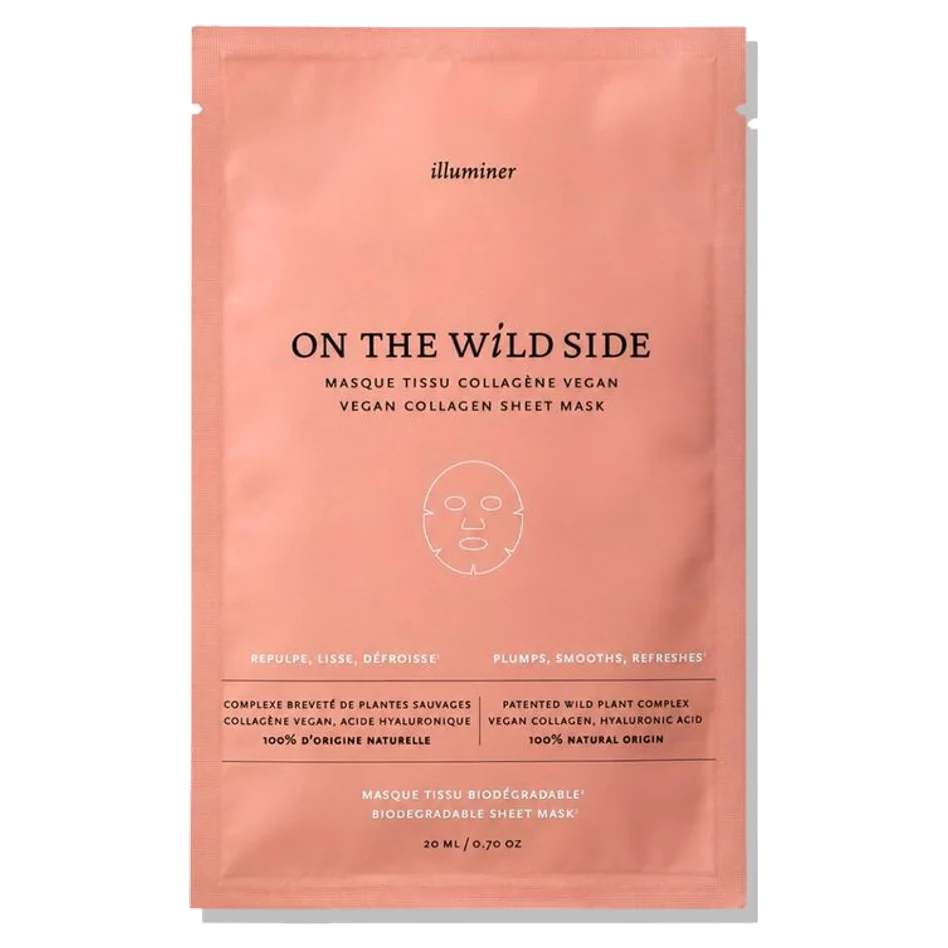
On The Wild Side
Sheet Mask Bio Cellulose Collagène Vegan
17th of 24 on the label
below ≈1%
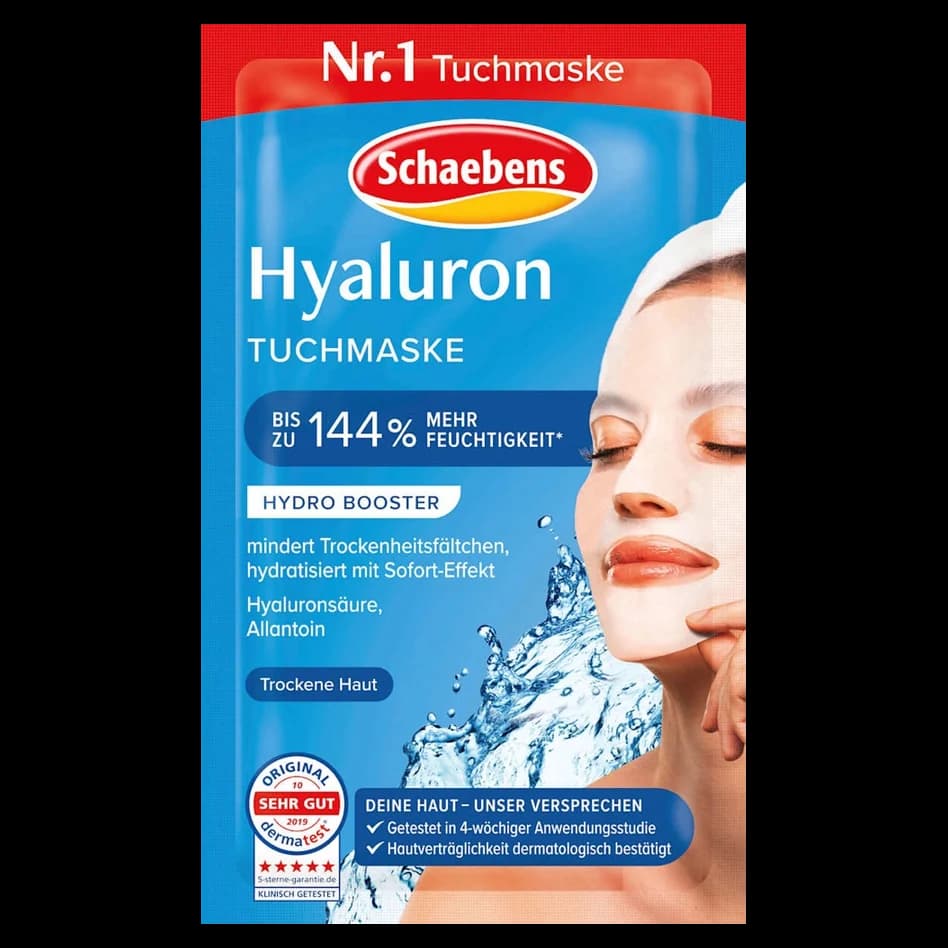
Schaebens
Tuchmaske Hyaluron
20th of 23 on the label
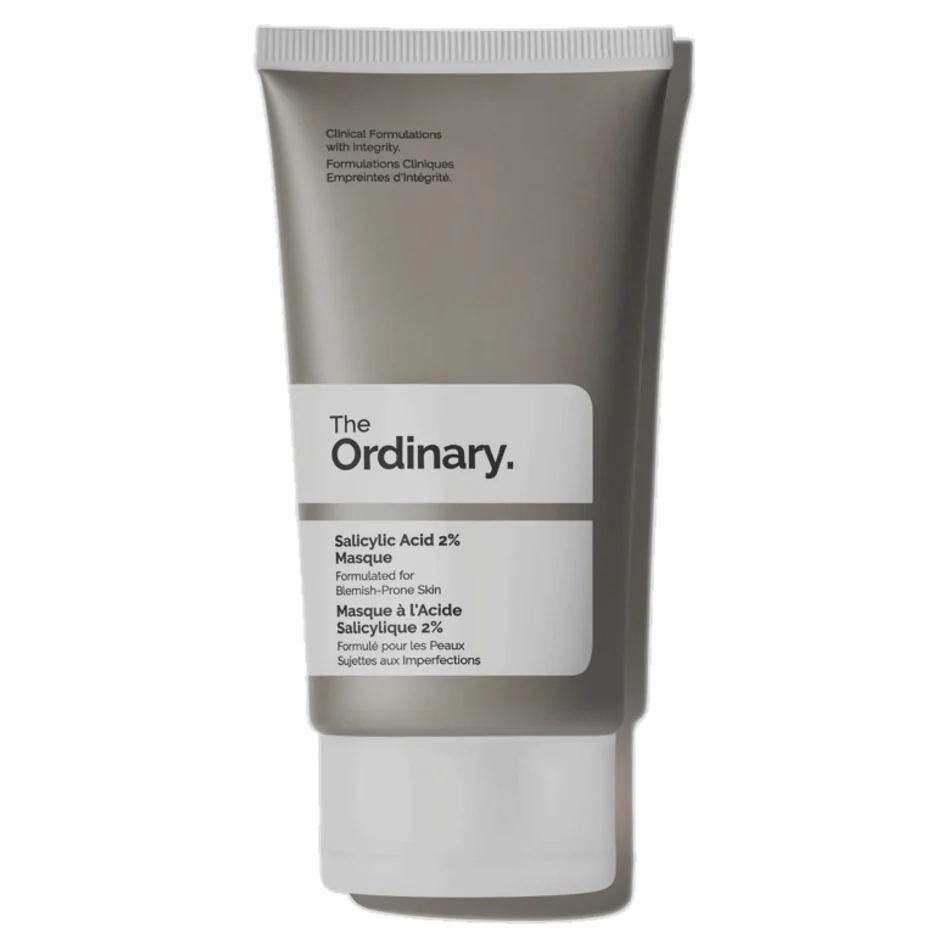
The Ordinary
Salicylic Acid 2% Masque
12th of 19 on the label