Sodium Anisate
No meaningful concern for most people; irritation is possible but rare.
Also written as: Sodium 4-methoxybenzoate · Sodium p-anisate · p-Anisic acid sodium salt
What it is
Sodium anisate is p-anisic acid, or 4-methoxybenzoic acid, neutralised with sodium hydroxide. The acid occurs naturally in anise, Pimpinella anisum, which is where the ingredient's natural-cosmetics reputation comes from, though the material used in formulation is manufactured rather than extracted. It is antiseptic, and that is what it is there for. The complication is legal rather than chemical, and it is set out under EU status below.
How it shows up on a label
Seven of the eight masks here that print it also print sodium levulinate, and that pairing is the tell: two unlisted antimicrobials working together, on masks from brands that market themselves on natural formulation. Six of the eight place it below the point where ingredient order stops indicating quantity.
What it does well
Helps hold back microbial growth in a formula
p-Anisic acid is described in the published literature as a proven antiseptic with antibacterial and antifungal effects, which is the basis for its use in cosmetics. Published work identifying which organisms and at what concentrations is thinner than the ingredient's popularity suggests.
Moderate evidence
Worth knowing
It is not one of the preservatives the EU permits, which changes what it can legally be for
Annex V is a positive list: under Article 14 a cosmetic product may not contain "preservatives other than those listed in Annex V", and Article 2 defines a preservative as a substance "exclusively or mainly intended to inhibit the development of micro-organisms in the cosmetic product". Sodium anisate is not on Annex V. So it cannot lawfully be the thing mainly keeping a product fresh; it has to be there for another declared purpose, with the antimicrobial effect as a secondary property. In practice it works as a booster beside something else. That is a real distinction, not a technicality - a product relying on it as its main preservative would be relying on an ingredient the Regulation does not authorise for that job.
Matters most toAnyone choosing a mask on the strength of it being preservative-free or naturally preserved.
No completed cosmetic safety assessment
Neither sodium anisate nor anisic acid appears in the Cosmetic Ingredient Review's quick reference table of panel conclusions, so there is no expert-panel verdict to cite either way. The available evidence is the published chemistry and pharmacology rather than a cosmetic-use review.
Matters most toAnyone who treats a published safety assessment as the bar an ingredient should clear.
Where the EU stands
No specific restriction
Sodium anisate appears in no annex - including Annex V, the positive list of preservatives allowed in cosmetic products. That absence is the substantive fact about it. Article 14 prohibits preservatives other than those on Annex V, and Article 2 defines a preservative by intent: a substance exclusively or mainly intended to inhibit micro-organisms. An unlisted antimicrobial can therefore only be present for some other main purpose, which is why it is declared for masking or skin conditioning and used to support a preservative system rather than to be one. One near neighbour is worth separating out: Annex III entry 80 restricts 4-Methoxybenzyl alcohol, printed as Anise alcohol, and requires it to be declared above 0.001% in leave-on and 0.01% in rinse-off products. That is an alcohol and a named fragrance allergen; sodium anisate is the sodium salt of the corresponding acid, and neither the entry nor its labelling duty reaches it.
Regulation (EC) No 1223/2009, Article 2(1)(l) and Article 14(1)(d)(i); not listed in Annex V · source ↗
Sources (2)
Every link goes to the original: a journal, a PubMed record or an EU document.
- [1]Bioactive (co)oligoesters as potential delivery systems of p-anisic acid for cosmetic purposes
Materials (Basel) 13(18):4153 · 2020 · doi:10.3390/ma13184153
The paper describes p-anisic acid (4-methoxybenzoic acid) as revealing "antioxidant, anti-inflammatory, and anti-tumor properties" and as "a proven antiseptic, which makes it suitable as a preservative in cosmetic products", with anti-bacterial and anti-fungal effects. It records the acid as occurring in herbs including Pimpinella anisum and as a by-product of diosgenin preparation from wild yam. No organism-specific data or cosmetic use concentrations are given. Checked 26 September 2026.
- [2]Regulation (EC) No 1223/2009 on cosmetic products, consolidated text of 18 May 2026
Official Journal of the European Union · 2026
Article 2(1)(l) defines preservatives as "substances which are exclusively or mainly intended to inhibit the development of micro-organisms in the cosmetic product", and Article 14(1)(d)(i) prohibits "preservatives other than those listed in Annex V and preservatives which are listed there but not used in accordance with the conditions laid down in that Annex". A word-boundary sweep of the full consolidated text returns no occurrence of anisate or anisic anywhere, Annex V included. The one word-boundary match for anise is a different substance: 4-Methoxybenzyl alcohol, listed as Anise alcohol at Annex III entry 80, whose presence must be declared once it exceeds 0.001% in leave-on and 0.01% in rinse-off products. Of the nineteen places the letters anise appear, the other eighteen are petroleum fractionating-column names (depropaniser, deethaniser, debutaniser, dehexaniser, depentaniser, deisobutaniser). Checked 26 September 2026.
Masks that contain Sodium Anisate
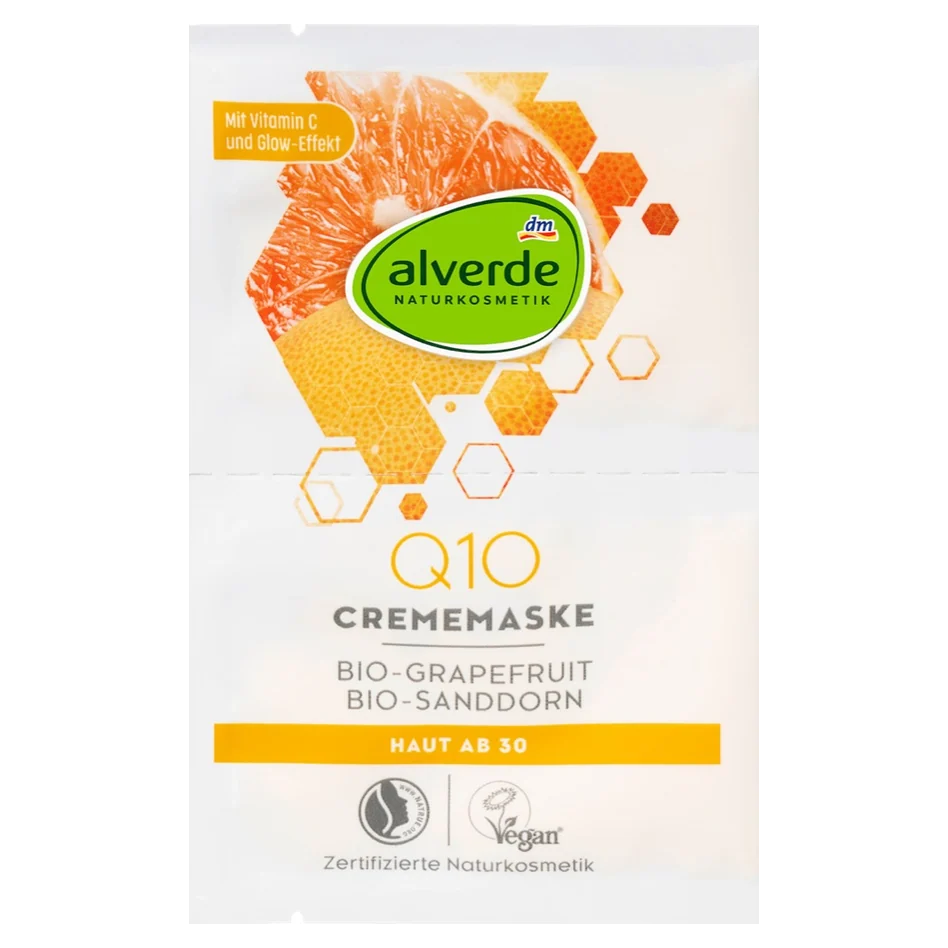
alverde Naturkosmetik
Gesichtsmaske Q10 mit Vitamin C
24th of 40 on the label
below ≈1%
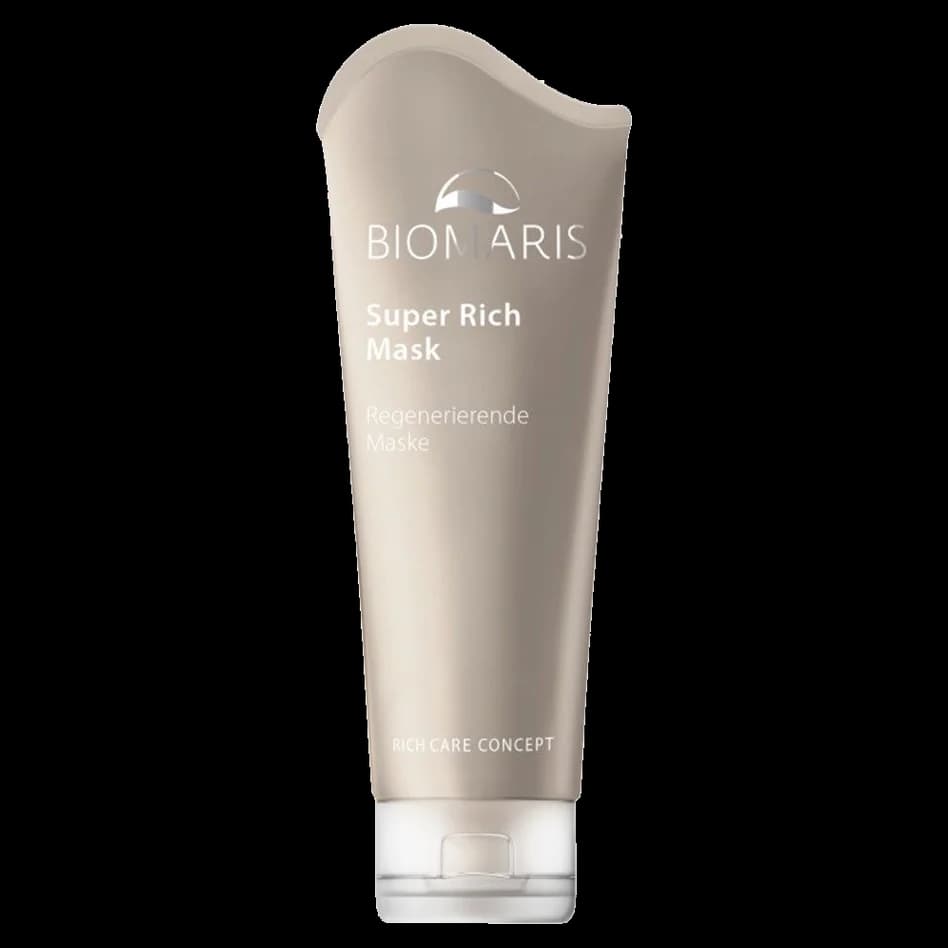
BIOMARIS
Super Rich Mask
18th of 19 on the label
below ≈1%
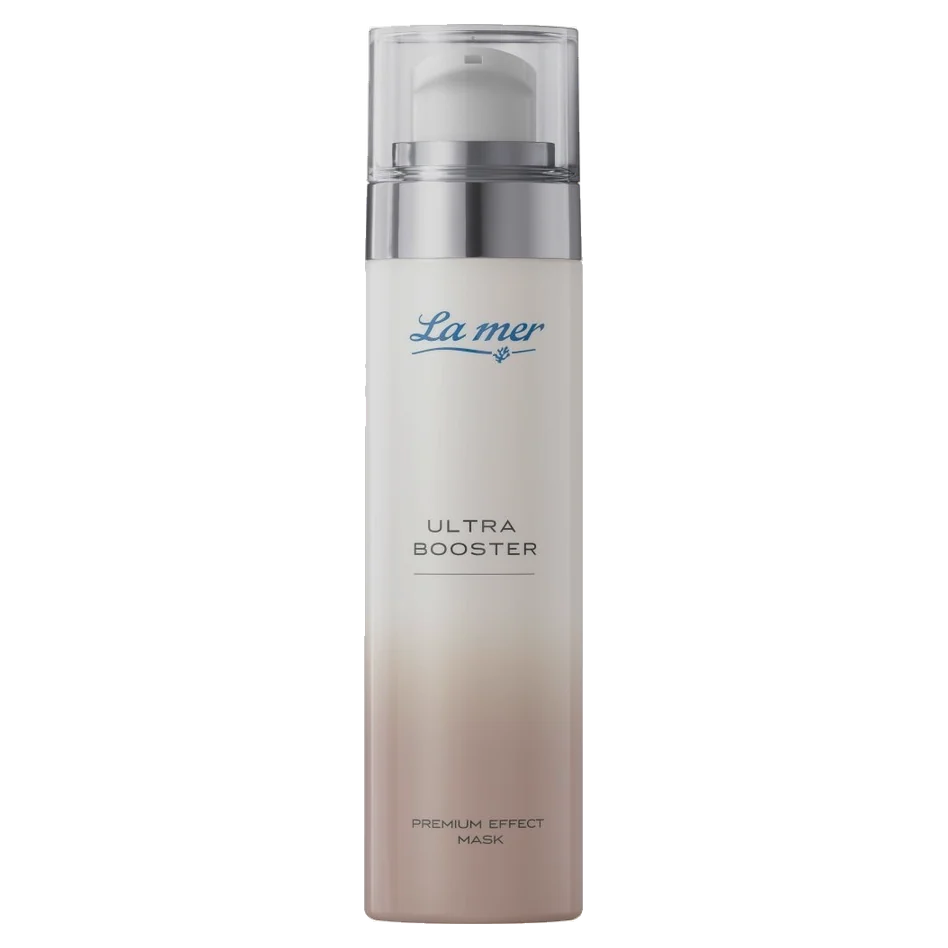
LA MER
Ultra Booster Premium Mask Effect
16th of 41 on the label
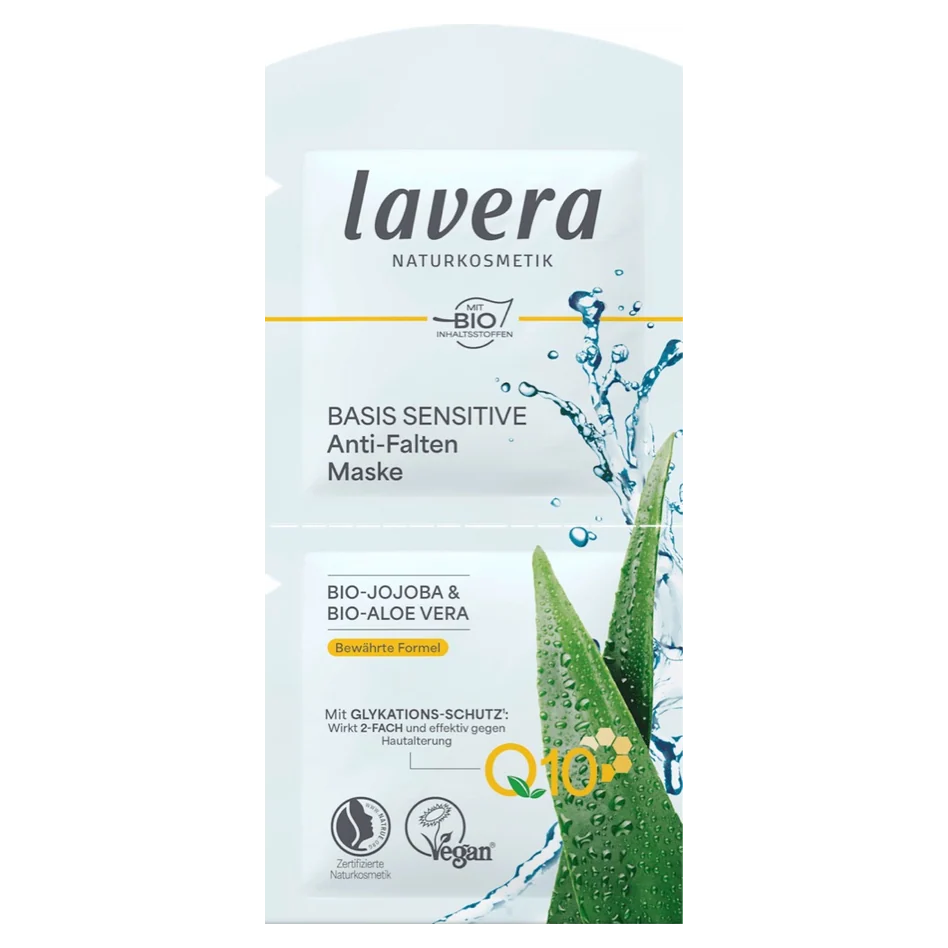
lavera
basis sensitiv Anti-Falten Gesichtsmaske
29th of 42 on the label
below ≈1%
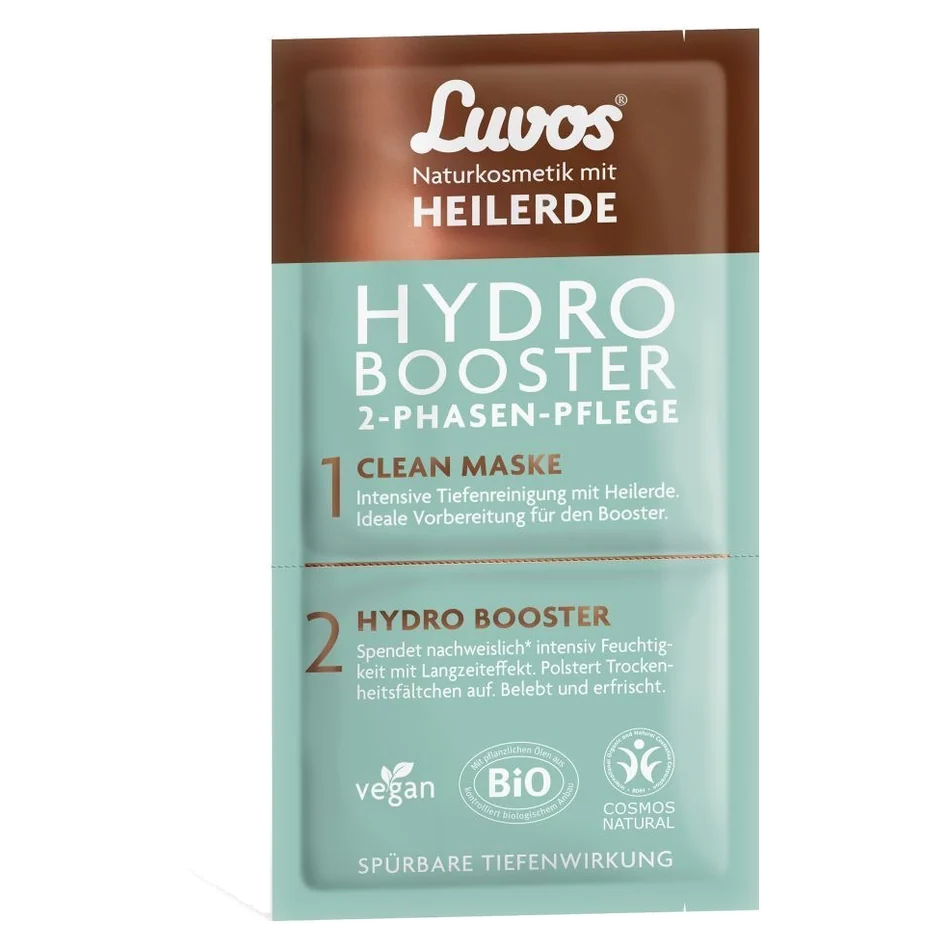
Luvos-Heilerde
Hydro Booster mit Clean Maske
62nd of 63 on the label
below ≈1%
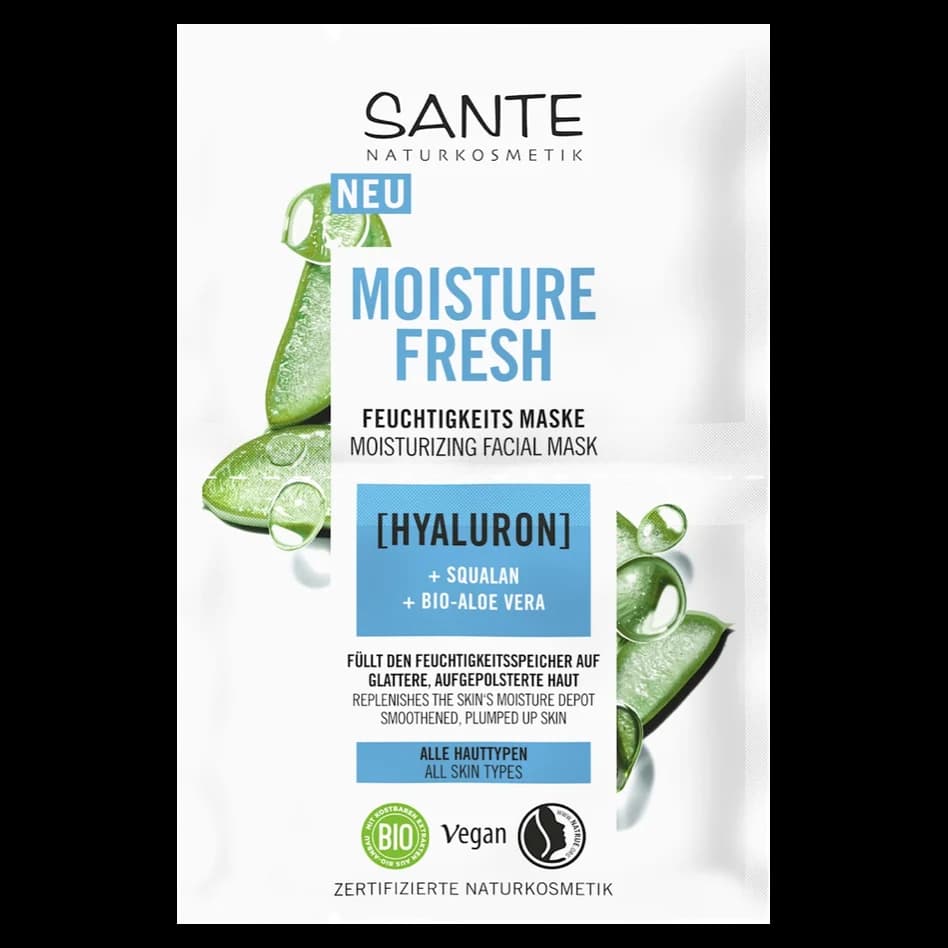
Santé Naturkosmetik
Moisture Fresh Maske Hyaluron
11th of 24 on the label
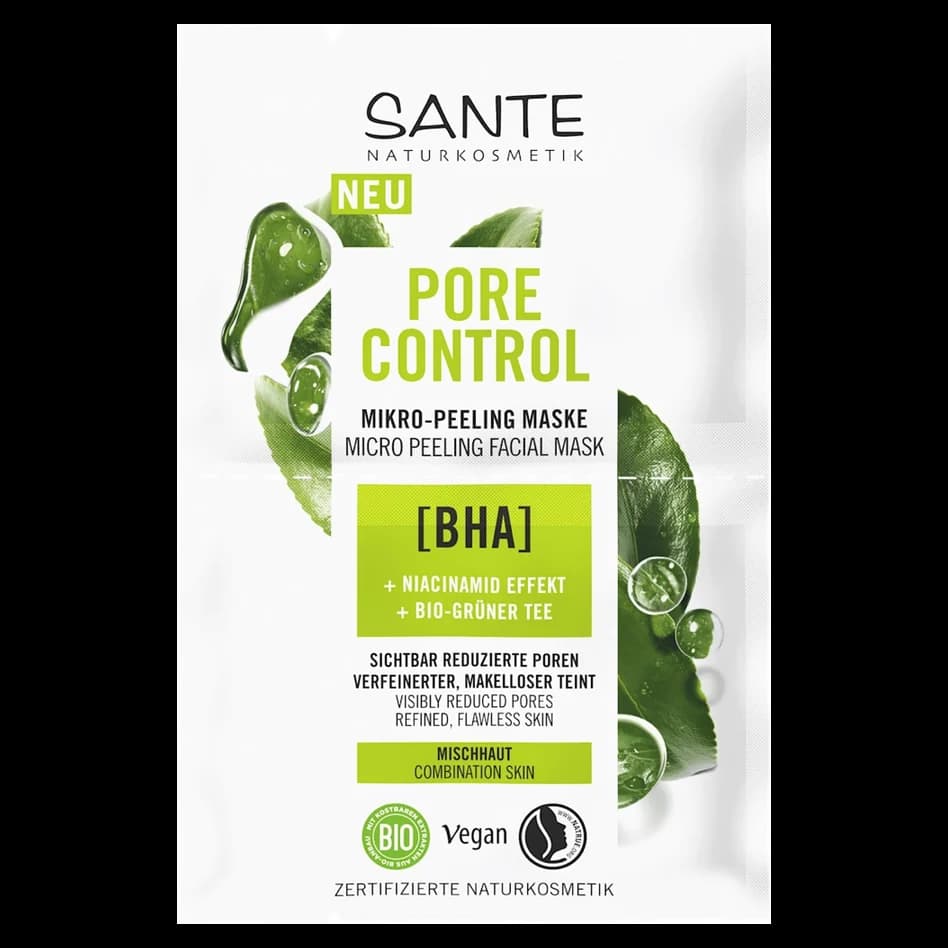
Santé Naturkosmetik
Pore Control Maske BHA
14th of 29 on the label
below ≈1%
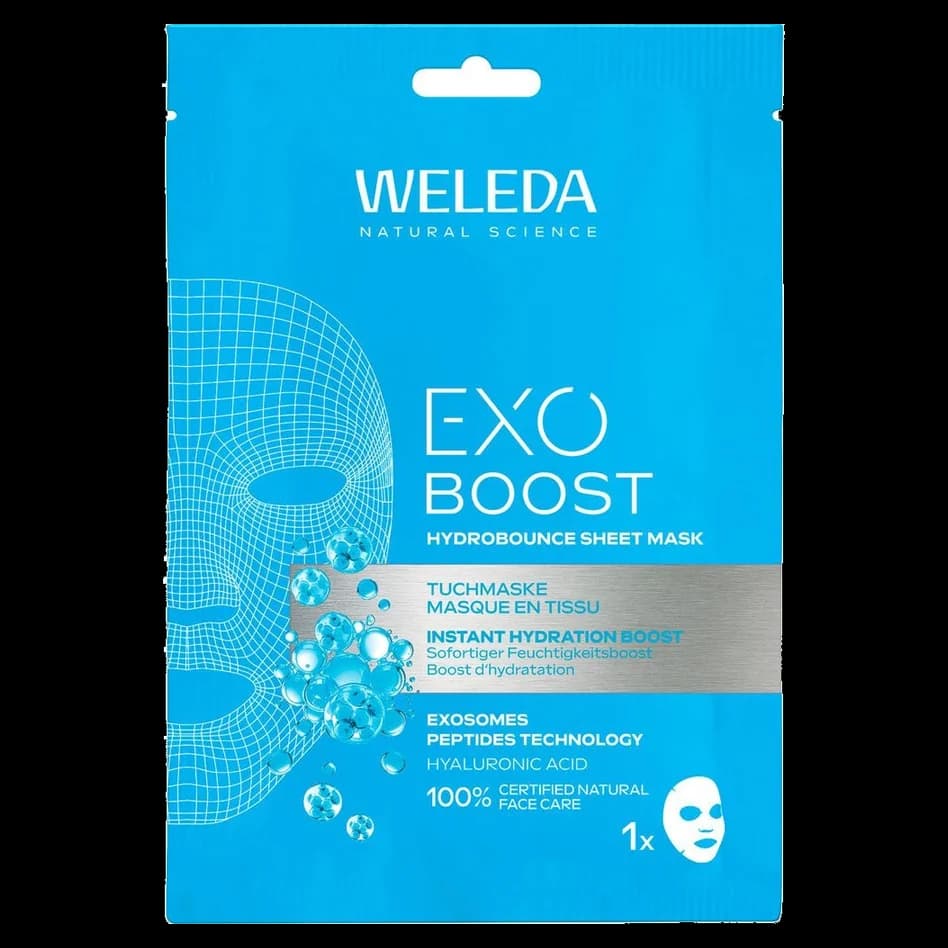
Weleda
Exo Boost Hydrobounce Tuchmaske
17th of 34 on the label
below ≈1%