Sodium Ascorbyl Phosphate
Stable vitamin C
No meaningful concern for most people; irritation is possible but rare.
Also written as: SAP · Ascorbyl Phosphate Sodium
What it is
Sodium ascorbyl phosphate is ascorbic acid with a phosphate group attached and sodium salts added, which protects the vulnerable part of the molecule from oxidising. Skin enzymes cleave off the phosphate to release vitamin C gradually. Because it is stable near neutral pH and does not discolour easily, formulators favour it for gentler products, sheet masks and anything packaged in a way that lets in air.
What it does well
Delivers vitamin C without the irritation of a low-pH formula
SAP is stable and effective around pH 6-7, so products can avoid the acidity that makes pure ascorbic acid sting. The trade-off is that conversion to active vitamin C in skin is partial.
Moderate evidence
May help reduce inflammatory acne lesions
A small controlled study of SAP combined with ascorbyl palmitate reported improved sebum control on facial skin. Evidence for acne specifically is preliminary and comes from small trials.
Limited evidence
More stable in the bottle than pure vitamin C
Reviews of vitamin C derivatives consistently rank SAP among the most stable options, which means less browning and less loss of potency over a product's life.
Strong evidence
Worth knowing
Weaker direct evidence than pure ascorbic acid
Most clinical evidence for vitamin C in skin was generated with L-ascorbic acid. How much SAP actually converts to active vitamin C in human skin is not well quantified, so its potency is likely lower at the same percentage.
Matters most toPeople choosing a vitamin C product primarily for maximum anti-pigment effect.
Where the EU stands
No specific restriction
Not listed in any restriction or prohibition annex of the EU Cosmetics Regulation; permitted at the formulator's discretion under the general safety requirement.
Sources (2)
Every link goes to the original: a journal, a PubMed record or an EU document.
- [1]Assessment of Combined Ascorbyl Palmitate (AP) and Sodium Ascorbyl Phosphate (SAP) on Facial Skin Sebum Control in Female Healthy Volunteers
Drug Research · 2017 · doi:10.1055/s-0042-118171
A controlled trial found a combined ascorbyl palmitate and sodium ascorbyl phosphate formulation measurably reduced facial sebum over the study period.
- [2]A review of topical vitamin C derivatives and their efficacy
Journal of Cosmetic Dermatology · 2022 · doi:10.1111/jocd.14465
Concludes that derivatives such as sodium ascorbyl phosphate offer far better stability than ascorbic acid but that evidence for equivalent clinical potency remains limited.
Masks that contain Sodium Ascorbyl Phosphate
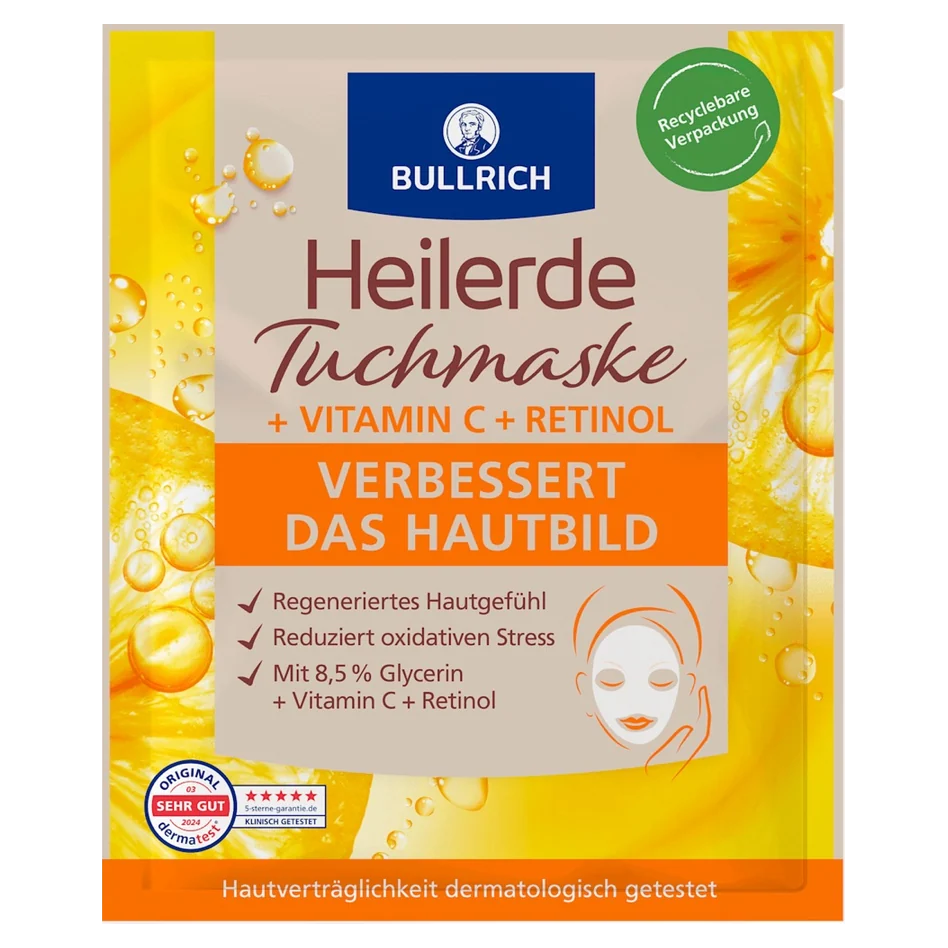
BULLRICH
Tuchmaske Vitamin C + Retinol
5th of 11 on the label
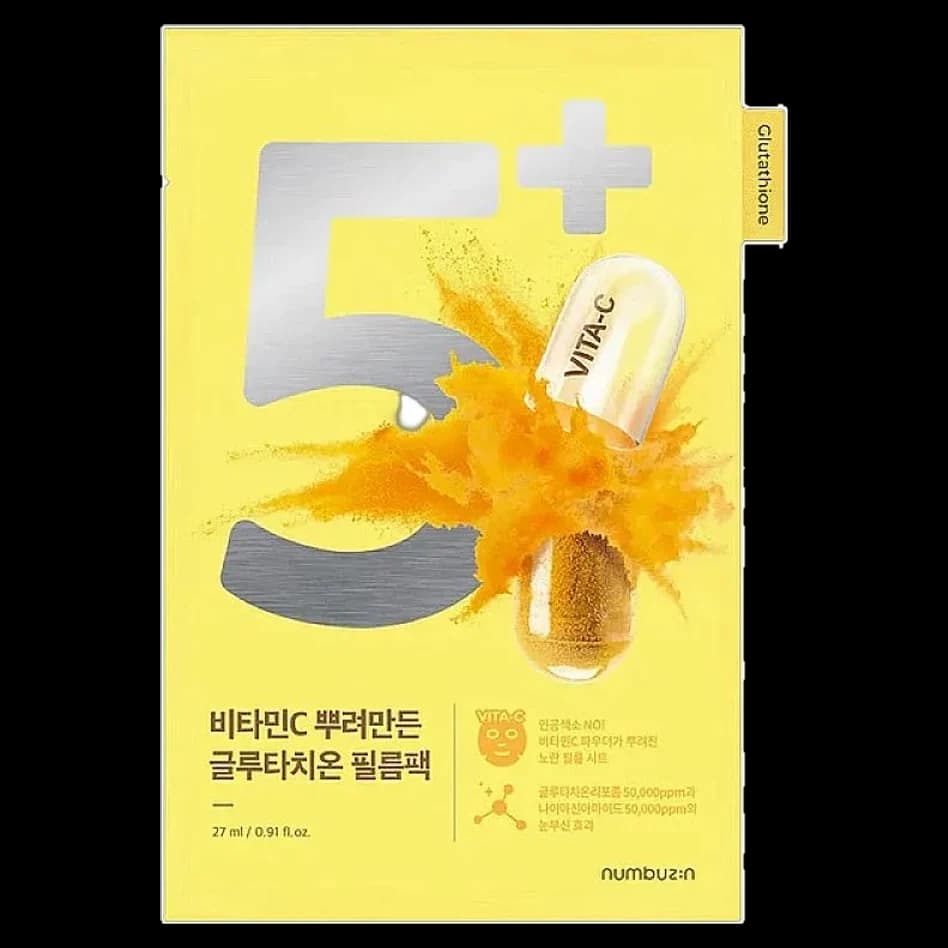
numbuzin
No.5 Vitamin Spotlight Sheet Mask
14th of 33 on the label
below ≈1%
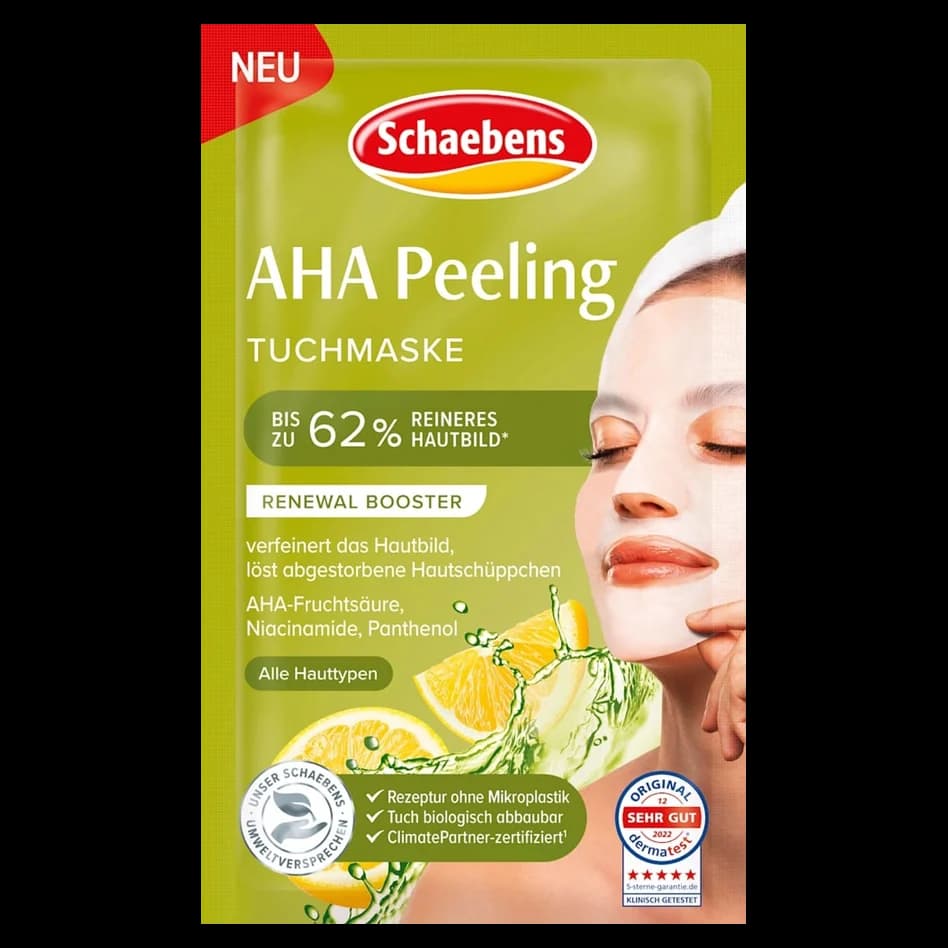
Schaebens
Tuchmaske AHA Peeling
10th of 17 on the label
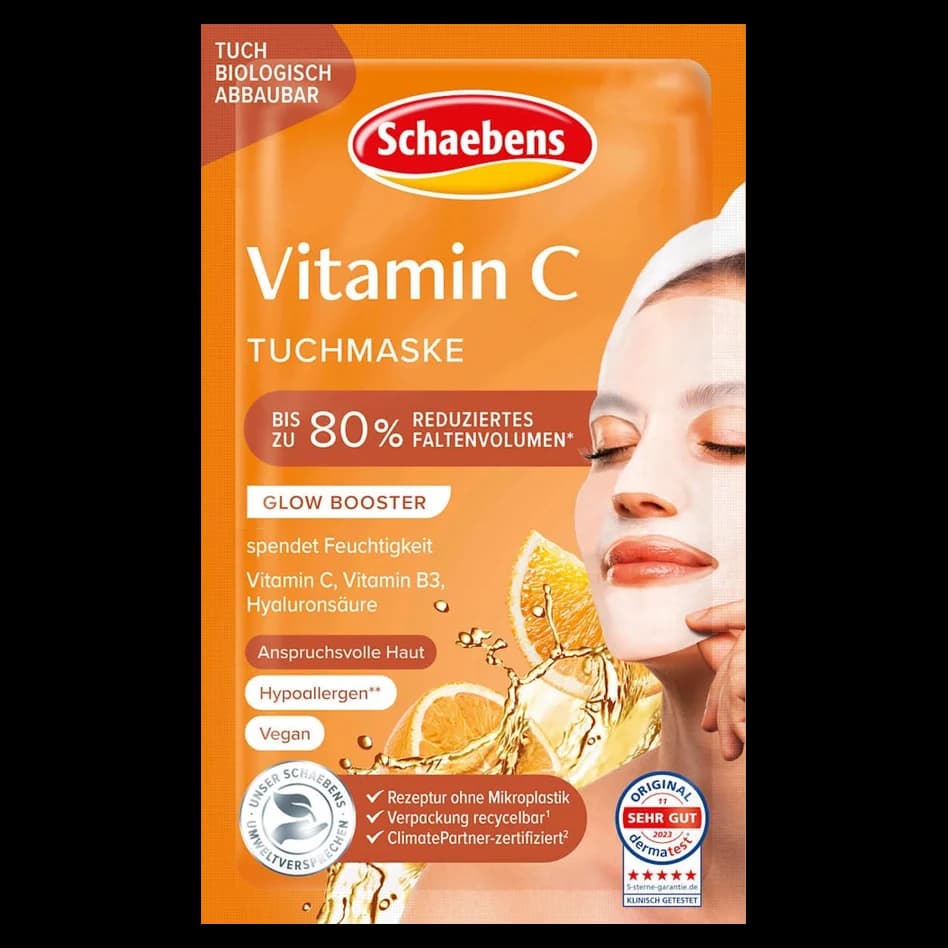
Schaebens
Tuchmaske Vitamin C
9th of 19 on the label
below ≈1%
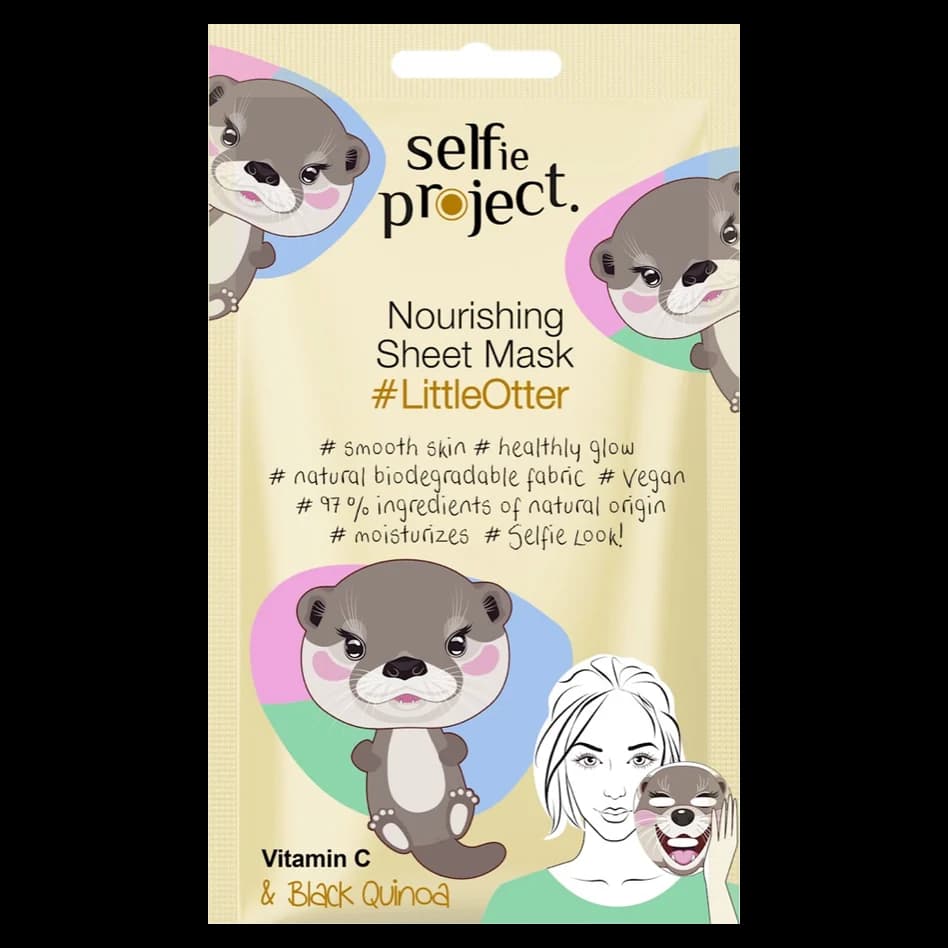
Selfie Project
Tuchmaske Nourishing #LittleOtter
5th of 21 on the label