Tocopherol
Vitamin E
No meaningful concern for most people; irritation is possible but rare.
Also written as: Vitamin E · Alpha-Tocopherol · d-Alpha-Tocopherol · DL-Alpha-Tocopherol
What it is
Tocopherol is the free, unesterified form of vitamin E, an oil-soluble antioxidant found in vegetable oils, nuts and seeds. It sits in the fatty layers of skin cell membranes where it interrupts the chain reaction that turns lipids rancid. Formulators use it for two jobs at once: a skincare benefit for the user, and protection for the vegetable oils and butters in the product itself, which is why it appears near the end of so many ingredient lists.
How it shows up on a label
Almost always printed below the point where ingredient order stops indicating quantity - its normal place as an oil-phase antioxidant, and not a sign of underdosing.
What it does well
Protects skin lipids from oxidative damage
Topical vitamin E measurably reduces markers of lipid peroxidation in skin after UV exposure. It supplements the skin's own antioxidant defences rather than acting as a sunscreen.
Moderate evidence
Works better combined with vitamin C
Vitamin C regenerates vitamin E after it has quenched a free radical, so the pair gives more photoprotection than either alone. This is the reasoning behind the classic vitamin C plus E plus ferulic acid combination.
Moderate evidence
Keeps oil-rich formulas from going rancid
As an oil-phase antioxidant it extends the shelf life of plant oils and butters. This is a formulation function, not a claim about your skin.
Strong evidence
Worth knowing
An uncommon but genuine contact allergen
Patch-test data from the North American Contact Dermatitis Group found roughly 1 in 100 tested patients reacted to tocopherol, so allergy is real but infrequent. Reactions typically appear as itchy dermatitis where the product was applied.
Matters most toPeople with a history of contact dermatitis, especially those reacting to vitamin E oils or wound creams.
Vitamin E is not a scar treatment
Despite its popular reputation, controlled studies have not shown that applying vitamin E improves the appearance of scars, and some found it caused dermatitis in a substantial minority.
Matters most toAnyone buying a product specifically to fade a scar.
Where the EU stands
No specific restriction
Tocopherol has no entry of its own in any restriction or prohibition annex of the EU Cosmetics Regulation, so it is permitted at the formulator's discretion under the general safety requirement. Since Regulation (EU) 2026/909 it is named once in Annex III, at entry 382, where acetylated vetiver oil must be stabilised with 1% alpha-tocopherol - a condition on that fragrance raw material, not a limit on tocopherol.
Regulation (EC) No 1223/2009 - no annex entry for tocopherol; alpha-tocopherol named in Annex III entry 382 as a stabiliser condition for acetylated vetiver oil · source ↗
Sources (3)
Every link goes to the original: a journal, a PubMed record or an EU document.
- [1]Photoprotective actions of topically applied vitamin E
Drug Metabolism Reviews · 2000 · doi:10.1081/dmr-100102343
Reviews evidence that topically applied alpha-tocopherol reduces UV-induced lipid peroxidation and photodamage markers in skin, while noting the effect depends heavily on the form and vehicle used.
- [2]Patch Testing With Tocopherol and Tocopherol Acetate: The North American Contact Dermatitis Group Experience, 2001 to 2016
Dermatitis · 2021 · doi:10.1097/DER.0000000000000706
Across 15 years of patch testing, allergic reactions to tocopherol were uncommon but consistently present, confirming it as a real if low-frequency contact allergen.
- [3]Potentials and limitations of the natural antioxidants RRR-alpha-tocopherol, L-ascorbic acid and beta-carotene in cutaneous photoprotection
Free Radical Biology & Medicine · 1998 · doi:10.1016/s0891-5849(98)00161-0
Sets out how vitamin E and vitamin C regenerate one another in skin, and cautions that antioxidants supplement rather than replace UV filters.
Masks that contain Tocopherol
Abib
Collagen Gel Mask Heartleaf Jelly
39th of 43 on the label
below ≈1%
Abib
Collagen Gel Mask Jericho Rose Jelly
38th of 43 on the label
below ≈1%
Abib
Collagen Gel Mask Sedum Jelly
33rd of 41 on the label
below ≈1%
alverde Naturkosmetik
Gesichtsmaske Q10 mit Vitamin C
30th of 40 on the label
below ≈1%
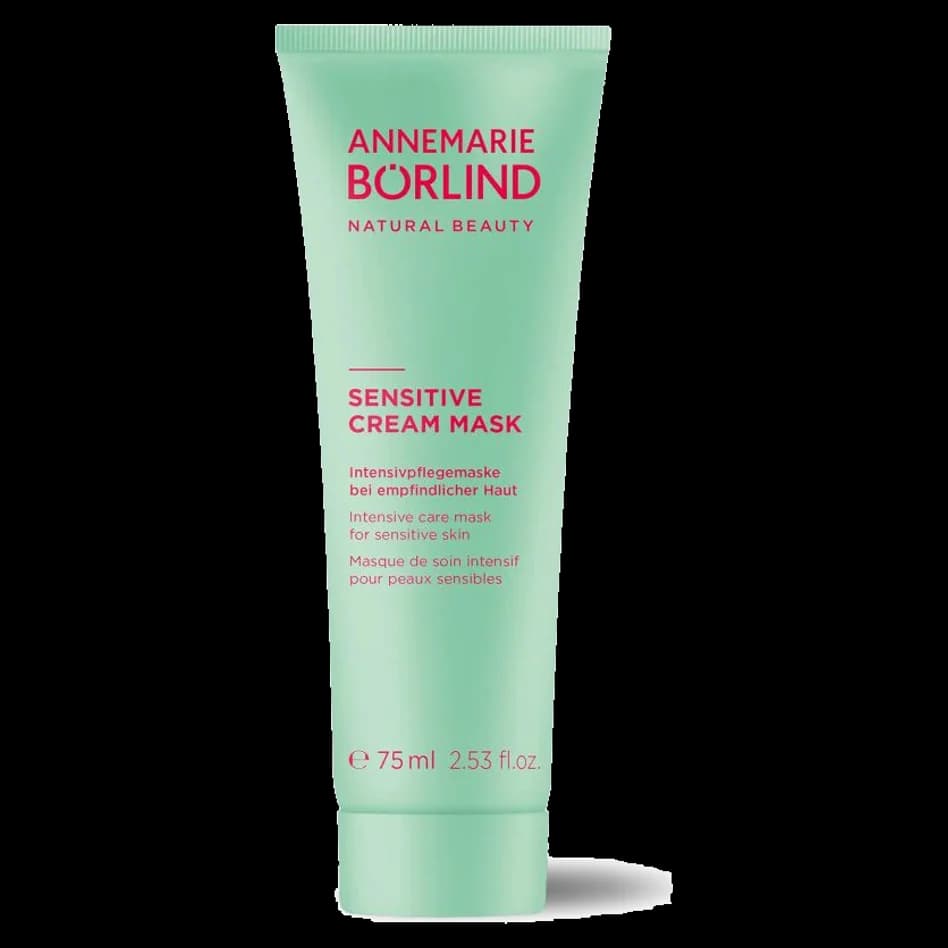
Annemarie Börlind
Sensitive Cream Mask
22nd of 31 on the label
below ≈1%
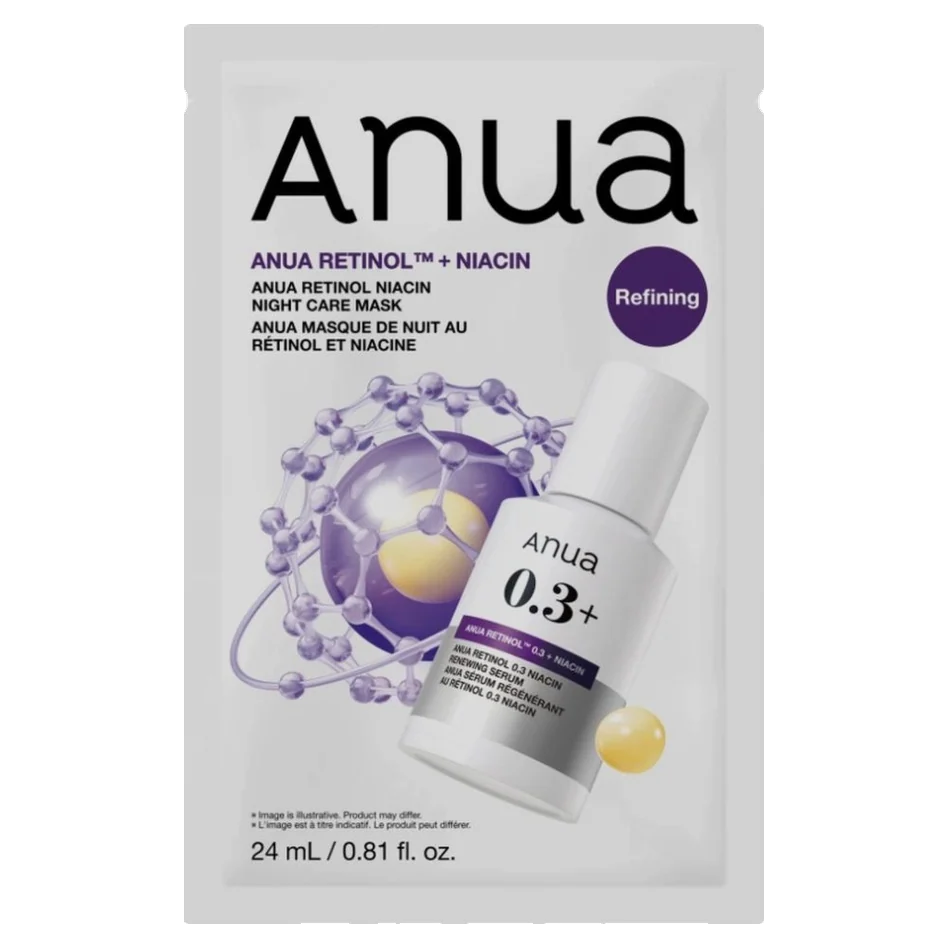
Anua
Retinol Niacin Night Care Mask
34th of 44 on the label
below ≈1%
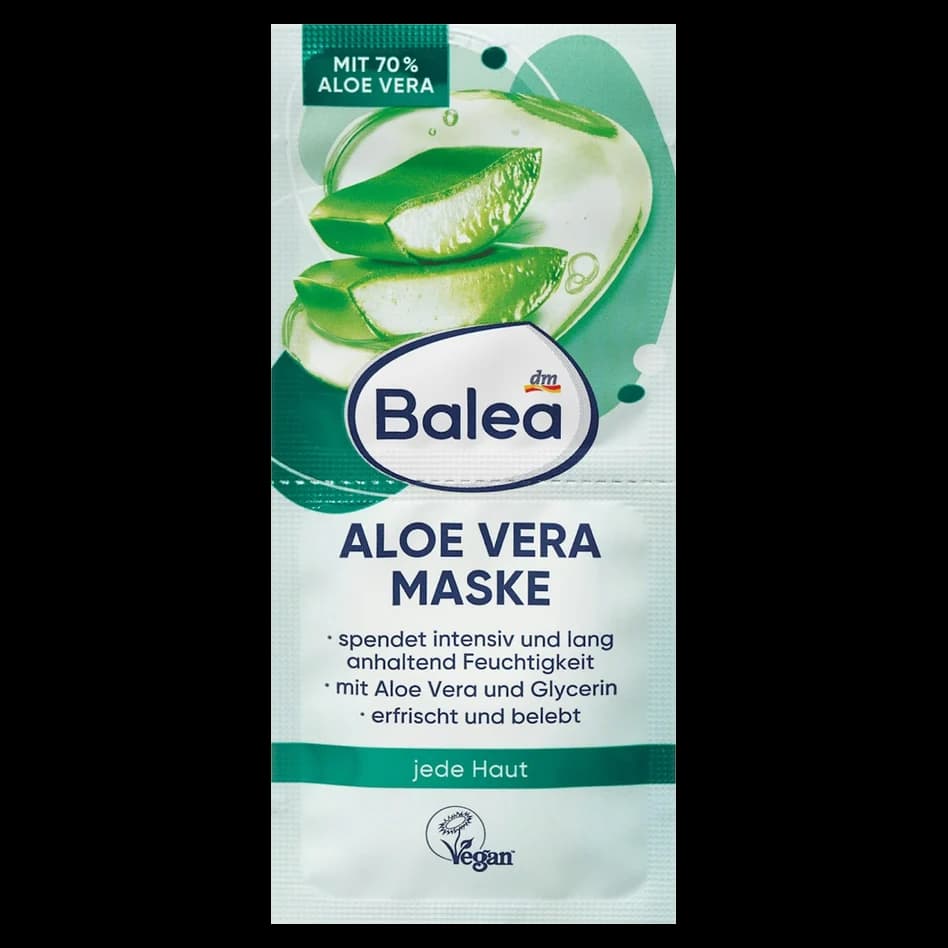
Balea
Gesichtsmaske Aloe Vera
10th of 21 on the label
below ≈1%
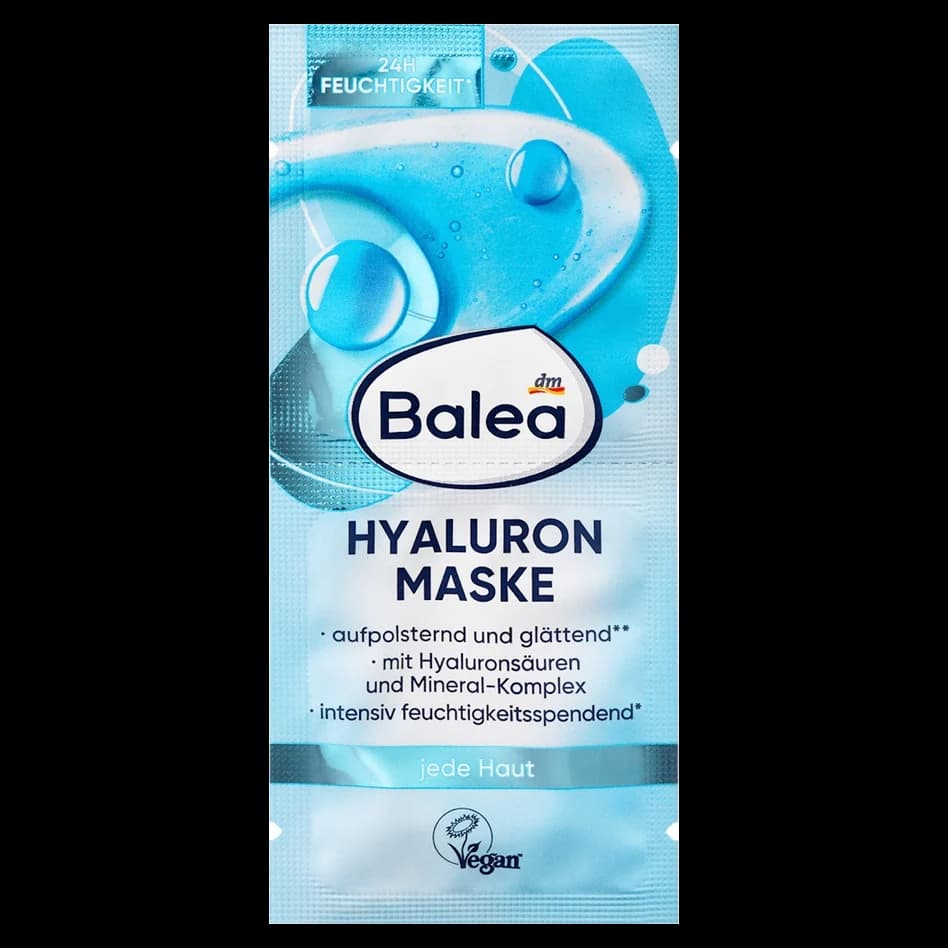
Balea
Gesichtsmaske Hyaluron
12th of 29 on the label
below ≈1%
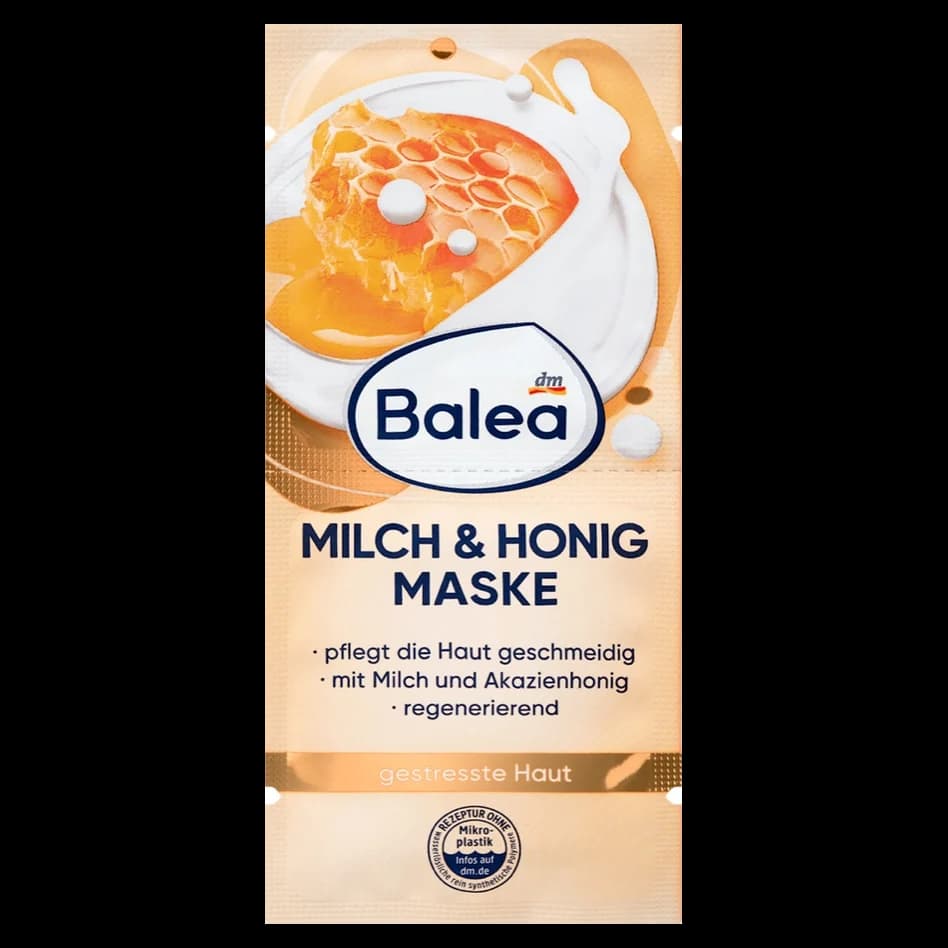
Balea
Gesichtsmaske Milch & Honig
20th of 36 on the label
below ≈1%
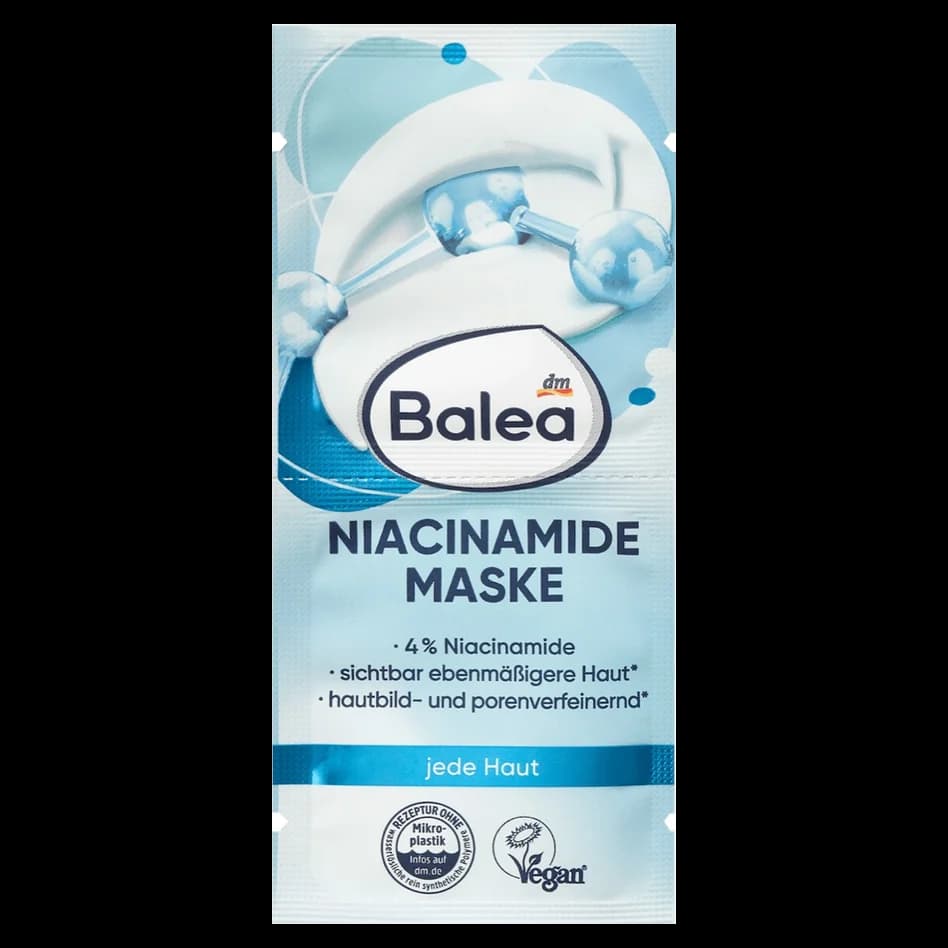
Balea
Gesichtsmaske Niacinamide
10th of 17 on the label
below ≈1%
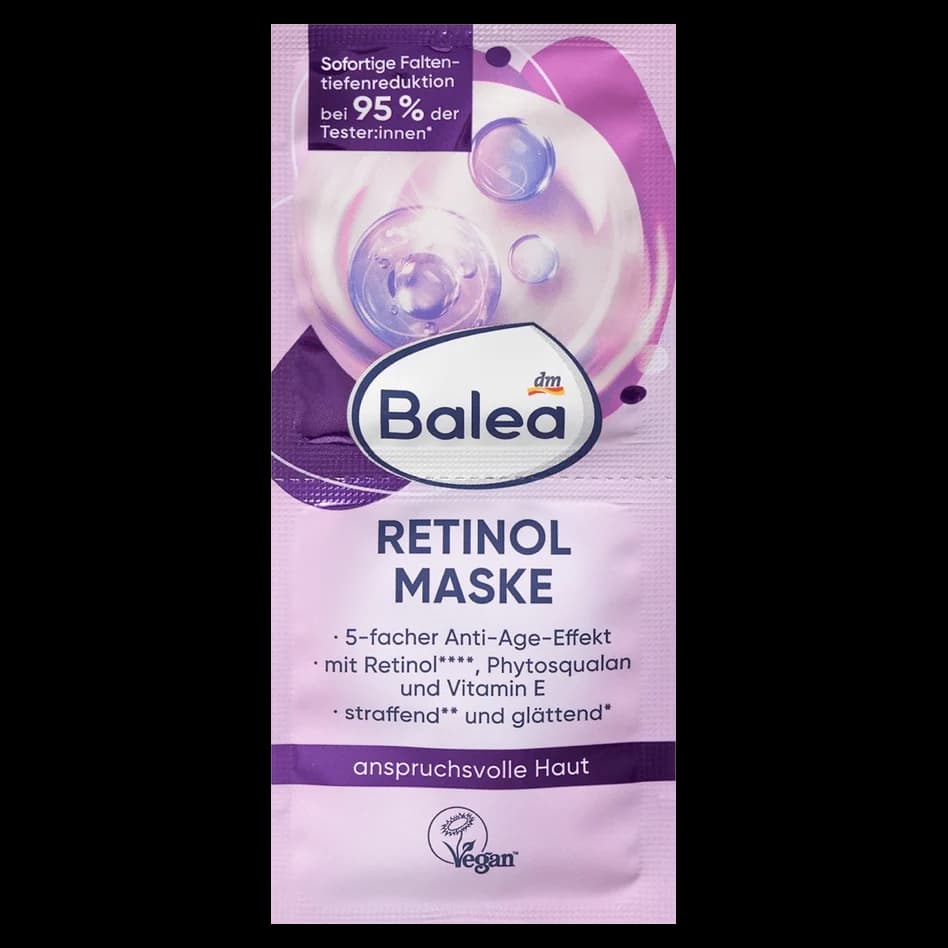
Balea
Gesichtsmaske Retinol
16th of 23 on the label
below ≈1%
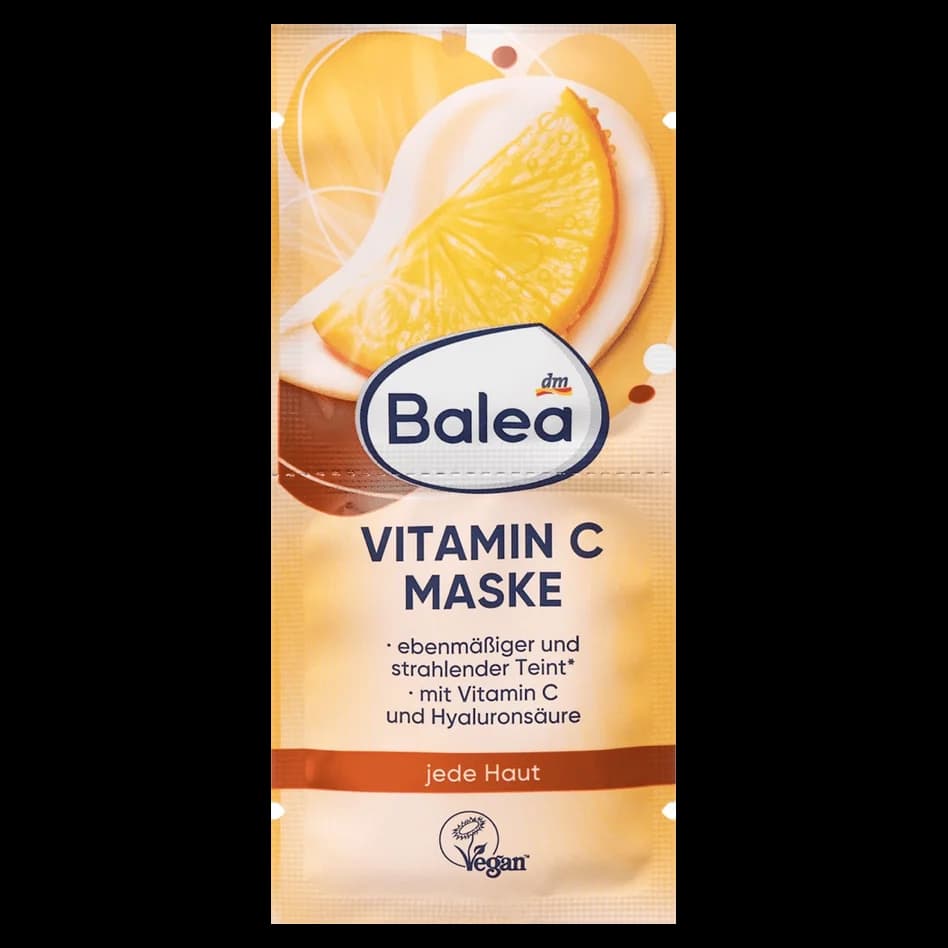
Balea
Gesichtsmaske Vitamin C
11th of 23 on the label
below ≈1%
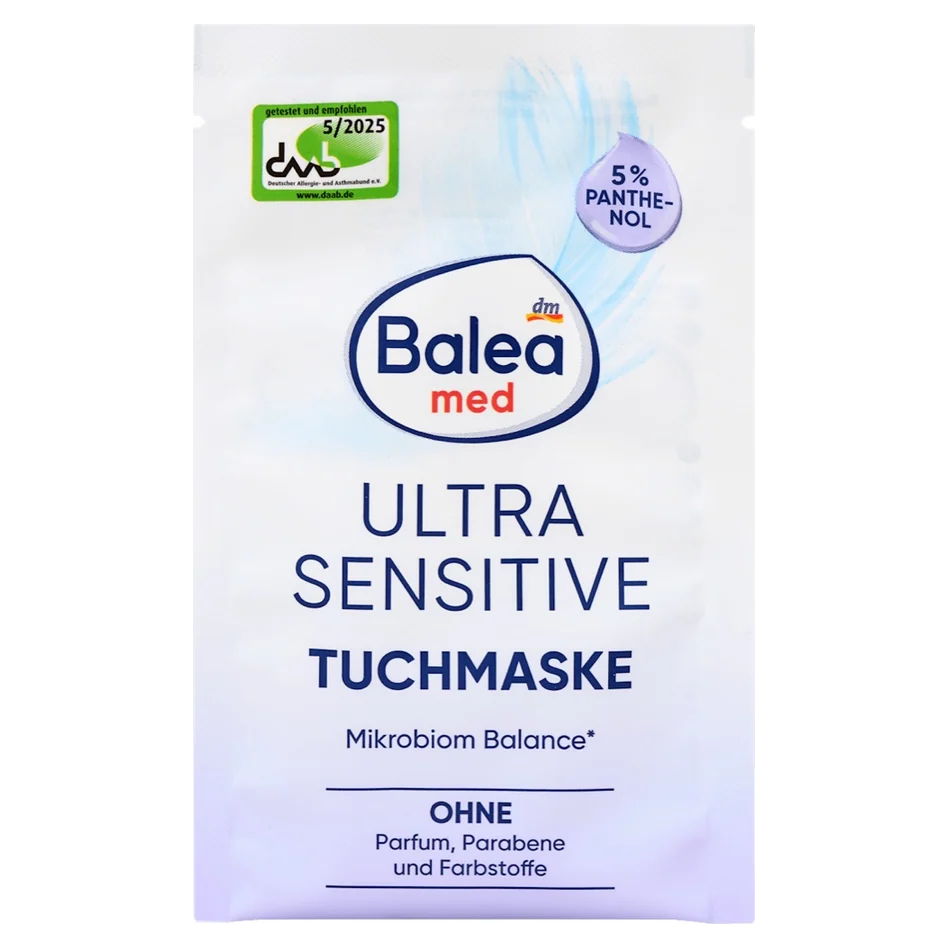
Balea med
Tuchmaske Panthenol Ultra Sensitive
11th of 16 on the label
below ≈1%
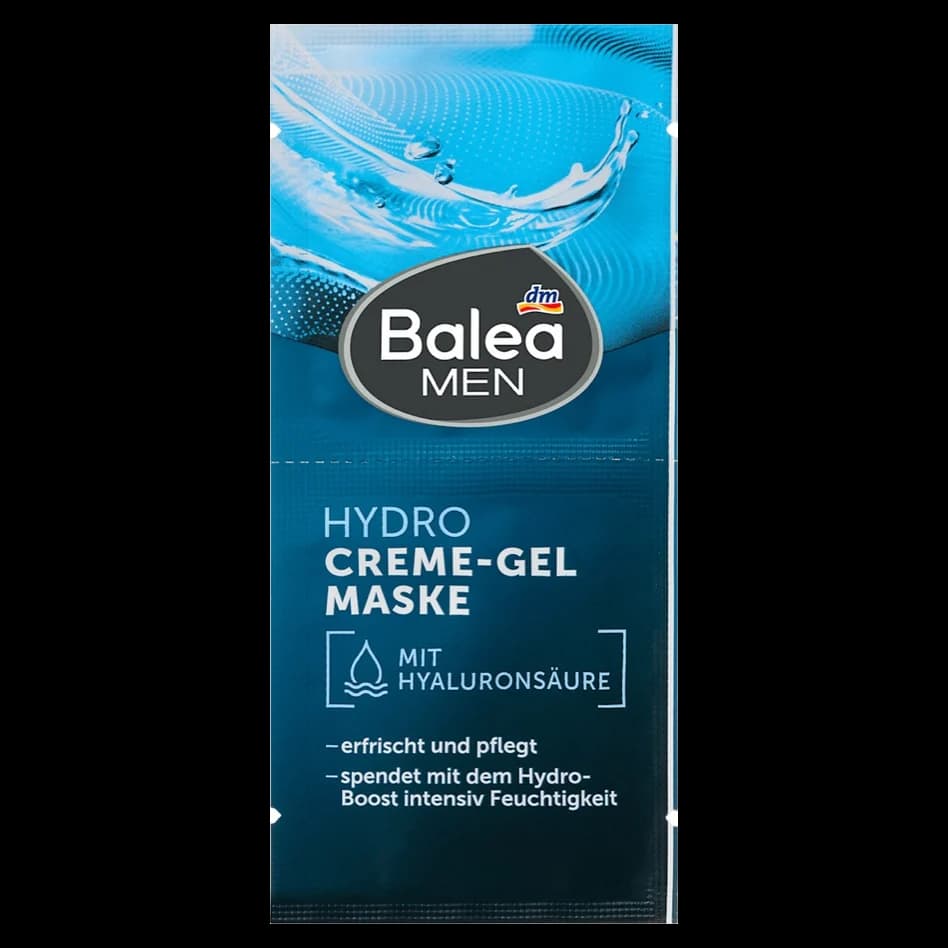
Balea MEN
Gesichtsmaske Creme-Gel Hydro
11th of 31 on the label
below ≈1%
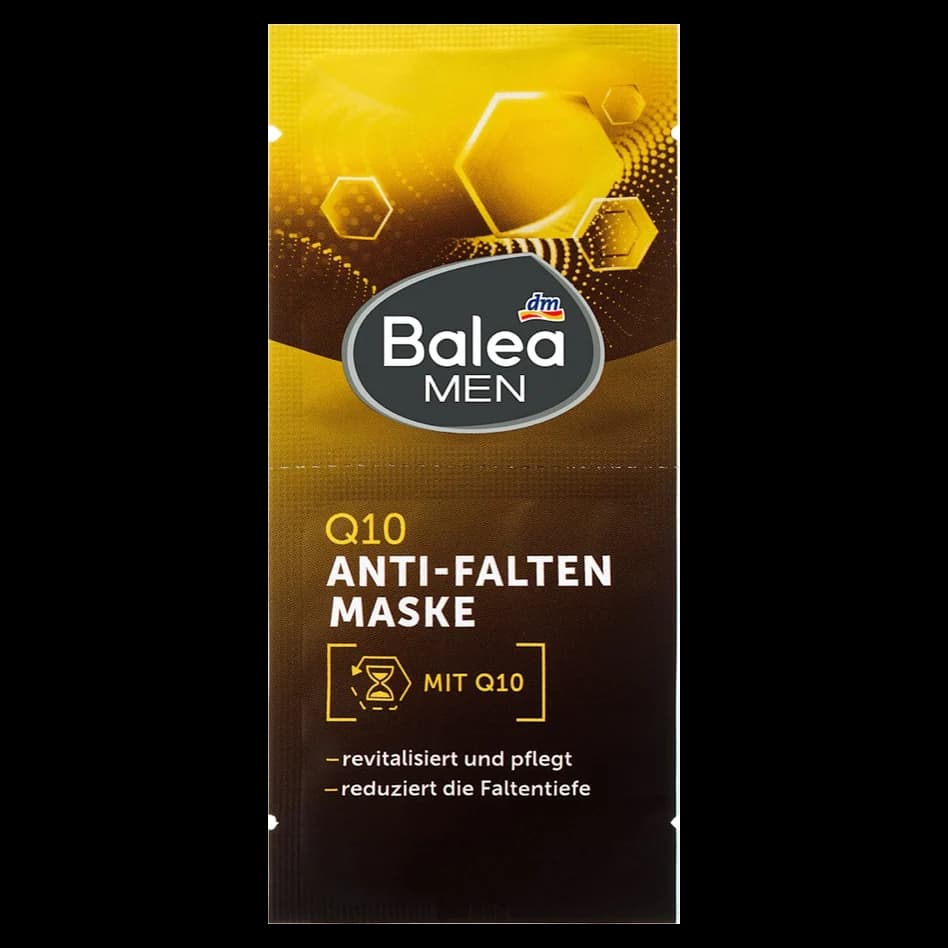
Balea MEN
Gesichtsmaske Q10 Anti-Falten
18th of 28 on the label
below ≈1%
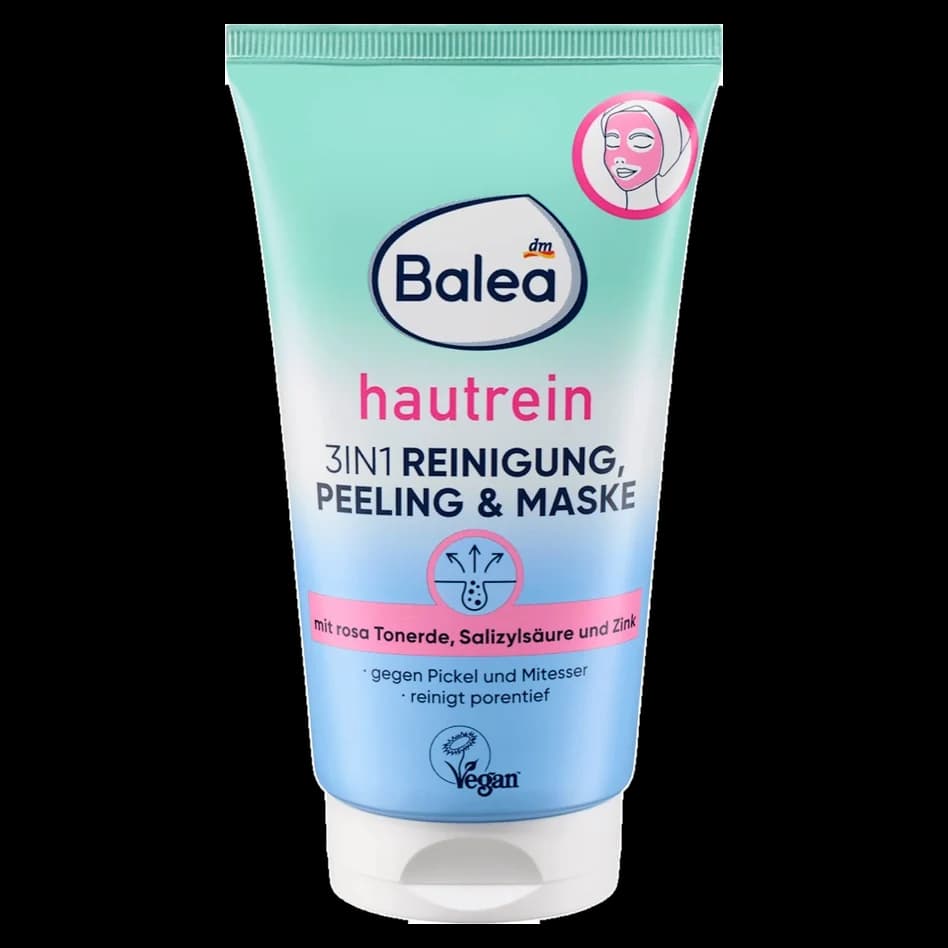
Balea
Reinigung, Peeling & Maske hautrein 3in1
18th of 18 on the label
below ≈1%
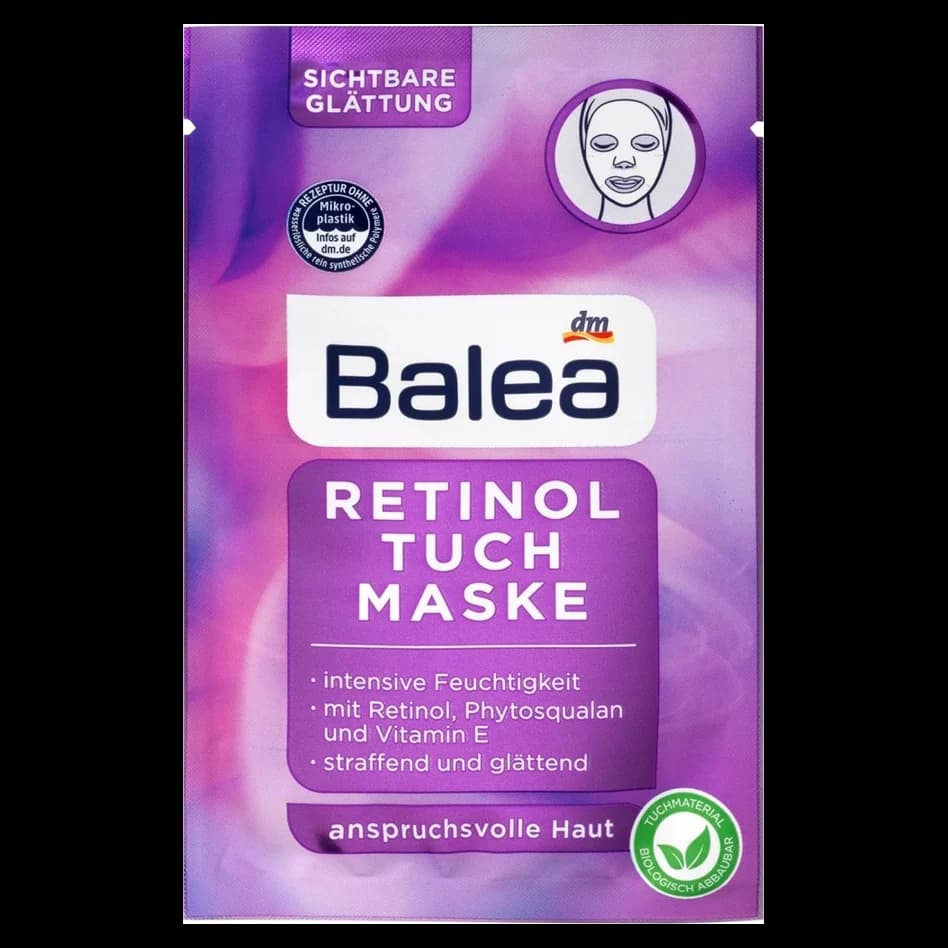
Balea
Tuchmaske Retinol
6th of 16 on the label
below ≈1%
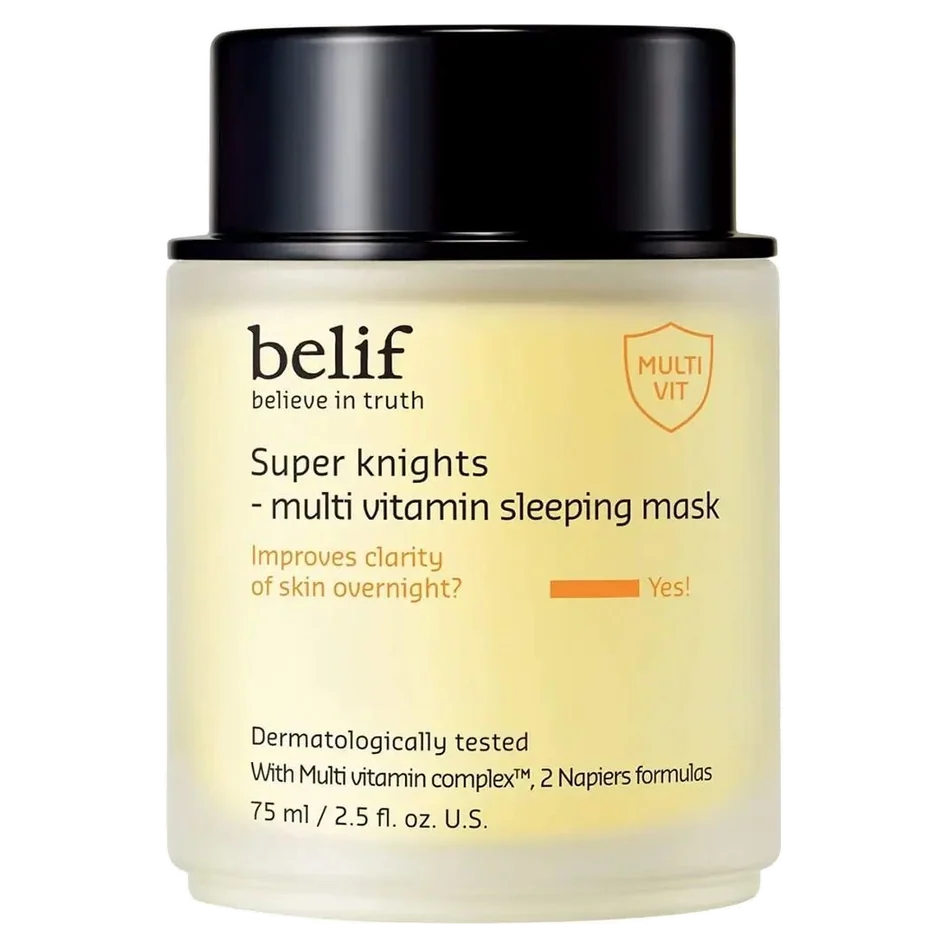
belif
Super Knights Vitamin Mask
14th of 26 on the label
below ≈1%
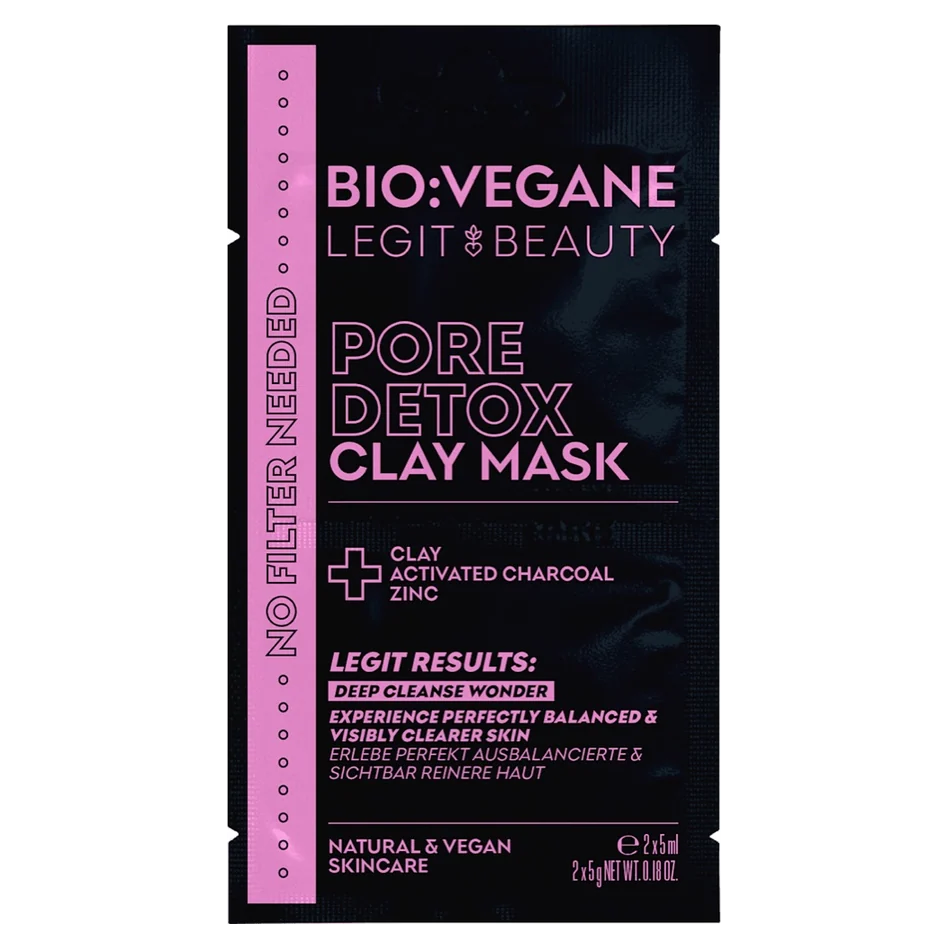
BIO:VEGANE
Gesichtsmaske Pore Detox Clay Mask
8th of 19 on the label
below ≈1%
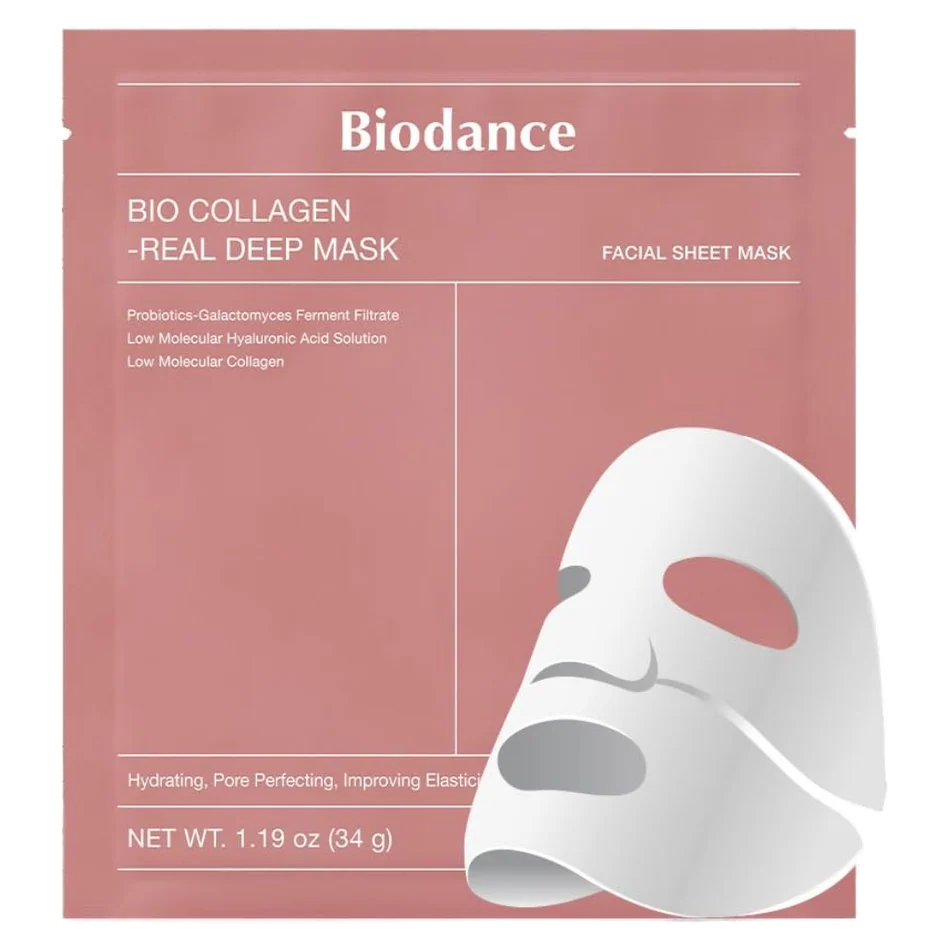
Biodance
Bio-Collagen Real Deep Mask
34th of 34 on the label
below ≈1%
Biodance
Hydro Cera-nol Real Deep Mask
54th of 65 on the label
below ≈1%
Biodance
Refreshing Sea Kelp Real Deep Mask
41st of 43 on the label
below ≈1%
BIOMARIS
Super Rich Mask
7th of 19 on the label
below ≈1%
Bullrich
Tuchmaske Heilerde+Zink
17th of 19 on the label
below ≈1%
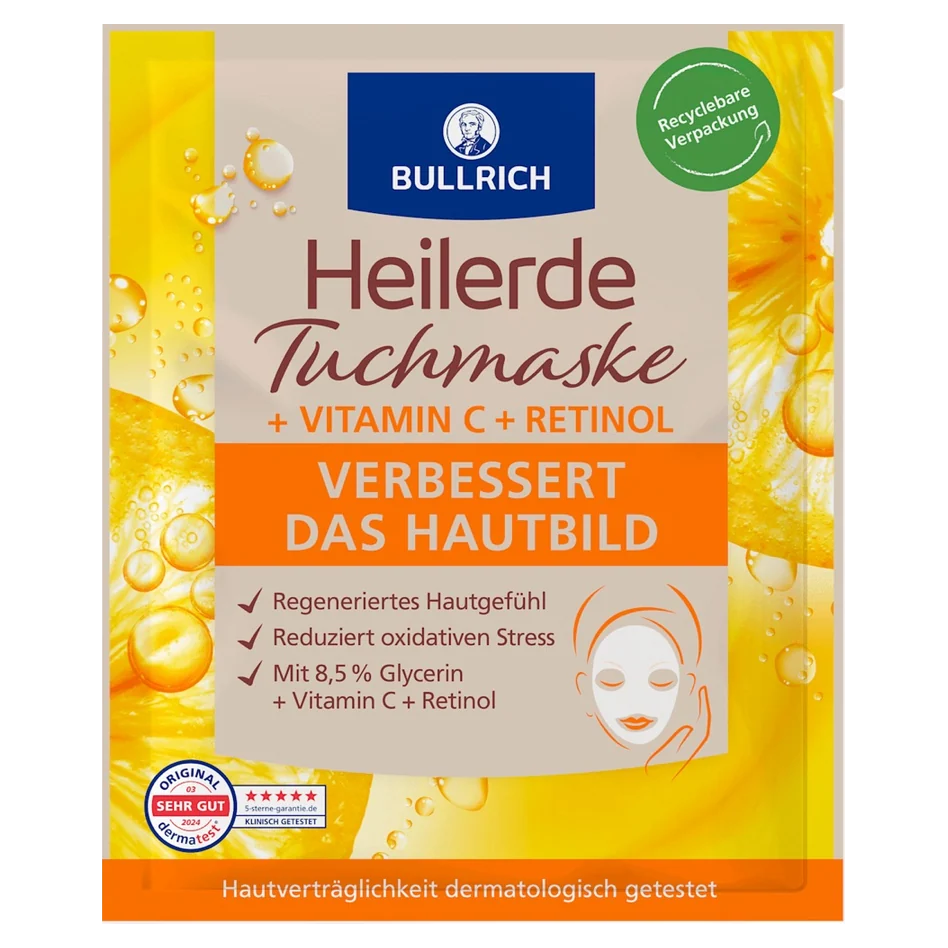
BULLRICH
Tuchmaske Vitamin C + Retinol
8th of 11 on the label
below ≈1%
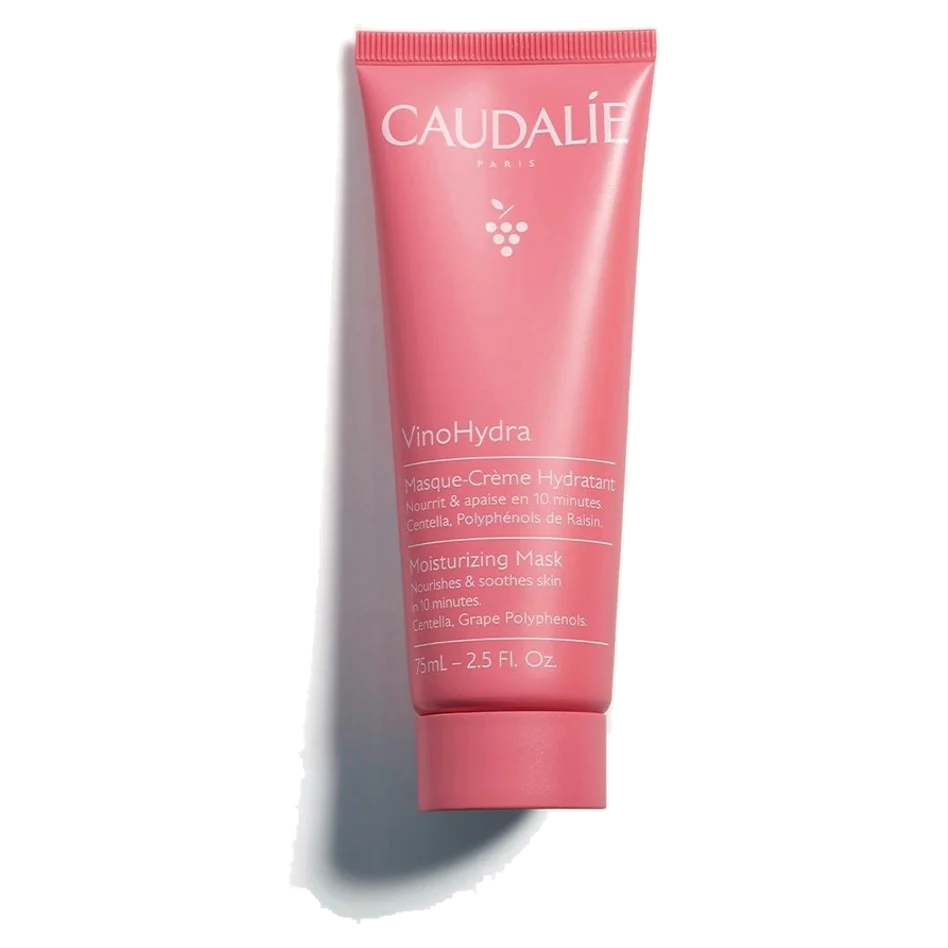
Caudalie
VinoHydra Moisturising Cream Mask (Masque-Creme Hydratant)
22nd of 32 on the label
below ≈1%
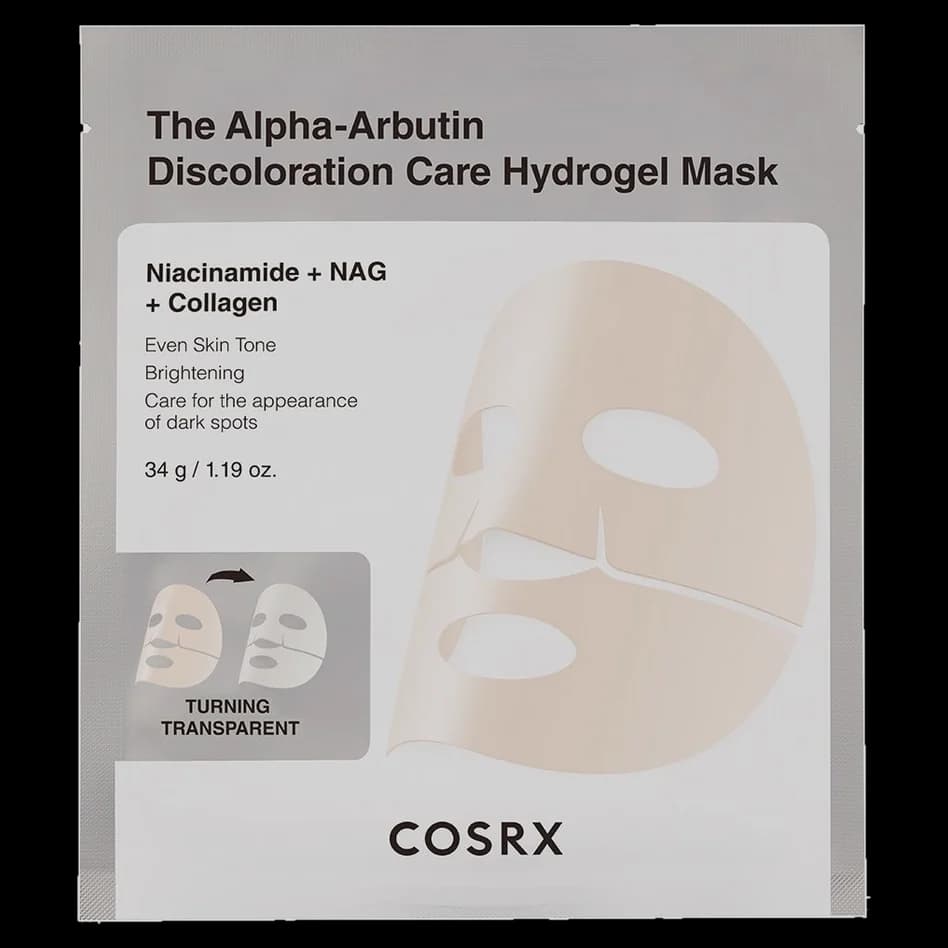
COSRX
The Alpha-Arbutin Discoloration Care Hydrogel Mask
33rd of 44 on the label
below ≈1%
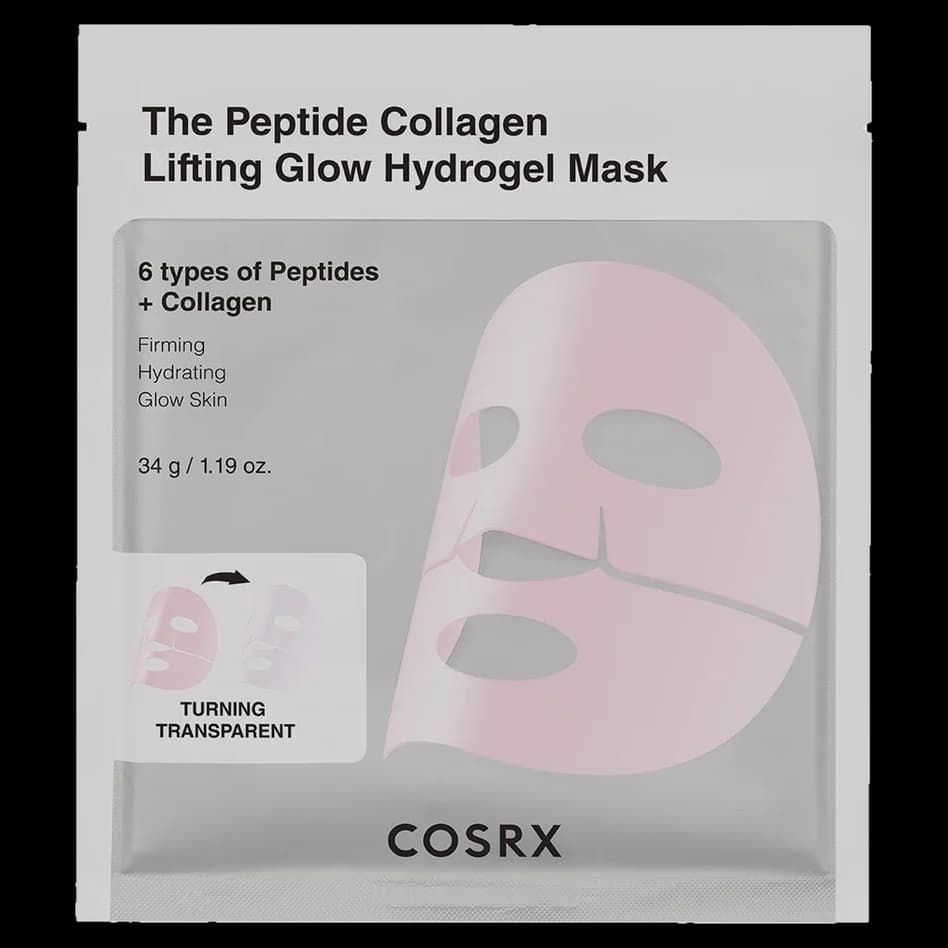
COSRX
The Peptide Collagen Lifting Glow Hydrogel Mask
26th of 49 on the label
below ≈1%
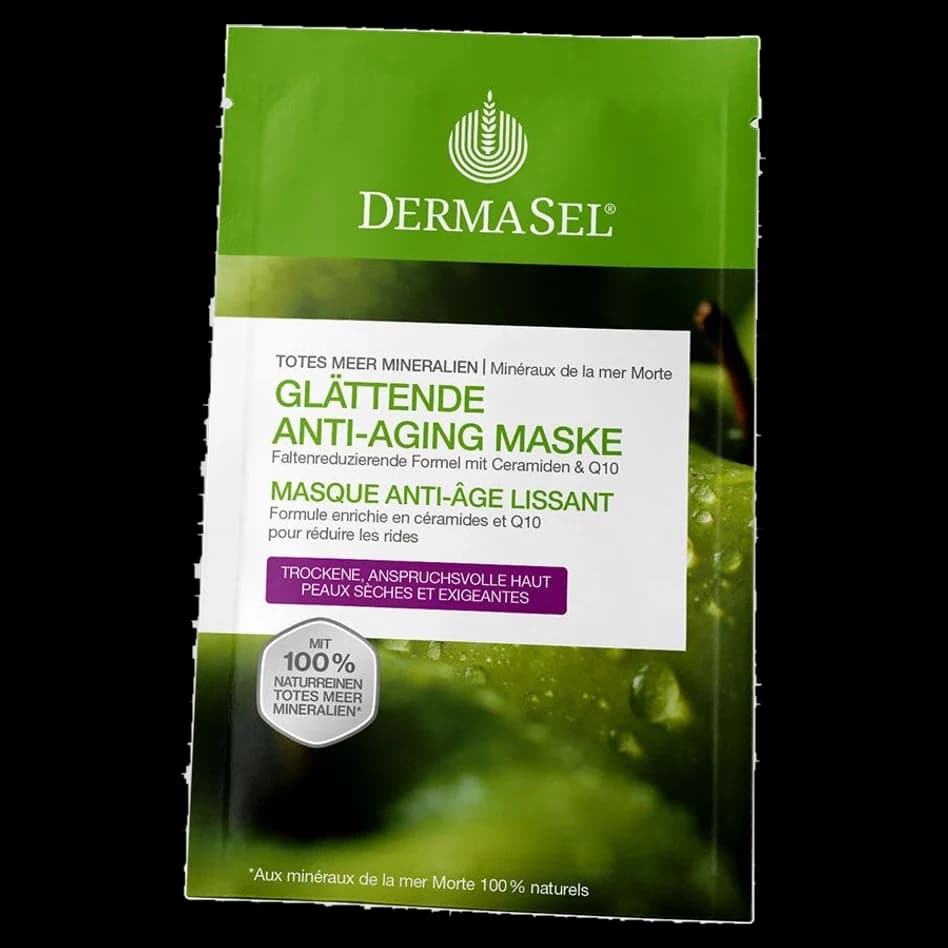
DERMASEL
EXKLUSIV Totes Meer Maske Anti Aging
11th of 26 on the label
below ≈1%
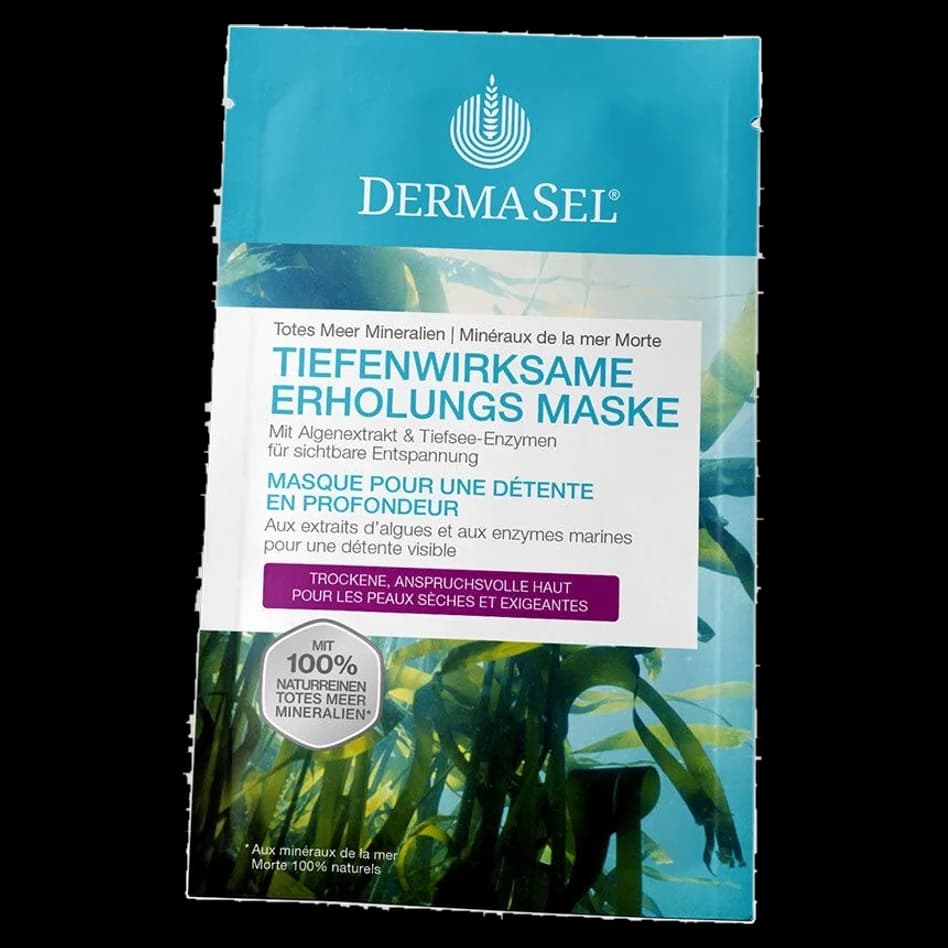
DERMASEL
SPA Totes Meer Maske Erholung
21st of 31 on the label
below ≈1%
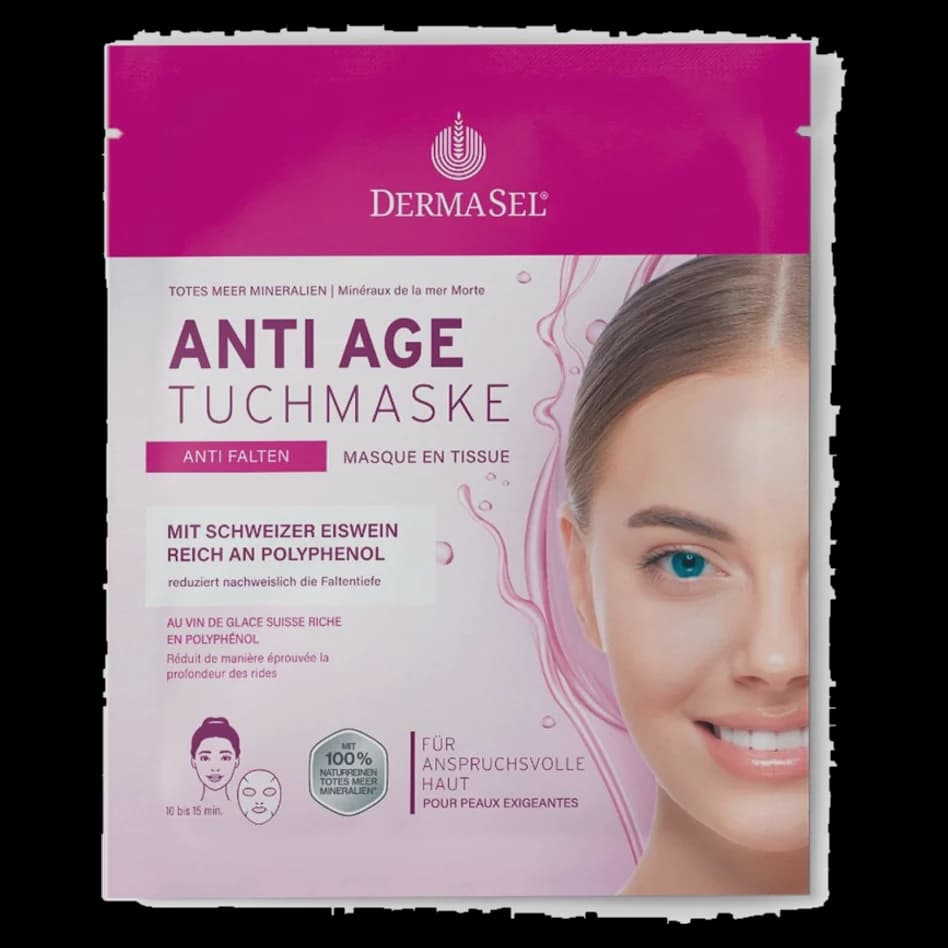
DERMASEL
Totes Meer Anti-Age Tuchmaske
15th of 23 on the label
below ≈1%
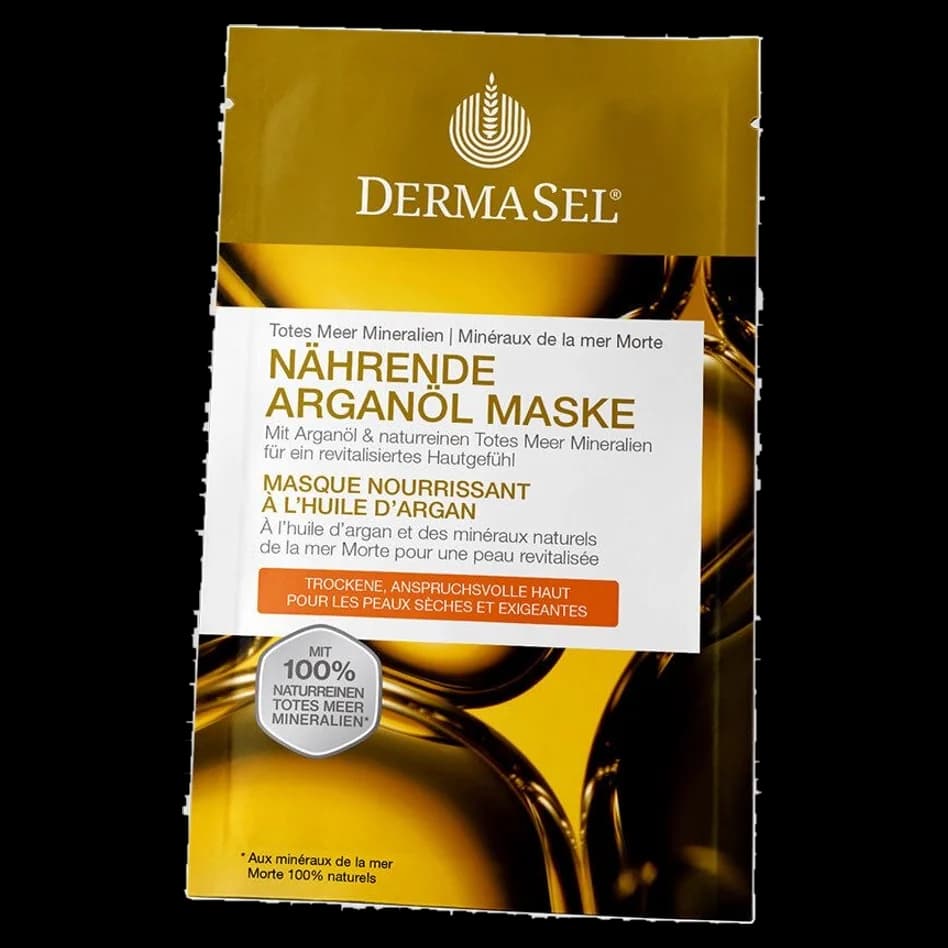
DERMASEL
Totes Meer Mineralien Nährende Arganöl Maske
22nd of 29 on the label
below ≈1%
Dr. Barbara Sturm
Face Mask
12th of 18 on the label
below ≈1%
Dr. Grandel
Timeless Sleeping Cream & Mask
26th of 35 on the label
below ≈1%
Dr. Scheller
Detox Heilmoor Maske
14th of 22 on the label
below ≈1%
Garnier
Salicylic Tissue Mask
24th of 26 on the label
below ≈1%
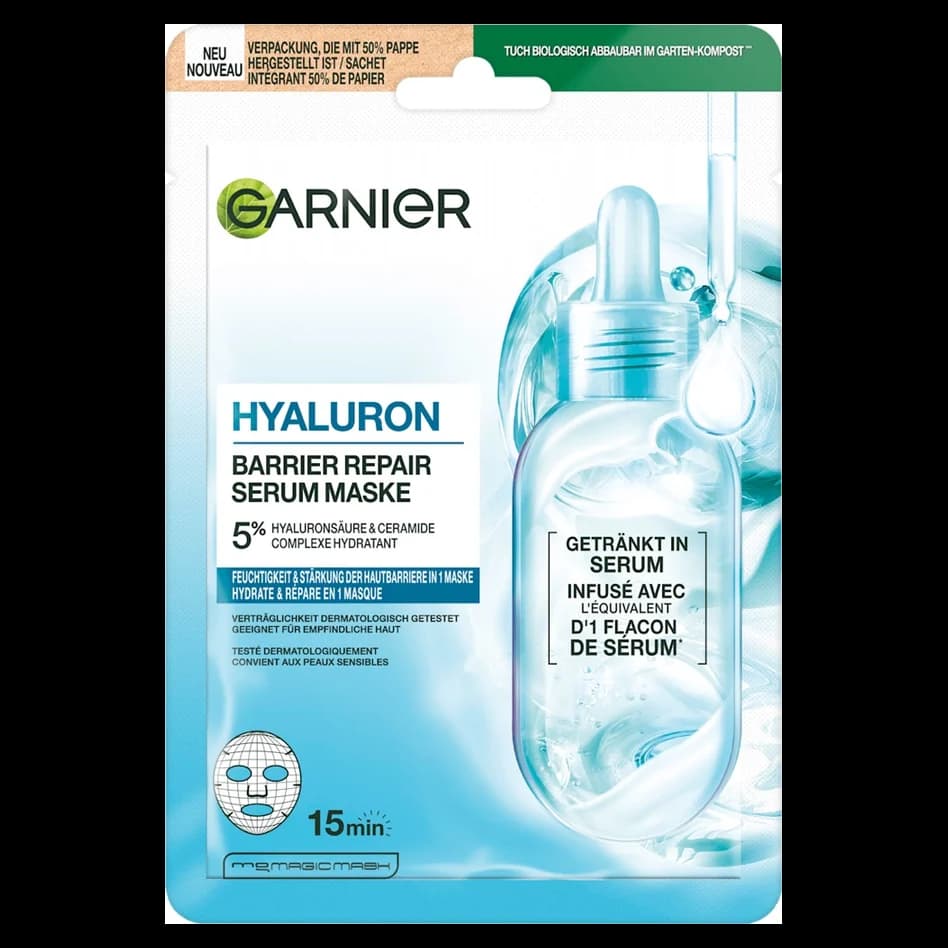
Garnier
SkinActive Hyaluronic Acid Barrier Repair Serum Tissue Mask
23rd of 25 on the label
below ≈1%
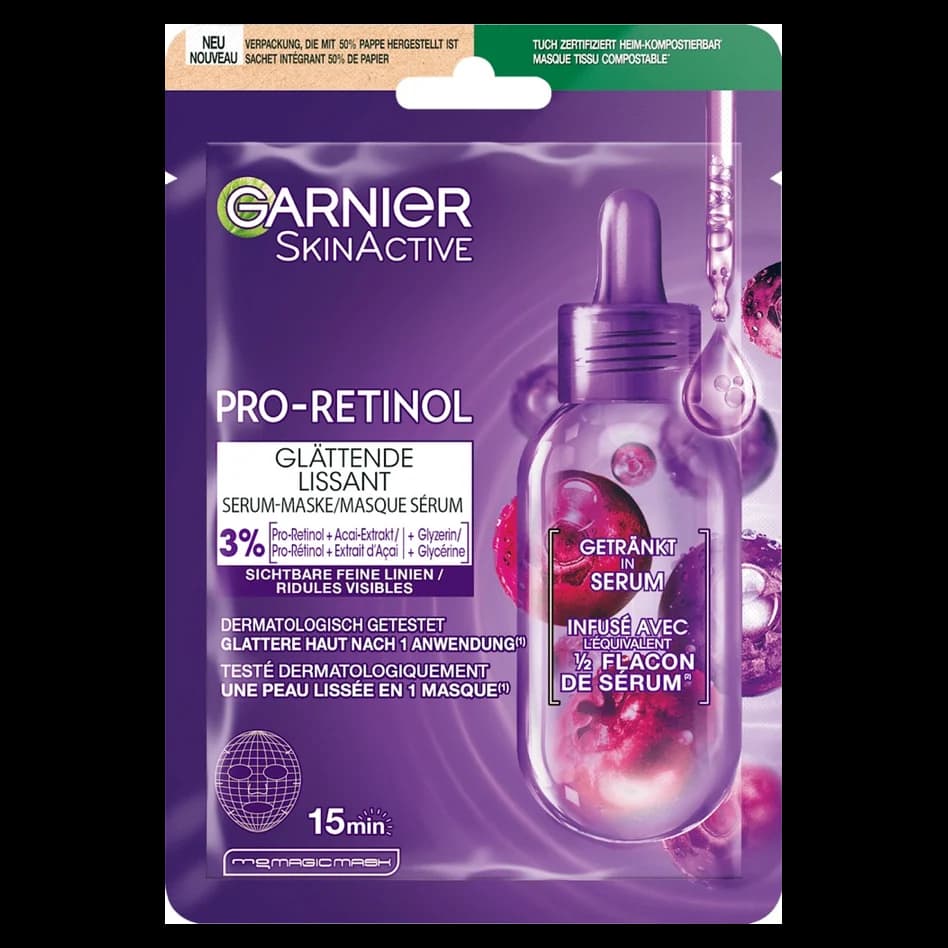
Garnier
SkinActive Pro-Retinol Tissue Mask
21st of 24 on the label
below ≈1%
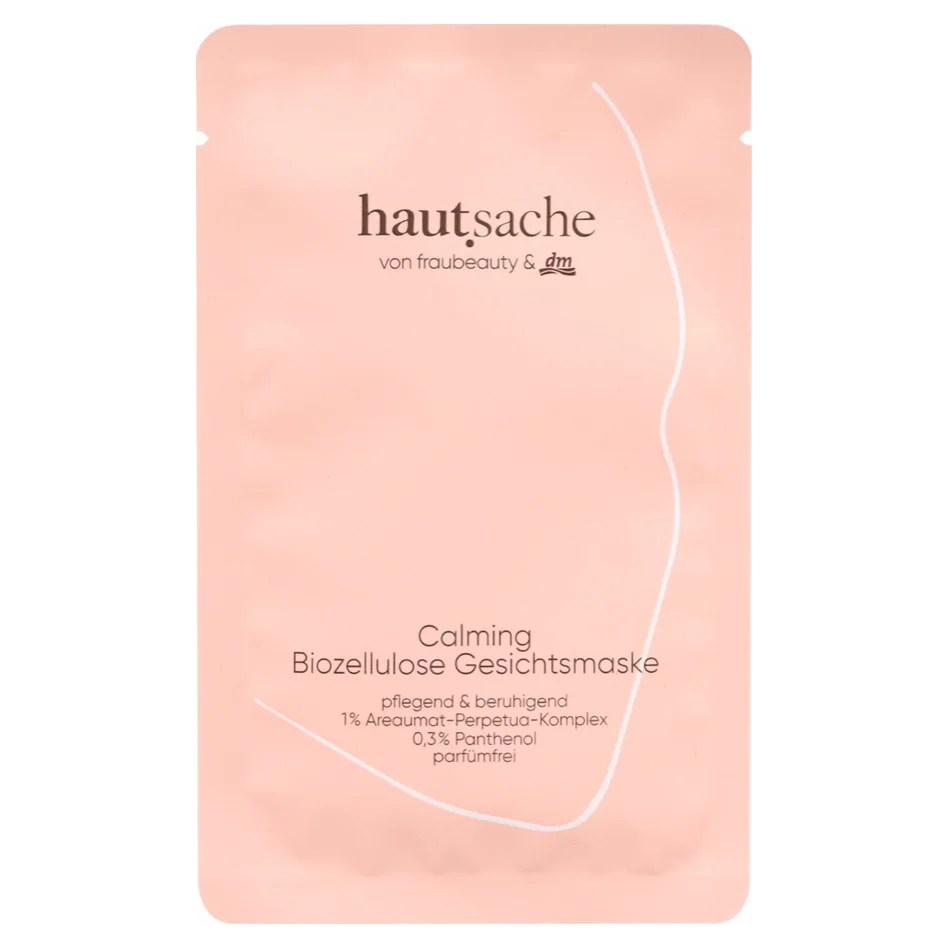
hautsache
Gesichtsmaske Biozellulose Calming
27th of 27 on the label
below ≈1%
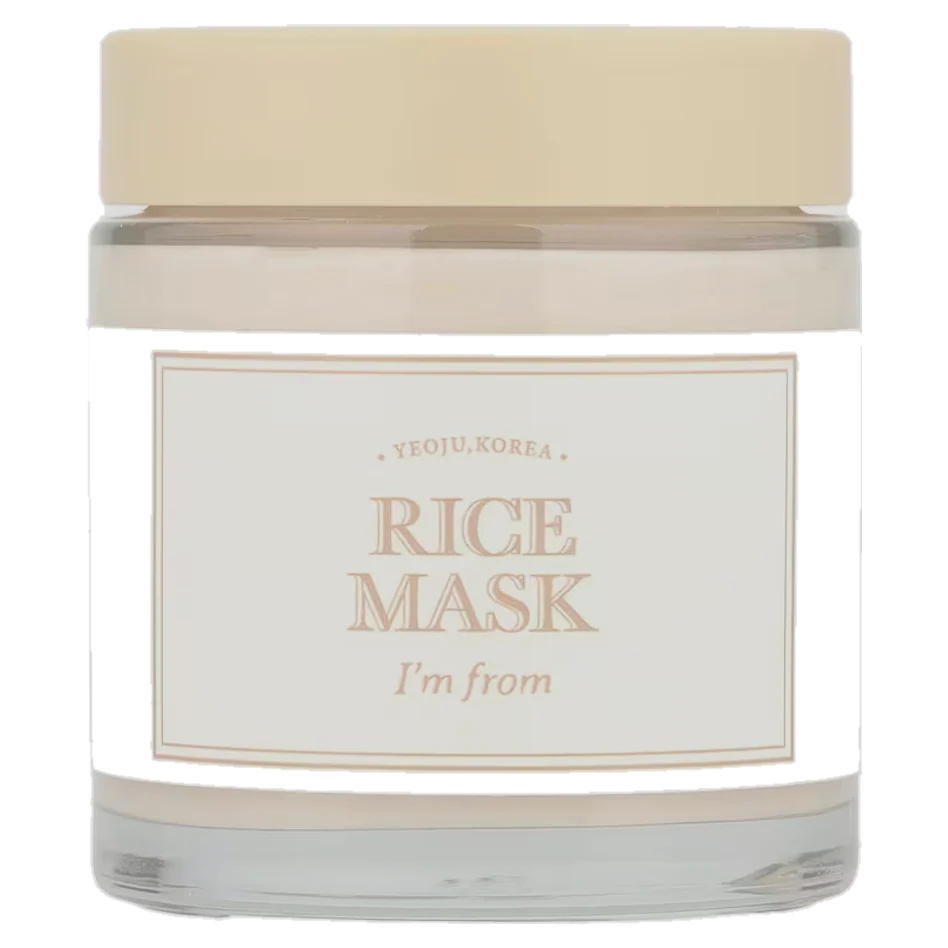
I'm From
Rice Mask
43rd of 43 on the label
below ≈1%
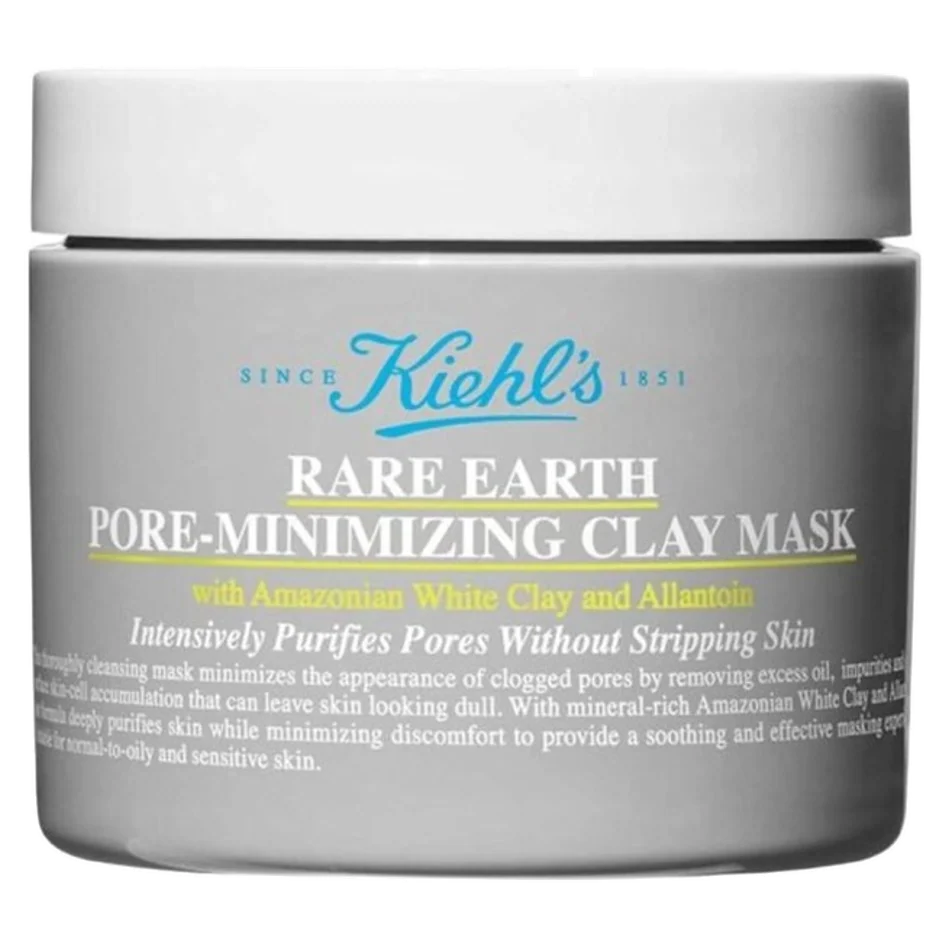
Kiehl's
Rare Earth Pore-Minimizing Clay Mask
17th of 19 on the label
below ≈1%
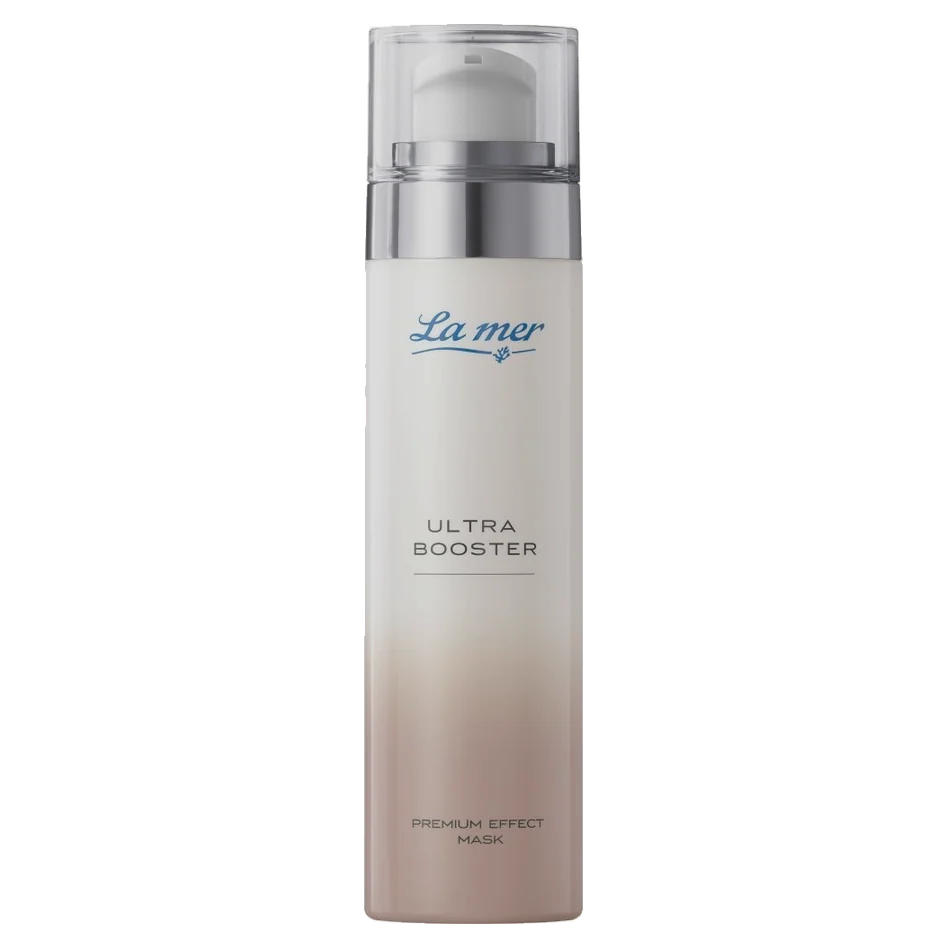
LA MER
Ultra Booster Premium Mask Effect
19th of 41 on the label
below ≈1%
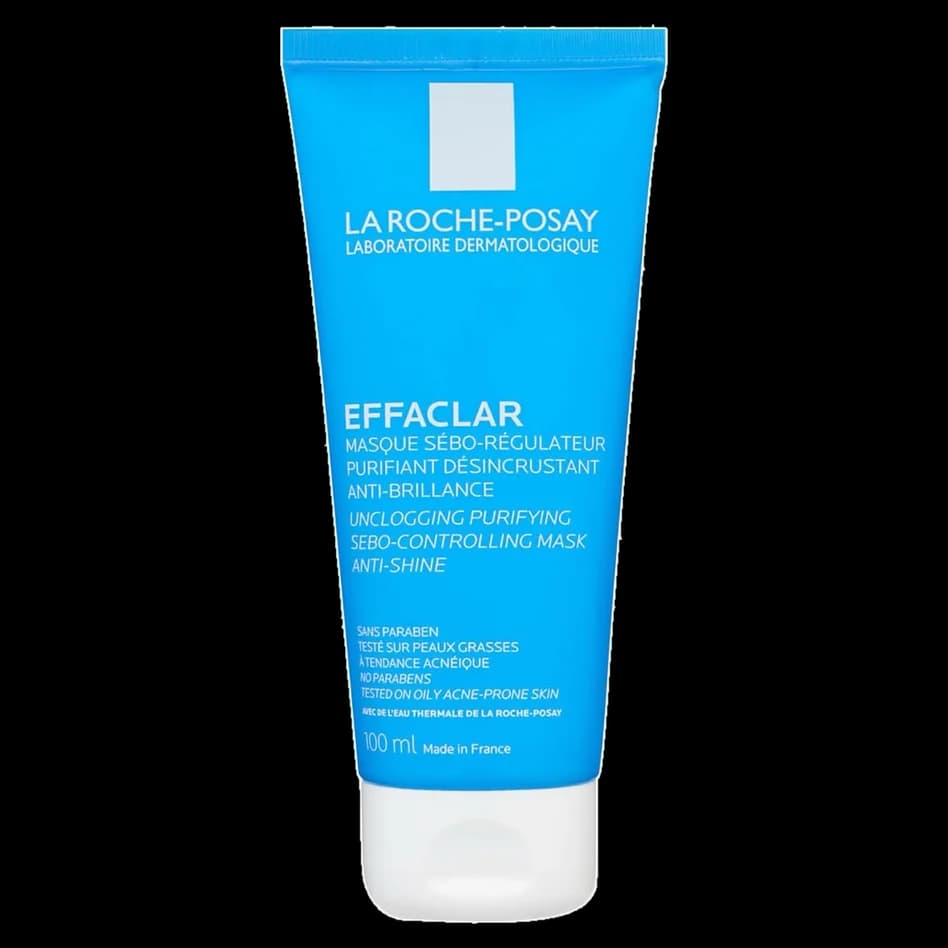
La Roche-Posay
Effaclar Purifying Clay Mask
18th of 20 on the label
below ≈1%
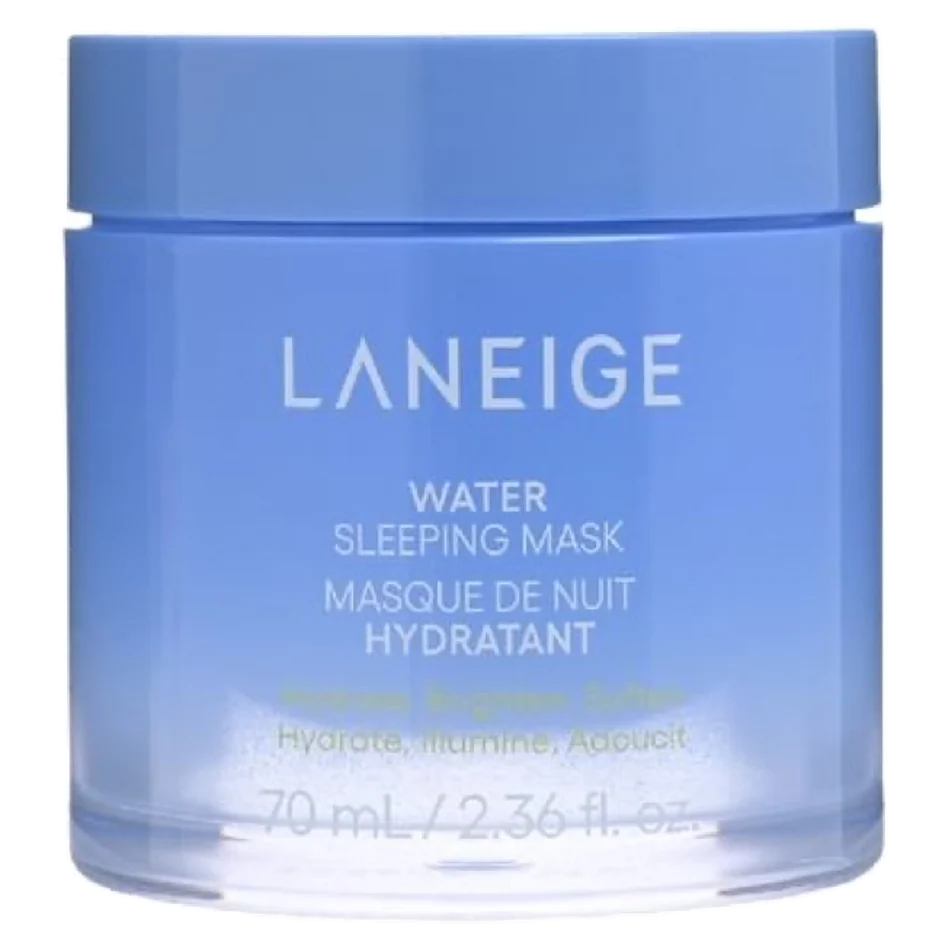
LANEIGE
Water Sleeping Mask
43rd of 43 on the label
below ≈1%
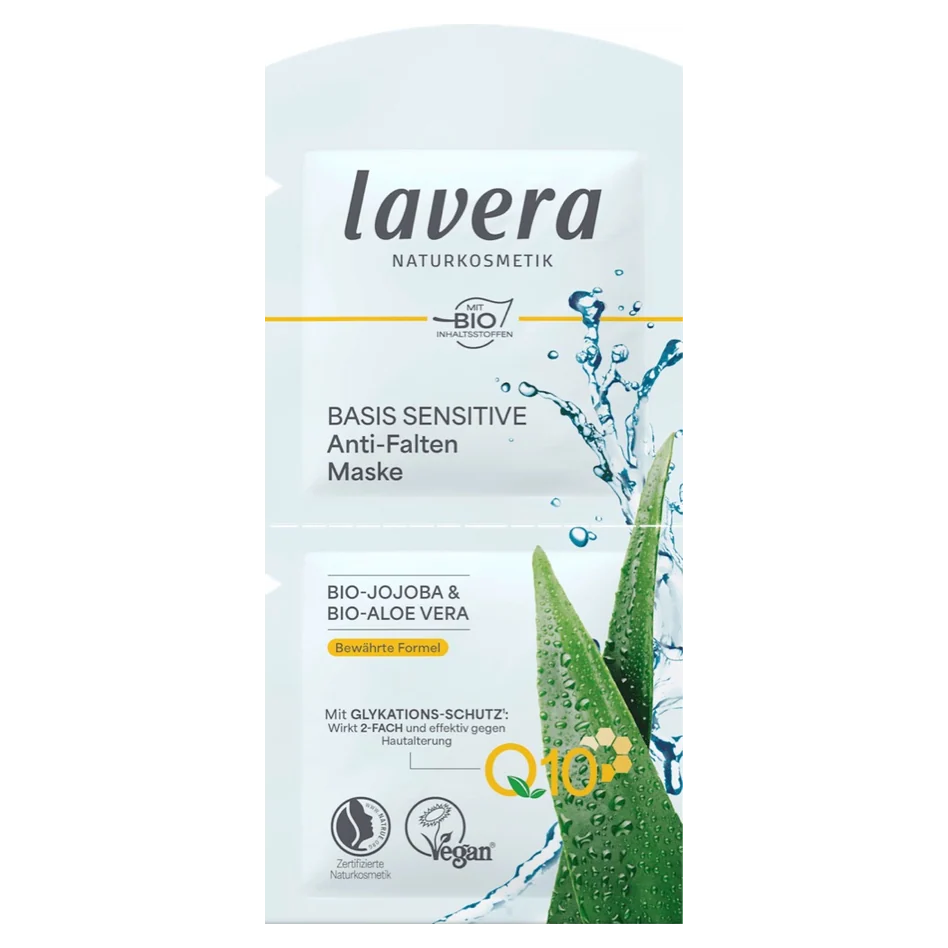
lavera
basis sensitiv Anti-Falten Gesichtsmaske
31st of 42 on the label
below ≈1%
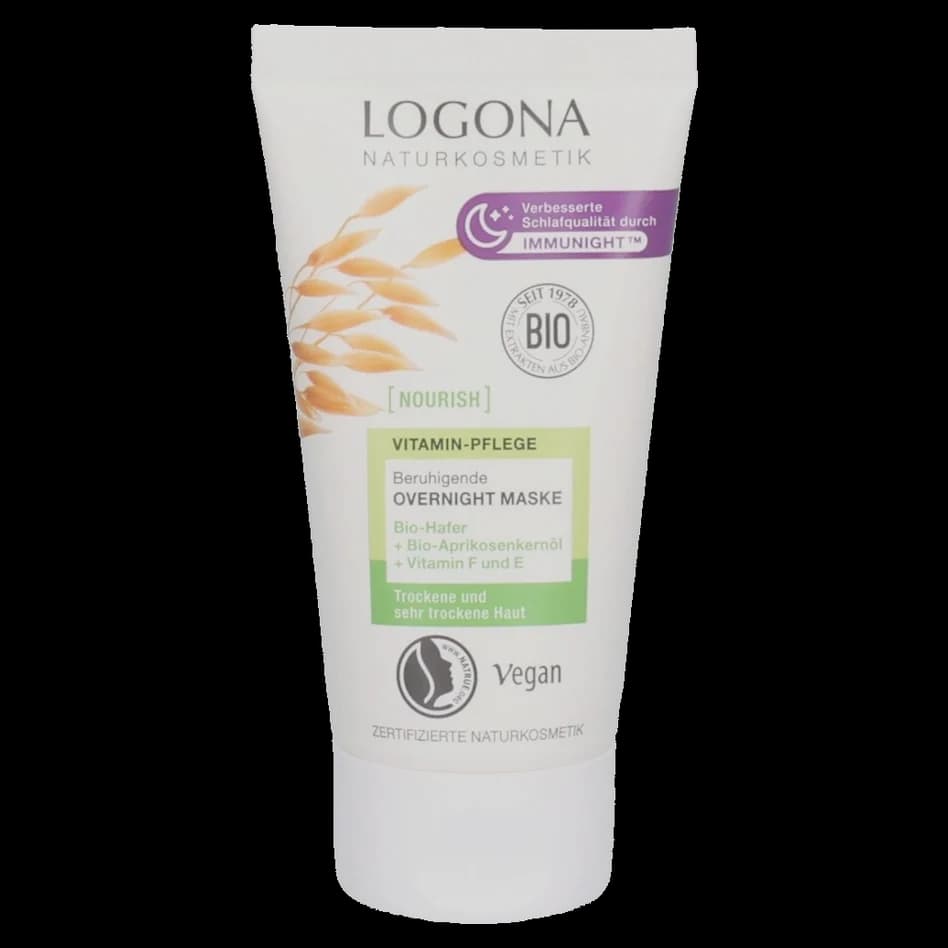
LOGONA
Nourish Beruhigende Overnight Maske
23rd of 53 on the label
below ≈1%
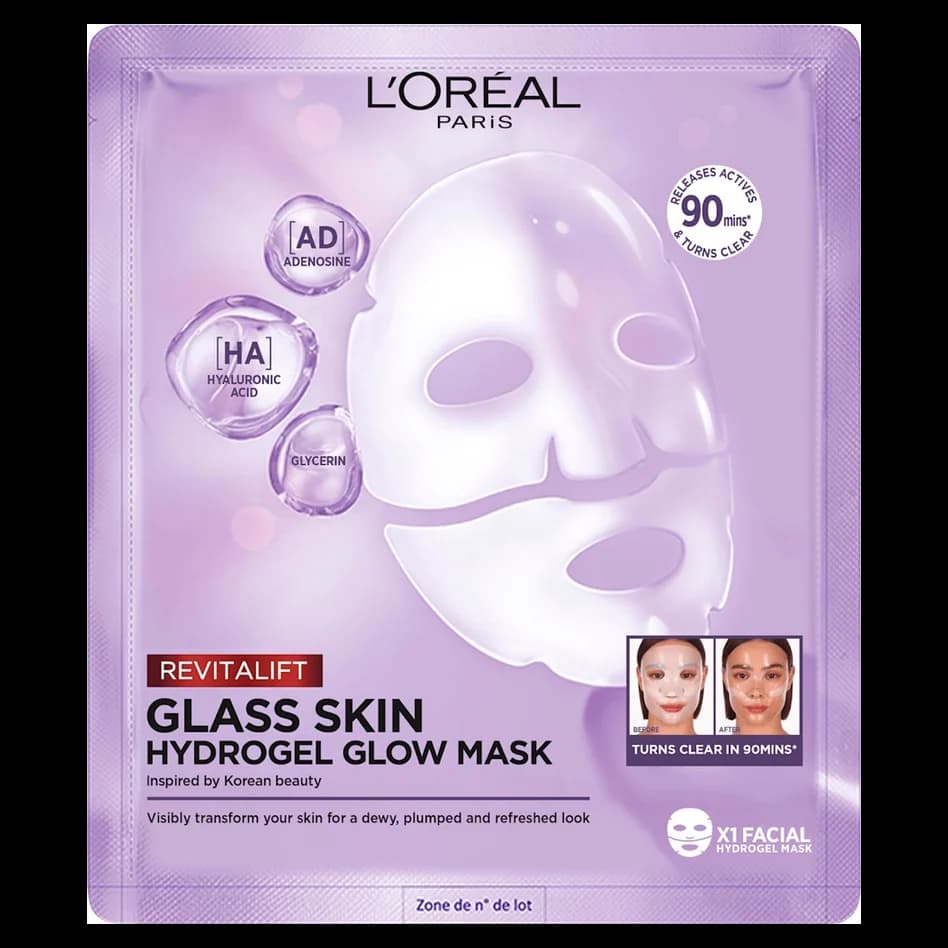
L'Oréal Paris
Revitalift Filler Glass Skin Hydrogel Glow Mask
29th of 32 on the label
below ≈1%
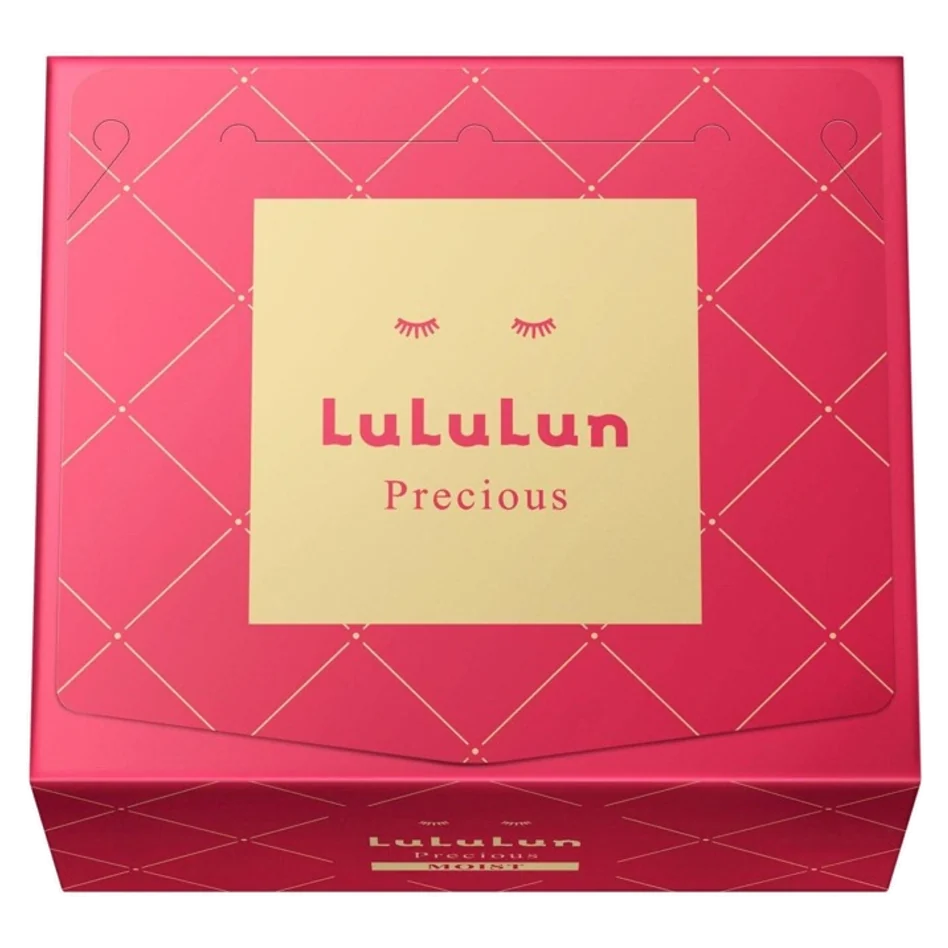
LuLuLun
Precious Face Mask Moist (Red)
12th of 26 on the label
below ≈1%
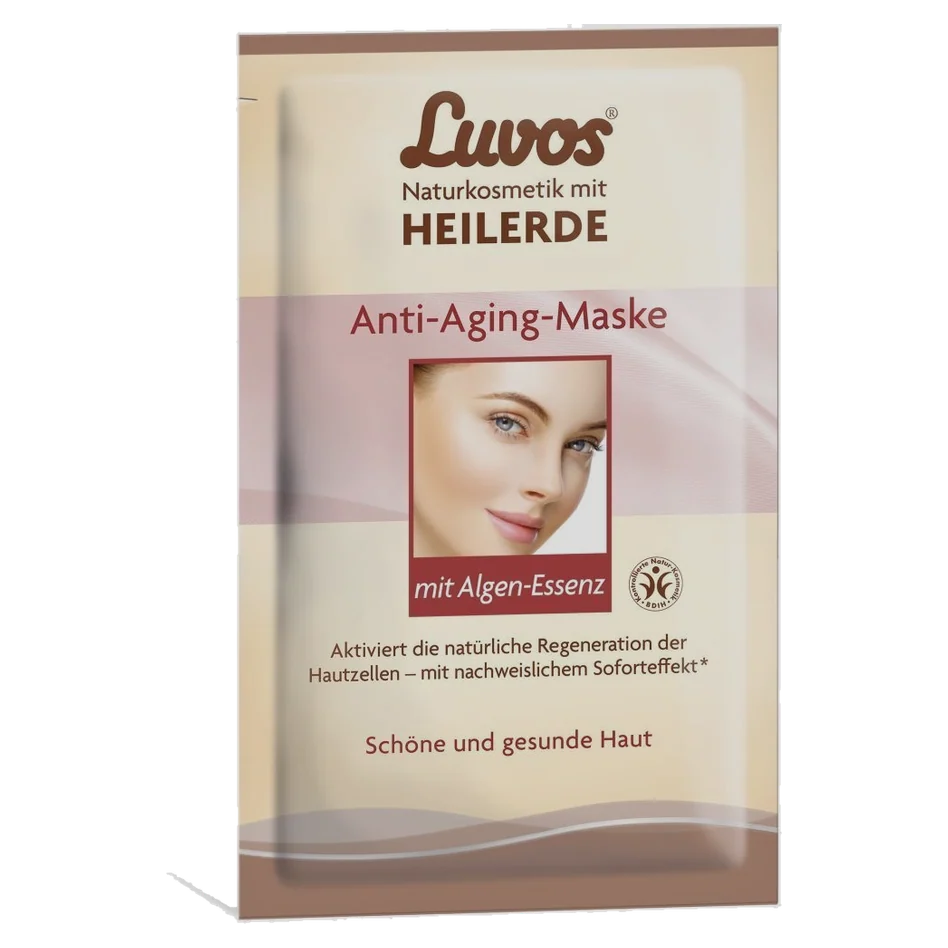
Luvos-Heilerde
Anti-Aging-Maske
18th of 27 on the label
below ≈1%
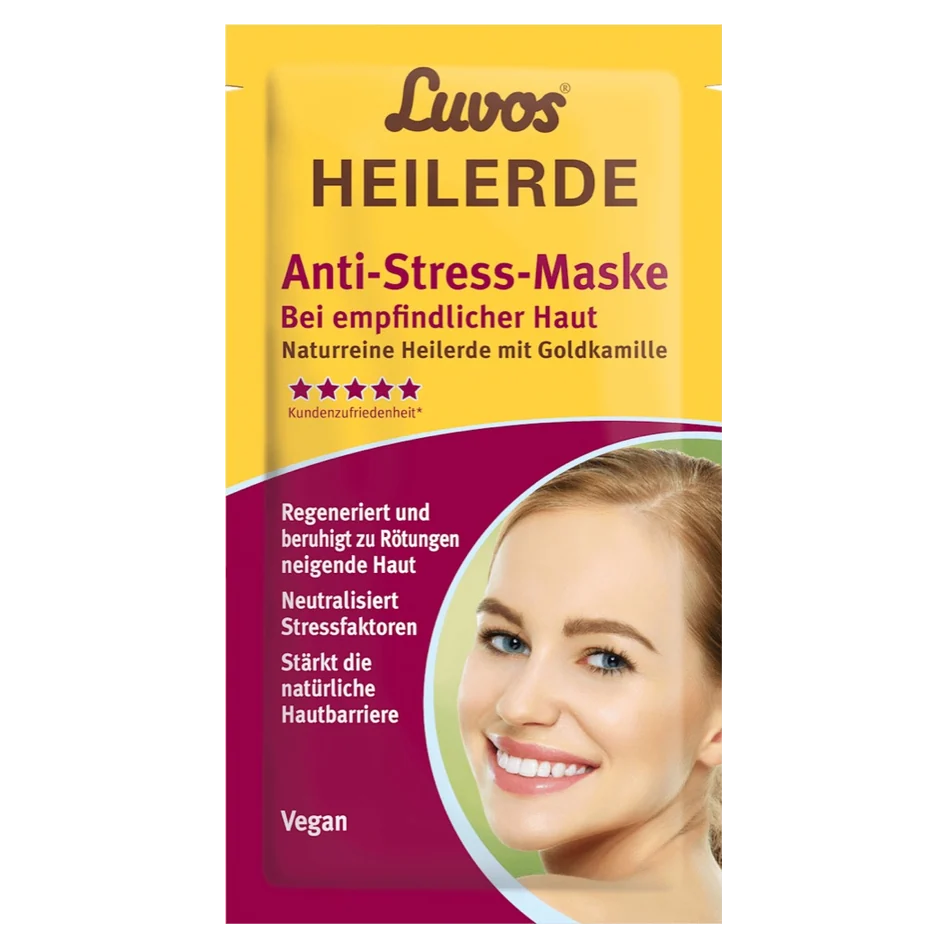
Luvos-Heilerde
Anti-Stress-Maske
20th of 33 on the label
below ≈1%
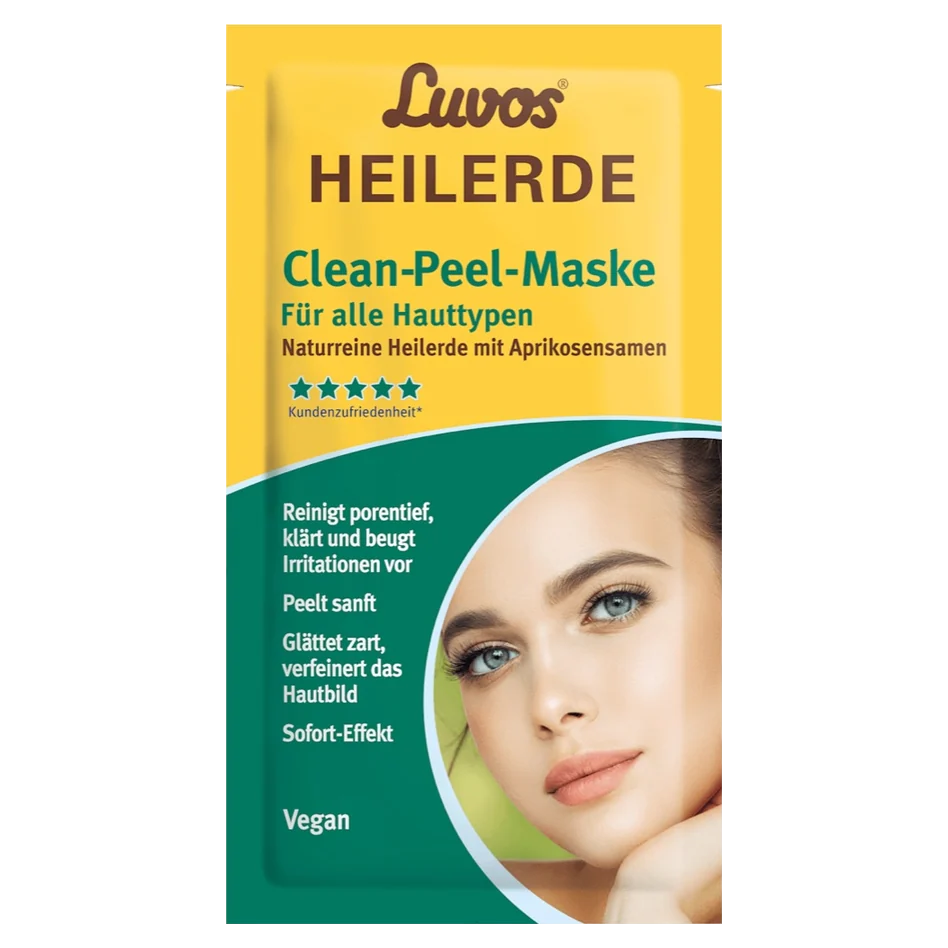
Luvos-Heilerde
Clean-Peel-Maske
16th of 29 on the label
below ≈1%
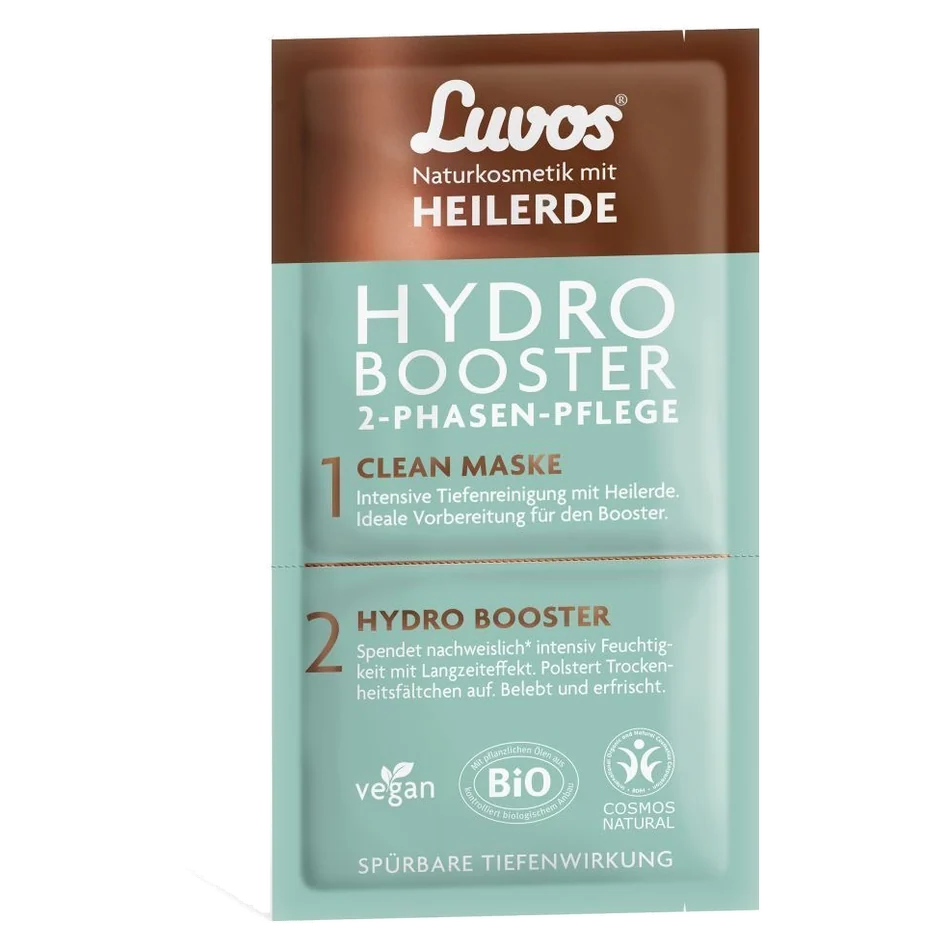
Luvos-Heilerde
Hydro Booster mit Clean Maske
12th of 63 on the label
below ≈1%
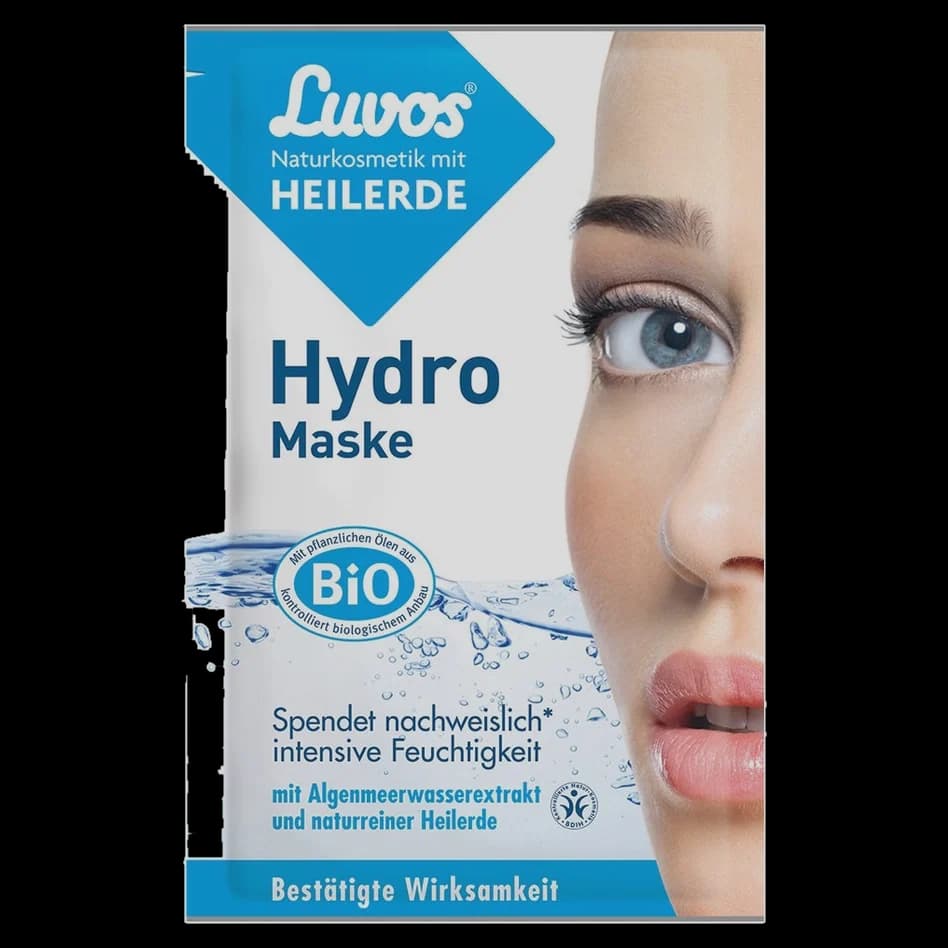
Luvos-Heilerde
Hydro-Maske
20th of 33 on the label
below ≈1%
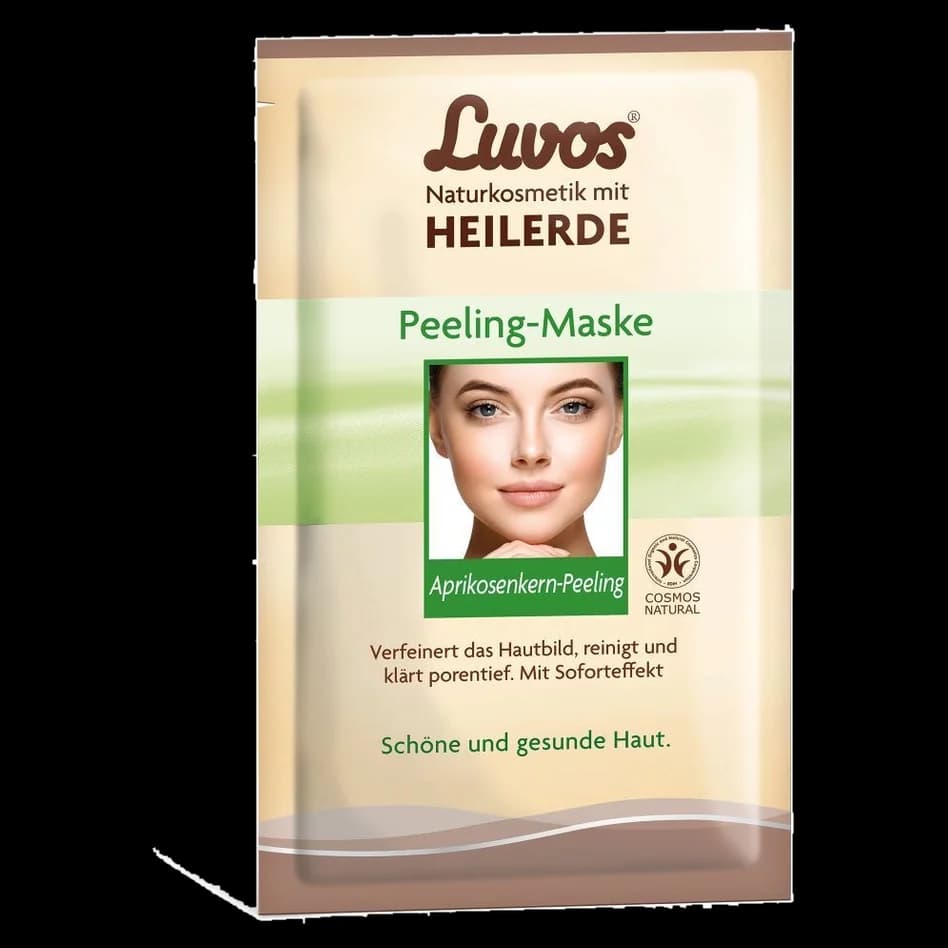
Luvos-Heilerde
Peeling-Maske
17th of 29 on the label
below ≈1%
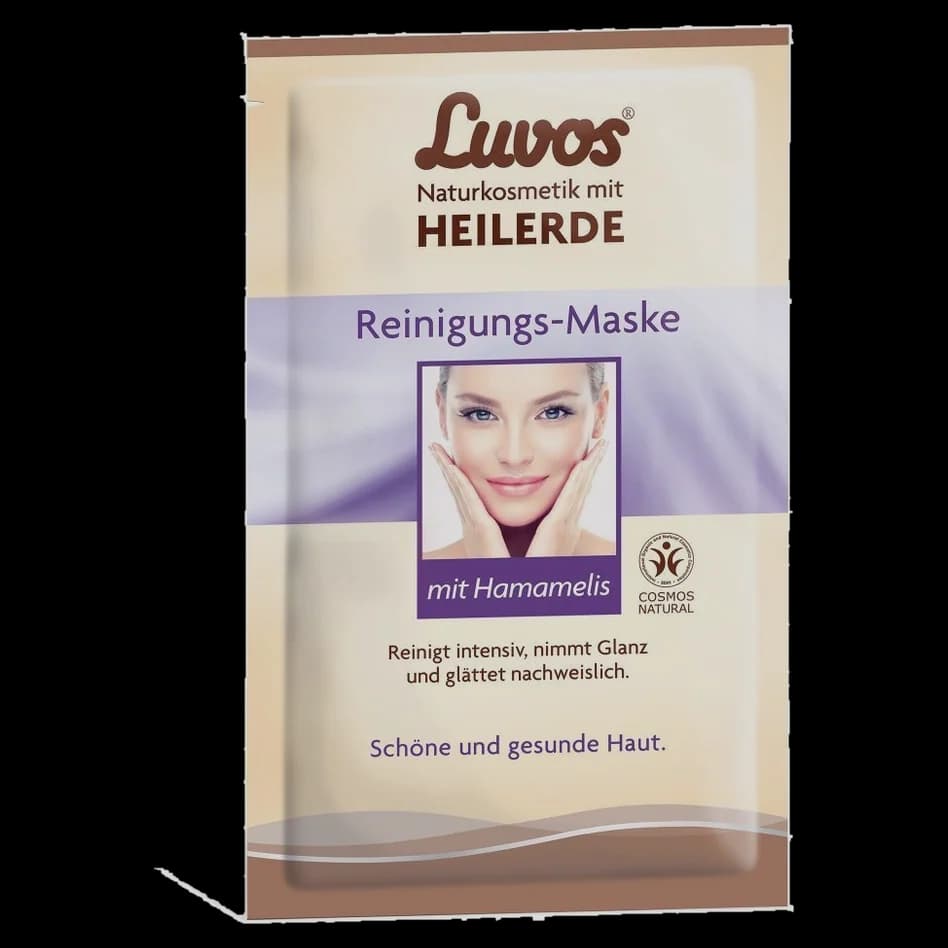
Luvos-Heilerde
Reinigungs-Maske
18th of 28 on the label
below ≈1%
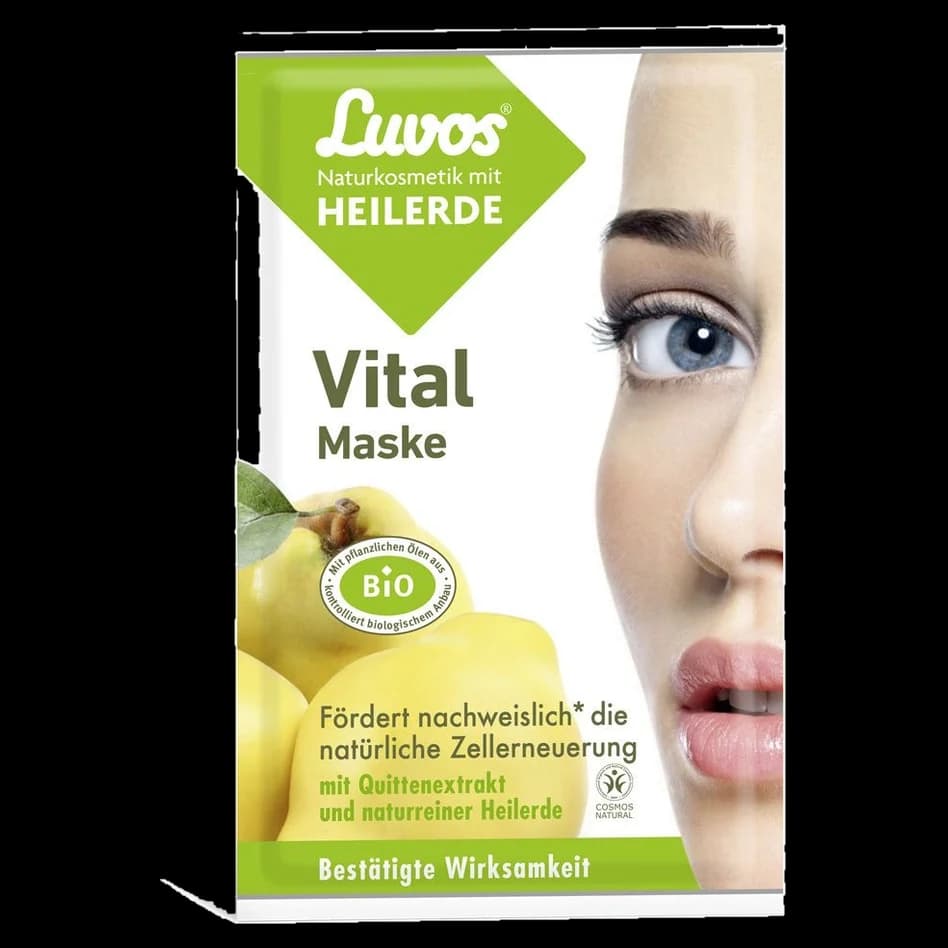
Luvos-Heilerde
Vital-Maske
19th of 30 on the label
below ≈1%
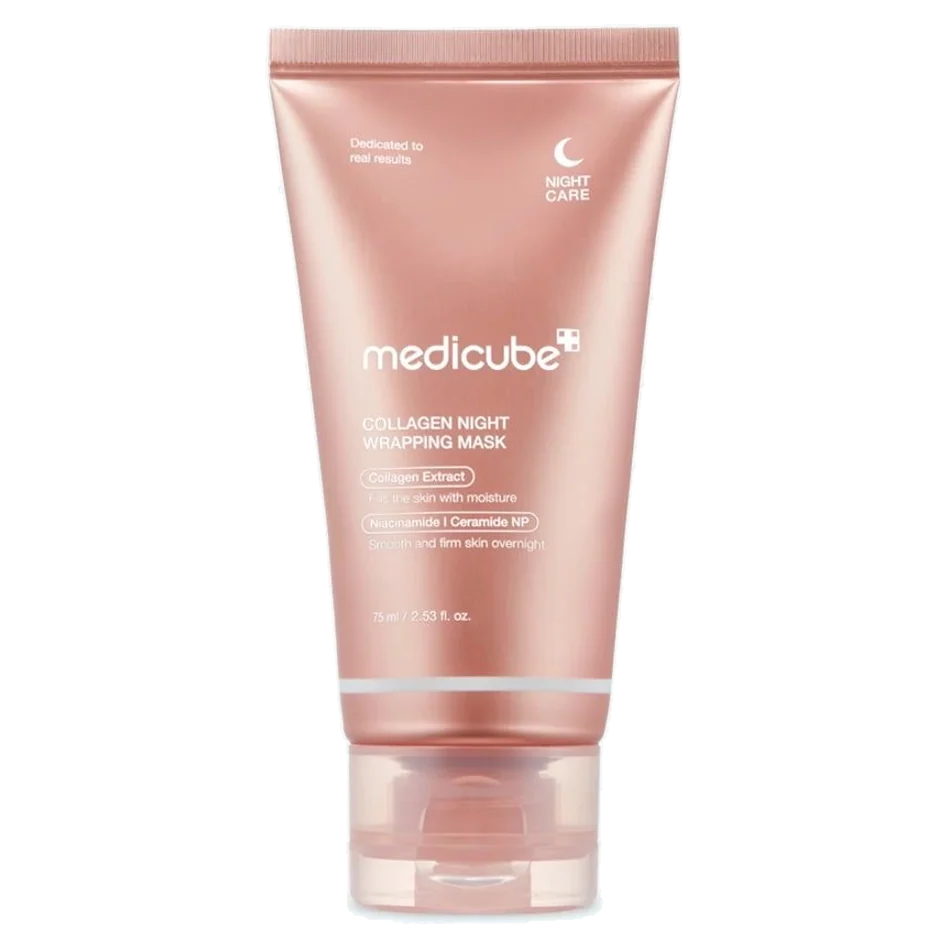
Medicube
Collagen Night Wrapping Mask
21st of 24 on the label
below ≈1%
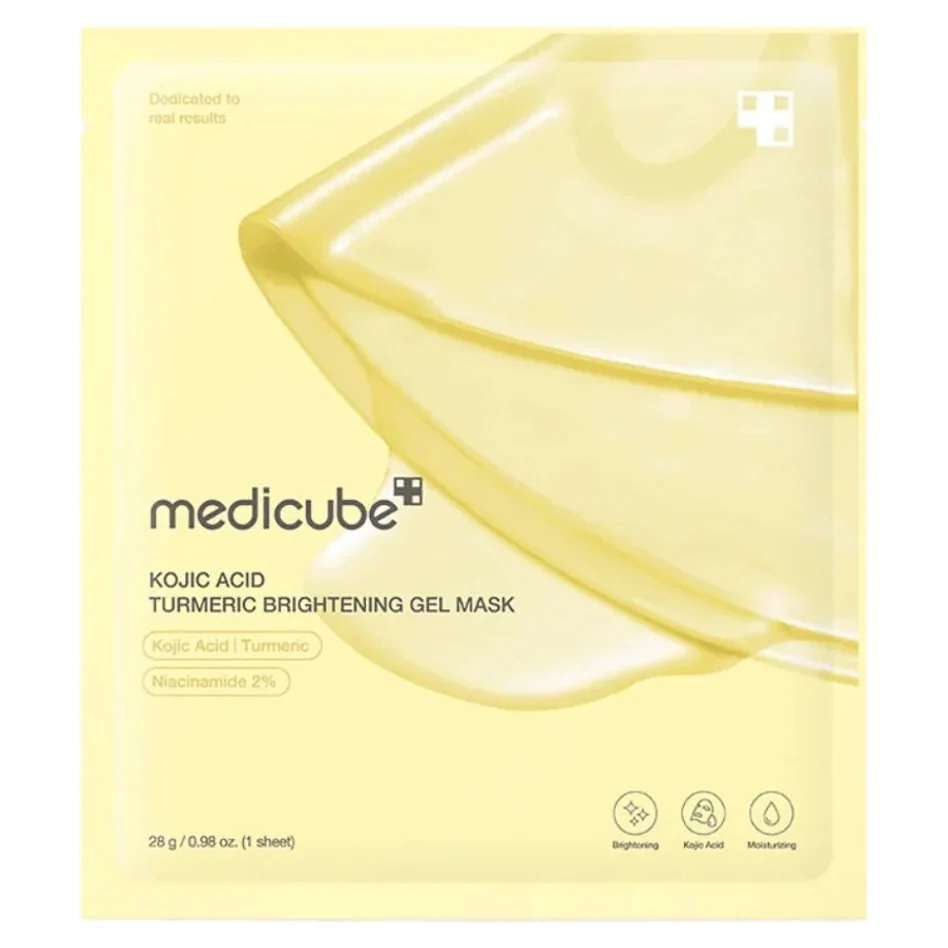
Medicube
Kojic Acid Turmeric Brightening Gel Mask
32nd of 35 on the label
below ≈1%
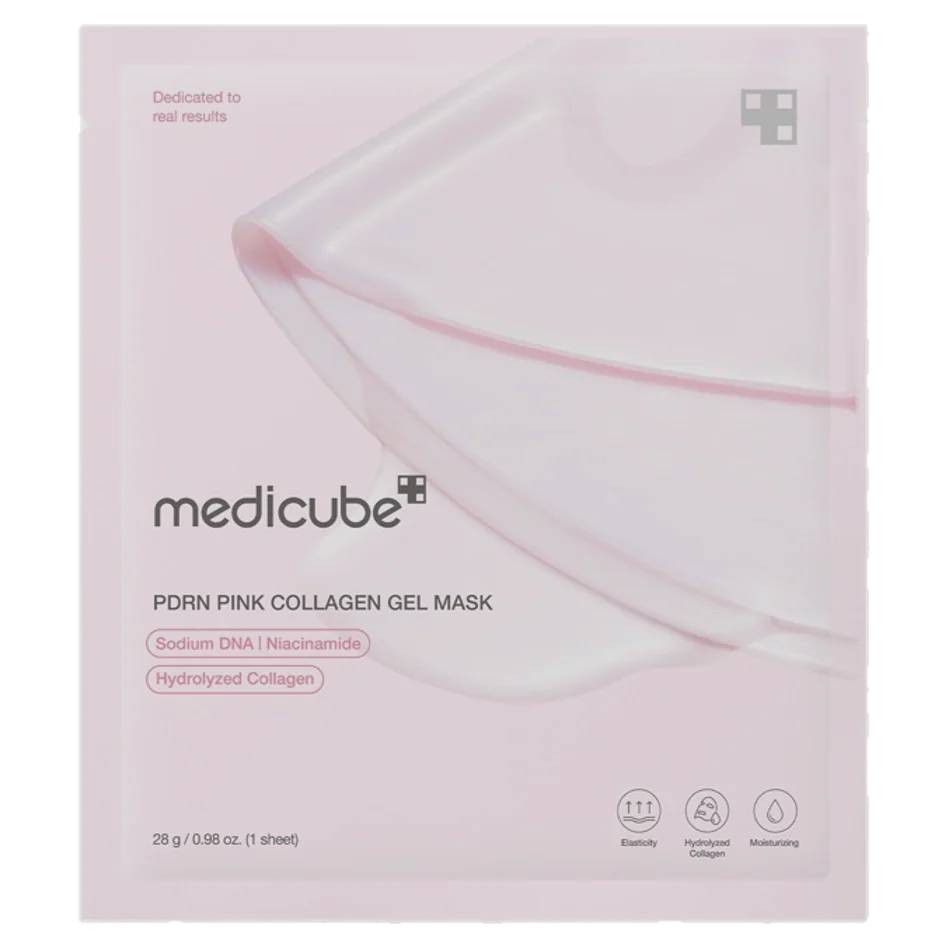
Medicube
PDRN Pink Collagen Gel Mask
30th of 43 on the label
below ≈1%
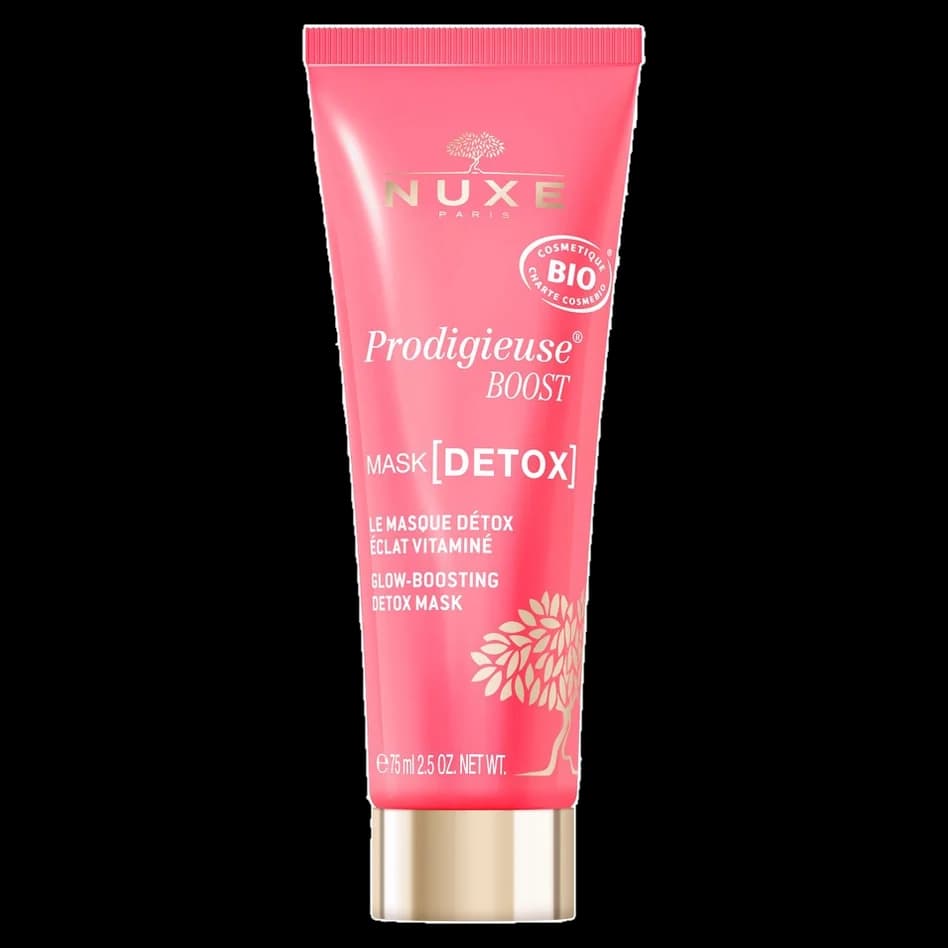
NUXE
Prodigieuse Boost Clarifying Detox Mask
10th of 14 on the label
below ≈1%
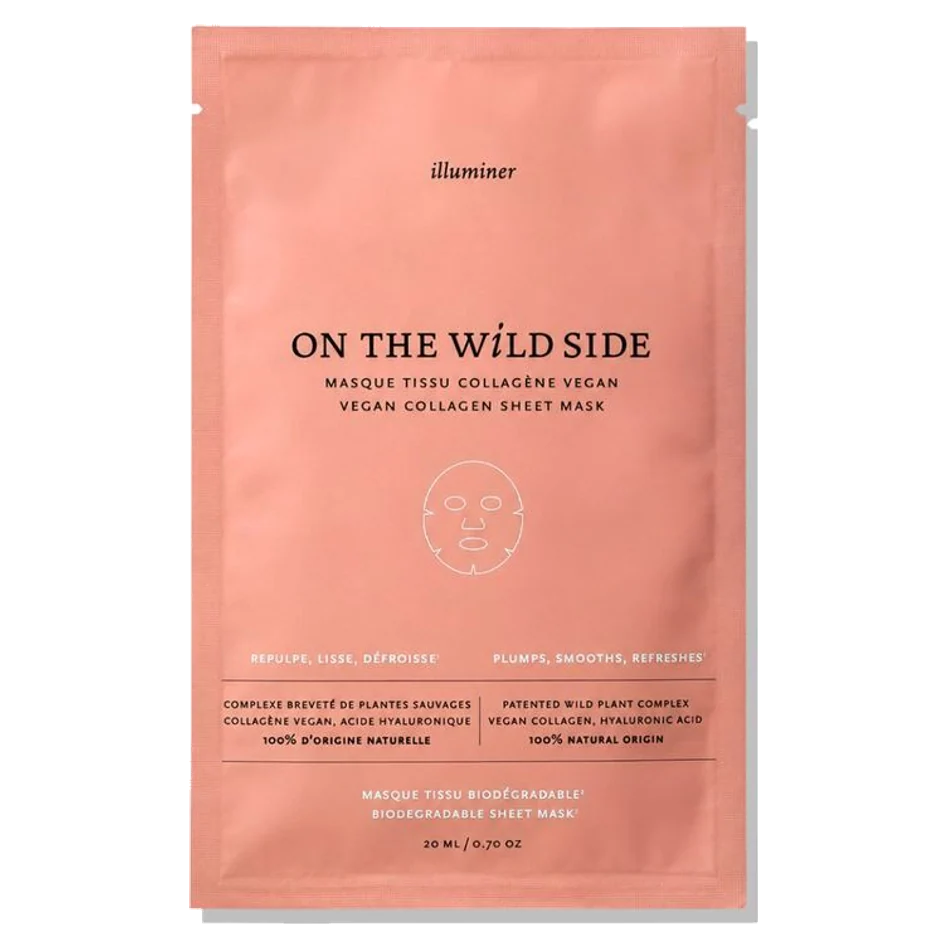
On The Wild Side
Sheet Mask Bio Cellulose Collagène Vegan
11th of 24 on the label
below ≈1%
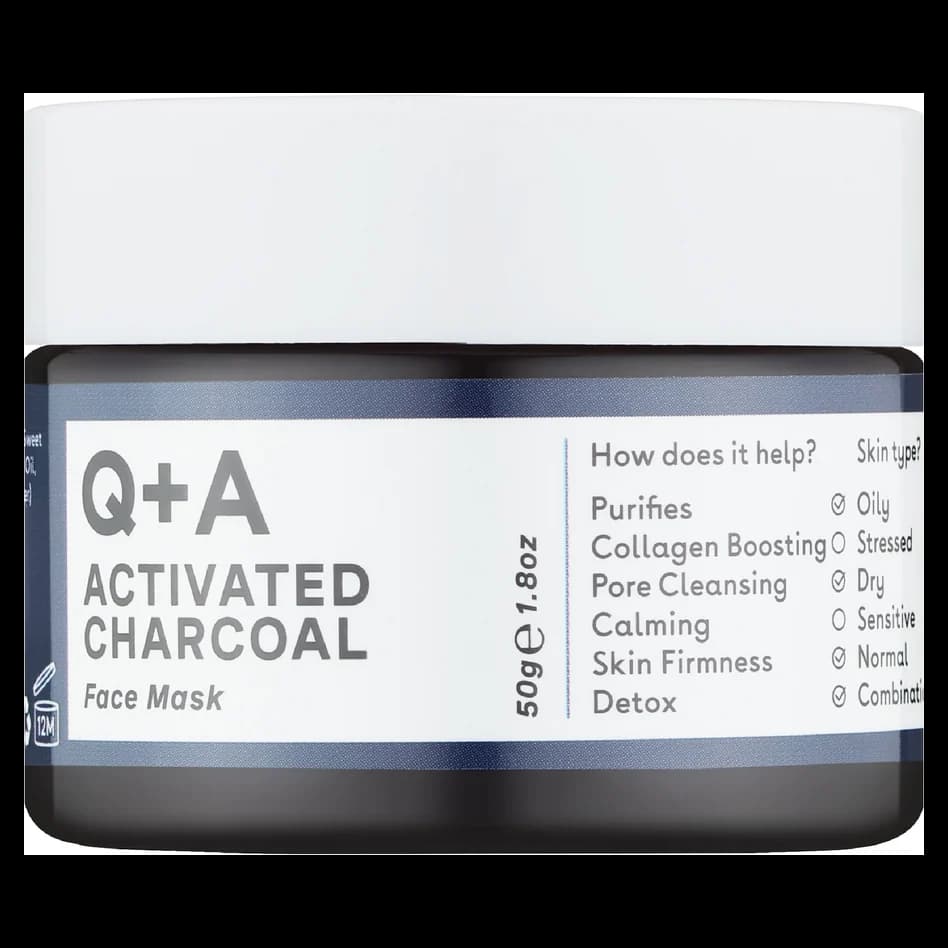
Q+A
Activated Charcoal Face Mask
17th of 18 on the label
below ≈1%
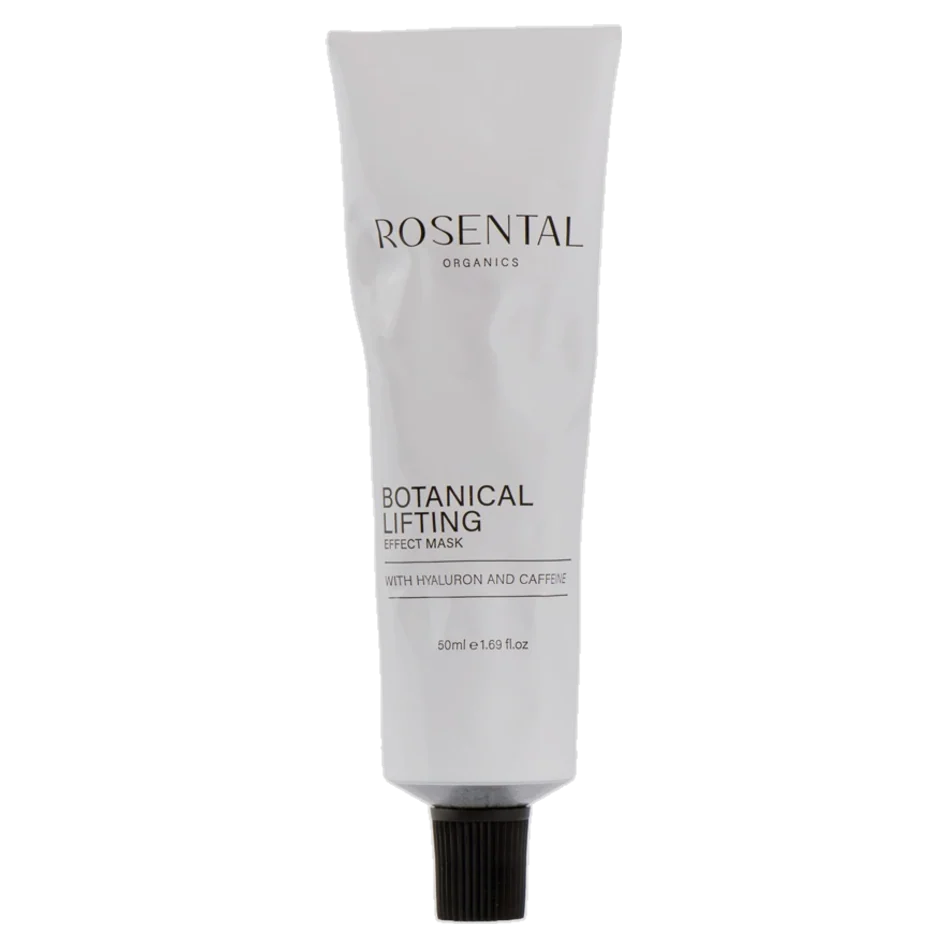
Rosental Organics
Botanical Lifting Effect Mask
24th of 28 on the label
below ≈1%
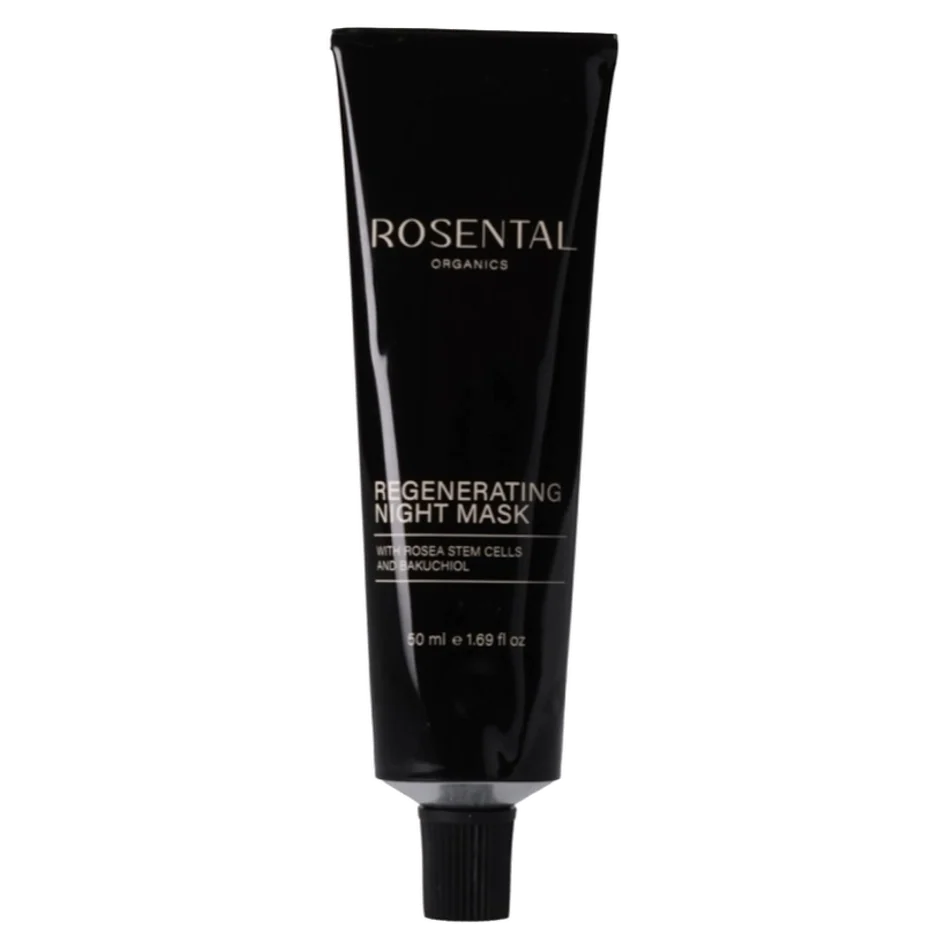
Rosental Organics
Regenerating Night Mask
35th of 44 on the label
below ≈1%
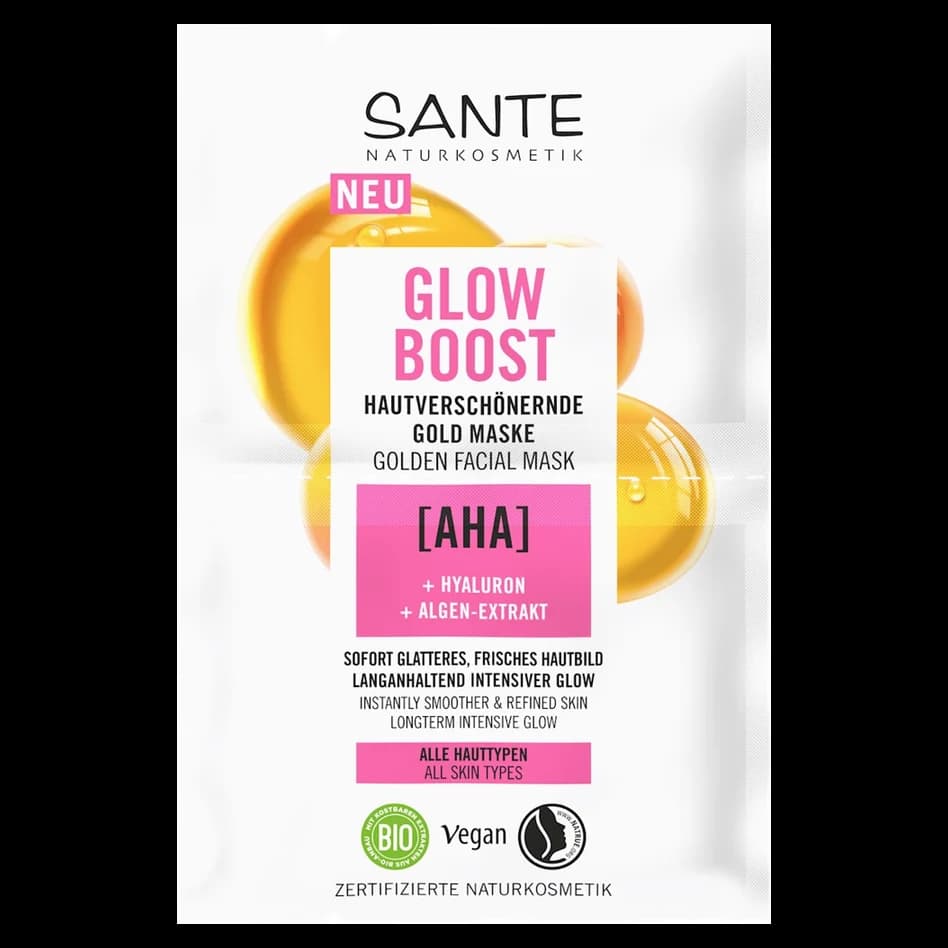
Santé Naturkosmetik
Glow Boost Maske AHA
14th of 29 on the label
below ≈1%
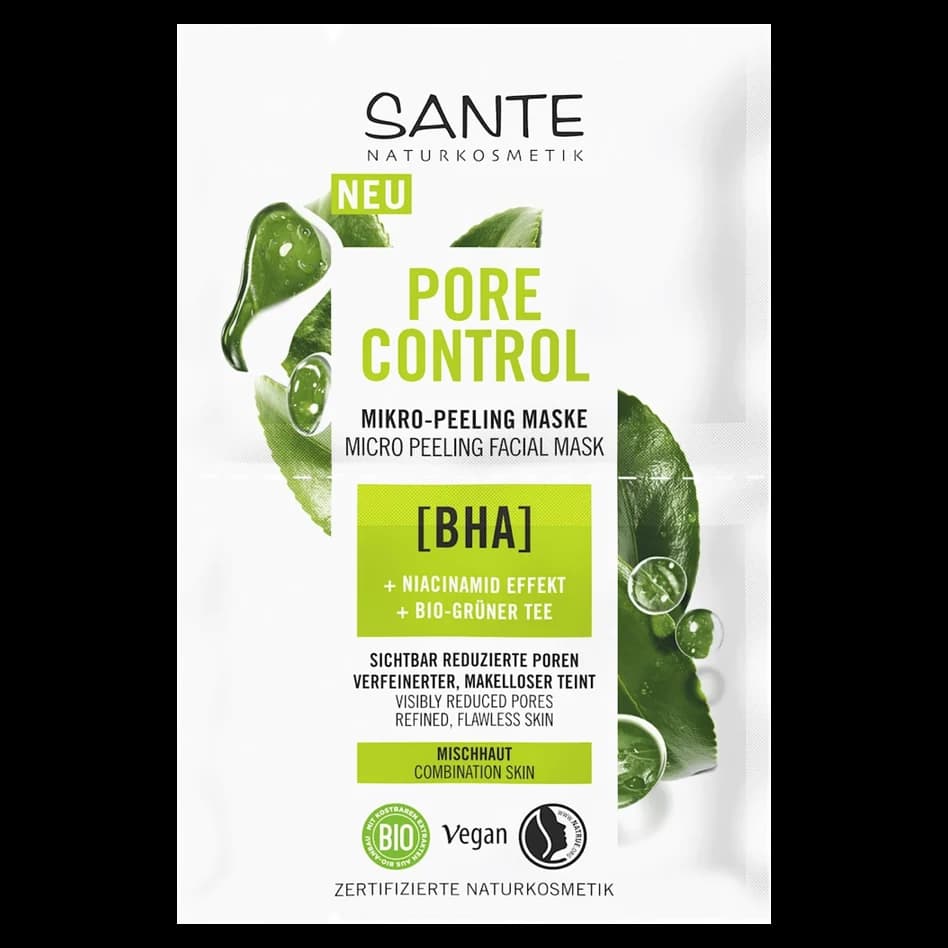
Santé Naturkosmetik
Pore Control Maske BHA
16th of 29 on the label
below ≈1%
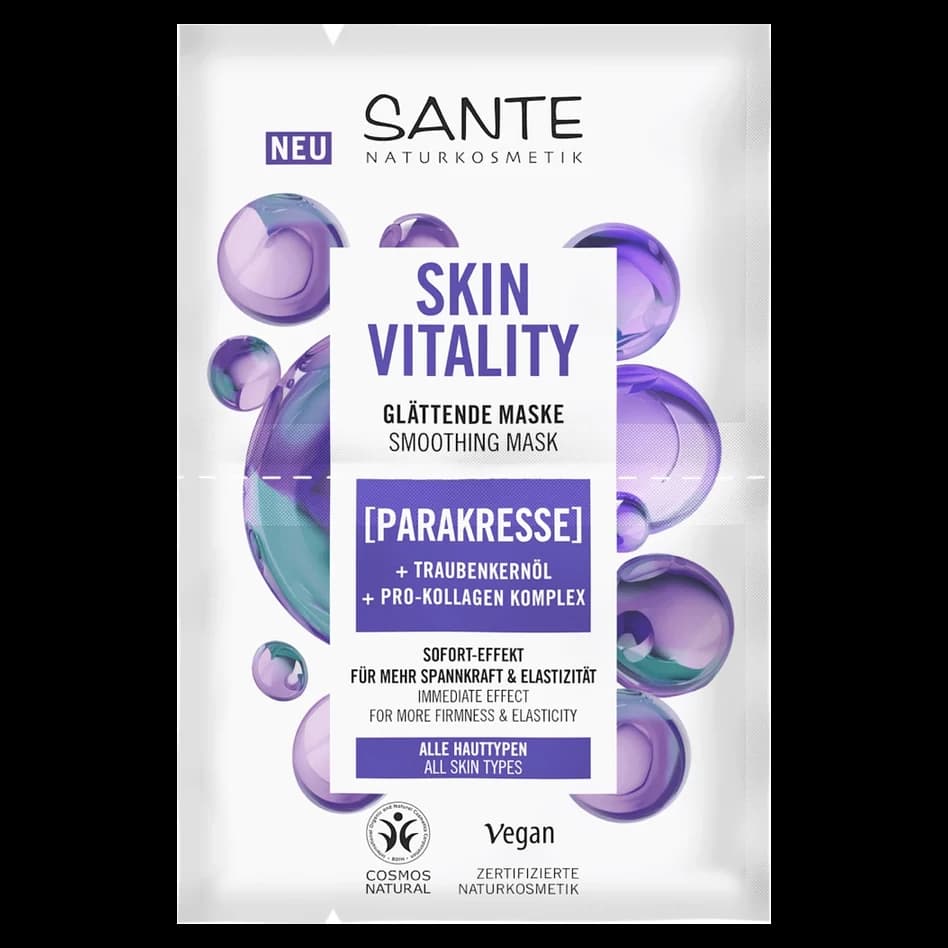
Santé Naturkosmetik
Skin Vitality Maske Parakresse
14th of 33 on the label
below ≈1%
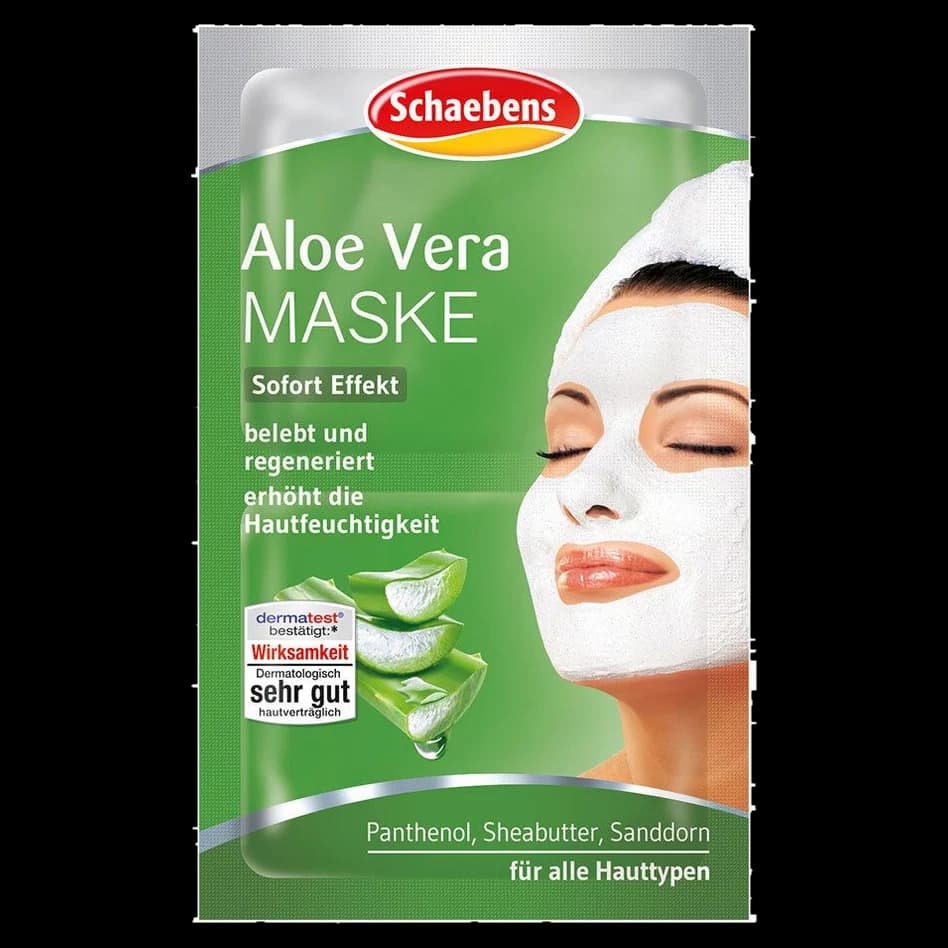
Schaebens
Aloe Vera Maske
16th of 34 on the label
below ≈1%
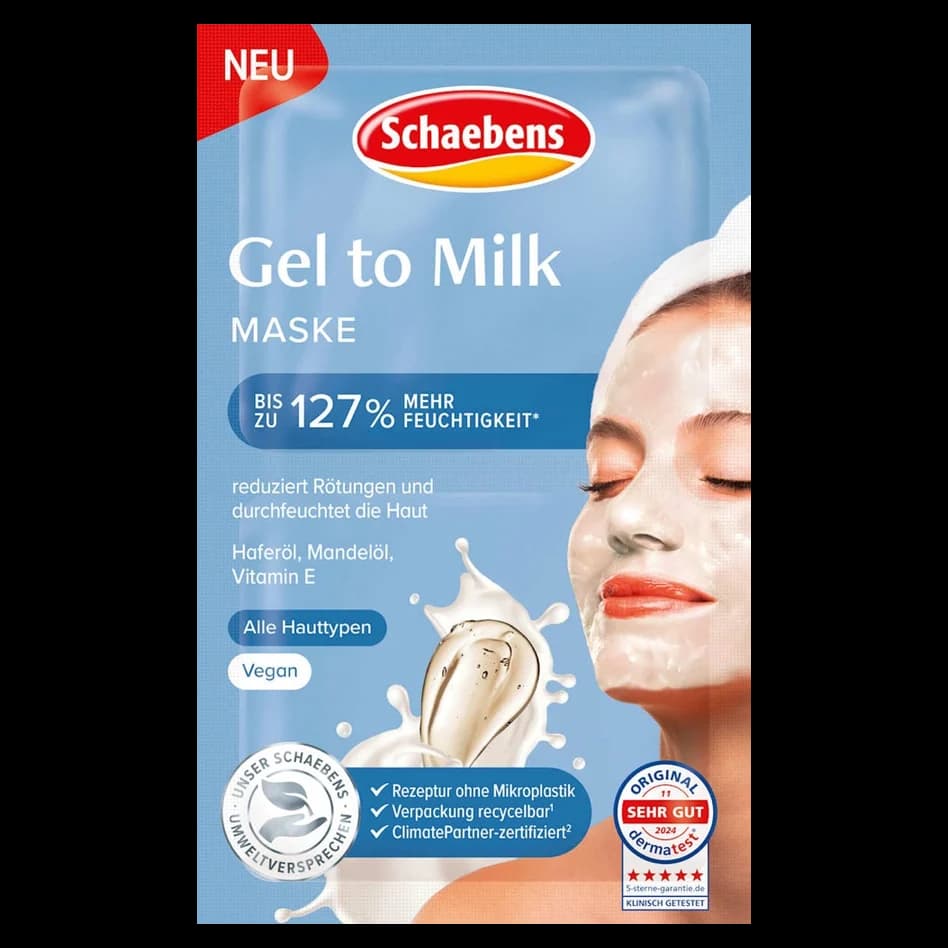
Schaebens
Gesichtscrememaske Gel to Milk
6th of 21 on the label
below ≈1%
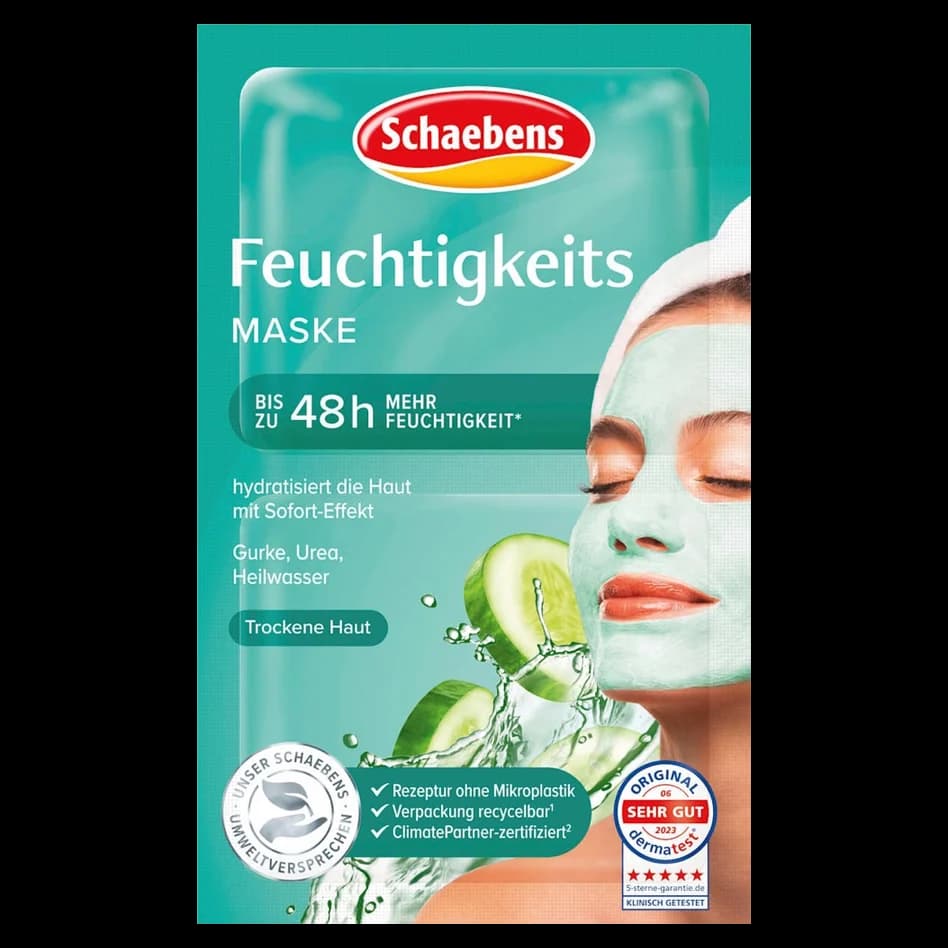
Schaebens
Gesichtsmaske Feuchtigkeit Sofort-Effekt
17th of 38 on the label
below ≈1%
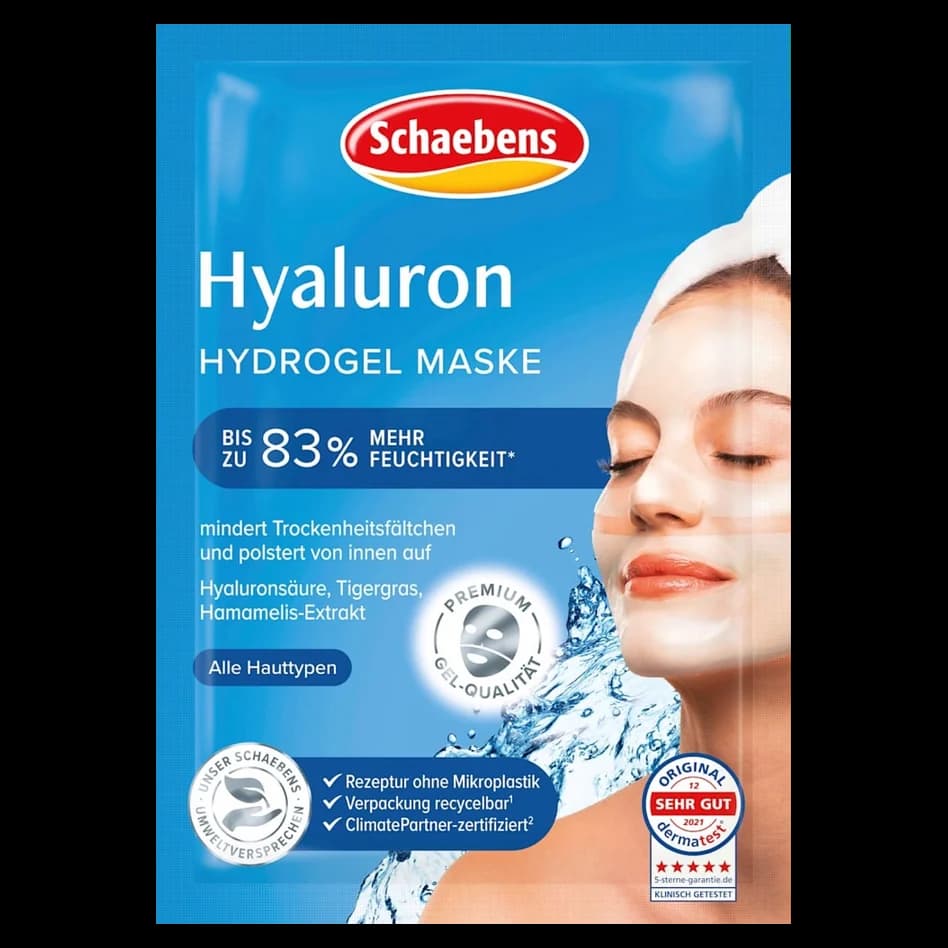
Schaebens
Gesichtsmaske Hyaluron Hydrogel
12th of 19 on the label
below ≈1%
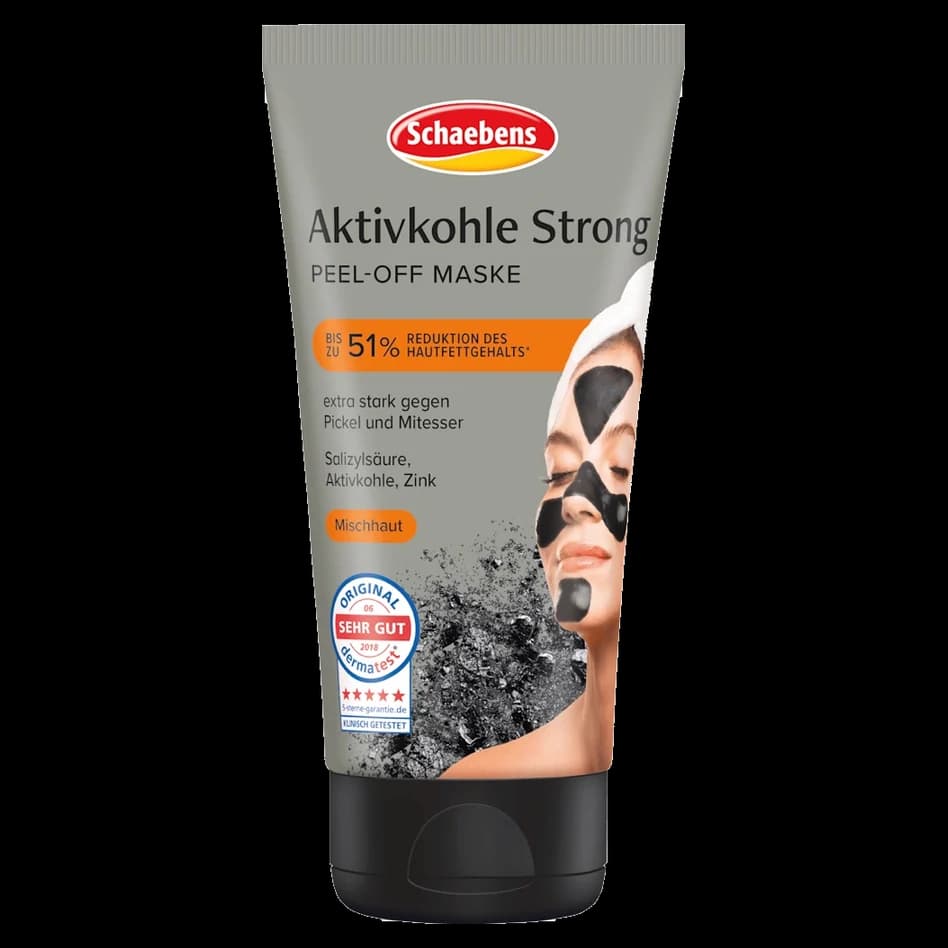
Schaebens
Gesichtsmaske peel off Aktivkohle Strong
11th of 20 on the label
below ≈1%
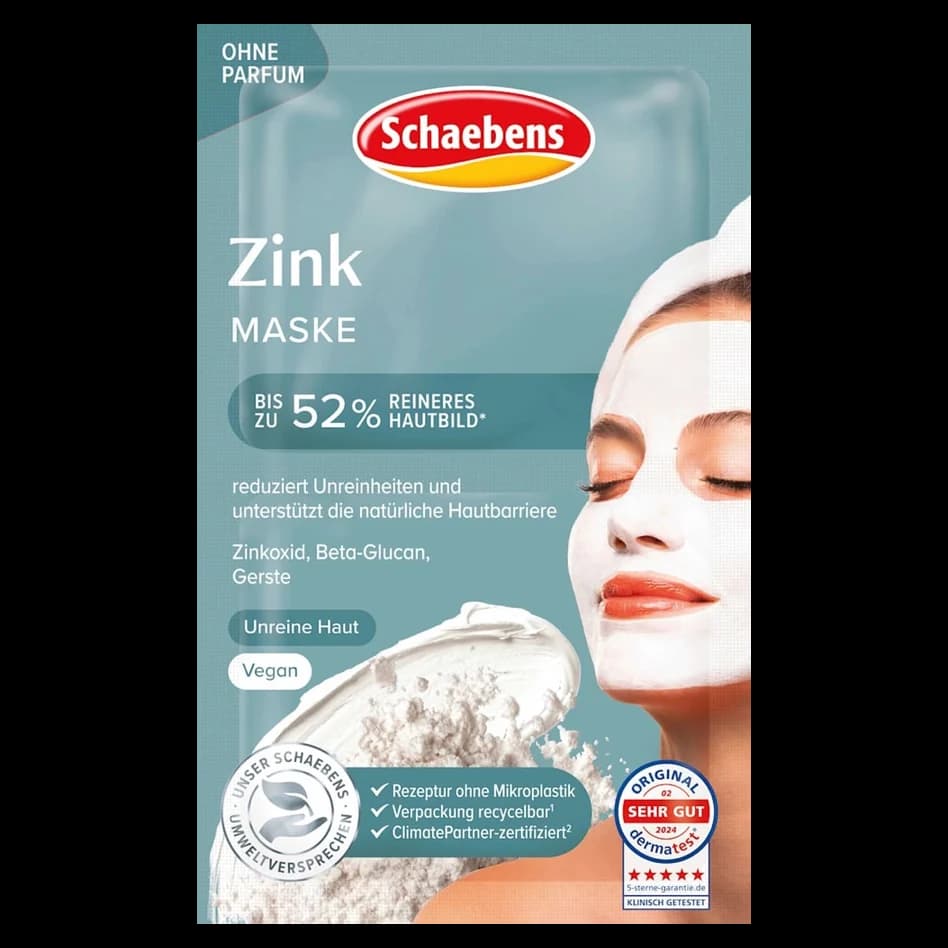
Schaebens
Gesichtsmaske Zink
11th of 27 on the label
below ≈1%
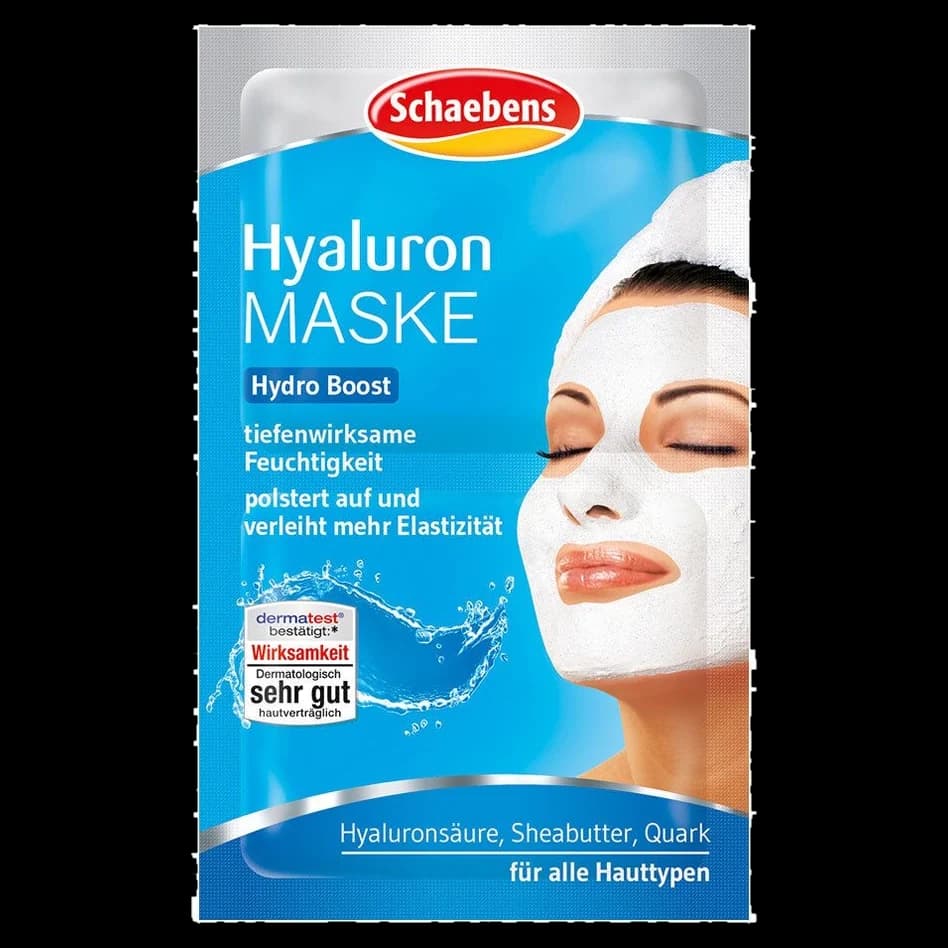
Schaebens
Hyaluron Maske
15th of 32 on the label
below ≈1%
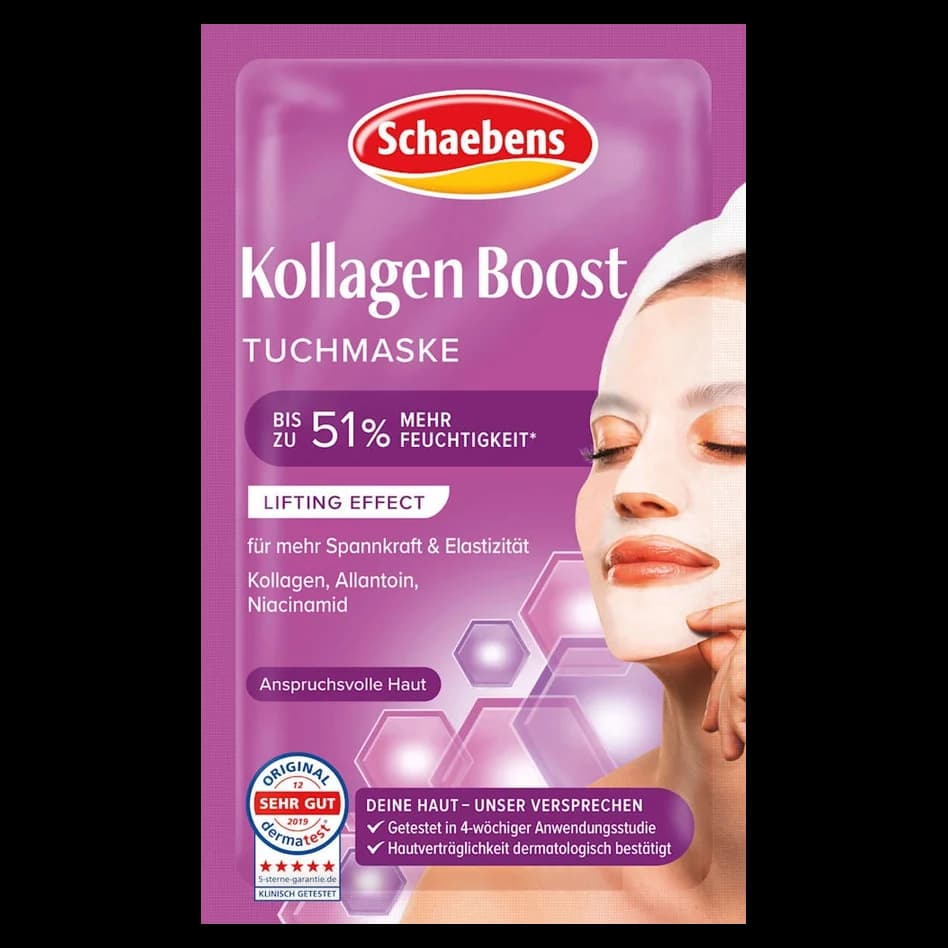
Schaebens
Tuchmaske Kollagen Boost
14th of 27 on the label
Sensai
Cellular Performance Extra Intensive Mask
30th of 44 on the label
below ≈1%
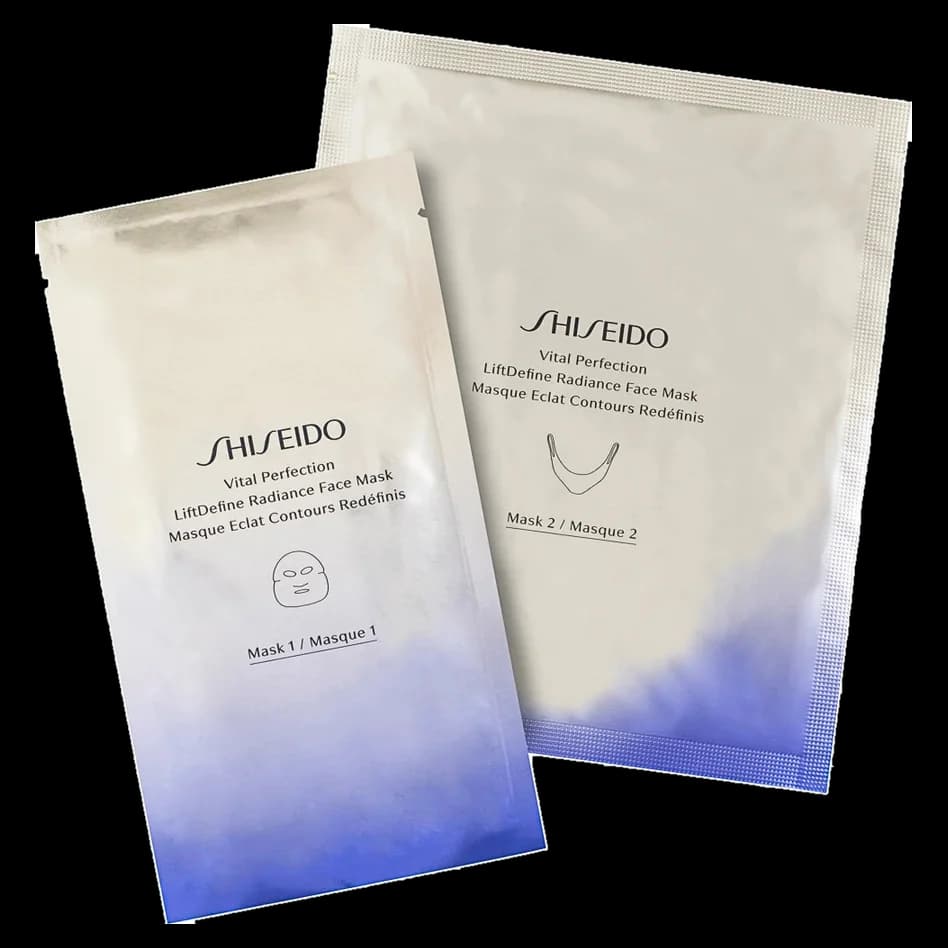
Shiseido
Vital Perfection LiftDefine Radiance Face Mask
37th of 81 on the label
below ≈1%
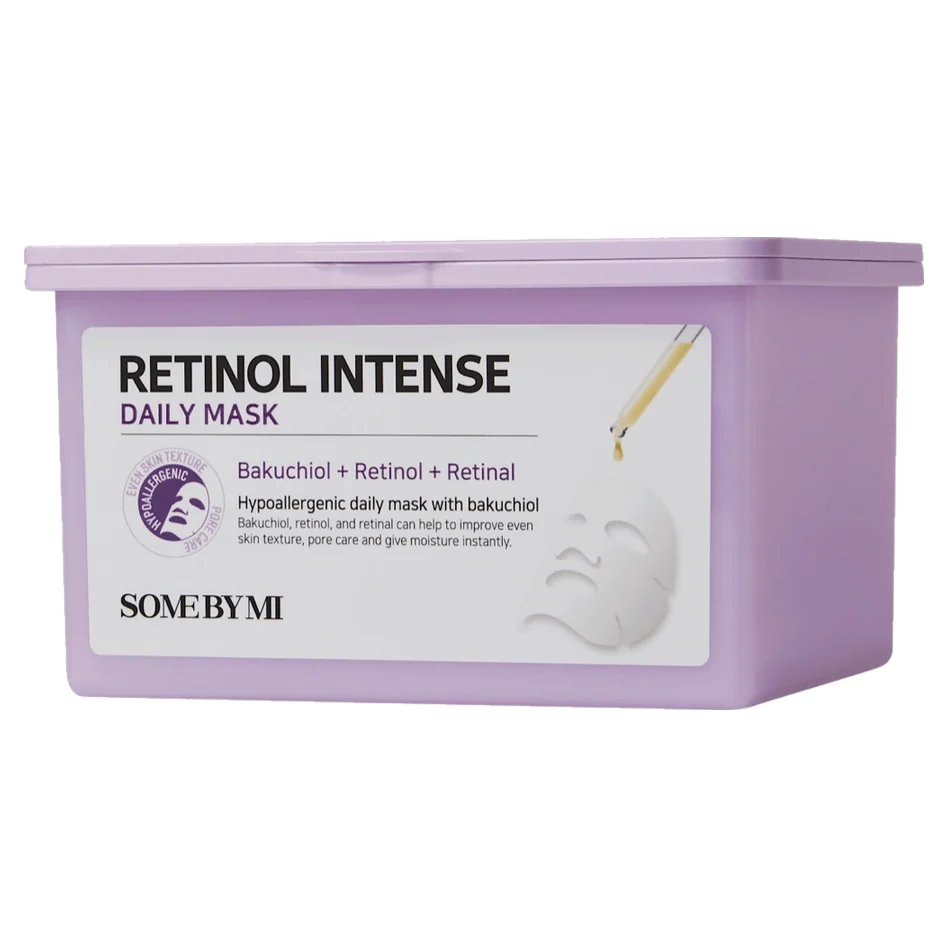
SOME BY MI
Daily Retinol Intense Mask
27th of 62 on the label
below ≈1%
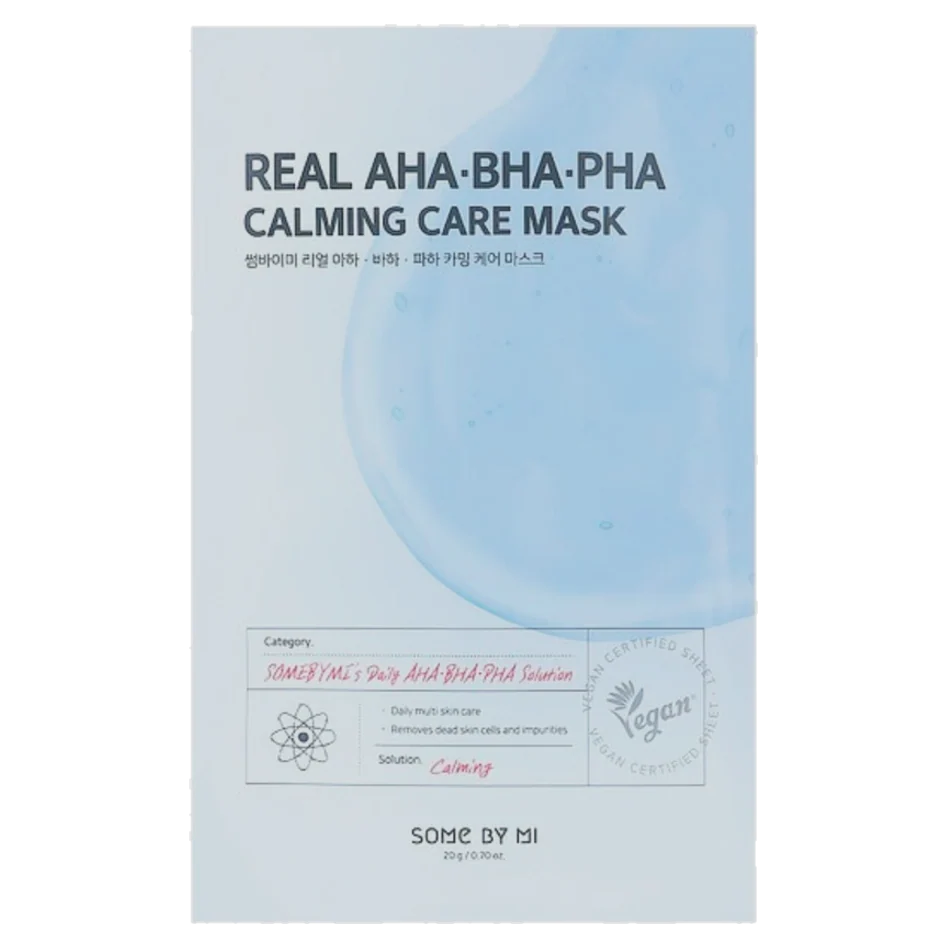
SOME BY MI
Real AHA-BHA-PHA Calming Care Mask
7th of 19 on the label
below ≈1%
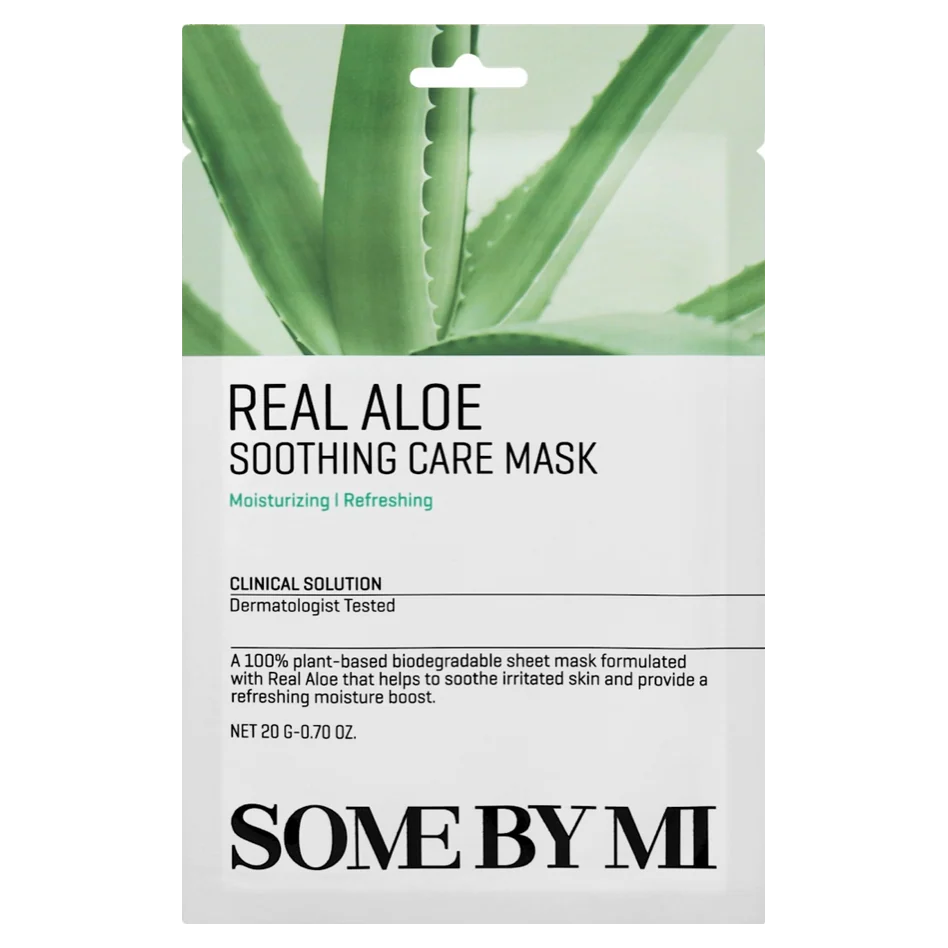
SOME BY MI
Real Aloe Soothing Care Mask
20th of 21 on the label
below ≈1%
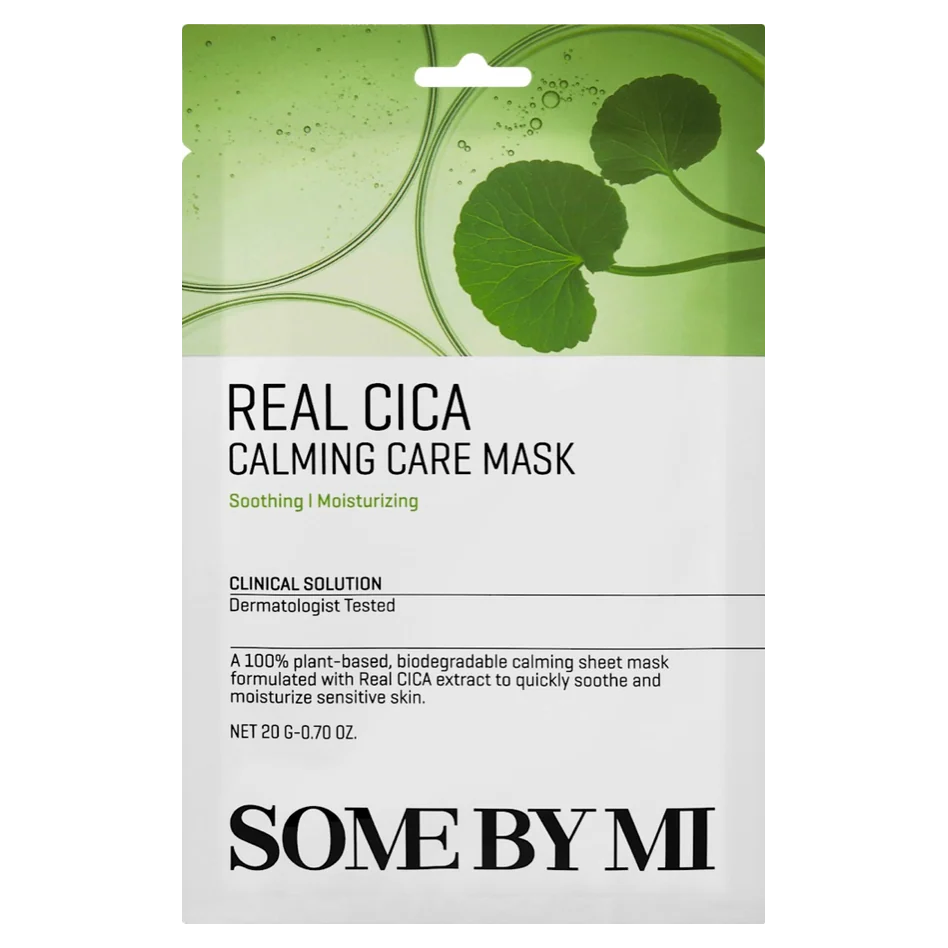
SOME BY MI
Real Cica Calming Care Mask
5th of 28 on the label
below ≈1%
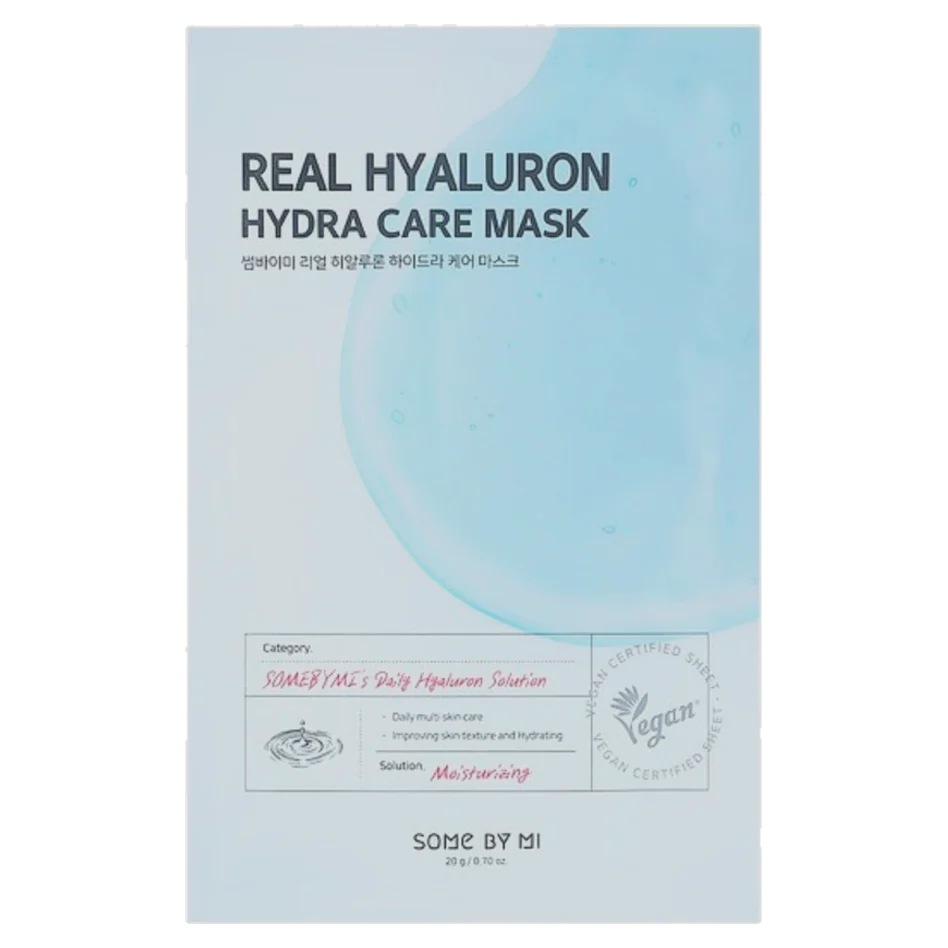
SOME BY MI
Real Hyaluron Hydra Care Mask
30th of 31 on the label
below ≈1%
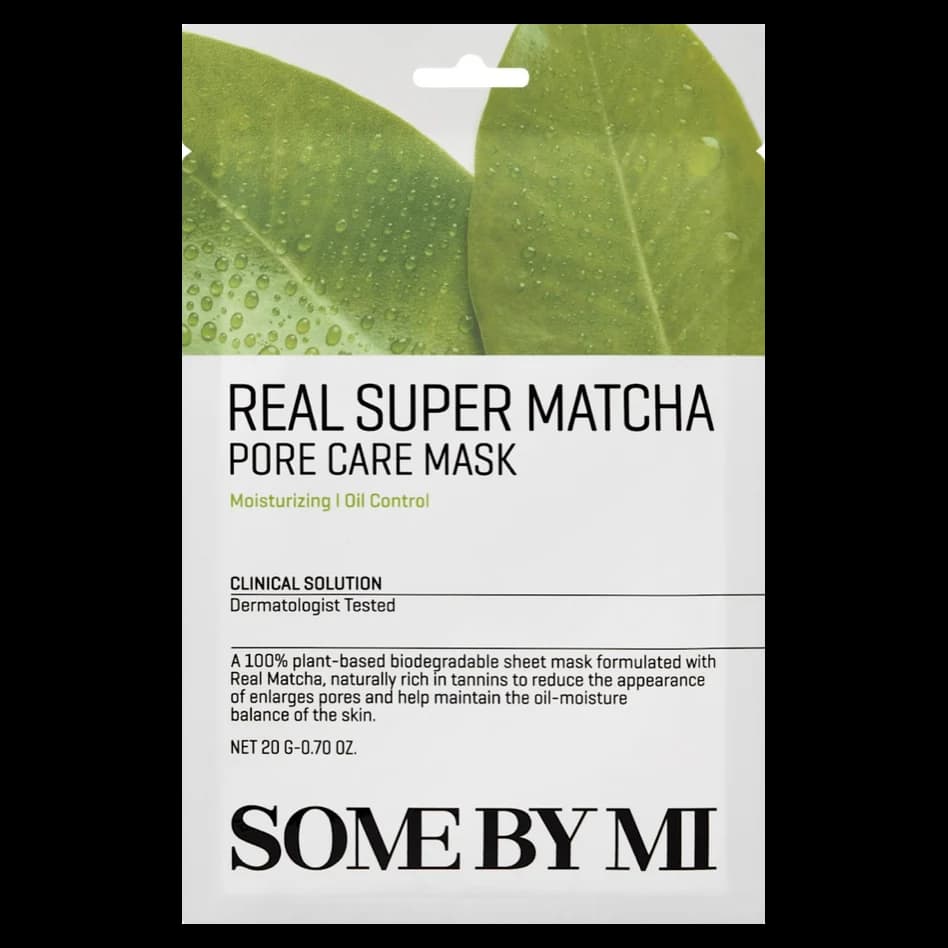
SOME BY MI
Real Super Matcha Pore Care Mask
20th of 22 on the label
below ≈1%
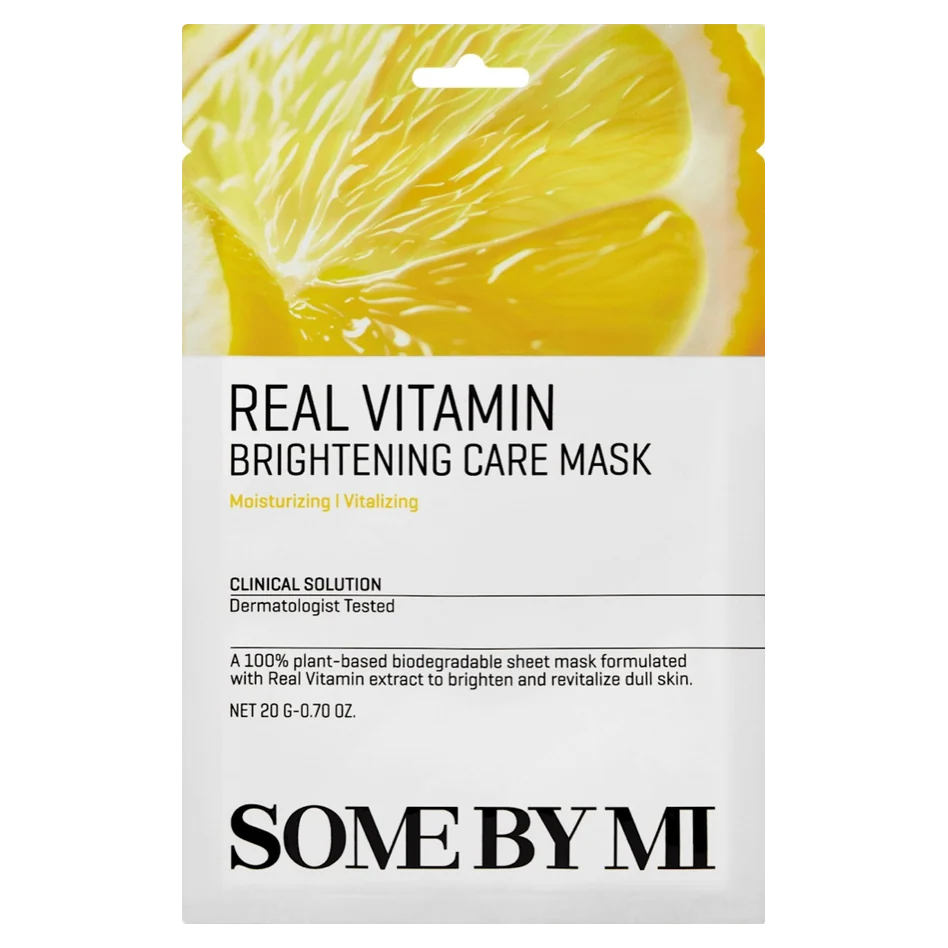
SOME BY MI
Real Vitamin Brightening Care Mask
17th of 19 on the label
below ≈1%
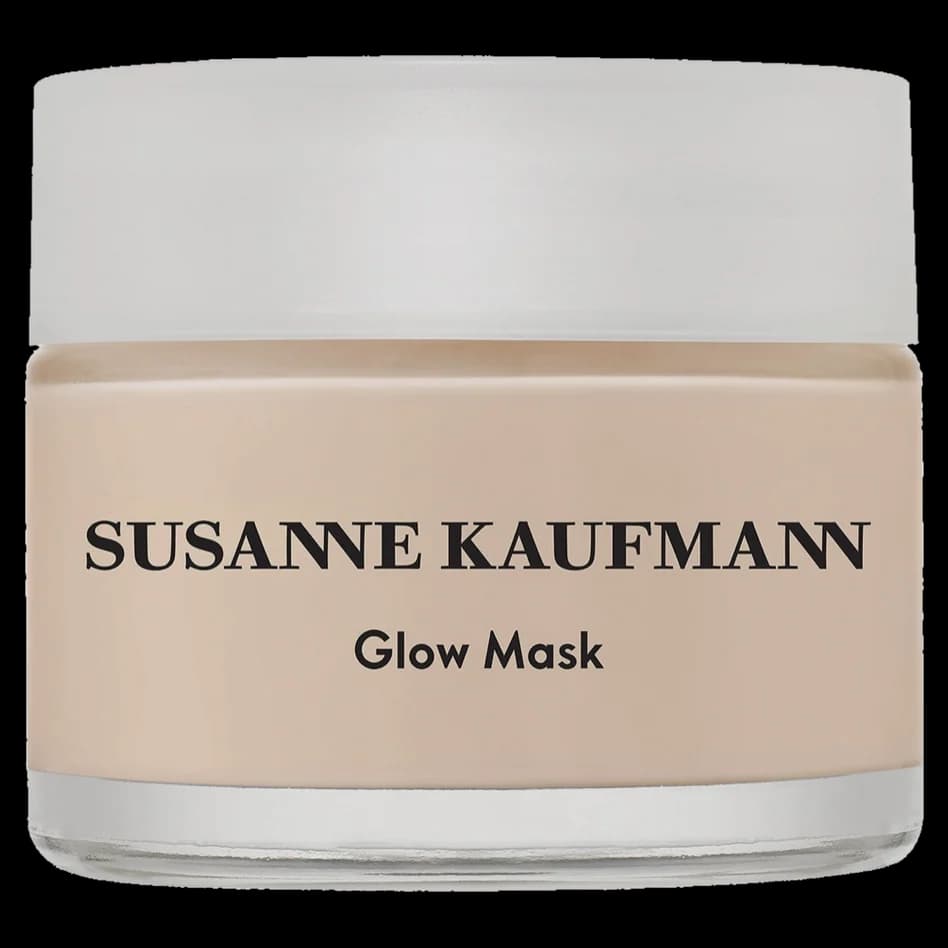
Susanne Kaufmann
Glow Mask
37th of 45 on the label
below ≈1%
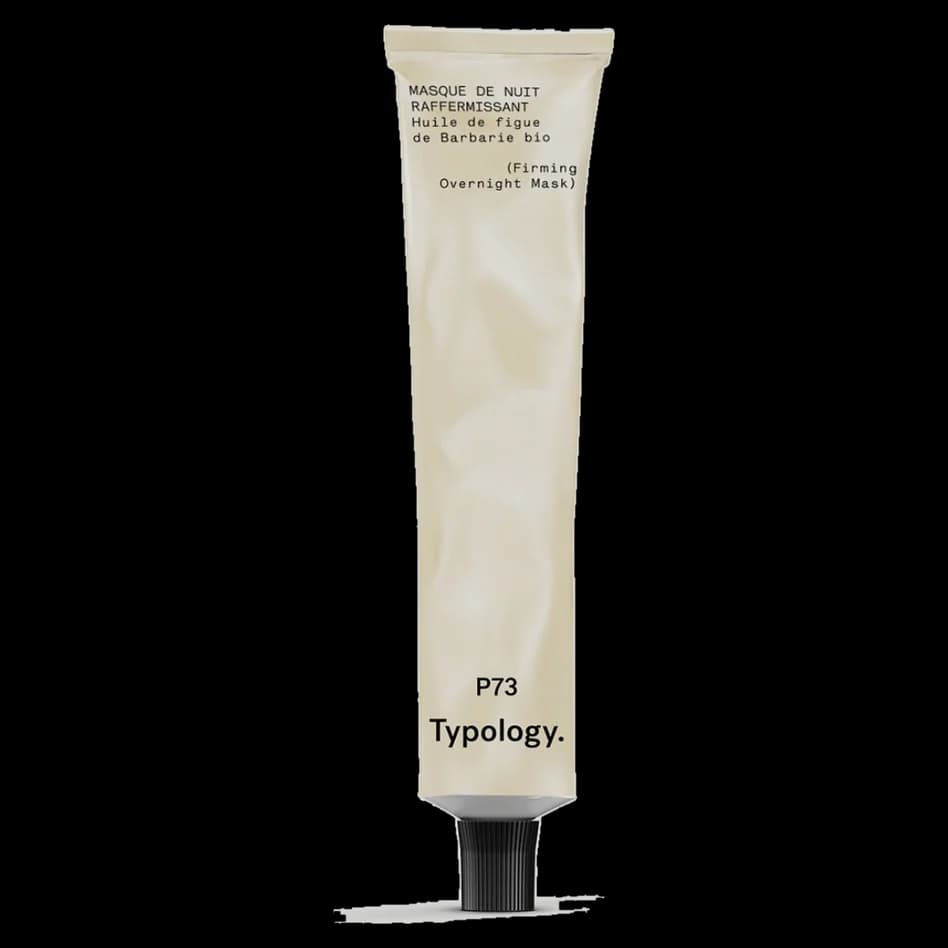
Typology
Masque de Nuit Raffermissant P73 (Firming Night Mask)
24th of 24 on the label
below ≈1%
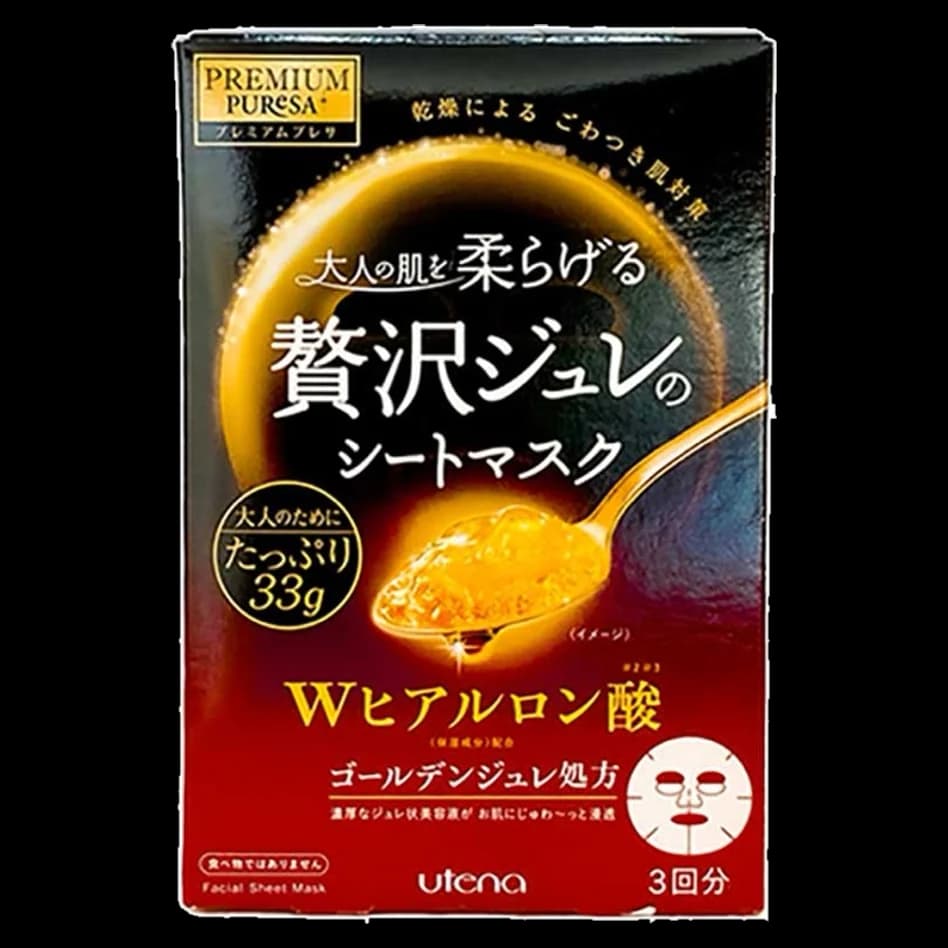
Utena
Premium Puresa Golden Jelly Mask (Hyaluronic Acid)
32nd of 35 on the label
below ≈1%