Ascorbic Acid
Vitamin C
Genuinely relevant for some people, or depends on dose and pH.
Also written as: L-Ascorbic Acid · Vitamin C · LAA
What it is
Ascorbic acid is the biologically active form of vitamin C, a water-soluble vitamin humans cannot make themselves. Skin needs it as an essential cofactor for the enzymes that cross-link collagen, and it also mops up free radicals generated by UV light and pollution. It is the most researched form of vitamin C in skincare, but also the least stable: it oxidises on contact with air, light and water, which is why formulations are acidic, airtight and often tinted.
How it shows up on a label
Almost always printed late in the list, below the point where ingredient order stops indicating quantity - so a mask that leads on vitamin C is often still declaring the acid itself among the last few rows.
What it does well
Reduces the appearance of pigmentation and dullness
A systematic review of trials in melasma and photoaging found topical vitamin C produced meaningful improvements in pigmentation scores, though usually less than hydroquinone and often as part of a combination.
Moderate evidence
Adds antioxidant protection on top of sunscreen
Ascorbic acid neutralises UV-generated free radicals that sunscreen filters do not stop. It is a complement to sun protection, not a substitute for it.
Moderate evidence
Supports collagen synthesis in photoaged skin
A double-blind placebo-controlled trial on photoaged skin found clinical and ultrastructural improvement, including changes consistent with new elastic tissue formation, after several months of use.
Moderate evidence
Worth knowing
Can sting or irritate at the low pH it needs to work
Ascorbic acid must sit below roughly pH 3.5 to penetrate skin effectively, and that acidity causes stinging, redness or flaking in some people, especially at 15-20%.
Matters most toPeople with sensitive skin, rosacea, or a compromised barrier, and anyone also using retinoids or exfoliating acids.
Oxidises quickly once opened
A product turning yellow, orange or brown has partly oxidised. Oxidised vitamin C is not harmful but is less effective, so airless or single-dose packaging matters more here than for most ingredients.
Matters most toAnyone buying vitamin C in clear jars or droppers, or keeping a product open for many months.
Where the EU stands
No specific restriction
Not listed in any restriction or prohibition annex of the EU Cosmetics Regulation; permitted at the formulator's discretion under the general safety requirement.
Sources (3)
Every link goes to the original: a journal, a PubMed record or an EU document.
- [1]Topical ascorbic acid on photoaged skin. Clinical, topographical and ultrastructural evaluation: double-blind study vs. placebo
Experimental Dermatology · 2003 · doi:10.1034/j.1600-0625.2003.00008.x
Six months of topical ascorbic acid produced statistically significant clinical improvement in photoaged skin versus placebo, with ultrastructural changes consistent with elastic tissue repair.
- [2]Efficacy of topical vitamin C in melasma and photoaging: A systematic review
Journal of Cosmetic Dermatology · 2023 · doi:10.1111/jocd.15748
Topical vitamin C improved melasma and photoaging outcomes across the trials reviewed, with a favourable side-effect profile, but the authors noted small sample sizes and heterogeneous formulations.
- [3]Stability, transdermal penetration, and cutaneous effects of ascorbic acid and its derivatives
Journal of Cosmetic Dermatology · 2012 · doi:10.1111/jocd.12006
Reviews the evidence that ascorbic acid needs a low pH and protection from air and light to penetrate and remain active, which is the core formulation challenge for this ingredient.
Masks that contain Ascorbic Acid
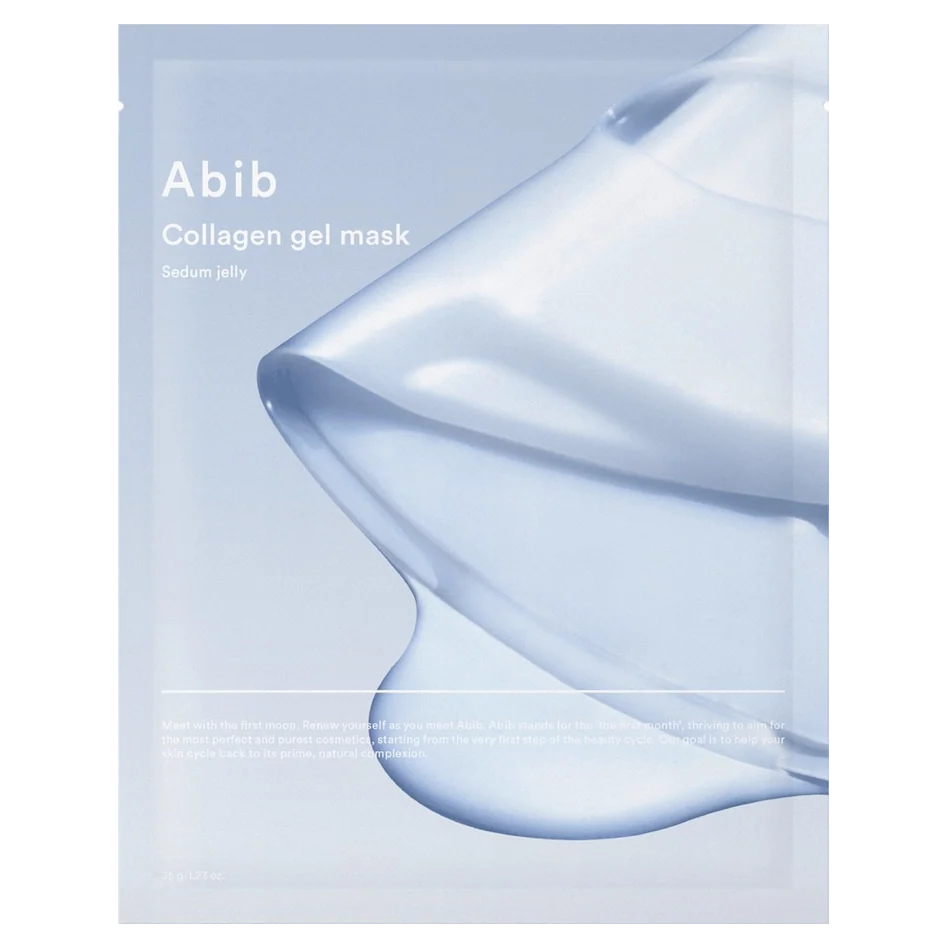
Abib
Collagen Gel Mask Sedum Jelly
34th of 41 on the label
below ≈1%
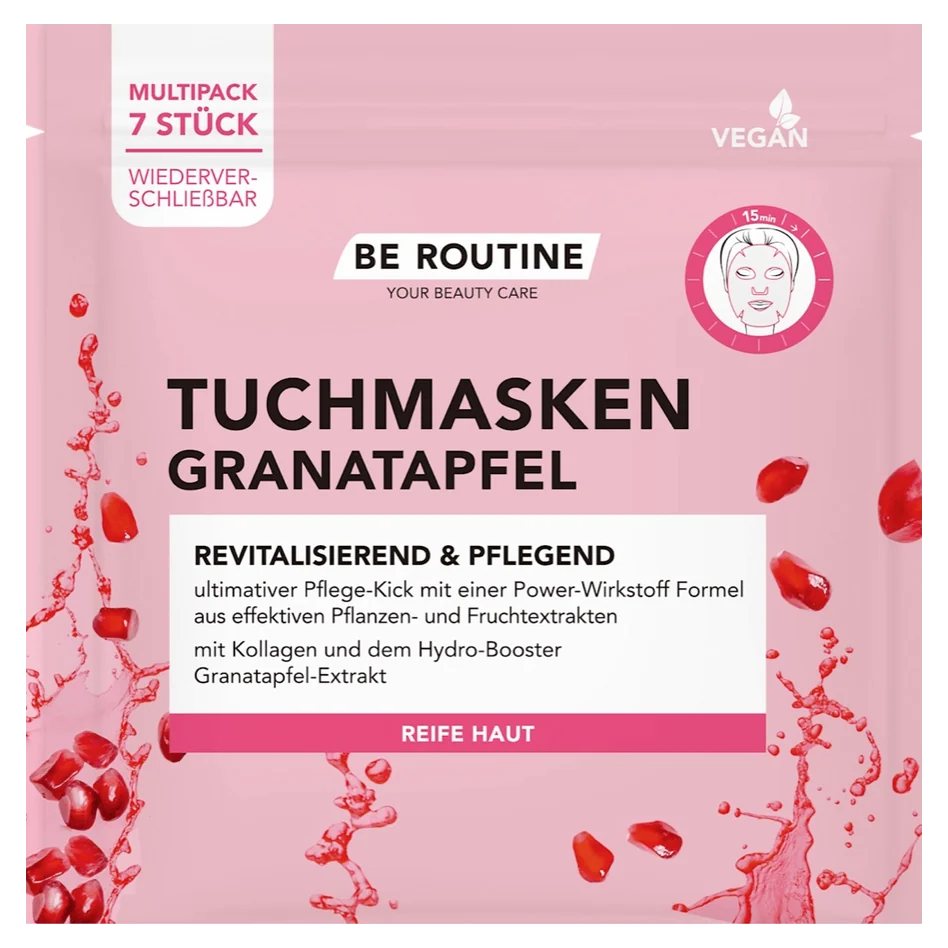
Be Routine
Tuchmasken Granatapfel Multipack
23rd of 32 on the label
below ≈1%
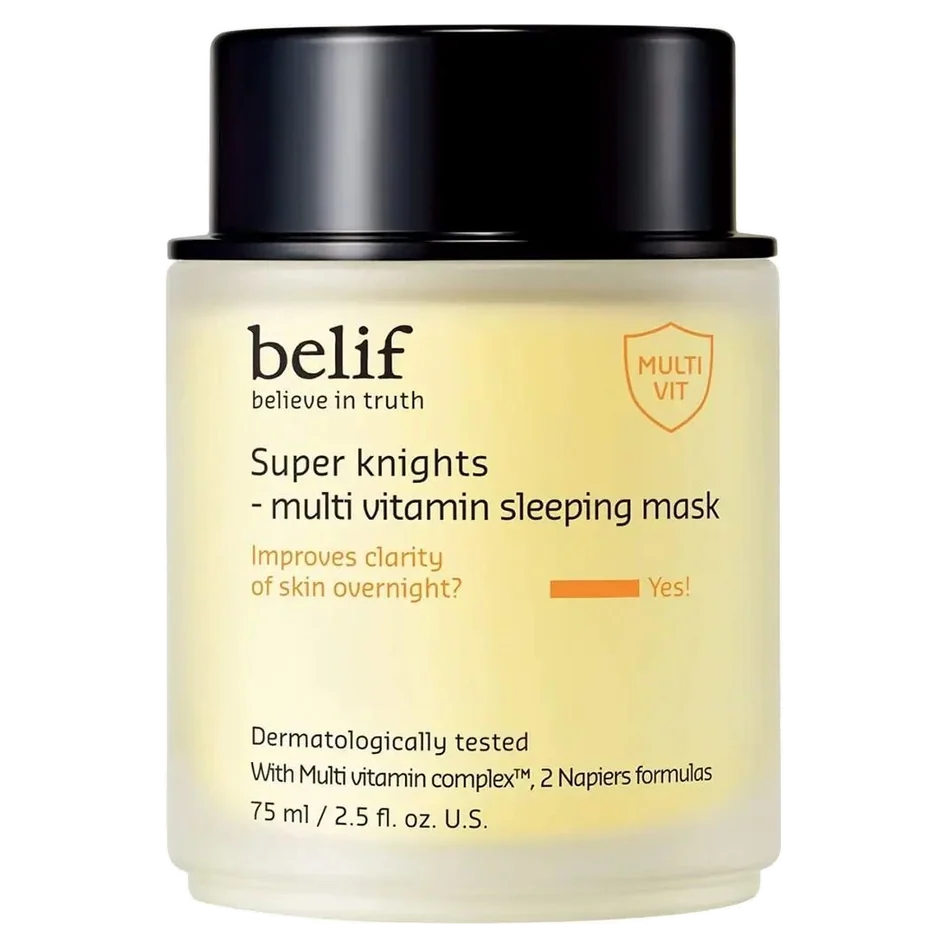
belif
Super Knights Vitamin Mask
15th of 26 on the label
below ≈1%
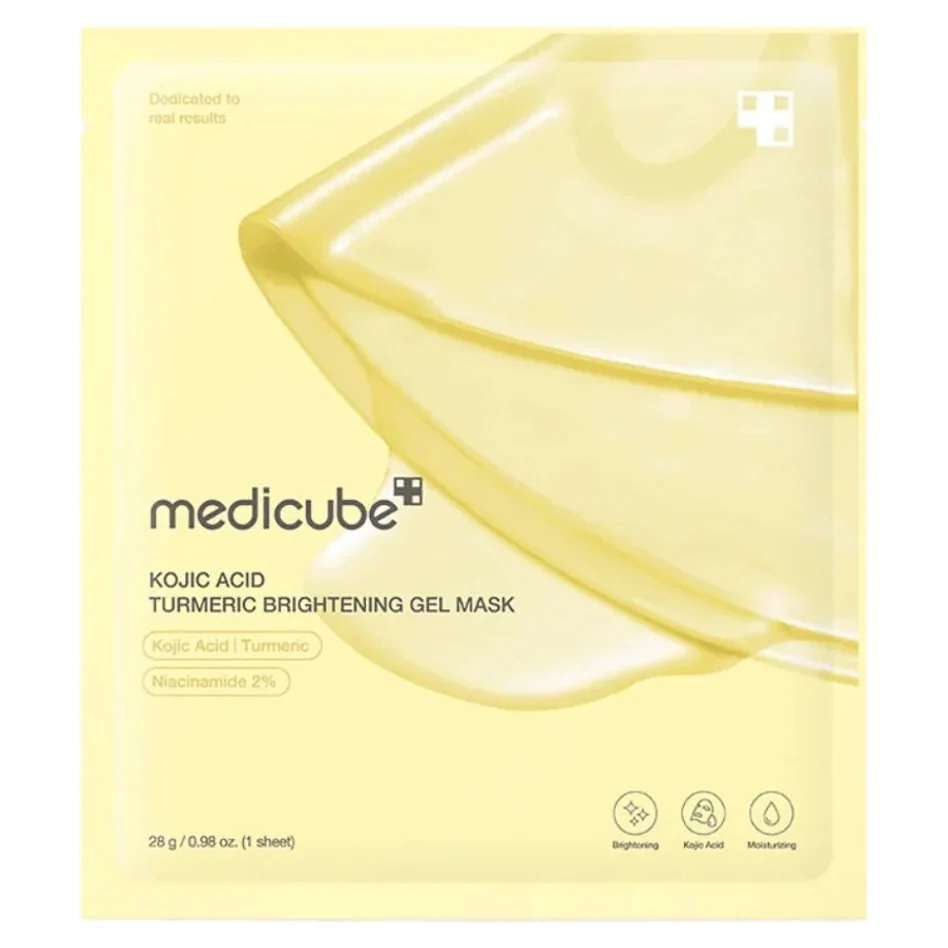
Medicube
Kojic Acid Turmeric Brightening Gel Mask
29th of 35 on the label
below ≈1%
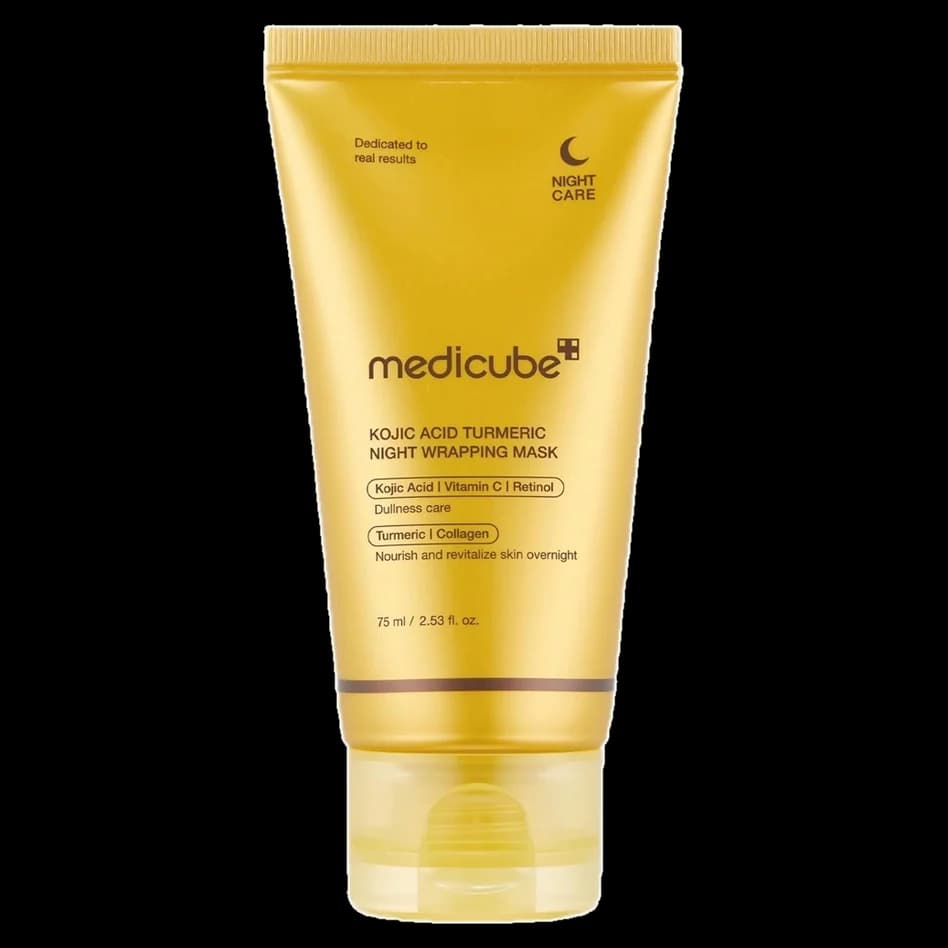
Medicube
Kojic Acid Turmeric Night Wrapping Mask
20th of 22 on the label
below ≈1%
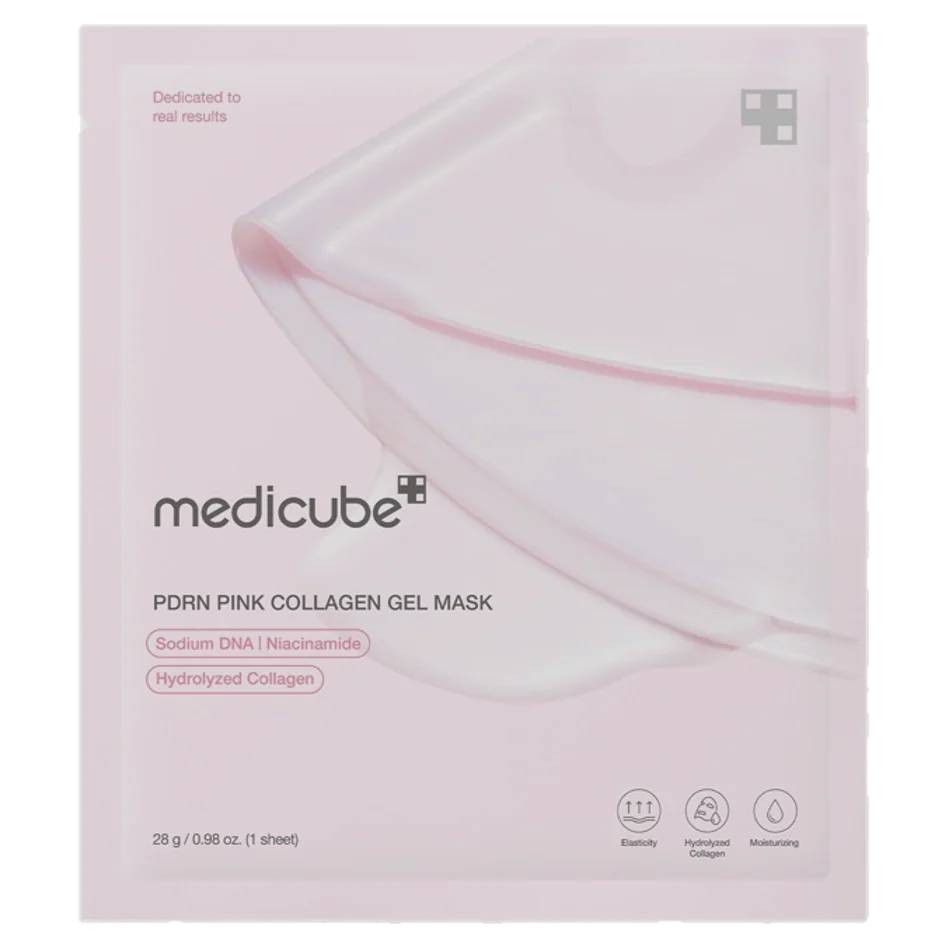
Medicube
PDRN Pink Collagen Gel Mask
28th of 43 on the label
below ≈1%
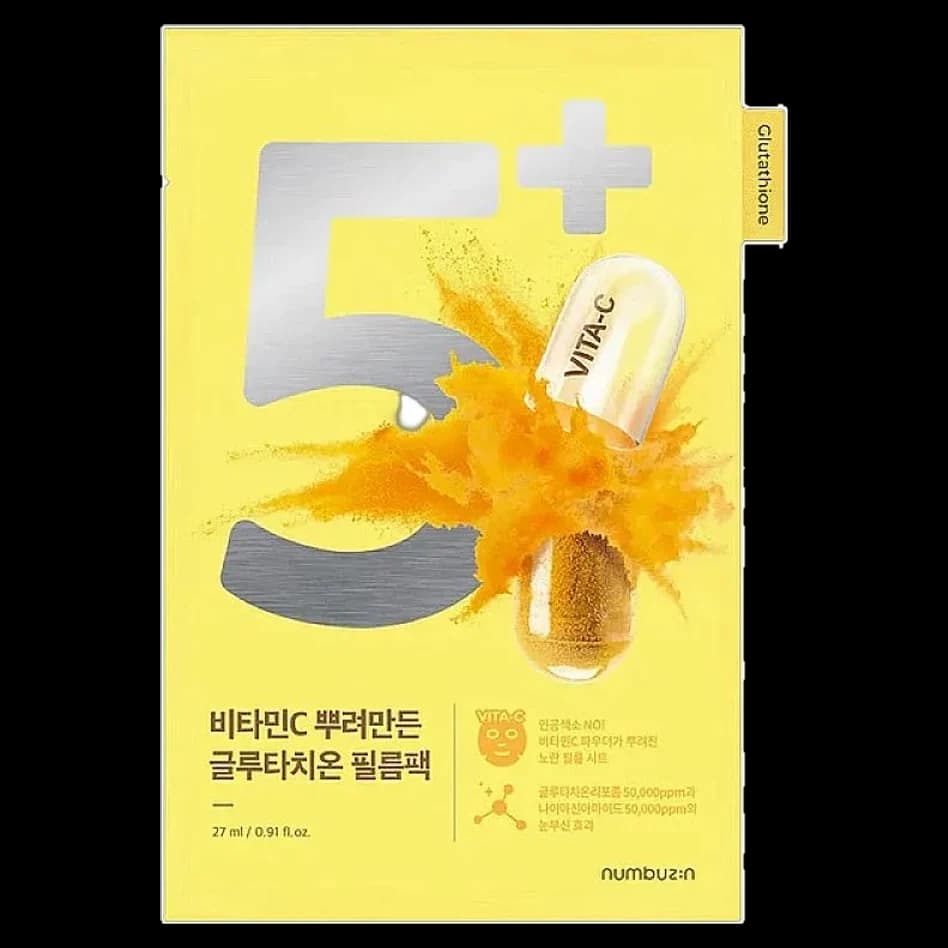
numbuzin
No.5 Vitamin Spotlight Sheet Mask
30th of 33 on the label
below ≈1%
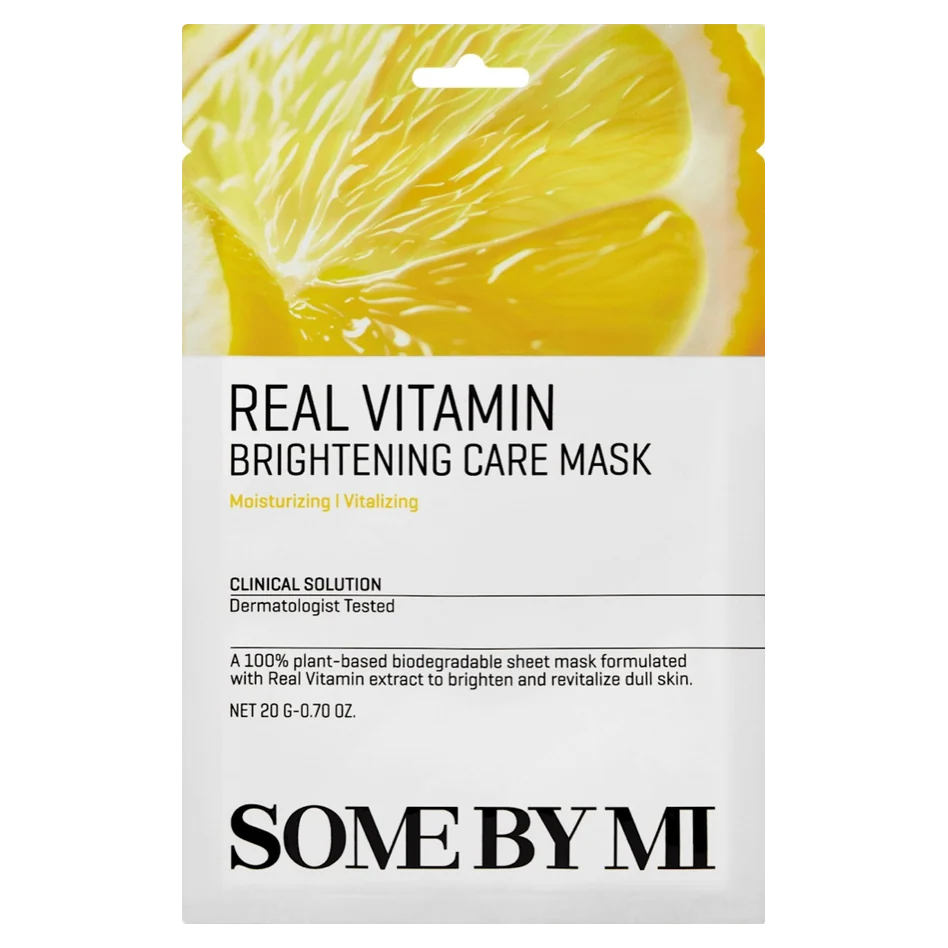
SOME BY MI
Real Vitamin Brightening Care Mask
15th of 19 on the label
below ≈1%
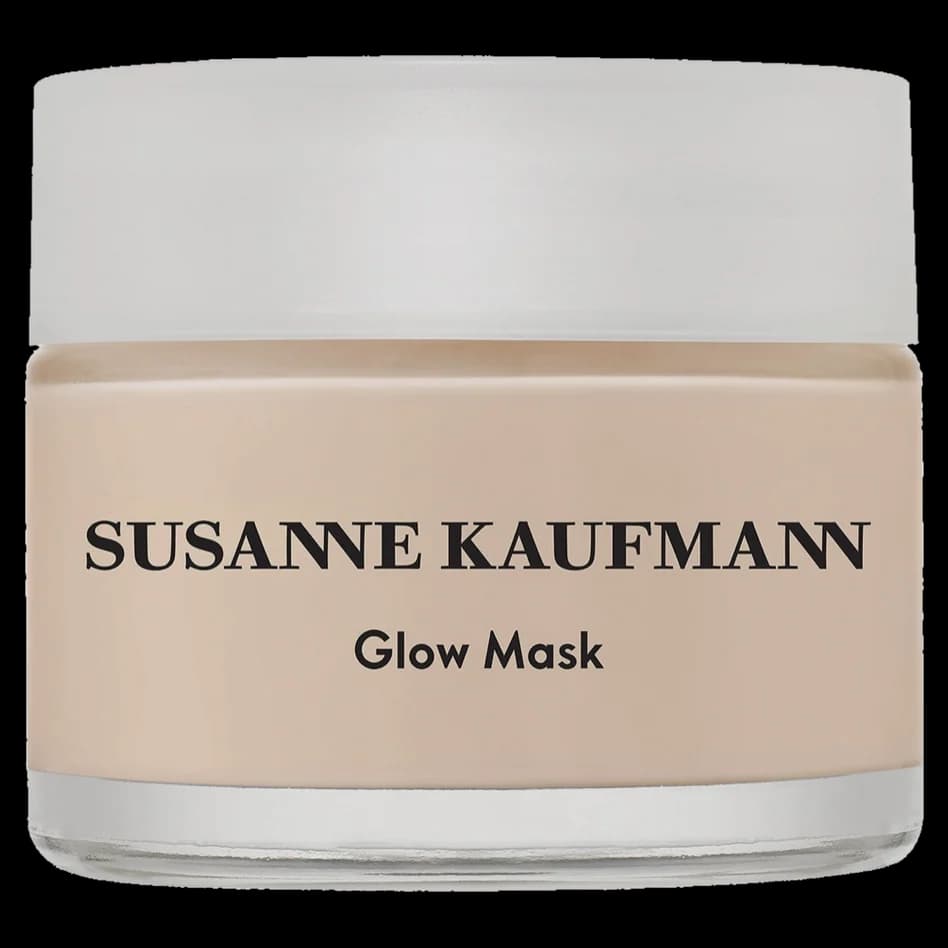
Susanne Kaufmann
Glow Mask
33rd of 45 on the label
below ≈1%
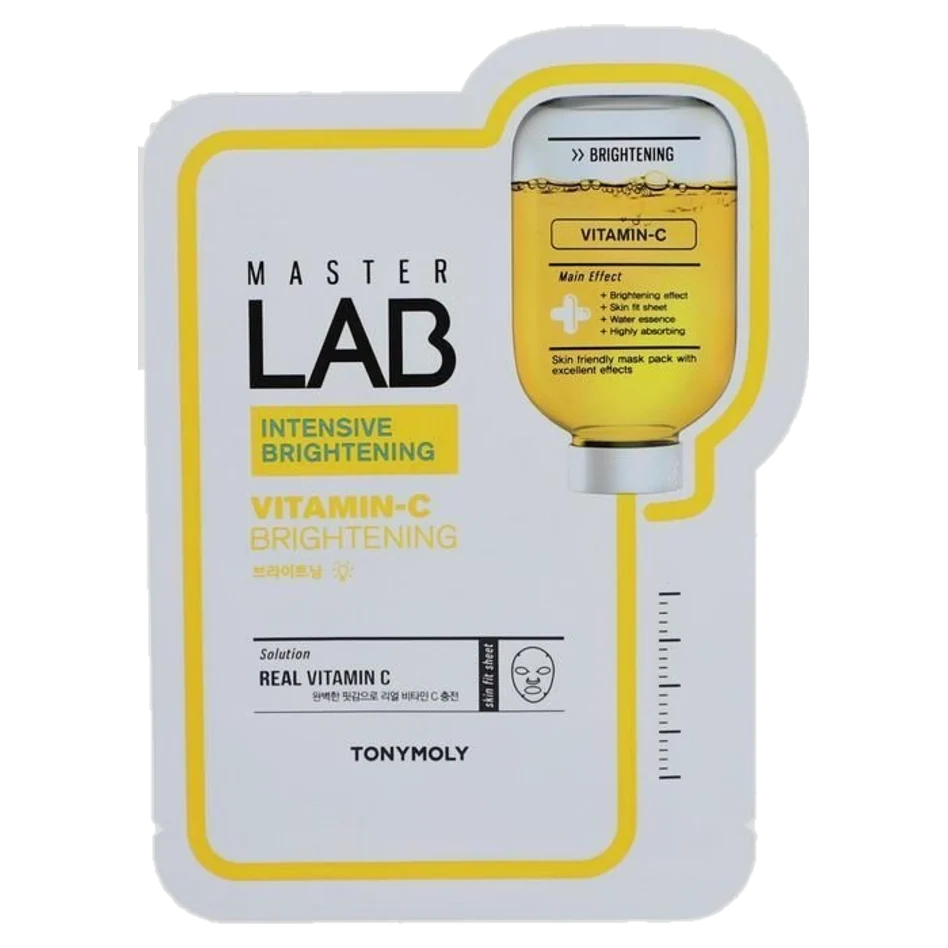
TONYMOLY
Master Lab Sheet Mask Vitamin C
33rd of 33 on the label
below ≈1%