Rosmarinus Officinalis (Rosemary) Leaf Extract
Rosemary leaf extract
Genuinely relevant for some people, or depends on dose and pH.
Also written as: Rosmarinus Officinalis Leaf Extract · Salvia Rosmarinus Leaf Extract · Rosemary Leaf Extract
What it is
Rosemary leaf extract is drawn out of the leaves of Rosmarinus officinalis - reclassified botanically as Salvia rosmarinus - with water, ethanol or supercritical carbon dioxide. Its characteristic components are the phenolic diterpenes carnosol and carnosic acid, and how much of them survives depends entirely on the method: the Cosmetic Ingredient Review records as little as 5 to 7% combined carnosol and carnosic acid in a partially deodorised ethanol extract and as much as 30% in one prepared with supercritical carbon dioxide. That is the whole difference from rosemary leaf oil, which sits separately in this encyclopaedia: the oil is steam-distilled and carries the volatile terpenes, while the extract carries the non-volatile antioxidants. They are not interchangeable and their labels are not interchangeable either.
How it shows up on a label
Printed on ten masks here under two spellings - with and without the parenthetical "(Rosemary)" - which is the same ingredient twice. It sits at a median of about three-fifths of the way down the list, and on five of the eight masks whose list shows the point where ingredient order stops indicating quantity it falls below that point. Do not read it as the leaf oil: the two are separate entries, on a disjoint set of masks.
What it does well
Contributes antioxidant activity to a formula
Carnosol and carnosic acid are the principal antioxidative components and are well characterised as such; the Cosmetic Ingredient Review names antioxidant as one of the extract's reported cosmetic functions. Much of the recorded use is at well under 0.1%, where the contribution is to the formula's own stability as much as to skin.
Moderate evidence
Worth knowing
The safety conclusion is conditional on the formula being non-sensitising
The Cosmetic Ingredient Review found ten rosemary-derived ingredients safe only "when formulated to be non-sensitizing" - a qualification, not a clean pass. Allergic reactions to rosemary are documented, photopatch reactions were generally stronger than standard patch reactions, and carnosol itself gave positive reactions at 0.1% and 1.0%. The panel had earlier issued an insufficient-data announcement asking specifically for dermal sensitisation data on the leaf extract.
Matters most toPeople with a known Lamiaceae or plant-extract contact allergy.
Carries small amounts of declared fragrance allergens
The extract is not itself on the EU fragrance-allergen labelling list, but it is not allergen-free: one supplier declared under 0.1% linalool and under 0.2% d-limonene in a rosemary leaf extract. At the levels masks use, those quantities are far below the point at which either must be named on the label separately.
Matters most toPeople who scan labels for named fragrance allergens and want to know what an extract can hide.
Where the EU stands
No specific restriction
Not restricted under the EU Cosmetics Regulation; it appears in no annex and has no concentration limit. That holds under the current botanical name as well - neither Rosmarinus nor Salvia is named anywhere in the annexes of the consolidated text.
Regulation (EC) No 1223/2009 - no annex entry under Rosmarinus officinalis or its current name Salvia rosmarinus · source ↗
Sources (2)
Every link goes to the original: a journal, a PubMed record or an EU document.
- [1]Safety Assessment of Rosmarinus Officinalis (Rosemary)-Derived Ingredients as Used in Cosmetics
Cosmetic Ingredient Review, Final Report, release date 23 June 2014 · 2014
The Expert Panel concluded that ten Rosmarinus officinalis (rosemary)-derived ingredients, Rosmarinus Officinalis (Rosemary) Leaf Extract among them, "are safe in the present practices of use and concentration in cosmetics described in this safety assessment when formulated to be non-sensitizing". The report records that the principal antioxidative components of the leaf extract are the phenolic diterpenes carnosol and carnosic acid, at 5 to 7% combined in a partially deodorised ethanol extract rising to 30% in a supercritical carbon dioxide extract; that one supplier declared under 0.1% linalool and under 0.2% d-limonene in a leaf extract; and that patch testing with 0.1 and 1.0% carnosol produced positive reactions. Its Discussion records that "the Panel issued an Insufficient Data Announcement requesting the following: 1. Dermal sensitization data for 10% rosmarinus officinalis (rosemary) leaf extract (i.e., a human repeated-insult patch test in a sufficient number of subjects at concentration of use)". Oral high-dose rosemary leaf extract affected fertility in male rats, and the PDR for Herbal Medicines states that rosemary preparations should not be used as a drug during pregnancy - both oral, medicinal-dose findings rather than observations of cosmetic skin contact. Checked 26 September 2026.
- [2]Regulation (EC) No 1223/2009 on cosmetic products, consolidated text of 18 May 2026
Official Journal of the European Union · 2026
A word-boundary sweep of the full consolidated text returns no occurrence of Rosmarinus, Salvia or rosemary in any annex, so the extract carries no EU concentration limit and no labelling duty of its own. Checked 26 September 2026.
Masks that contain Rosmarinus Officinalis (Rosemary) Leaf Extract
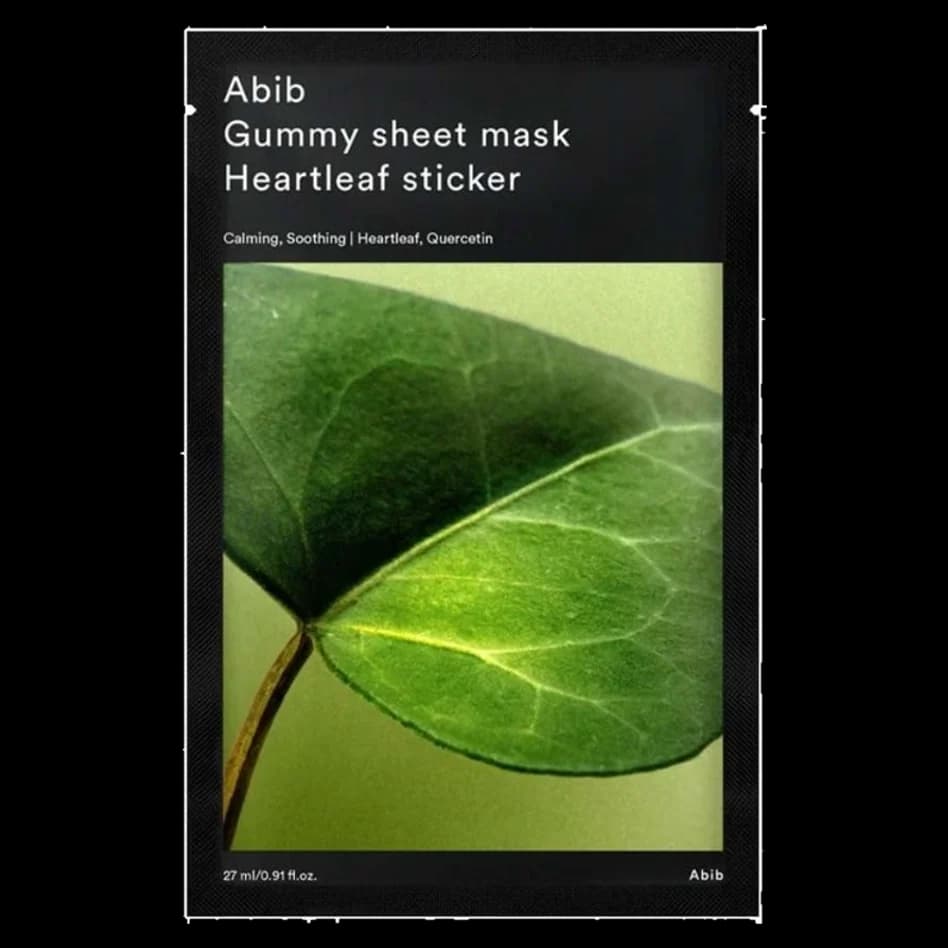
Abib
Gummy Sheet Mask Heartleaf Sticker
19th of 29 on the label
below ≈1%
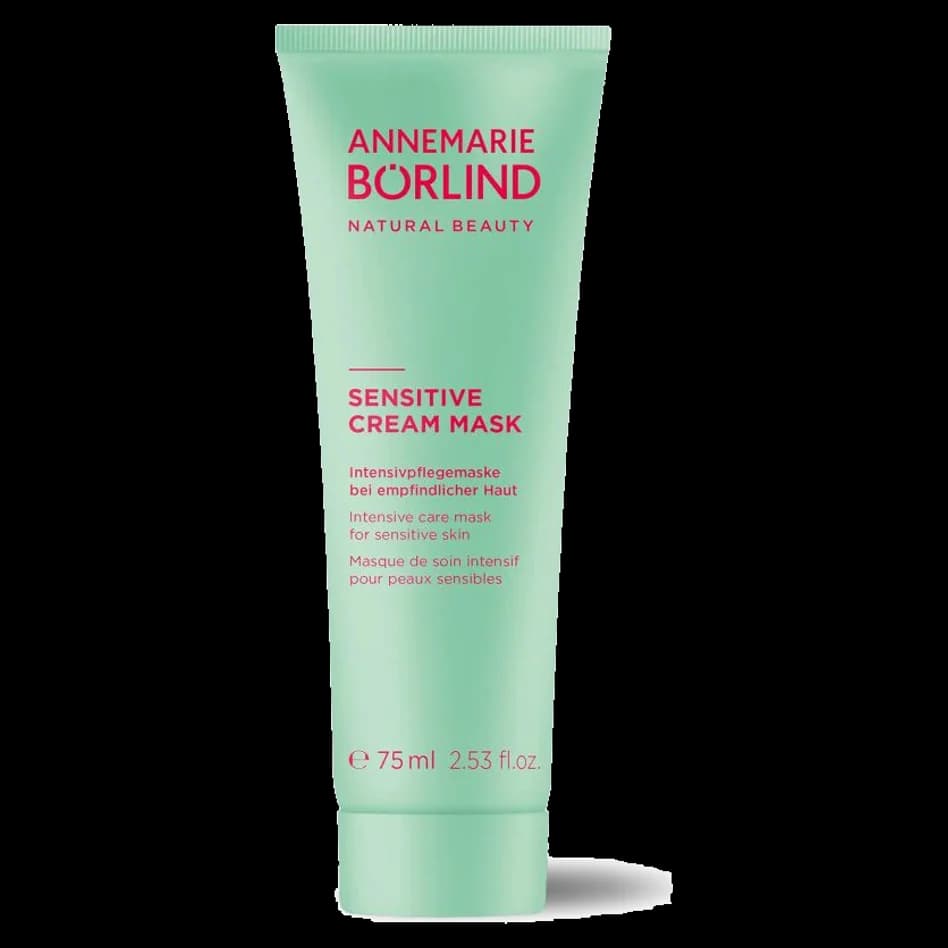
Annemarie Börlind
Sensitive Cream Mask
29th of 31 on the label
below ≈1%
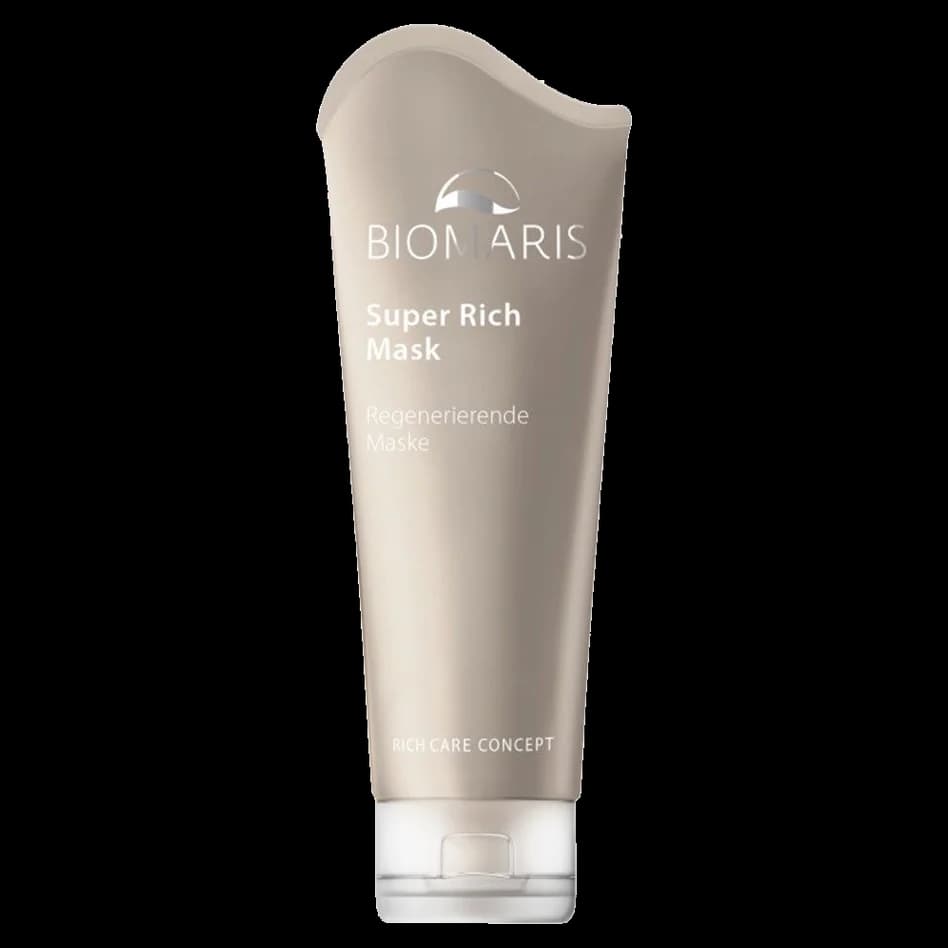
BIOMARIS
Super Rich Mask
12th of 19 on the label
below ≈1%
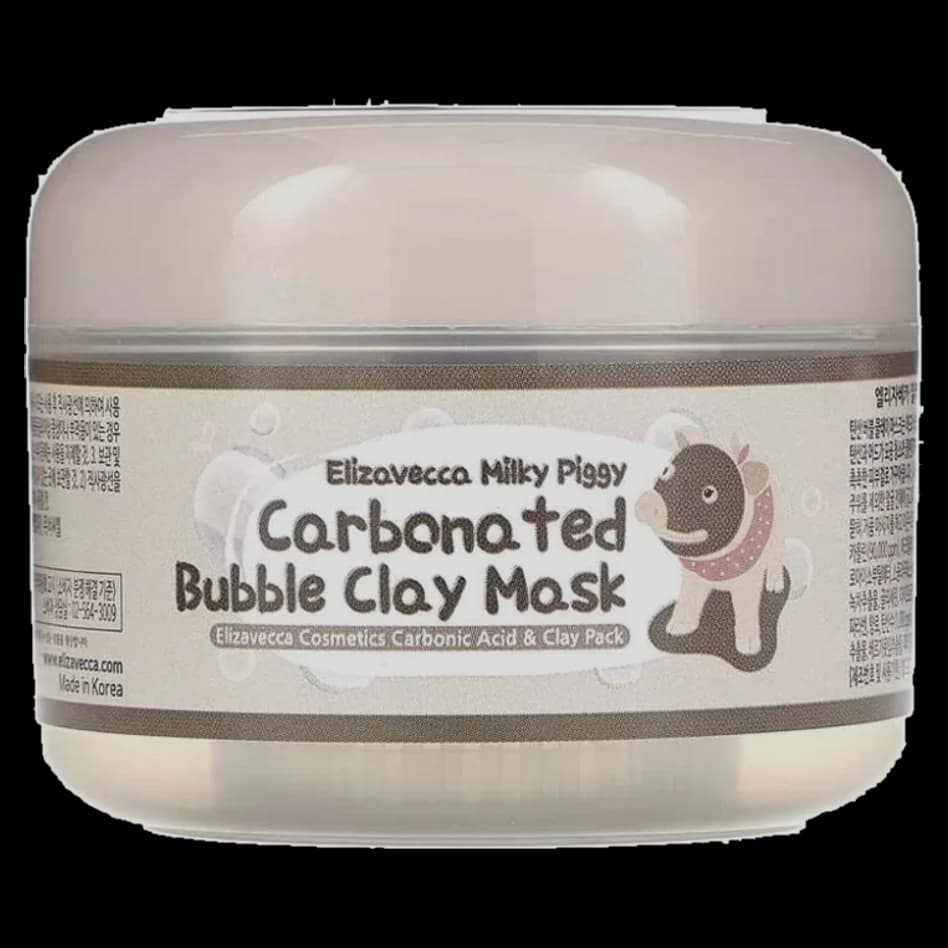
Elizavecca
Milky Piggy Carbonated Bubble Clay Mask
29th of 29 on the label
below ≈1%
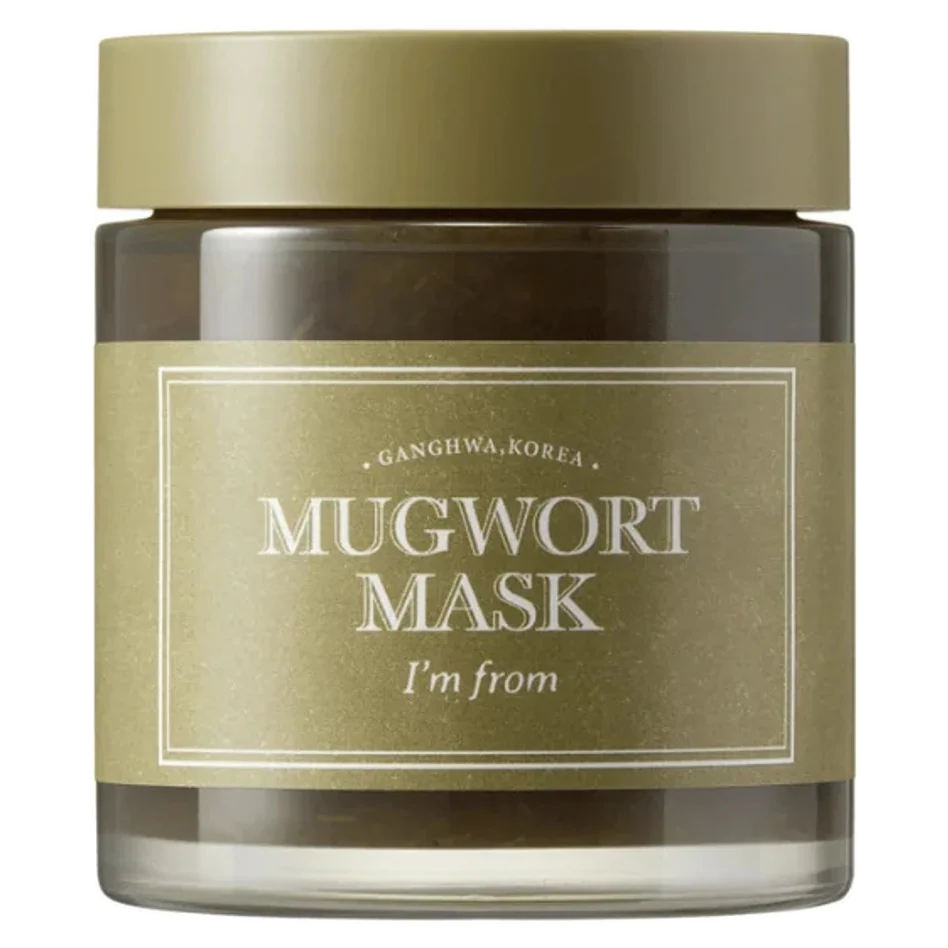
I'm From
Mugwort Mask
15th of 26 on the label
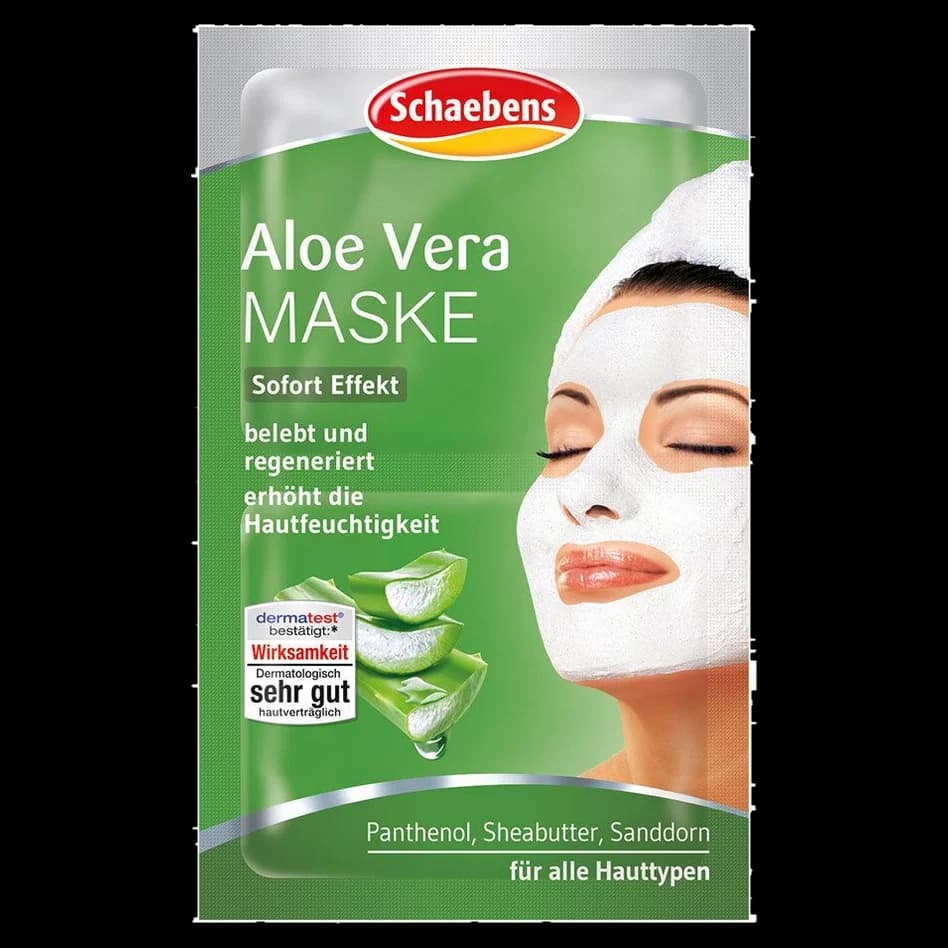
Schaebens
Aloe Vera Maske
15th of 34 on the label
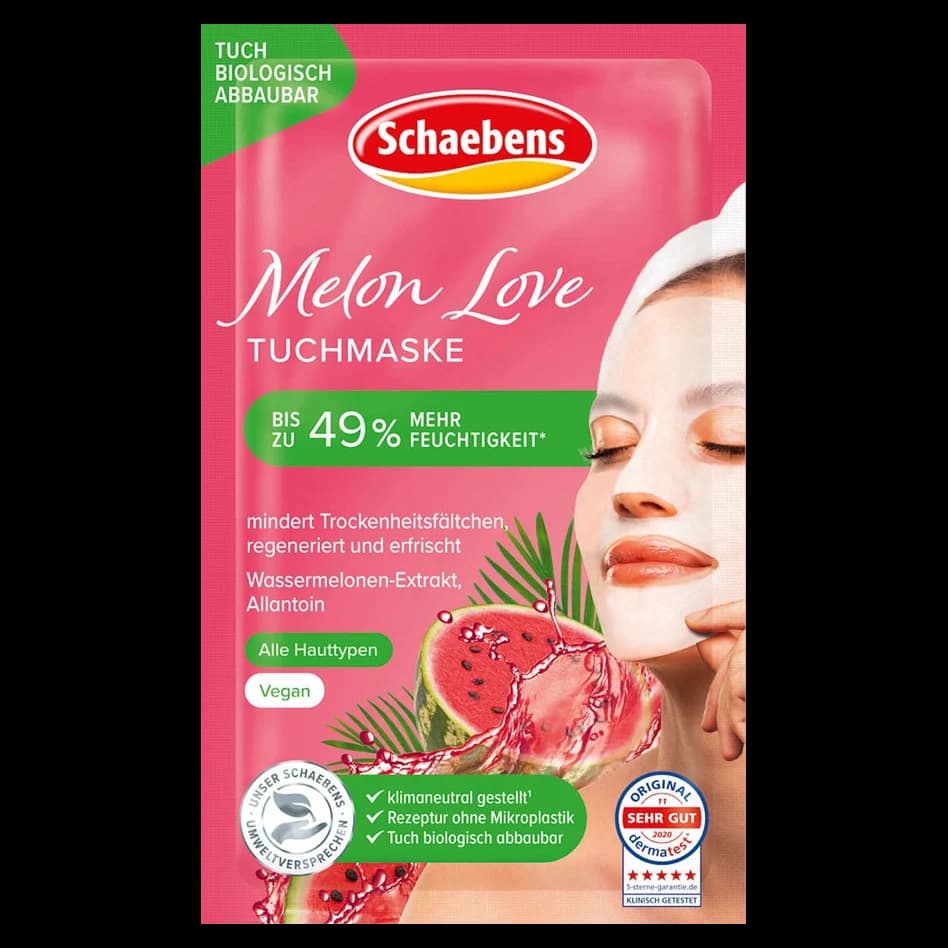
Schaebens
Tuchmaske Melon Love
20th of 45 on the label
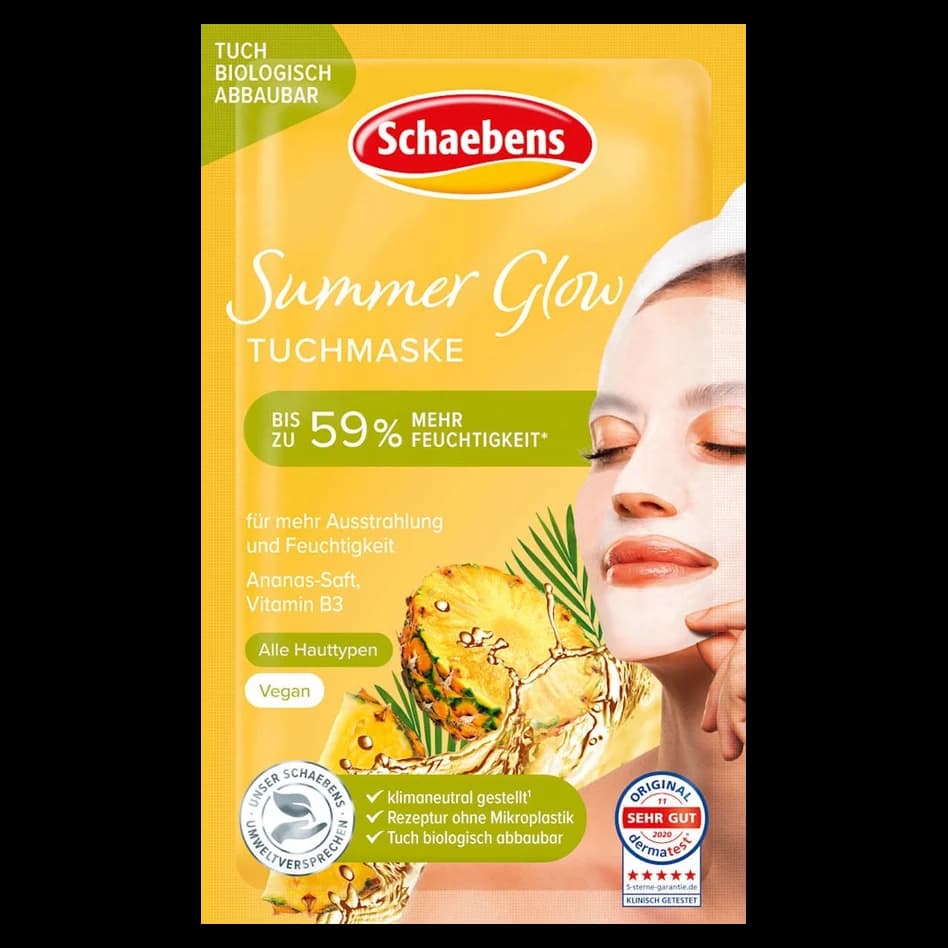
Schaebens
Tuchmaske Summer Glow
20th of 44 on the label
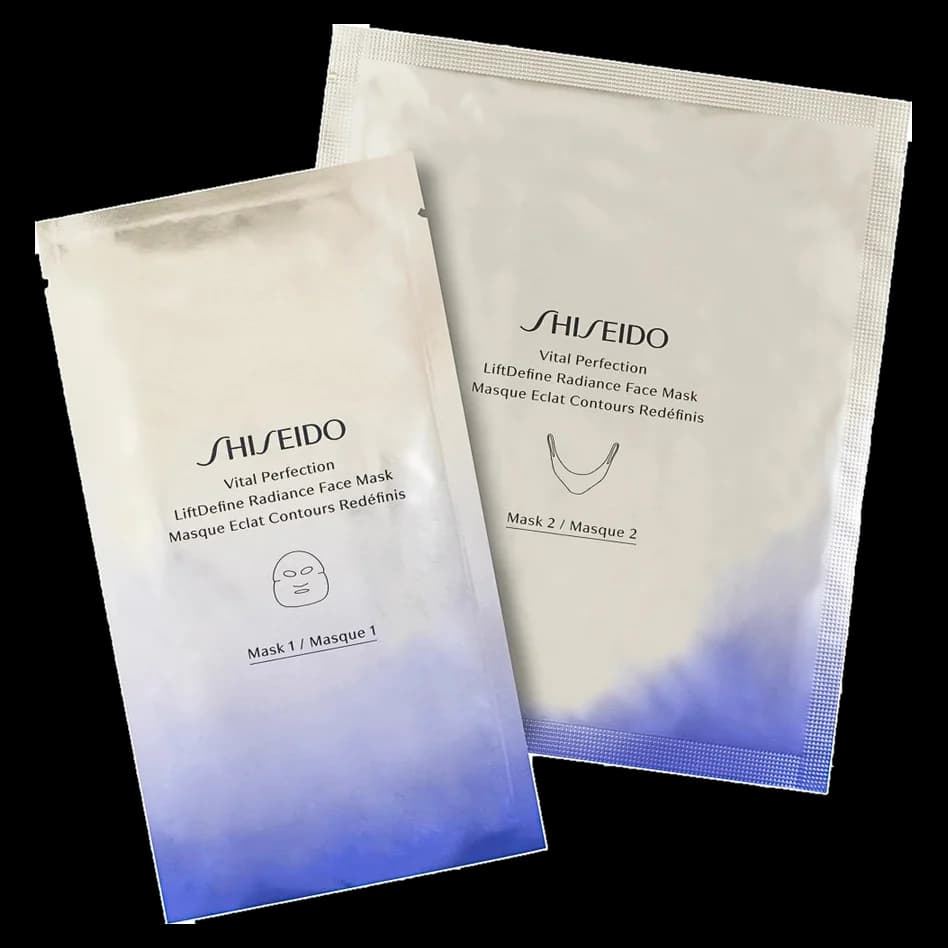
Shiseido
Vital Perfection LiftDefine Radiance Face Mask
25th of 81 on the label
below ≈1%
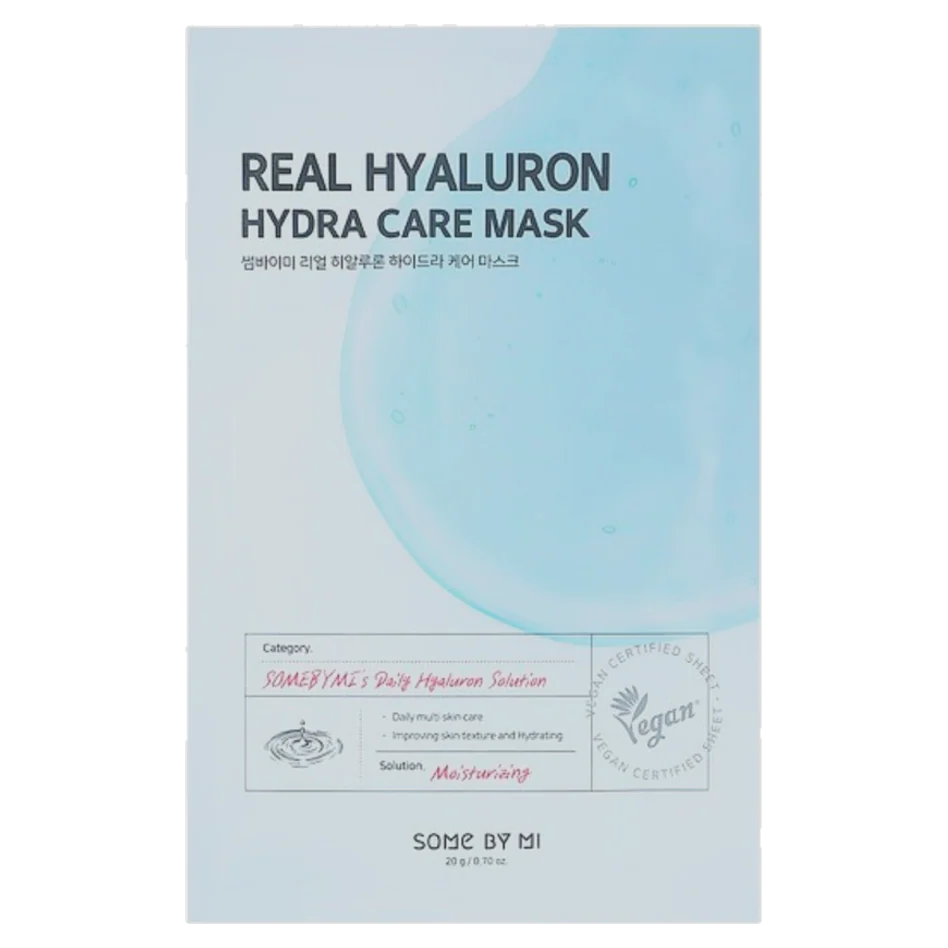
SOME BY MI
Real Hyaluron Hydra Care Mask
20th of 31 on the label