Camellia Sinensis (Green Tea) Leaf Extract
Green tea
No meaningful concern for most people; irritation is possible but rare.
Also written as: Camellia Sinensis Leaf Extract · Green Tea Extract · EGCG · Epigallocatechin Gallate · Camellia Sinensis Leaf/Stalk Extract
What it is
An extract of the leaves of the tea plant, rich in polyphenols called catechins - the most studied being epigallocatechin gallate (EGCG). It is one of the better-researched cosmetic antioxidants, with human data on how skin responds to UV exposure. Formulators add it to masks and serums for its antioxidant and soothing properties.
How it shows up on a label
Green tea polyphenols oxidise and brown over time. A product that has turned deep brown has likely lost some of its antioxidant activity.
What it does well
Reduces UV-induced immune damage in skin
In human volunteers, topical green and white tea extracts protected skin against UV-driven immune suppression after solar-simulated exposure. Importantly this was not a sunscreen effect - both preparations measured an SPF of 1.
Moderate evidence
Improves skin elasticity and dullness
A split-face, double-blind, randomised placebo-controlled study in 29 women found green tea extract in chitosan microparticles improved elasticity by week 4 and reduced dullness by week 6, with no irritation.
Moderate evidence
Calms visible redness in oily and blemish-prone skin
Catechins have well-documented anti-inflammatory activity in the lab, and green tea is a common inclusion in products for oily skin, but head-to-head cosmetic trials are small.
Limited evidence
Worth knowing
Popular anti-ageing claims outrun the evidence
A double-blind, placebo-controlled trial in photoaged skin found no significant difference in clinical grading versus placebo - only a microscopic improvement in elastic tissue. Treat visible wrinkle claims for green tea with scepticism.
Matters most toAnyone buying a product primarily for green tea's advertised anti-wrinkle effect.
It is not a substitute for sunscreen
Topical tea extracts measured an SPF of about 1 in human testing. Any photoprotective benefit is biological, not a UV filter, and works alongside sunscreen rather than replacing it.
Matters most toPeople relying on antioxidant products for sun protection.
Where the EU stands
No specific restriction
Not listed in any Annex of the EU Cosmetics Regulation, so there is no specific concentration limit; it is still covered by the general safety assessment every cosmetic product must pass before sale.
Regulation (EC) No 1223/2009 - no annex entry · source ↗
Sources (3)
Every link goes to the original: a journal, a PubMed record or an EU document.
- [1]Topical application of green and white tea extracts provides protection from solar-simulated ultraviolet light in human skin
Experimental Dermatology · 2009 · doi:10.1111/j.1600-0625.2008.00818.x
Topical green and white tea protected human skin against UV-induced immune damage, but provided essentially no direct UV filtering (SPF 1), so they complement rather than replace sunscreen.
- [2]Double-blinded, placebo-controlled trial of green tea extracts in the clinical and histologic appearance of photoaging skin
Dermatologic Surgery · 2005 · doi:10.1111/j.1524-4725.2005.31731
No significant difference in clinical appearance versus placebo; only microscopic elastic-tissue improvement reached significance, so visible anti-ageing claims are not supported by this trial.
- [3]Effect of green tea extract loaded chitosan microparticles on facial skin: A split-face, double-blind, randomized placebo-controlled study
Journal of Cosmetic Dermatology · 2022 · doi:10.1111/jocd.14707
In 29 women, an encapsulated green tea preparation significantly improved skin elasticity and dullness versus placebo without causing irritation.
Masks that contain Camellia Sinensis (Green Tea) Leaf Extract
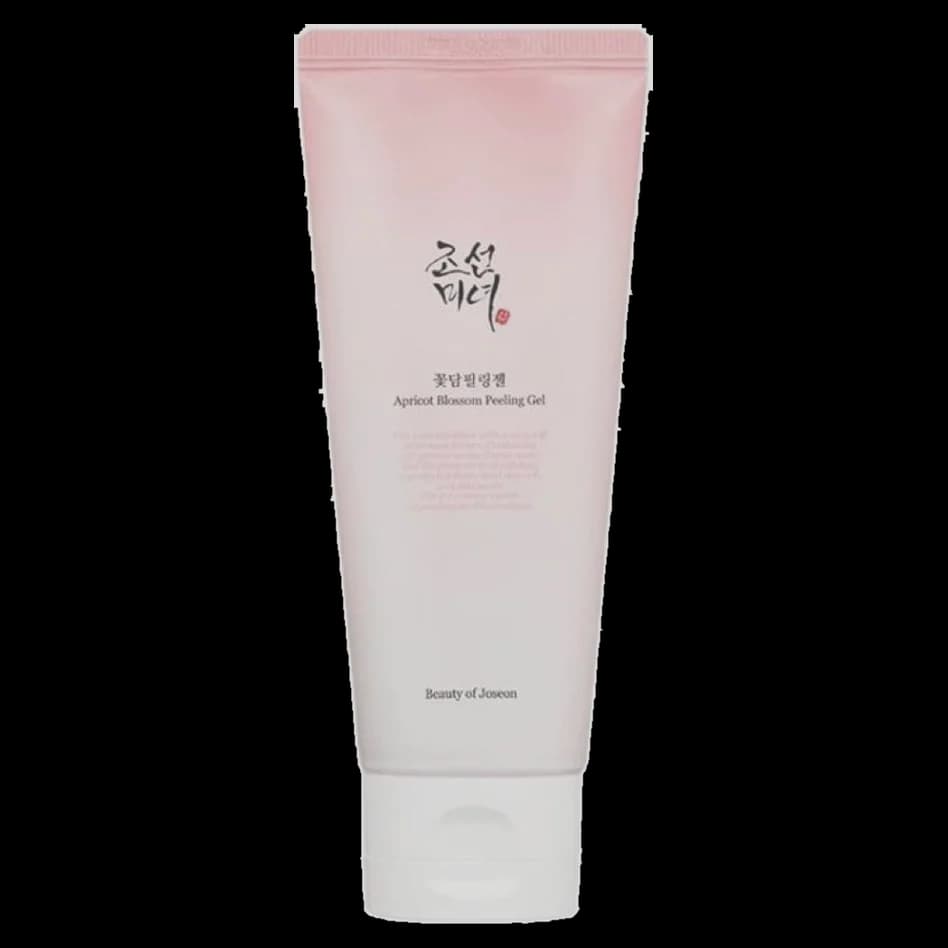
Beauty of Joseon
Apricot Blossom Peeling Gel
12th of 19 on the label
below ≈1%
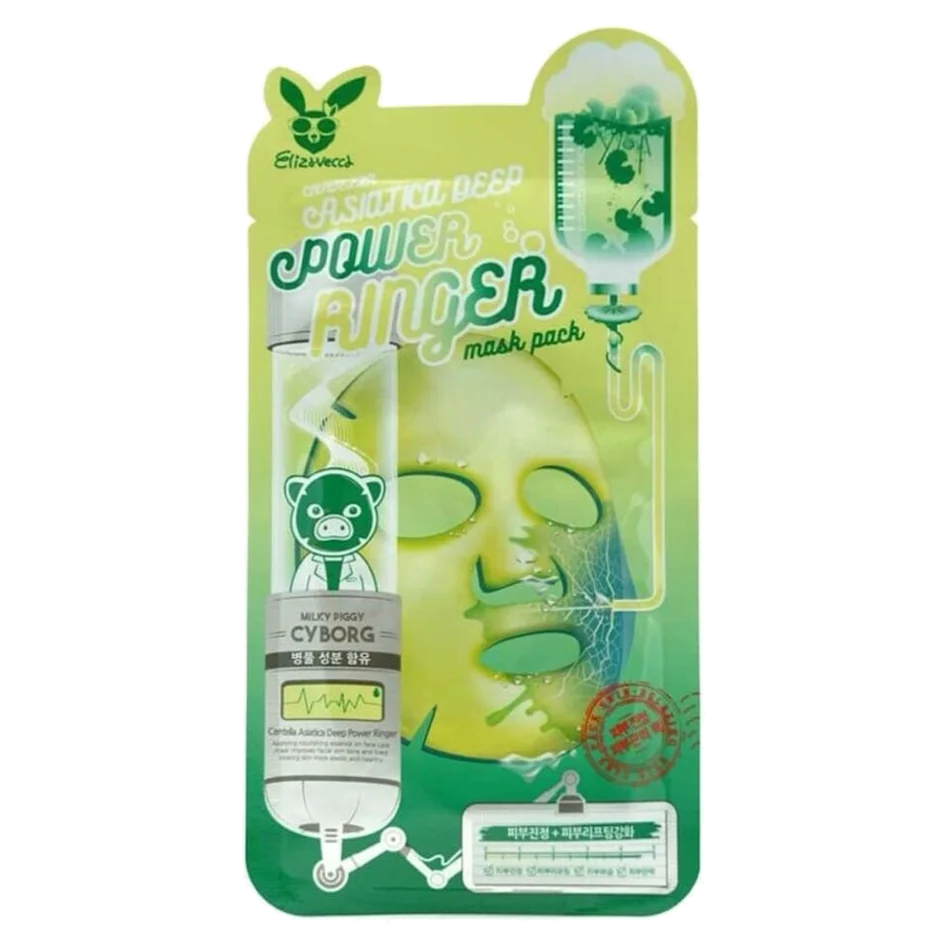
Elizavecca
Centella Deep Power Ringer Mask Pack
5th of 22 on the label
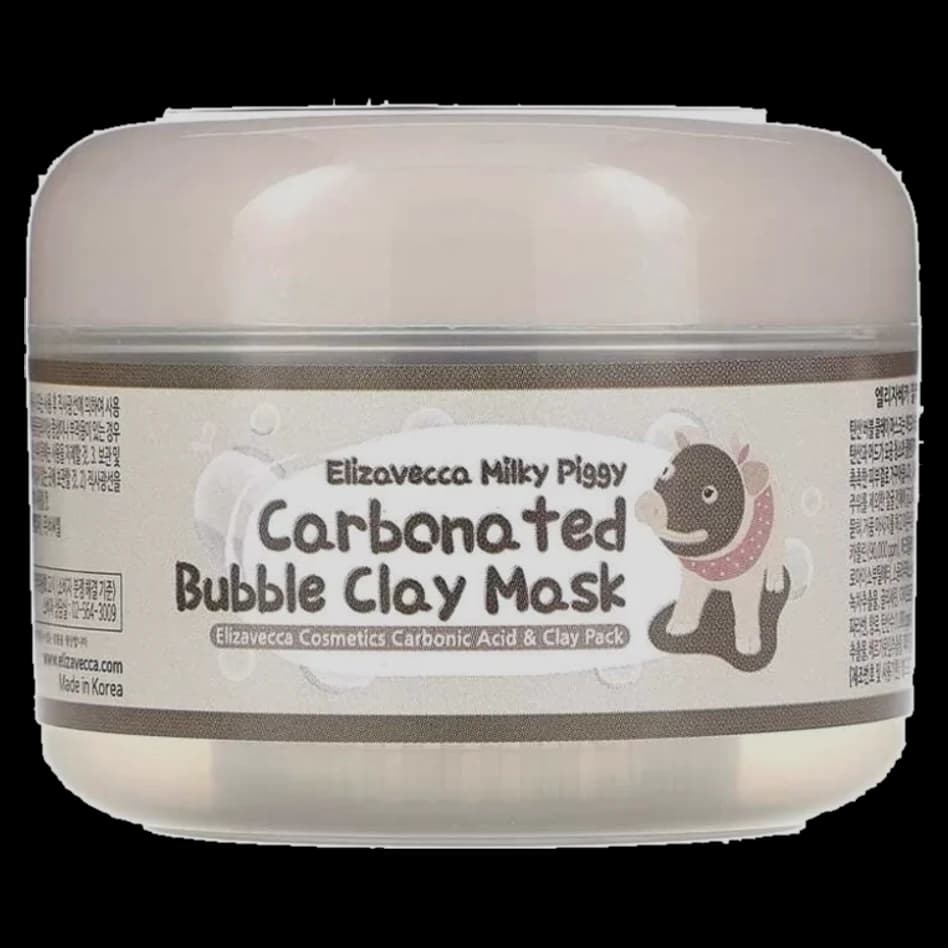
Elizavecca
Milky Piggy Carbonated Bubble Clay Mask
10th of 29 on the label
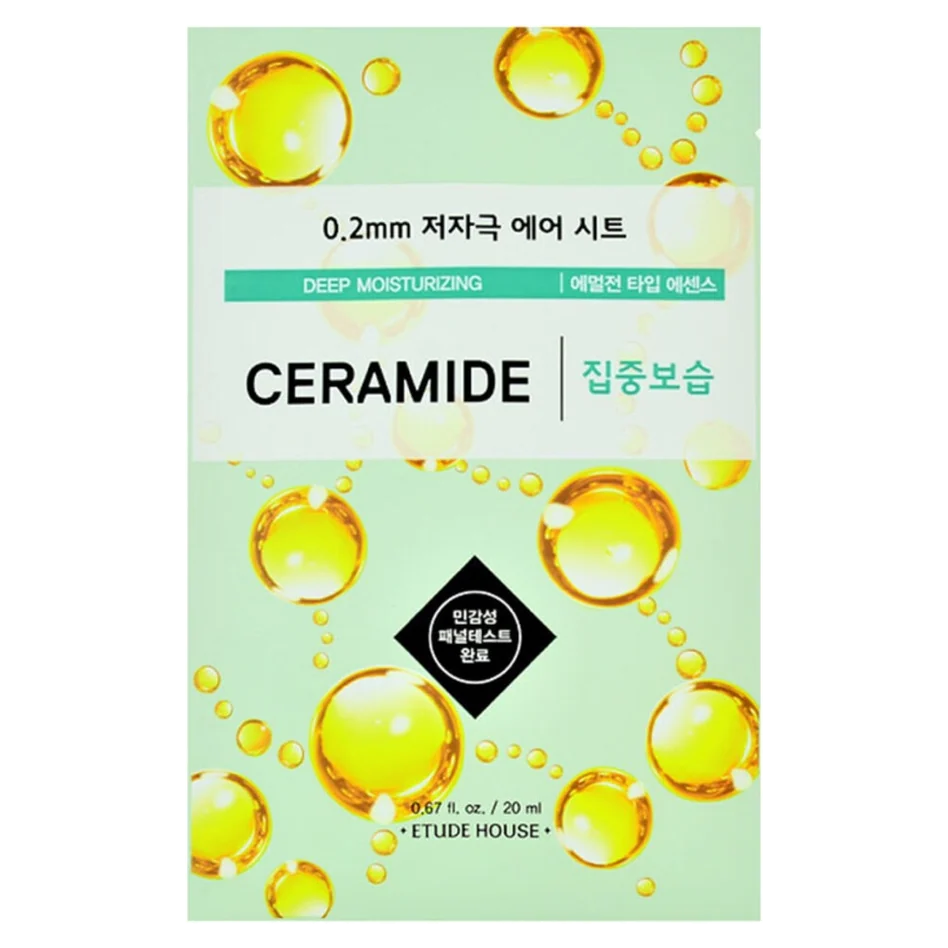
Etude House
0.2mm Therapy Air Mask Ceramide
15th of 33 on the label
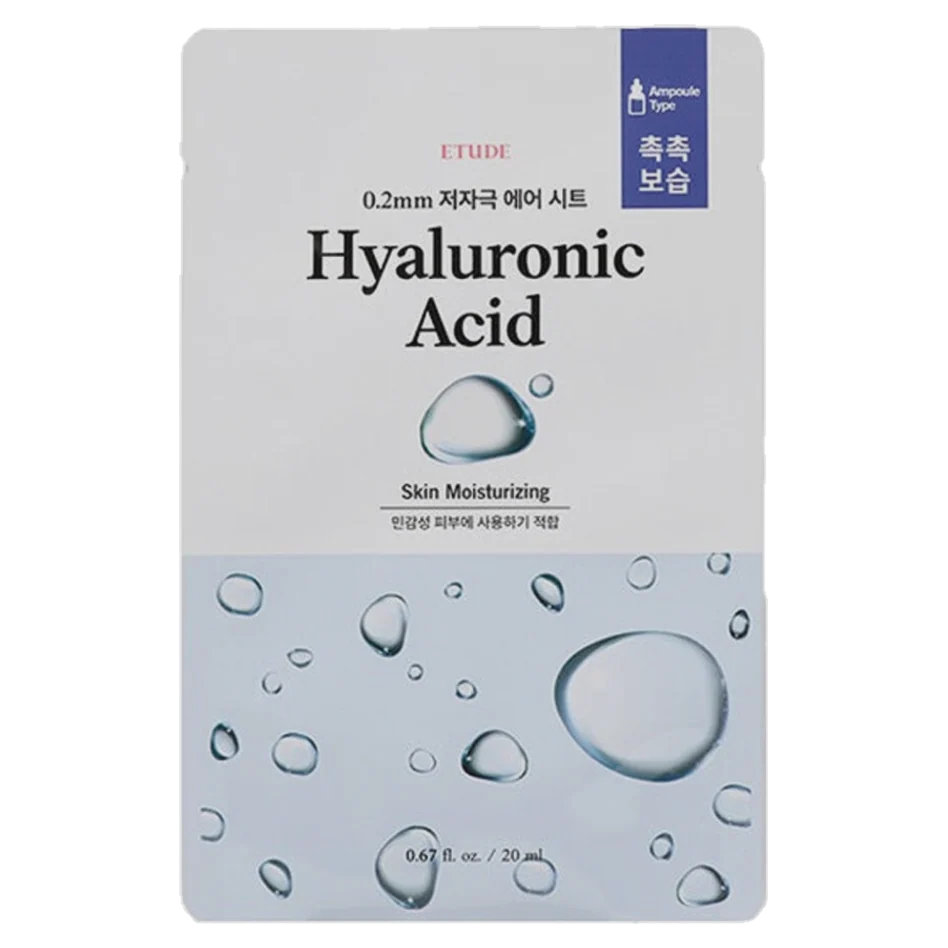
Etude House
0.2mm Therapy Air Mask Hyaluronic Acid
15th of 35 on the label
below ≈1%
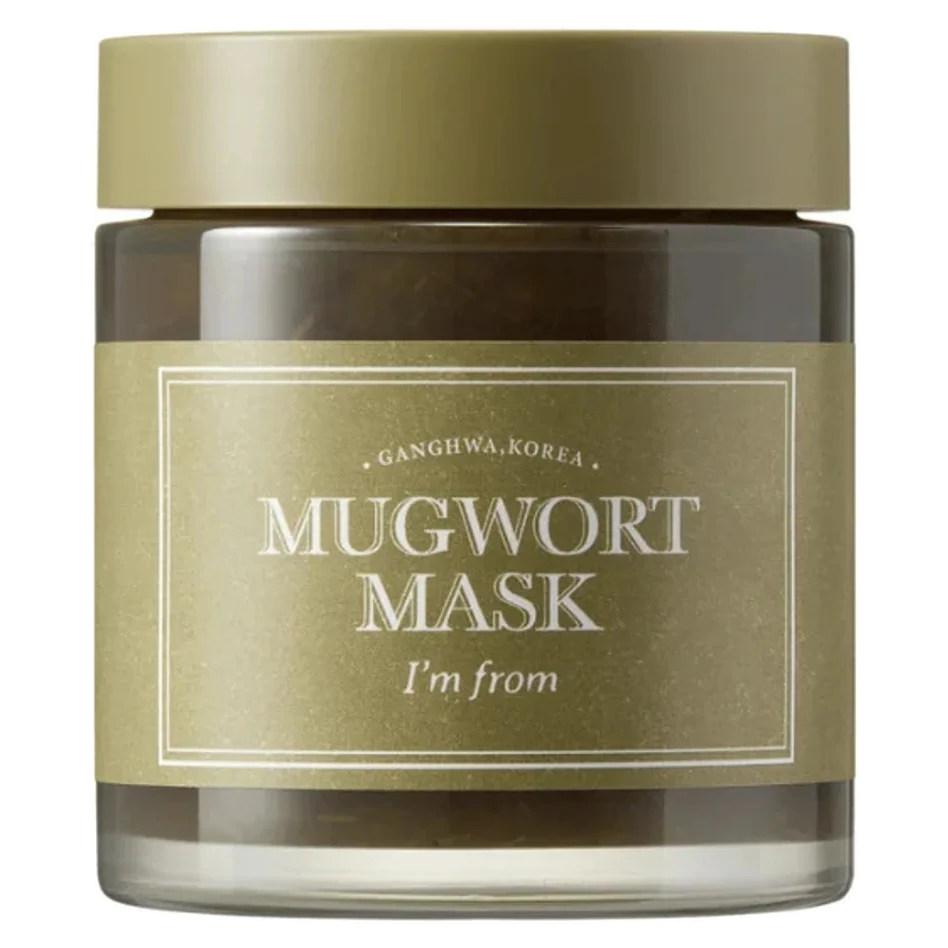
I'm From
Mugwort Mask
12th of 26 on the label
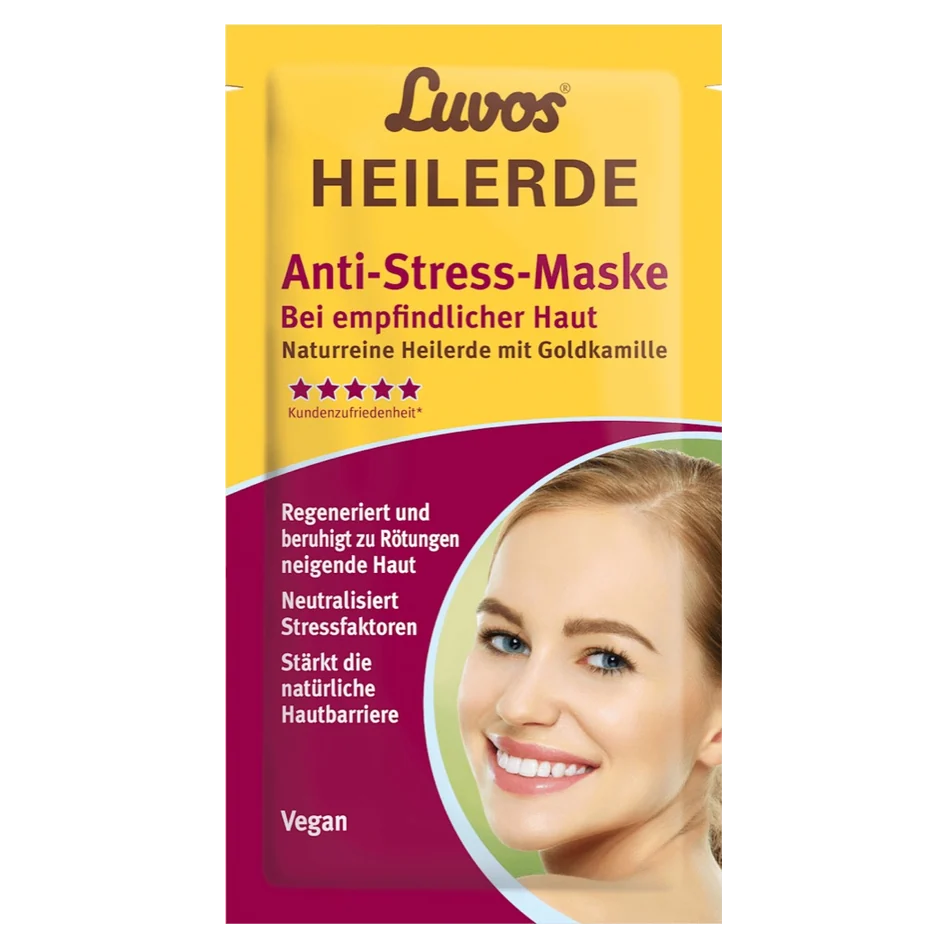
Luvos-Heilerde
Anti-Stress-Maske
18th of 33 on the label
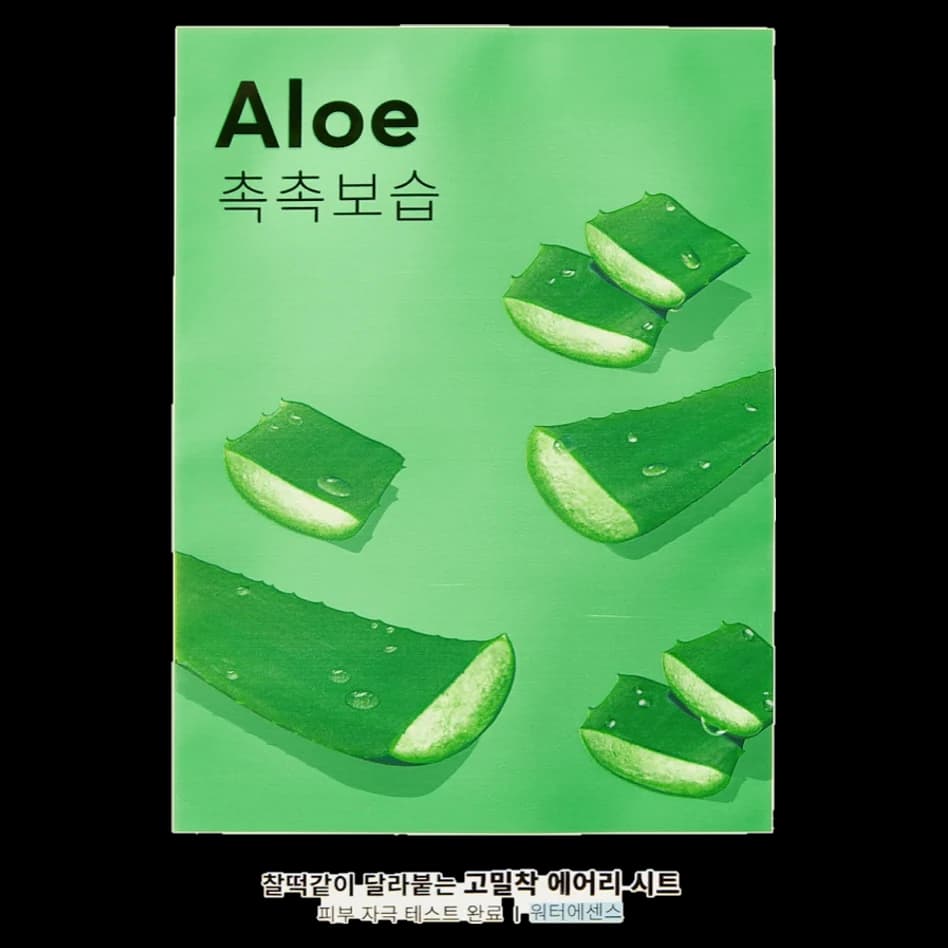
MISSHA
Airy Fit Sheet Mask Aloe
12th of 26 on the label
below ≈1%
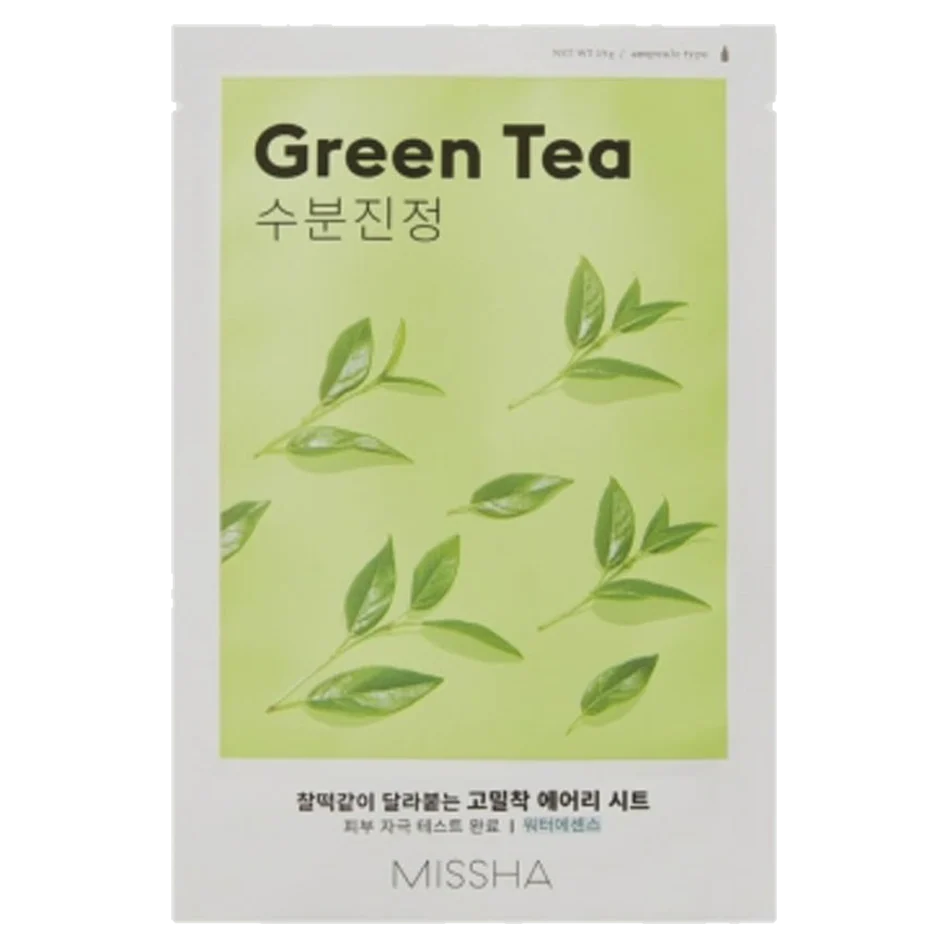
MISSHA
Airy Fit Sheet Mask Green Tea
9th of 23 on the label
below ≈1%
MISSHA
Airy Fit Sheet Mask Pearl
18th of 31 on the label
below ≈1%
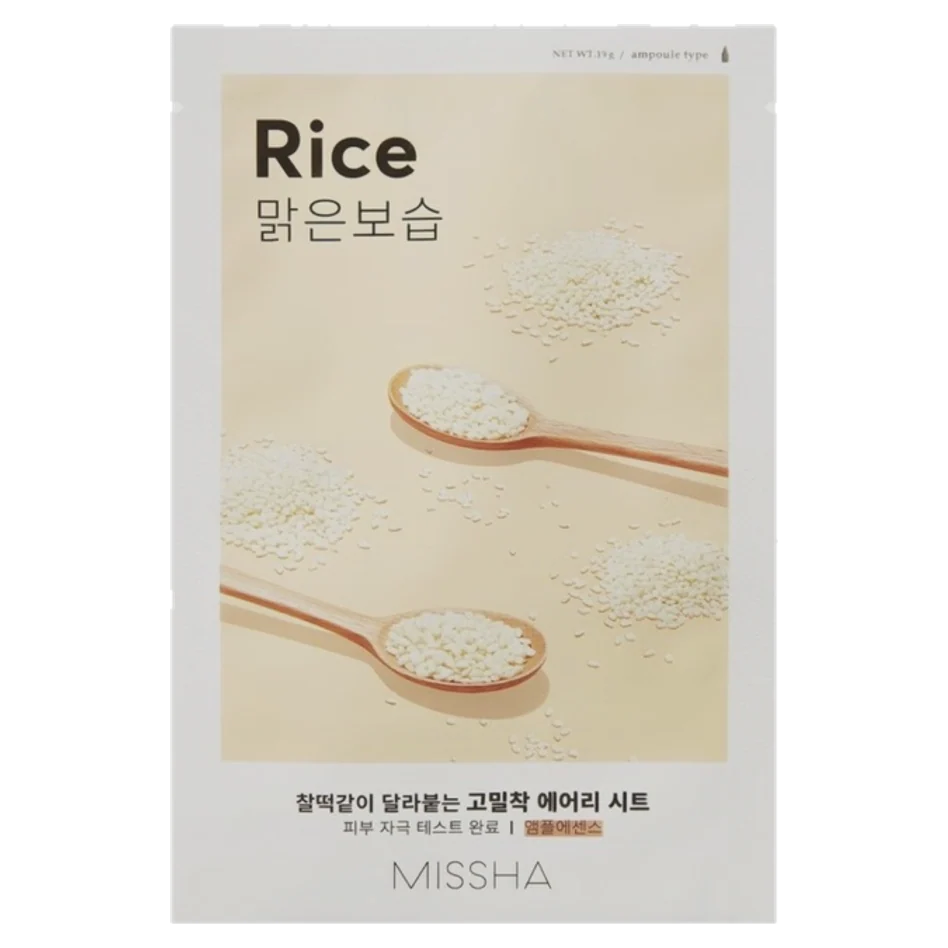
MISSHA
Airy Fit Sheet Mask Rice
12th of 27 on the label
below ≈1%
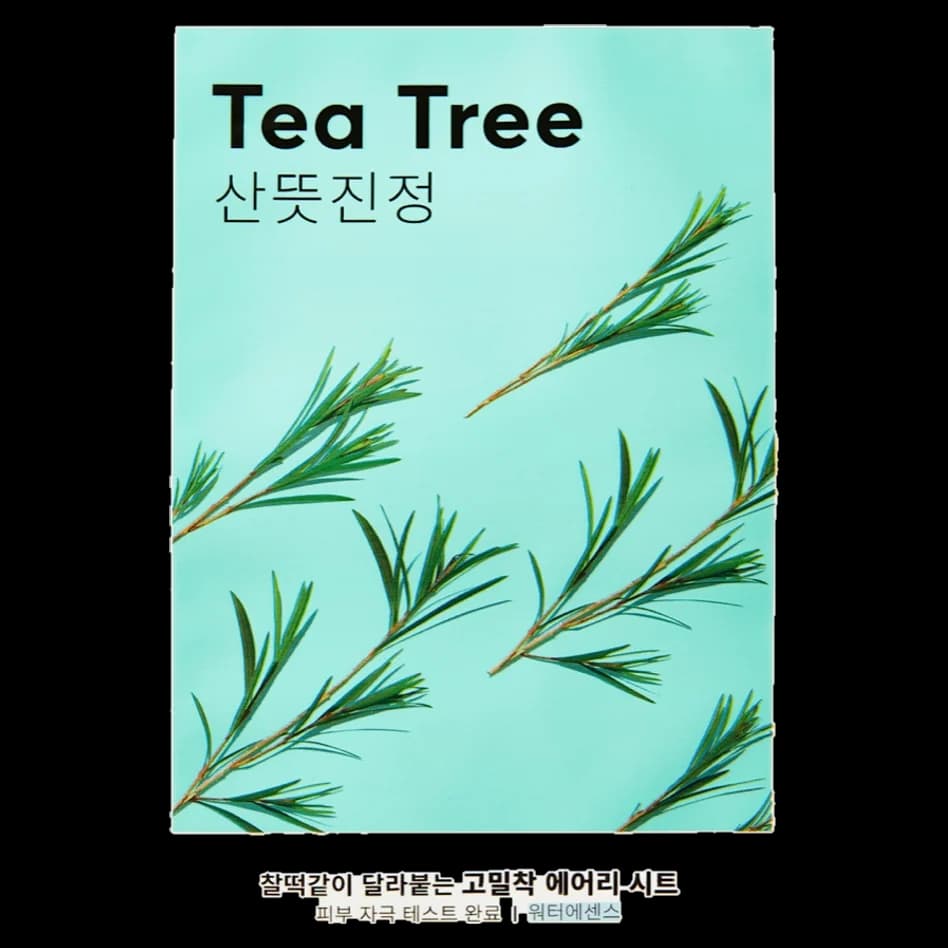
MISSHA
Airy Fit Sheet Mask Tea Tree
9th of 23 on the label
below ≈1%
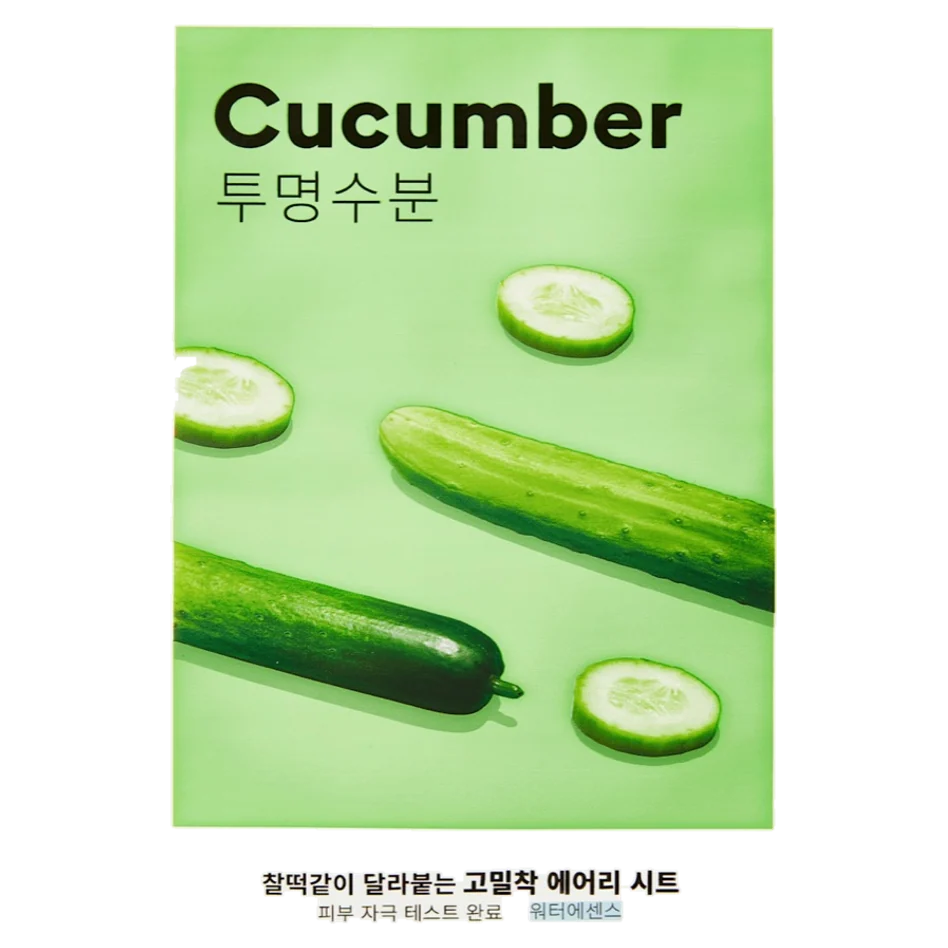
MISSHA
Sheet Mask Cucumber
12th of 25 on the label
below ≈1%
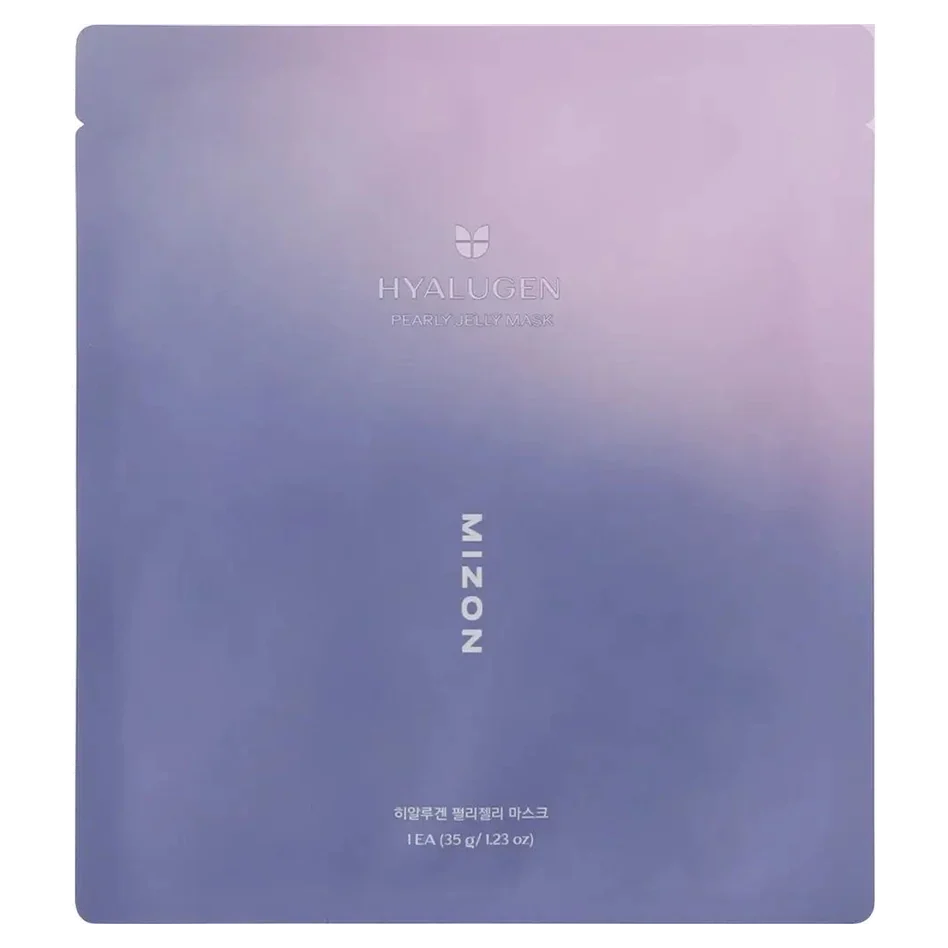
MIZON
Hyalugen Pearly Jelly Mask
11th of 19 on the label
below ≈1%
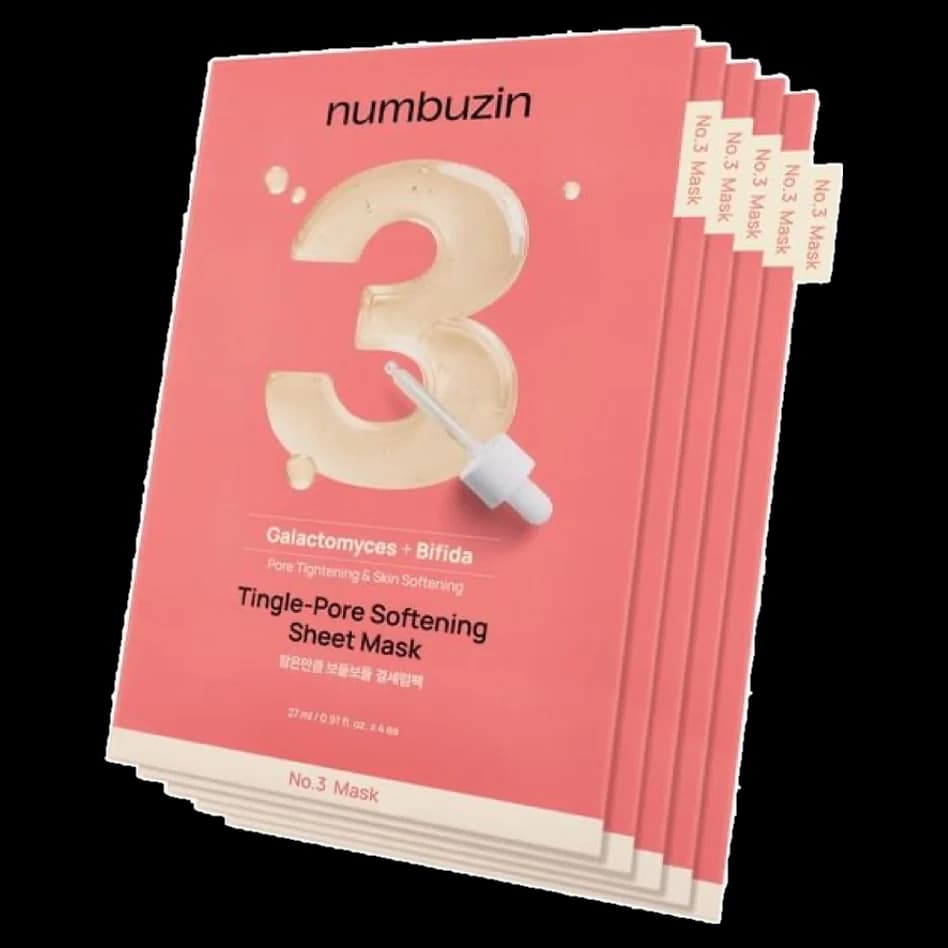
numbuzin
No.3 Tingle-Pore Softening Sheet Mask
12th of 42 on the label
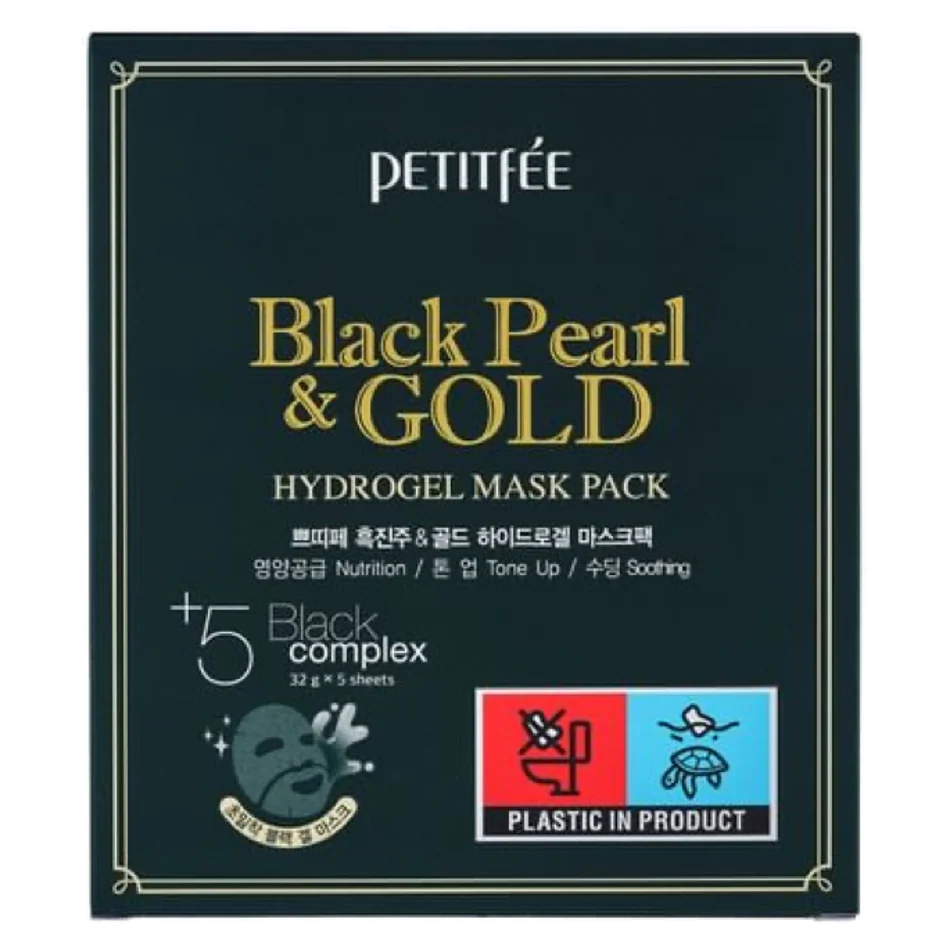
Petitfee
Black Pearl & Gold Hydrogel Mask Pack
14th of 33 on the label
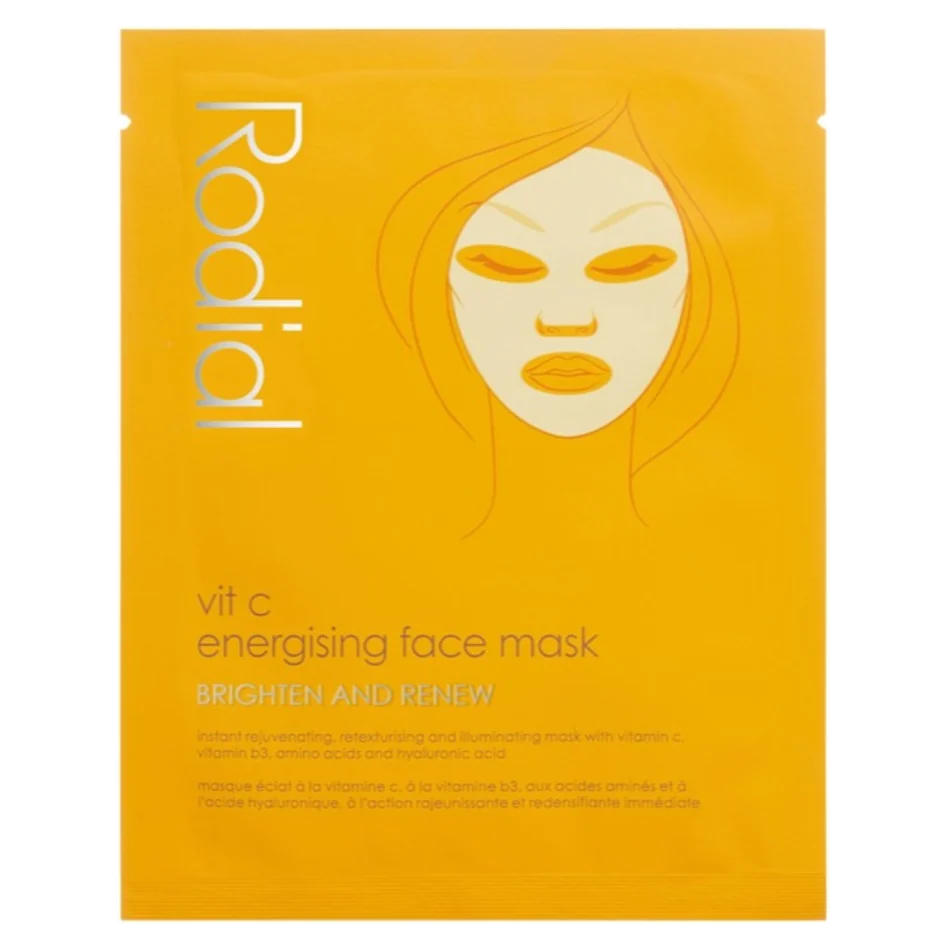
Rodial
Vit C Energising Face Mask
26th of 30 on the label
below ≈1%
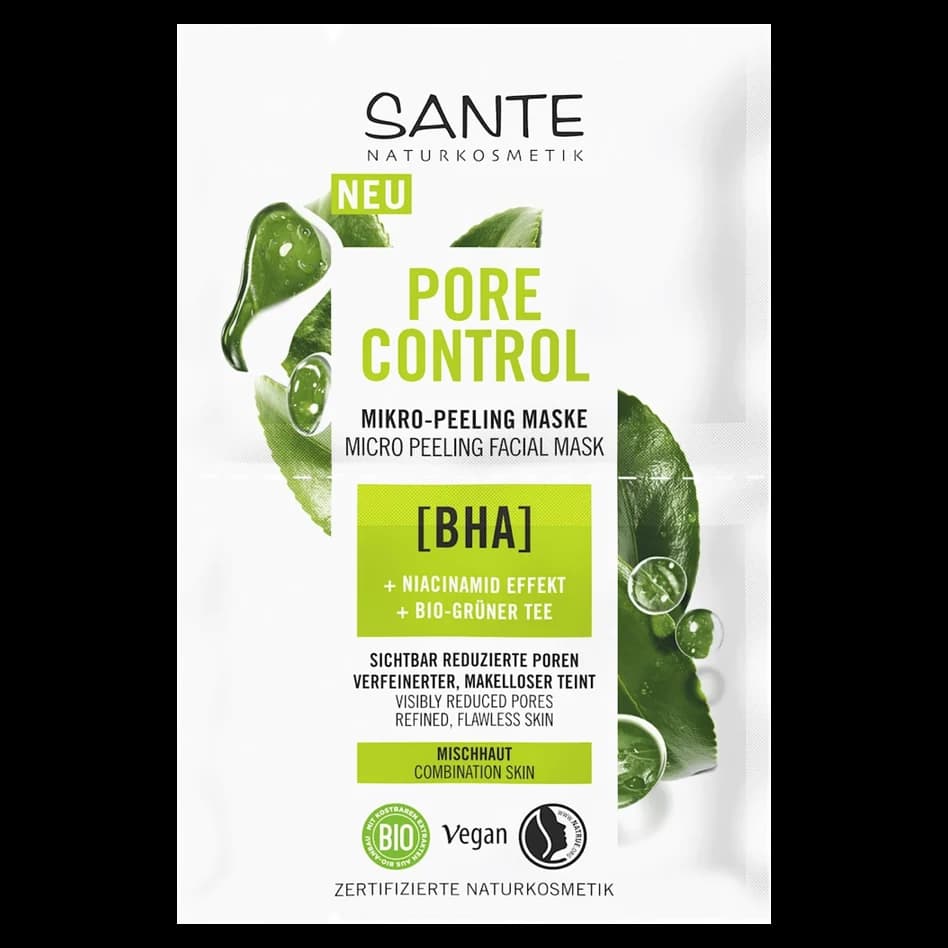
Santé Naturkosmetik
Pore Control Maske BHA
21st of 29 on the label
below ≈1%
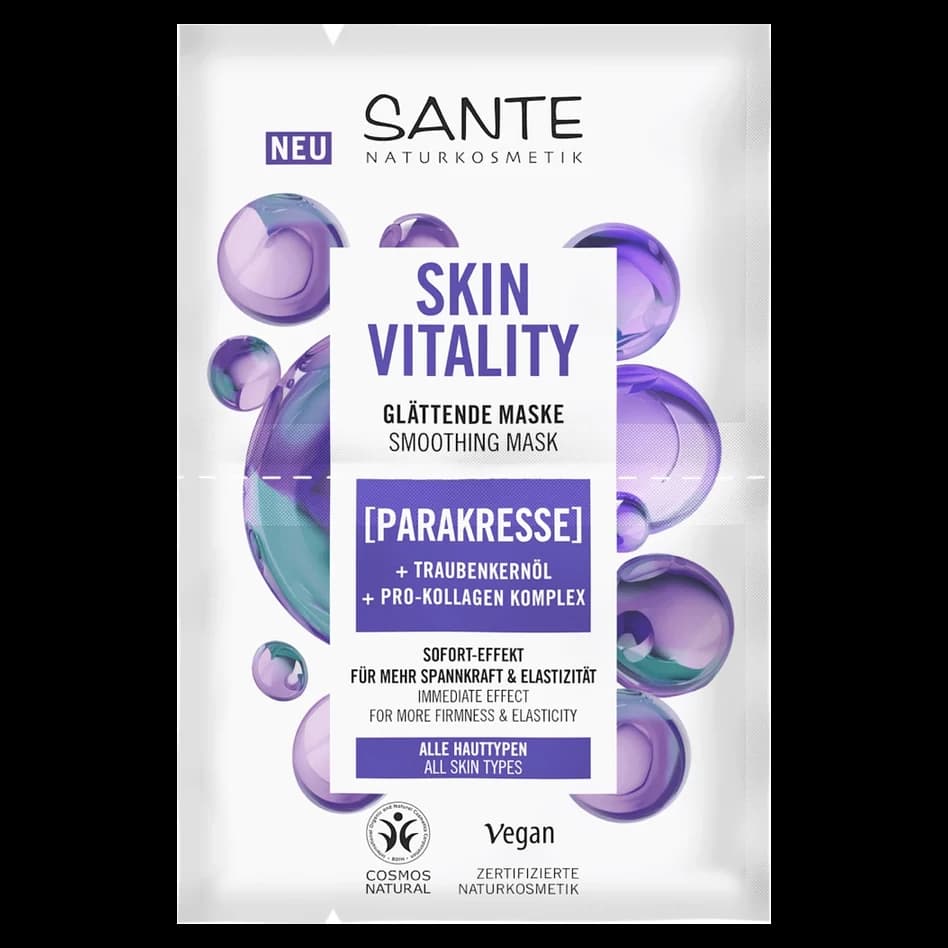
Santé Naturkosmetik
Skin Vitality Maske Parakresse
22nd of 33 on the label
below ≈1%
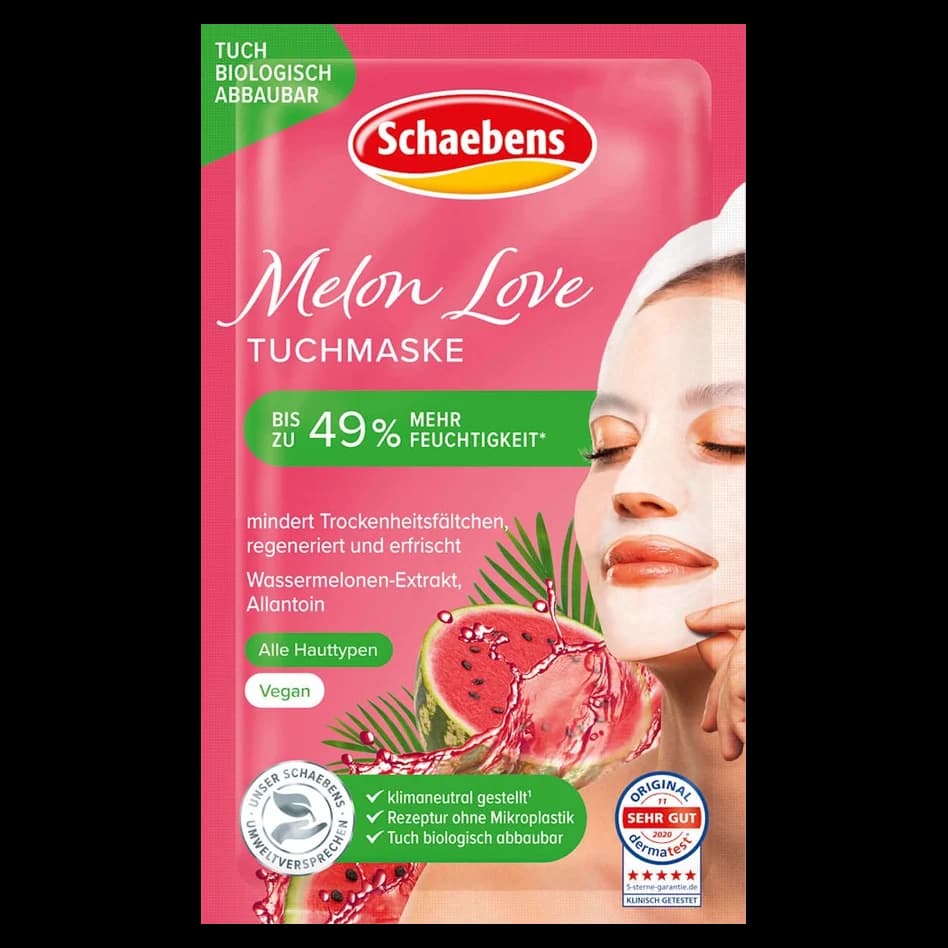
Schaebens
Tuchmaske Melon Love
6th of 45 on the label
Schaebens
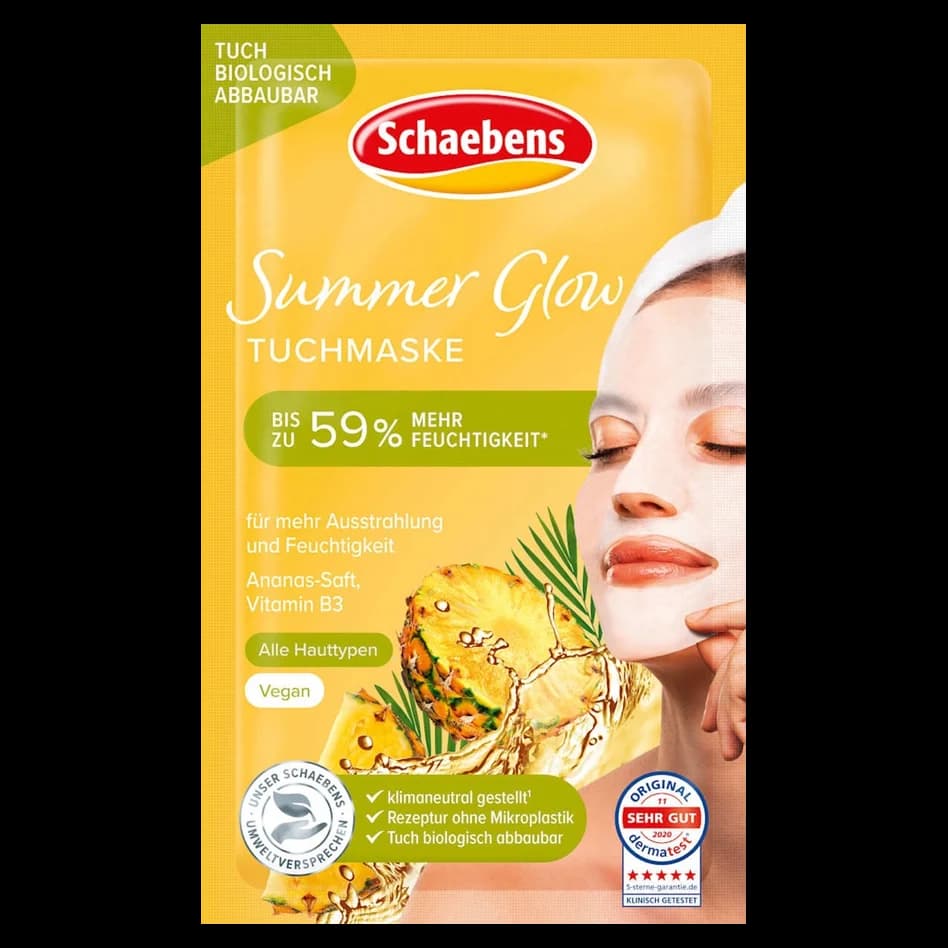
Tuchmaske Summer Glow
7th of 44 on the label
SEINZ.
Tuchmaske moisture effect
6th of 16 on the label
Shiseido
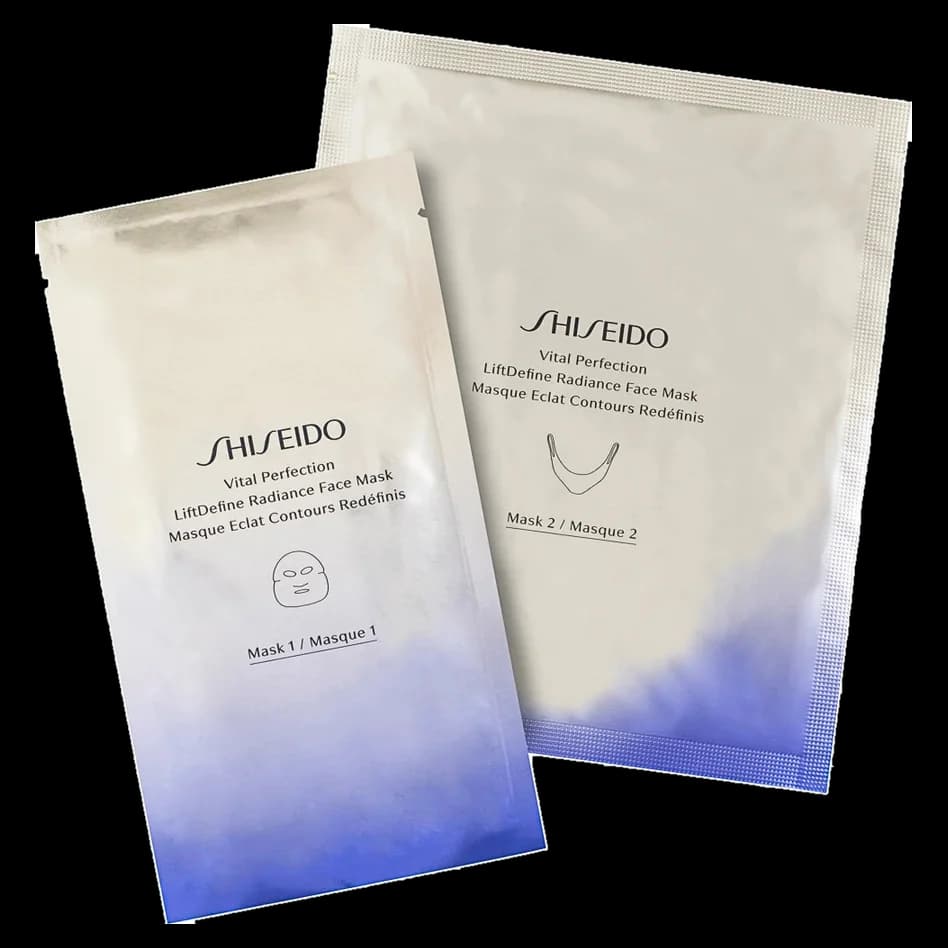
Vital Perfection LiftDefine Radiance Face Mask
21st of 81 on the label
below ≈1%
SOME BY MI
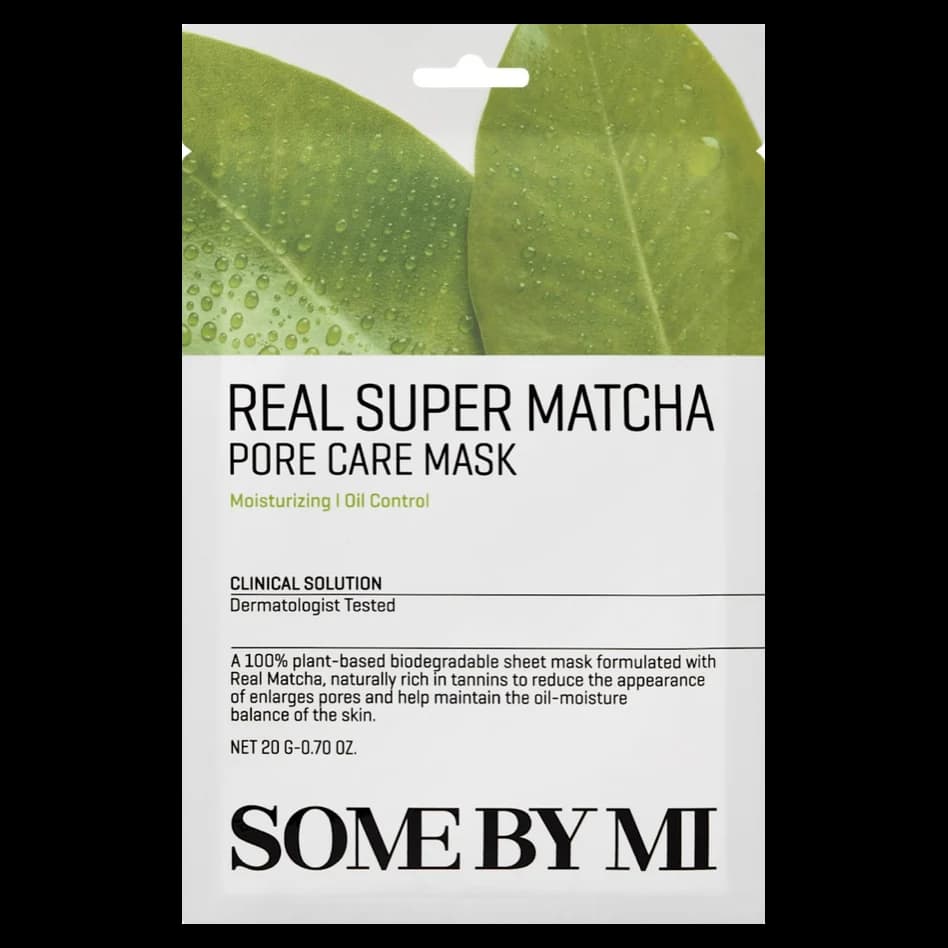
Real Super Matcha Pore Care Mask
5th of 22 on the label
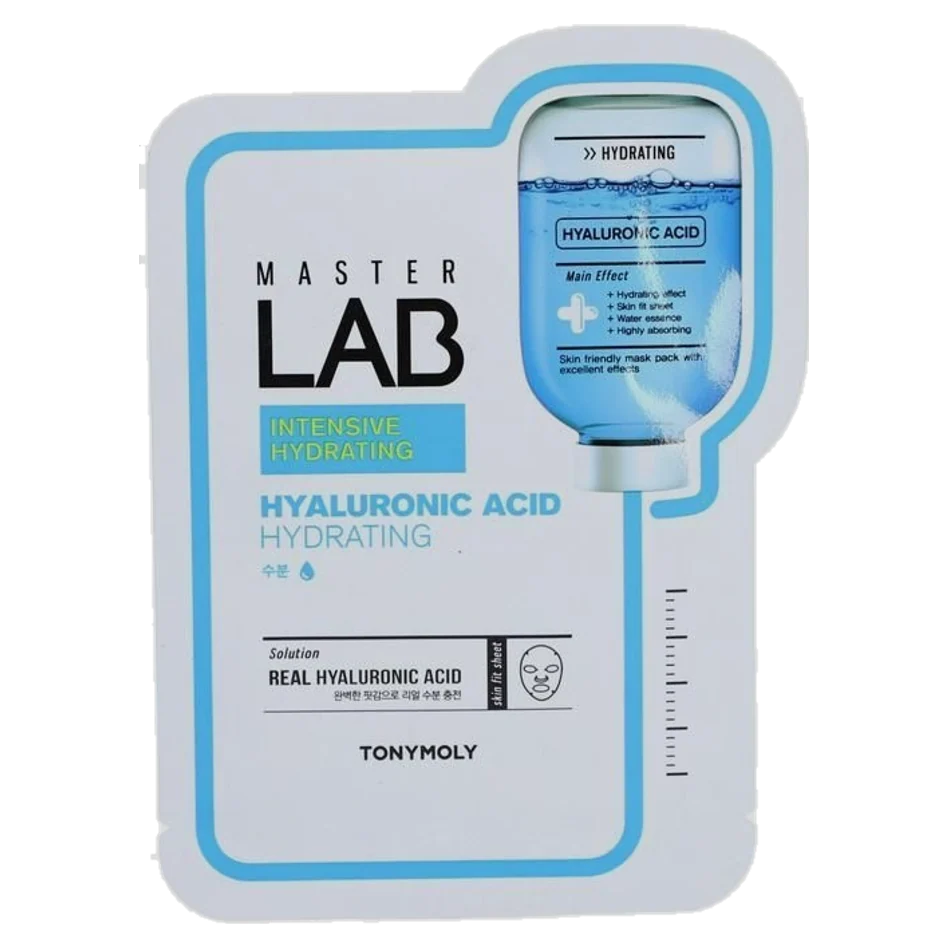
TONYMOLY
Master Lab Sheet Mask Hyaluronic Acid
21st of 31 on the label
below ≈1%
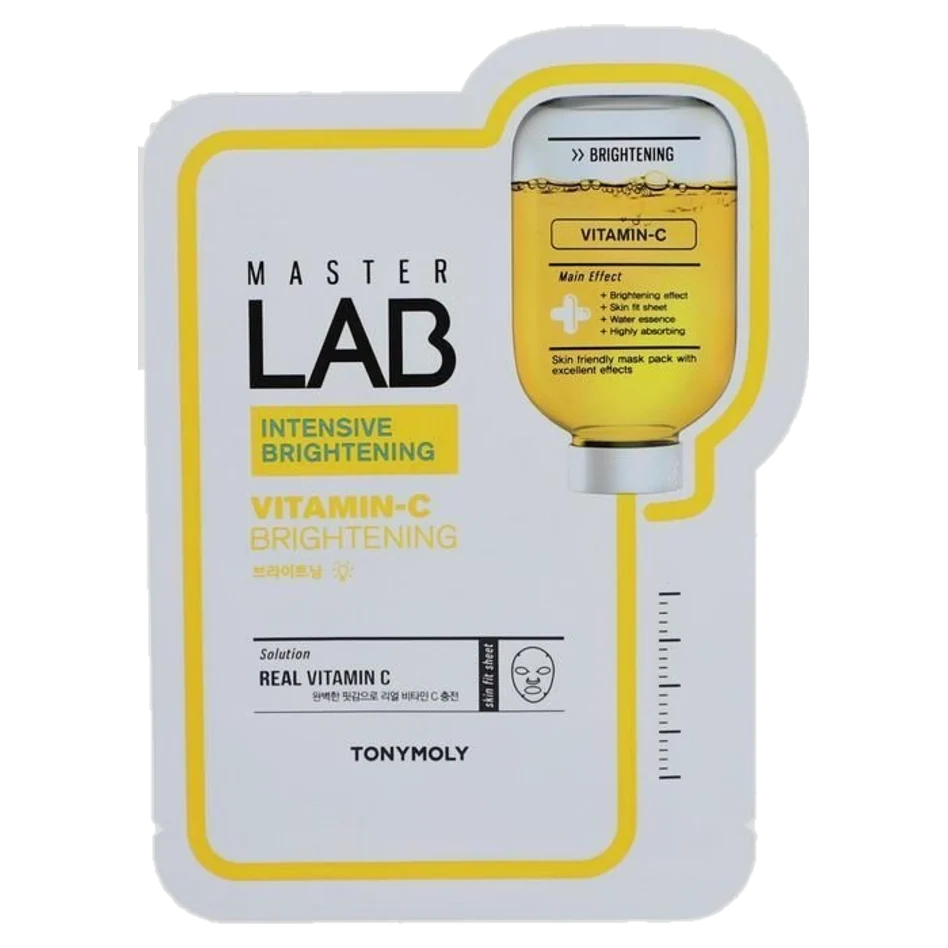
TONYMOLY
Master Lab Sheet Mask Vitamin C
26th of 33 on the label
below ≈1%