Hydroxyacetophenone
No meaningful concern for most people; irritation is possible but rare.
Also written as: 4-Hydroxyacetophenone · Piceol
What it is
Hydroxyacetophenone is a small phenolic ketone found naturally in spruce and some fruits. In cosmetics it is used as an antioxidant that protects the formula from oxidative breakdown, and it enhances the performance of preservatives such as phenoxyethanol. Some suppliers also promote it as a soothing ingredient. It is not an EU-listed preservative.
What it does well
Stabilises the formula and supports the preservative system
Its antioxidant action protects sensitive ingredients from oxidation while allowing lower preservative levels. Most of the supporting data comes from supplier studies rather than independent trials.
Limited evidence
Worth knowing
A documented contact allergen, in a slowly growing number of cases
Hydroxyacetophenone is not widely recognised as a contact allergen, and no prevalence figure from a large patch-test series has been published. What has accumulated instead is a run of individual reports of allergic contact dermatitis traced to it, in a face cream in 2018, an anti-wrinkle serum in 2023, a sunscreen in 2025 where the reaction was aggravated by light, an eyelid moisturiser sold for sensitive skin in 2026, and two further patients in 2026 who tested strongly positive to it at 0.6% in water. That is a small number against very wide use, but it is no longer none.
Matters most toPeople with persistent facial or eyelid eczema who have never had this ingredient patch tested.
Where the EU stands
No specific restriction
Not listed in Annex V and not otherwise restricted in EU cosmetics.
Regulation (EC) No 1223/2009 - no annex entry · source ↗
Sources (6)
Every link goes to the original: a journal, a PubMed record or an EU document.
- [1]Allergic contact dermatitis associated with hydroxyacetophenone: two case reports
Contact Dermatitis · 2026 · doi:10.1111/cod.70123
Two patients, one reacting to a psoriasis emollient and one to two anti-wrinkle creams, both tested strongly positive to hydroxyacetophenone at 0.6% in water. The authors note the compound is not widely recognised as a contact allergen, while counting the handful of cases documented before theirs.
- [2]Allergic contact dermatitis caused by hydroxyacetophenone in an eyelid moisturiser for sensitive skin
Contact Dermatitis · 2026 · doi:10.1111/cod.70122
A case of allergic contact dermatitis to hydroxyacetophenone in an eyelid moisturiser marketed for sensitive skin.
- [3]Photo-aggravated allergic contact dermatitis due to hydroxyacetophenone present in a sunscreen: a case report
Contact Dermatitis · 2025 · doi:10.1111/cod.14823
A case in which allergic contact dermatitis to hydroxyacetophenone in a sunscreen was aggravated by light exposure.
- [4]Allergic contact dermatitis from hydroxyacetophenone in an anti-wrinkle facial serum with flare-up reactions triggered by the repeated open application test
Contact Dermatitis · 2023 · doi:10.1111/cod.14284
Allergic contact dermatitis to hydroxyacetophenone in an anti-wrinkle serum, with the diagnosis confirmed by flare-up on repeated open application testing.
- [5]Allergic contact dermatitis caused by hydroxyacetophenone in a face cream
Contact Dermatitis · 2018 · doi:10.1111/cod.12900
The first published cosmetic case of allergic contact dermatitis attributed to hydroxyacetophenone.
- [6]Deciphering trends in replacing preservatives in cosmetics intended for infants and sensitive population
Scientific Reports · 2024 · doi:10.1038/s41598-024-69624-9
Identifies hydroxyacetophenone as one of eleven multifunctional ingredients with antimicrobial activity now replacing conventional preservatives, and closes by arguing that attention needs to shift to the safety of those replacements.
Masks that contain Hydroxyacetophenone
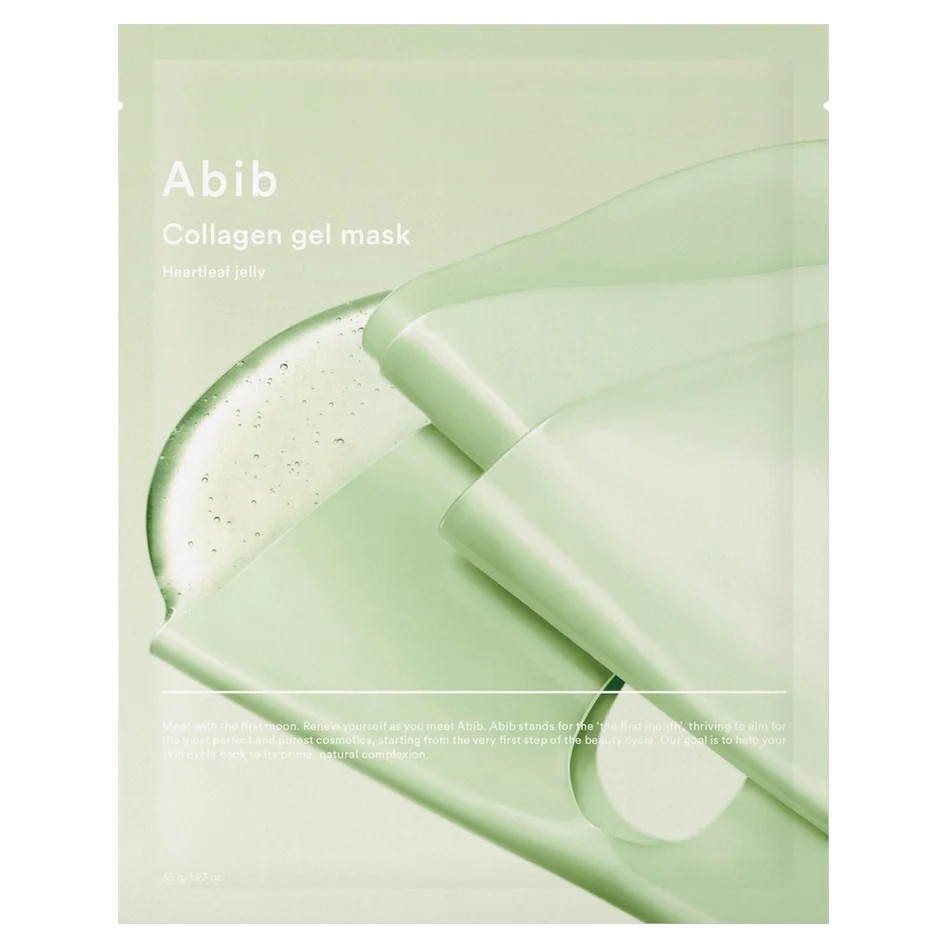
Abib
Collagen Gel Mask Heartleaf Jelly
14th of 43 on the label
below ≈1%
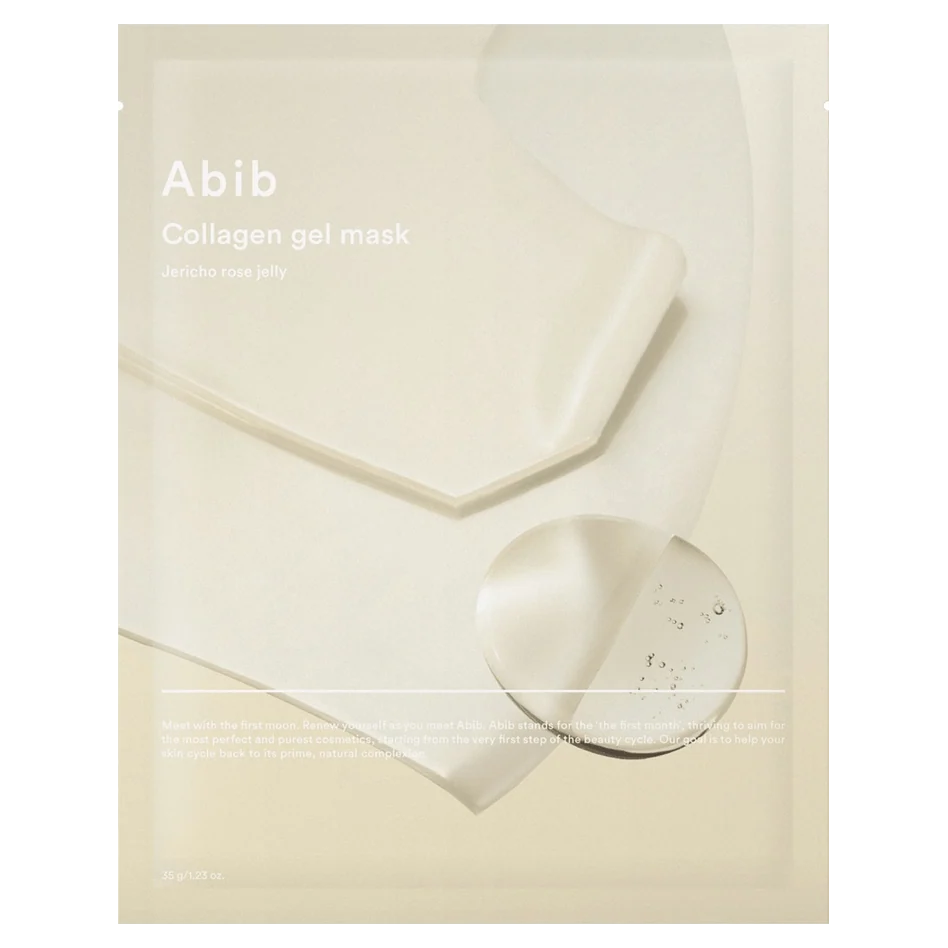
Abib
Collagen Gel Mask Jericho Rose Jelly
17th of 43 on the label
below ≈1%
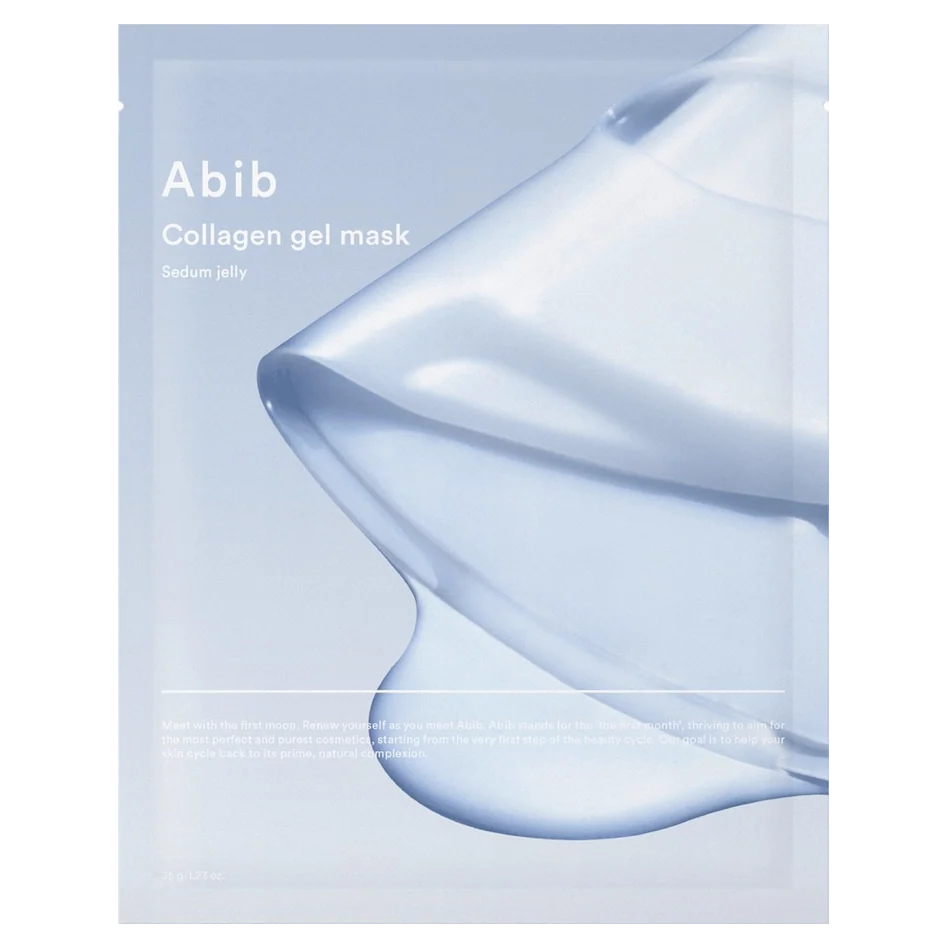
Abib
Collagen Gel Mask Sedum Jelly
19th of 41 on the label
below ≈1%
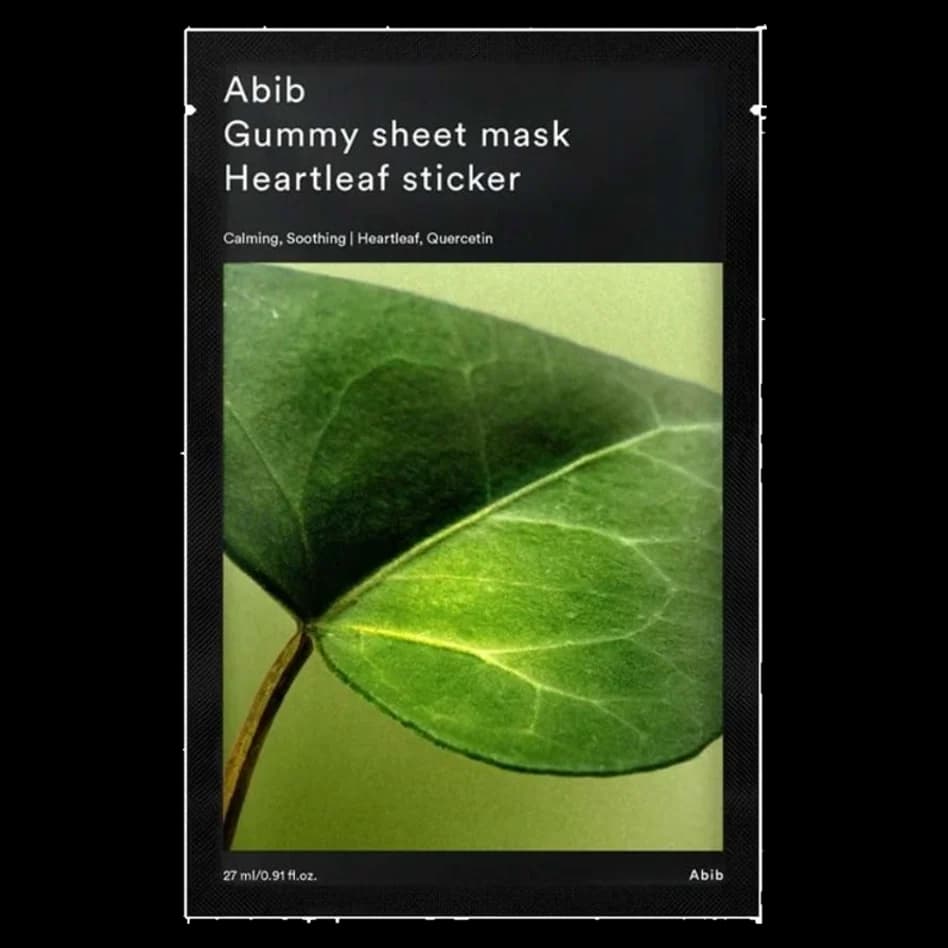
Abib
Gummy Sheet Mask Heartleaf Sticker
6th of 29 on the label
below ≈1%
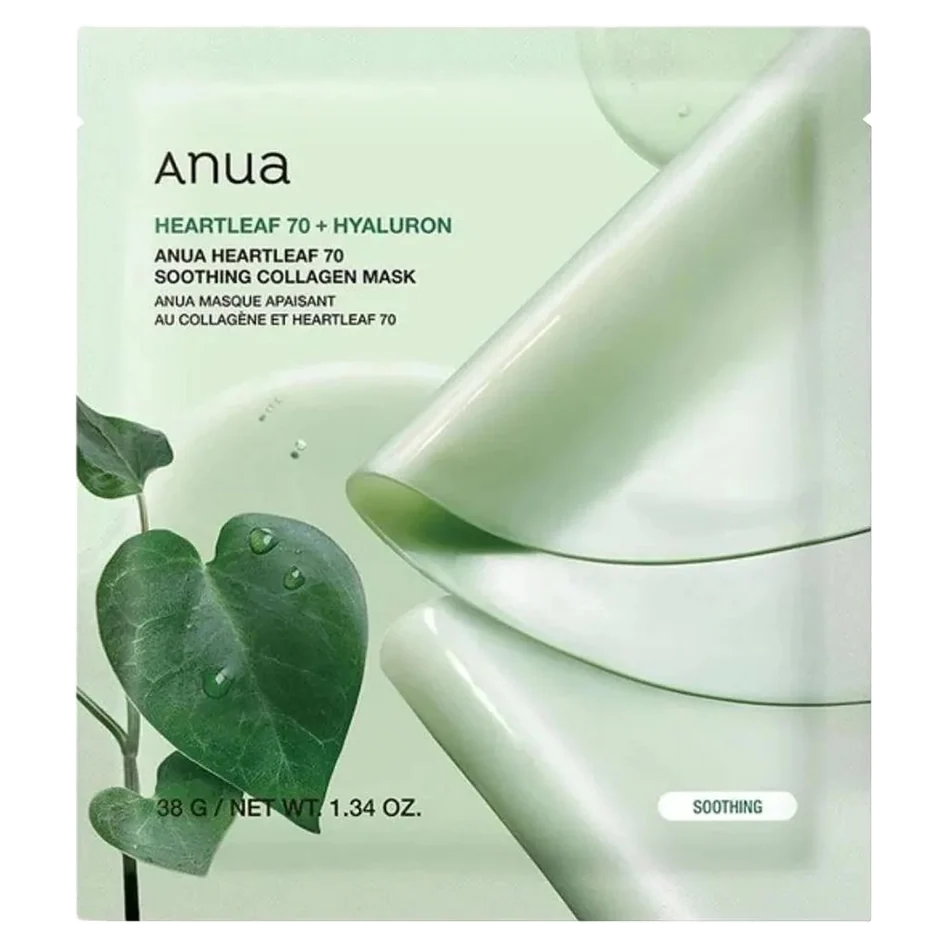
Anua
Heartleaf 70 Soothing Collagen Mask
11th of 35 on the label
below ≈1%
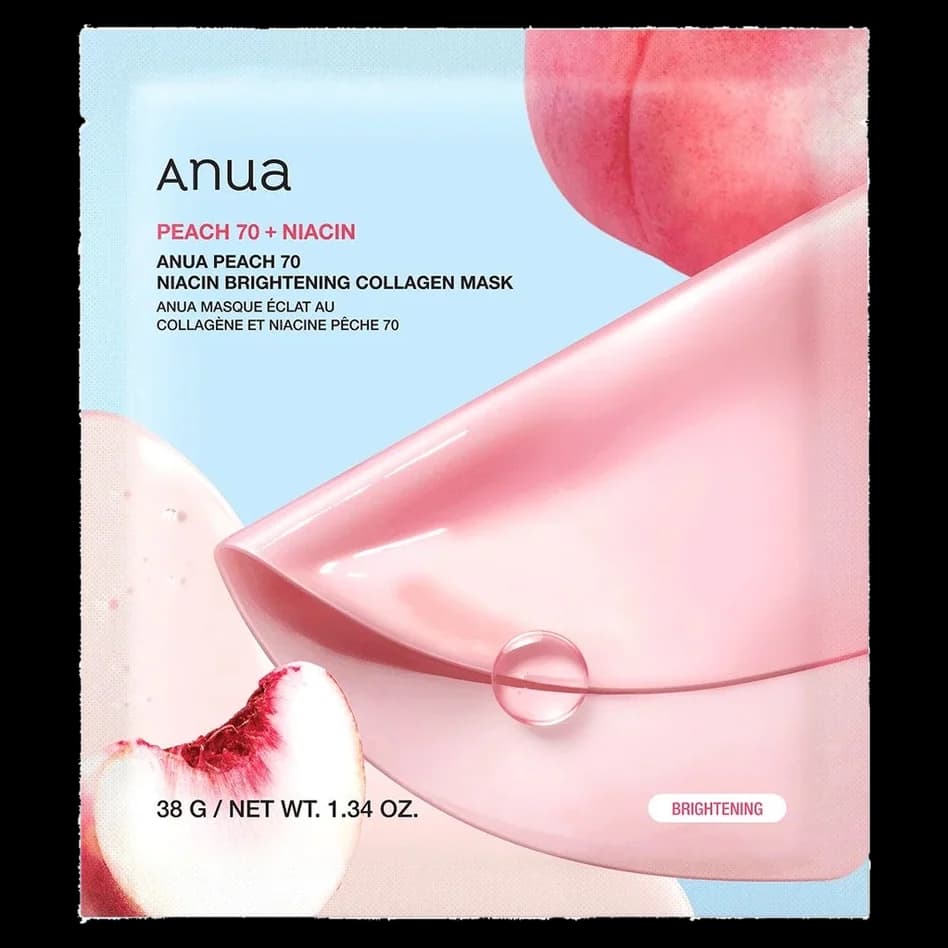
Anua
Peach 70 Niacin Brightening Collagen Mask
13th of 44 on the label
below ≈1%
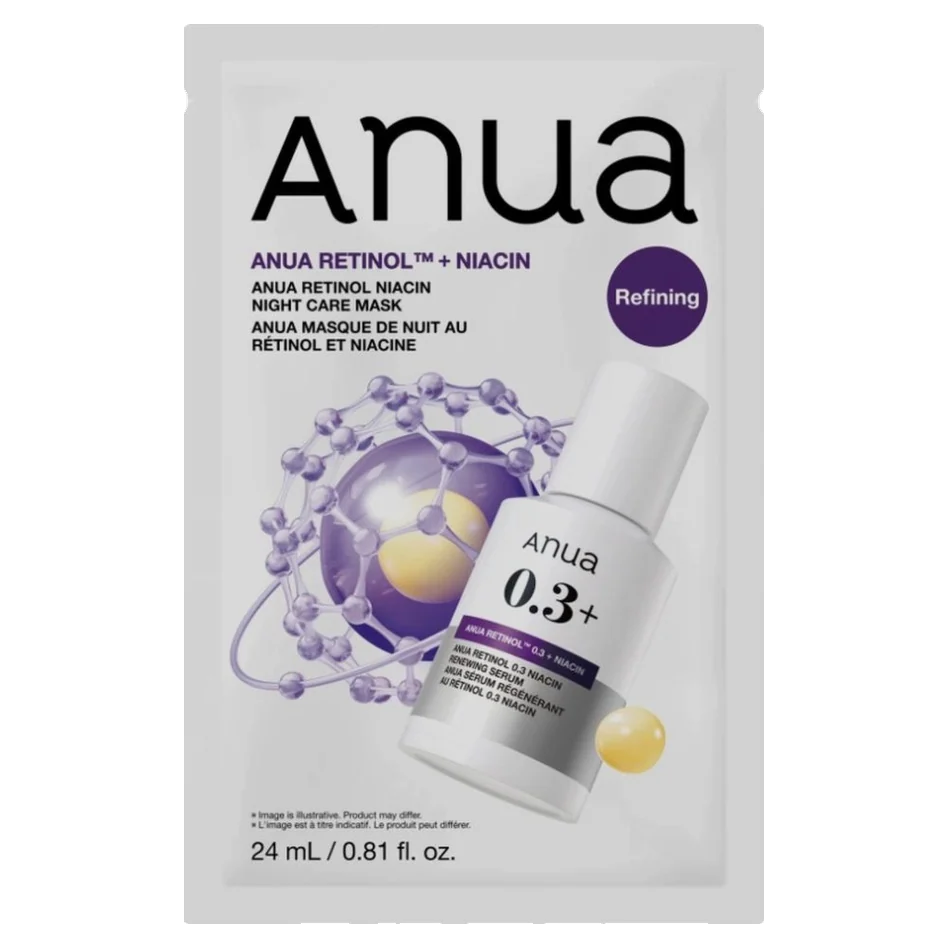
Anua
Retinol Niacin Night Care Mask
12th of 44 on the label
below ≈1%
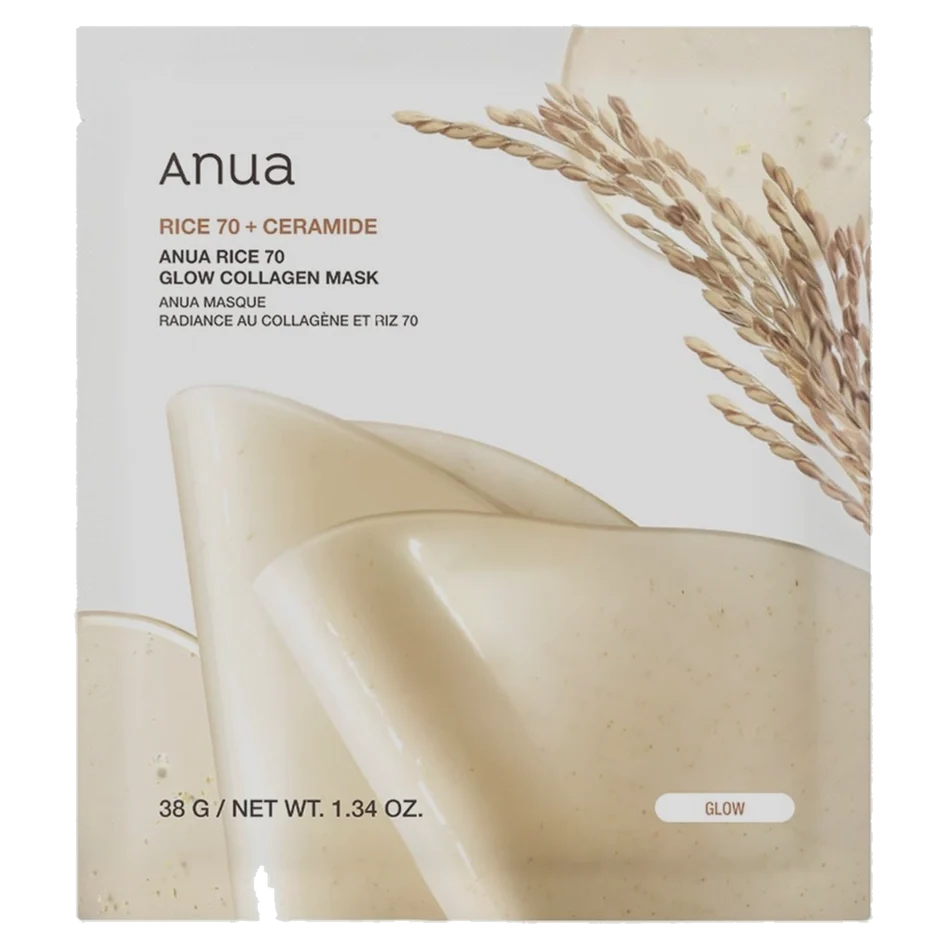
Anua
Rice 70 Glow Collagen Mask
12th of 42 on the label
below ≈1%
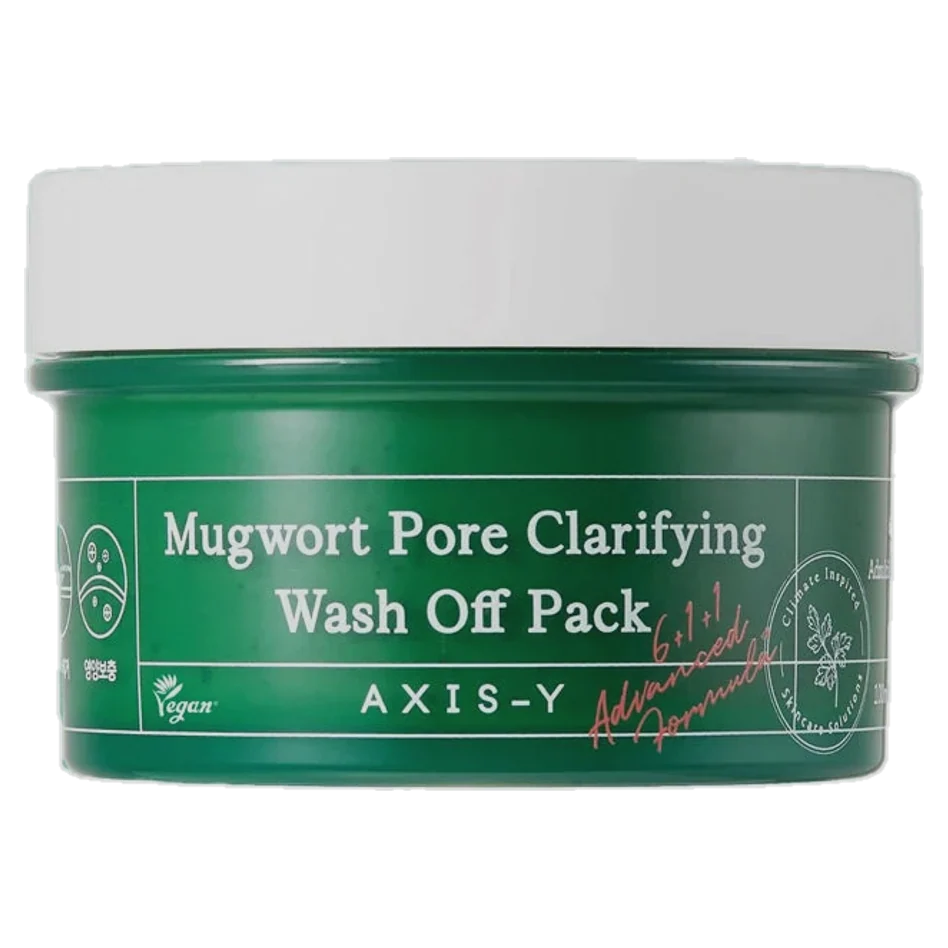
AXIS-Y
Mugwort Pore Clarifying Wash Off Pack
34th of 36 on the label
below ≈1%
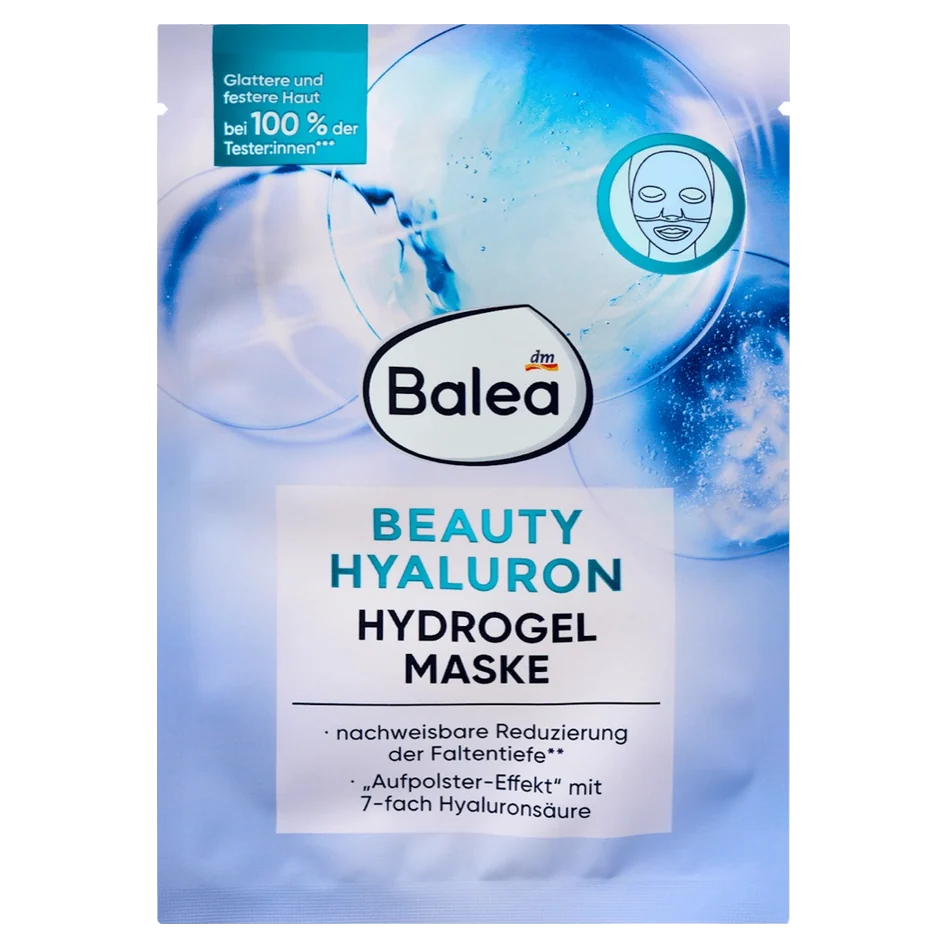
Balea
Gesichtsmaske Beauty Hyaluron Hydrogel
13th of 28 on the label
below ≈1%
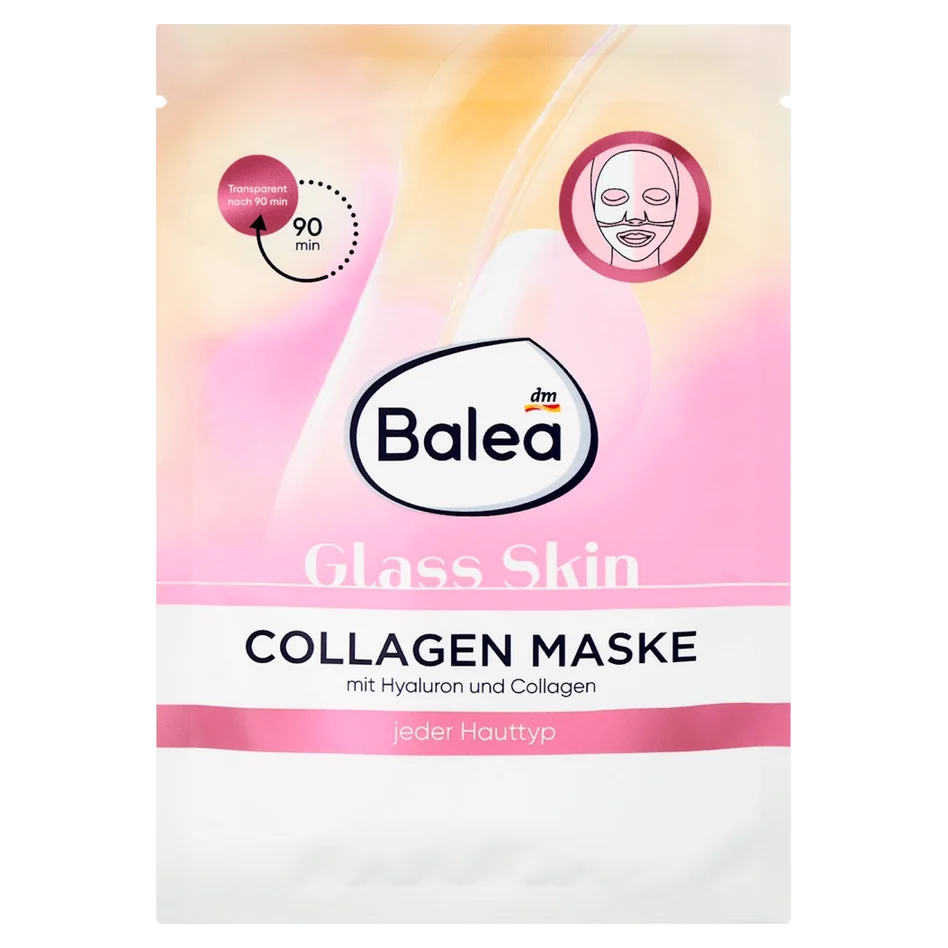
Balea
Glass Skin Collagen Maske
15th of 17 on the label
below ≈1%
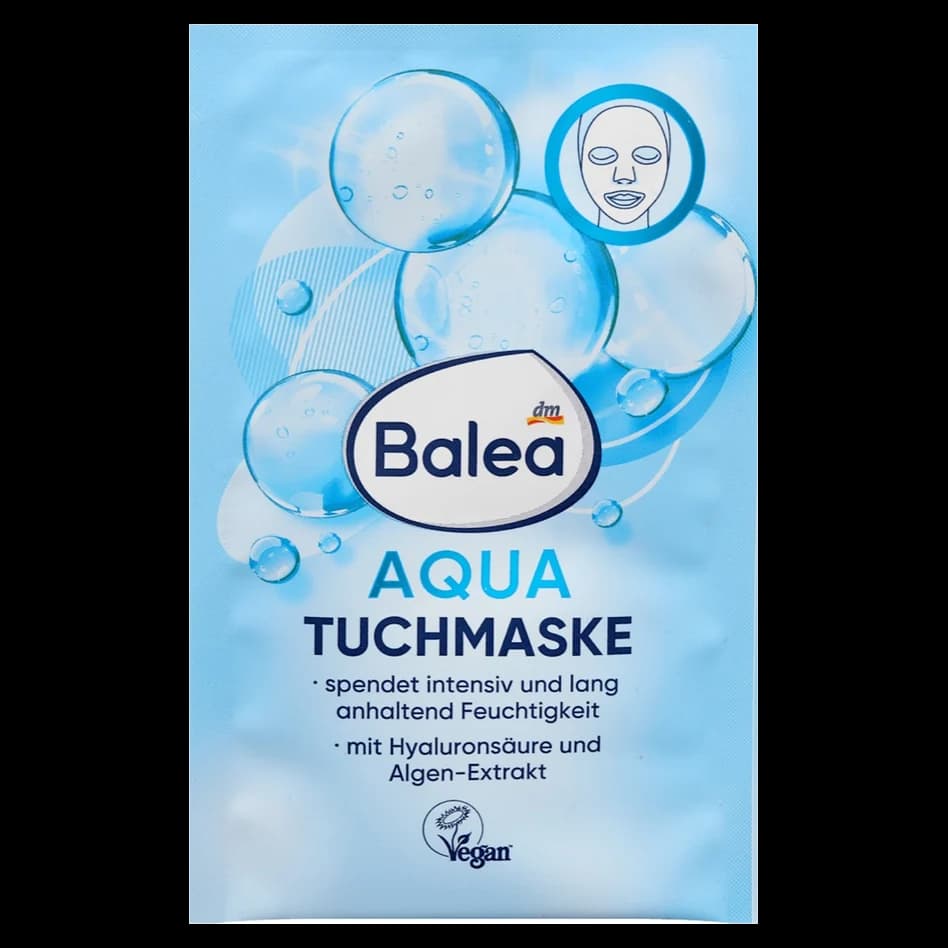
Balea
Tuchmaske Aqua
14th of 18 on the label
below ≈1%
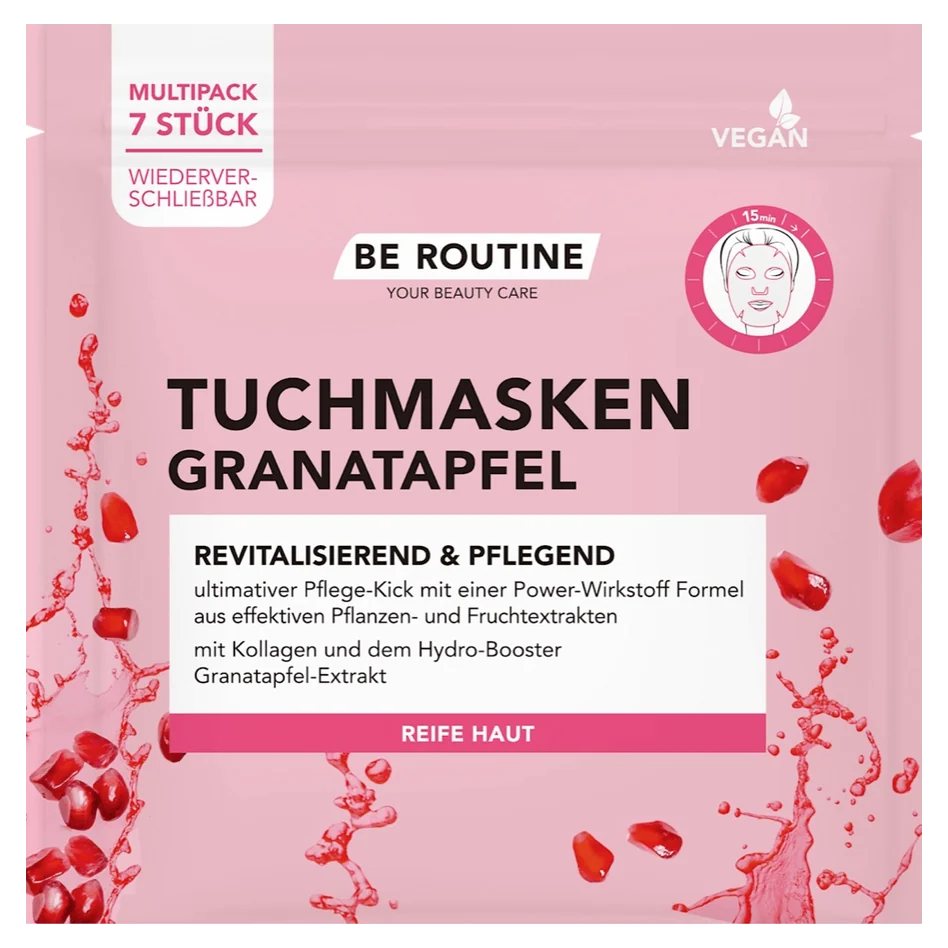
Be Routine
Tuchmasken Granatapfel Multipack
28th of 32 on the label
below ≈1%
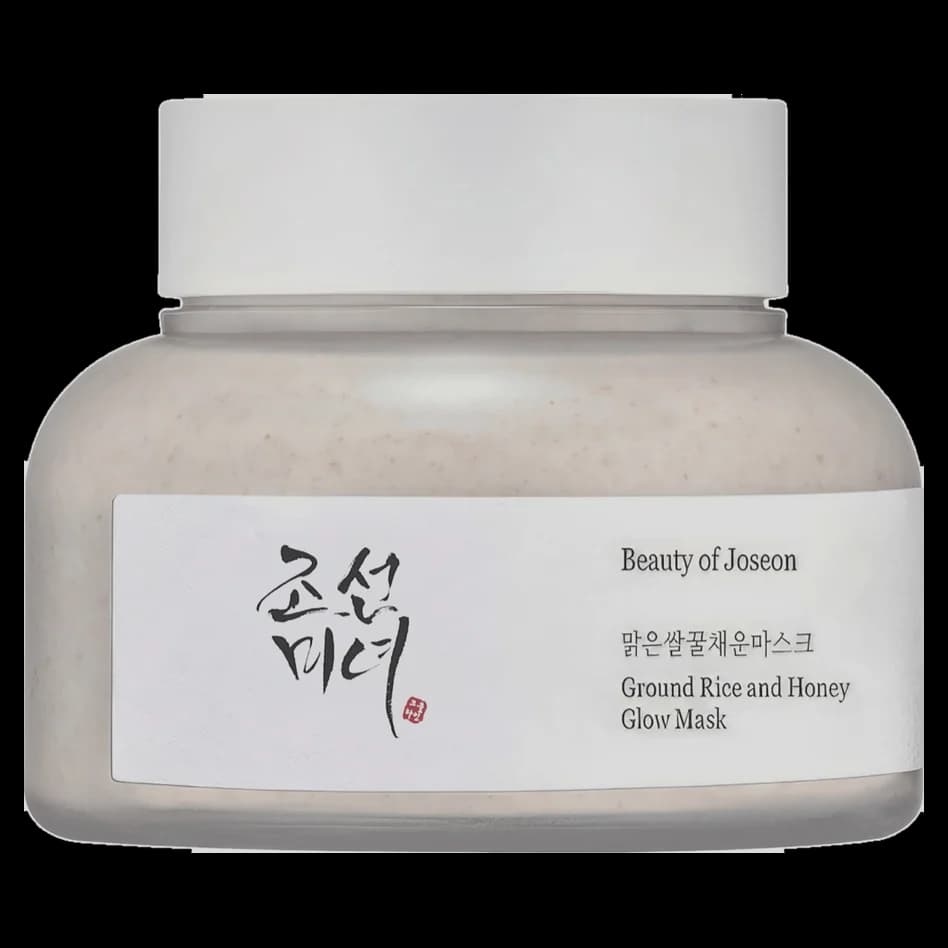
Beauty of Joseon
Ground Rice and Honey Glow Mask
26th of 35 on the label
below ≈1%
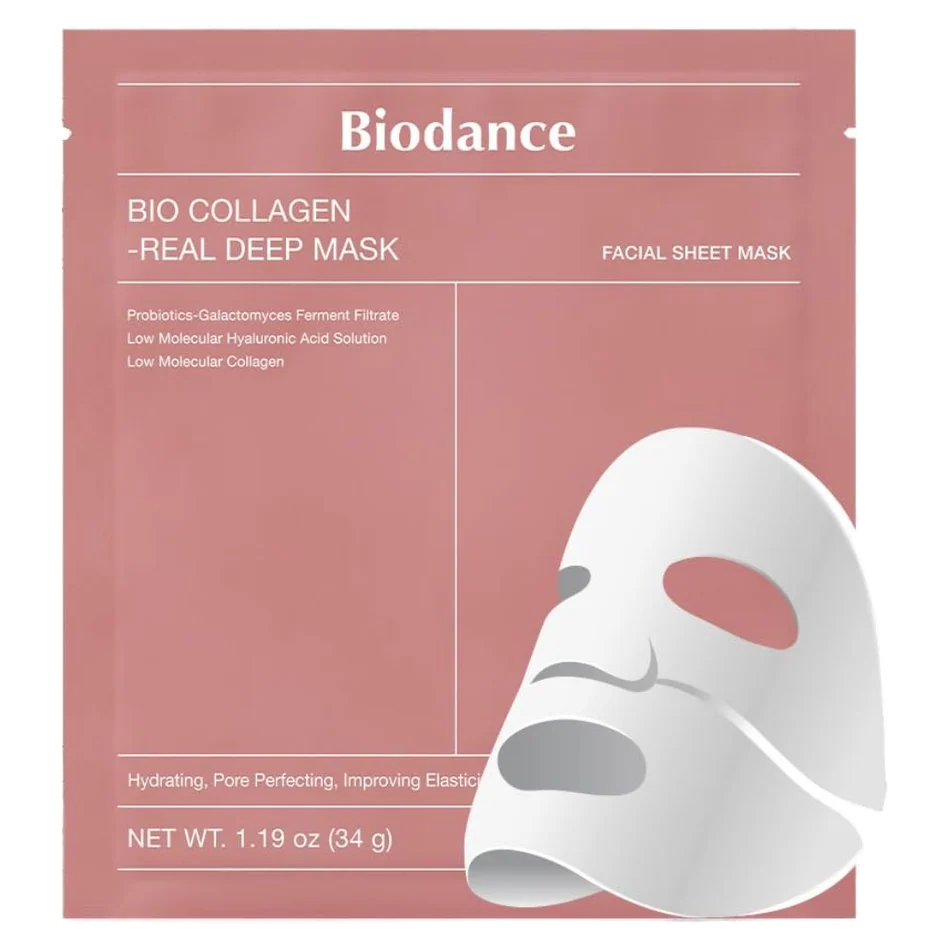
Biodance
Bio-Collagen Real Deep Mask
11th of 34 on the label
below ≈1%
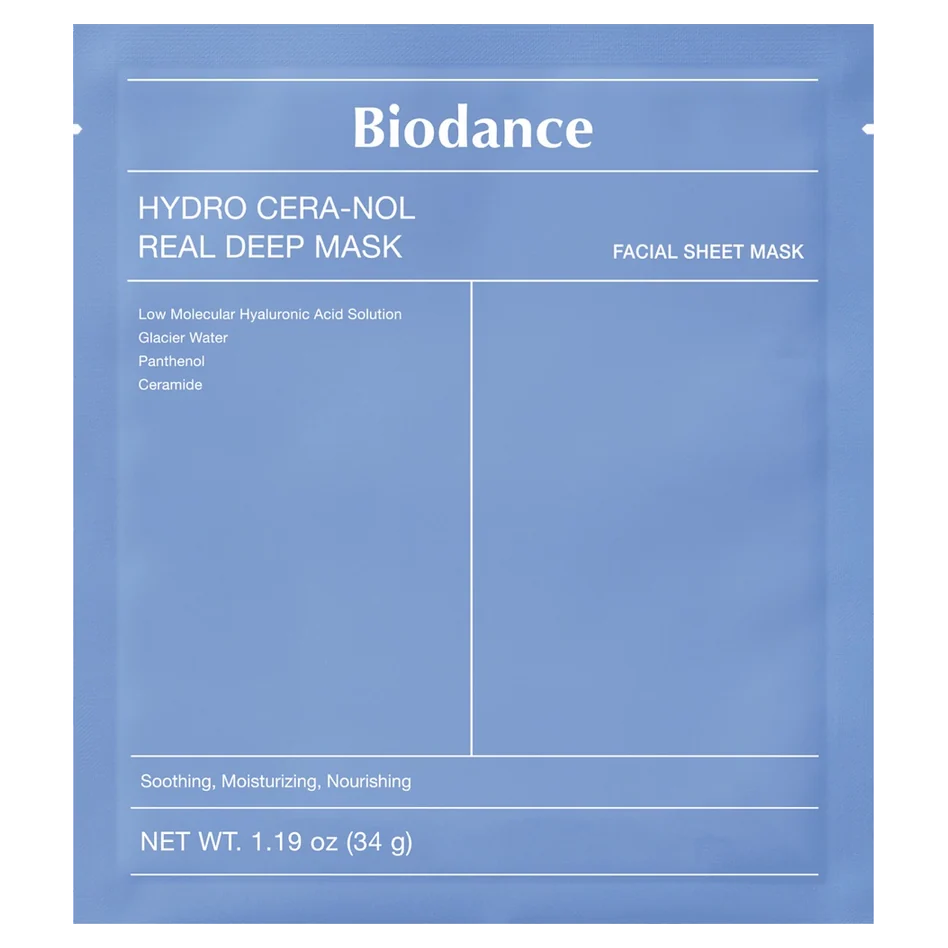
Biodance
Hydro Cera-nol Real Deep Mask
11th of 65 on the label
below ≈1%
Biodance
Refreshing Sea Kelp Real Deep Mask
12th of 43 on the label
below ≈1%
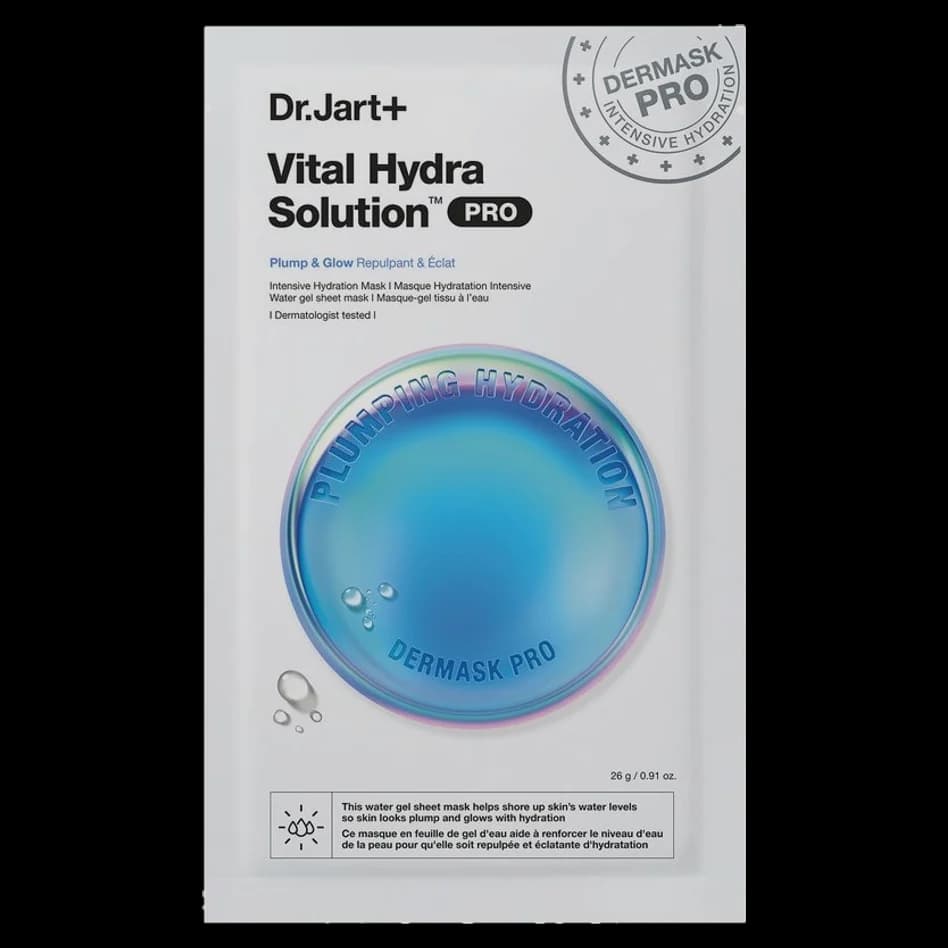
Dr.Jart+
Dermask Vital Hydra Solution Pro + Hyaluronic Acid
25th of 25 on the label
below ≈1%
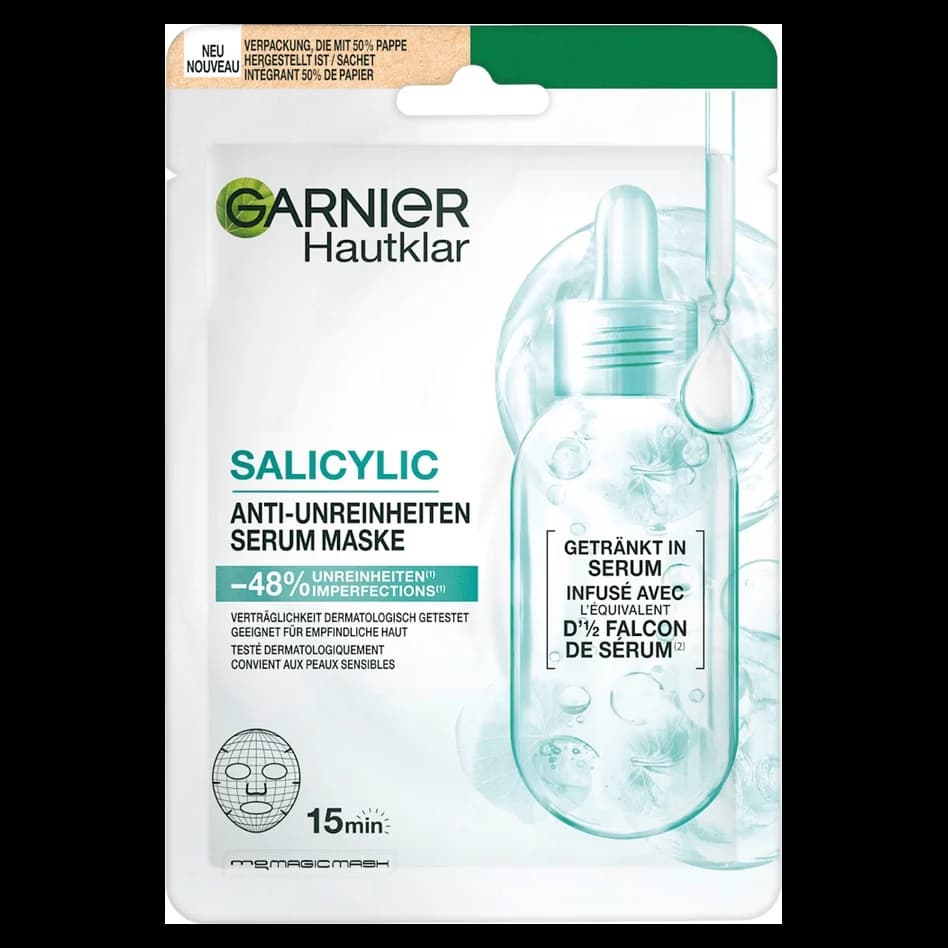
Garnier
Salicylic Tissue Mask
15th of 26 on the label
below ≈1%
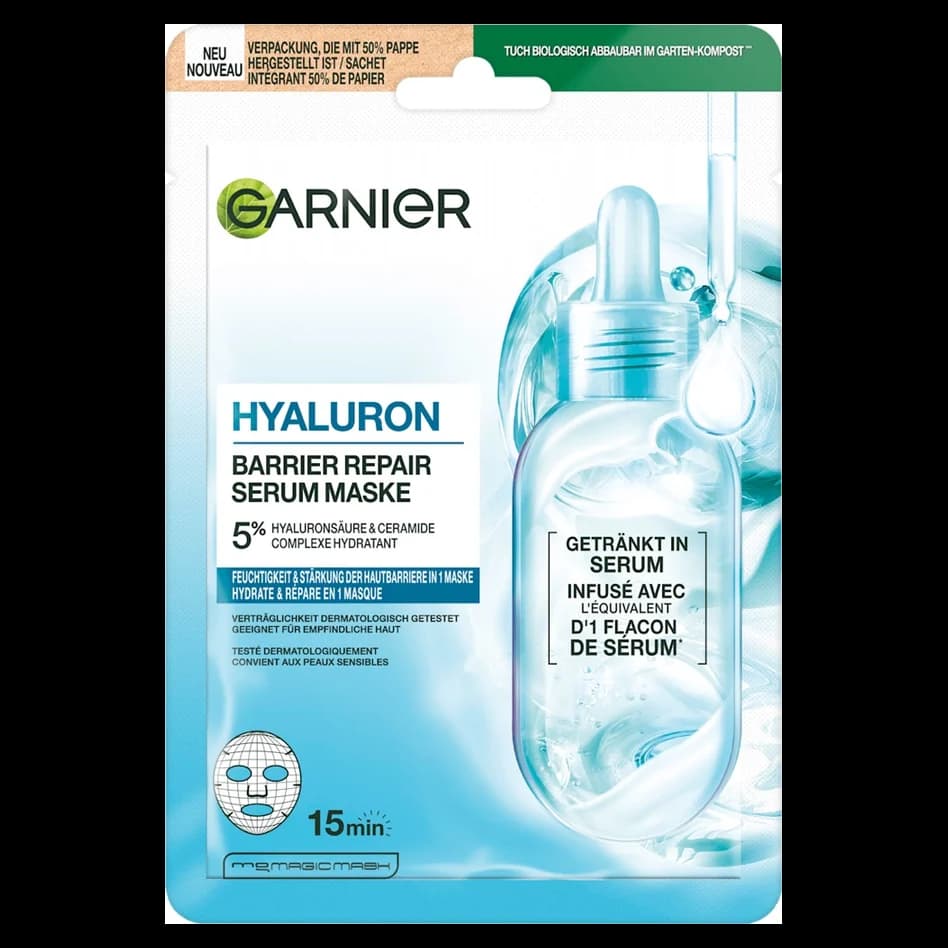
Garnier
SkinActive Hyaluronic Acid Barrier Repair Serum Tissue Mask
15th of 25 on the label
below ≈1%
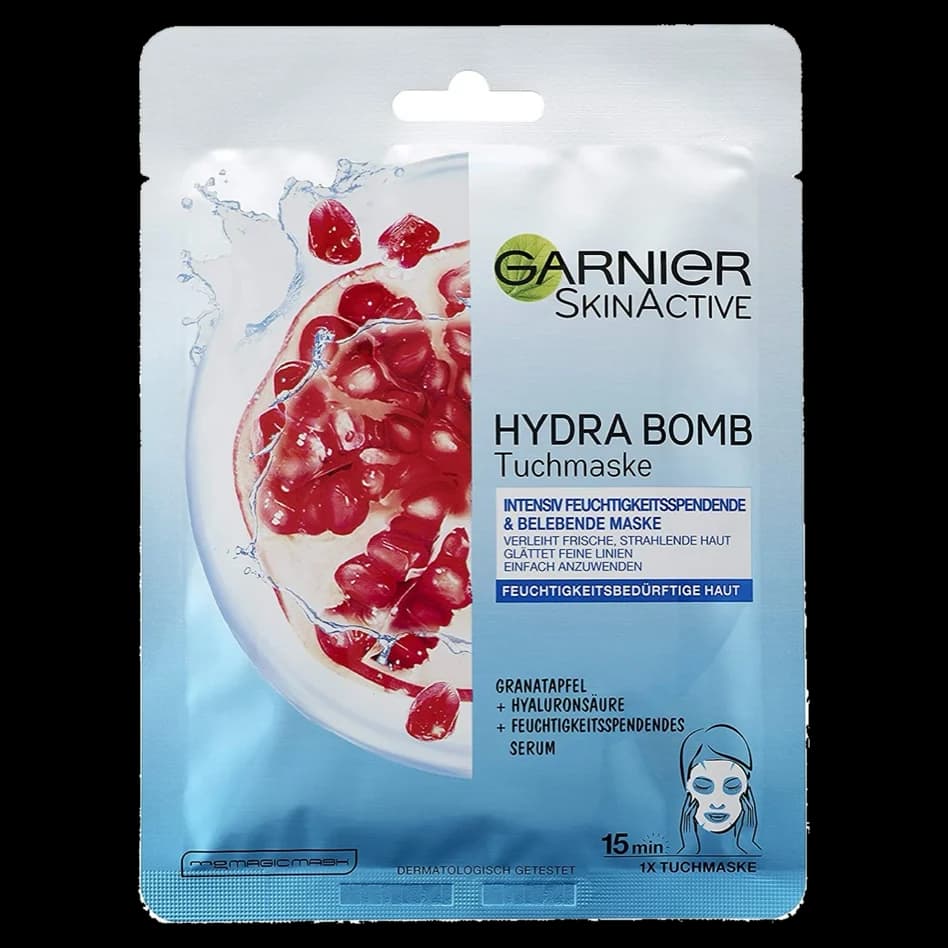
Garnier
SkinActive Hydra Bomb Tissue Mask Pomegranate
6th of 29 on the label
below ≈1%
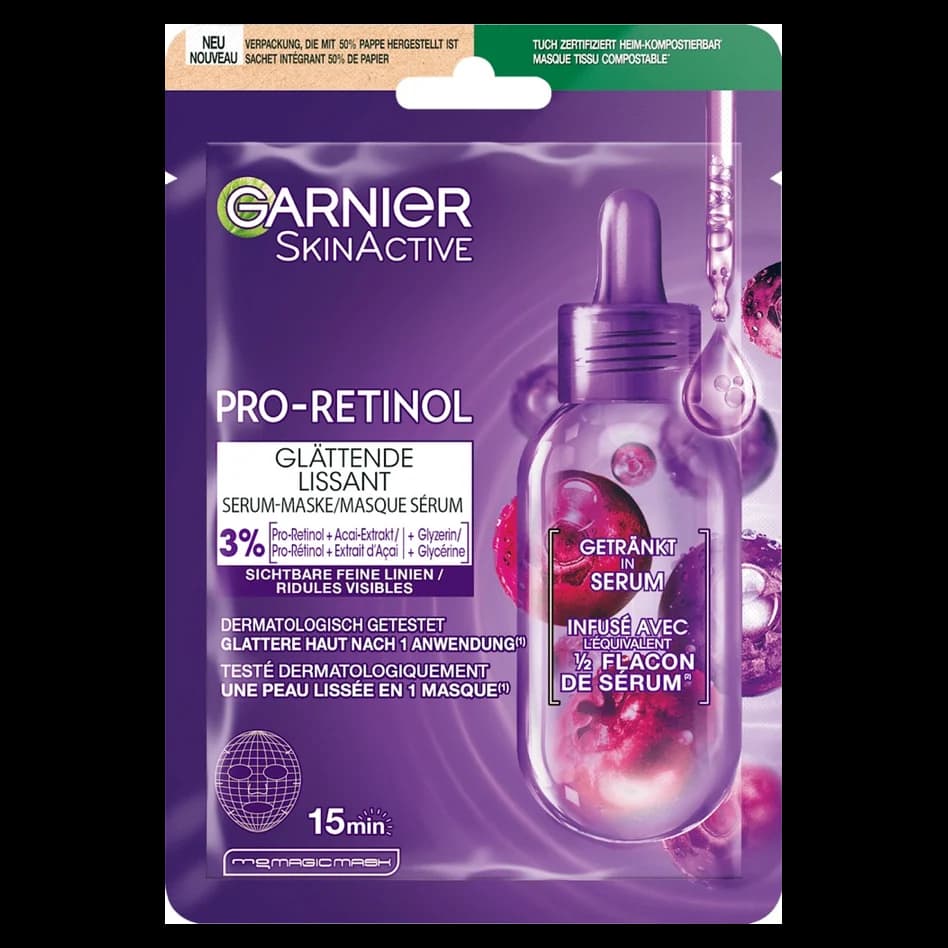
Garnier
SkinActive Pro-Retinol Tissue Mask
13th of 24 on the label
below ≈1%
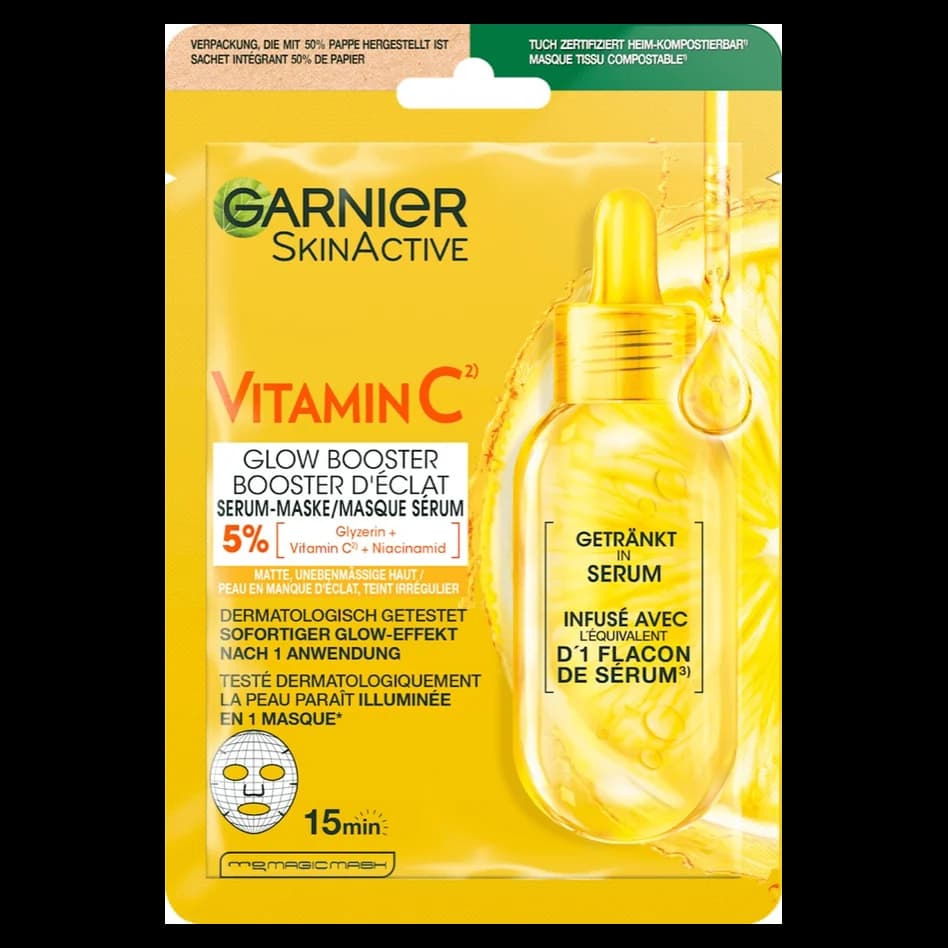
Garnier
SkinActive Vitamin C Tissue Mask
12th of 21 on the label
below ≈1%
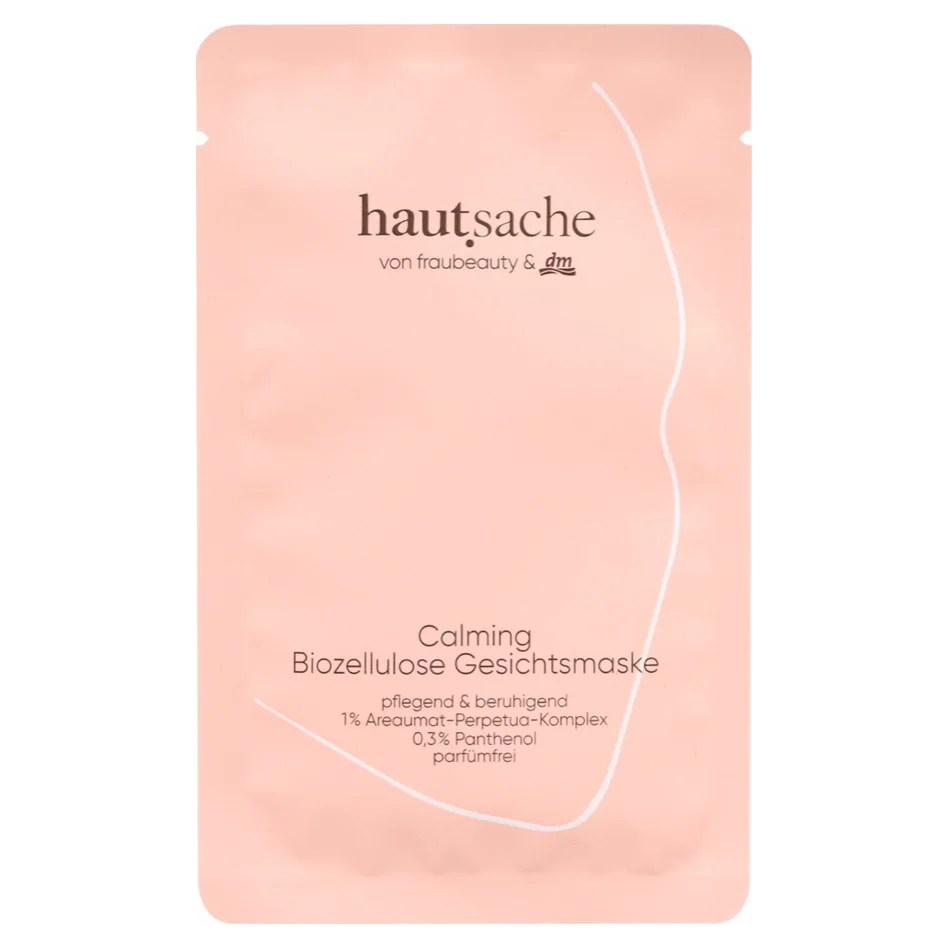
hautsache
Gesichtsmaske Biozellulose Calming
6th of 27 on the label
below ≈1%
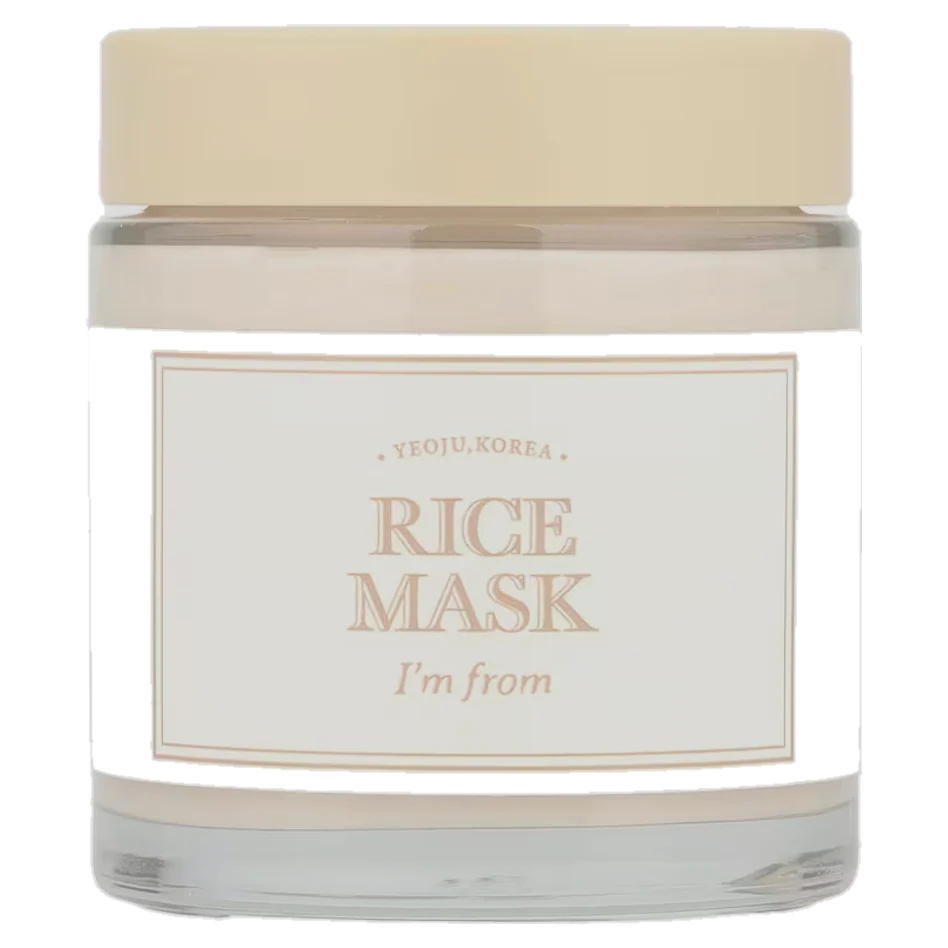
I'm From
Rice Mask
15th of 43 on the label
below ≈1%
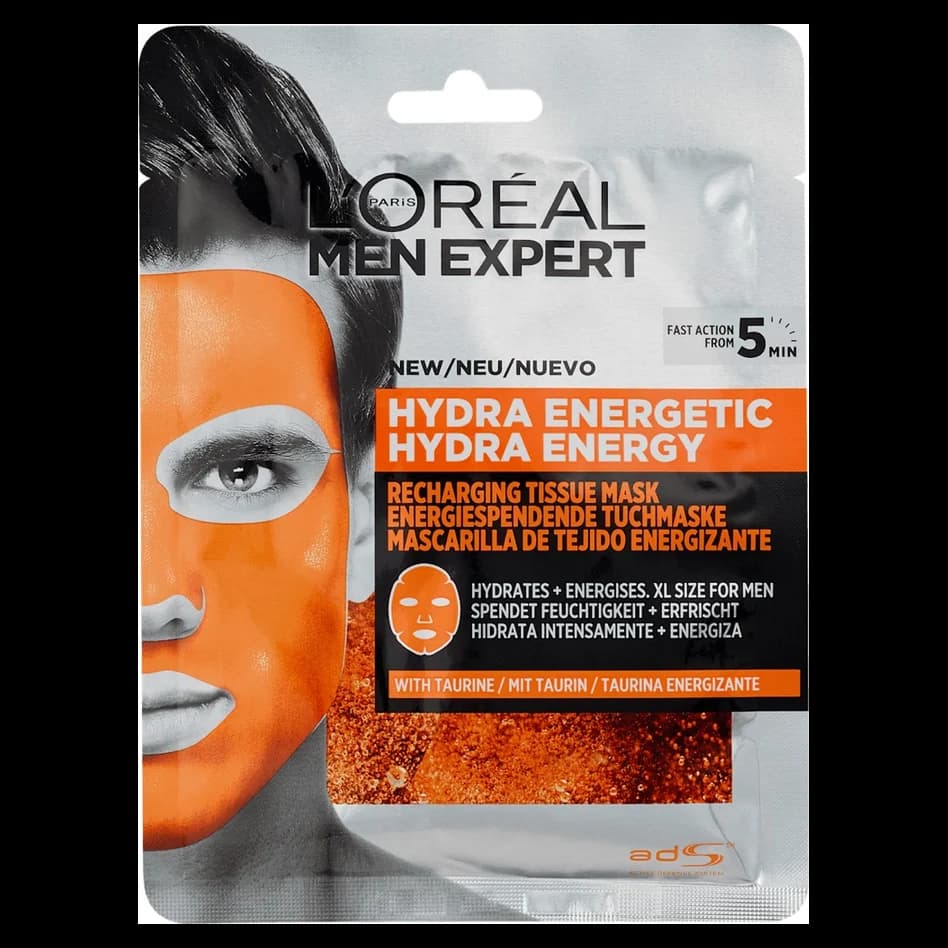
L'Oréal Paris
Men Expert Hydra Energetic Recharging Tissue Mask
15th of 21 on the label
below ≈1%
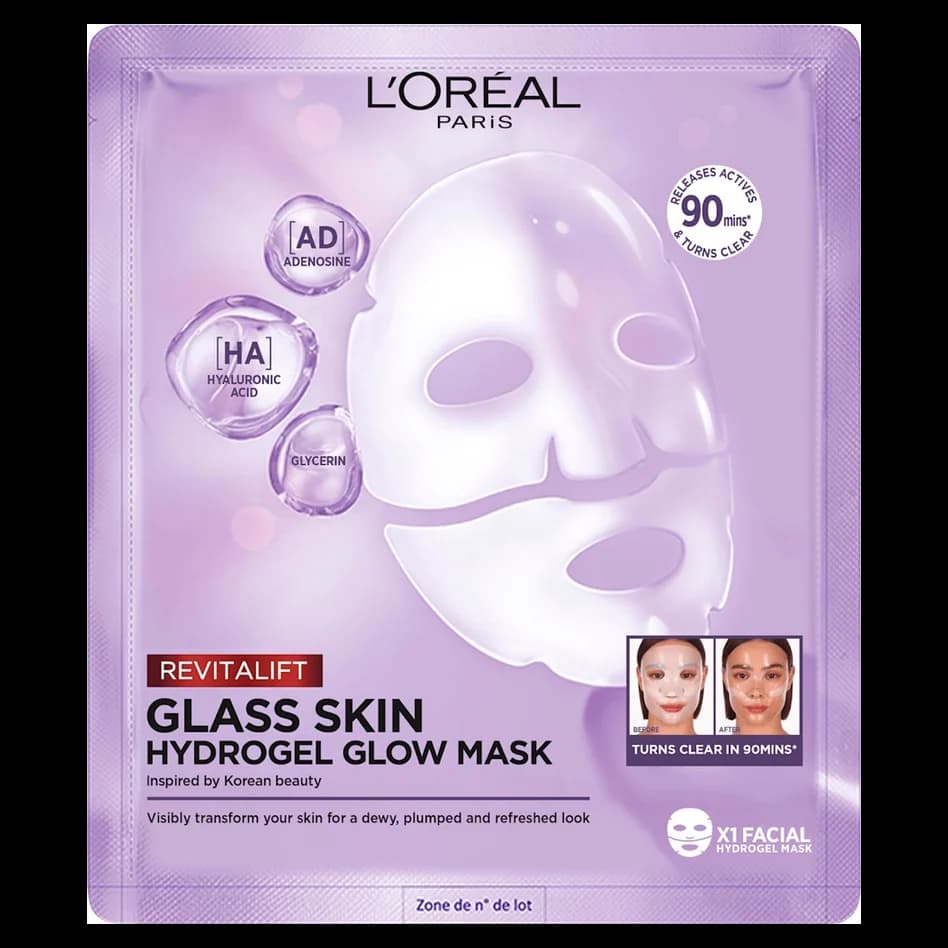
L'Oréal Paris
Revitalift Filler Glass Skin Hydrogel Glow Mask
11th of 32 on the label
below ≈1%
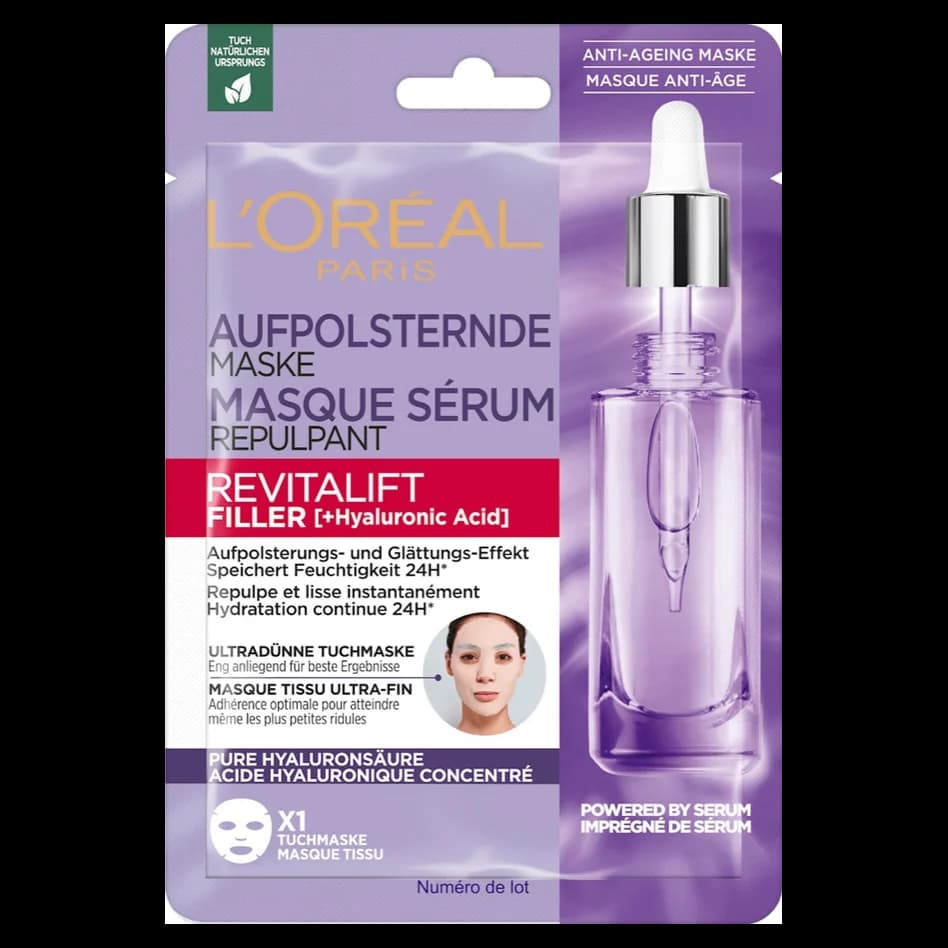
L'Oréal Paris
Revitalift Filler Hyaluronic Acid Tissue Mask
4th of 14 on the label
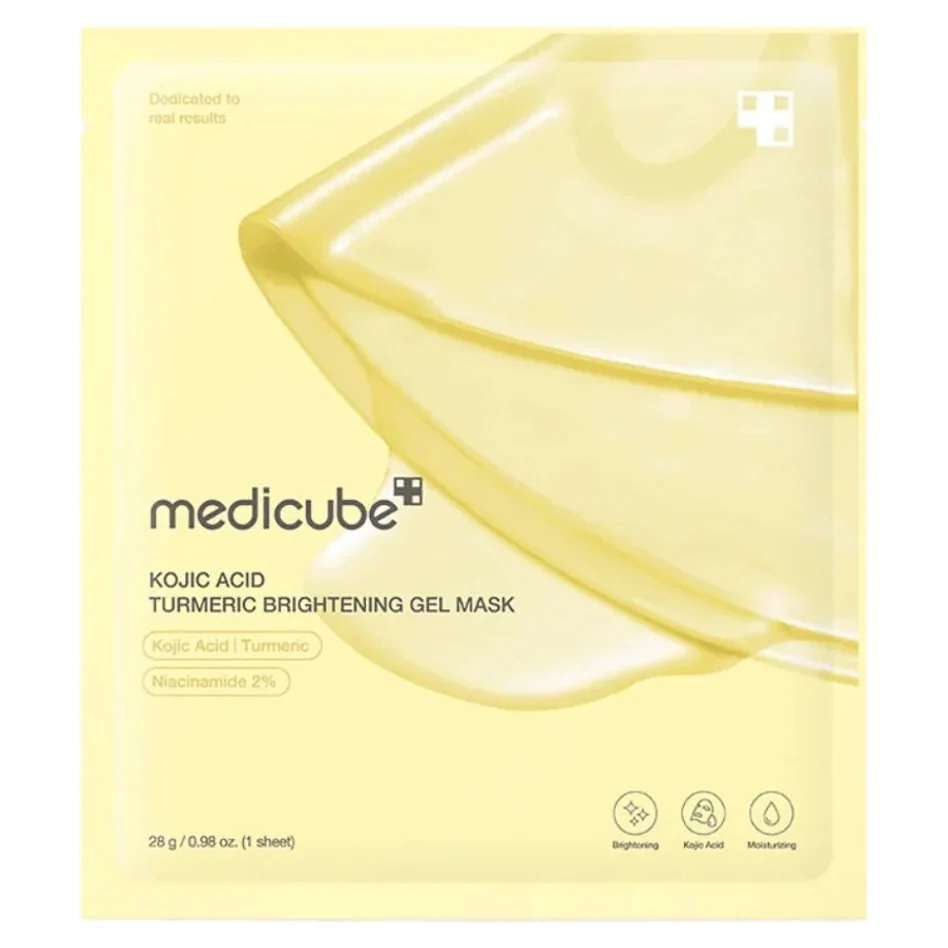
Medicube
Kojic Acid Turmeric Brightening Gel Mask
10th of 35 on the label
below ≈1%
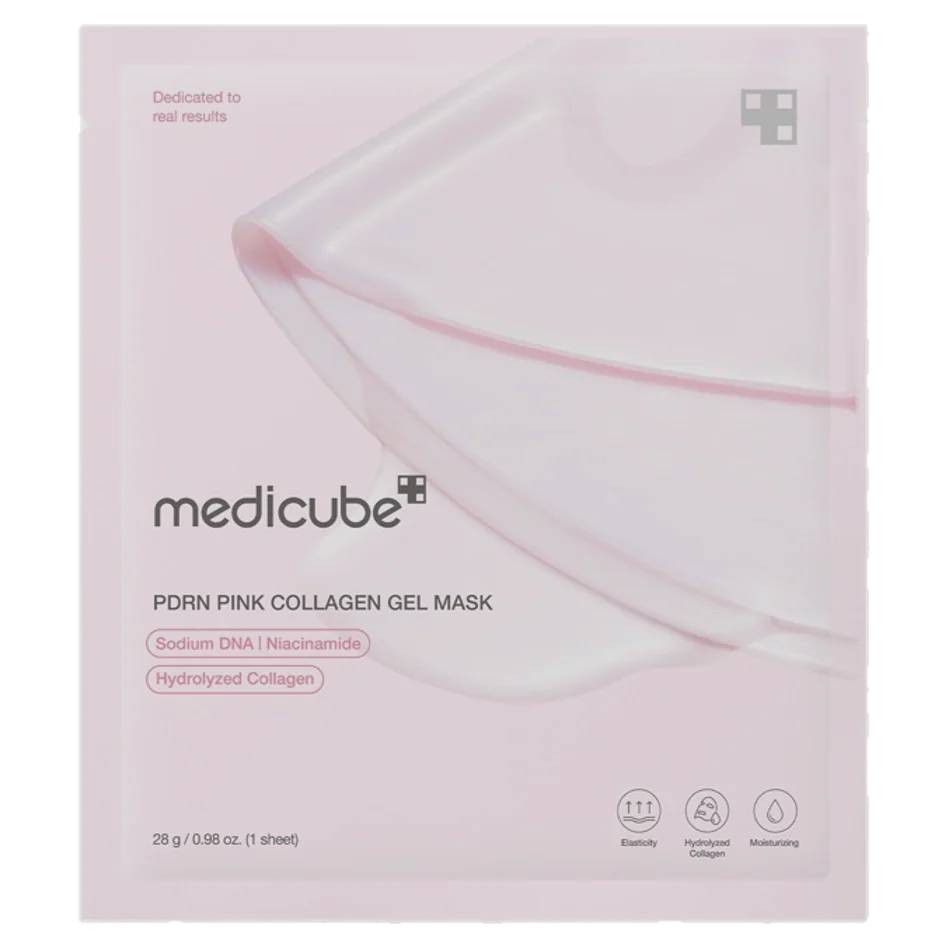
Medicube
PDRN Pink Collagen Gel Mask
11th of 43 on the label
below ≈1%
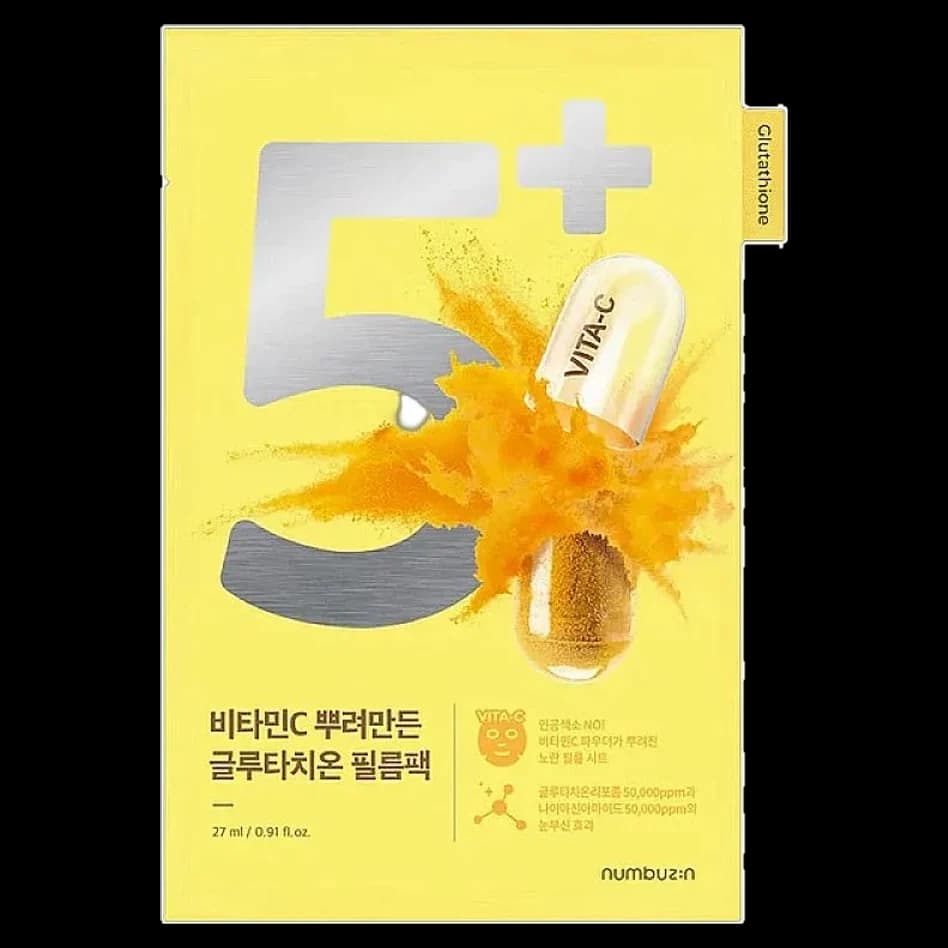
numbuzin
No.5 Vitamin Spotlight Sheet Mask
7th of 33 on the label
below ≈1%
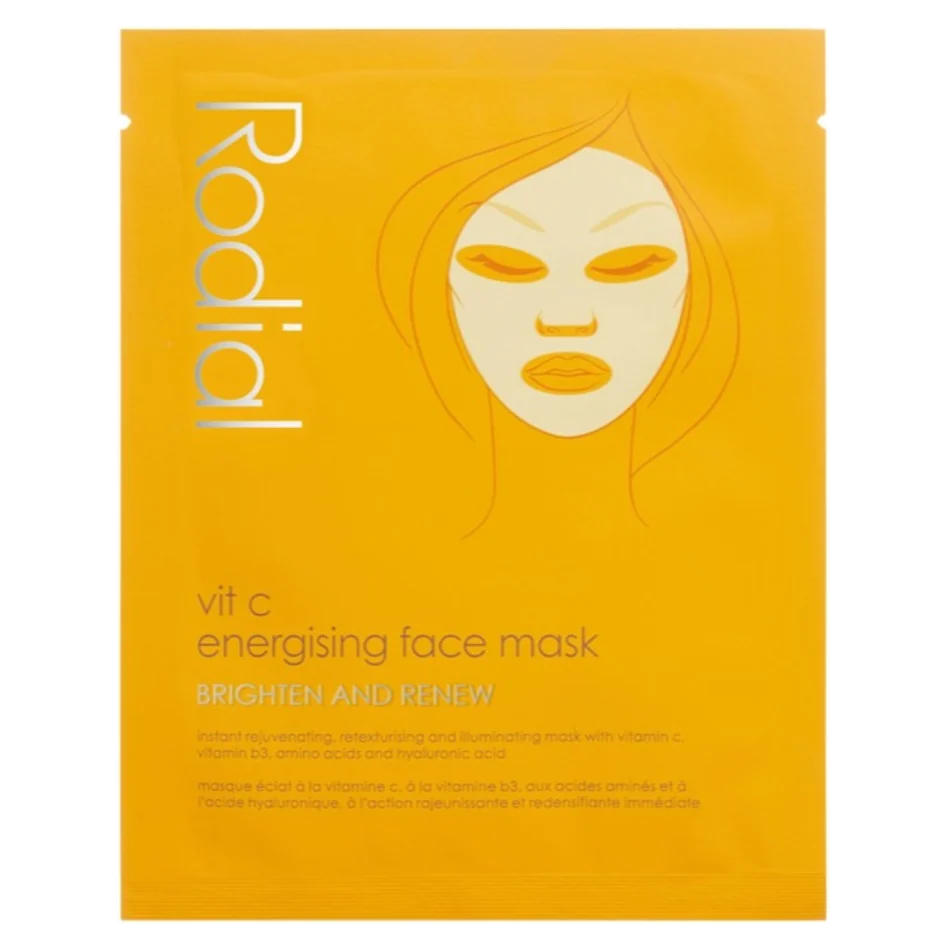
Rodial
Vit C Energising Face Mask
10th of 30 on the label
below ≈1%
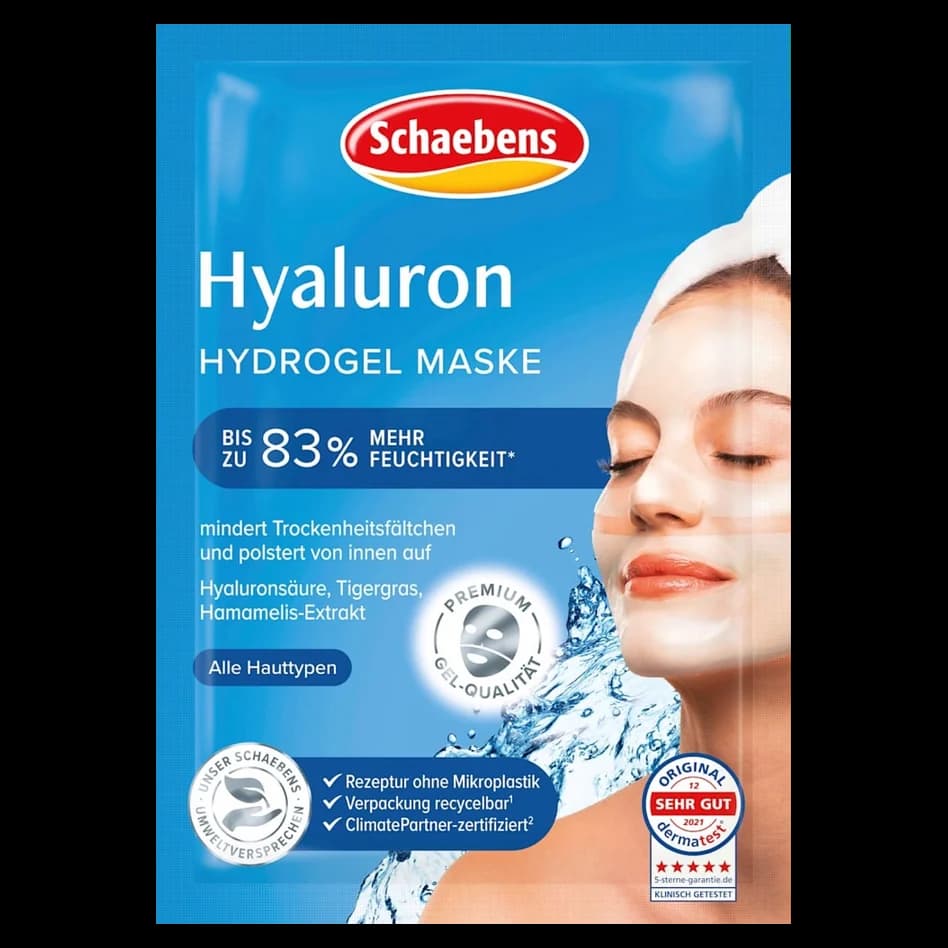
Schaebens
Gesichtsmaske Hyaluron Hydrogel
16th of 19 on the label
below ≈1%
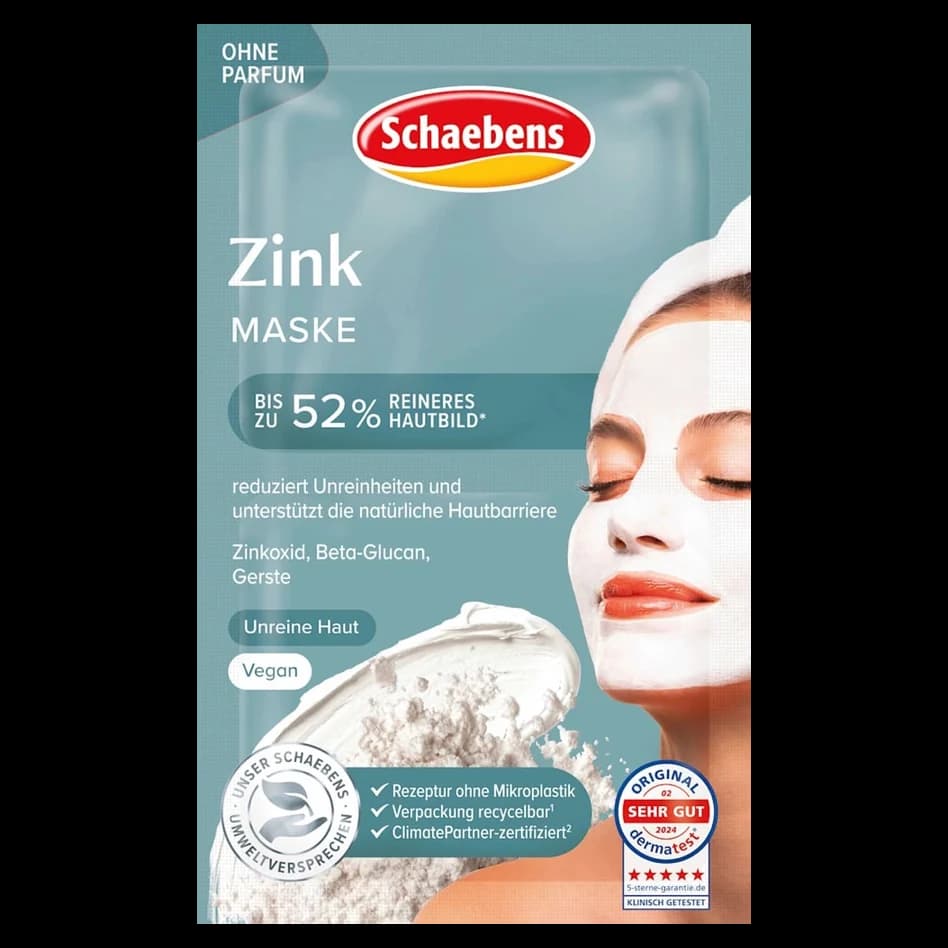
Schaebens
Gesichtsmaske Zink
18th of 27 on the label
below ≈1%
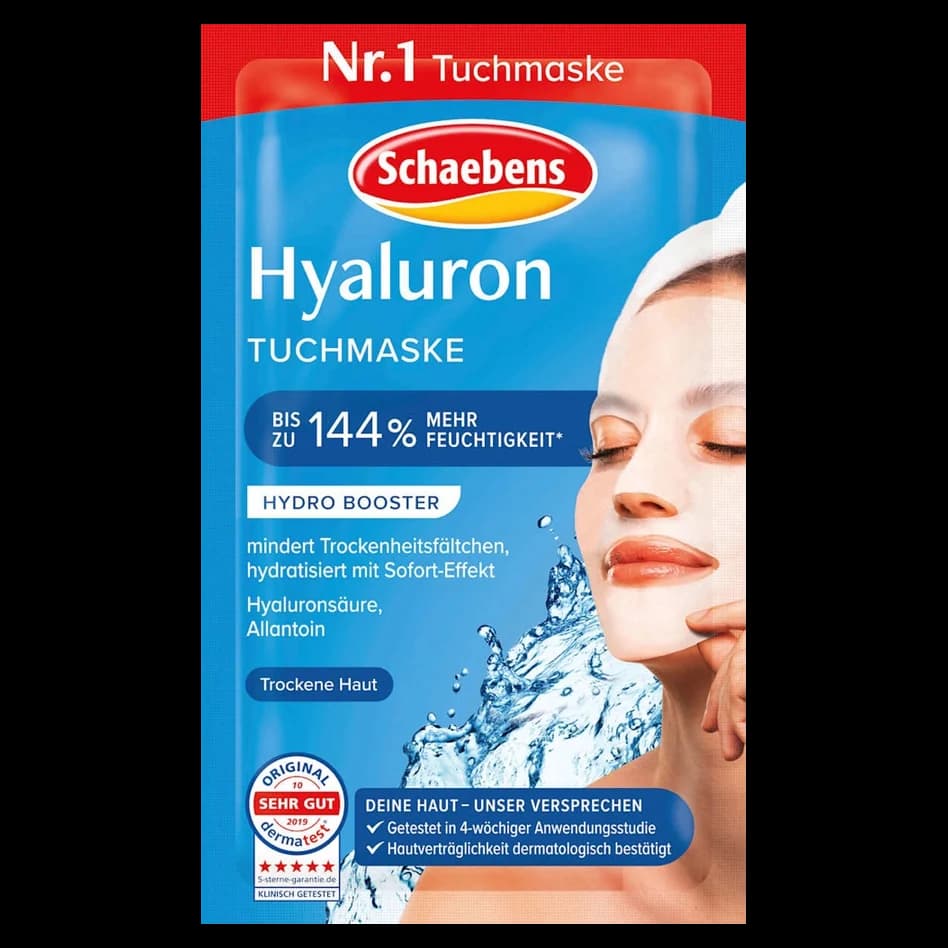
Schaebens
Tuchmaske Hyaluron
14th of 23 on the label
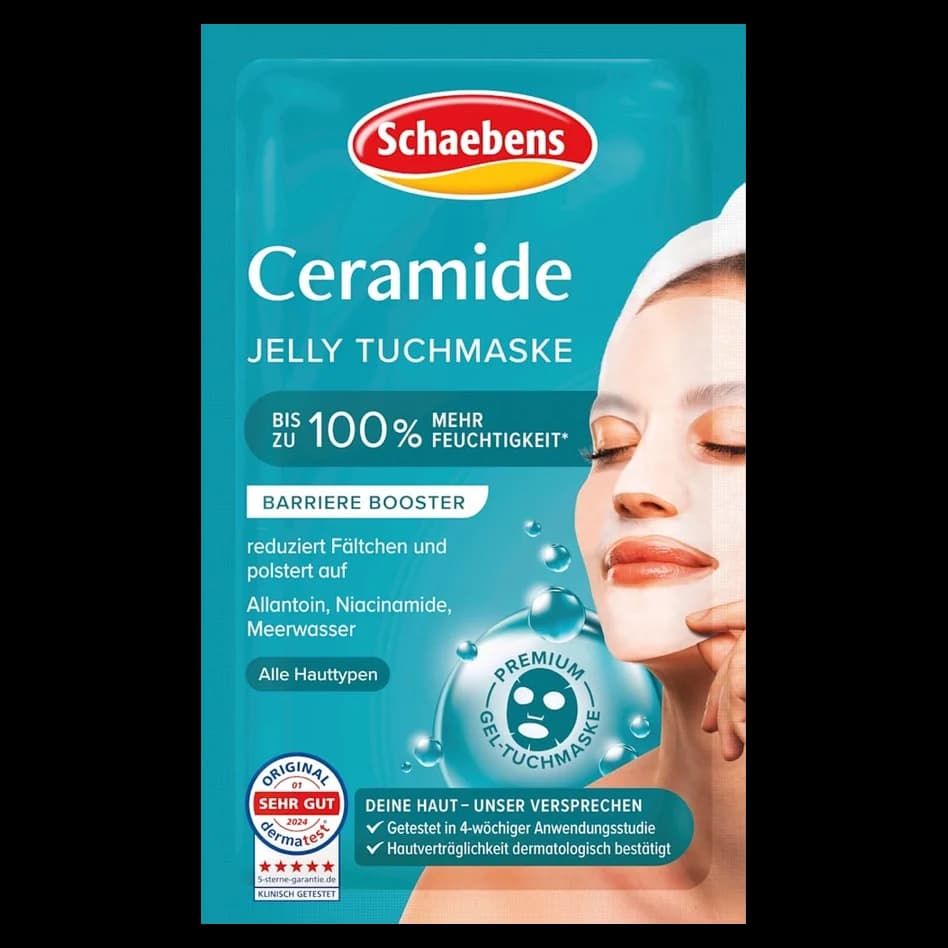
Schaebens
Tuchmaske Jelly Ceramide
23rd of 29 on the label
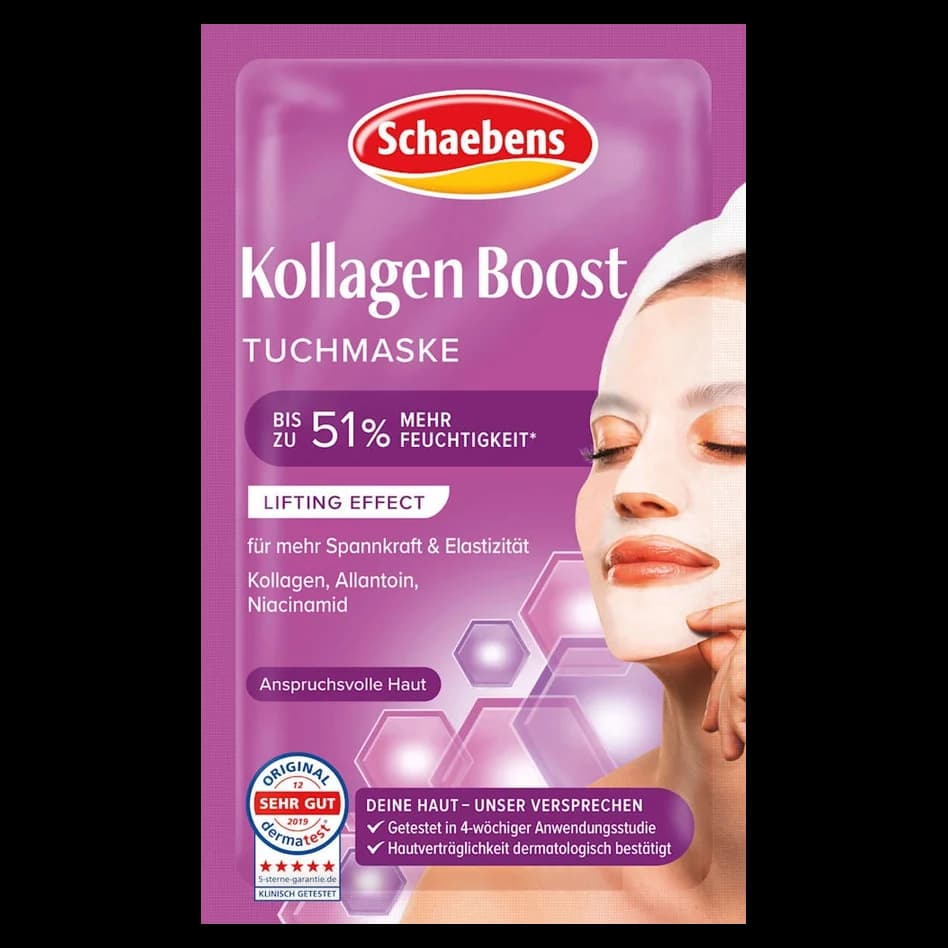
Schaebens
Tuchmaske Kollagen Boost
21st of 27 on the label
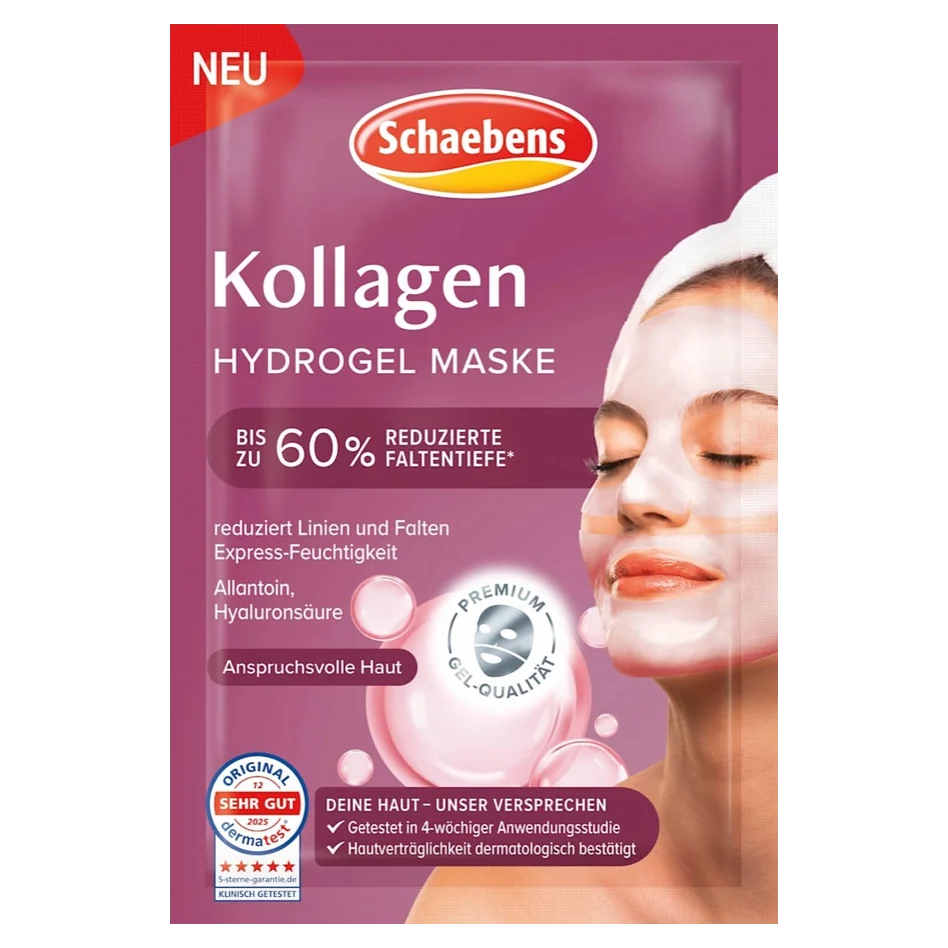
Schaebens
Tuchmaske Kollagen Hydrogel
20th of 27 on the label
below ≈1%
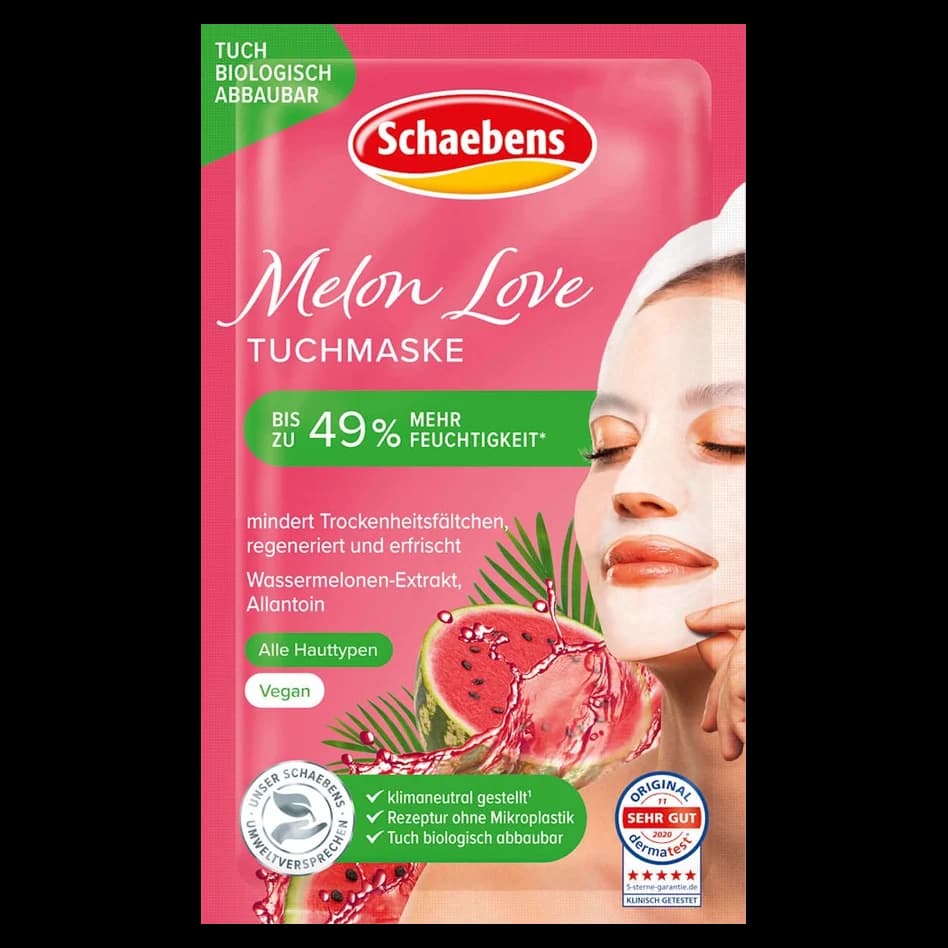
Schaebens
Tuchmaske Melon Love
32nd of 45 on the label
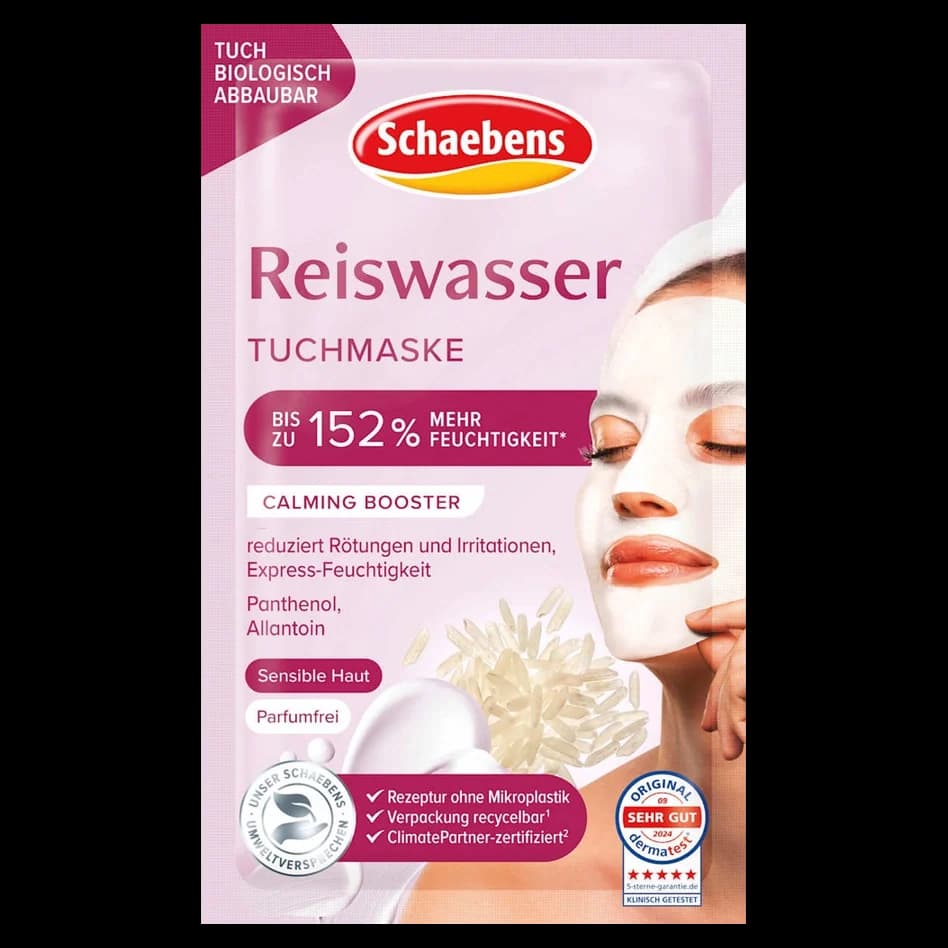
Schaebens
Tuchmaske Reiswasser
18th of 23 on the label
below ≈1%
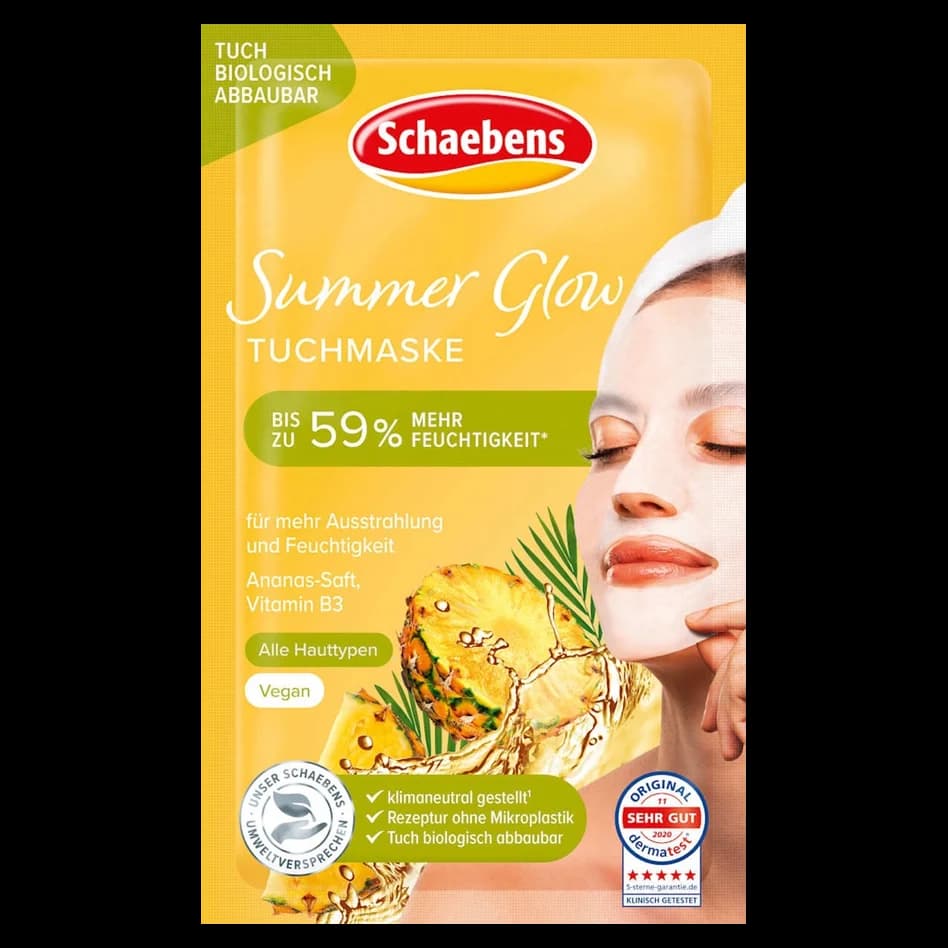
Schaebens
Tuchmaske Summer Glow
32nd of 44 on the label
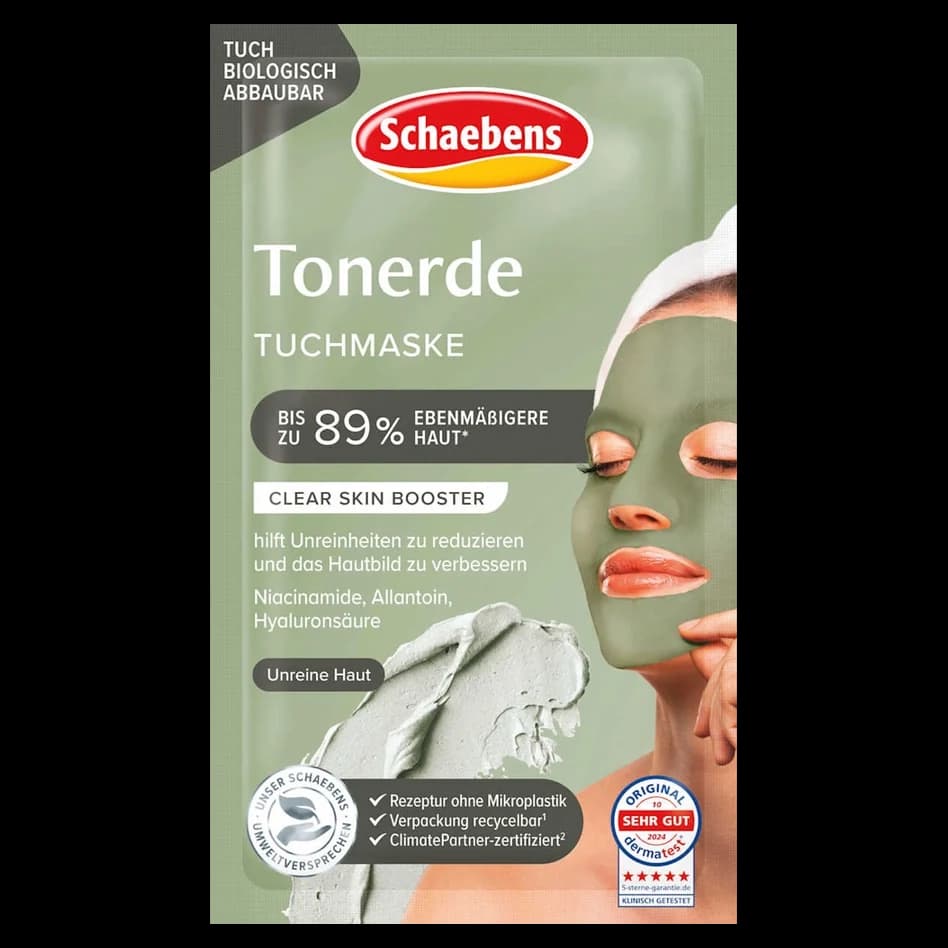
Schaebens
Tuchmaske Tonerde
24th of 35 on the label
below ≈1%
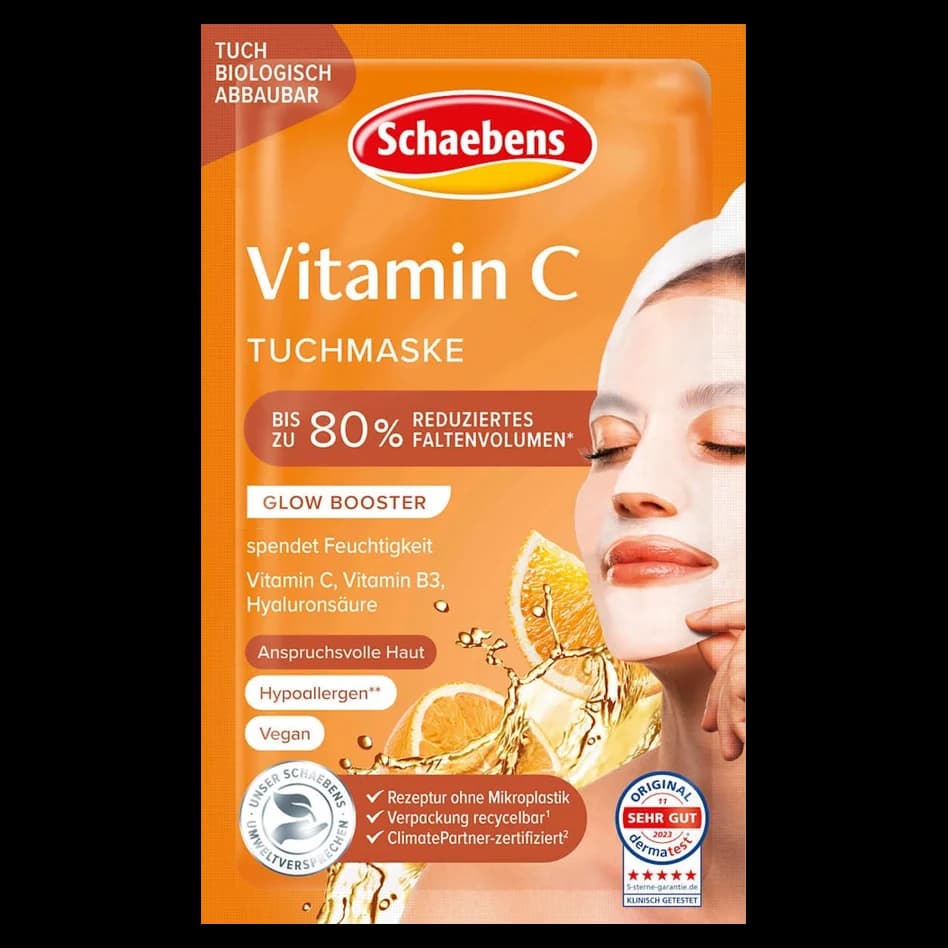
Schaebens
Tuchmaske Vitamin C
15th of 19 on the label
below ≈1%
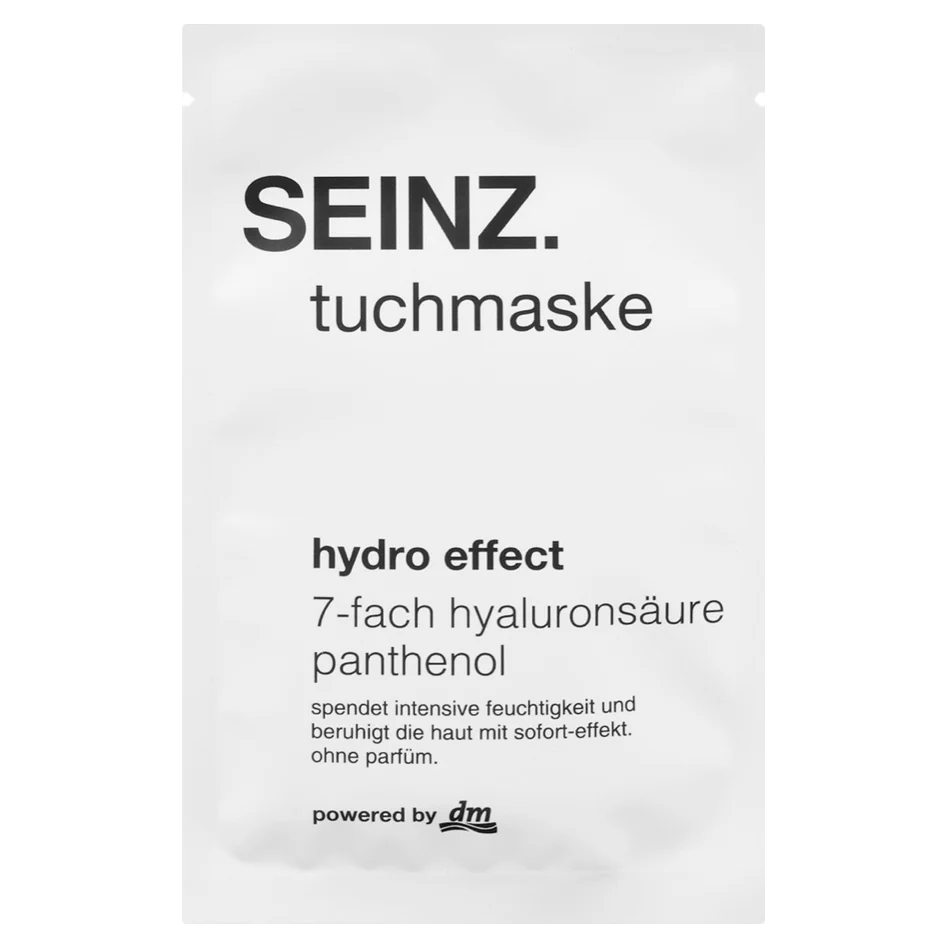
SEINZ.
Tuchmaske hydro effect
14th of 21 on the label
below ≈1%
Selfie Project
Gesichtsmaske regulierend #CoolKoala
17th of 27 on the label
below ≈1%
Selfie Project
Tuchmaske Calming #IceQueen
15th of 27 on the label
below ≈1%
Selfie Project
Tuchmaske Cleansing #DragonFire
15th of 22 on the label
below ≈1%
Selfie Project
Tuchmaske Moisturising #MermaidGlow
19th of 30 on the label
below ≈1%
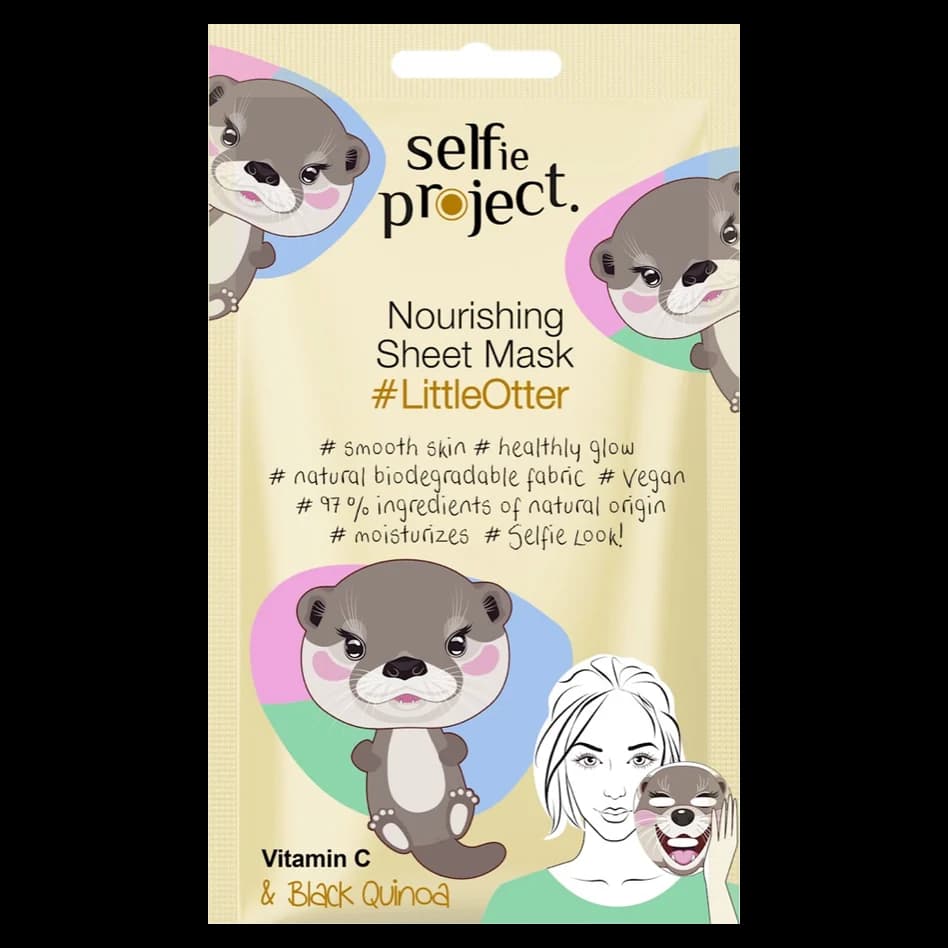
Selfie Project
Tuchmaske Nourishing #LittleOtter
12th of 21 on the label
below ≈1%
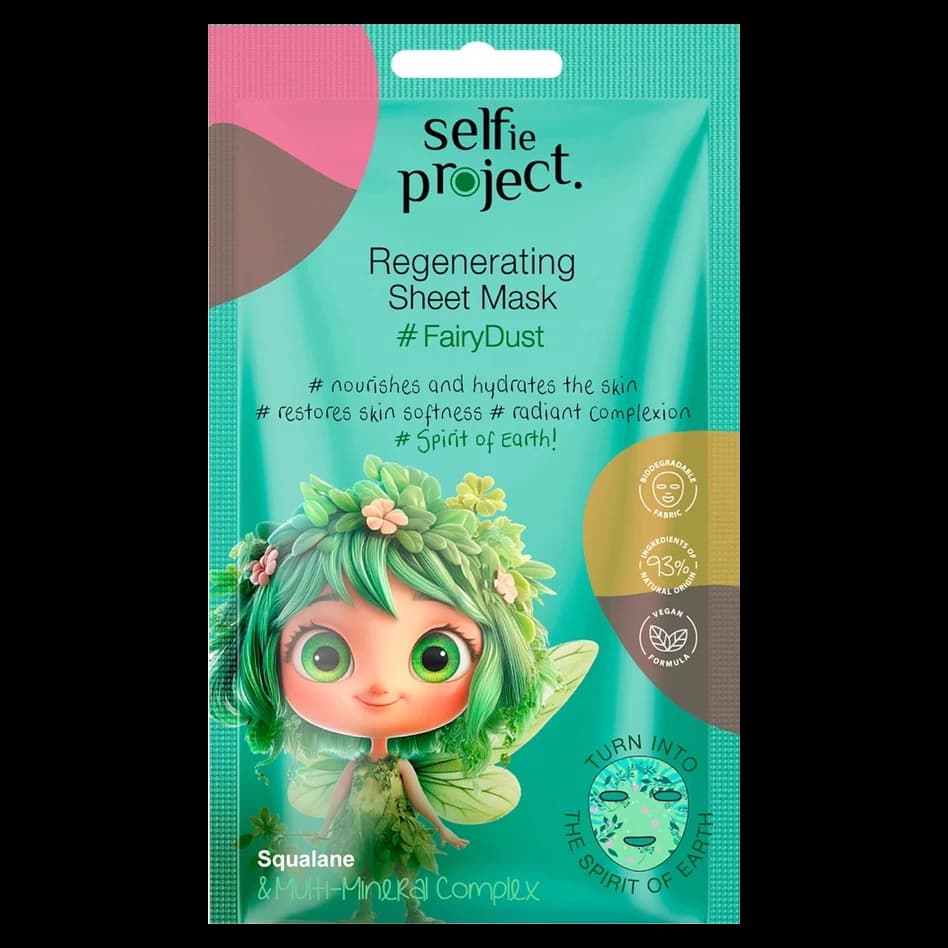
Selfie Project
Tuchmaske Regenerating #FairyDust
23rd of 33 on the label
below ≈1%
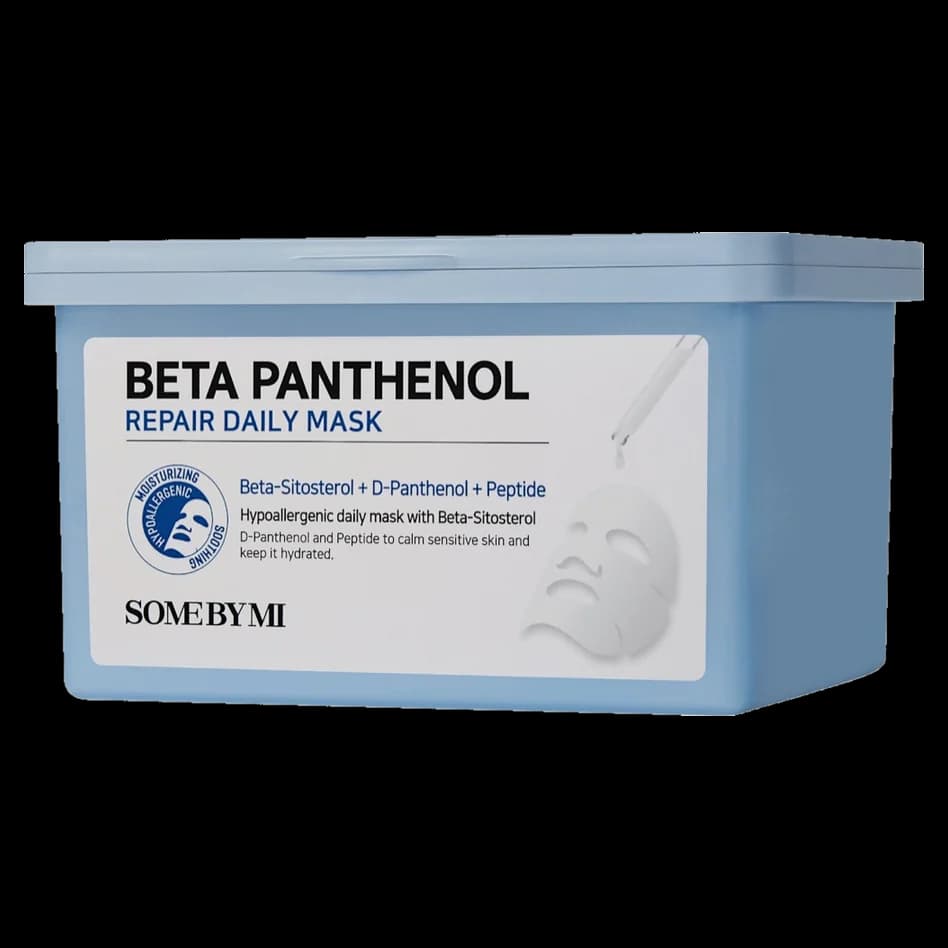
SOME BY MI
Daily Beta Panthenol Repair Mask
11th of 57 on the label
below ≈1%
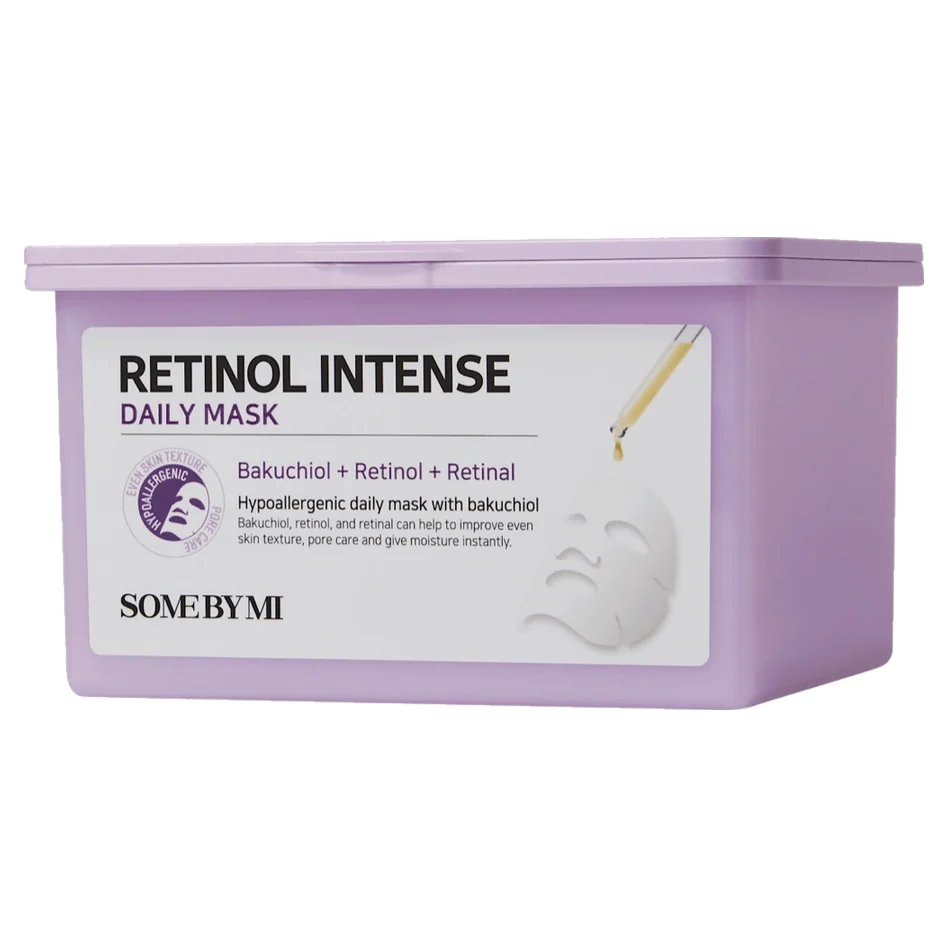
SOME BY MI
Daily Retinol Intense Mask
61st of 62 on the label
below ≈1%
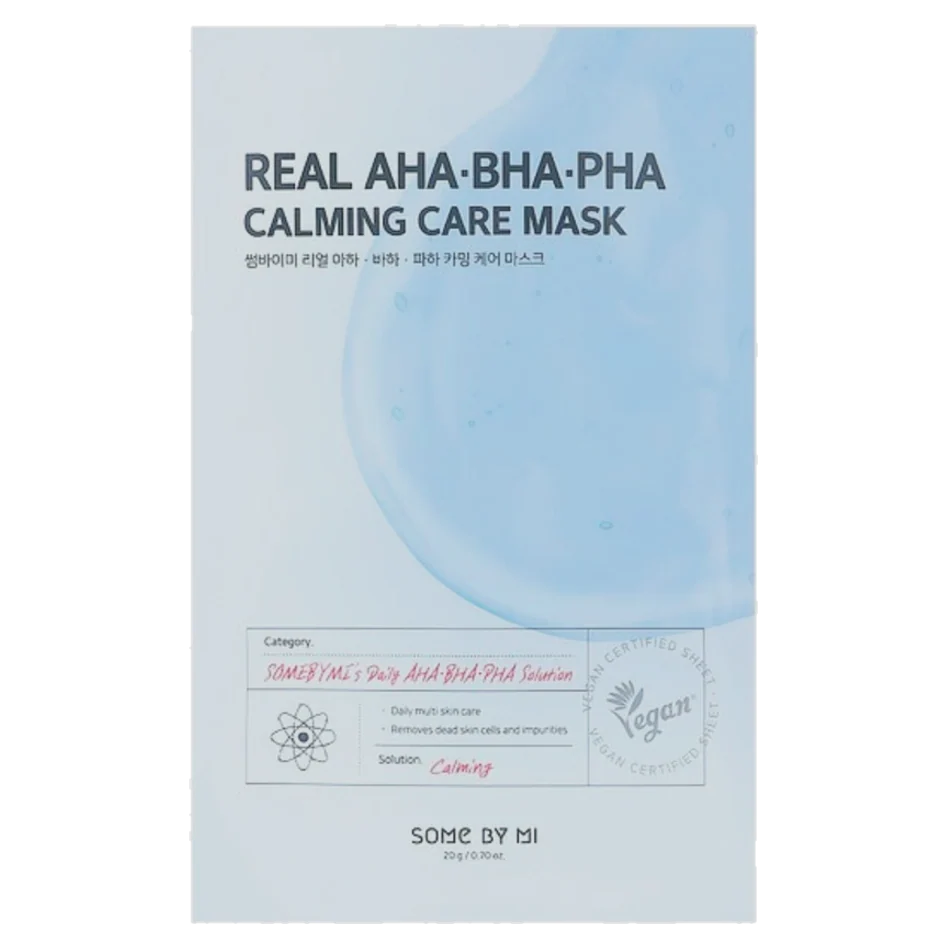
SOME BY MI
Real AHA-BHA-PHA Calming Care Mask
18th of 19 on the label
below ≈1%
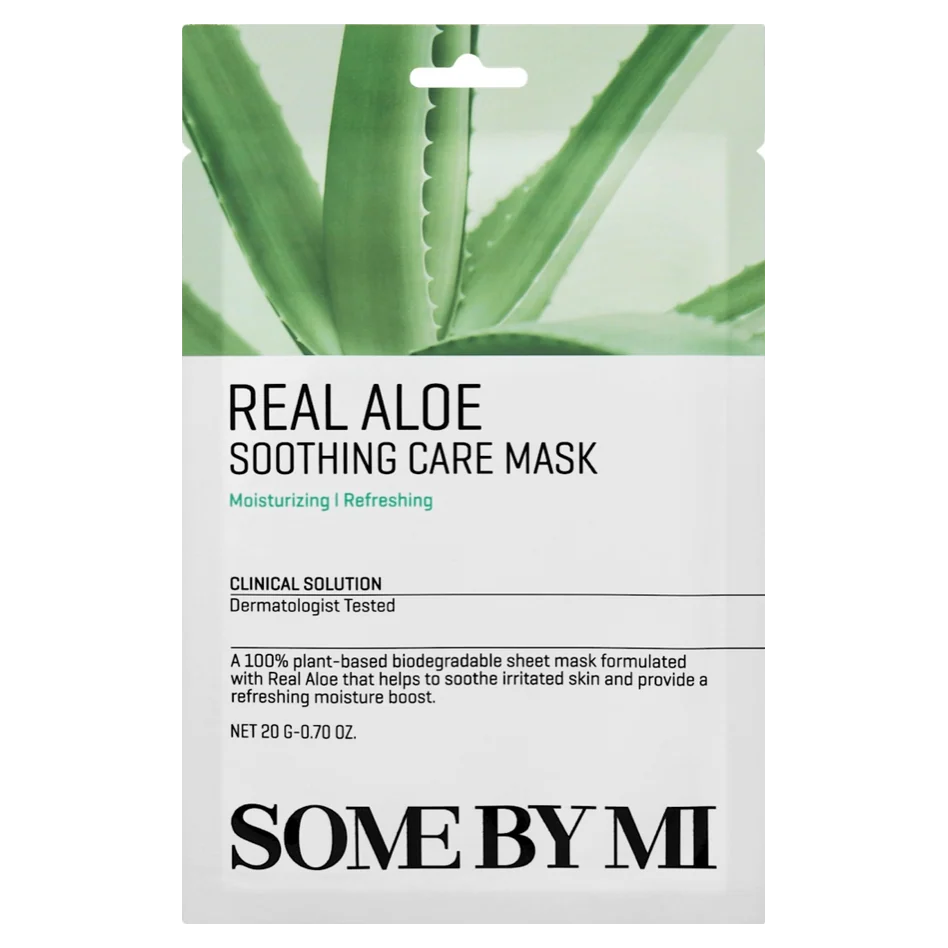
SOME BY MI
Real Aloe Soothing Care Mask
18th of 21 on the label
below ≈1%
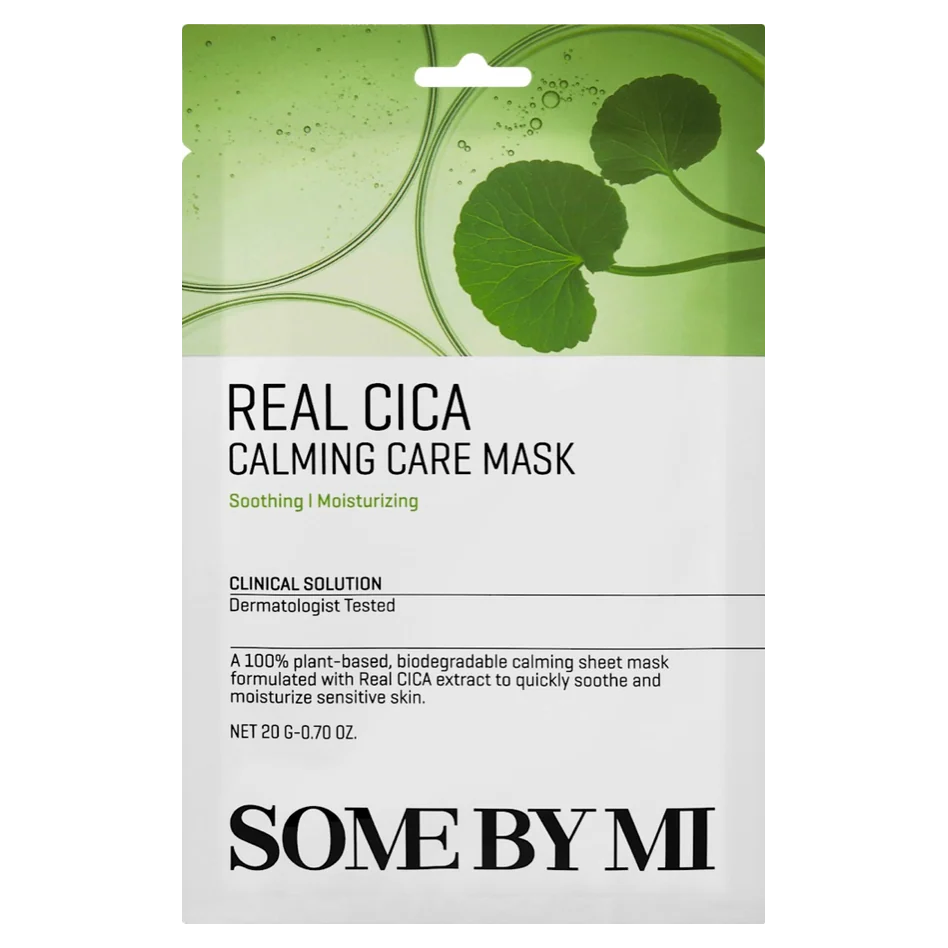
SOME BY MI
Real Cica Calming Care Mask
13th of 28 on the label
below ≈1%
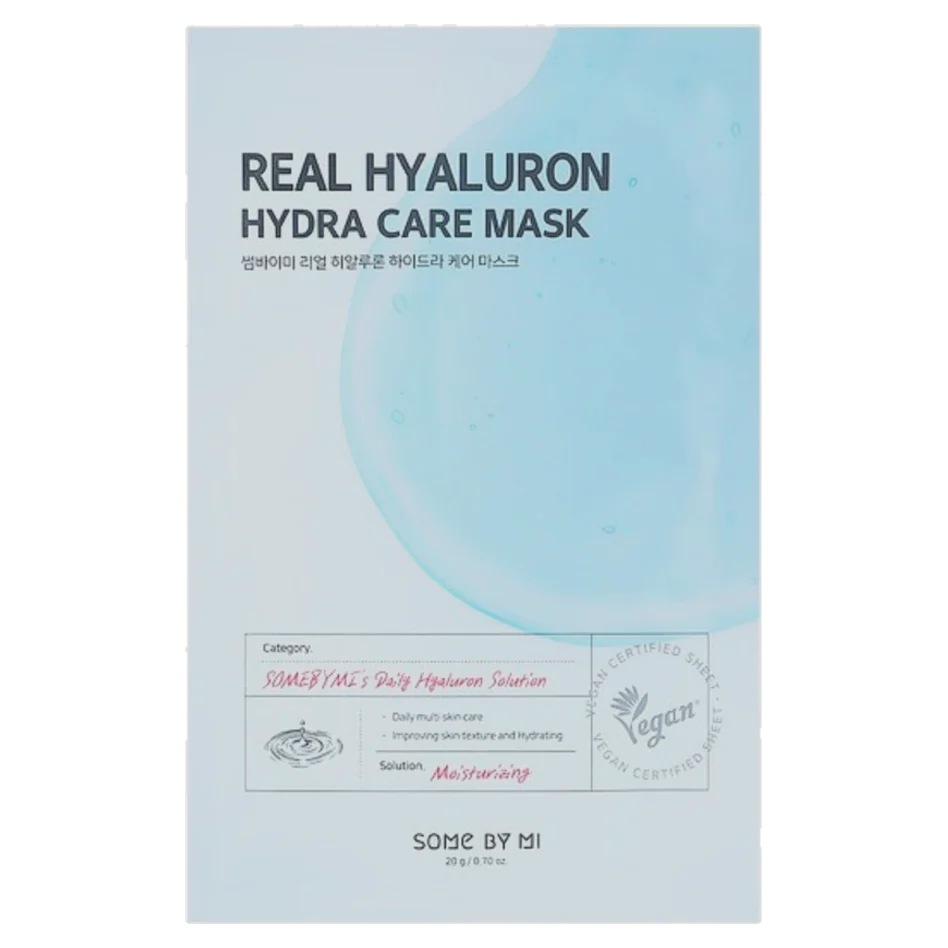
SOME BY MI
Real Hyaluron Hydra Care Mask
28th of 31 on the label
below ≈1%
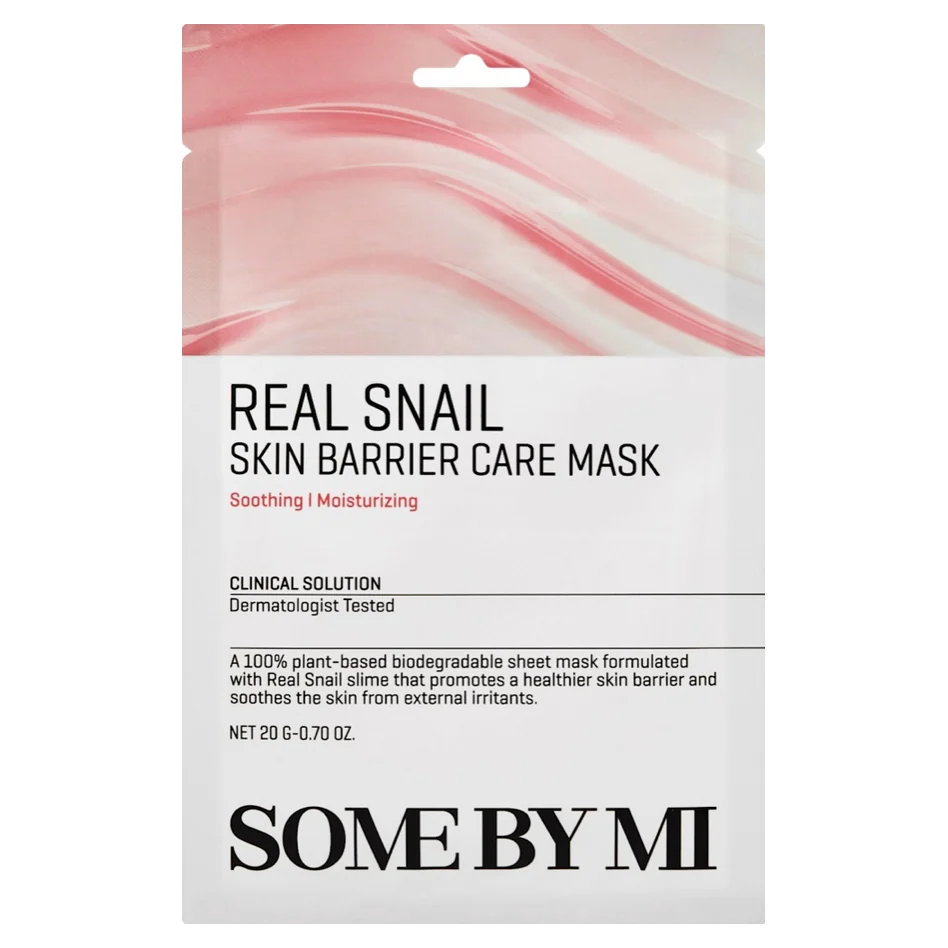
SOME BY MI
Real Snail Skin Barrier Care Mask
6th of 21 on the label
below ≈1%
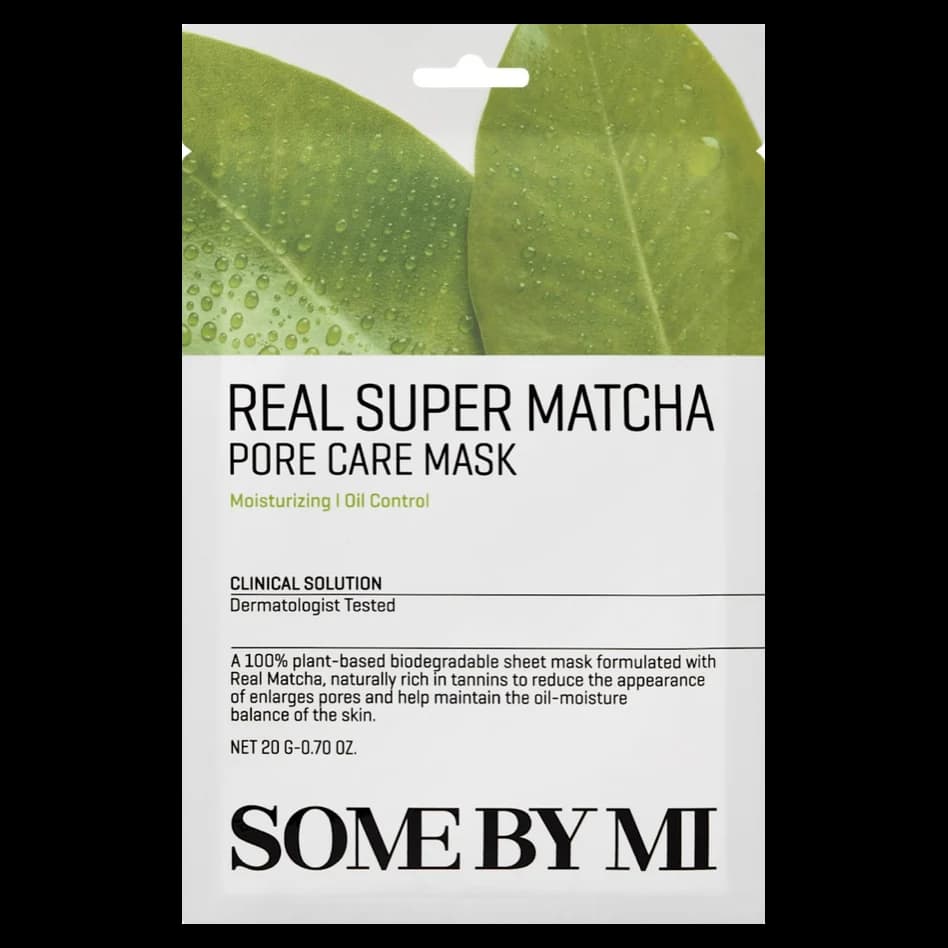
SOME BY MI
Real Super Matcha Pore Care Mask
14th of 22 on the label
below ≈1%
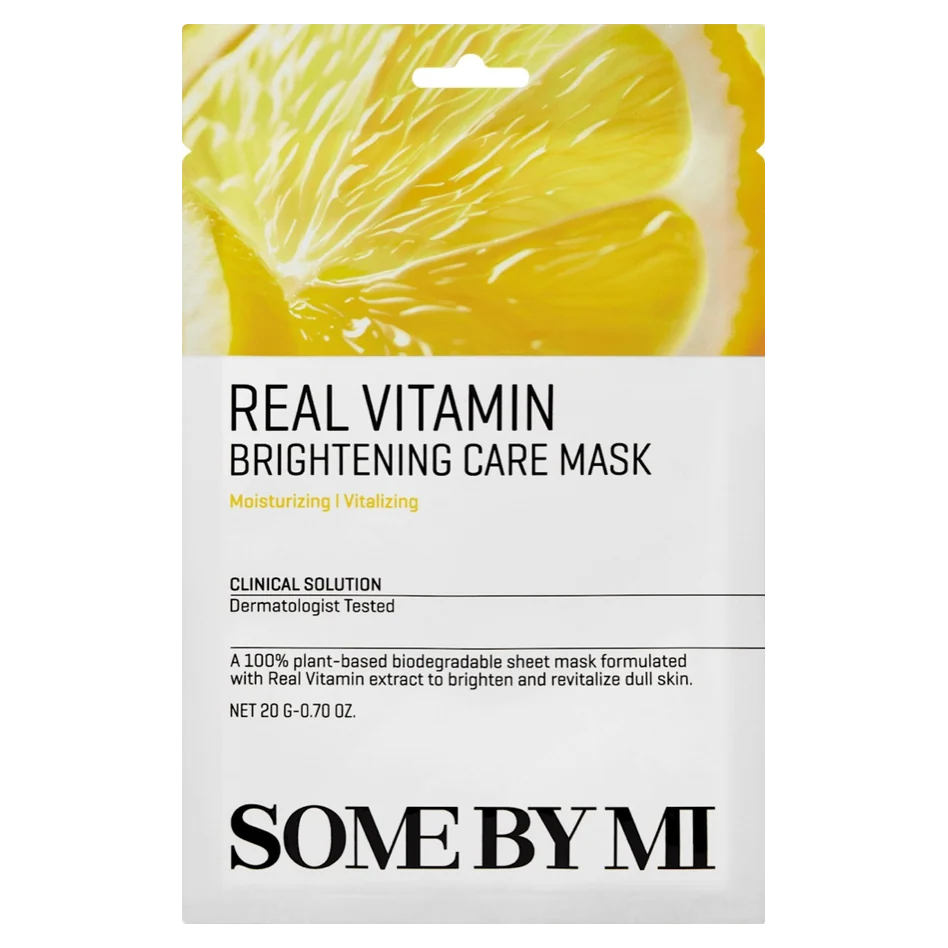
SOME BY MI
Real Vitamin Brightening Care Mask
13th of 19 on the label
below ≈1%
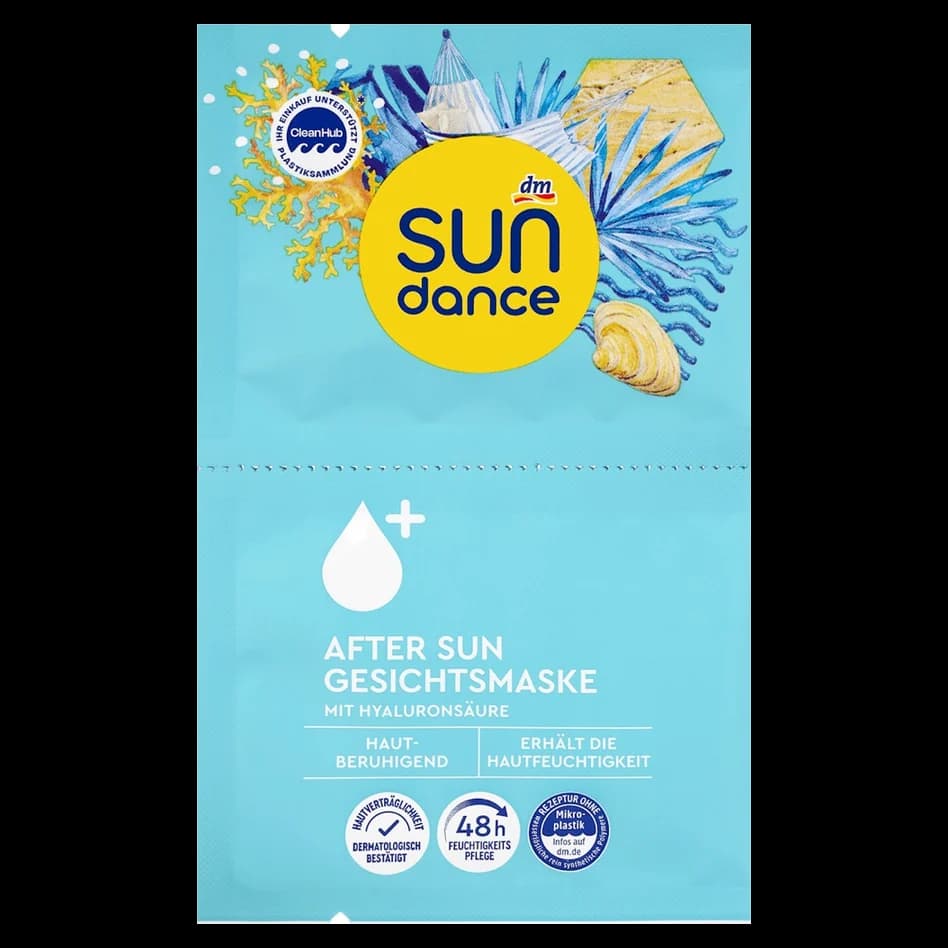
SUNDANCE
After Sun Gesichtsmaske
10th of 25 on the label
below ≈1%
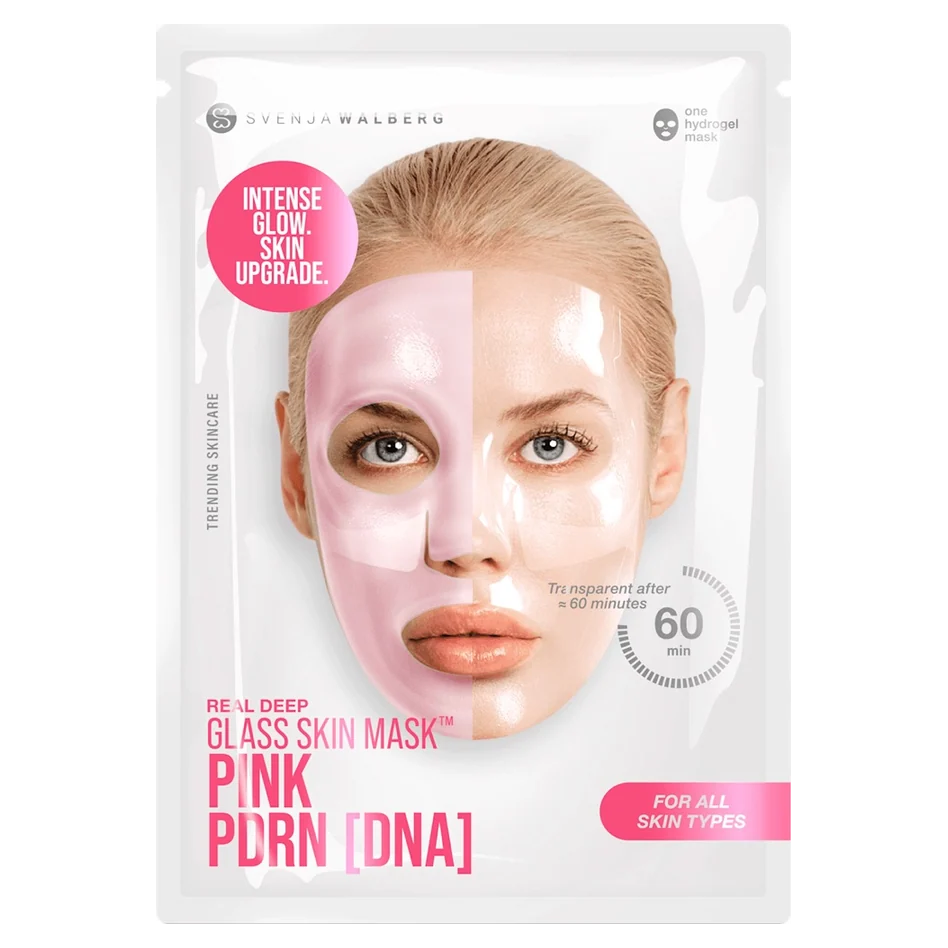
Svenja Walberg
Glass Skin Mask Pink PDRN [DNA]
17th of 26 on the label
below ≈1%
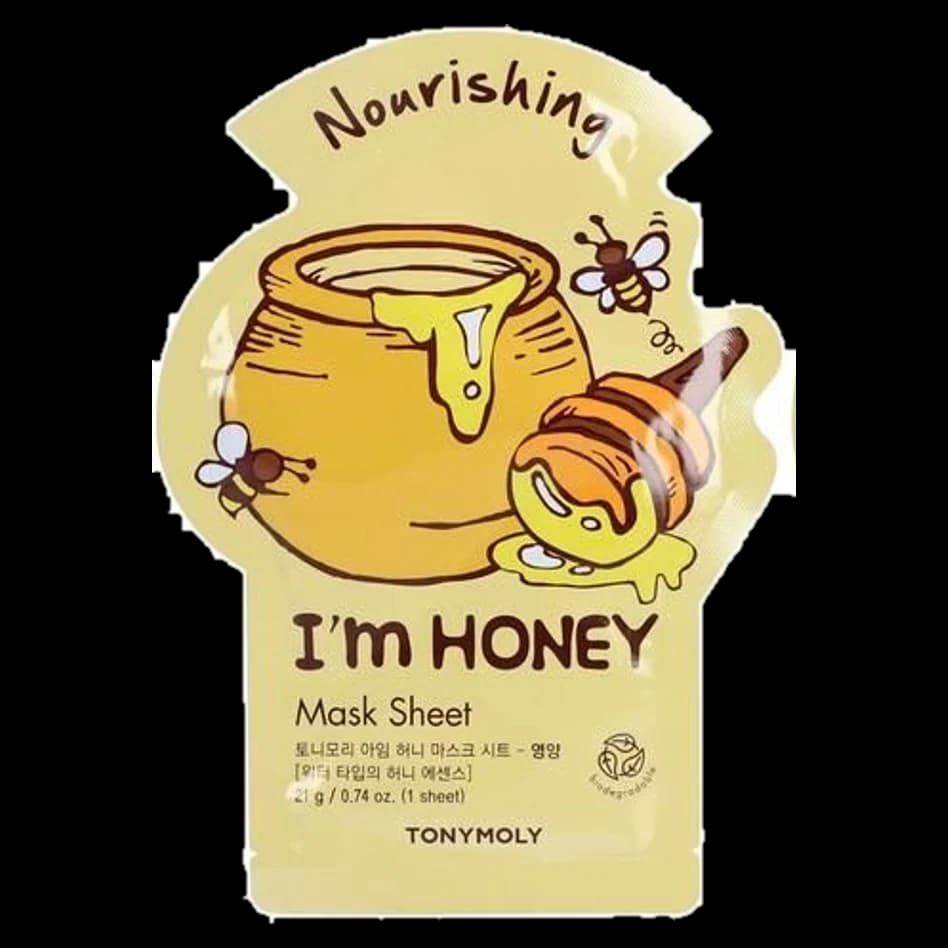
TONYMOLY
I'm Honey Mask Sheet
15th of 18 on the label
below ≈1%
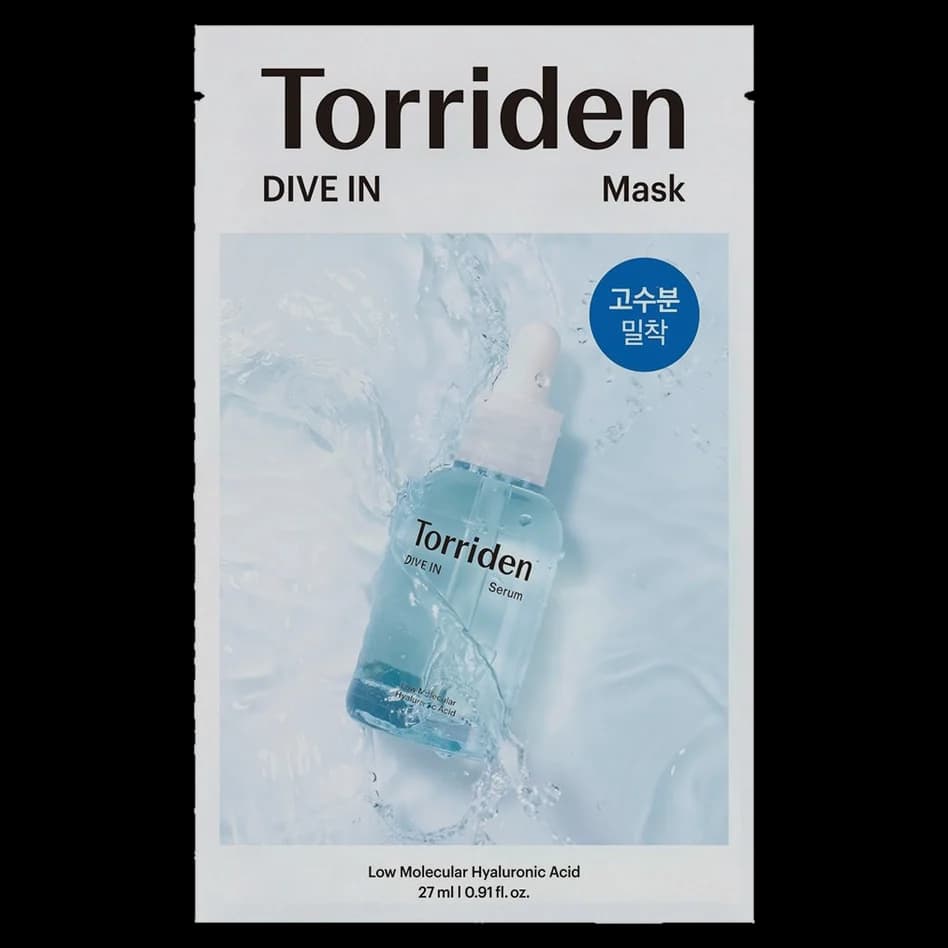
Torriden
DIVE-IN Low Molecular Hyaluronic Acid Mask
30th of 33 on the label
below ≈1%
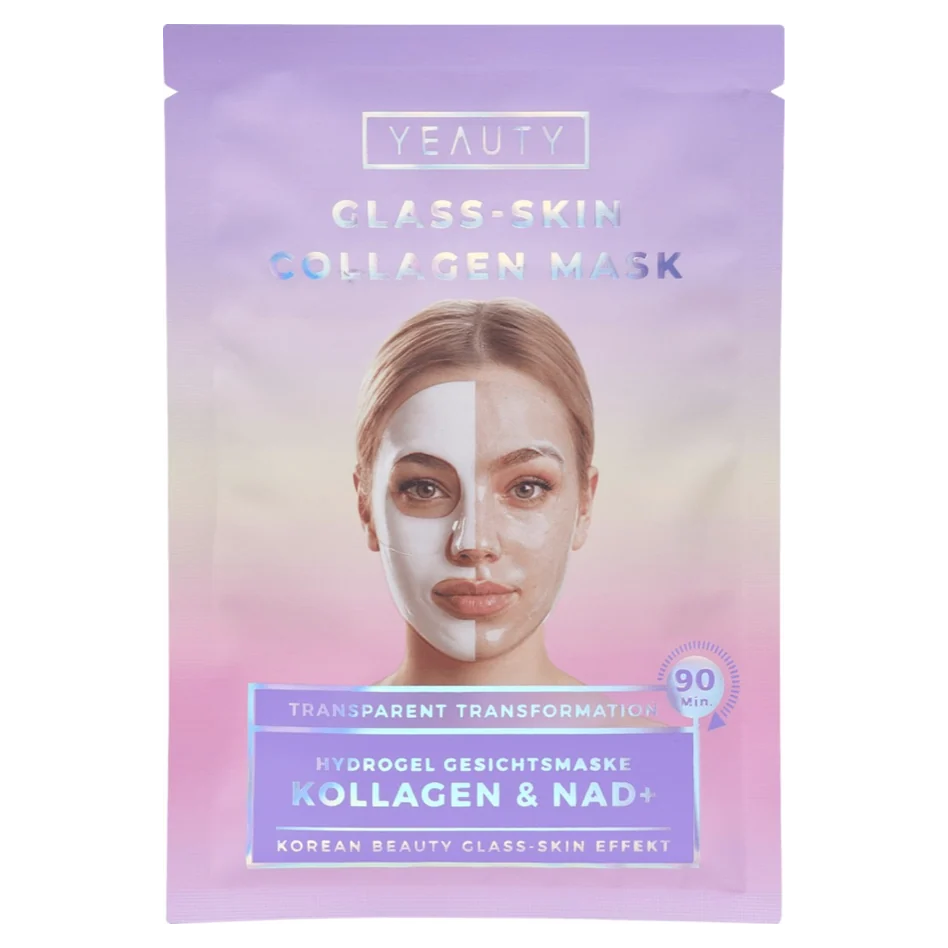
Yeauty
Glass-Skin Hydrogel Maske Kollagen & NAD+
9th of 15 on the label
below ≈1%
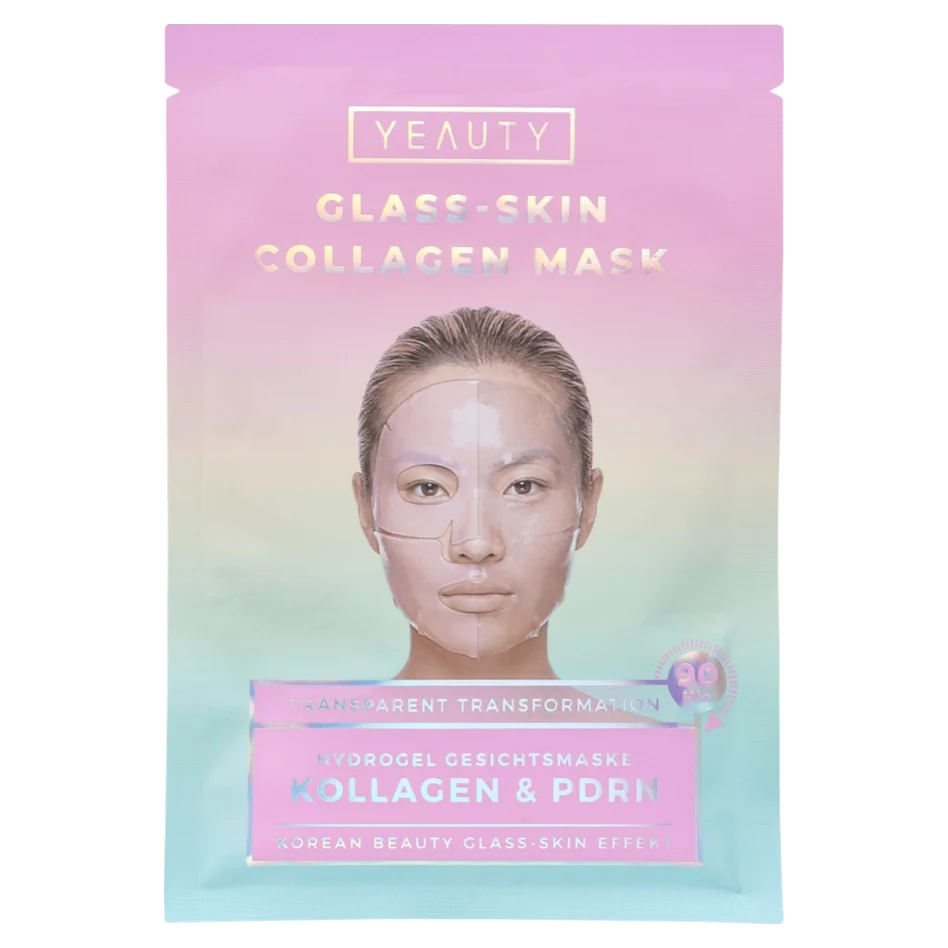
Yeauty
Glass-Skin Hydrogel Maske Kollagen & PDRN
9th of 16 on the label
below ≈1%
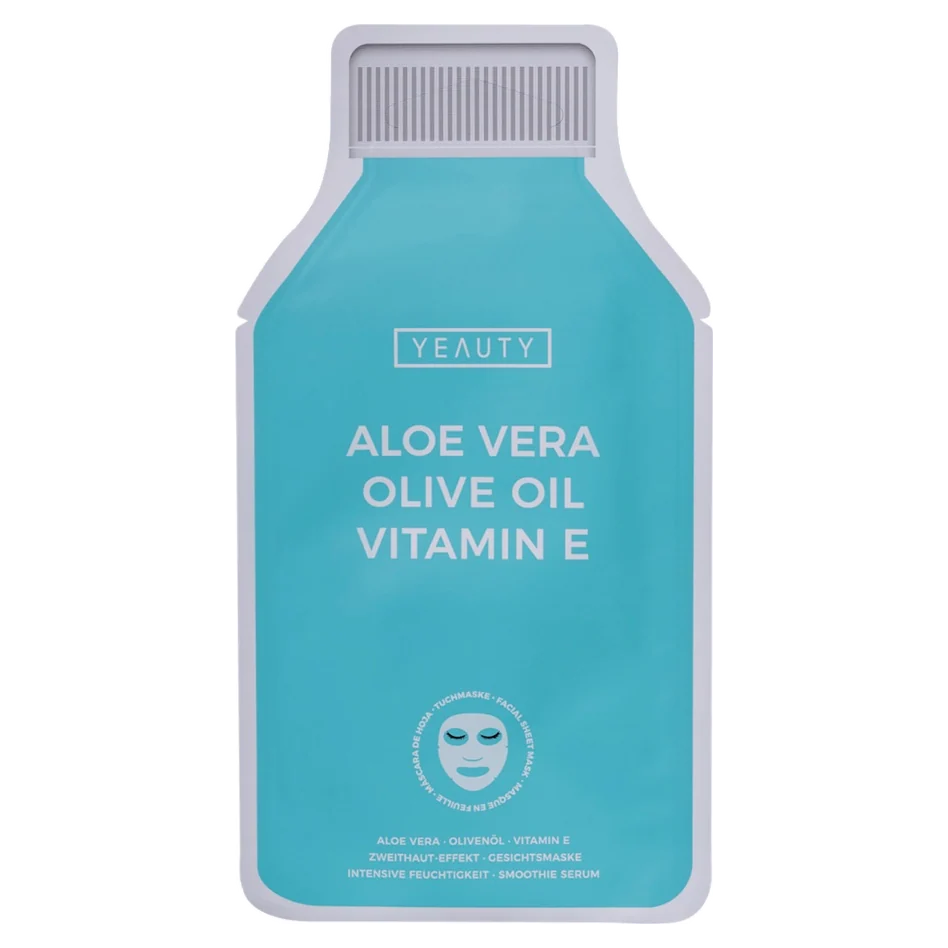
Yeauty
Tuchmaske Aloe Vera Olive Oil Vitamin E
5th of 29 on the label
below ≈1%
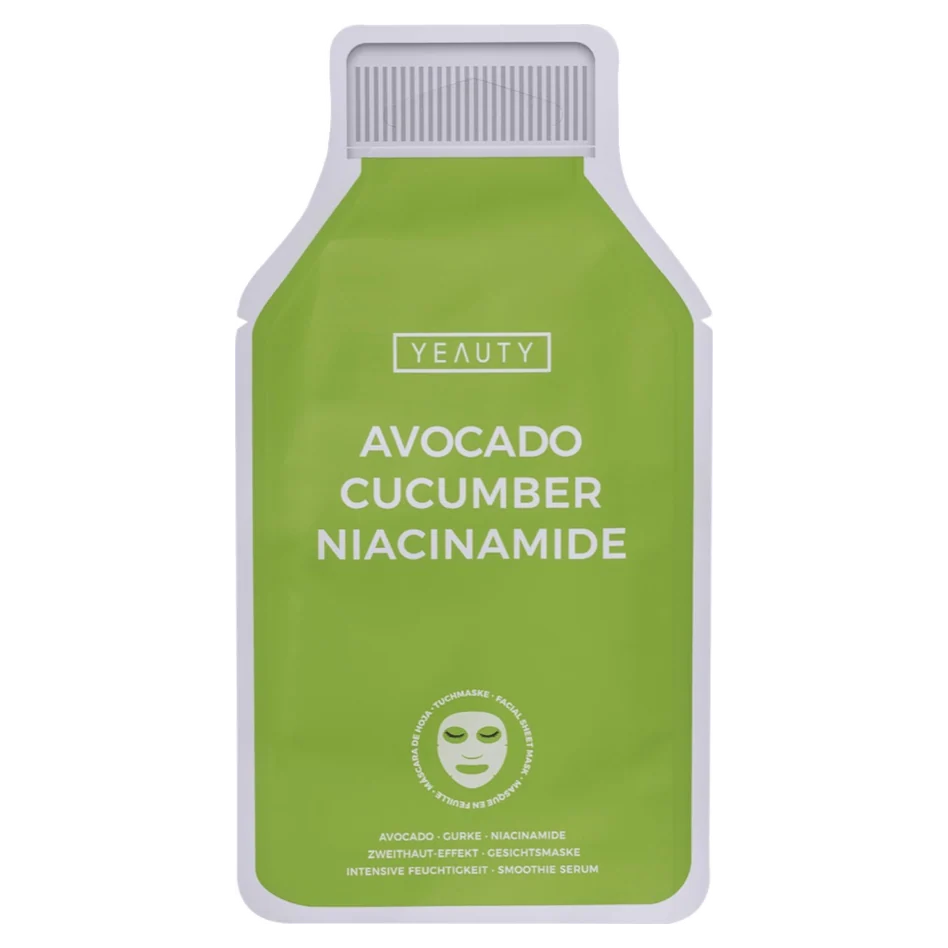
Yeauty
Tuchmaske Avocado Cucumber Niacinamide
5th of 29 on the label
below ≈1%