Sodium Levulinate
No meaningful concern for most people; irritation is possible but rare.
Also written as: Sodium 4-Oxopentanoate
What it is
Sodium levulinate is levulinic acid neutralised with sodium, and it is almost always printed alongside the acid itself. That pairing matters less than it looks: the Panel that assessed both describes them as essentially identical in aqueous solution, so in the water-based formula of a mask the two rows are largely the same substance in different proportions. Its declared cosmetic function is skin conditioning.
How it shows up on a label
Look for levulinic acid on the same list; the two are nearly always used together, though not necessarily as neighbouring rows.
What it does well
Half of a preservative system that is declared as something else
Sodium levulinate is not assessed separately from levulinic acid, and the antimicrobial effect the pair provides is recorded against the acid. Seeing the salt on a list is mainly a signal about how the formula is preserved - and the reason a product carrying it can still describe itself as free of preservatives.
Moderate evidence
Assessed as safe, with a condition attached
The same Expert Panel assessment covers both ingredients and concluded they are safe in the present practices of use and concentration when formulated to be non-irritating. The conclusion is conditional on the finished product, not a property the ingredient carries by itself.
Moderate evidence
Worth knowing
The condition the Panel attached is about eyes, not skin
"Formulated to be non-irritating" sounds like boilerplate, and it is not. The Panel attached it because these ingredients turn up in products that can incidentally reach the eyes, and neat levulinic acid tested as an eye irritant in two separate assays. That is the raw material rather than a finished mask, and on skin the same report found no sensitisation in human testing - so the practical reading is the ordinary one: keep a mask off the eyelid and out of the eye, and rinse if it gets there.
Matters most toAnyone laying a sheet mask close to the eye area, or using a wash-off mask around the eyes.
"Preservative-free" on the front can still mean preserved
Neither this nor levulinic acid is on Annex V, the closed list of substances that may be used as preservatives in the EU. They do not need to be. The Regulation defines a preservative by its main intended purpose, and these two are declared as skin-conditioning agents, so in law they are not preservatives at all - even while they are what is keeping the formula from spoiling. A mask can therefore be preserved and truthfully say it contains none. That is the rule working as written, not a manufacturer misleading anyone, but an ingredient list will not tell you it is happening.
Matters most toAnyone choosing a product specifically because it claims to contain no preservatives.
Where the EU stands
No specific restriction
Not restricted under the EU Cosmetics Regulation; it appears in no annex and has no concentration limit. Annex V is the closed list of substances that may be used as preservatives, and the Regulation defines a preservative by purpose - one "exclusively or mainly intended to inhibit the development of micro-organisms in the cosmetic product". This one is declared with skin conditioning as its main function, so it is not a preservative in the legal sense and Annex V never reaches it.
Regulation (EC) No 1223/2009, Articles 2(1)(l) and 14(1)(d)(i), and Annex V · source ↗
Sources (2)
Every link goes to the original: a journal, a PubMed record or an EU document.
- [1]Safety Assessment of Levulinic Acid and Sodium Levulinate as Used in Cosmetics
Cosmetic Ingredient Review, International Journal of Toxicology 44:91S-99S · 2025 · doi:10.1177/10915818251359228
The Expert Panel concluded that Levulinic Acid and Sodium Levulinate are safe in cosmetics in the present practices of use and concentration described in the safety assessment when formulated to be non-irritating. Both are reported to function in cosmetics as skin conditioning agents. Checked 16 August 2026.
- [2]Safety Assessment of Levulinic Acid and Sodium Levulinate as Used in Cosmetics (Final Report)
Cosmetic Ingredient Review, Expert Panel for Cosmetic Ingredient Safety · 2021
The final report behind the published assessment, and the document that says why the conclusion is conditional. Because these ingredients are used in products that might incidentally reach the eyes, "the Panel was concerned that the potential exists for ocular irritation with the use of products formulated using these ingredients. The Panel, therefore, specified that products containing Levulinic Acid or Sodium Levulinate must be formulated to be non-irritating." The eye data are on the neat raw material: in an EpiOcular human cornea assay mean tissue viability was 2.5%, against an irritation threshold of 60%, and a BCOP assay returned an in vitro irritancy score of 84.29, in the range for serious eye damage. The skin picture is different - 26 volunteers exposed to 4% levulinic acid in a human maximisation test showed no sensitisation, and two human tests of products containing sodium levulinate at 0.4011% and 0.57% found no irritation or sensitisation. The Panel also noted negative log Kow values for both, suggesting a low likelihood of either crossing the stratum corneum, while cautioning that they may enhance the penetration of other ingredients. Checked 18 August 2026.
Masks that contain Sodium Levulinate
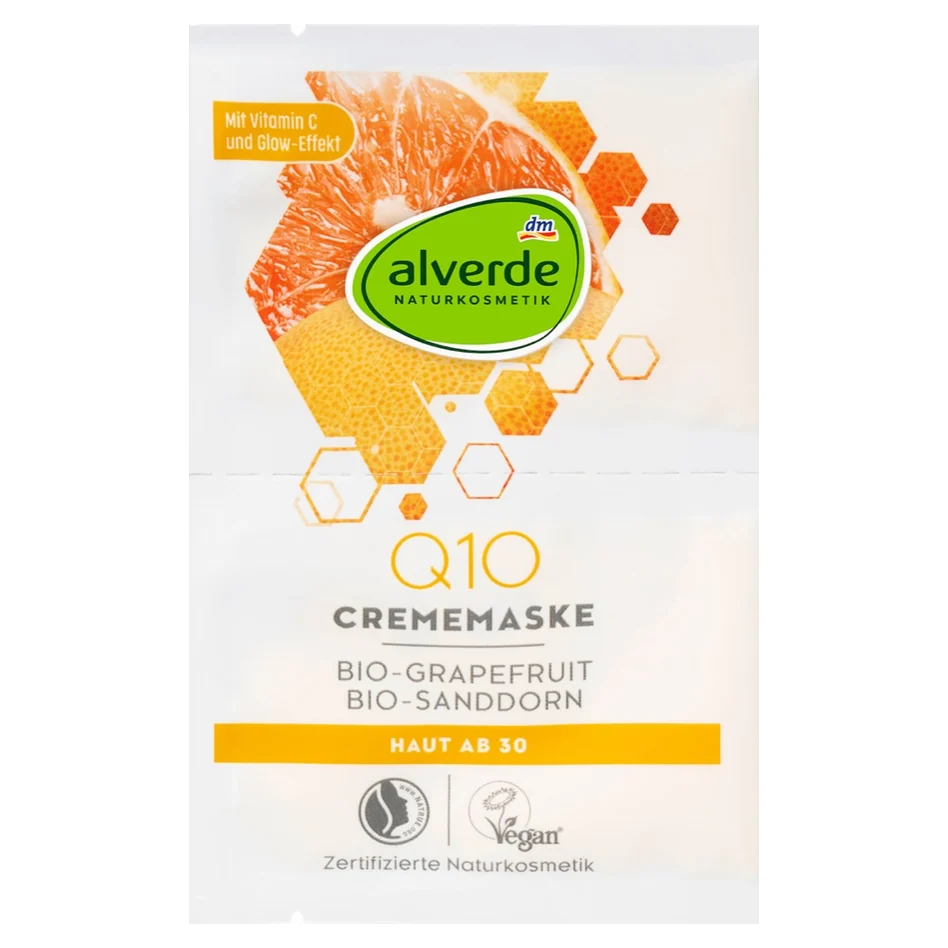
alverde Naturkosmetik
Gesichtsmaske Q10 mit Vitamin C
25th of 40 on the label
below ≈1%
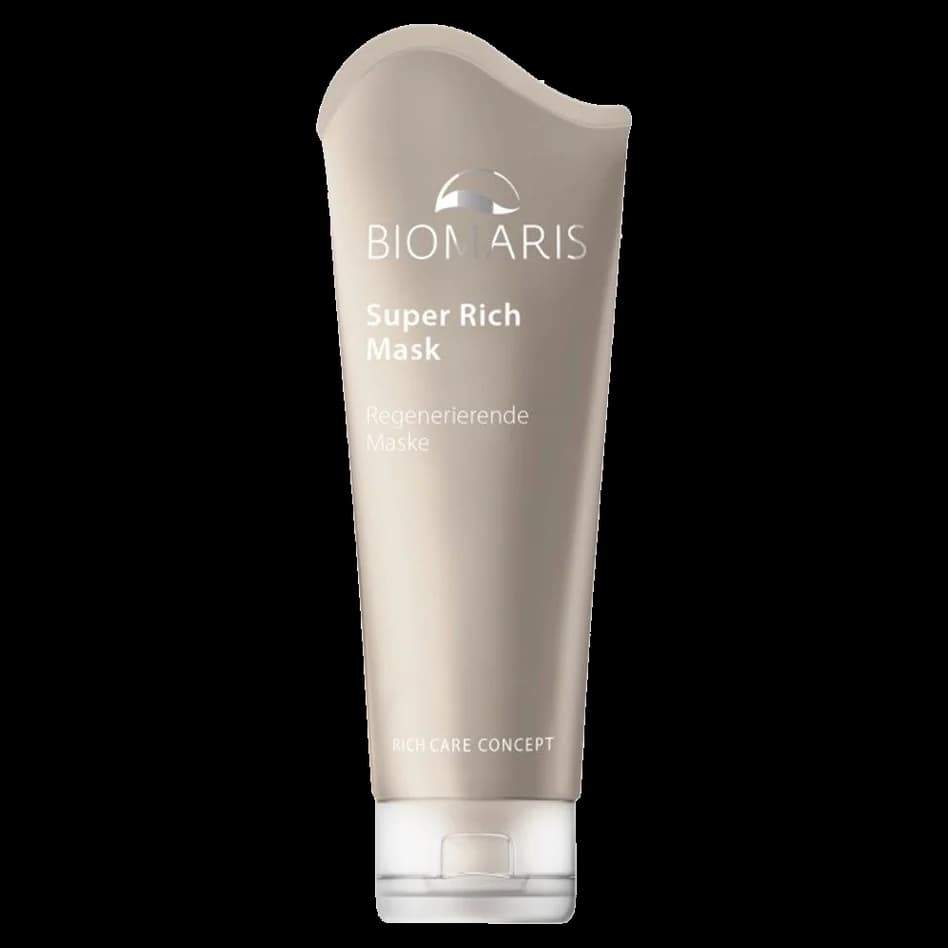
BIOMARIS
Super Rich Mask
17th of 19 on the label
below ≈1%
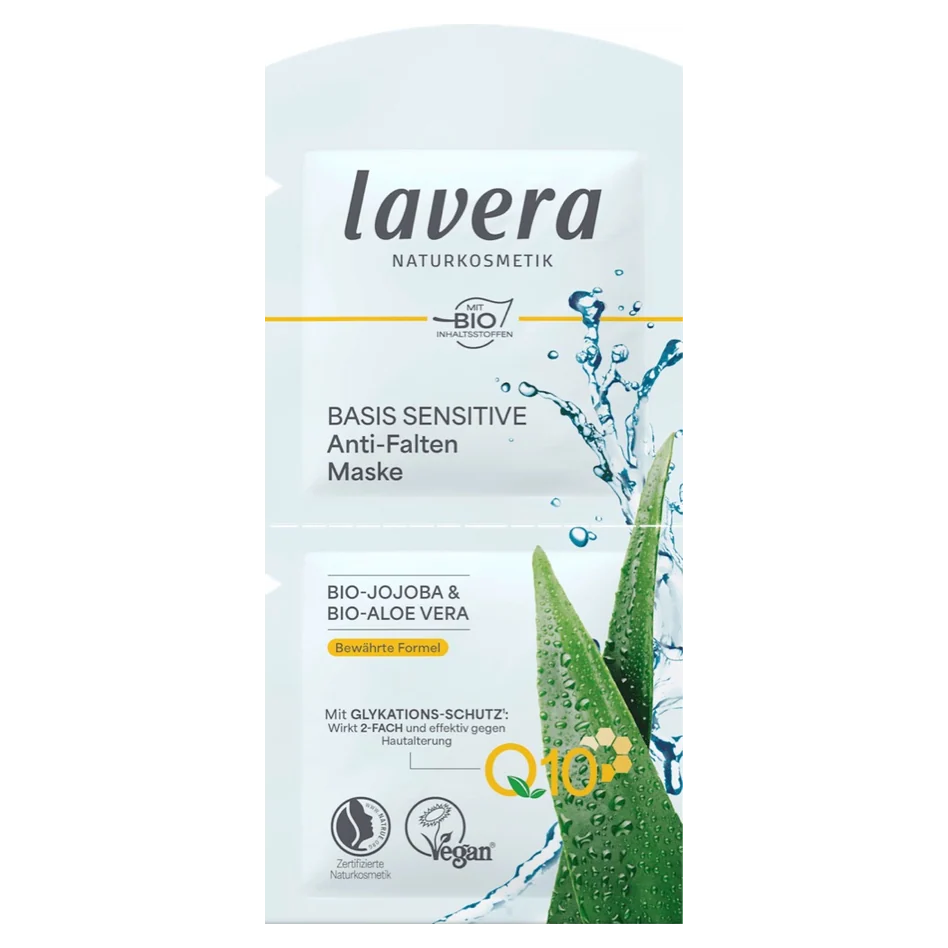
lavera
basis sensitiv Anti-Falten Gesichtsmaske
26th of 42 on the label
below ≈1%
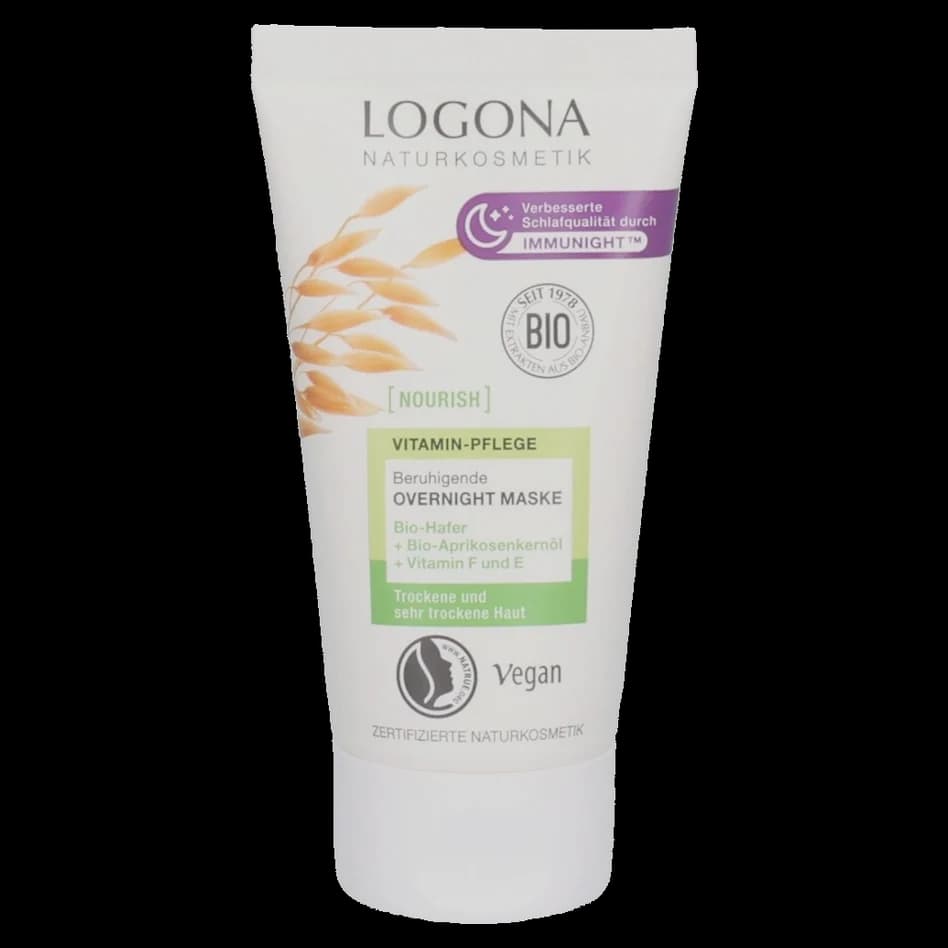
LOGONA
Nourish Beruhigende Overnight Maske
22nd of 53 on the label
below ≈1%
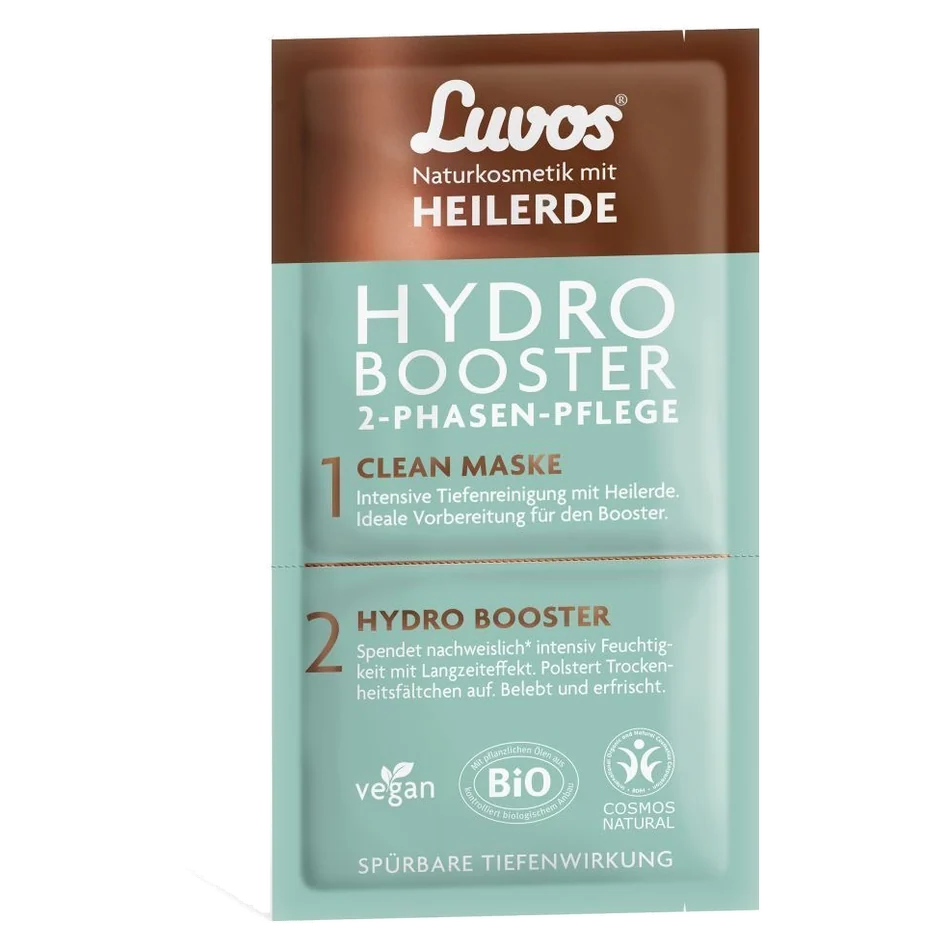
Luvos-Heilerde
Hydro Booster mit Clean Maske
22nd of 63 on the label
below ≈1%
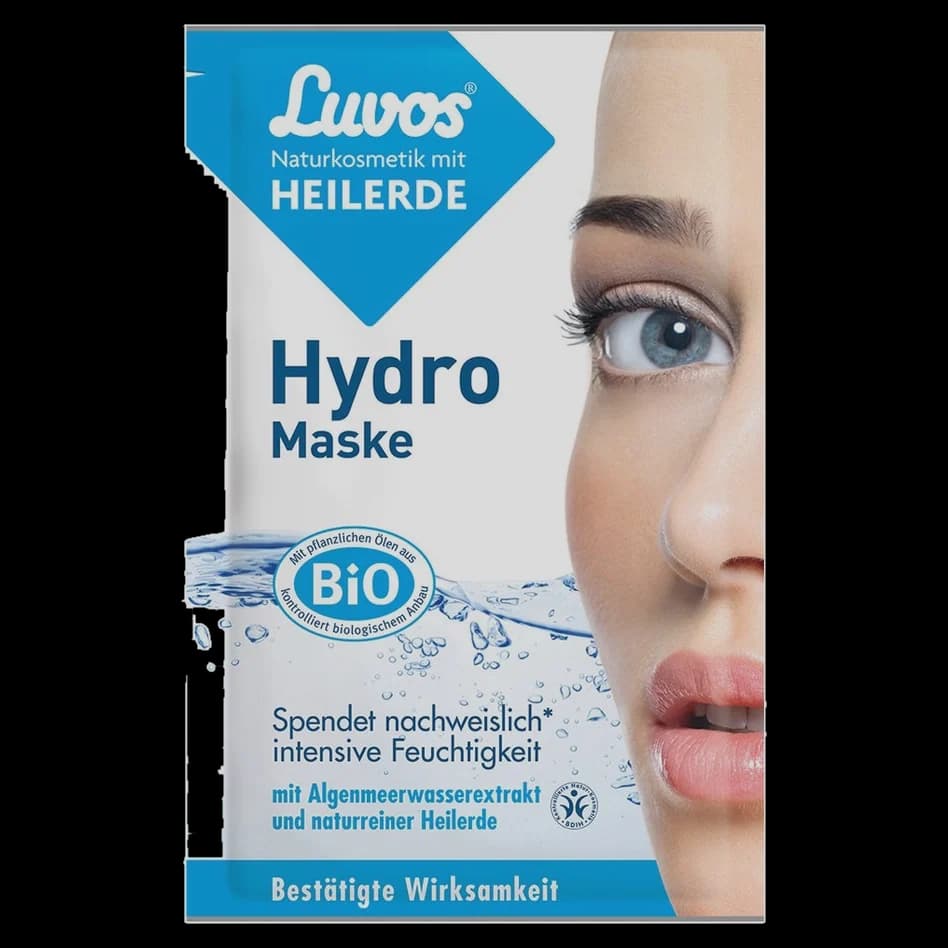
Luvos-Heilerde
Hydro-Maske
22nd of 33 on the label
below ≈1%
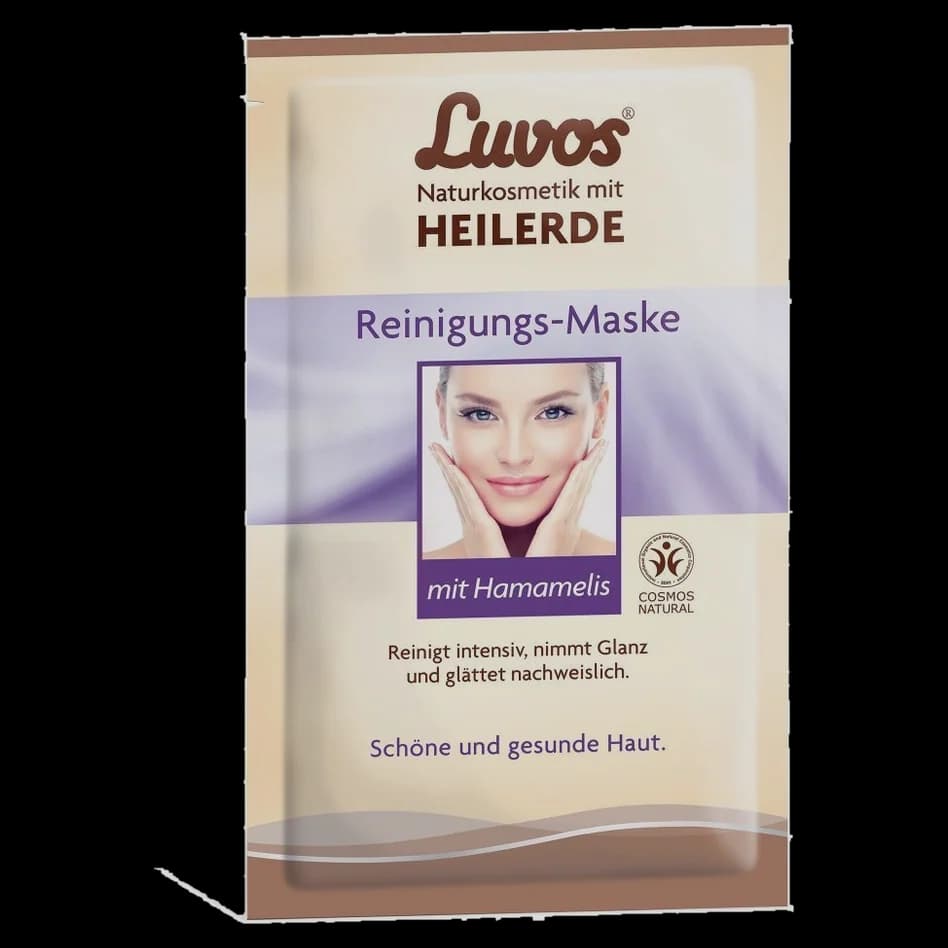
Luvos-Heilerde
Reinigungs-Maske
20th of 28 on the label
below ≈1%
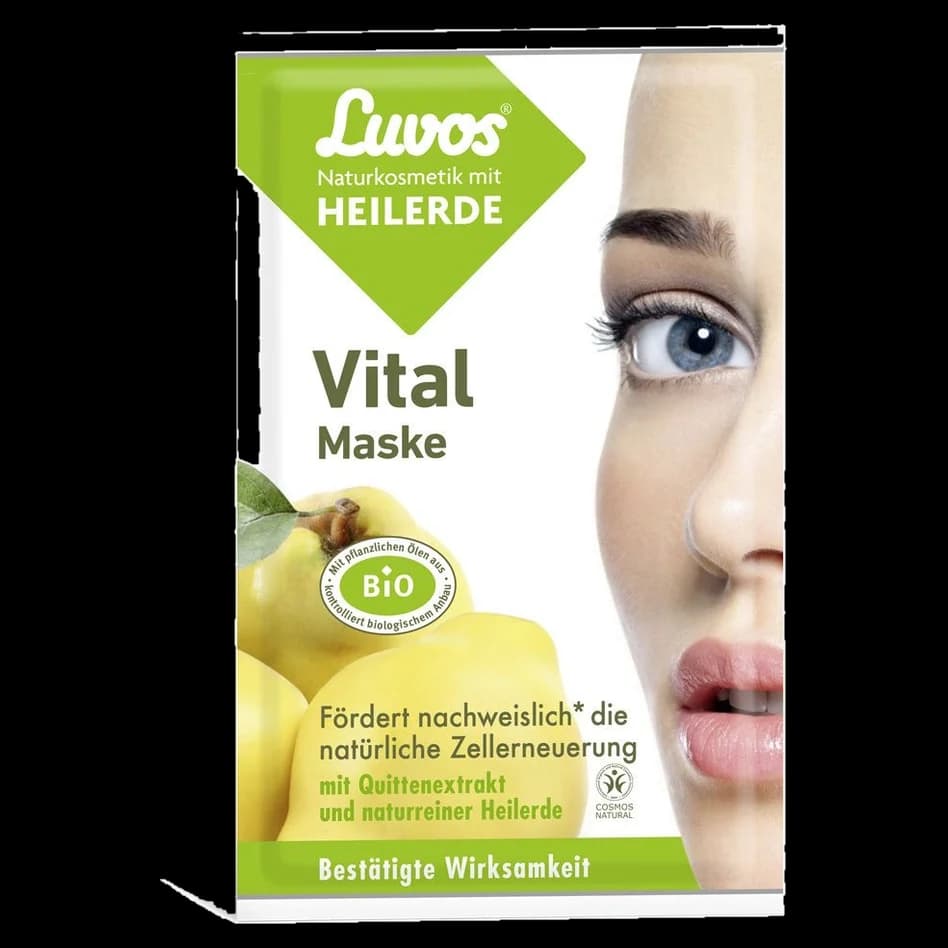
Luvos-Heilerde
Vital-Maske
21st of 30 on the label
below ≈1%
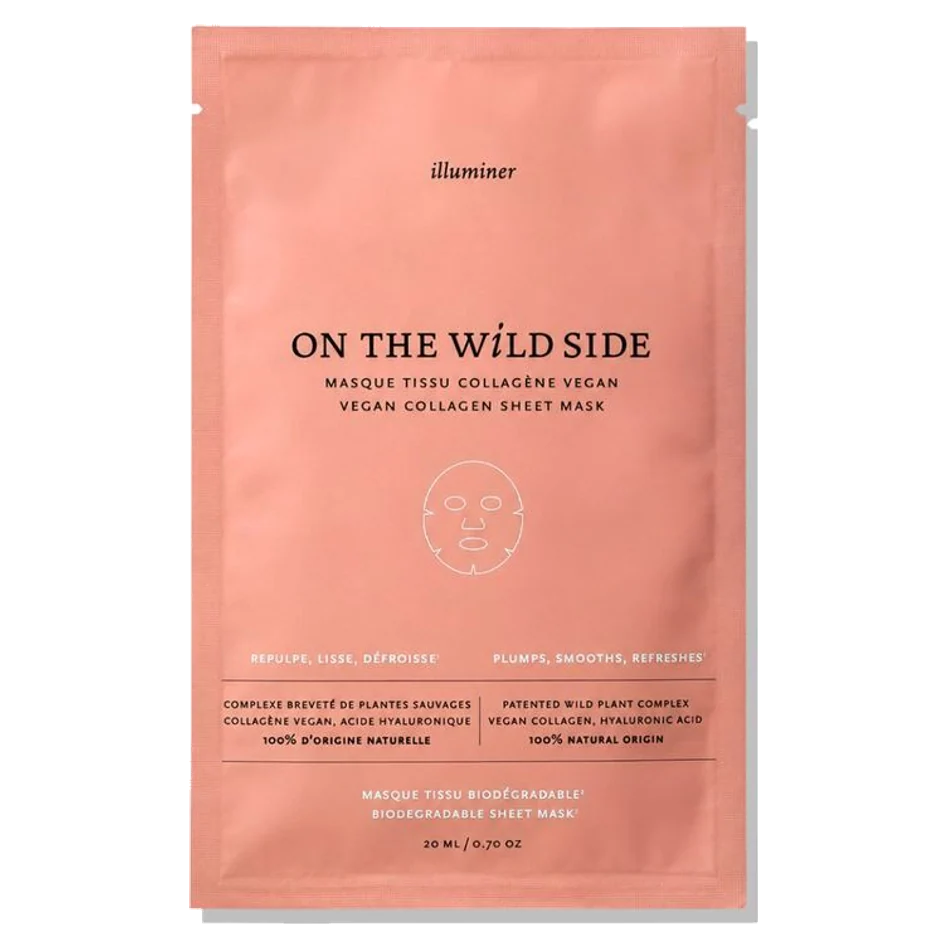
On The Wild Side
Sheet Mask Bio Cellulose Collagène Vegan
15th of 24 on the label
below ≈1%
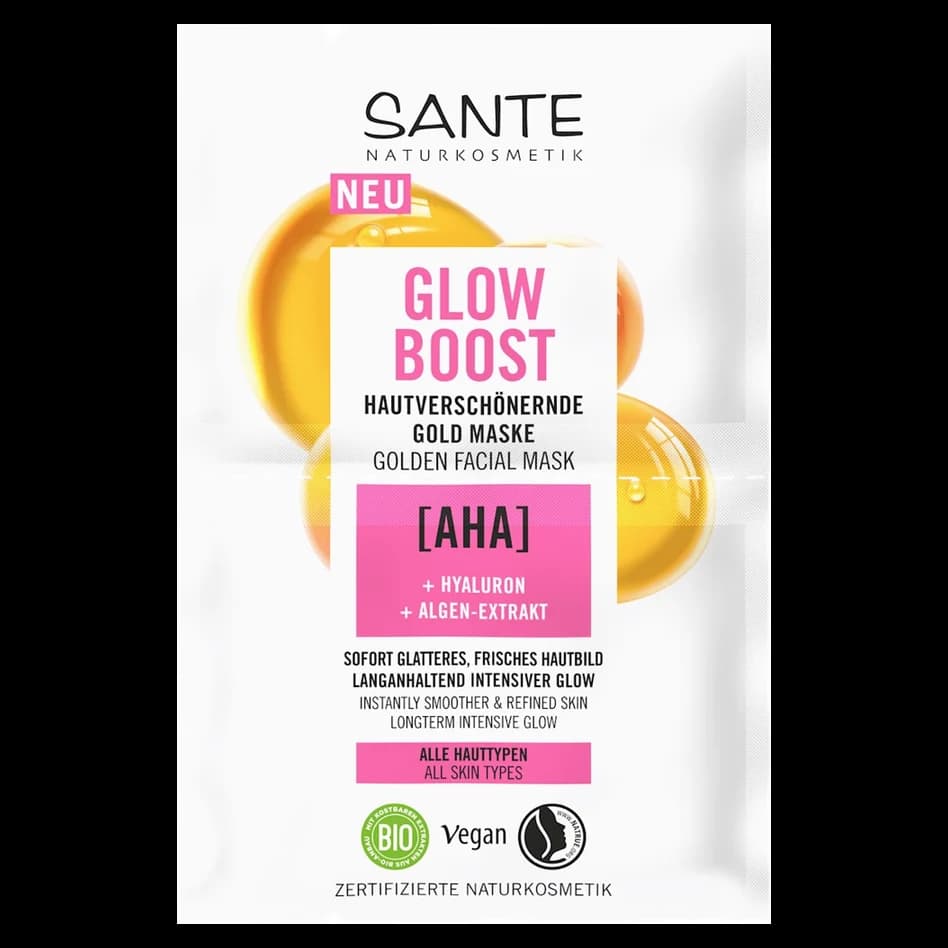
Santé Naturkosmetik
Glow Boost Maske AHA
17th of 29 on the label
below ≈1%
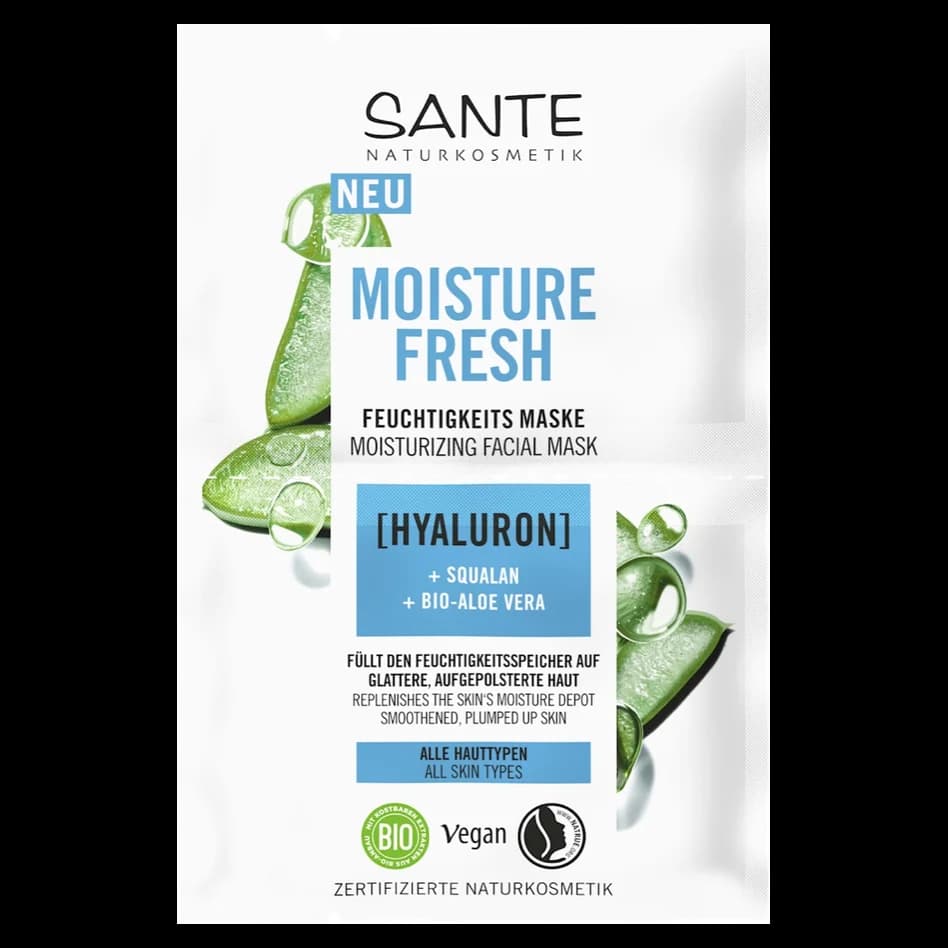
Santé Naturkosmetik
Moisture Fresh Maske Hyaluron
8th of 24 on the label
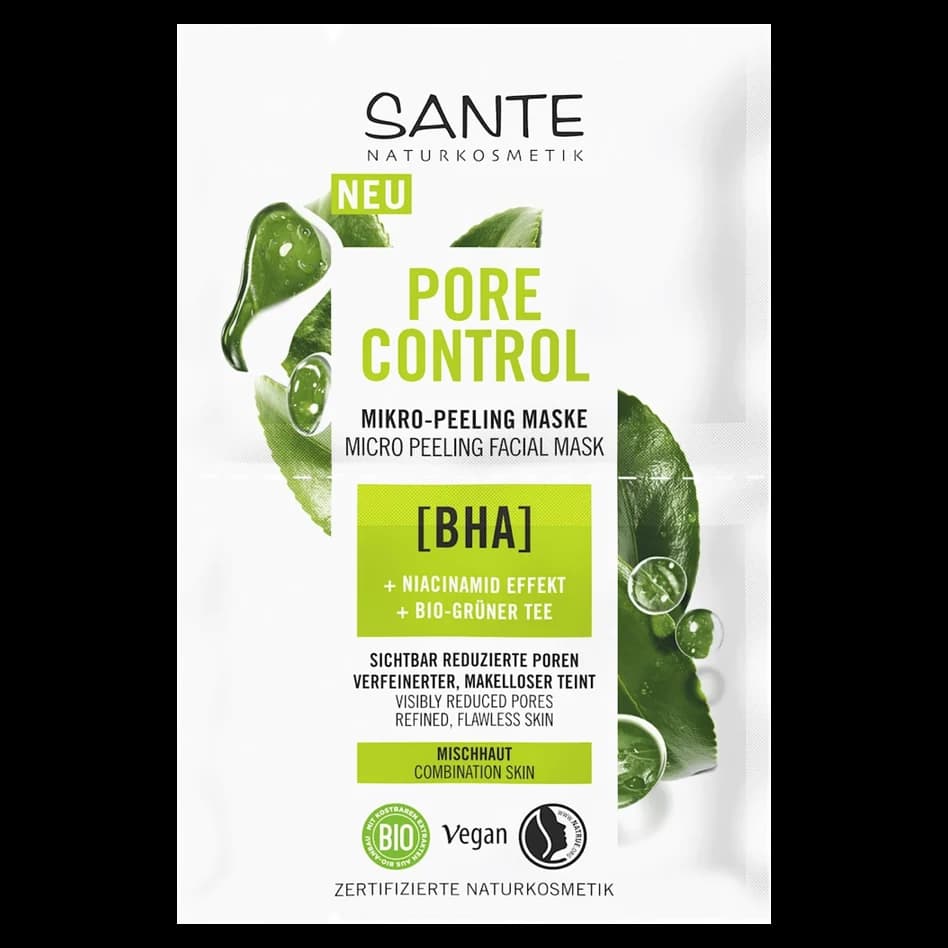
Santé Naturkosmetik
Pore Control Maske BHA
12th of 29 on the label
below ≈1%
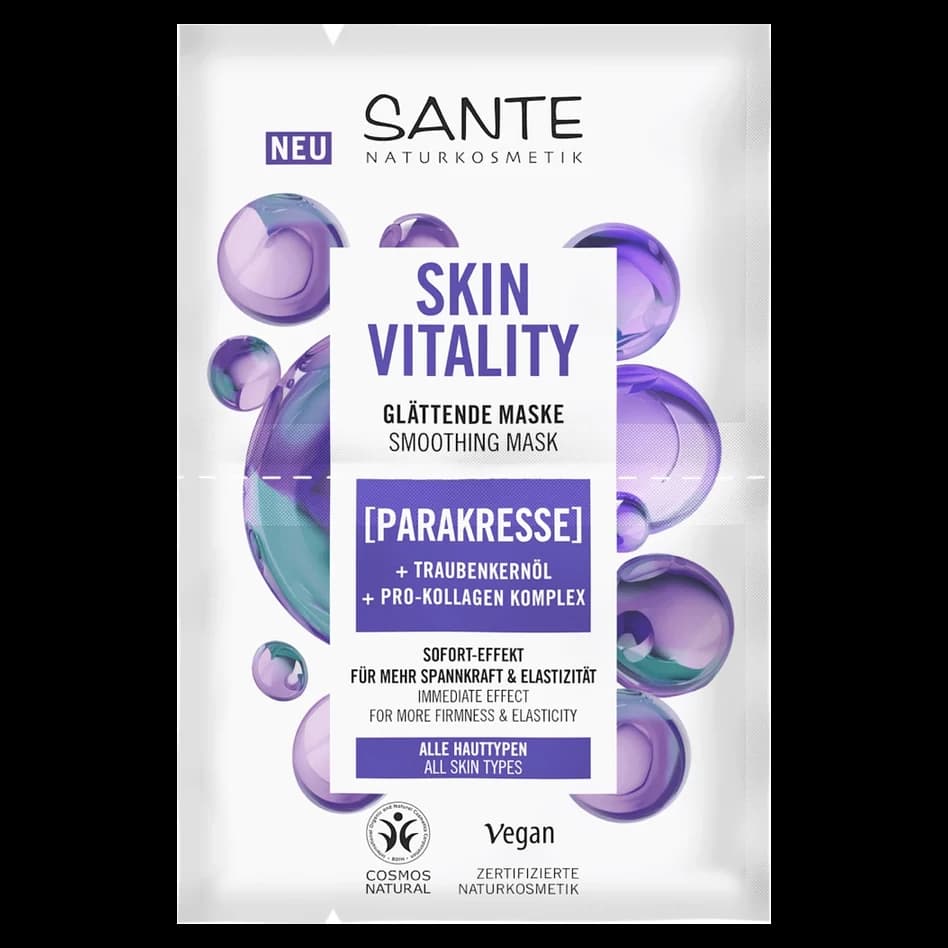
Santé Naturkosmetik
Skin Vitality Maske Parakresse
25th of 33 on the label
below ≈1%
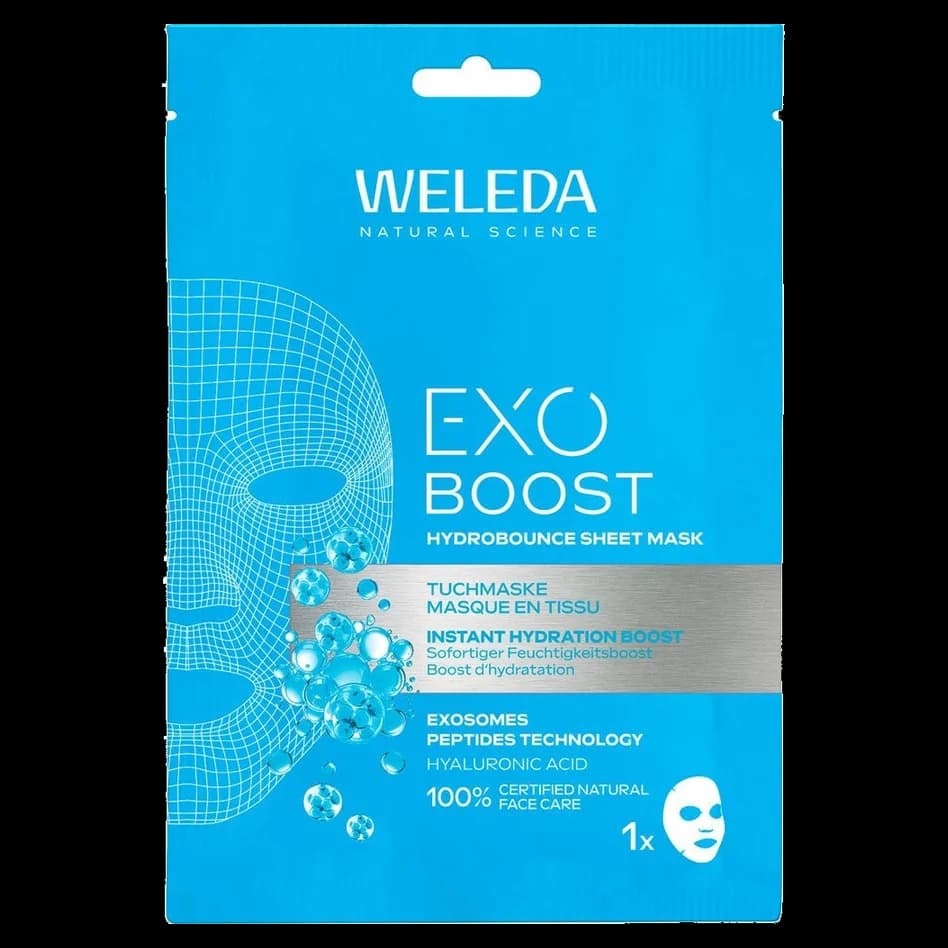
Weleda
Exo Boost Hydrobounce Tuchmaske
12th of 34 on the label
below ≈1%