Ascorbyl Palmitate
No meaningful concern for most people; irritation is possible but rare.
What it is
Ascorbyl palmitate is the ester of ascorbic acid - vitamin C - and palmitic acid. That pairing changes how it behaves in a formula: it is soluble in alcohol and vegetable oils and only slightly soluble in water, which is the reverse of plain ascorbic acid, so it can sit in the oil phase where the acid cannot. It is a white to yellowish-white powder with a citrus-like odour, and it is the only ester in its group that the ingredient dictionary also lists as a fragrance ingredient. Its reported cosmetic functions are antioxidant and fragrance ingredient.
How it shows up on a label
Usually low in the list and in the oil phase, where it doubles as protection for the other oils in the formula.
What it does well
An oil-soluble form of vitamin C that gets into skin
Where ascorbic acid is water-soluble, ascorbyl palmitate is soluble in alcohol and vegetable oils and only slightly soluble in water, so it can be carried in parts of a formula the acid cannot reach. The assessment behind it also notes that it appears to readily enter skin - which is the first of the two things a vitamin C derivative has to do, and the easier one.
Moderate evidence
Assessed as safe, and non-sensitising in human testing
The Expert Panel concluded that the ethers and esters of ascorbic acid are safe in the present practices of use and concentration described in the assessment. Human data sit behind that for this ester specifically: 26 subjects tested with 0.2% in an eye cream showed no adverse reactions or signs of sensitisation, and a modified Draize assay in 106 subjects classified it non-sensitising at 1 to 5%, with no reactions at all at the 3% step.
Moderate evidence
Worth knowing
Entering skin is not the same as working in skin
The assessment is unusually direct about this. Although ascorbyl palmitate appears to readily enter skin, its conversion to L-ascorbic acid may be inefficient; it also appears to remain on the extracellular surface of cells, and there too the report says it may not be readily converted to L-ascorbic acid. Arriving in skin is one thing and becoming vitamin C once there is another, and it is the second that the evidence is thin on. So a mask listing this ester is not the same proposition as one listing ascorbic acid, and the case that it delivers vitamin C's own effects is weaker than the front of a pack usually implies. It is a real antioxidant in the formula either way, which is part of why it is there.
Matters most toAnyone buying a mask specifically for vitamin C rather than for the rest of the formula.
In cultured cells it cut one kind of UVB damage and increased another
In human keratinocytes, ascorbyl palmitate at 1-25 µM inhibited oxidation of a probe dye after UVB exposure, which the authors read as antioxidant activity. At 300 µM the same ingredient strongly promoted UVB-induced lipid peroxidation, c-Jun N-terminal kinase activation and cytotoxicity; they suggested its lipid component generated oxidised metabolites toxic to epidermal cells, and that it may intensify skin damage after physiological doses of UV despite its antioxidant properties. Two things keep this in proportion. The harmful dose was more than ten times the highest helpful one, and the Panel reviewed this study and still concluded the group is safe as used. A face mask is also not a sunscreen and is not generally worn in the sun.
Matters most toNobody using a mask indoors; this is a note about the laboratory picture rather than about wearing a mask.
Where the EU stands
No specific restriction
Not restricted under the EU Cosmetics Regulation: ascorbyl palmitate appears in no annex and carries no concentration limit. It is also not one of the fragrance substances that Annex III requires to be named separately in an ingredient list, even though the ingredient dictionary reports fragrance ingredient among its functions.
Regulation (EC) No 1223/2009 - no annex entry · source ↗
Sources (2)
Every link goes to the original: a journal, a PubMed record or an EU document.
- [1]Safety Assessment of Ethers and Esters of Ascorbic Acid as Used in Cosmetics
Cosmetic Ingredient Review, International Journal of Toxicology 41(2_suppl) · 2022 · doi:10.1177/10915818221093545
The published conclusion for the group of seven that includes this ester: the Panel "concluded that the ethers and esters of ascorbic acid are safe in the present practices of use and concentration, as described in this safety assessment". The ingredients "collectively function as antioxidants, skin-conditioning agents, skin protectants, fragrance ingredients, and skin bleaching agents". Checked 21 August 2026.
- [2]Safety Assessment of Ethers and Esters of Ascorbic Acid as Used in Cosmetics (report of the assessment)
Cosmetic Ingredient Review, Expert Panel for Cosmetic Ingredient Safety · 2016
The document carrying the underlying data. Definition: "Ascorbyl Palmitate is the ester of Ascorbic Acid and palmitic acid." Properties: a white or yellowish-white powder, molecular weight 414.54, citrus-like odour, "soluble in alcohol and vegetable oils; slightly soluble in water". Table 1 gives its functions as antioxidant and fragrance ingredient - it is "the only ingredient with the additional reported function of fragrance ingredient". Sensitisation: no adverse reactions or signs of sensitisation in a 26-subject maximisation test at 0.2% in an eye cream, and "Ascorbyl Palmitate was classified as non-sensitizing at concentrations of 1% to 5%" in a 106-subject modified Draize assay with no reactions at 3%. Delivery: "It was noted in earlier publications that although Ascorbyl Palmitate appears to readily enter skin, its conversion to L-ascorbic acid may be inefficient. Furthermore, Ascorbyl Palmitate appears to remain on the extracellular surface of cells and may not be readily converted to L-ascorbic acid." The UVB work in keratinocytes: at 1 to 25 µM it "effectively inhibited DHR oxidation in a dose-dependent manner", while at 300 µM it "strongly promoted UVB-induced lipid peroxidation, c-Jun N-terminal kinase activation, and cytotoxicity", the authors suggesting it "may intensify skin damage following physiologic doses of UV radiation, despite its antioxidant properties". Checked 21 August 2026.
Masks that contain Ascorbyl Palmitate
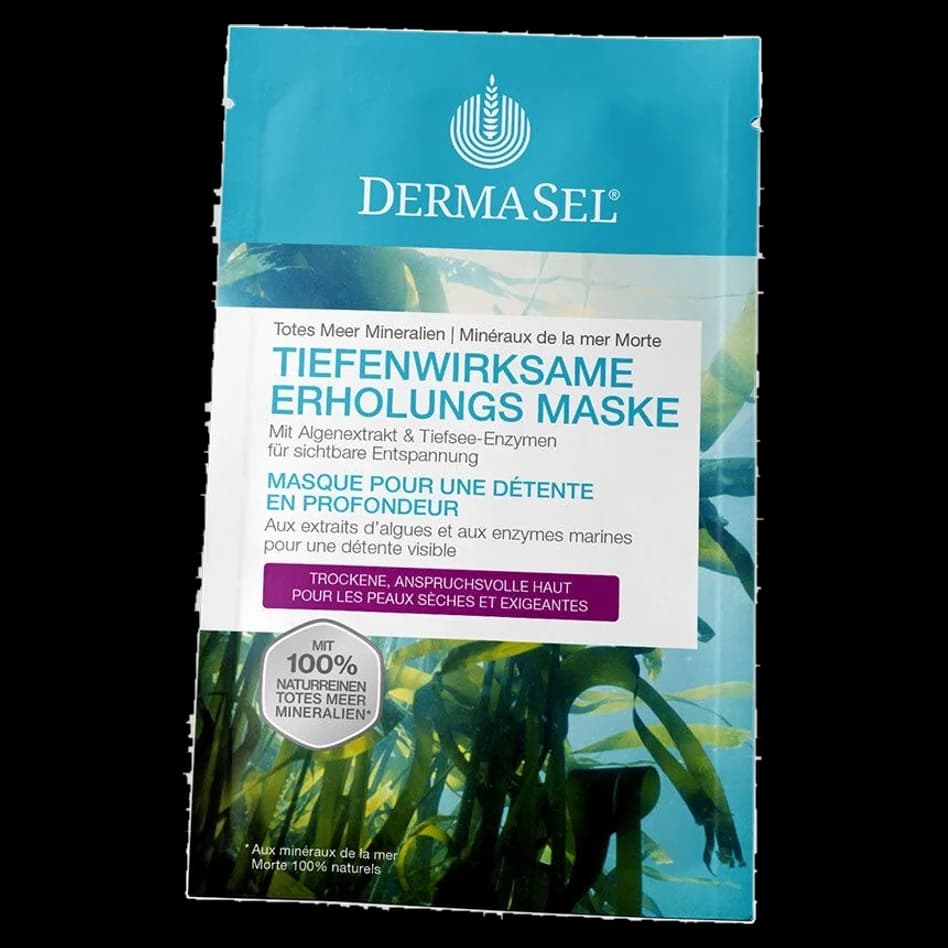
DERMASEL
SPA Totes Meer Maske Erholung
22nd of 31 on the label
below ≈1%
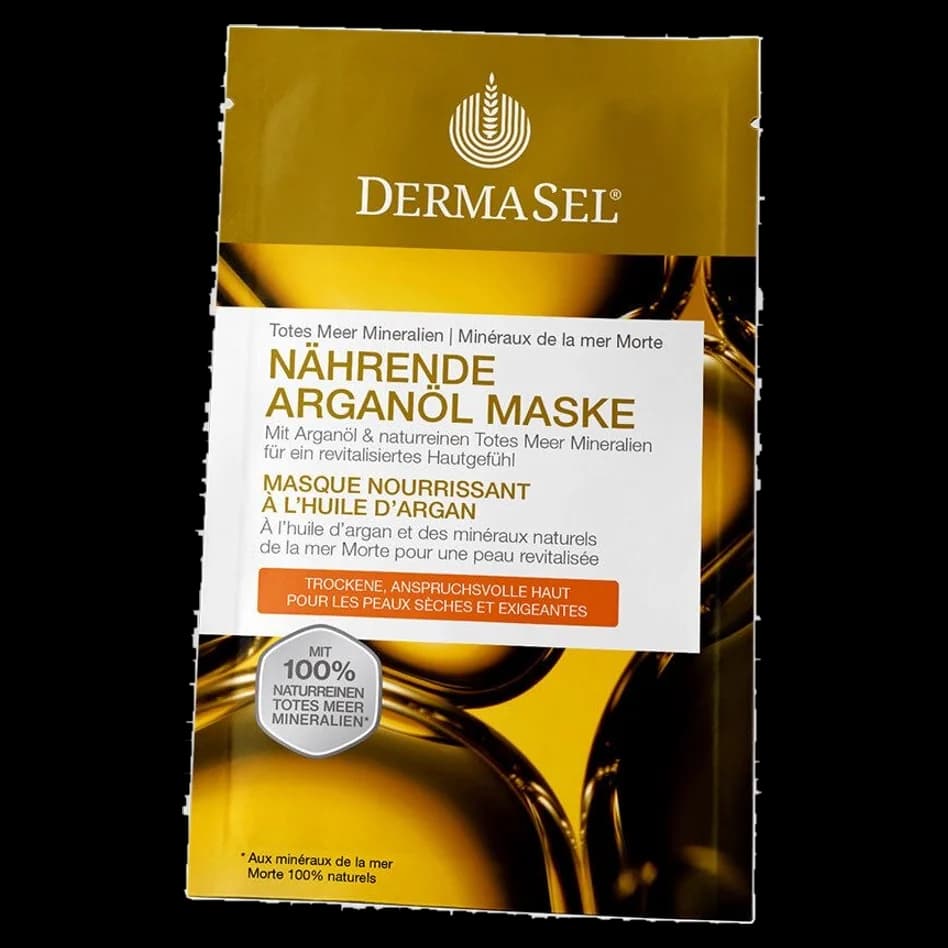
DERMASEL
Totes Meer Mineralien Nährende Arganöl Maske
21st of 29 on the label
below ≈1%
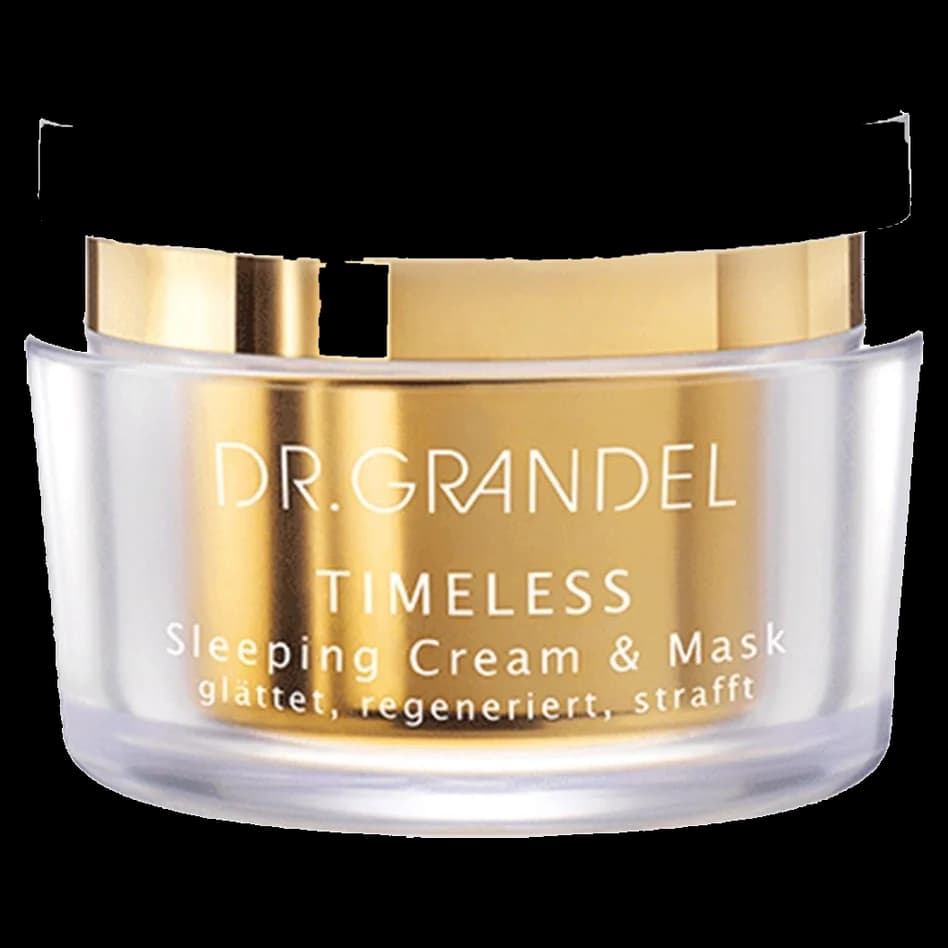
Dr. Grandel
Timeless Sleeping Cream & Mask
24th of 35 on the label
below ≈1%
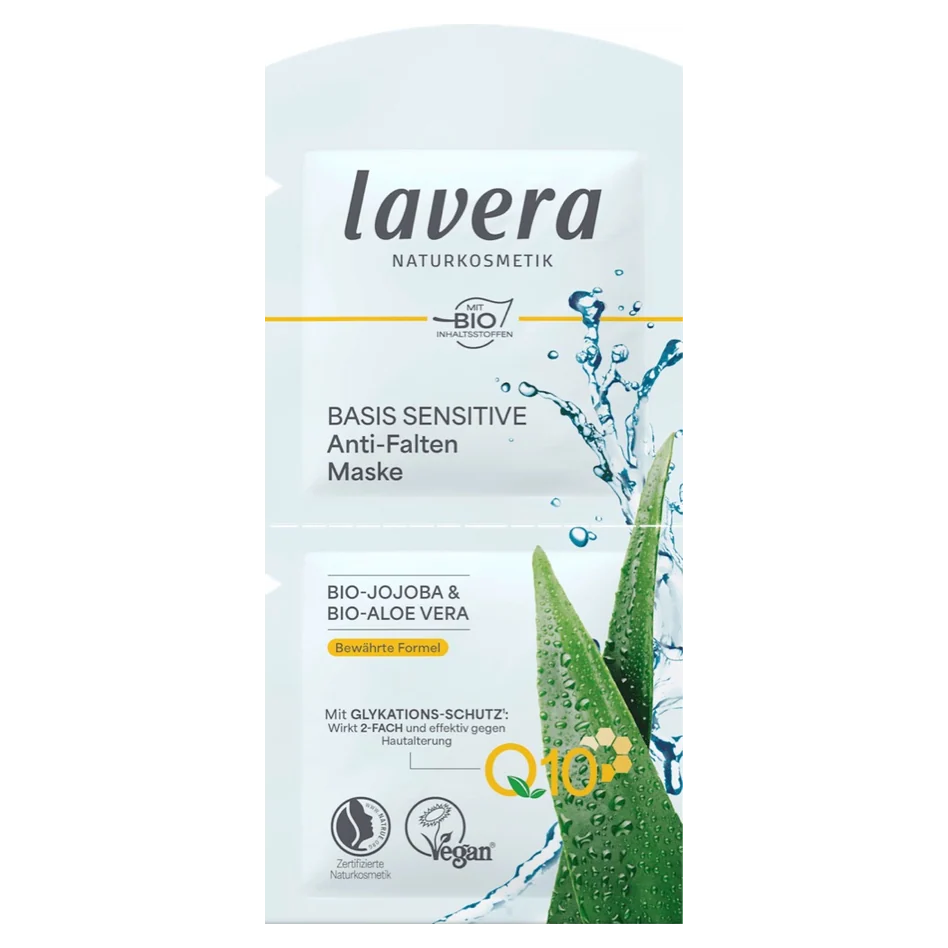
lavera
basis sensitiv Anti-Falten Gesichtsmaske
35th of 42 on the label
below ≈1%
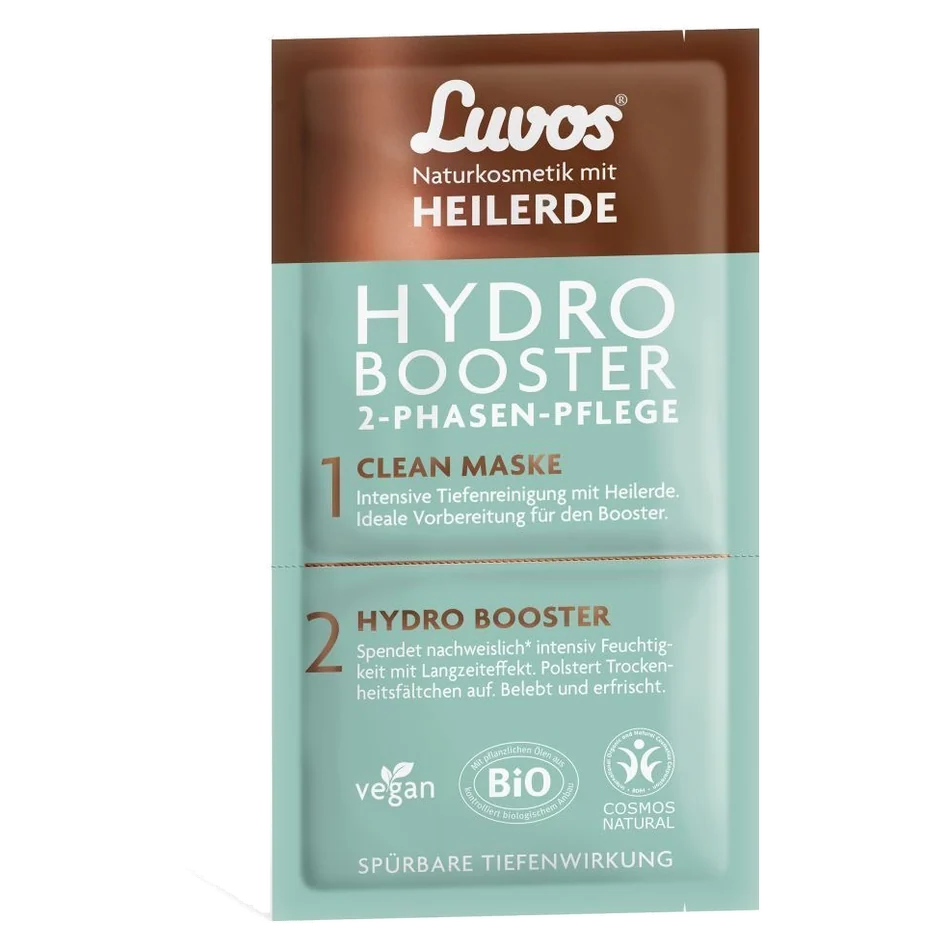
Luvos-Heilerde
Hydro Booster mit Clean Maske
48th of 63 on the label
below ≈1%
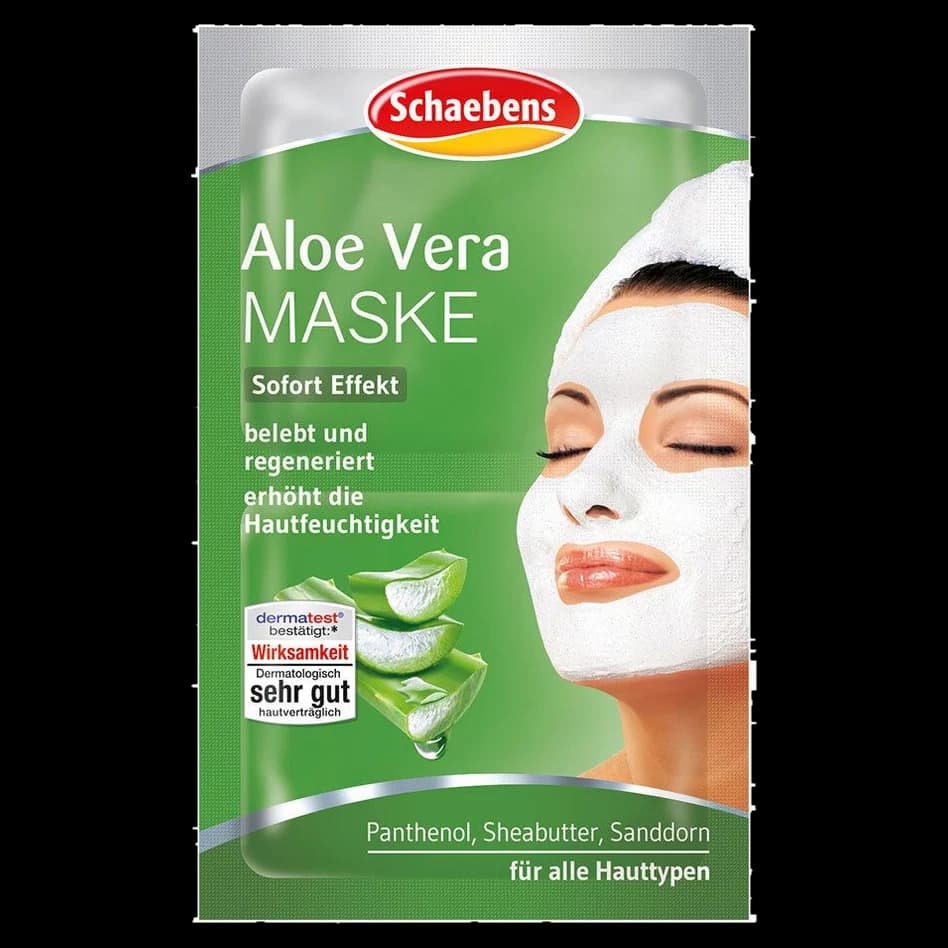
Schaebens
Aloe Vera Maske
11th of 34 on the label
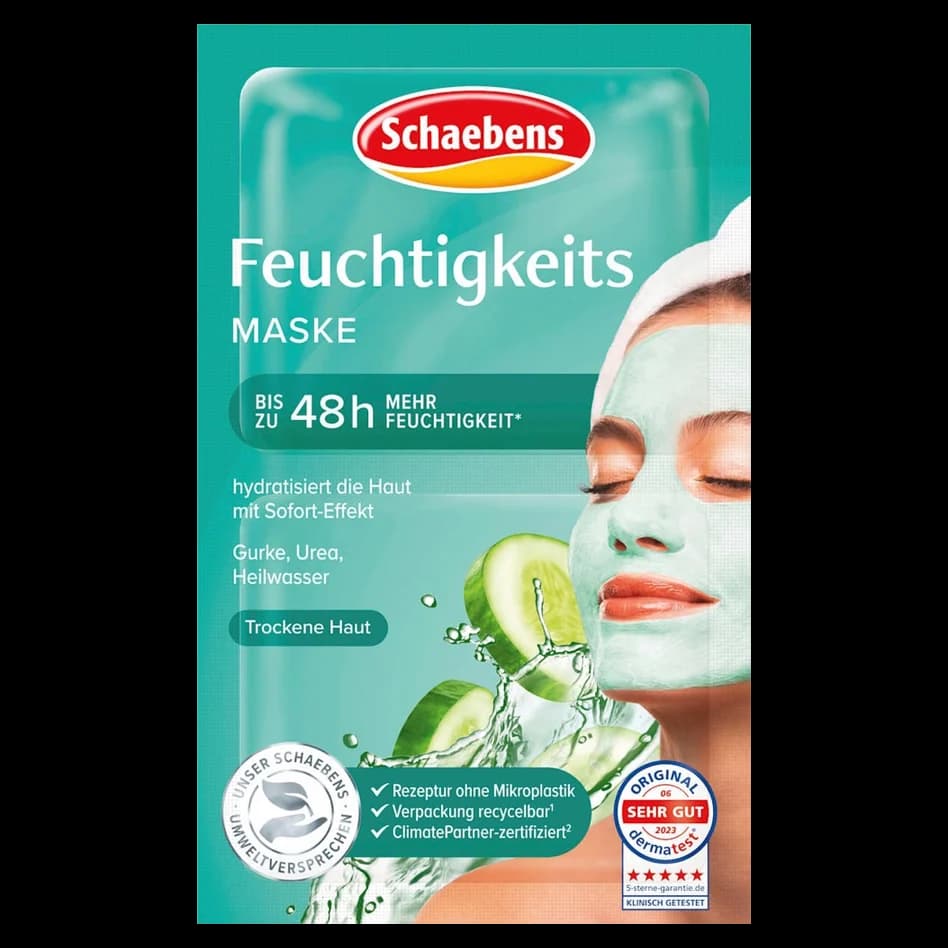
Schaebens
Gesichtsmaske Feuchtigkeit Sofort-Effekt
12th of 38 on the label
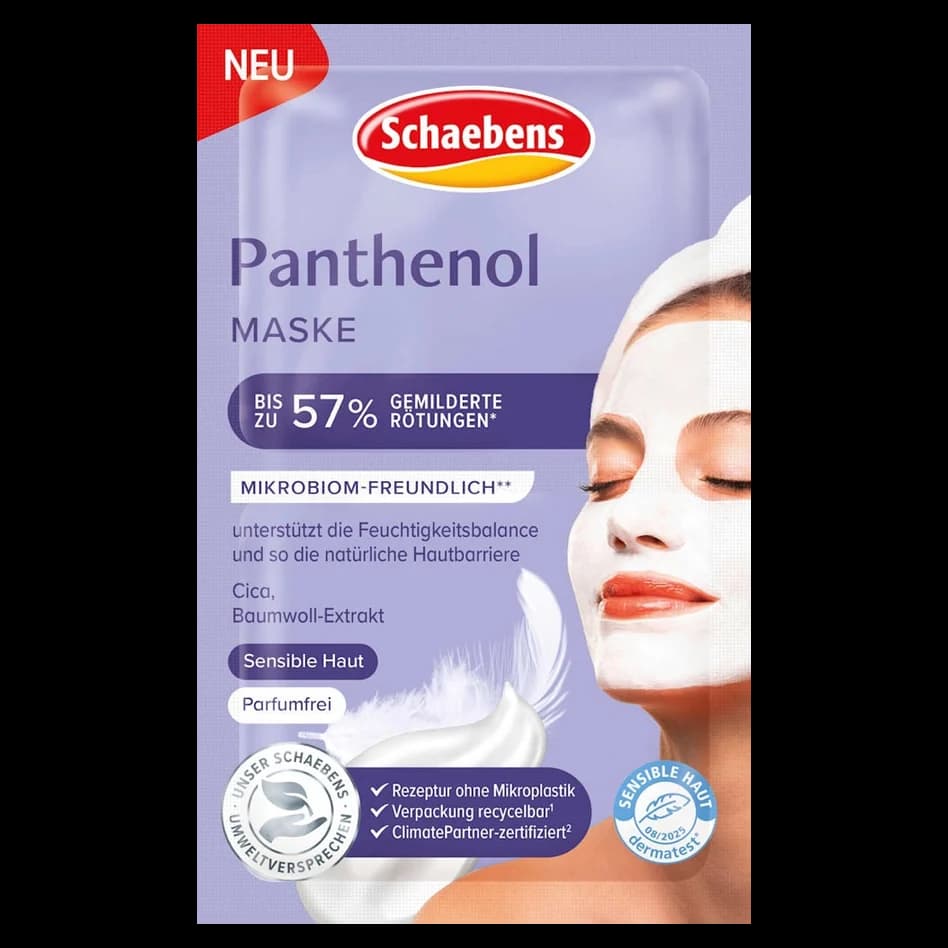
Schaebens
Gesichtsmaske Panthenol
11th of 22 on the label
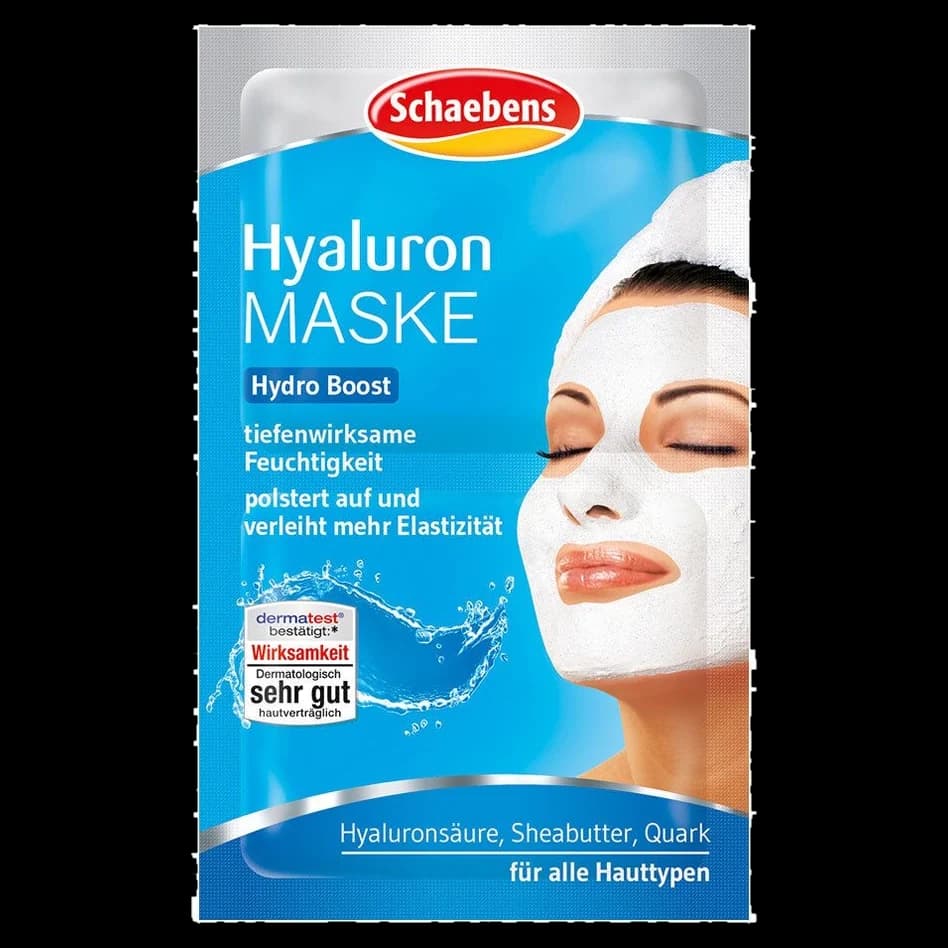
Schaebens
Hyaluron Maske
9th of 32 on the label