Ascorbyl Glucoside
No meaningful concern for most people; irritation is possible but rare.
What it is
Ascorbyl glucoside is ascorbic acid - vitamin C - joined to a molecule of glucose. It is made with enzymes: a glucose unit from starch-derived sugars is moved onto the C-2 position of the ascorbic acid, and that is the point of the exercise, because the research behind it set out to make a chemically stable form of vitamin C and found ascorbyl glucoside to be a nonreducing and stable glucoside of it. The result is a white or yellowish-white powder that dissolves very readily in water and does not readily dissolve in octanol (a standard laboratory test of fat-solubility). The ingredient dictionary gives its functions as antioxidant, skin conditioning and skin bleaching agent; the safety panel did not evaluate the bleaching use, because in the US that is a drug function rather than a cosmetic one. The EU's CosIng database lists antioxidant.
How it shows up on a label
Five masks here list it. Three Garnier tissue masks print it fifth, sixth and ninth, but in each it sits inside the alphabetised run, at or next to its head, so its position says little about quantity; the site's notes on two of them place that block under about 1%. The other two put it 18th, and 9th of 11 in the essence sachet of a two-part kit. For scale, the highest uses the safety assessment recorded were 5% in leave-on face care and 2% in rinse-off paste masks and mud packs.
What it does well
A form of vitamin C built to stay stable
Attaching glucose at C-2 is what the enzymatic route was developed for: the aim was a chemically stable form of L-ascorbic acid, and the glucoside it produced was nonreducing and stable. The safety assessment reports the optimal condition for its stability in cosmetic products as 55.3 °C and pH 6.4, and the assessment notes that common cosmetic products sit between pH 5.5 and 7.0.
Limited evidence
Assessed as safe, with no sensitisation in human patch tests
The Expert Panel for Cosmetic Ingredient Safety concluded that ascorbyl glucoside is safe in cosmetics in the present practices of use and concentration, which reach 5% in leave-on face and neck care and 2% in rinse-off paste masks and mud packs. Human repeat-insult patch tests sit behind that: a leave-on product containing 2% induced no sensitisation in 113 people, although two had low-level reactions during induction and one a low-level reaction at challenge, and a 10% solution produced no adverse reactions of any kind in 51. Undiluted, it did not irritate rabbit skin.
Moderate evidence
Some evidence that it releases vitamin C in skin
In the one human skin-absorption study the assessment describes, a cream with 2% ascorbyl glucoside was kept covered on the legs of five men; the ascorbic acid in their urine rose, held for hours and was still being excreted 26 hours after application. Biopsies of treated forearm skin showed ascorbic acid between epidermal cells for up to three days. The authors read this as ascorbyl glucoside releasing ascorbic acid in the skin, and the Panel accepted that the data support absorption and metabolism to ascorbic acid. Five subjects under 12 to 14 hours of occlusion is a small and unusual base, and it says nothing about what that vitamin C then does.
Limited evidence
Worth knowing
In laboratory skin, most of it stays on the surface
Because it is so strongly water-loving, ascorbyl glucoside only slightly penetrated the stratum corneum - the skin's waxy outer layer - in a lab-grown human skin model, and after six hours more than 90% of it was still in the cloth it had been applied with. Through excised pig skin there was no flux at all over 12 hours. These results sit alongside the human study rather than cancelling it, but they are a reminder that a stable derivative in the pack and vitamin C in the skin are two separate questions.
Matters most toAnyone buying a mask specifically for vitamin C rather than for the rest of the formula.
The safety panel does not want it lightening skin
Ascorbyl glucoside has been found at around 2% in commercial skin-bleaching products in Asia, alongside kojic acid. The Panel's position is that skin lightening is a drug effect in the US and should not occur during the use of a cosmetic, and that formulators should use ascorbyl glucoside only in a manner that does not cause depigmentation. It did not evaluate safety for bleaching at all, so its conclusion does not cover that use.
Matters most toAnyone hoping a mask will lighten skin: skin lightening or bleaching is the use the safety assessment excluded.
No reproductive data of its own
The Panel noted the absence of developmental and reproductive toxicity data on ascorbyl glucoside. It judged the gap mitigated because the ingredient is metabolised to ascorbic acid and glucose in the skin and would not be absorbed in an appreciable quantity, and because both are essential constituents of the body and not reproductive or developmental toxicants. The pregnancy note here rests on that reasoning, not on a study.
Matters most toAnyone pregnant who wants to know what a 'generally considered safe' rating rests on.
Where the EU stands
No specific restriction
Not restricted under the EU Cosmetics Regulation: ascorbyl glucoside appears in no annex and carries no concentration limit, and its CosIng record gives no annex reference.
Regulation (EC) No 1223/2009 - no annex entry · source ↗
Sources (4)
Every link goes to the original: a journal, a PubMed record or an EU document.
- [1]Safety Assessment of Ascorbyl Glucoside and Sodium Ascorbyl Glucoside as Used in Cosmetics
Cosmetic Ingredient Review, International Journal of Toxicology 44(1_suppl) · 2025 · doi:10.1177/10915818241297075
The published conclusion: the Panel "concluded that Ascorbyl Glucoside and Sodium Ascorbyl Glucoside are safe in cosmetics in the present practices of use and concentration described in this safety assessment". Reported functions: "antioxidant, and skin-conditioning agent-miscellaneous". Checked 14 October 2026.
- [2]Safety Assessment of Ascorbyl Glucoside and Sodium Ascorbyl Glucoside as Used in Cosmetics (final report for Panel review)
Cosmetic Ingredient Review, Expert Panel for Cosmetic Ingredient Safety · 2020
The document carrying the underlying data. Definition: "the product obtained by the condensation of ascorbic acid with glucose"; manufacture transfers a glucosyl residue "to the C-2 position of ascorbic acid", and work on "a chemically stable form of L-ascorbic acid" produced "a nonreducing and stable glucoside of L-ascorbic acid, which was identified as Ascorbyl Glucoside". Use: up to 5% in face and neck skin care, up to 2% "in paste masks and mud packs". Penetration: in a living skin equivalent it "only slightly penetrated through the hydrophobic layer stratum corneum, because it is a highly hydrophilic compound", with more than 90% left in the wipe at 6 h; across excised pig skin "there was no flux". In 5 male subjects a 2% cream raised urinary ascorbic acid, and "The authors noted that these results indicate that Ascorbyl Glucoside releases ascorbic acid in the skin"; the Discussion: "Skin penetration data (in vitro and in vivo) support the percutaneous absorption of Ascorbyl Glucoside and its metabolism to ascorbic acid." Patch tests: no sensitisation with a 2% leave-on product in 113 subjects; "No adverse reactions of any kind" with a 10% solution in 51. Undiluted, non-irritating to rabbit skin and "slightly irritating to the eye". On lightening: formulators "should only use Ascorbyl Glucoside in products in a manner that does not cause depigmentation". On reproduction: the Panel "noted the absence of developmental and reproductive toxicity data", a concern "mitigated considering that Ascorbyl Glucoside is metabolized to ascorbic acid and glucose in the skin and would not be absorbed in an appreciable quantity", and because both "are essential constituents of the body, and are not reproductive and developmental toxicants". The report also notes both ingredients "are not restricted from use in any way" under EU cosmetics rules. Checked 14 October 2026.
- [3]CosIng entry: Ascorbyl Glucoside
European Commission, CosIng database
INCI name ASCORBYL GLUCOSIDE, CAS 129499-78-1, EC 425-980-0. Function: antioxidant. No annex number or cosmetic restriction recorded. Checked 14 October 2026.
- [4]Regulation (EC) No 1223/2009 on cosmetic products, consolidated text of 18 May 2026
Official Journal of the European Union · 2026
A search of the full English consolidated text finds no occurrence of ascorbyl, ascorbic, glucoside, or the CAS number 129499-78-1. Read from the Publications Office copy of the same consolidation because EUR-Lex was not serving. Checked 14 October 2026.
Masks that contain Ascorbyl Glucoside
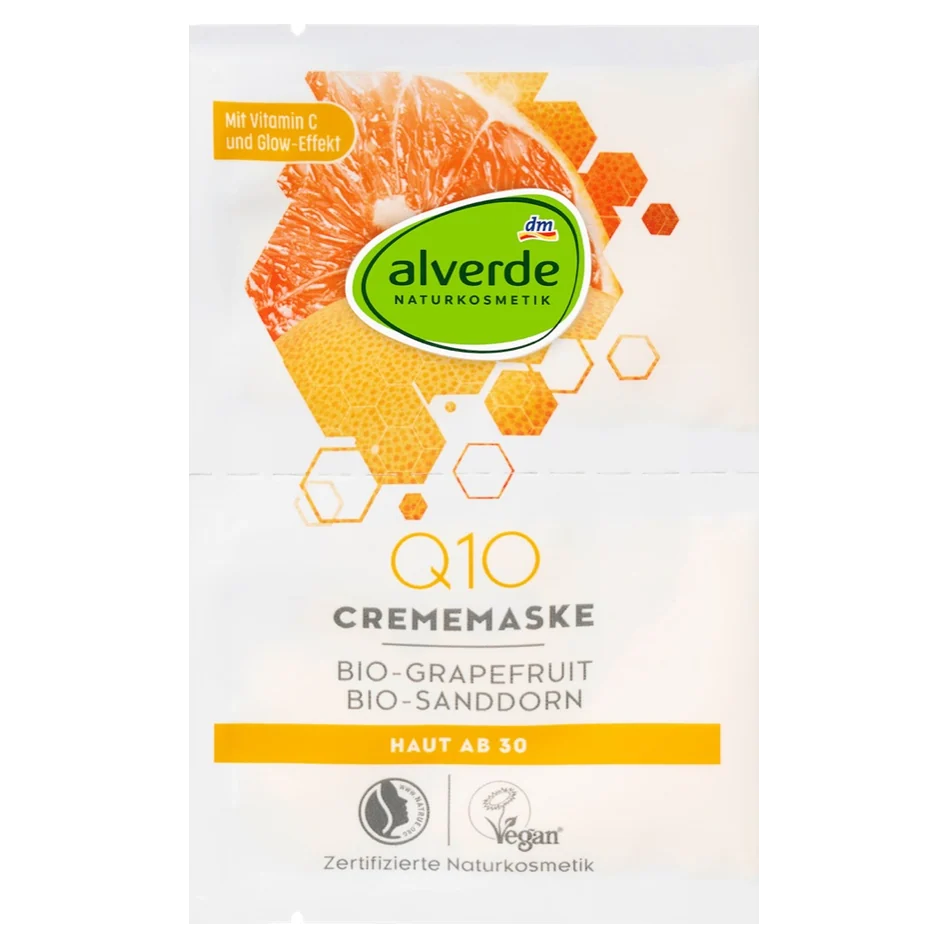
alverde Naturkosmetik
Gesichtsmaske Q10 mit Vitamin C
18th of 40 on the label
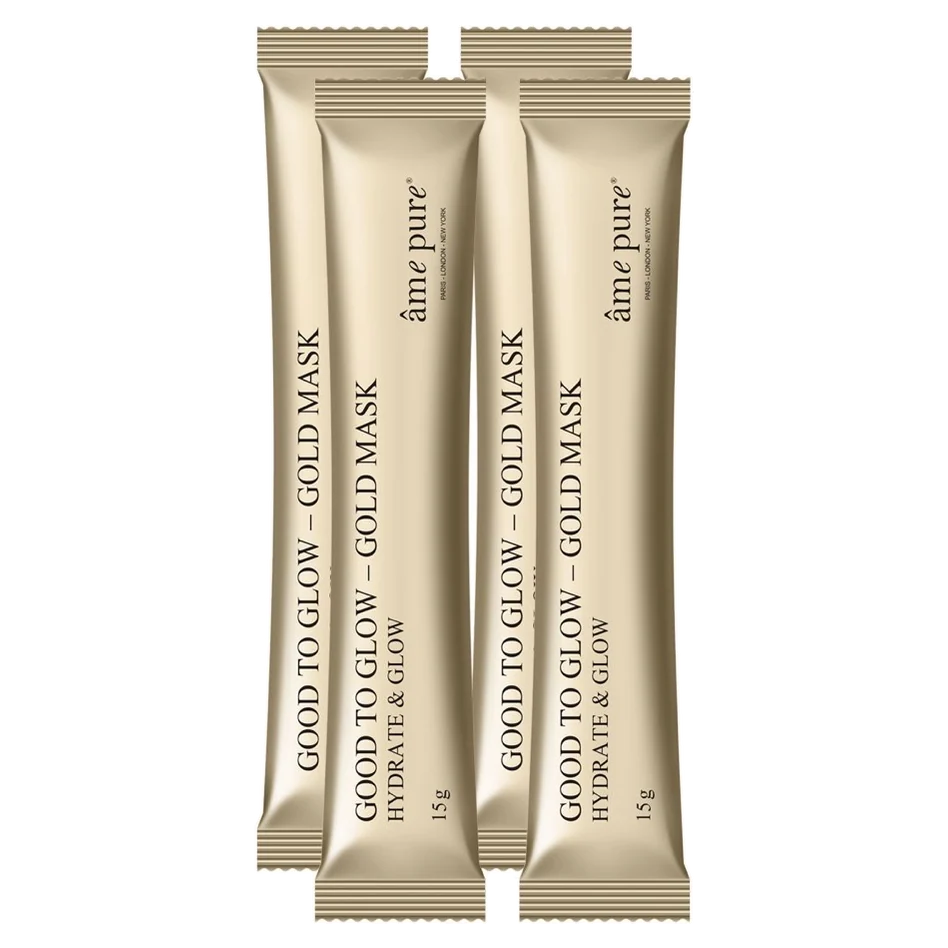
âme pure
Jelly Glow Rubber Mask - Gold Routine Set
24th of 26 on the label
below ≈1%
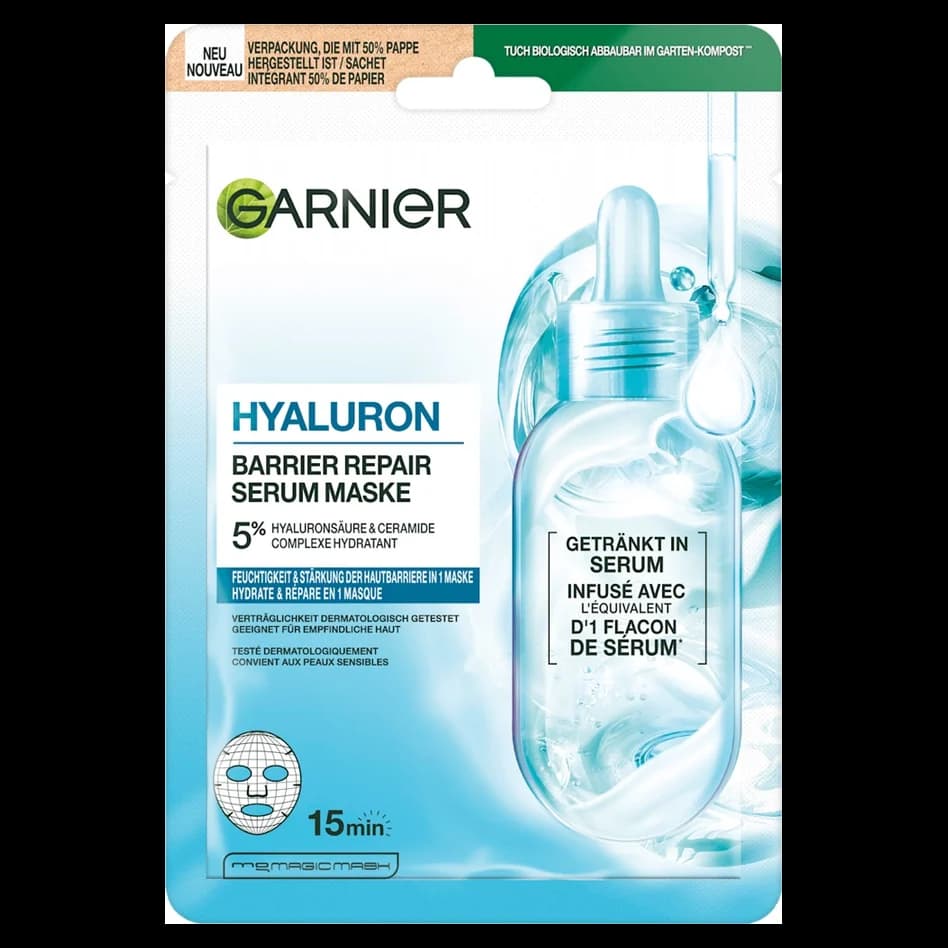
Garnier
SkinActive Hyaluronic Acid Barrier Repair Serum Tissue Mask
6th of 25 on the label
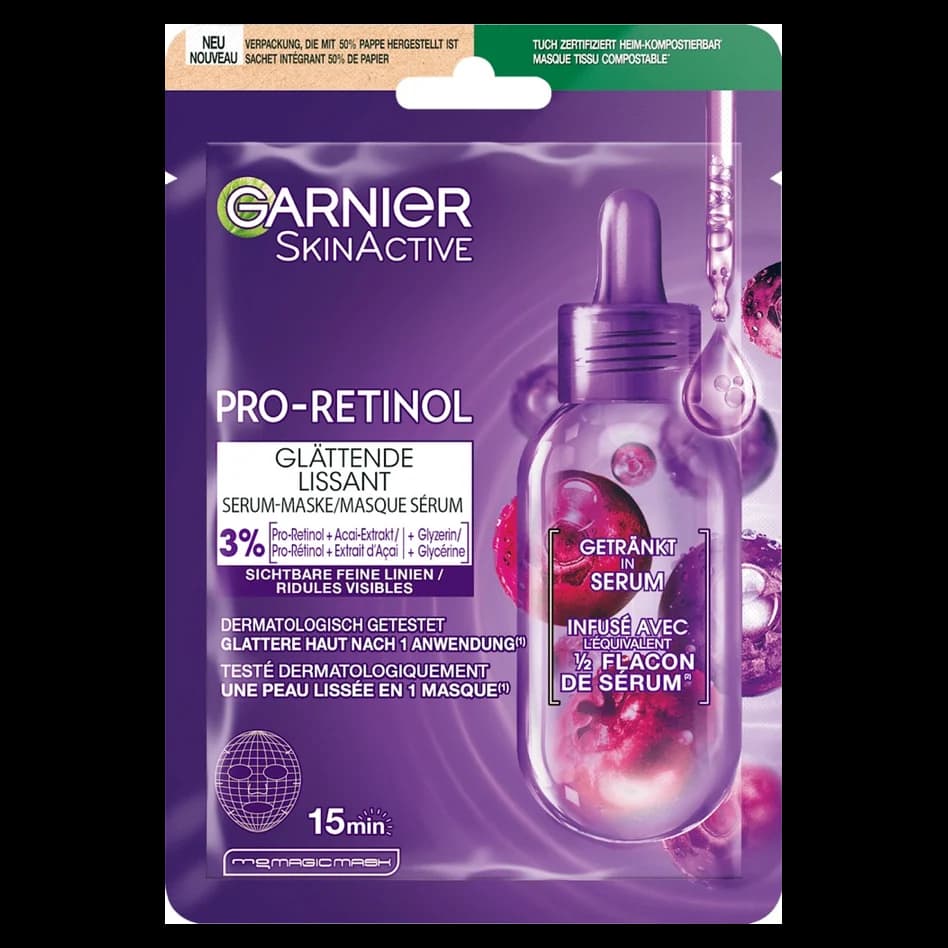
Garnier
SkinActive Pro-Retinol Tissue Mask
9th of 24 on the label
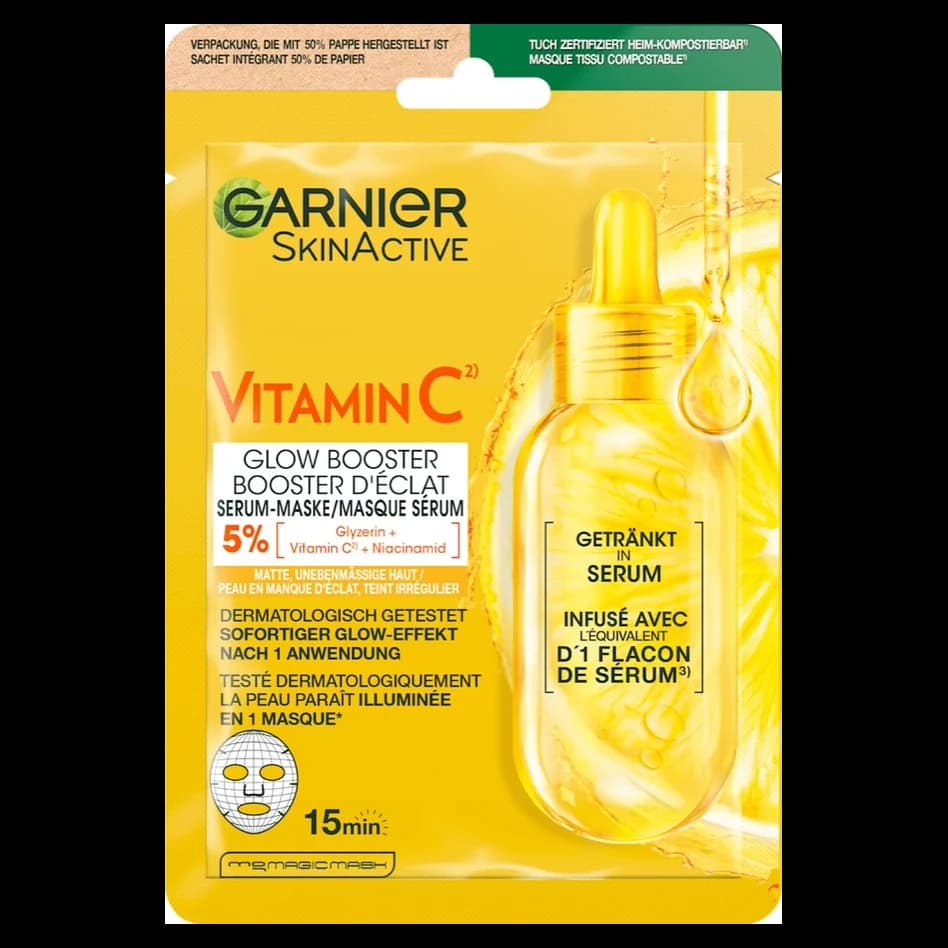
Garnier
SkinActive Vitamin C Tissue Mask
5th of 21 on the label