Bakuchiol
Bakuchiol
No meaningful concern for most people; irritation is possible but rare.
Also written as: Psoralea Corylifolia Seed Extract (source)
What it is
Bakuchiol is a meroterpene phenol originally isolated from the seeds of Psoralea corylifolia (babchi), though most cosmetic-grade material is now synthesised or highly purified. It is not chemically a retinoid and does not bind retinoid receptors, but laboratory work shows it switches on some of the same collagen-related genes, which is the basis for the 'natural retinol alternative' positioning. It is stable in light and air, unlike retinol.
How it shows up on a label
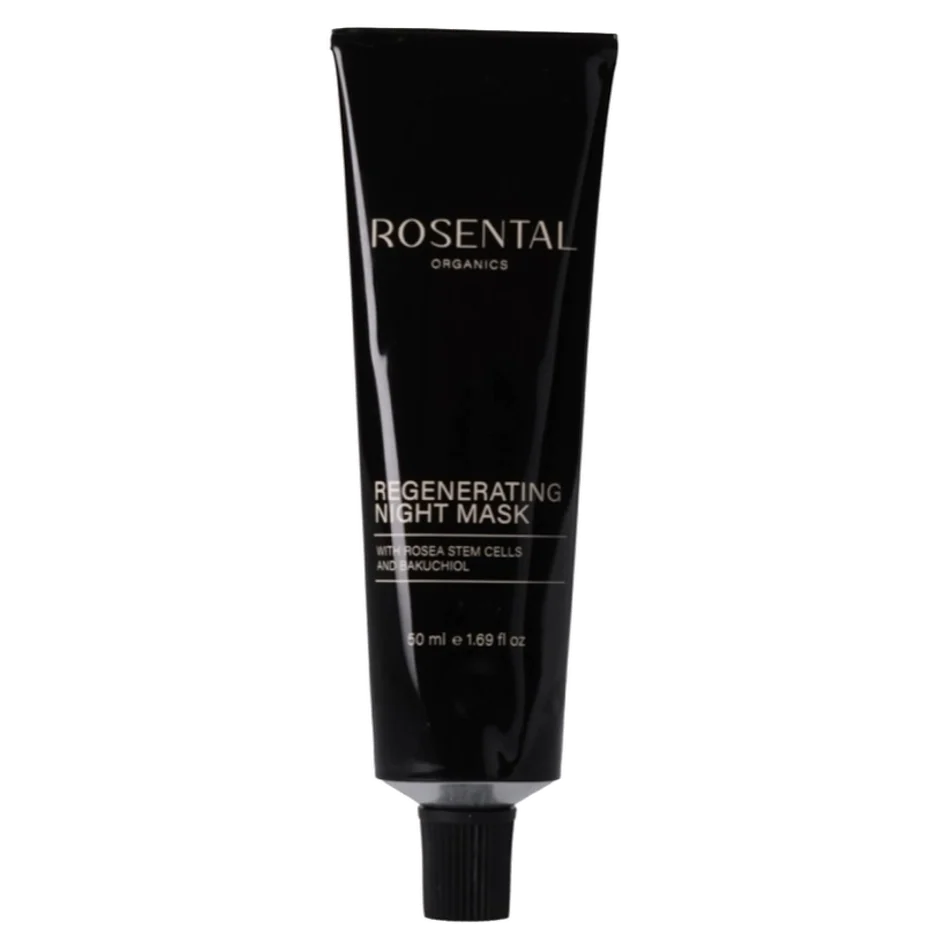
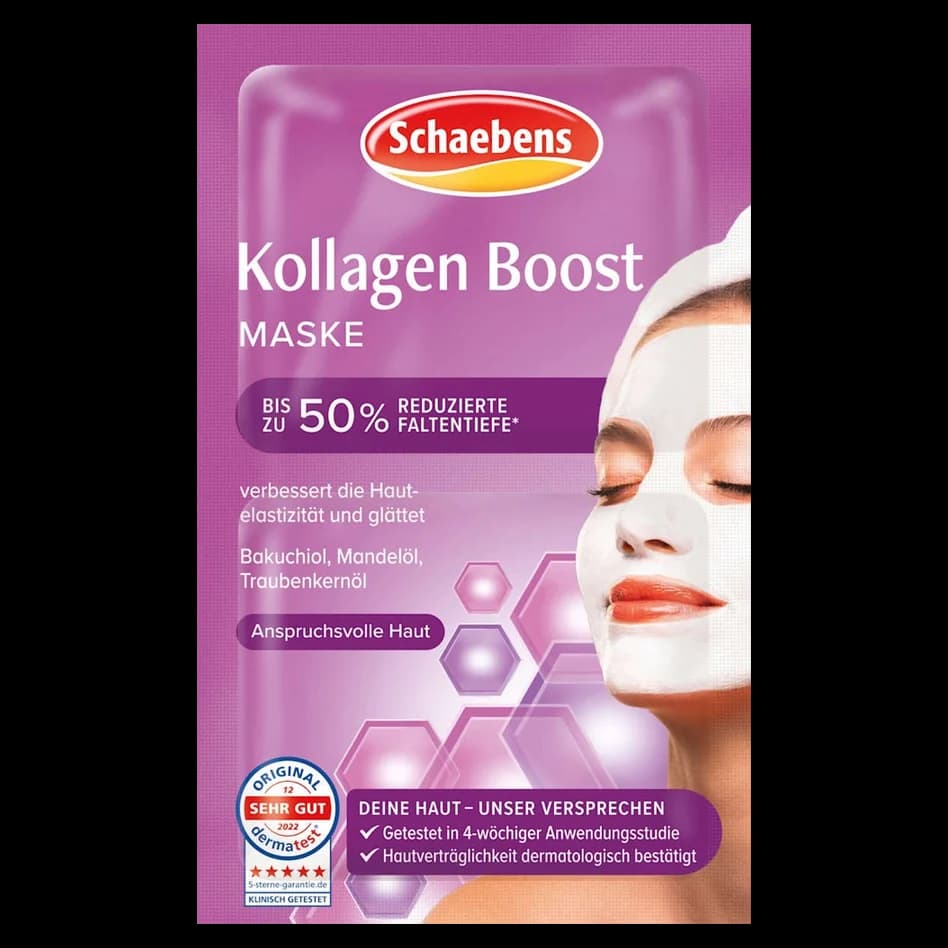
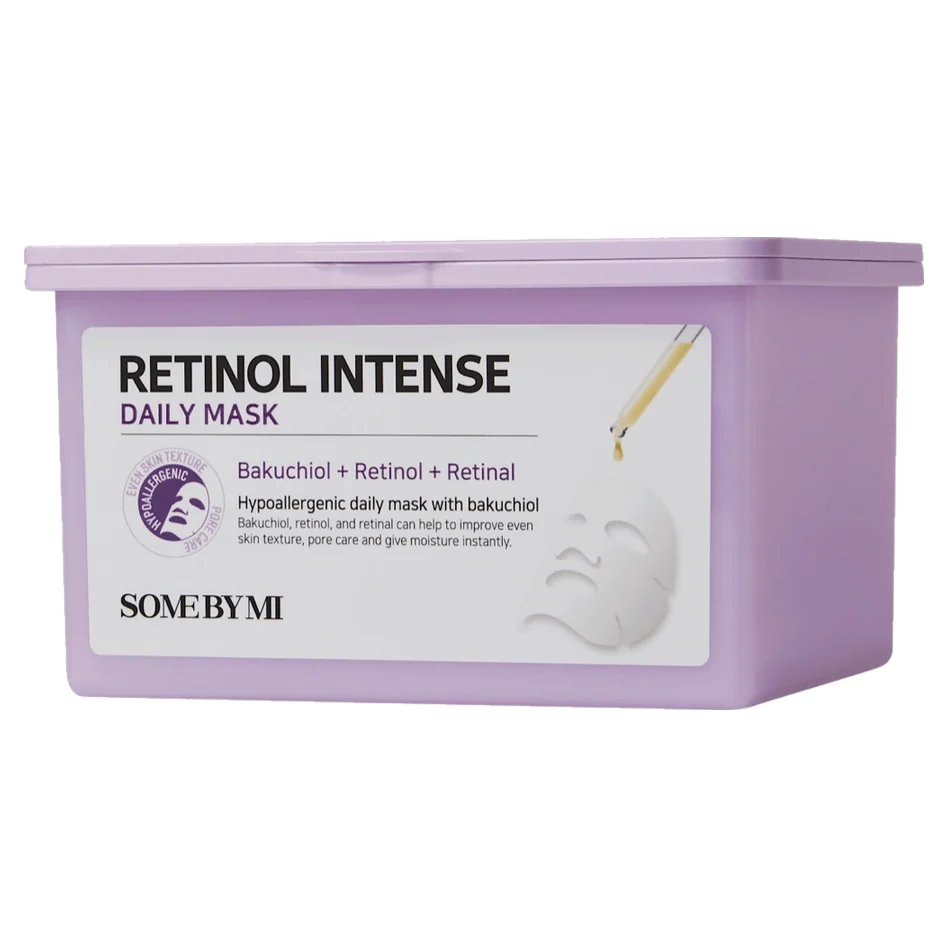
The published trial used 0.5% twice daily. A mask used once a week is a very different exposure from that regimen.
What it does well
Comparable to retinol for wrinkles and pigmentation, with less irritation
In a 12-week randomised double-blind trial, 0.5% bakuchiol twice daily and 0.5% retinol once daily both significantly reduced wrinkle surface area and hyperpigmentation with no statistically significant difference between them, while the retinol group reported more facial scaling and stinging. This is one well-designed study, not a body of evidence.
Moderate evidence
Worth knowing
Frequently marketed as pregnancy-safe without evidence
Because bakuchiol is not a retinoid, it is widely promoted as a pregnancy-friendly swap for retinol. There are no pregnancy safety studies on topical bakuchiol, so 'not a retinoid' is not the same as 'shown to be safe'. Ask a midwife or doctor rather than relying on marketing.
Matters most toAnyone pregnant or breastfeeding choosing a retinol substitute.
Source-plant purity matters
Psoralea corylifolia naturally contains furocoumarins (psoralens), which are prohibited in EU cosmetics other than as natural trace constituents of essences. Reputable cosmetic-grade bakuchiol is purified or synthetic and is not a furocoumarin source, but a crude babchi seed oil is a different proposition.
Matters most toPeople buying undiluted 'babchi oil' rather than a formulated bakuchiol product.
Where the EU stands
No specific restriction
Bakuchiol itself is not listed in Annex II, III or V, so no concentration limit applies. Separately, furocoumarins from the source plant are prohibited except as normal trace constituents of natural essences, and must be below 1 mg/kg in sun protection and bronzing products.
Regulation (EC) No 1223/2009, Annex II entry 358 (Furocoumarines) · source ↗
Sources (2)
Every link goes to the original: a journal, a PubMed record or an EU document.
- [1]Prospective, randomized, double-blind assessment of topical bakuchiol and retinol for facial photoageing
British Journal of Dermatology · 2019 · doi:10.1111/bjd.16918
Over 12 weeks, bakuchiol 0.5% and retinol 0.5% produced comparable reductions in wrinkle area and pigmentation, with retinol users reporting more scaling and stinging.
- [2]Clinical Evaluation of a Nature-Based Bakuchiol Anti-Aging Moisturizer for Sensitive Skin
Journal of Drugs in Dermatology · 2020 · doi:10.36849/JDD.2020.5522
A bakuchiol-containing moisturiser was well tolerated in people with sensitive skin, supporting the tolerability claim, though the study lacked an active comparator.