Decyl Oleate
No meaningful concern for most people; irritation is possible but rare.
What it is
Decyl oleate is the ester of decyl alcohol and oleic acid. It is a light yellow liquid that dissolves in alcohol but not in water. The Cosmetic Ingredient Review first reviewed it in 1982, reaffirmed its conclusion in 2003, and included it in its 2013 review of 237 alkyl esters. CosIng records it as a skin-conditioning emollient. US registrations rose from 147 in 2001 to 227 in 2013, mostly in leave-on products, and the 2012 industry survey reported it at up to 4% in leave-on and up to 20% in rinse-off products. In this catalogue it is printed on six German masks, five of them cream masks.
How it shows up on a label
Second on Dr. Rimpler's Special Peel AHA, third on Balea MEN's Q10 anti-wrinkle mask, fifth on Balea's aloe vera mask, sixth on Balea's milk and honey mask and on Dr. Barbara Sturm's Face Mask, and eighth on Schaebens' panthenol mask - above the point where ingredient order stops indicating quantity on all six.
What it does well
Serves as the emollient in the formula
Skin-conditioning emollient is the function both CosIng and the Cosmetic Ingredient Review record for it. This is the job it is added to do, not a measured effect of these masks on skin.
Strong evidence
Reviewed as safe when formulated to be non-irritating
The Cosmetic Ingredient Review concluded in 2013 that the alkyl esters, decyl oleate among them, are safe in the present practices of use and concentration when formulated to be non-irritating. In the earlier reports' data, as summarised in the 2013 review, the acute oral LD50 in rats was above 40 ml/kg, single applications to rabbit skin scored very low for irritation even undiluted, and it was at most a very slight irritant to rabbit eyes. In people, repeat-insult patch tests found no sensitisation in 103 subjects with a formulation containing 1-5%, or in 402 subjects with four formulations containing 5.5%.
Moderate evidence
Worth knowing
Repeated undiluted application irritated rabbit skin
In an eight-week study in rabbits, daily application of a 15% solution produced some papules or vesicles but was generally well tolerated, while the undiluted ester thickened the skin in three rabbits, caused vesicles in one and was poorly tolerated. The review's conclusion requires products to be formulated to be non-irritating, because the panel was concerned about irritation from some of the alkyl esters. The masks here use it in a finished formula, not neat.
Matters most toPeople whose skin reacts to rich, oily mask bases.
Where the EU stands
No specific restriction
Not restricted for cosmetic use in the EU: decyl oleate appears in no annex of the Cosmetics Regulation as consolidated on 18 May 2026, and CosIng records no cosmetic restriction for it. Like every ingredient, it is still covered by the safety assessment each product must pass before sale.
Regulation (EC) No 1223/2009 - no annex entry · source ↗
Sources (5)
Every link goes to the original: a journal, a PubMed record or an EU document.
- [1]Amended Safety Assessment of Alkyl Esters as Used in Cosmetics - final amended report
Cosmetic Ingredient Review · 2013
Final amended report, released 12 April 2013. Conclusion: the alkyl esters listed, Decyl Oleate among them, "are safe in the present practices of use and concentration described in this safety assessment when formulated to be non-irritating". Definition: "the ester of decyl alcohol and oleic acid", function "skin cond. agent – emol."; properties "light yellow liquid", "soluble in alcohol", "insoluble in water". Previous conclusion: "safe as used (1982; reaffirmed in 2003)". Data summary: "the acute oral LD 50 was > 40 ml/kg and >5 g/kg in rats"; rabbit primary irritation PIIs "for a 10% solution in corn oil, and 20% solution in mineral oil, and undiluted test material were 0.08, 0.05, and 0.28"; "in an 8-wk study in rabbits, daily application of the 15% solution produced some papulae or vesicles but was generally well tolerated and the undiluted material resulted in skin thickening in 3 rabbits (total tested not stated) and vesicles in 1 rabbit and was poorly tolerated"; "a 15% solution in corn oil was not a sensitizer" in guinea pigs; "in human testing, no sensitization was reported in a RIPT in 103-subject with a formulation containing 1-5% or in 402 subjects with 4 formulations containing 5.5%"; "at most, a very slight irritant to rabbit eyes when tested undiluted". Table 8: 227 uses in 2013 (147 in 2001); maximum concentration 0.5-20% (2012), 0.5-4% leave-on, 2-20% rinse-off. Checked 13 October 2026.
- [2]Safety Assessment of Alkyl Esters as Used in Cosmetics
International Journal of Toxicology 34(2 Suppl):5S-69S · 2015 · doi:10.1177/1091581815594027
The journal publication of the 2013 final amended report, abstract read via Europe PMC: the Panel "assessed the safety of 237 alkyl esters for use in cosmetics", "with skin-conditioning agent being the most common function", and "concluded that these ingredients are safe in cosmetic formulations in the present practices of use and concentration when formulated to be nonirritating". Where data were missing, "similarity in structure, properties, functions, and uses of these ingredients allowed for extrapolation of the available toxicological data to assess the safety of the entire group". Checked 13 October 2026.
- [3]Quick Reference Table: CIR conclusions by ingredient
Cosmetic Ingredient Review · 2024
The table of conclusions, updated October 2024, lists Decyl Oleate with finding SQ (safe with qualifications) and the conclusion that the alkyl esters, listed subsequently, "are safe in the present practices of use and concentration described in this safety assessment when formulated to be non-irritating", citing JACT 1(2):85-95, 1982; IJT 22(Suppl. 1):1-35, 2003; IJT 34(Suppl.2):5-69, 2015. Checked 13 October 2026.
- [4]CosIng entry: Decyl Oleate
European Commission, CosIng database
INCI name DECYL OLEATE, status active, chemical name "Decyl oleate", CAS 3687-46-5. Functions: skin conditioning - emollient; skin conditioning. No annex number or cosmetic restriction is recorded. The record does carry an "other restrictions" tag reading "ban substances that deplete the ozone layer". It is not a restriction under Regulation (EC) No 1223/2009: decyl oleate appears in no annex of that regulation. Checked 13 October 2026.
- [5]Regulation (EC) No 1223/2009 on cosmetic products, consolidated text of 18 May 2026
Official Journal of the European Union · 2026
A sweep of the full consolidated text finds no occurrence of decyl oleate or CAS 3687-46-5, and no oleate ester of any kind in Annexes II to VI. Checked 13 October 2026.
Masks that contain Decyl Oleate
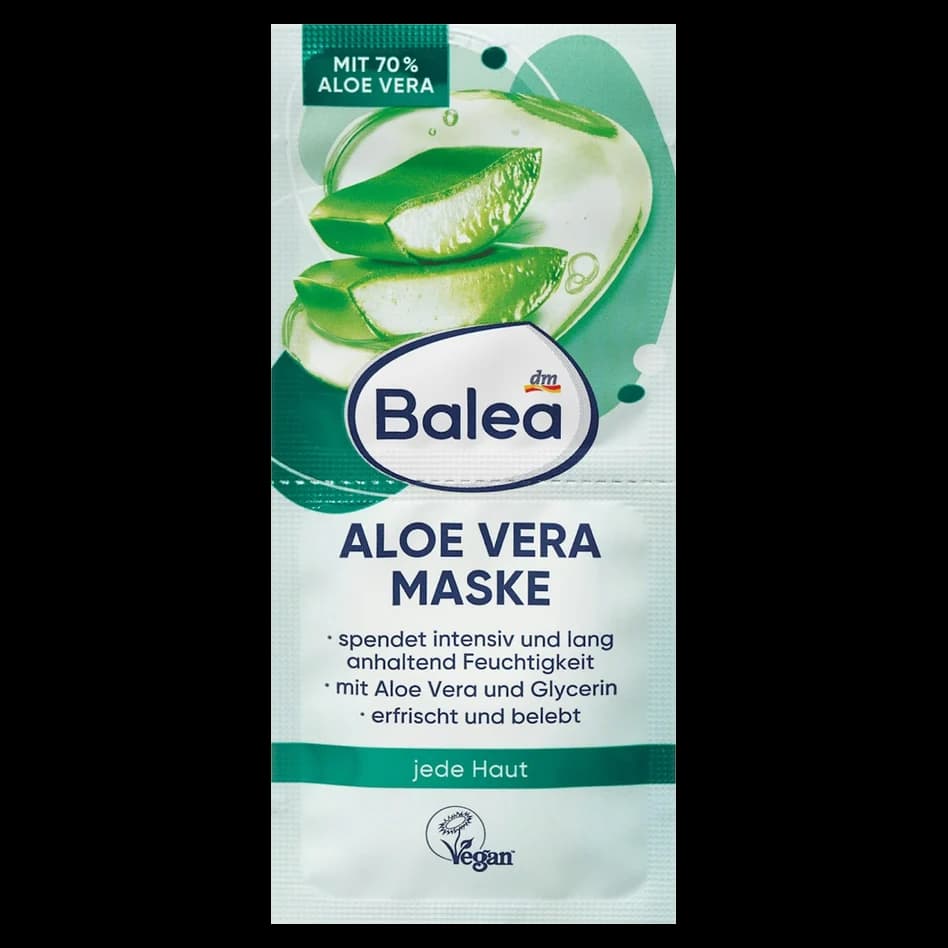
Balea
Gesichtsmaske Aloe Vera
5th of 21 on the label
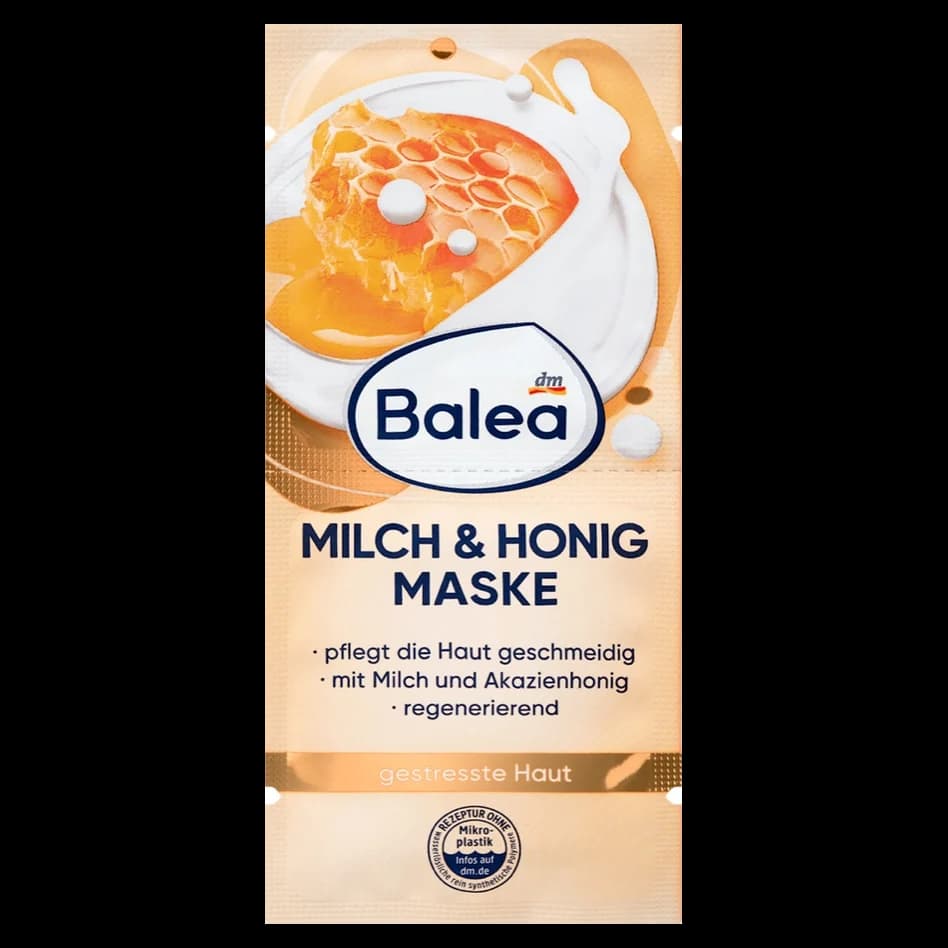
Balea
Gesichtsmaske Milch & Honig
6th of 36 on the label
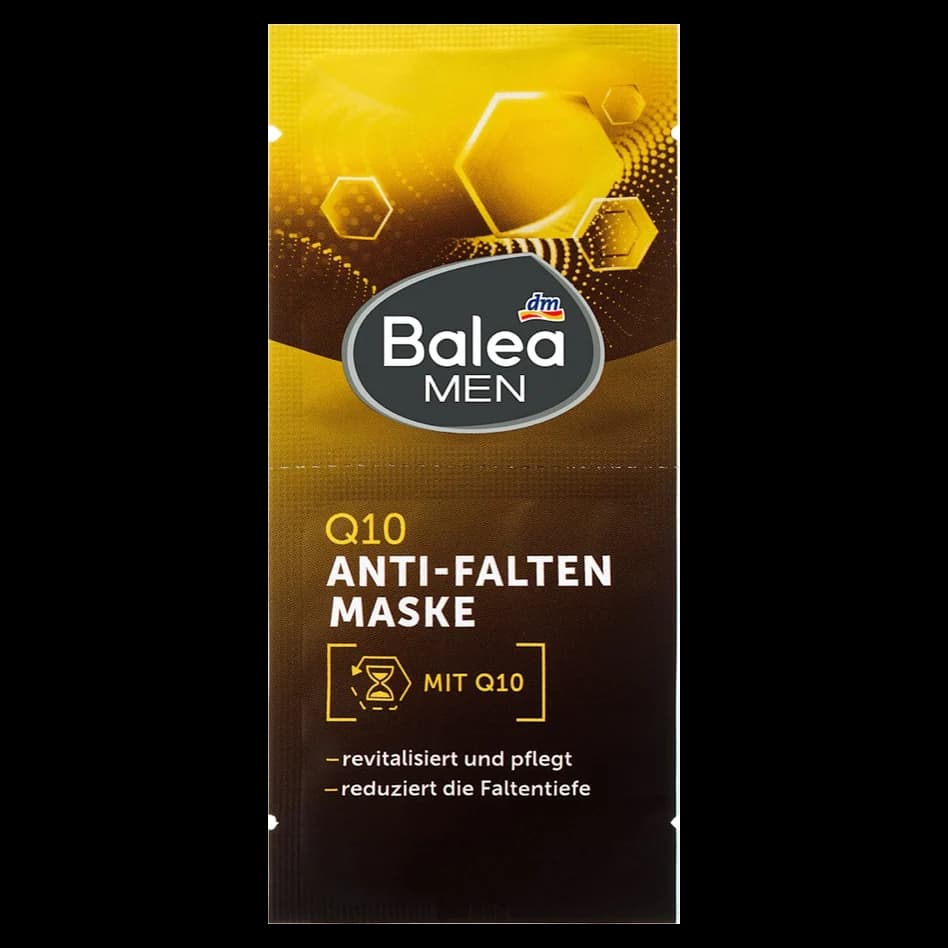
Balea MEN
Gesichtsmaske Q10 Anti-Falten
3rd of 28 on the label
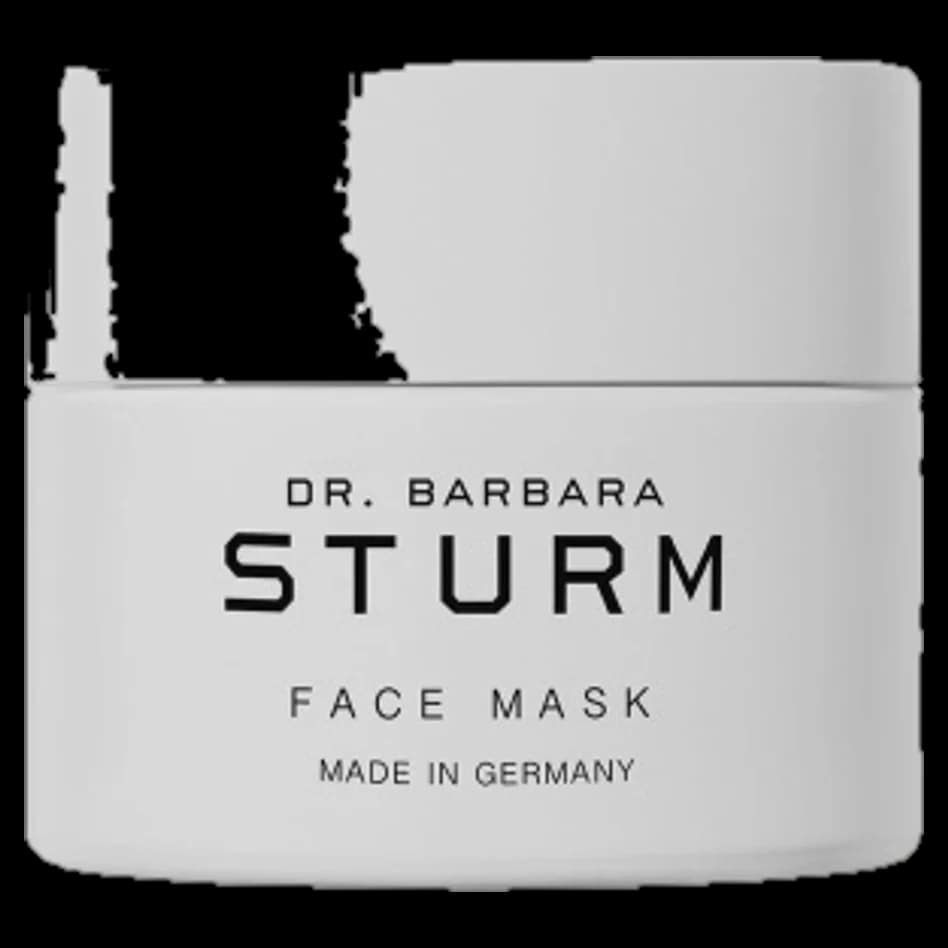
Dr. Barbara Sturm
Face Mask
6th of 18 on the label
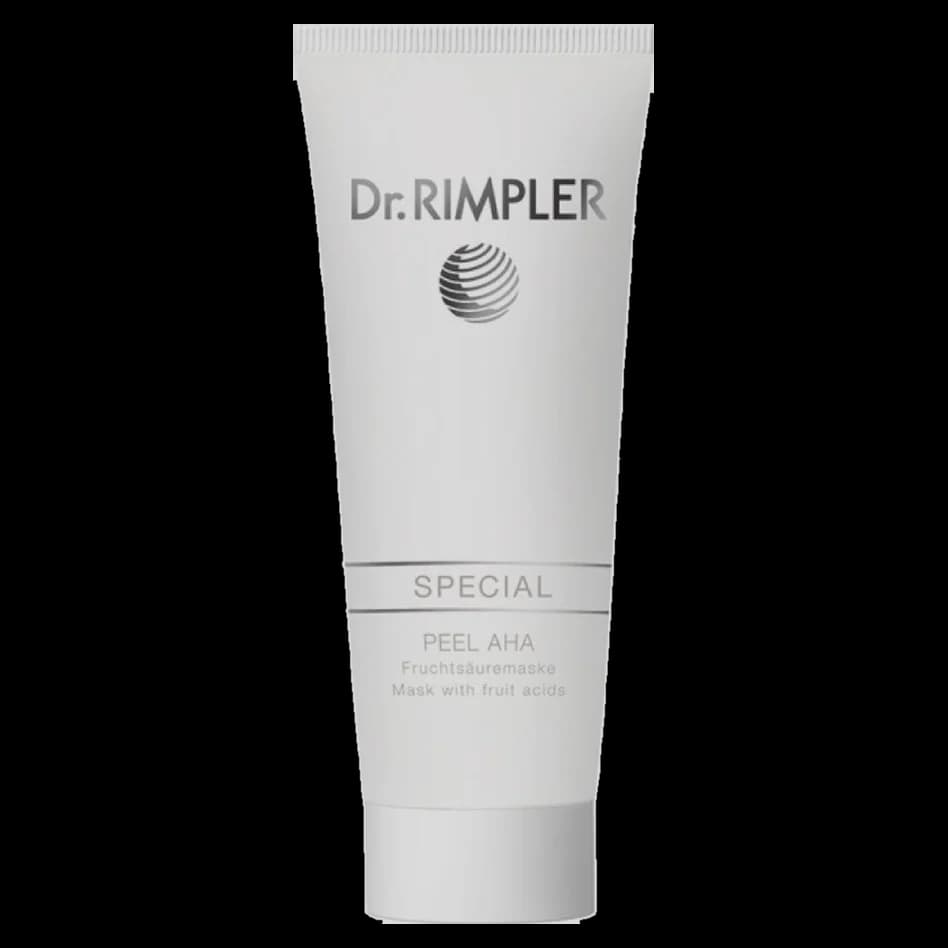
Dr. Rimpler
SPECIAL Peel AHA
2nd of 16 on the label
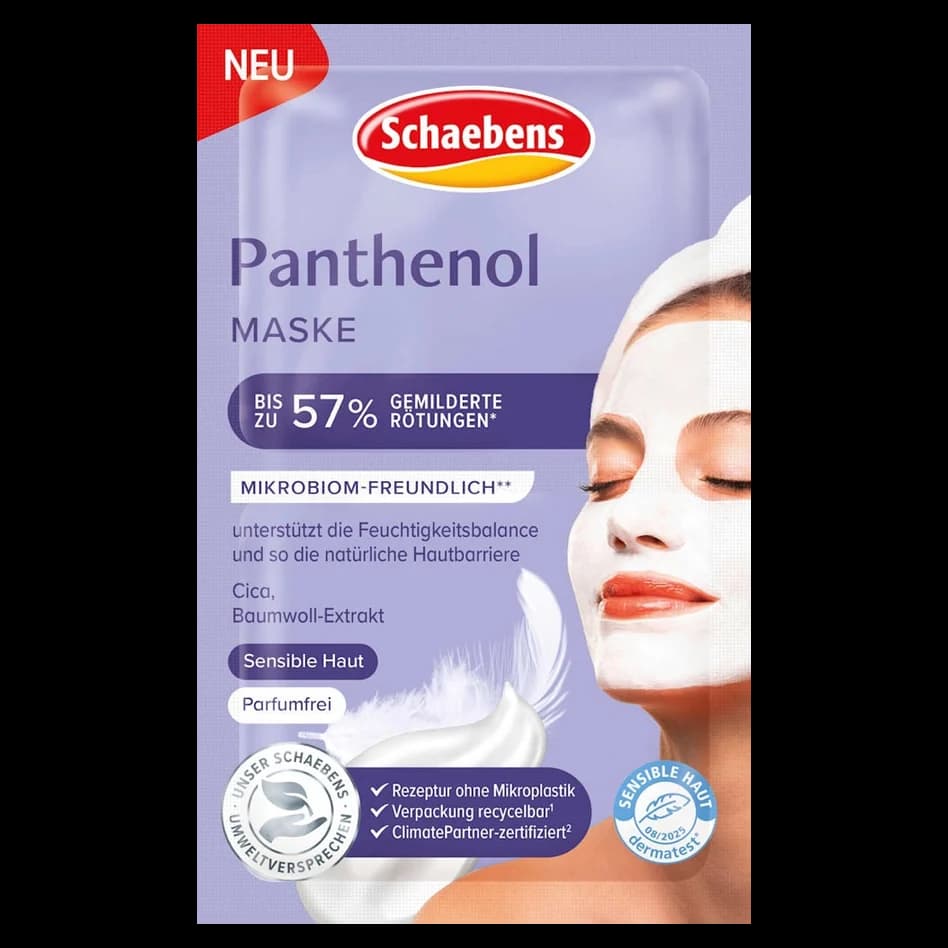
Schaebens
Gesichtsmaske Panthenol
8th of 22 on the label