Dextrin
No meaningful concern for most people; irritation is possible but rare.
What it is
Dextrin is a gum produced by the incomplete hydrolysis of starch. It starts from the same material as maltodextrin but is broken down less far, so the chains are longer - which is why dextrin thickens water where maltodextrin mostly carries and binds. Safety assessments list it as an absorbent, binder, bulking agent and aqueous viscosity-increasing agent.
How it shows up on a label
Mostly a hydrogel-mask ingredient: close to a third of the hydrogel masks here carry it, against a small fraction of the far more numerous sheet masks. Almost always printed below the point where ingredient order stops indicating quantity.
What it does well
Thickens a water-based mask so it stays where you put it
Building viscosity in water is the function the safety assessment records, and it is what dextrin is doing in a hydrogel or sheet-mask essence. It is a texture ingredient, and the report makes no claim beyond that.
Moderate evidence
Worth knowing
Texture only, with no effect of its own on skin
Testing across this class of gums indicates they can be mild skin irritants but are not sensitisers, and their molecular size makes skin penetration unlikely. Nothing about dextrin acts on skin; it is there so the formula behaves.
Where the EU stands
No specific restriction
Not restricted under the EU Cosmetics Regulation; it appears in no annex and has no concentration limit.
Regulation (EC) No 1223/2009 - no annex entry · source ↗
Sources (1)
Every link goes to the original: a journal, a PubMed record or an EU document.
- [1]Safety Assessment of Polysaccharide Gums as Used in Cosmetics (Final Report)
Cosmetic Ingredient Review Expert Panel · 2015
Dextrin is named among the 105 polysaccharide gums the Expert Panel concluded are safe in the present practices of use and concentration in cosmetics. The report defines dextrin as a gum produced by the incomplete hydrolysis of starch and lists its functions as absorbents, binders, bulking agents and aqueous viscosity-increasing agents. Checked 16 August 2026.
Masks that contain Dextrin
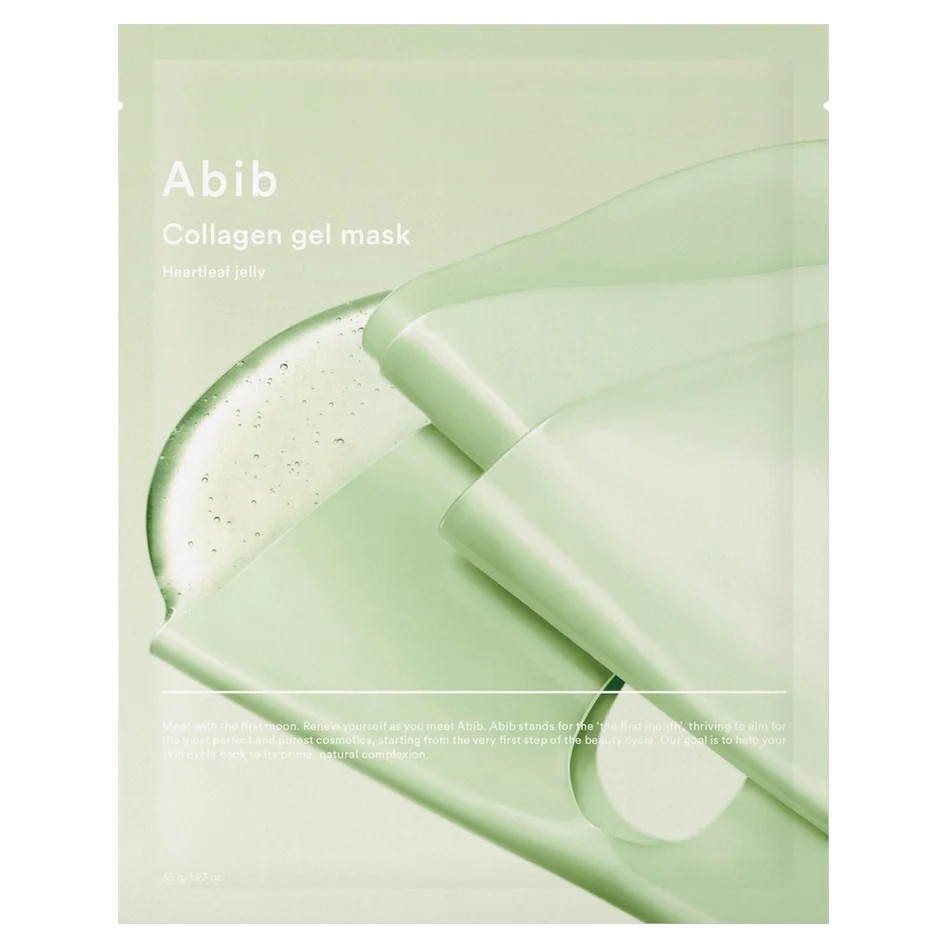
Abib
Collagen Gel Mask Heartleaf Jelly
30th of 43 on the label
below ≈1%
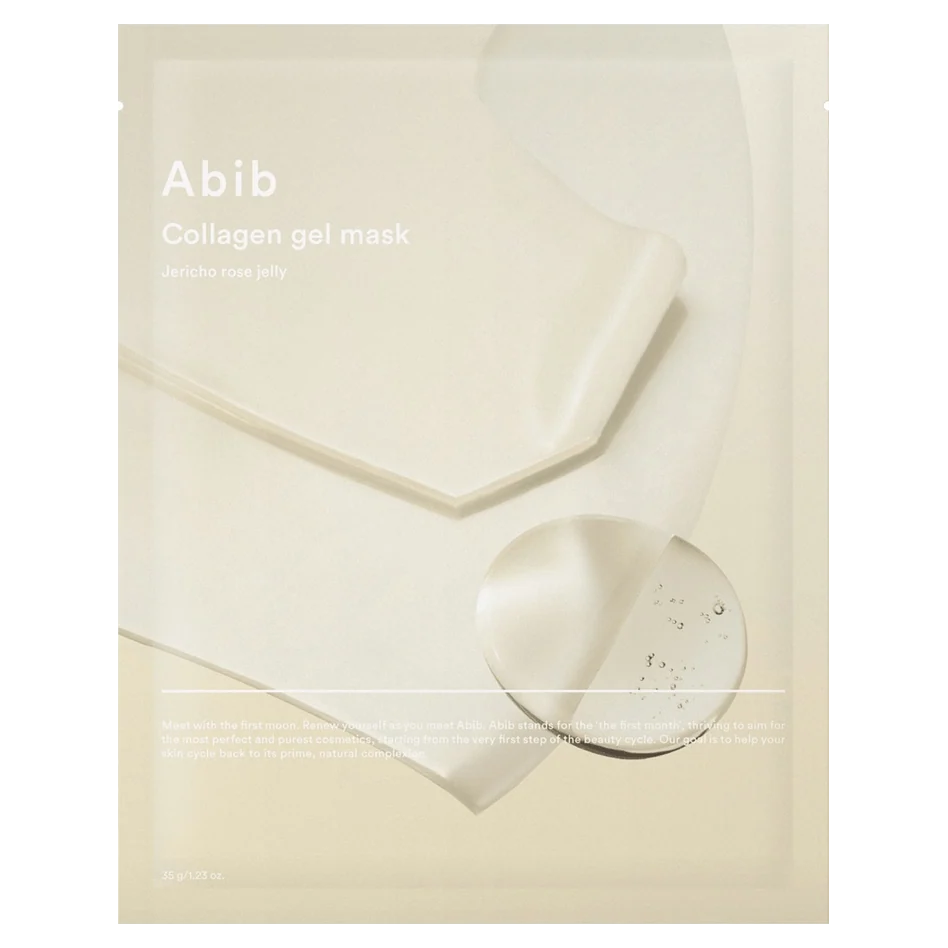
Abib
Collagen Gel Mask Jericho Rose Jelly
31st of 43 on the label
below ≈1%
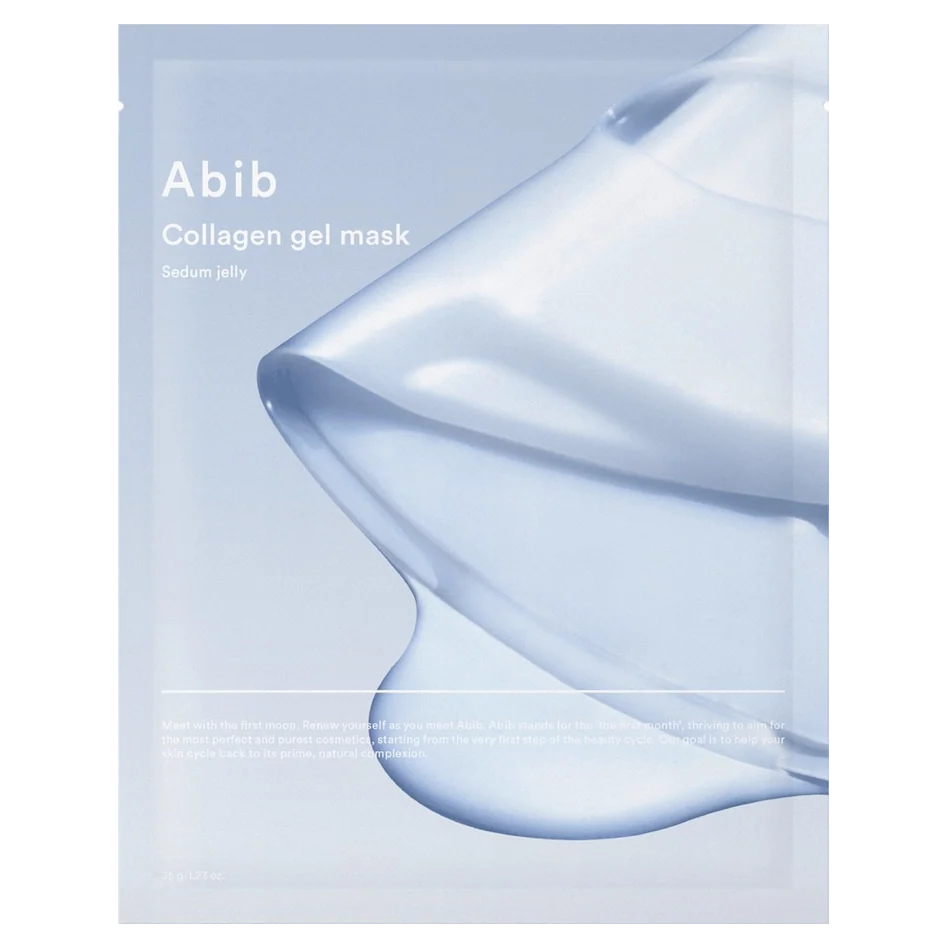
Abib
Collagen Gel Mask Sedum Jelly
26th of 41 on the label
below ≈1%
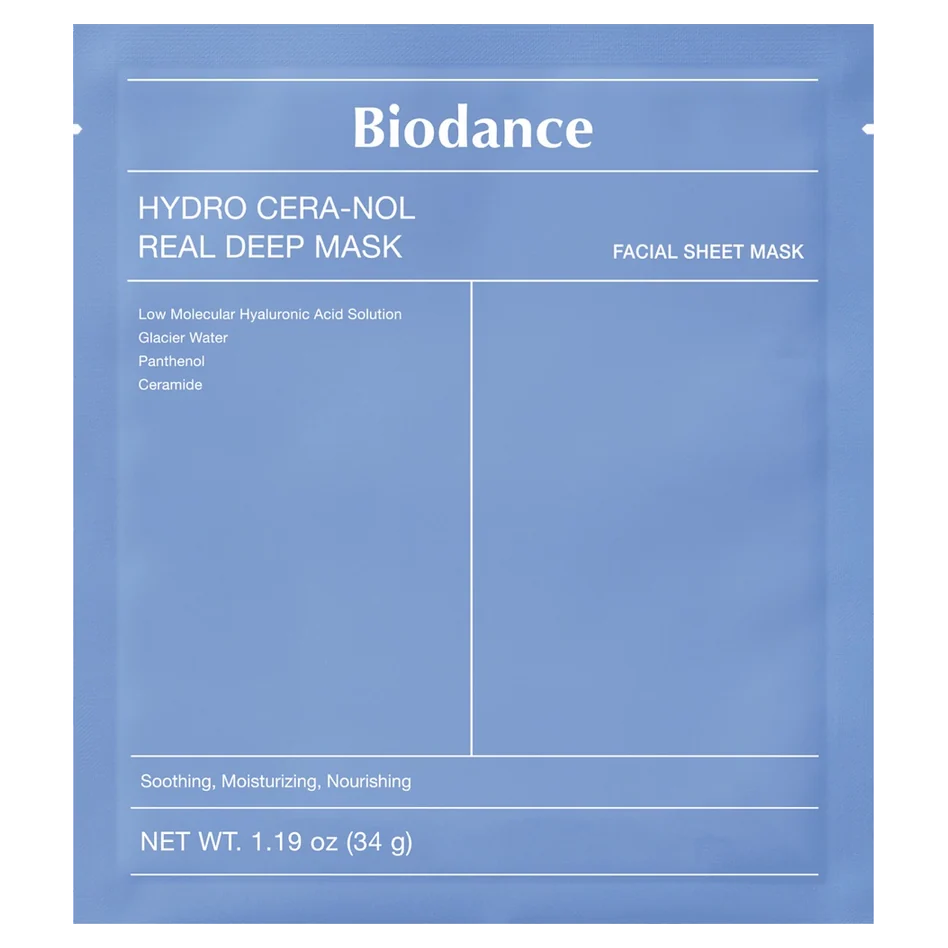
Biodance
Hydro Cera-nol Real Deep Mask
42nd of 65 on the label
below ≈1%
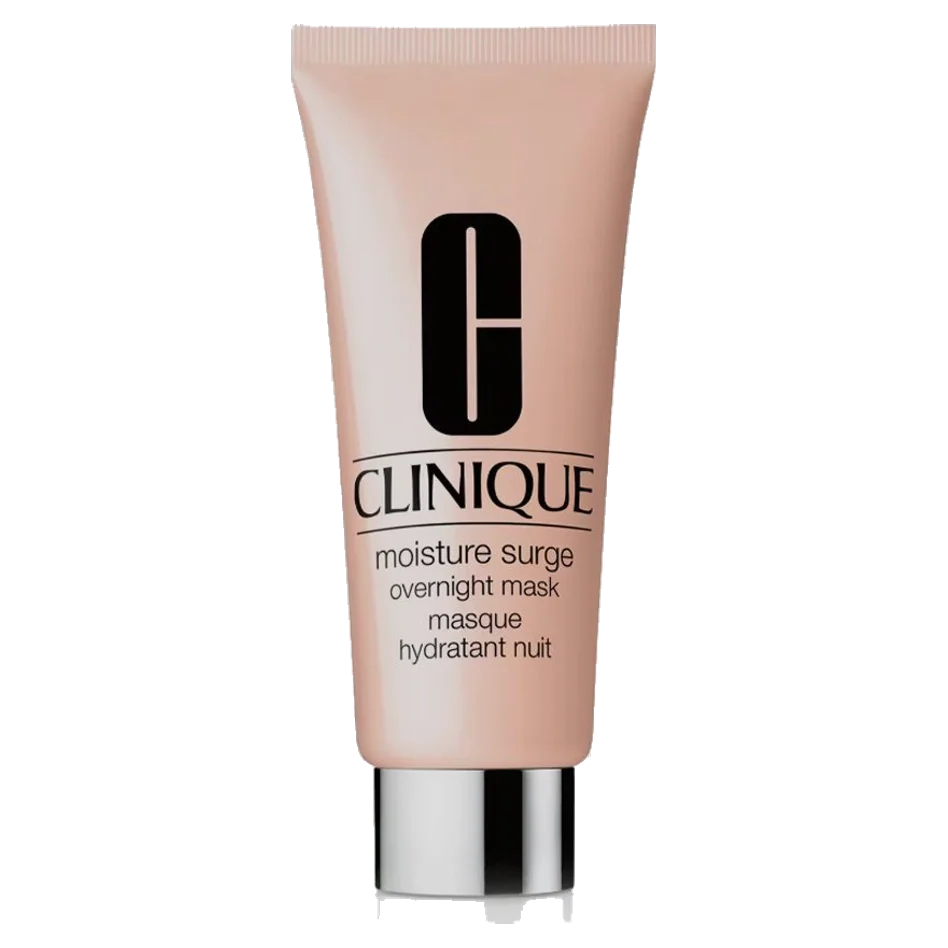
Clinique
Moisture Surge Overnight Mask
38th of 42 on the label
below ≈1%
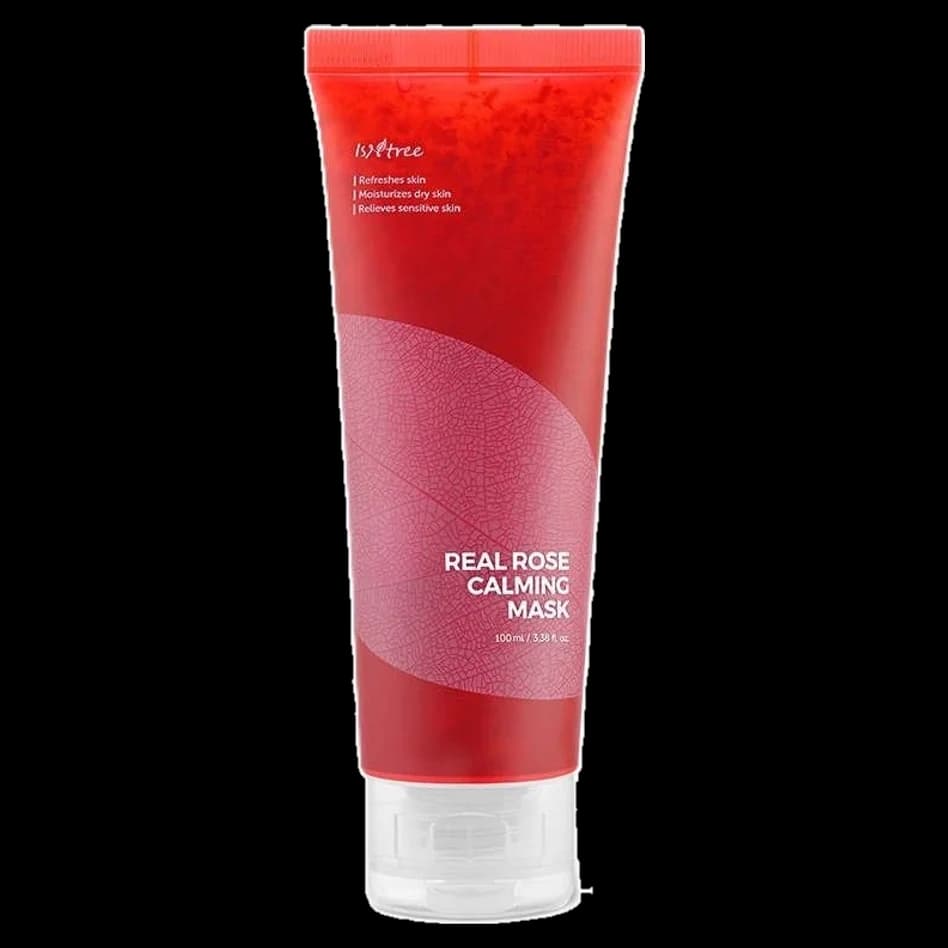
Isntree
Real Rose Calming Mask
9th of 31 on the label
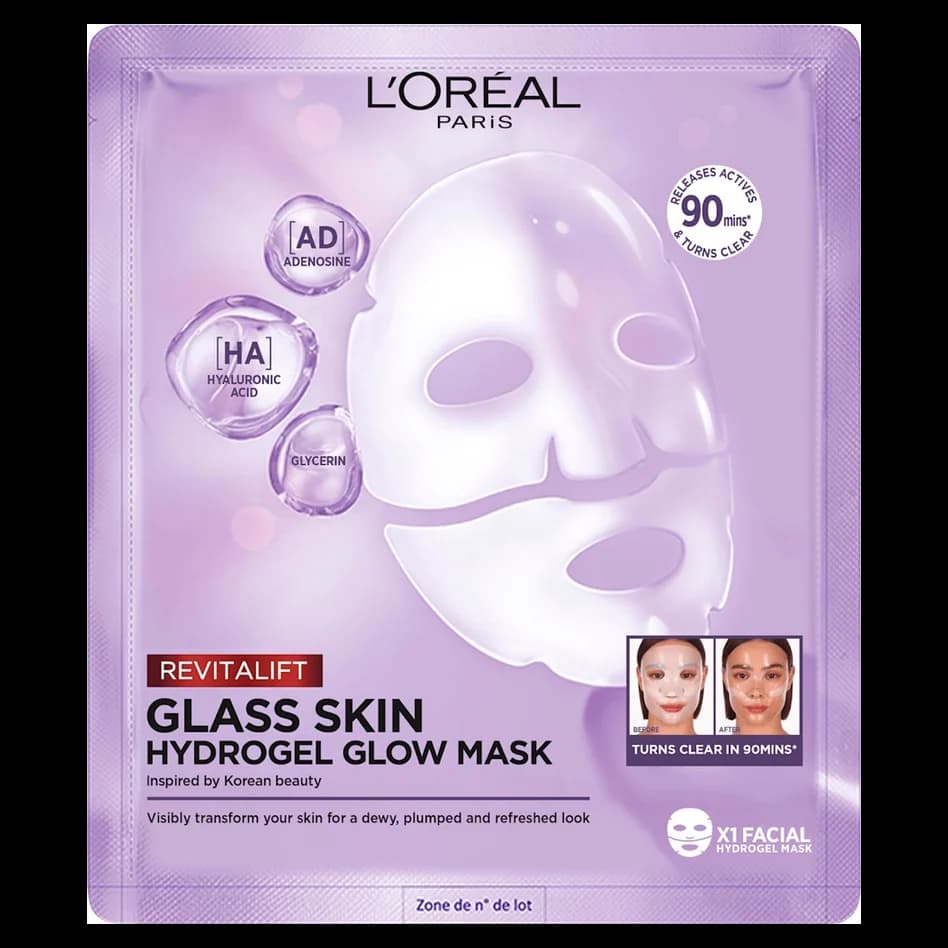
L'Oréal Paris
Revitalift Filler Glass Skin Hydrogel Glow Mask
22nd of 32 on the label
below ≈1%
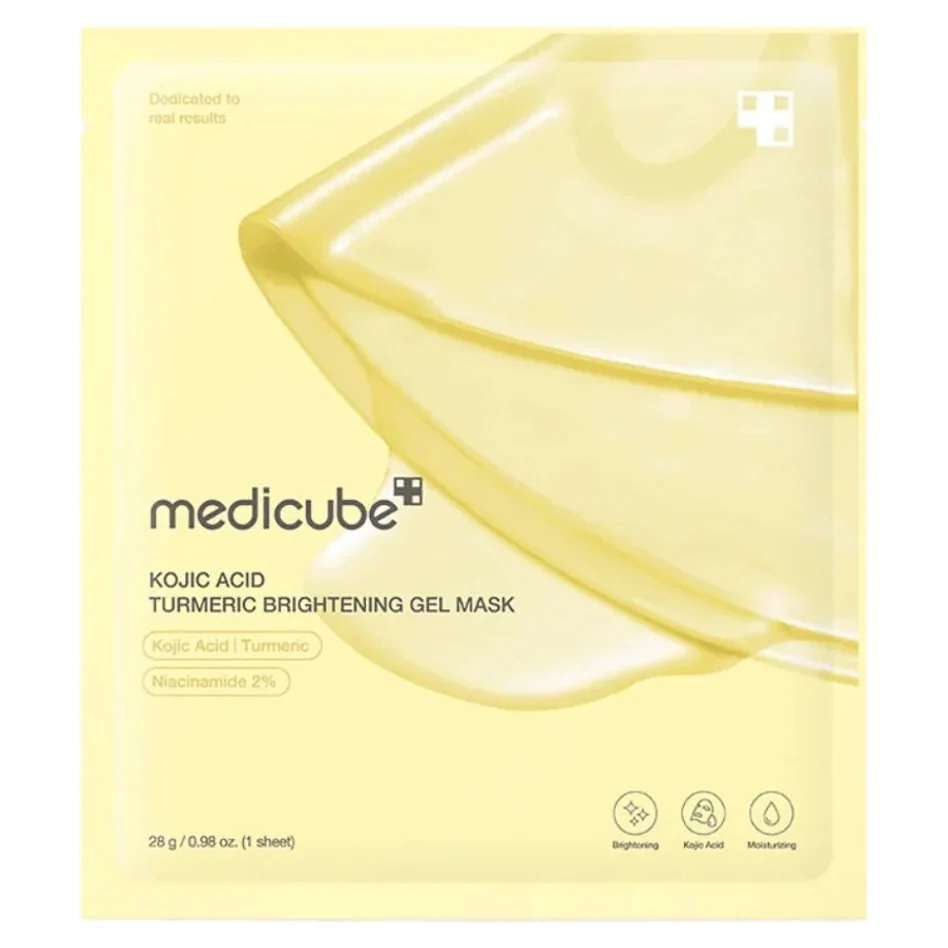
Medicube
Kojic Acid Turmeric Brightening Gel Mask
22nd of 35 on the label
below ≈1%
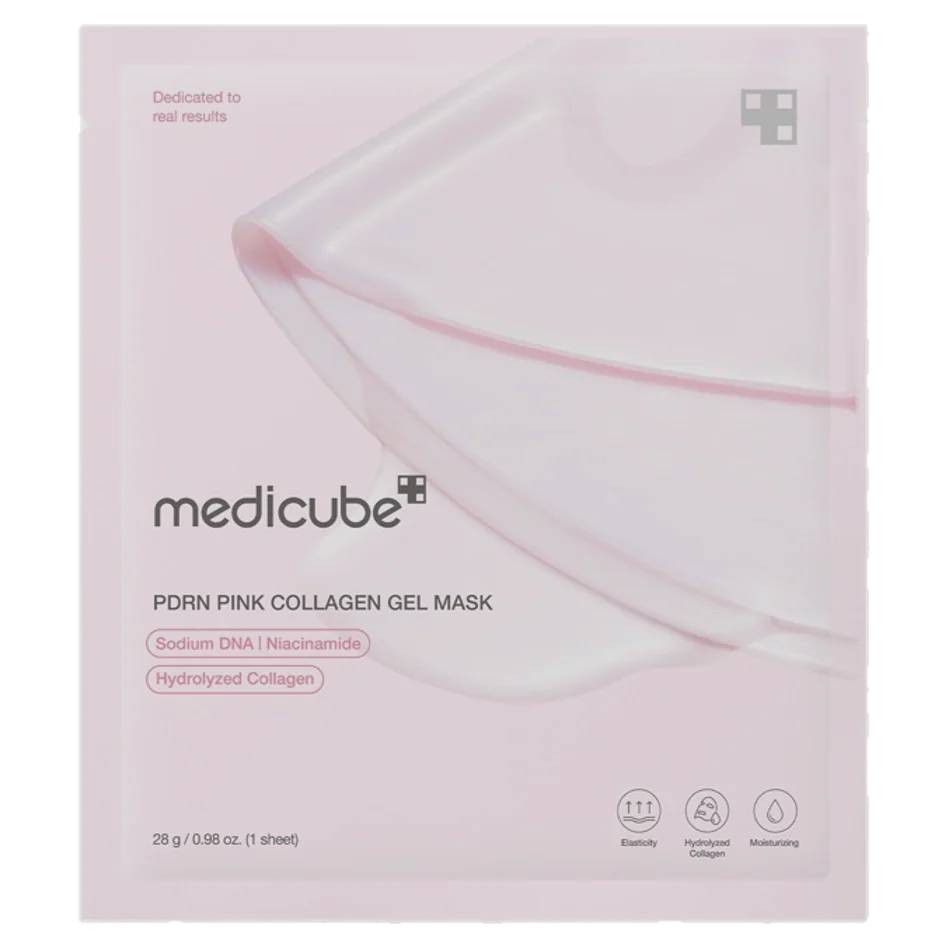
Medicube
PDRN Pink Collagen Gel Mask
23rd of 43 on the label
below ≈1%
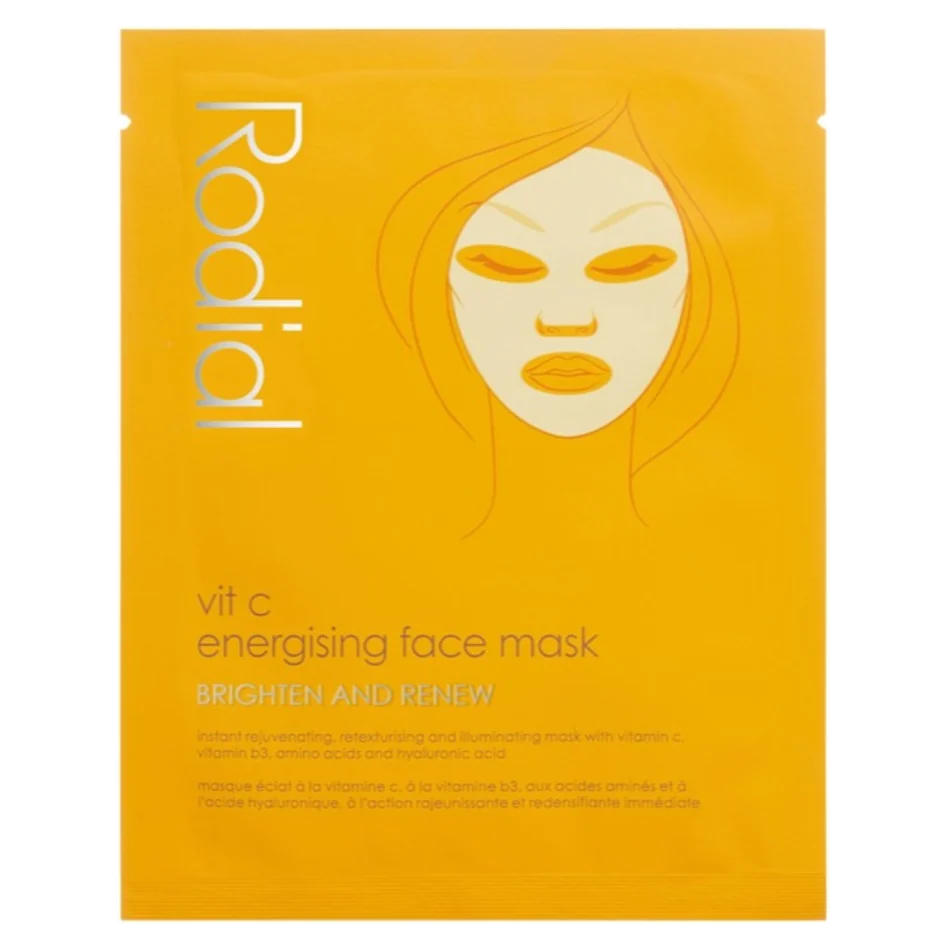
Rodial
Vit C Energising Face Mask
29th of 30 on the label
below ≈1%

SKIN1004
Madagascar Centella Watergel Sheet Ampoule Mask
18th of 29 on the label
below ≈1%
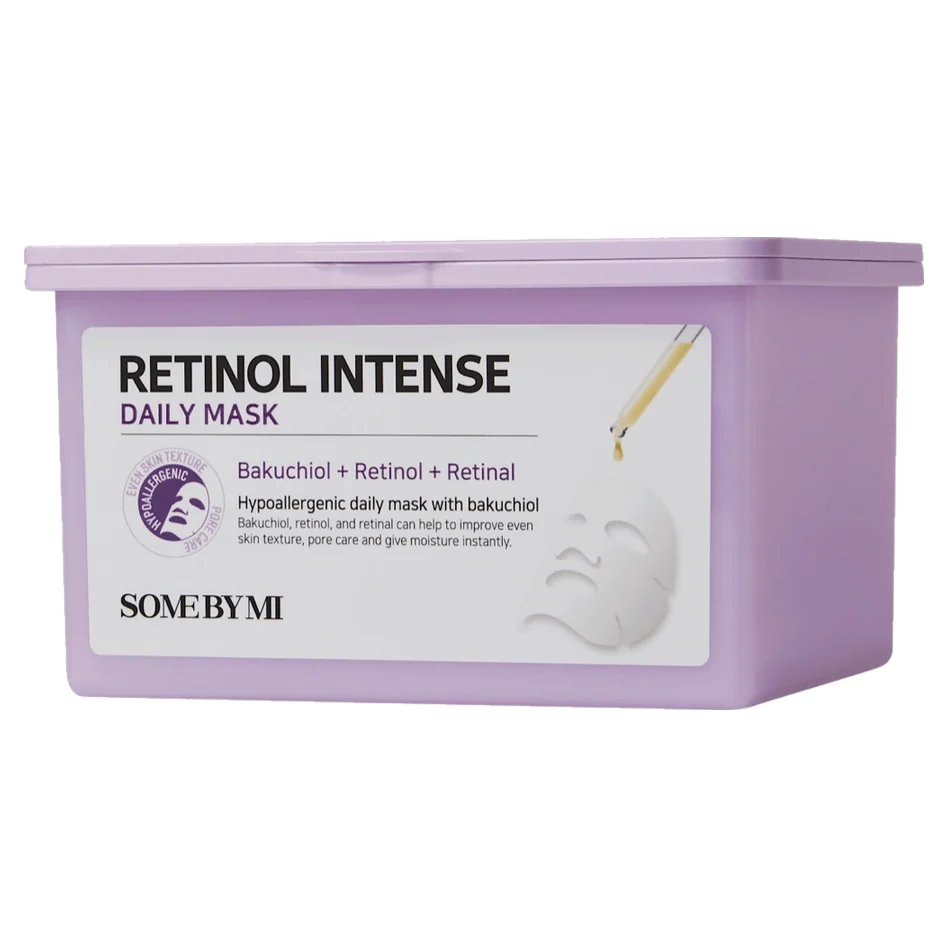
SOME BY MI
Daily Retinol Intense Mask
49th of 62 on the label
below ≈1%