Ethylhexyl Stearate
No meaningful concern for most people; irritation is possible but rare.
Also written as: Octyl Stearate · 2-Ethylhexyl Stearate
What it is
Ethylhexyl stearate is the ester formed when stearic acid reacts with 2-ethylhexyl alcohol. The Cosmetic Ingredient Review reviewed it in 1985 under its old name, octyl stearate, reaffirmed that conclusion in 2005, and folded it into its 2013 review of 237 alkyl esters. CosIng and the review both record one function for it: a skin-conditioning emollient. Reported uses in the US FDA's voluntary registration data rose from 31 in 2002 to 335 in 2013, and the 2012 industry survey reported it at up to 38% in leave-on products. In this catalogue it is printed on seven German masks, five of them cream masks.
How it shows up on a label
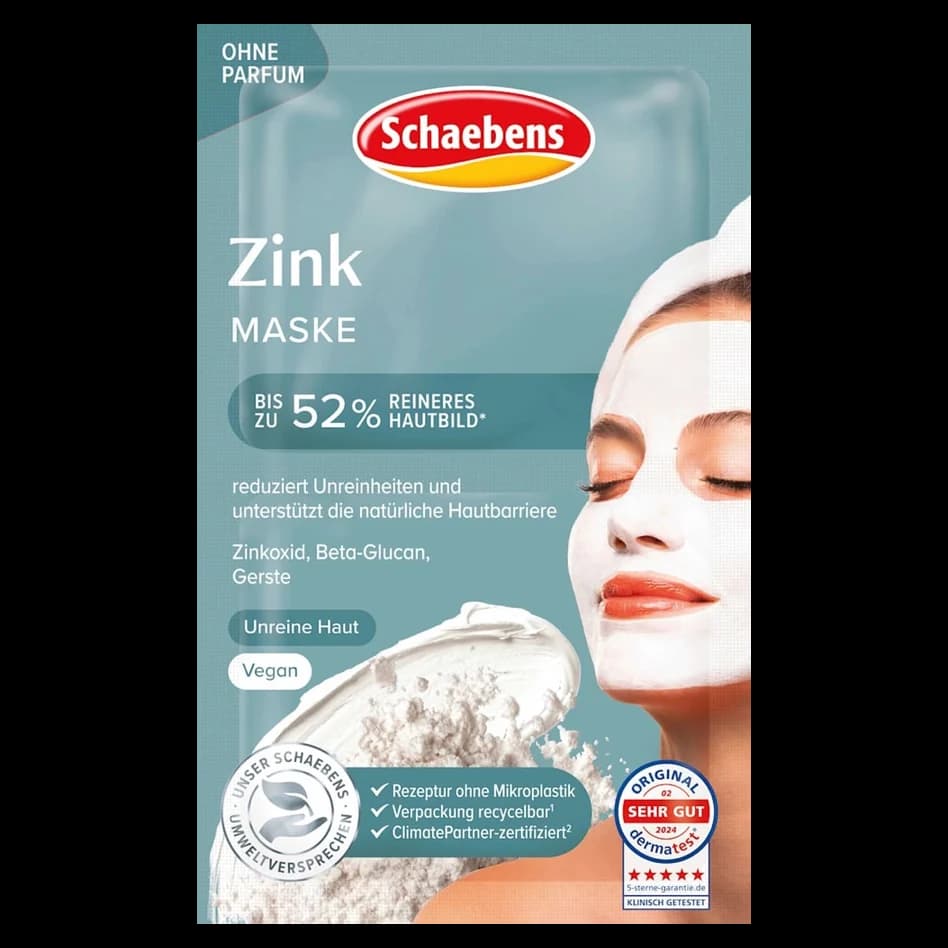
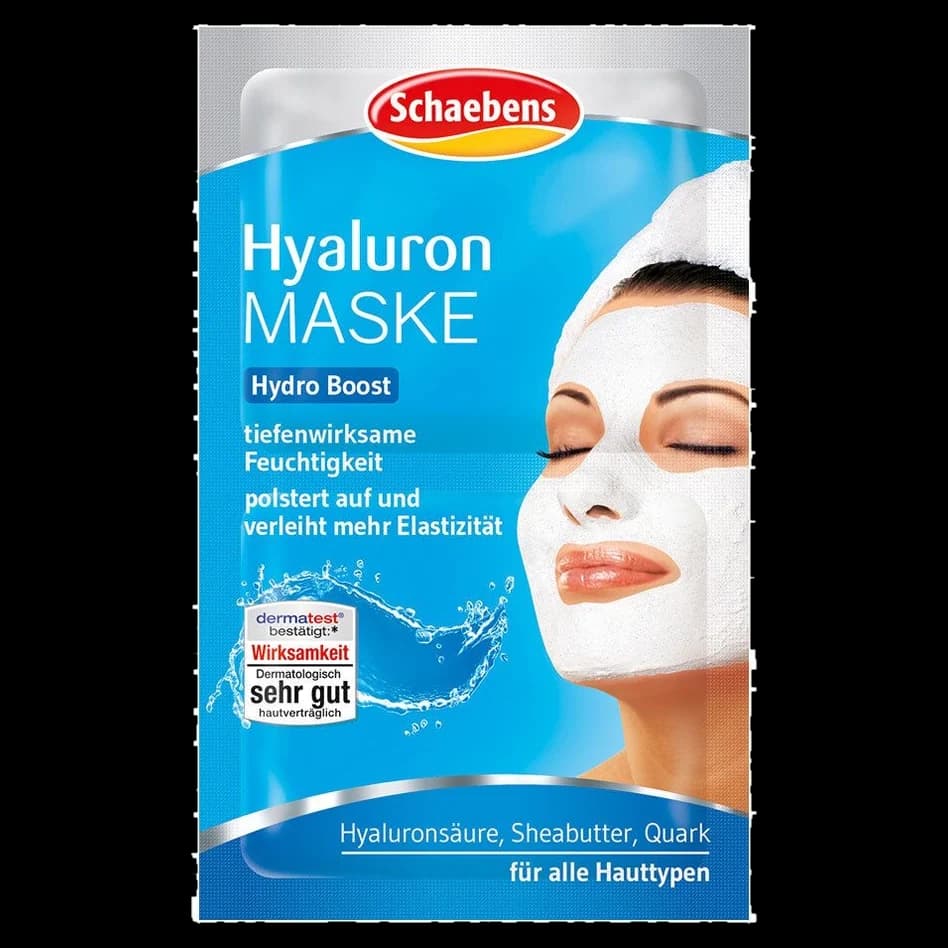
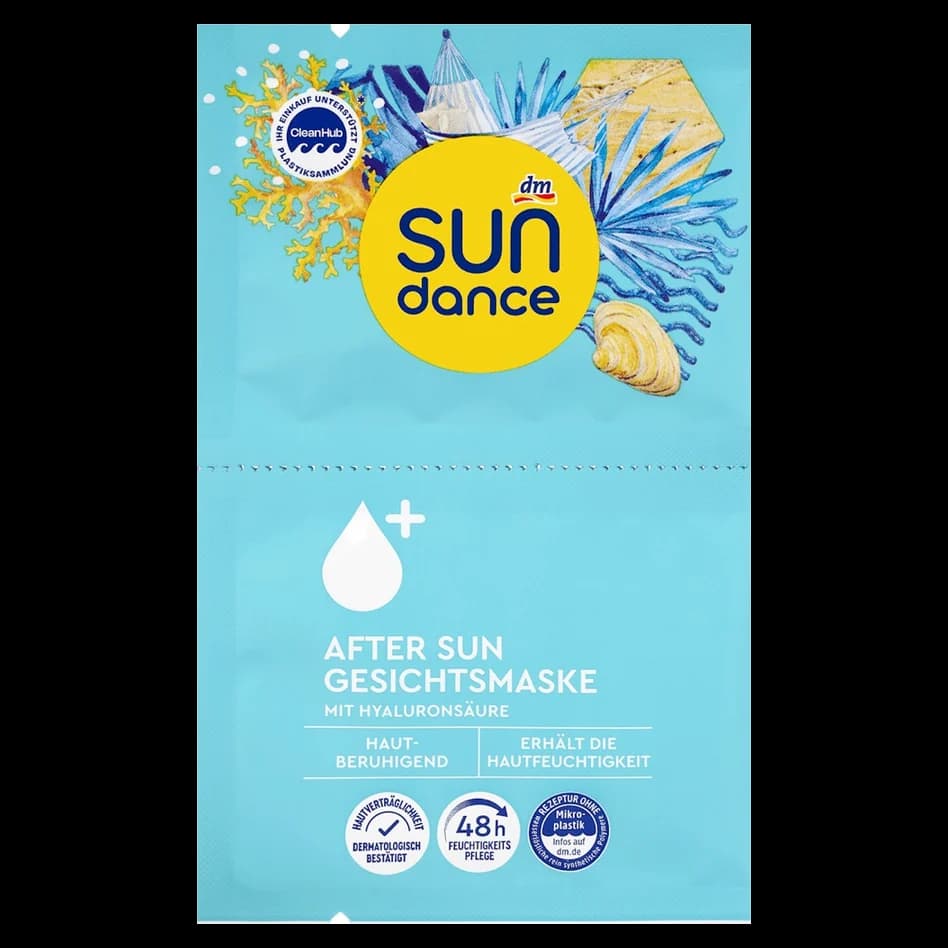
Second on Schaebens' zinc and collagen boost cream masks and on Dermasel's Dead Sea argan oil mask, fifth on Balea's activated charcoal peel-off and Sundance's after-sun mask, sixth on Balea's hautrein 3-in-1 cleanser, scrub and mask, and eighth on Schaebens' hyaluronic mask - above the point where ingredient order stops indicating quantity on all seven.
What it does well
Serves as the emollient in the formula
Skin-conditioning emollient is the function CosIng records for it, and the only one the Cosmetic Ingredient Review lists. This is the job it is added to do, not a measured effect of these masks on skin.
Strong evidence
Reviewed as safe when formulated to be non-irritating
The Cosmetic Ingredient Review concluded in 2013 that the alkyl esters, ethylhexyl stearate among them, are safe in the present practices of use and concentration when formulated to be non-irritating. For ethylhexyl stearate itself, the oral LD50 in rats was above 8 ml/kg, and two human repeat-insult patch tests of products found no irritation or sensitisation: a lip gloss with 25.9% in 104 people and an eyebrow pencil with 38.8% in 642. An older test of a formulation with 7.6% found it was not an irritant or sensitiser in 56 people and not phototoxic.
Moderate evidence
Worth knowing
Undiluted, it was poorly tolerated on rabbit skin over several days
In single applications the undiluted ester was at most mildly irritating to rabbit skin, but in a six-day cumulative test it was "poorly tolerated", while a 10% solution was "relatively well tolerated". The review's conclusion requires products to be formulated to be non-irritating, because the panel was concerned about irritation from some of the alkyl esters. The human tests above, at concentrations up to 38.8% in finished products, found no irritation, although some slight reactions were reported in a photosensitisation test of the 7.6% formulation.
Matters most toPeople whose skin reacts to rich, oily mask bases.
Where the EU stands
No specific restriction
Not restricted for cosmetic use in the EU: ethylhexyl stearate appears in no annex of the Cosmetics Regulation as consolidated on 18 May 2026, and CosIng records no cosmetic restriction for it. Like every ingredient, it is still covered by the safety assessment each product must pass before sale.
Regulation (EC) No 1223/2009 - no annex entry · source ↗
Sources (5)
Every link goes to the original: a journal, a PubMed record or an EU document.
- [1]Amended Safety Assessment of Alkyl Esters as Used in Cosmetics - final amended report
Cosmetic Ingredient Review · 2013
Final amended report, released 12 April 2013 after the March 18-19, 2013 Panel meeting. Conclusion: "the alkyl esters, listed below, are safe in the present practices of use and concentration described in this safety assessment when formulated to be non-irritating"; Ethylhexyl Stearate is on the list. Definition: "the ester of 2-ethylhexyl alcohol and stearic acid", function "skin cond. agent-emol.", made by "the esterification of stearic acid with octyl alcohol". Previous conclusion: "safe as used (1985, reaffirmed 2005)", "(originally Octyl Stearate)". Data summary: "the acute oral LD 50 in rats was >8 ml/kg"; "undiluted test material was at most mildly irritating to rabbit skin (PIIs 0.0 and 1.42); in a 6-day cumulative skin irritation study, undiluted test material had a MMII of 0.67 and was poorly tolerated and a 10% aq. solution had a MMII of 0.33 was relatively well tolerated"; "a formulation containing 7.6% was not an irritant or sensitizer (56 subjects), not phototoxic (10 subjects), and not a photosensitizer (27 subjects), although some slight reactions were reported in the photosensitization study"; "undiluted test material did not provoke any significant injury in rabbit eyes". Table 11: lip gloss with 25.9%, 104 subjects, and eyebrow pencil with 38.8%, 642 subjects: "not an irritant or a sensitizer". Table 8: 335 uses in 2013 (31 in 2002); maximum use concentration 0.0004-38% (2012), up to 38% leave-on. Table 2, discussion item carried over from the 1985/2005 report, on 2-ethyl-1-hexanol: "the potential for 2-ethyl-1-hexanol-induced reproductive toxicity was not thought to be an issue". Discussion: "The Panel was also concerned that the potential exists for dermal irritation with the use of products formulated using some of the alkyl esters." Checked 13 October 2026.
- [2]Safety Assessment of Alkyl Esters as Used in Cosmetics
International Journal of Toxicology 34(2 Suppl):5S-69S · 2015 · doi:10.1177/1091581815594027
The journal publication of the 2013 final amended report, abstract read via Europe PMC: the Panel "assessed the safety of 237 alkyl esters for use in cosmetics", "with skin-conditioning agent being the most common function", and "concluded that these ingredients are safe in cosmetic formulations in the present practices of use and concentration when formulated to be nonirritating". Where data were missing, "similarity in structure, properties, functions, and uses of these ingredients allowed for extrapolation of the available toxicological data to assess the safety of the entire group". Checked 13 October 2026.
- [3]Quick Reference Table: CIR conclusions by ingredient
Cosmetic Ingredient Review · 2024
The table of conclusions, updated October 2024, lists Ethylhexyl Stearate with finding SQ (safe with qualifications) and the conclusion that the alkyl esters, listed subsequently, "are safe in the present practices of use and concentration described in this safety assessment when formulated to be non-irritating", citing JACT 4(5):107-146, 1985; IJT 24(Suppl. 1):1-102, 2005; IJT 34(Suppl.2):5-69, 2015. Checked 13 October 2026.
- [4]CosIng entry: Ethylhexyl Stearate
European Commission, CosIng database
INCI name ETHYLHEXYL STEARATE, status active, CAS 22047-49-0. Function: skin conditioning - emollient. No annex number, cosmetic restriction or other restriction is recorded. Checked 13 October 2026.
- [5]Regulation (EC) No 1223/2009 on cosmetic products, consolidated text of 18 May 2026
Official Journal of the European Union · 2026
A sweep of the full consolidated text finds no occurrence of ethylhexyl stearate, octyl stearate or CAS 22047-49-0. Every stearate it names is a metal salt: nickel(II) stearate in Annex II, aluminium, zinc, magnesium and calcium stearates as colourants in Annex IV, and aluminium stearate as one of the permitted coatings for nano titanium dioxide in Annex VI. Checked 13 October 2026.
Masks that contain Ethylhexyl Stearate
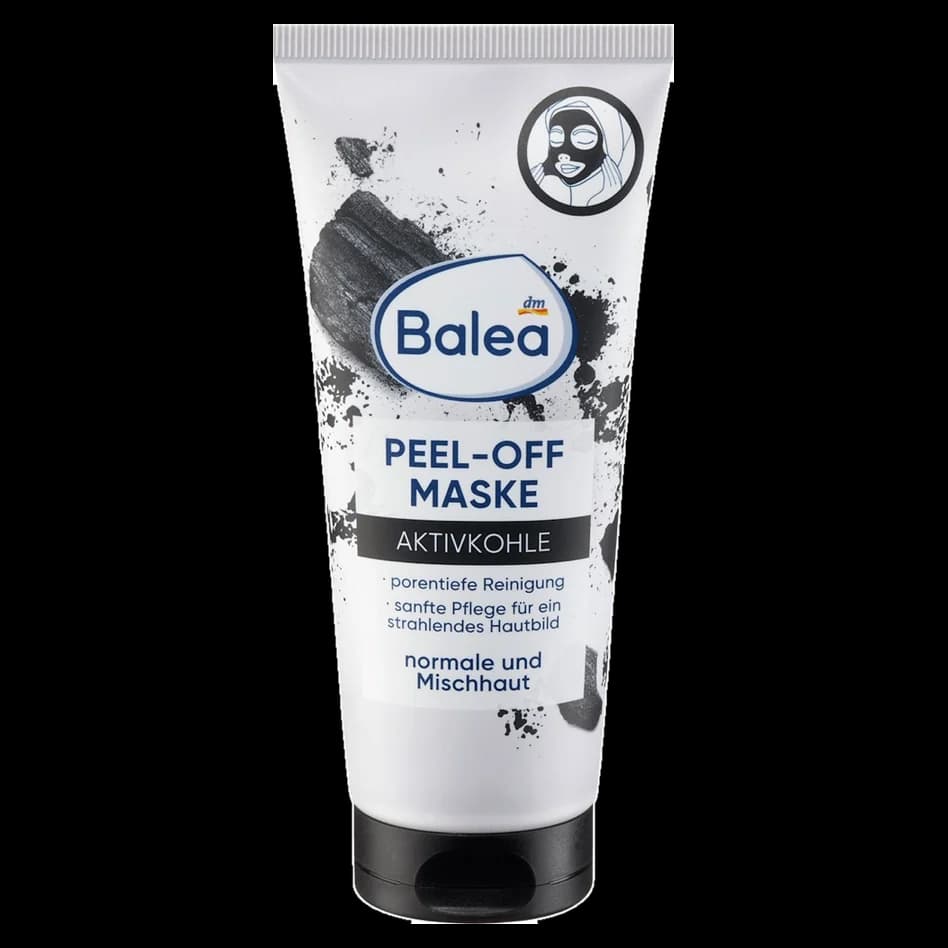
Balea
Gesichtsmaske Peel-Off Aktivkohle
5th of 18 on the label
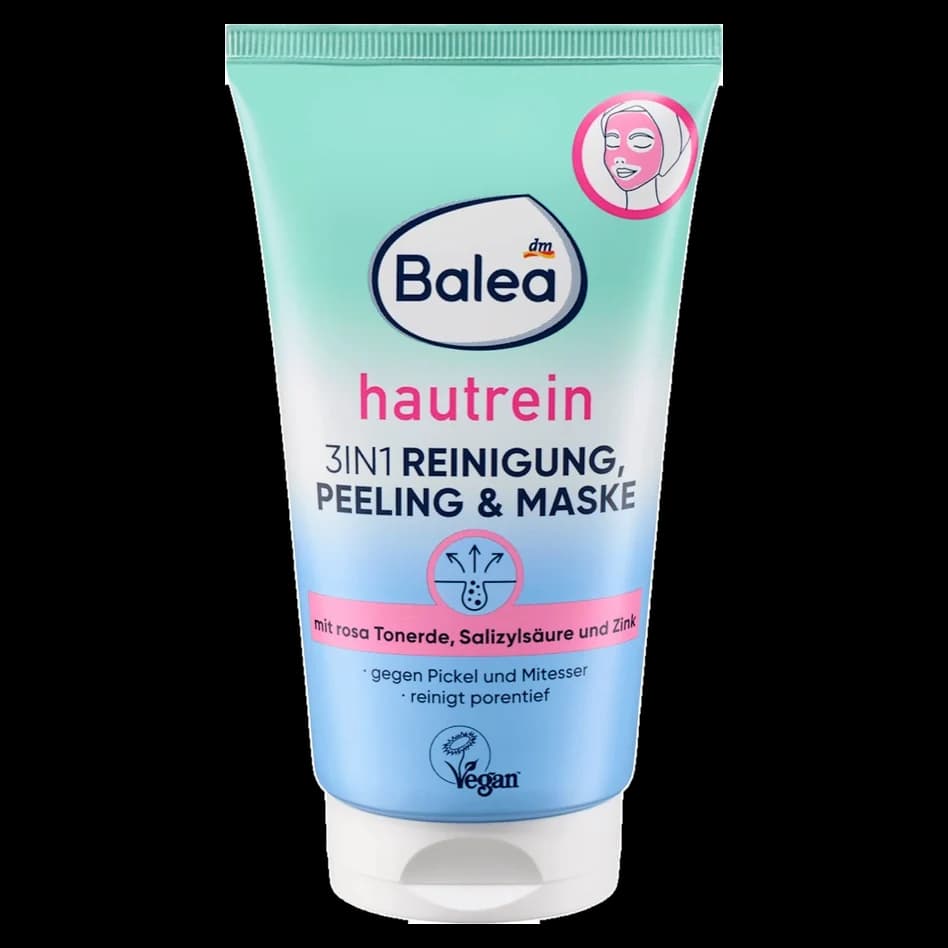
Balea
Reinigung, Peeling & Maske hautrein 3in1
6th of 18 on the label
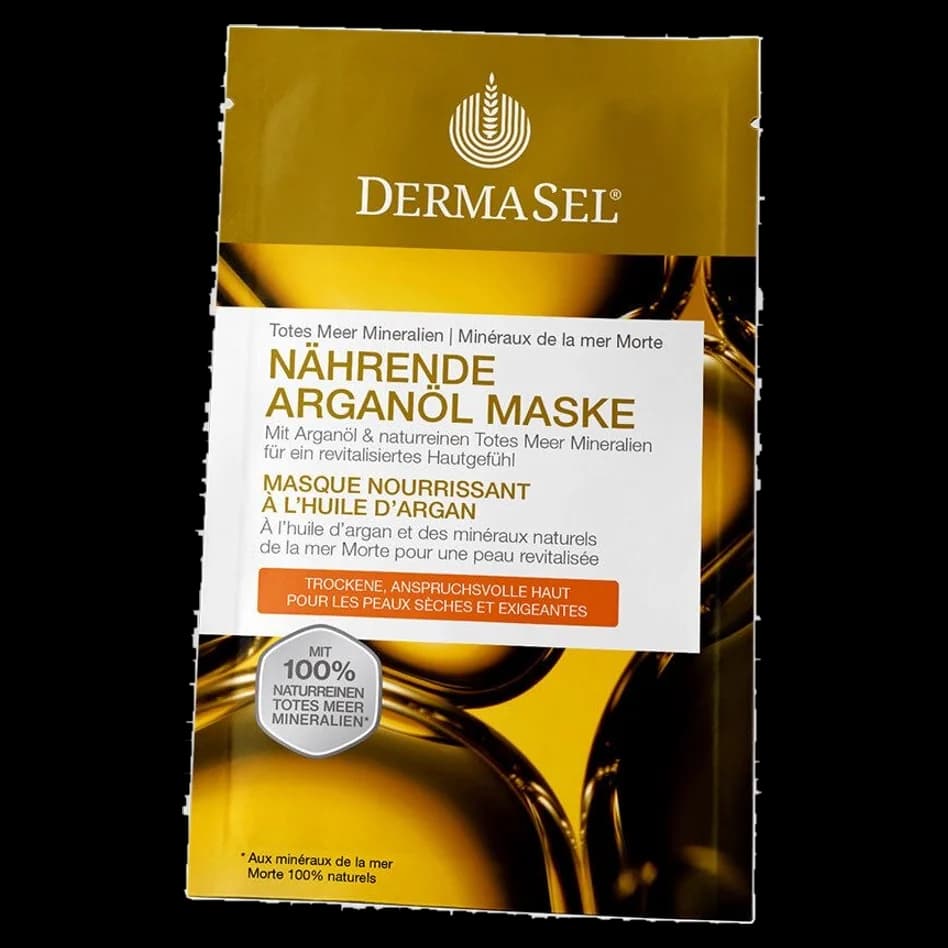
DERMASEL
Totes Meer Mineralien Nährende Arganöl Maske
2nd of 29 on the label
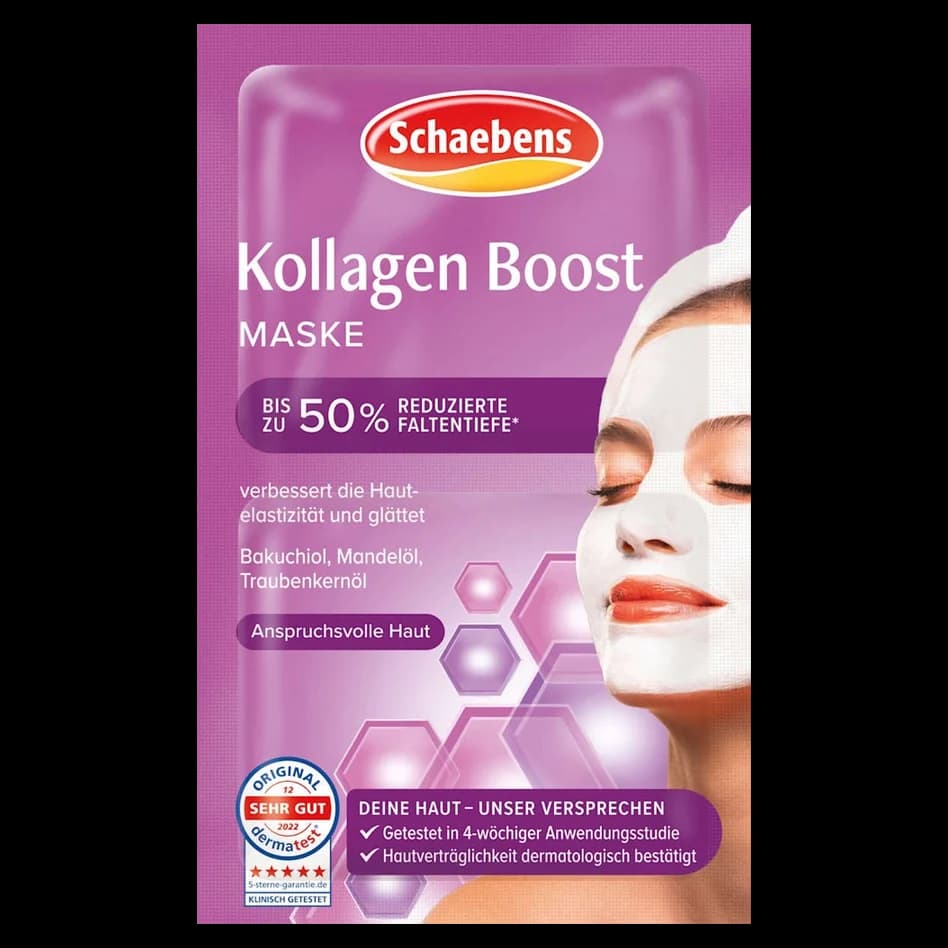
Schaebens
Gesichtsmaske Kollagen Boost
2nd of 27 on the label
Schaebens
Gesichtsmaske Zink
2nd of 27 on the label
Schaebens
Hyaluron Maske
8th of 32 on the label
SUNDANCE
After Sun Gesichtsmaske
5th of 25 on the label