Menthol
Menthol
Genuinely relevant for some people, or depends on dose and pH.
Also written as: l-Menthol · dl-Menthol · d-Menthol · Levomenthol · Peppermint Camphor
What it is
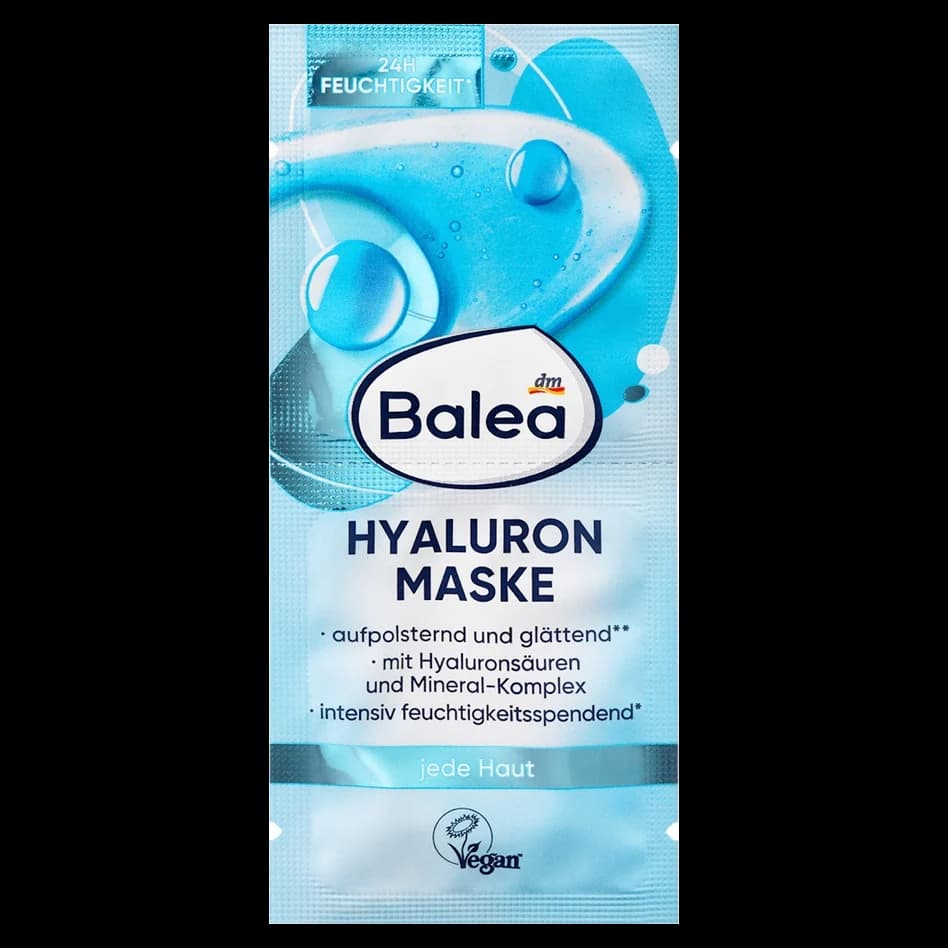
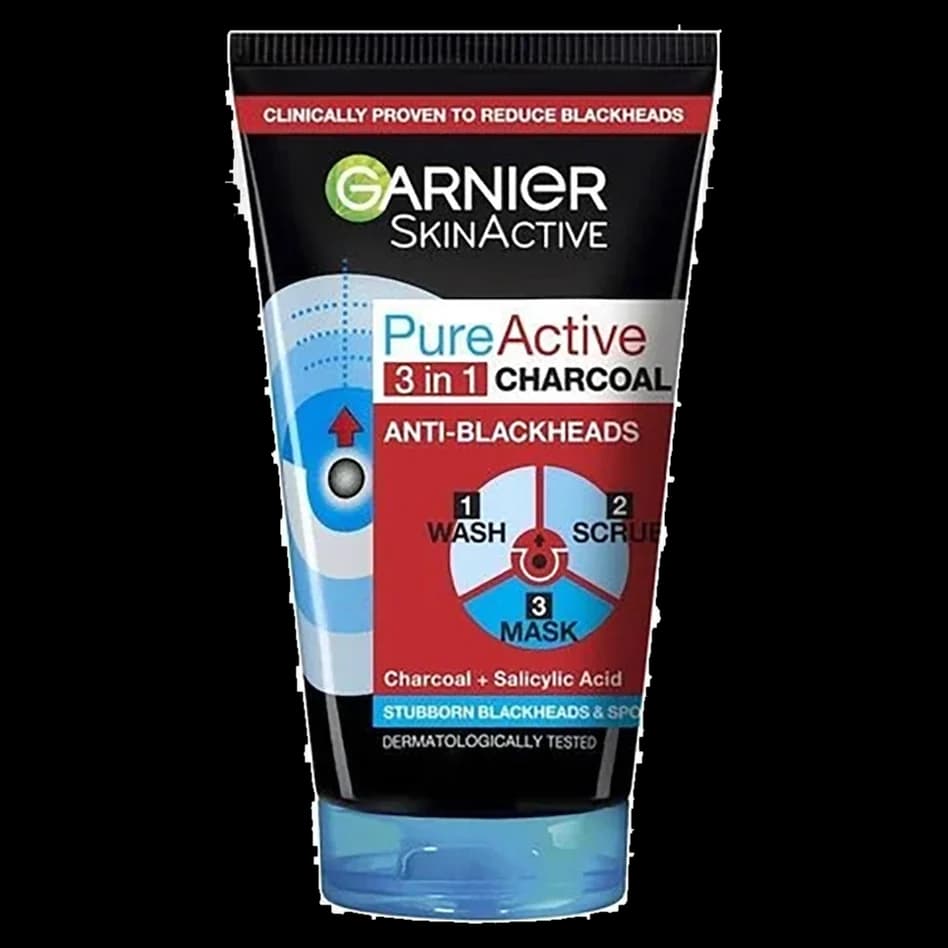
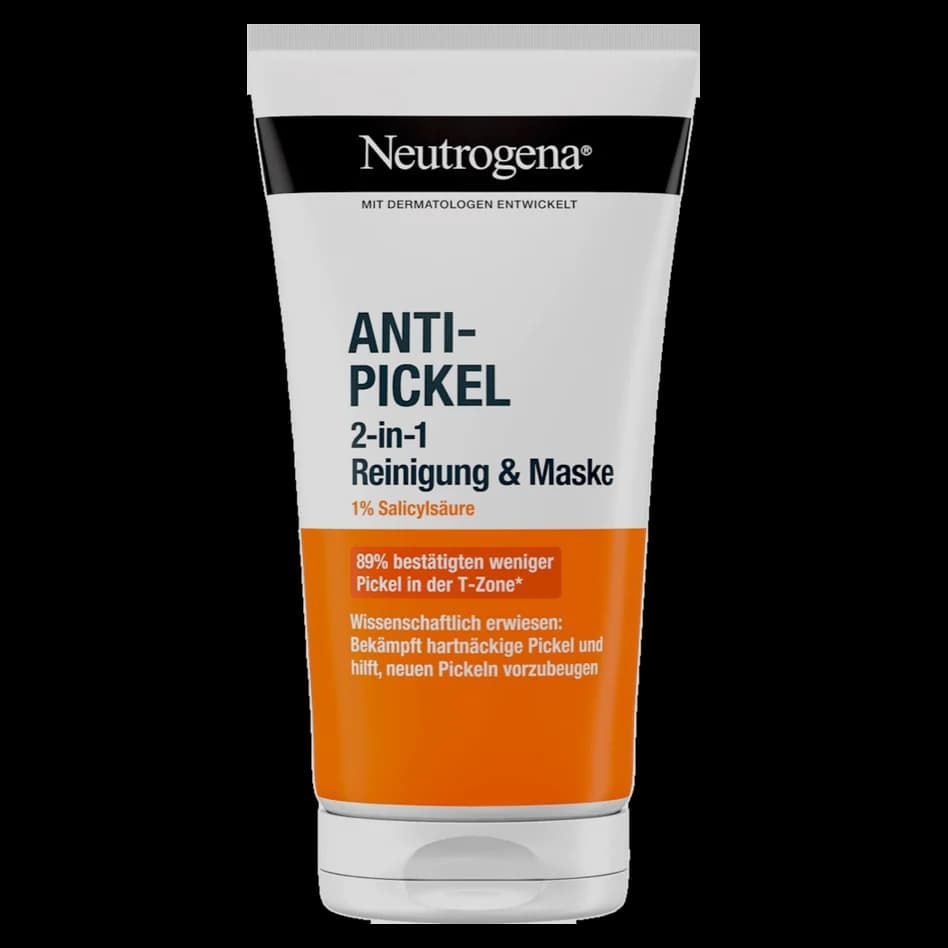
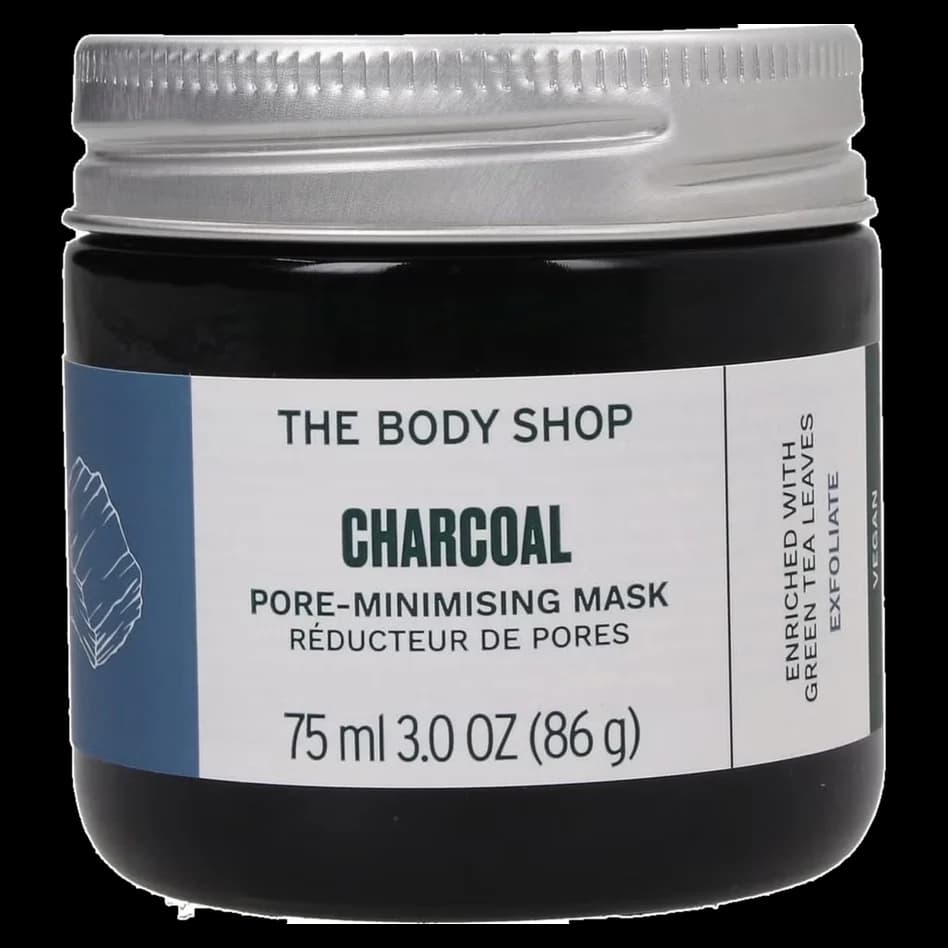
Menthol is a terpene alcohol isolated from mint oils, chiefly Mentha arvensis, or made synthetically. It activates the TRPM8 cold receptor in nerve endings, which is why it produces a strong sensation of cooling without actually cooling the skin. Formulators add it to clay and gel masks to create a refreshing, tingly effect that many people read as evidence the product is working.
How it shows up on a label
Menthol appearing in the allergen tail of an ingredient list is new as of the 2023/1545 transition. If a mask stings noticeably and menthol is high in the list, that is the likely cause.
What it does well
Creates a convincing cooling sensation
The mechanism through the TRPM8 receptor is well characterised. The cooling is a nerve signal, not a temperature change, so it does not reduce inflammation or actual skin heat.
Strong evidence
Can briefly relieve itch
Menthol at around 1 to 5% is used in anti-itch preparations and gives short-term relief for some people. In face masks the levels are usually far lower and the effect is mainly sensory.
Moderate evidence
Worth knowing
Tingling is not a sign of efficacy and can mask irritation
The cooling sensation is often marketed as proof a mask is working. It is not. Because menthol alters how the skin reports discomfort, it can make an irritating formula feel acceptable for longer than it should.
Matters most toPeople with sensitive or reactive skin, and anyone using strongly tingling masks frequently.
Can irritate compromised or very dry skin
On a broken barrier, eczema or freshly exfoliated skin, menthol can sting sharply and increase redness. It is one of the more common reasons a mask feels uncomfortable.
Matters most toPeople with eczema, rosacea, or recently exfoliated or sunburnt skin.
Contact allergy is uncommon but real
Allergic contact reactions to menthol are documented, mostly as cheilitis from toothpaste, lip products and throat medication rather than face masks. Peppermint gave positive patch tests in around 0.9% of North American dermatitis patients.
Matters most toPeople with persistent unexplained lip or perioral dermatitis.
Where the EU stands
Labelling required
Regulation (EU) 2023/1545 added menthol to the declared fragrance-allergen list as Annex III entry 338, covering dl-, l- and d-menthol. It must be named on the pack above 0.001% in leave-on products and 0.01% in rinse-off products. There is no maximum permitted concentration. Non-compliant products could be placed on the market until 31 July 2026 and sold from stock until 31 July 2028.
Regulation (EC) No 1223/2009, Annex III entry 338, as inserted by Regulation (EU) 2023/1545 · source ↗
Sources (2)
Every link goes to the original: a journal, a PubMed record or an EU document.
- [1]Allergic contact cheilitis caused by menthol in toothpaste and throat medication: a case report
Contact Dermatitis · 2016 · doi:10.1111/cod.12571
Documents genuine allergic contact reactions to menthol itself, most often presenting as lip and perioral dermatitis from oral care products.
- [2]Positive Patch-Test Reactions to Essential Oils in Consecutive Patients From North America and Central Europe
Dermatitis · 2017 · doi:10.1097/DER.0000000000000293
Peppermint, the main natural source of menthol, produced positive patch tests in about 0.9% of North American dermatitis patients, placing it among the more reactive essential oils but well below fragrance mix rates.