Sorbitol
Sugar alcohol
No meaningful concern for most people; irritation is possible but rare.
Also written as: D-Sorbitol · Glucitol
What it is
Sorbitol is a sugar alcohol made by hydrogenating glucose, and it occurs naturally in fruits such as apples and pears. In skincare it binds water in the outer skin layer much as glycerin does, with a slightly lighter, less tacky after-feel. It is also widely used to keep gels and pastes from drying out.
How it shows up on a label
Often in wash-off and clay formulas, where it also keeps the paste from drying in the jar.
What it does well
Holds water in the skin and stops formulas drying out
Sorbitol works by the same water-binding mechanism as glycerin. Its skin benefits are well accepted, though it has been studied far less than glycerin itself.
Moderate evidence
Worth knowing
No meaningful topical safety concerns
Sorbitol's known side effects (a laxative effect) come from eating it in quantity, not from applying it to skin. It is not a recognised sensitiser.
Matters most toNo specific group for topical use.
Where the EU stands
No specific restriction
Permitted in EU cosmetics with no concentration limit. It is not listed in the banned, restricted or preservative annexes of the Cosmetics Regulation.
Regulation (EC) No 1223/2009 - no annex entry · source ↗
Masks that contain Sorbitol
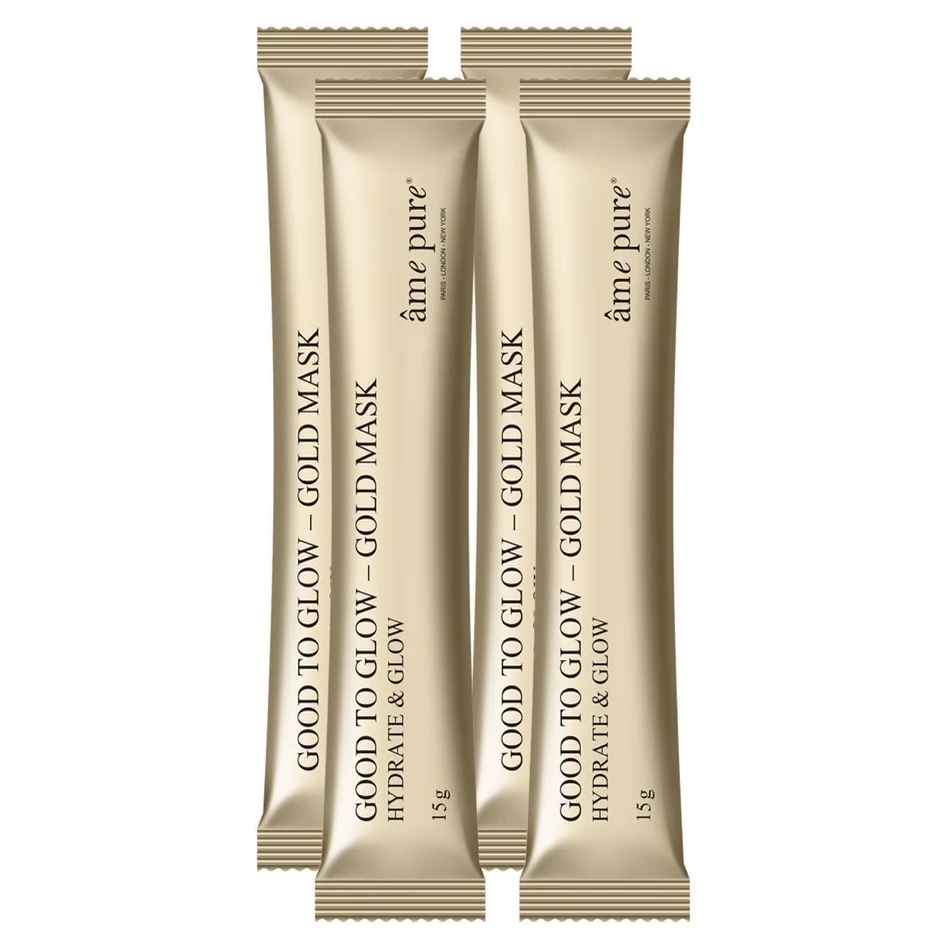
âme pure
Jelly Glow Rubber Mask - Gold Routine Set
17th of 26 on the label
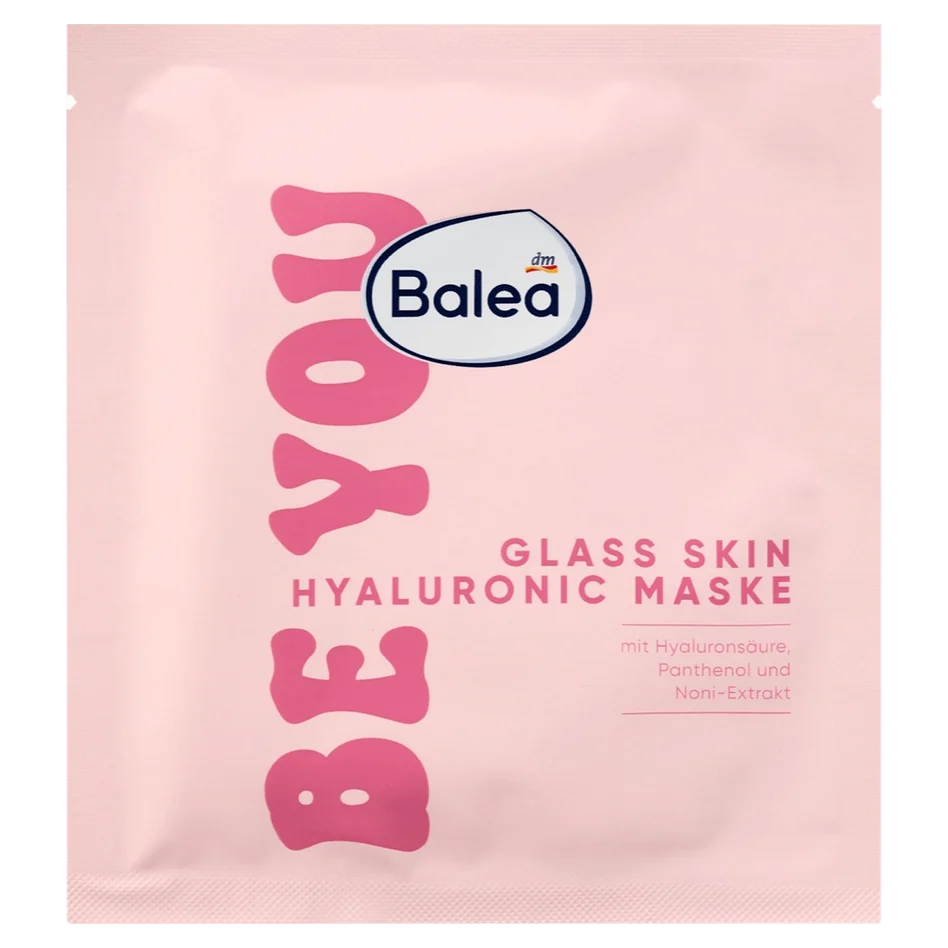
Balea
Gesichtsmaske Glass Skin Hyaluronic Be You
6th of 30 on the label
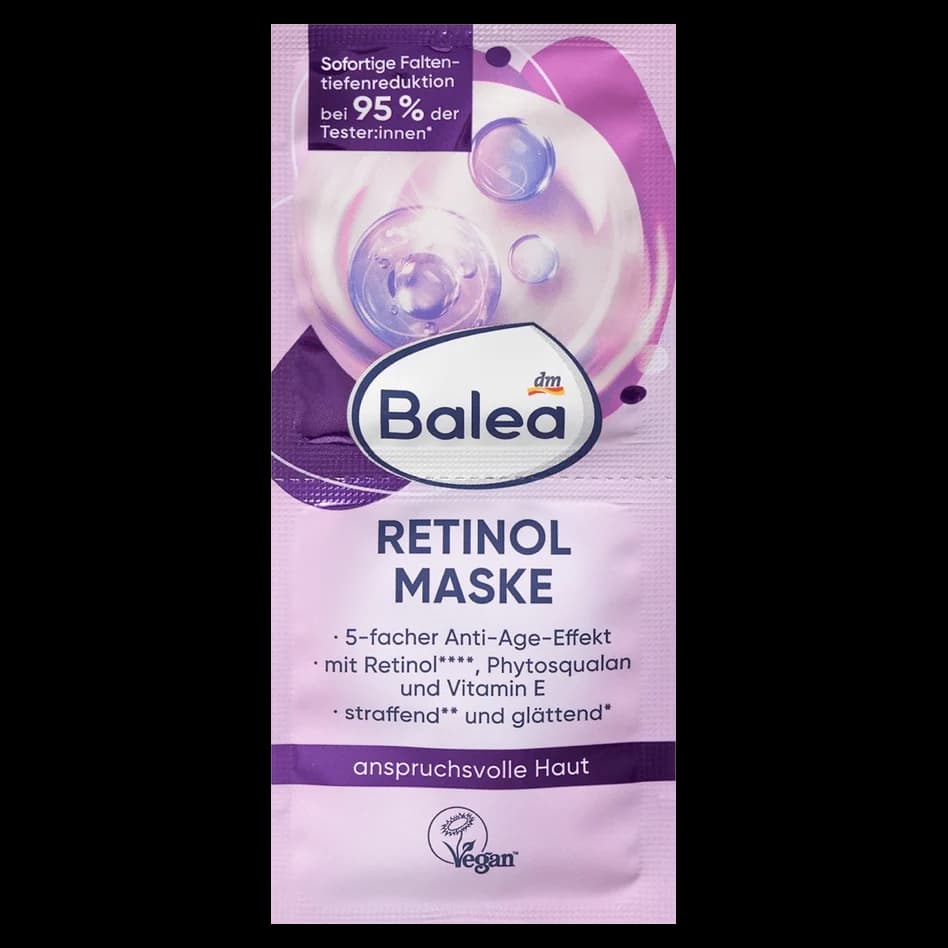
Balea
Gesichtsmaske Retinol
9th of 23 on the label
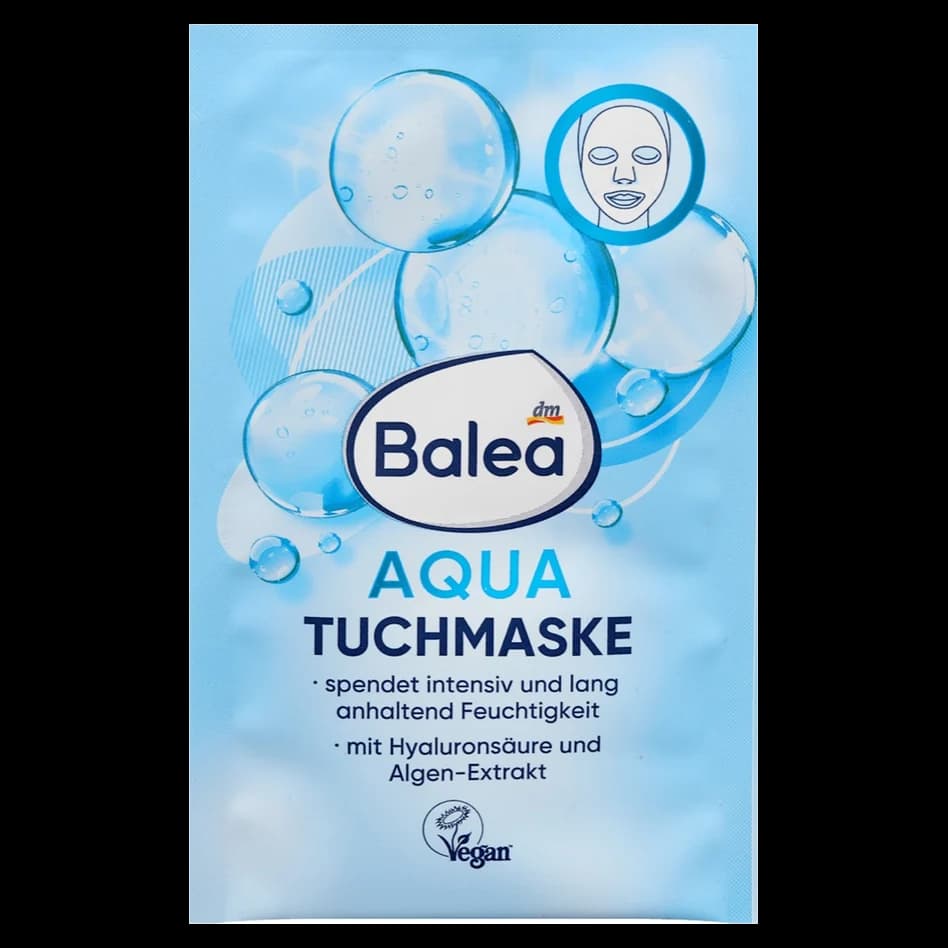
Balea
Tuchmaske Aqua
5th of 18 on the label
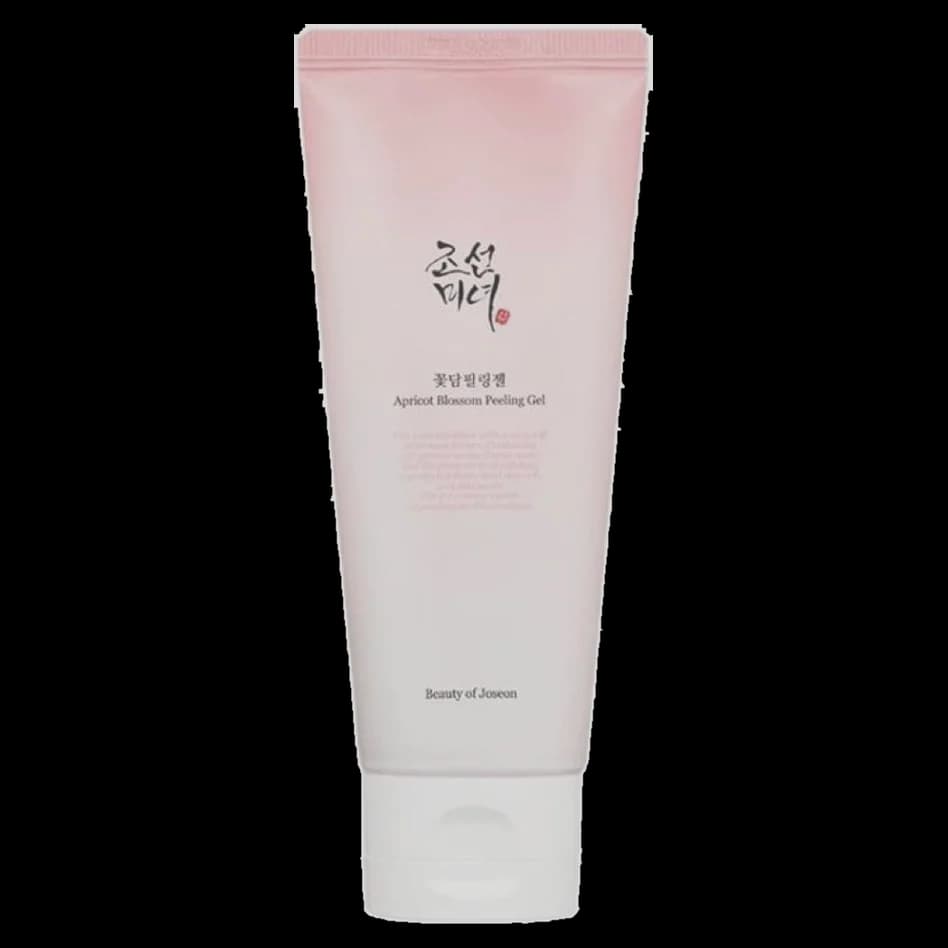
Beauty of Joseon
Apricot Blossom Peeling Gel
10th of 19 on the label
below ≈1%
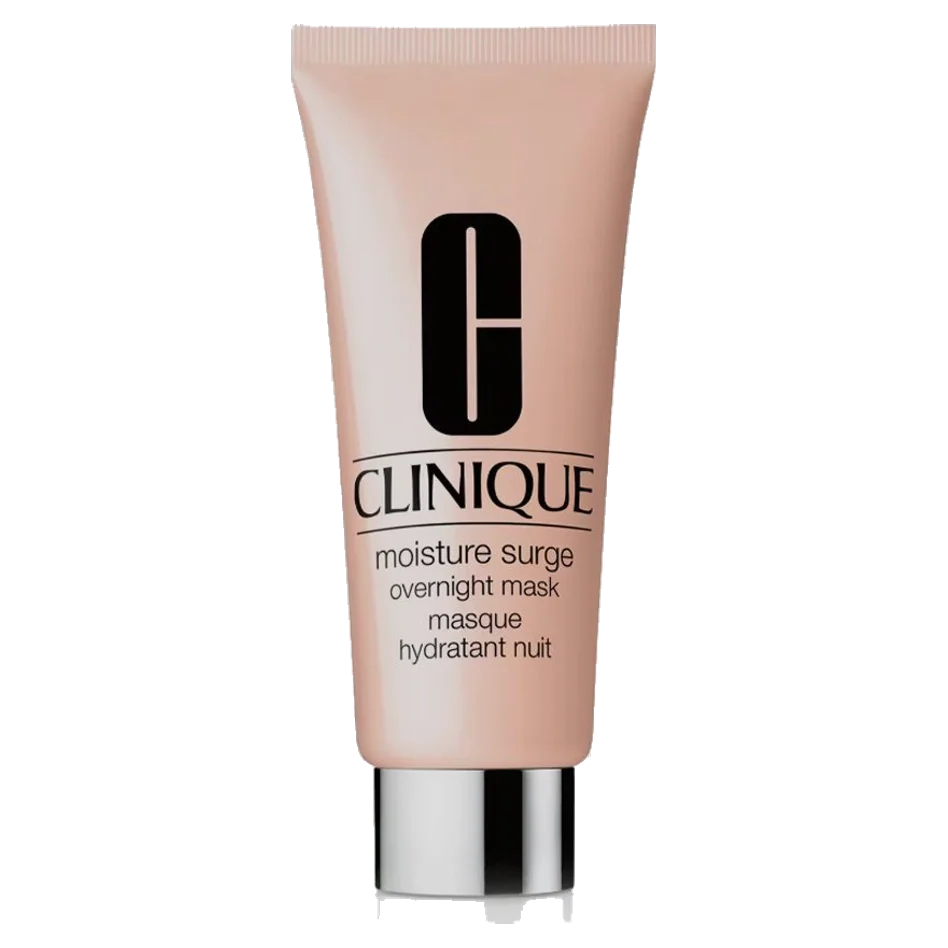
Clinique
Moisture Surge Overnight Mask
26th of 42 on the label
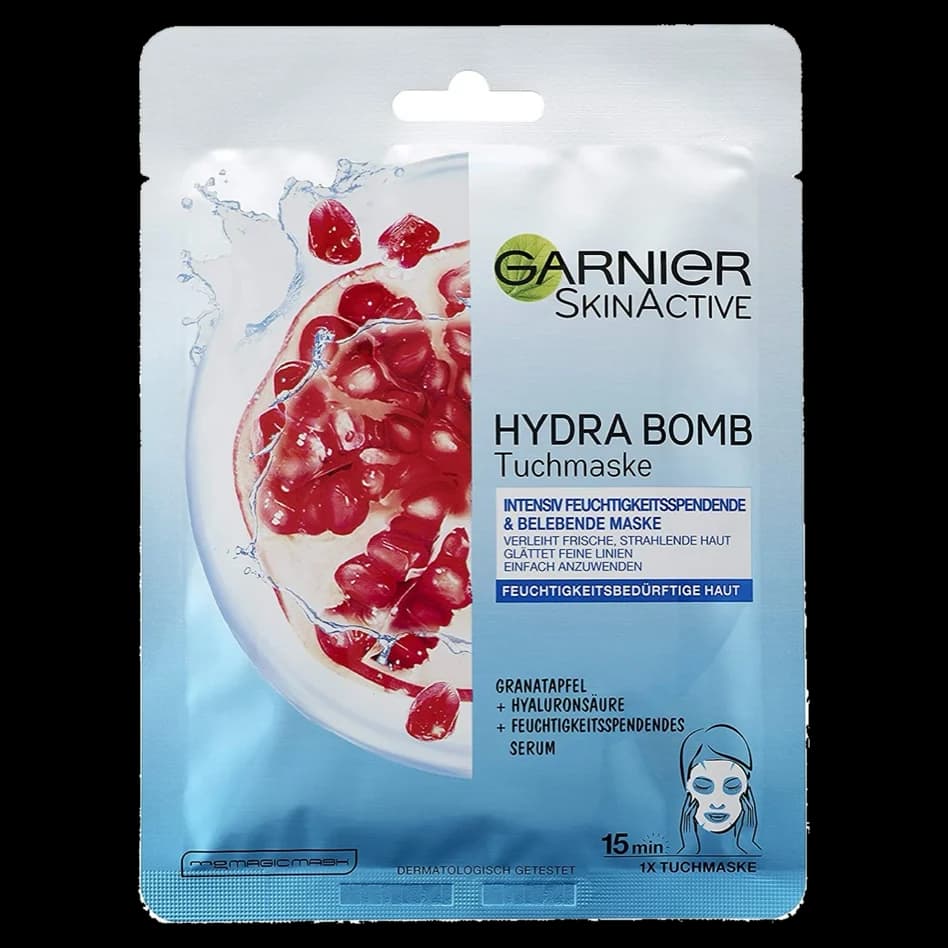
Garnier
SkinActive Hydra Bomb Tissue Mask Pomegranate
4th of 29 on the label
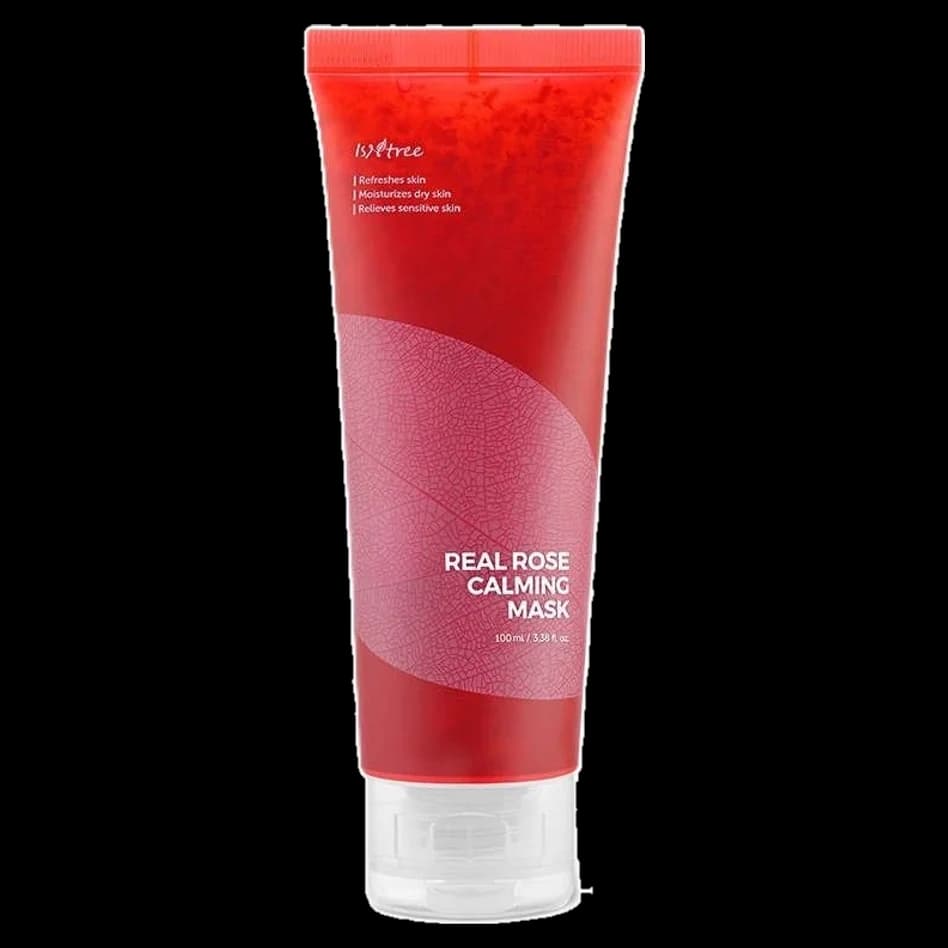
Isntree
Real Rose Calming Mask
15th of 31 on the label
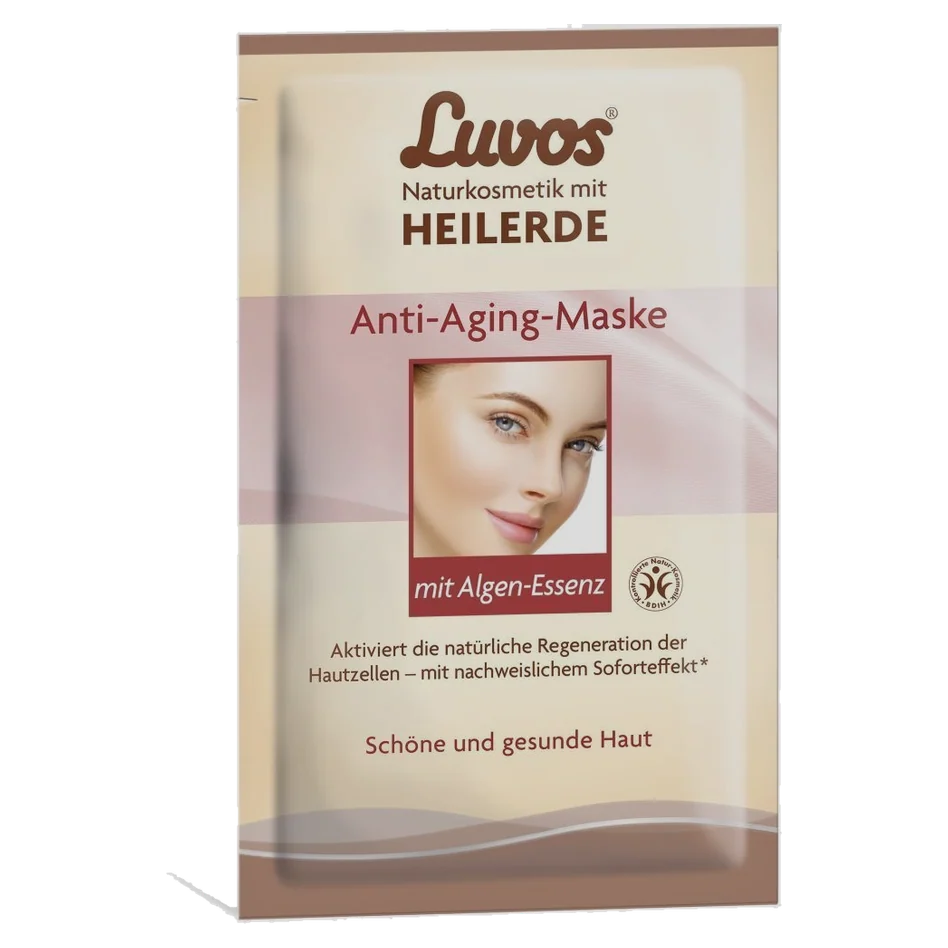
Luvos-Heilerde
Anti-Aging-Maske
2nd of 27 on the label
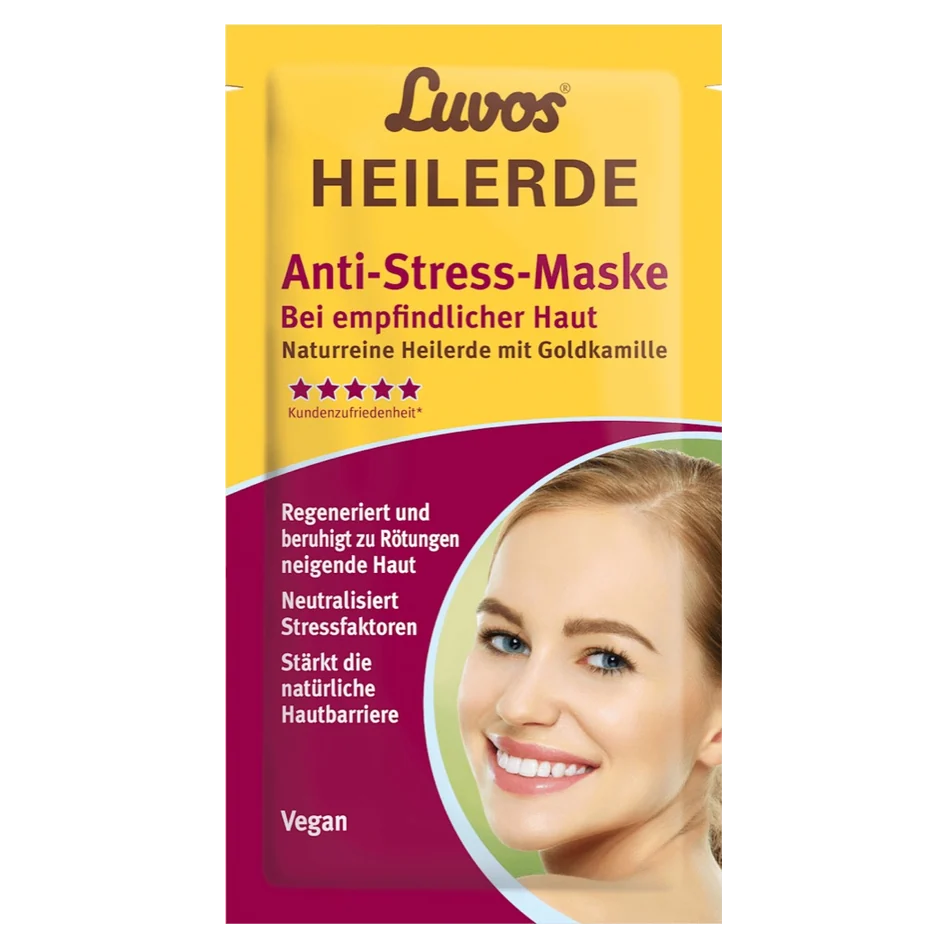
Luvos-Heilerde
Anti-Stress-Maske
2nd of 33 on the label
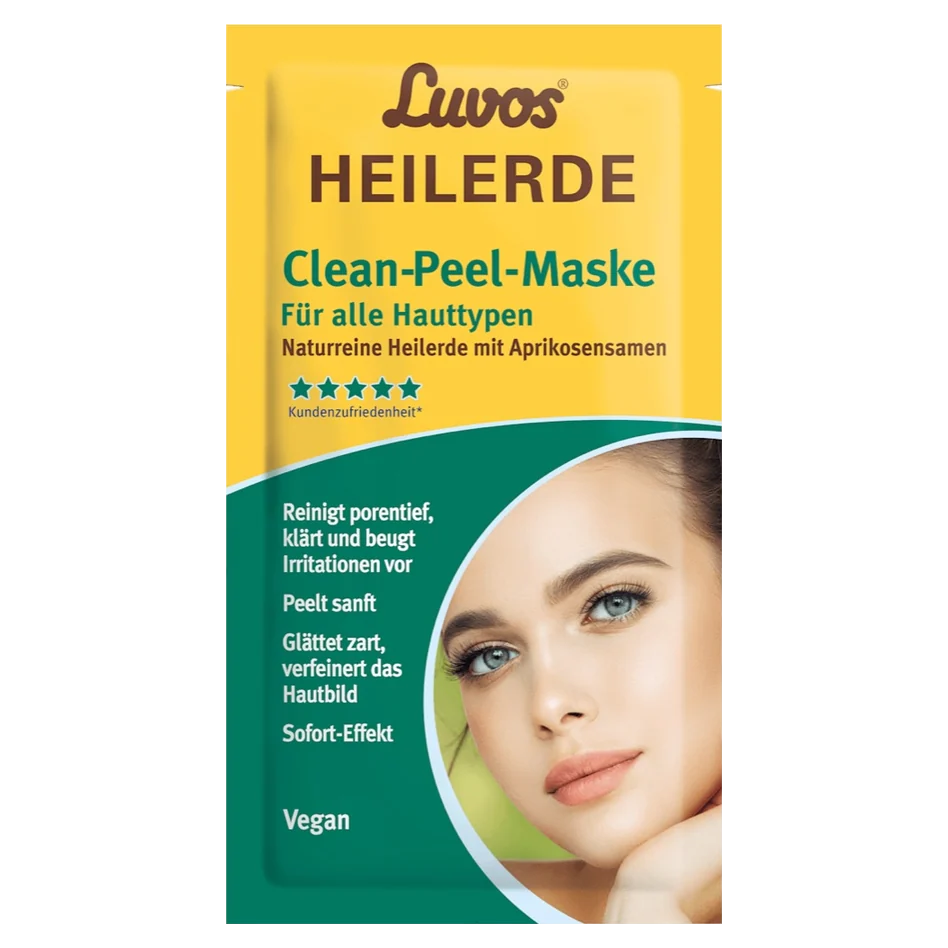
Luvos-Heilerde
Clean-Peel-Maske
2nd of 29 on the label
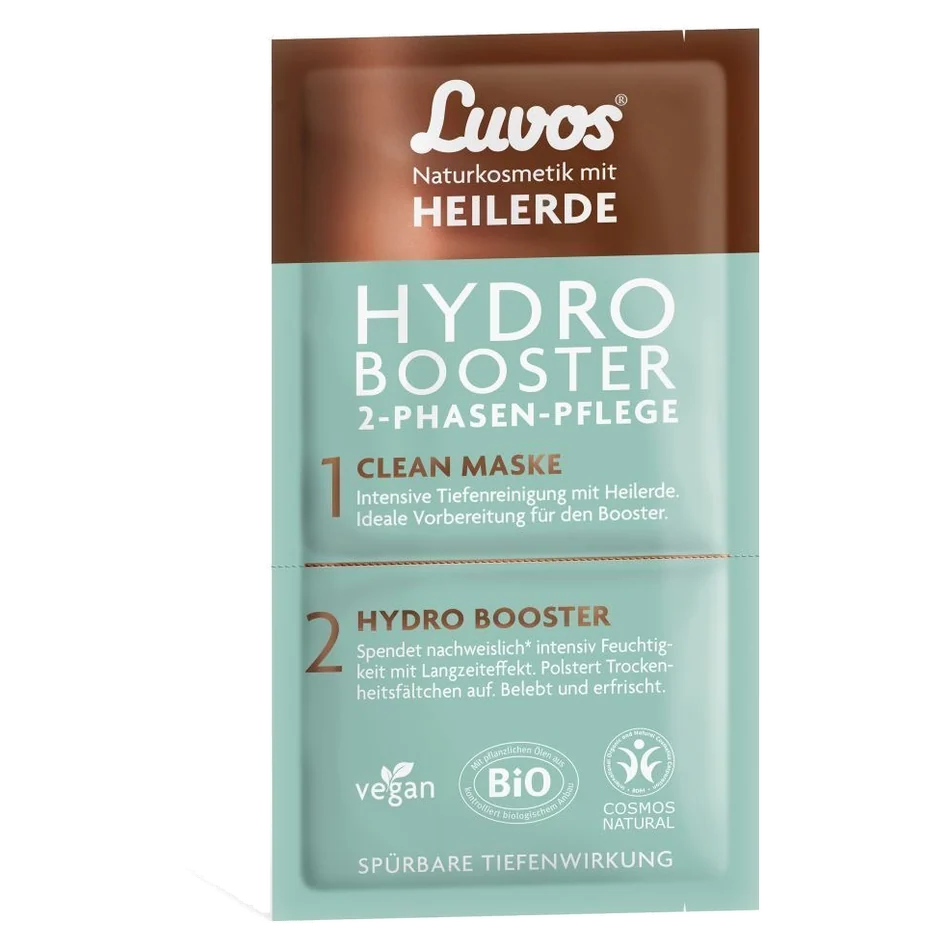
Luvos-Heilerde
Hydro Booster mit Clean Maske
2nd of 63 on the label
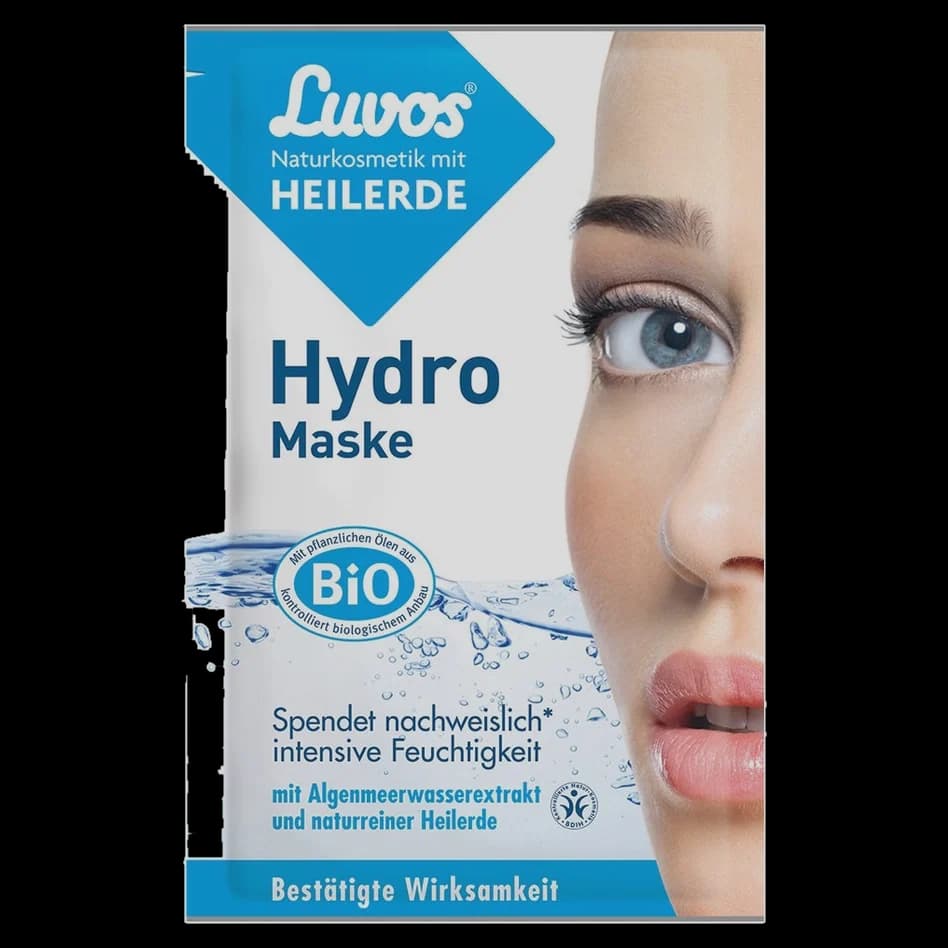
Luvos-Heilerde
Hydro-Maske
2nd of 33 on the label
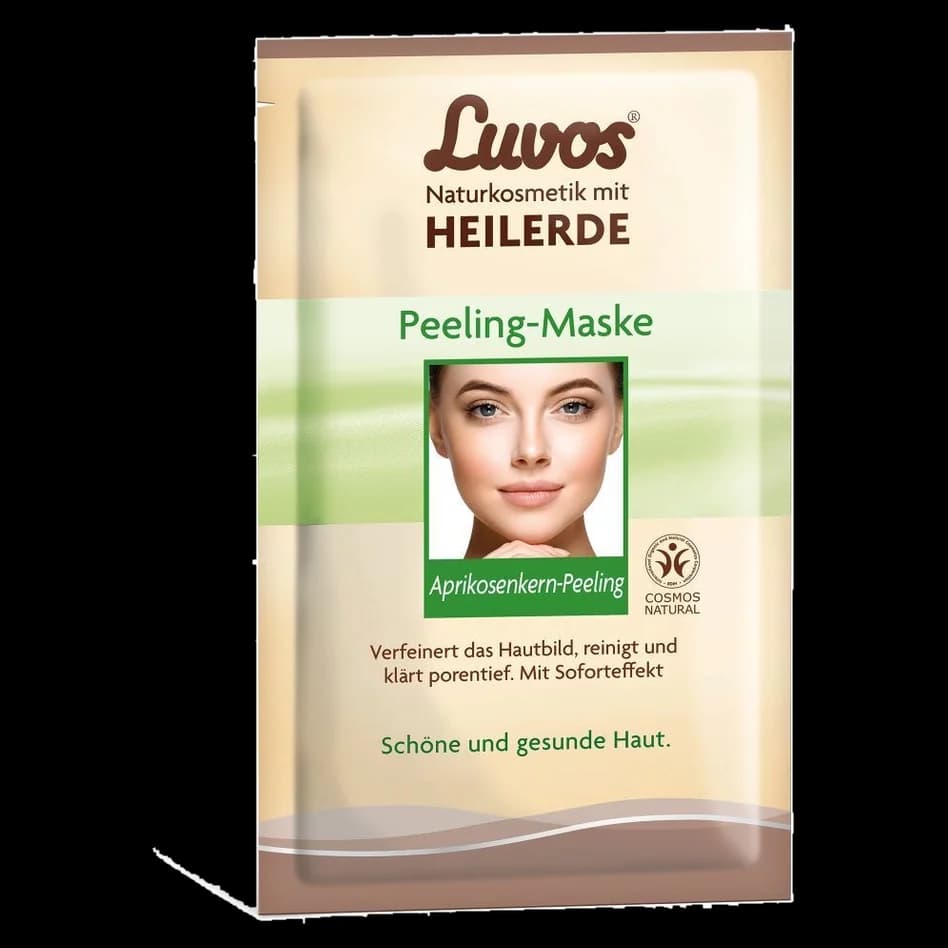
Luvos-Heilerde
Peeling-Maske
2nd of 29 on the label
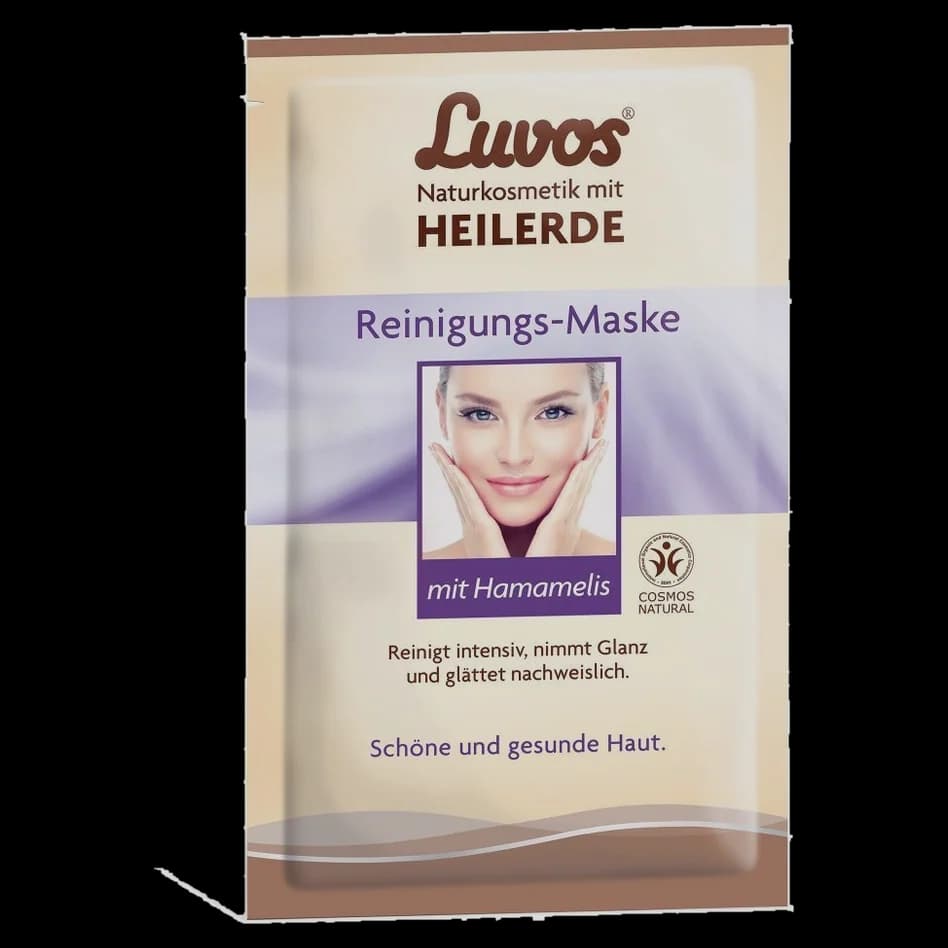
Luvos-Heilerde
Reinigungs-Maske
2nd of 28 on the label
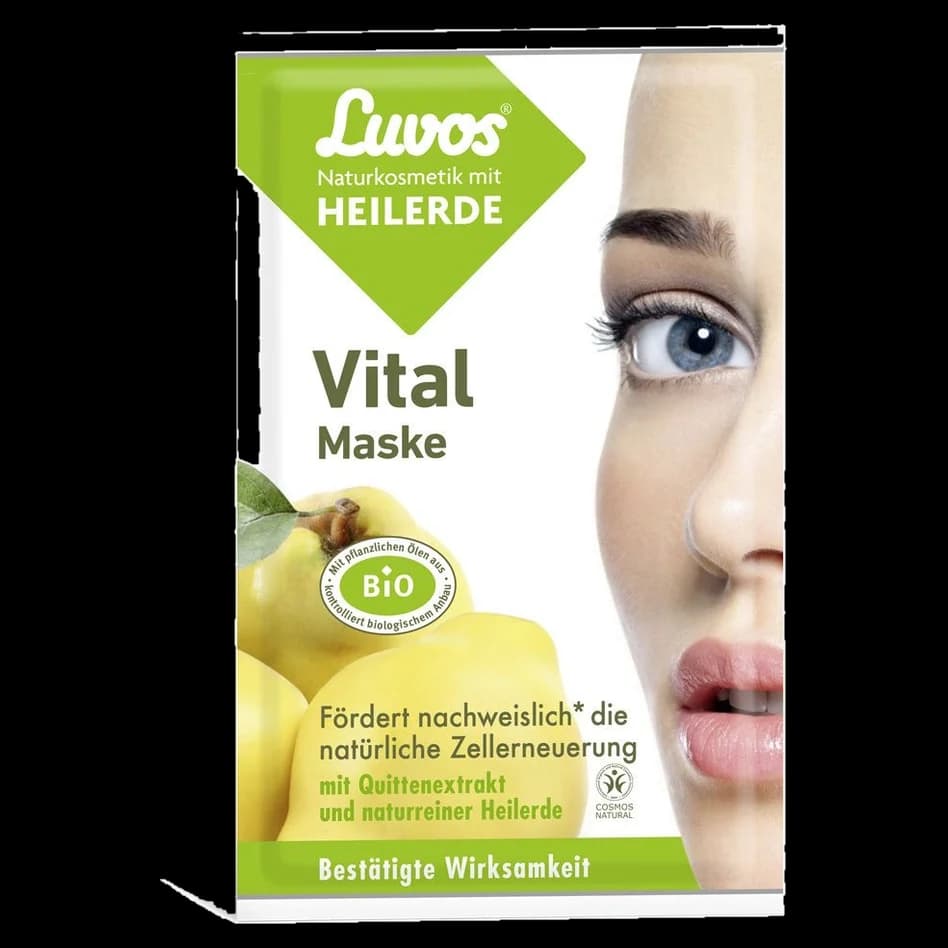
Luvos-Heilerde
Vital-Maske
2nd of 30 on the label
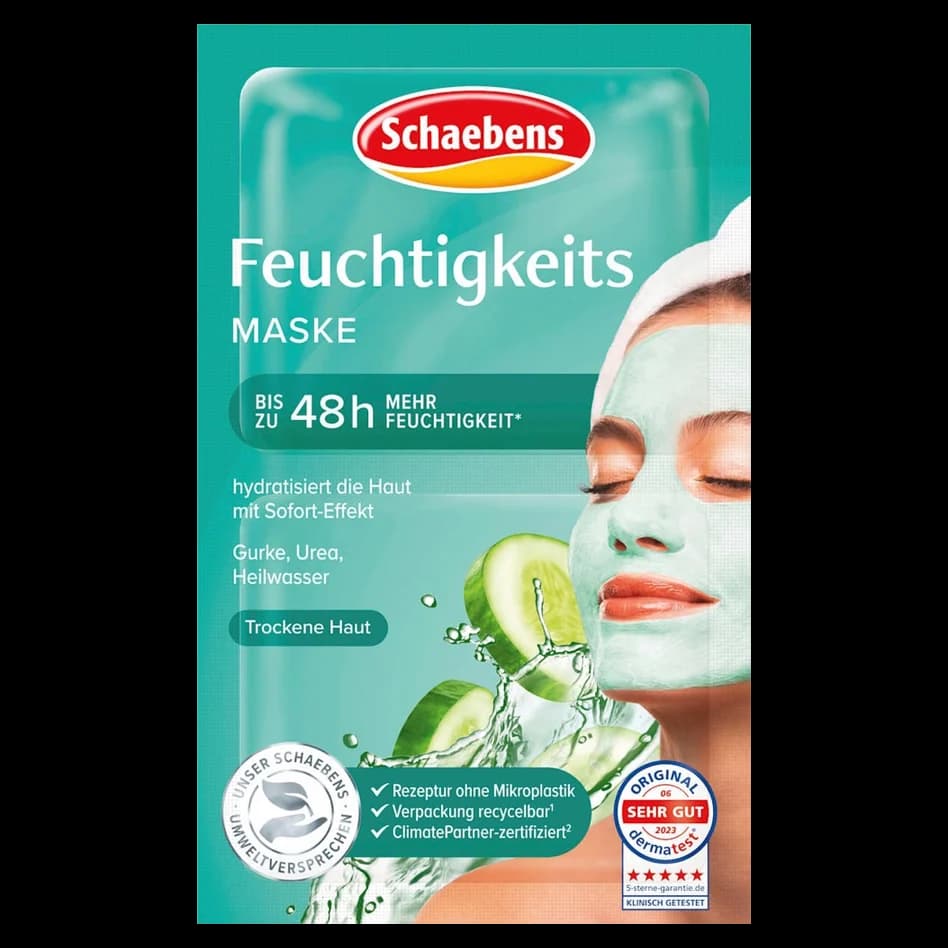
Schaebens
Gesichtsmaske Feuchtigkeit Sofort-Effekt
6th of 38 on the label
Sensai
Cellular Performance Extra Intensive Mask
3rd of 44 on the label
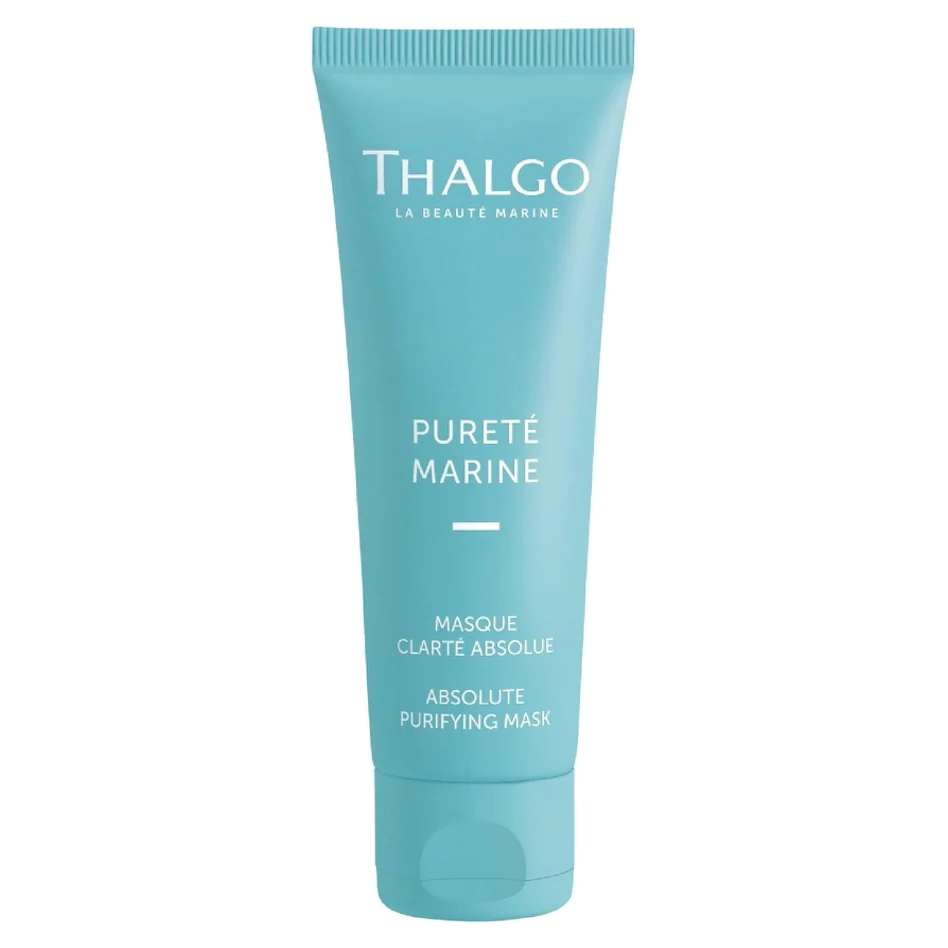
THALGO
Klärende Intensiv-Maske
22nd of 32 on the label
below ≈1%
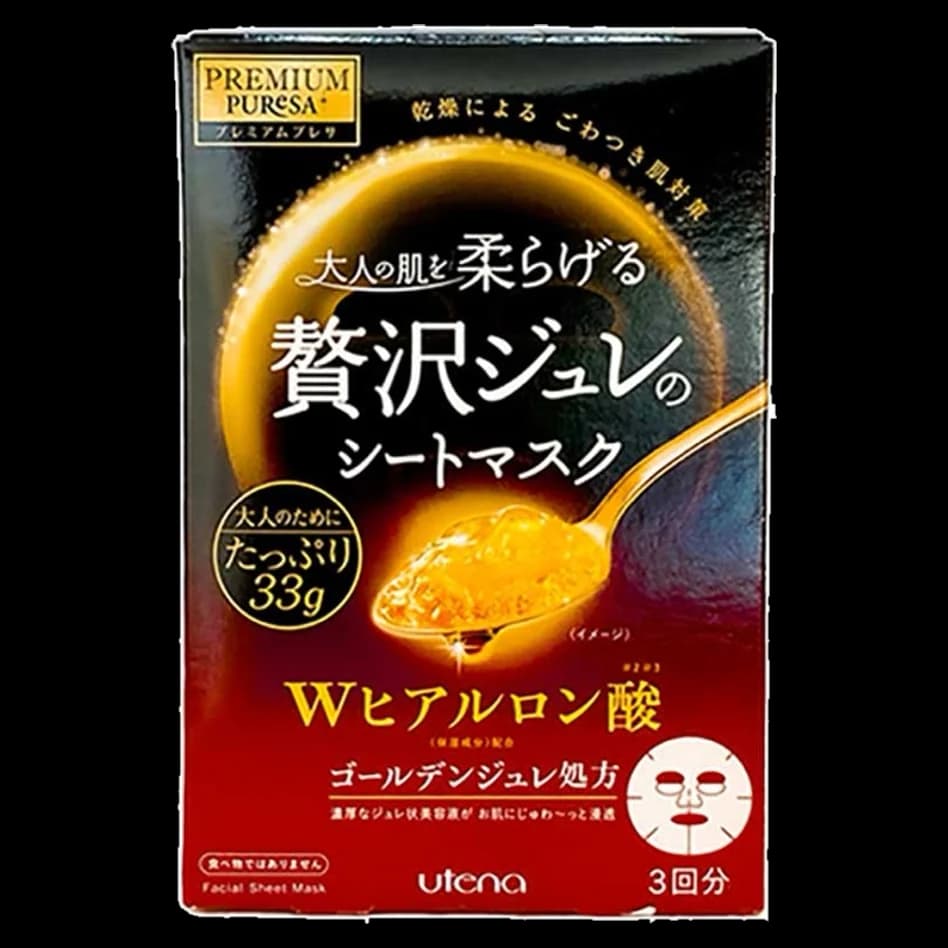
Utena
Premium Puresa Golden Jelly Mask (Hyaluronic Acid)
19th of 35 on the label