Prunus Amygdalus Dulcis (Sweet Almond) Oil
Sweet almond oil
No meaningful concern for most people; irritation is possible but rare.
Also written as: Prunus Amygdalus Dulcis Oil · Prunus Dulcis Oil · Sweet Almond Oil
What it is
Sweet almond oil is cold-pressed or refined from the kernels of Prunus amygdalus dulcis, the edible almond, and is dominated by oleic acid with a useful share of linoleic acid. It has a mild, slightly nutty character, sinks in at a moderate pace, and has centuries of traditional use for dry and irritated skin. Reviews of its use in skincare find real but inconsistently evidenced benefits for stratum corneum integrity.
How it shows up on a label
Common in cream and sleeping masks aimed at dry skin, and never a trace addition here: not one of the thirteen masks carrying it prints it in the last third of the list, and eleven of the thirteen sit above the point where ingredient order stops indicating quantity.
What it does well
Reliable emollient for dry and rough skin
A 2022 review of the clinical literature concluded almond oil can strengthen stratum corneum integrity and recovery, while noting that the underlying trials are small and methodologically uneven.
Limited evidence
Worth knowing
It is a genuine tree nut oil
Almond is one of the nuts EU food law requires to be declared as an allergen. Refined cosmetic oils contain very little residual protein, but analytical work has found IgE-reactive protein surviving refinement in at least one nut oil, and a large birth-cohort study linked applying peanut-oil-containing skin preparations to inflamed infant skin with later peanut allergy. The sensible position is caution on broken or eczematous skin, particularly in children, rather than blanket avoidance.
Matters most toPeople with a diagnosed almond or tree-nut allergy, and parents applying oils to infants with eczema.
Where the EU stands
No specific restriction
Not listed in any Annex of the EU Cosmetics Regulation, so there is no specific concentration limit; it is still covered by the general safety assessment every cosmetic product must pass before sale.
Regulation (EC) No 1223/2009 - no annex entry · source ↗
Sources (2)
Every link goes to the original: a journal, a PubMed record or an EU document.
- [1]Factors associated with the development of peanut allergy in childhood
New England Journal of Medicine · 2003 · doi:10.1056/NEJMoa013536
In a cohort of nearly 14,000 children, peanut allergy was independently associated with the use of skin preparations containing peanut oil, suggesting sensitisation can occur through inflamed skin.
- [2]Analytic investigations on protein content in refined seed oils: implications in food allergy
Food and Chemical Toxicology · 2008 · doi:10.1016/j.fct.2008.08.005
Refined seed oils retain more residual protein than previously reported, and IgE-responsive proteins were detectable in refined peanut oil extracts.
Masks that contain Prunus Amygdalus Dulcis (Sweet Almond) Oil
alverde Naturkosmetik
Gesichtsmaske Q10 mit Vitamin C
2nd of 40 on the label
Balea
Gesichtsmaske Hyaluron
9th of 29 on the label
Balea
Gesichtsmaske Milch & Honig
21st of 36 on the label
below ≈1%
Balea MEN
Gesichtsmaske Q10 Anti-Falten
10th of 28 on the label
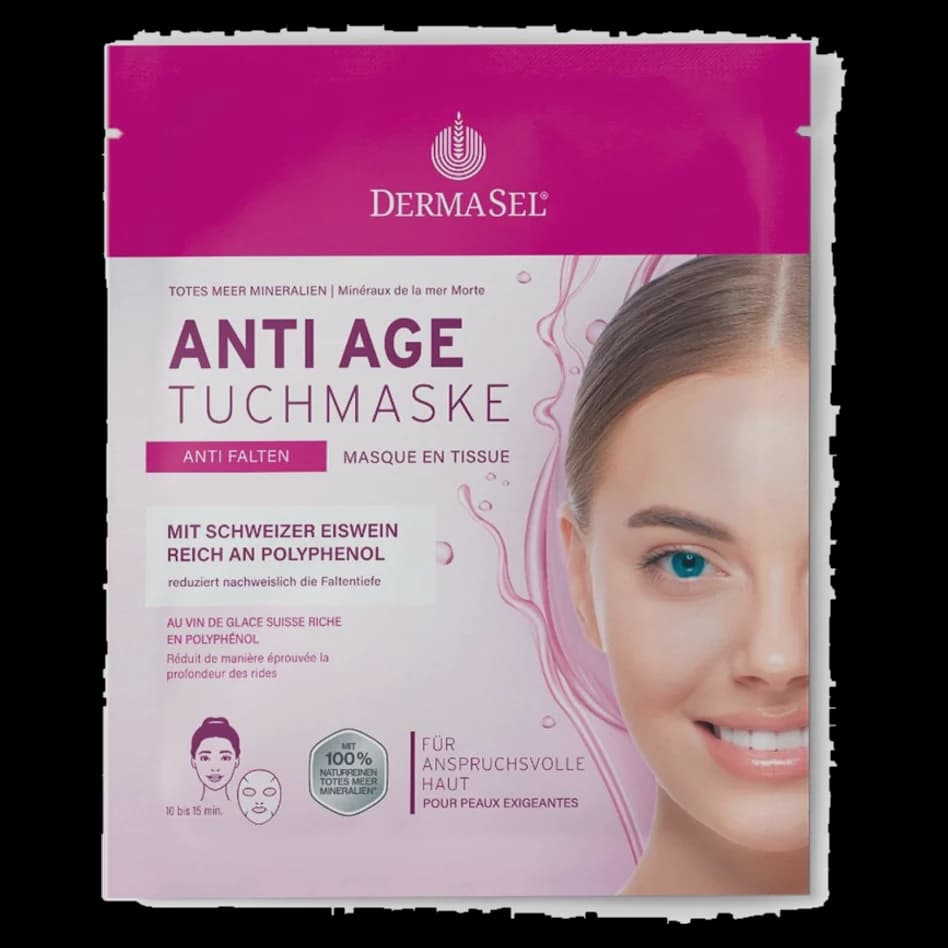
DERMASEL
Totes Meer Anti-Age Tuchmaske
6th of 23 on the label
Dr. Barbara Sturm
Face Mask
4th of 18 on the label
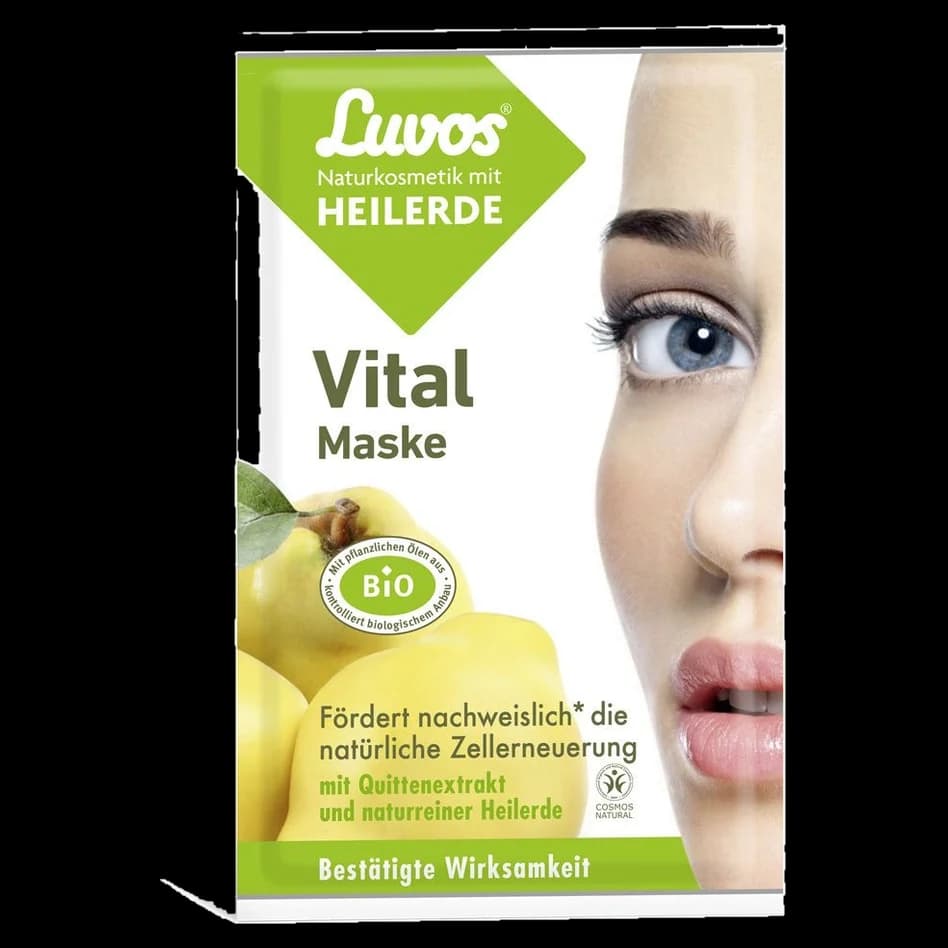
Luvos-Heilerde
Vital-Maske
14th of 30 on the label
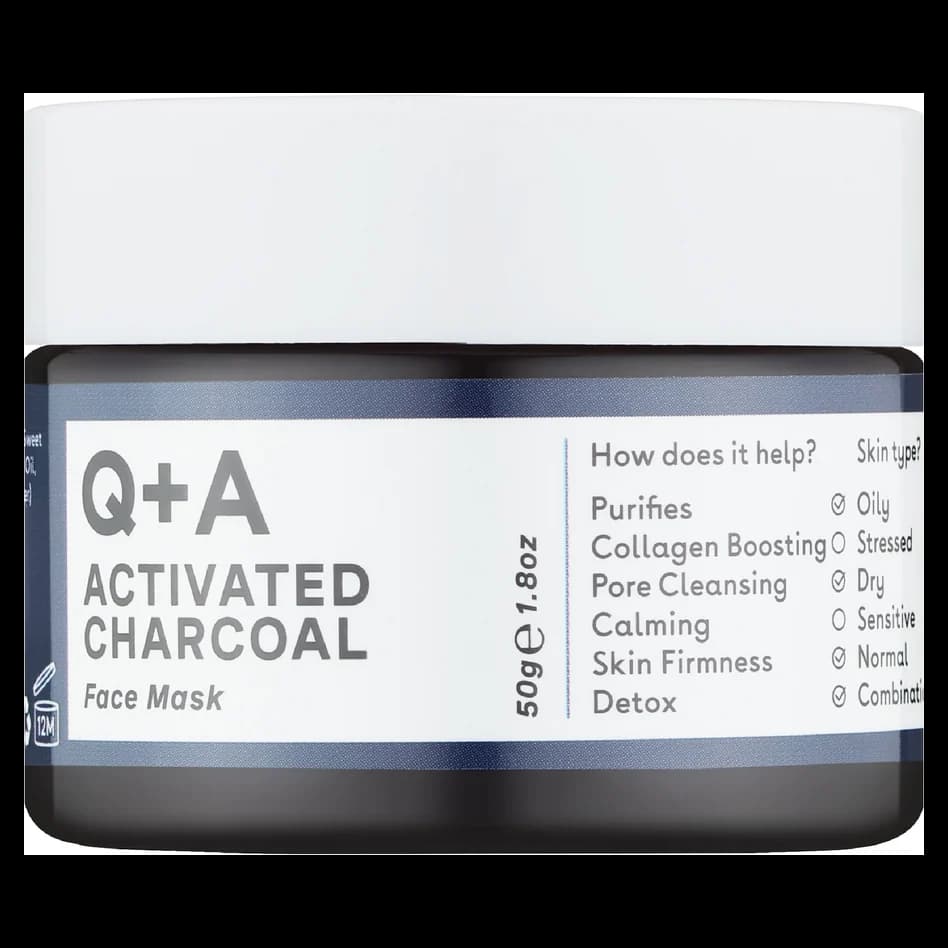
Q+A
Activated Charcoal Face Mask
5th of 18 on the label
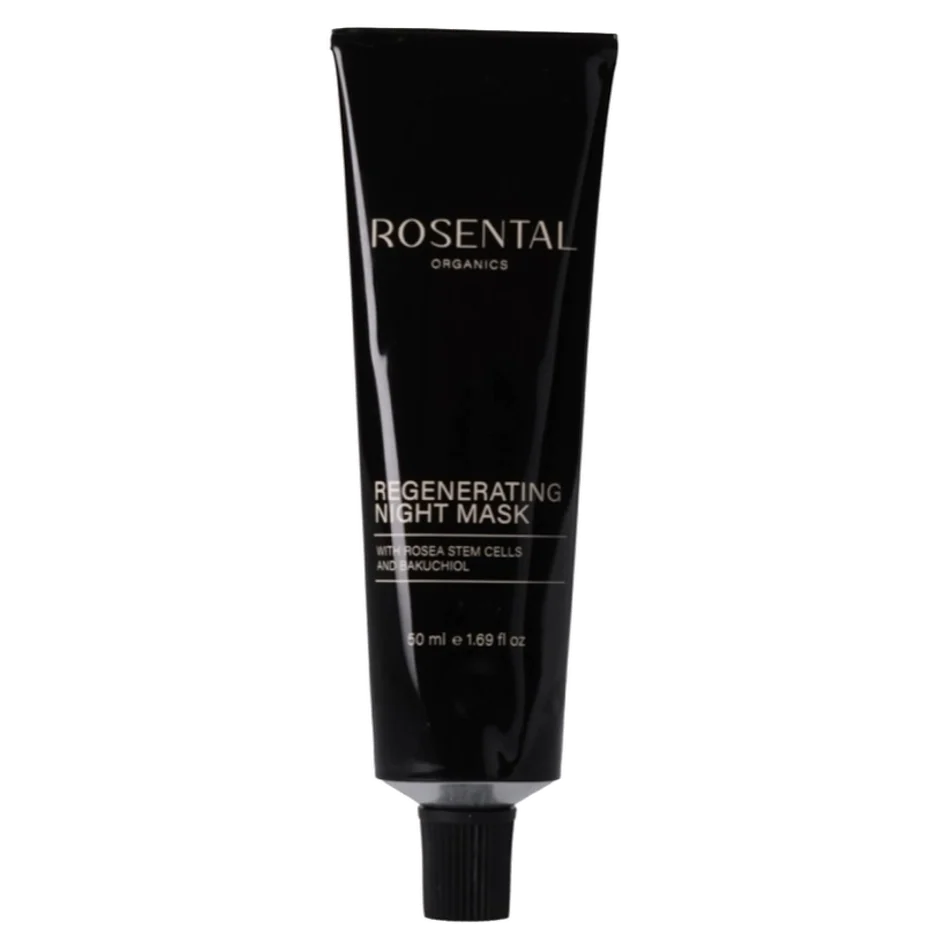
Rosental Organics
Regenerating Night Mask
3rd of 44 on the label
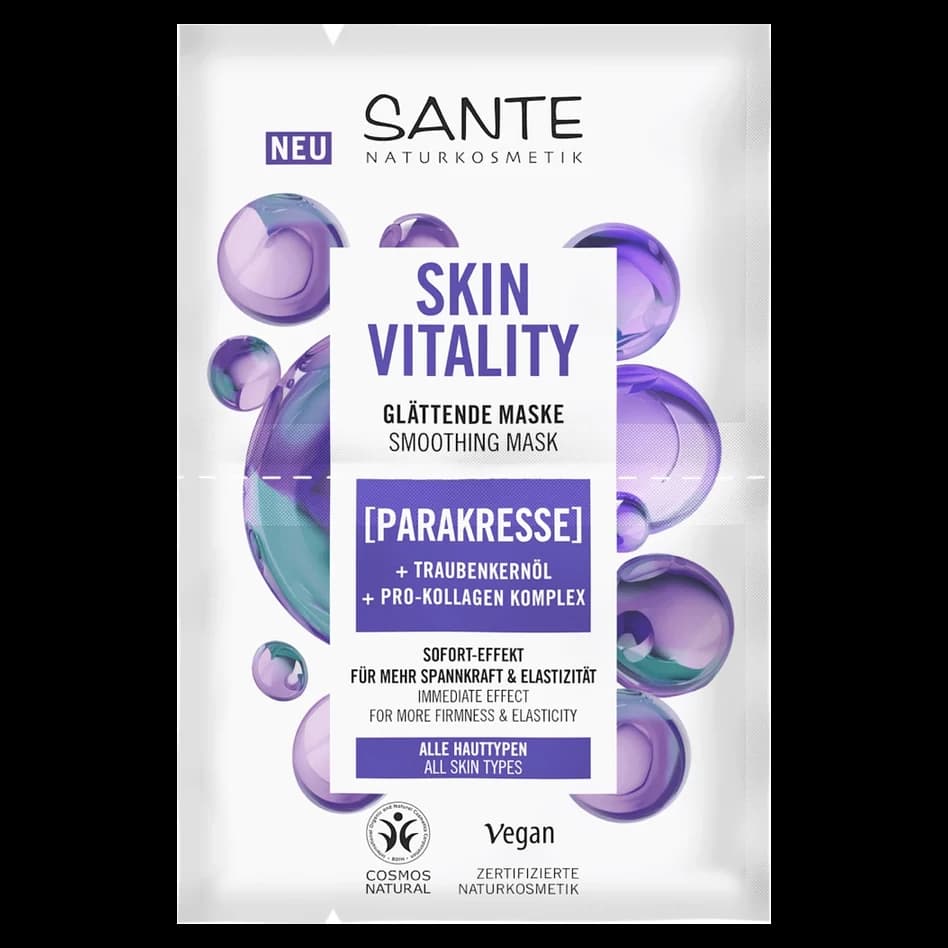
Santé Naturkosmetik
Skin Vitality Maske Parakresse
10th of 33 on the label
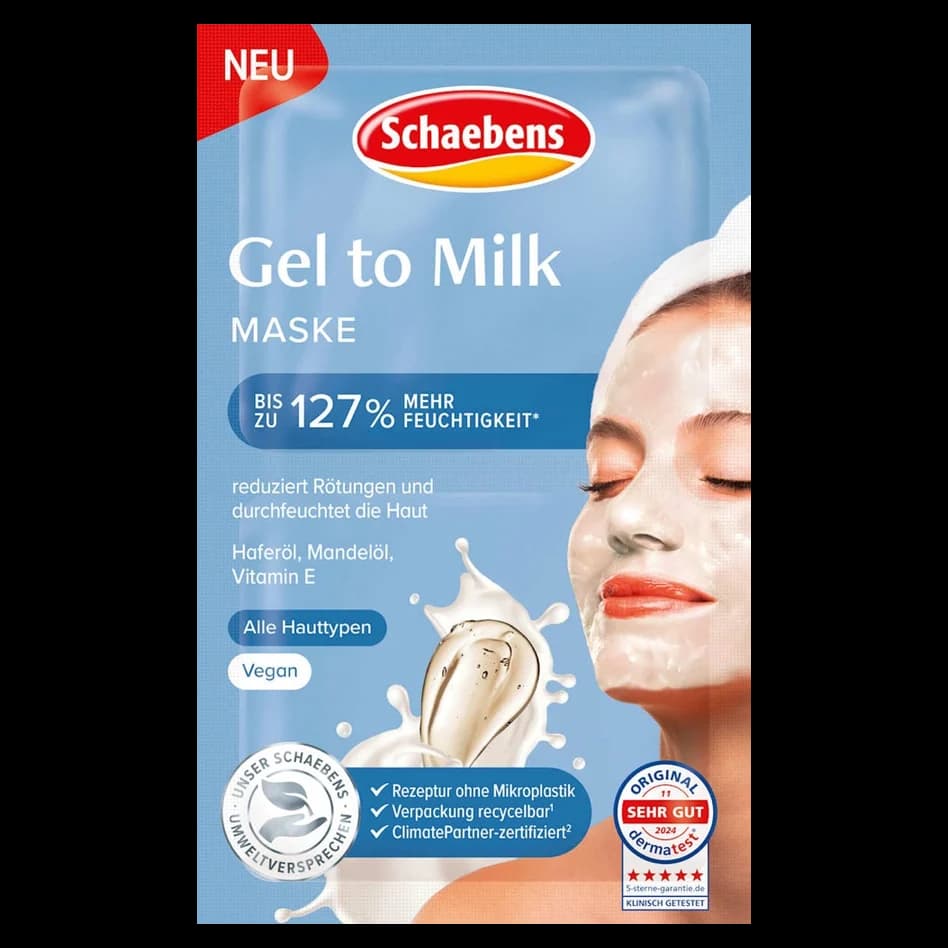
Schaebens
Gesichtscrememaske Gel to Milk
5th of 21 on the label
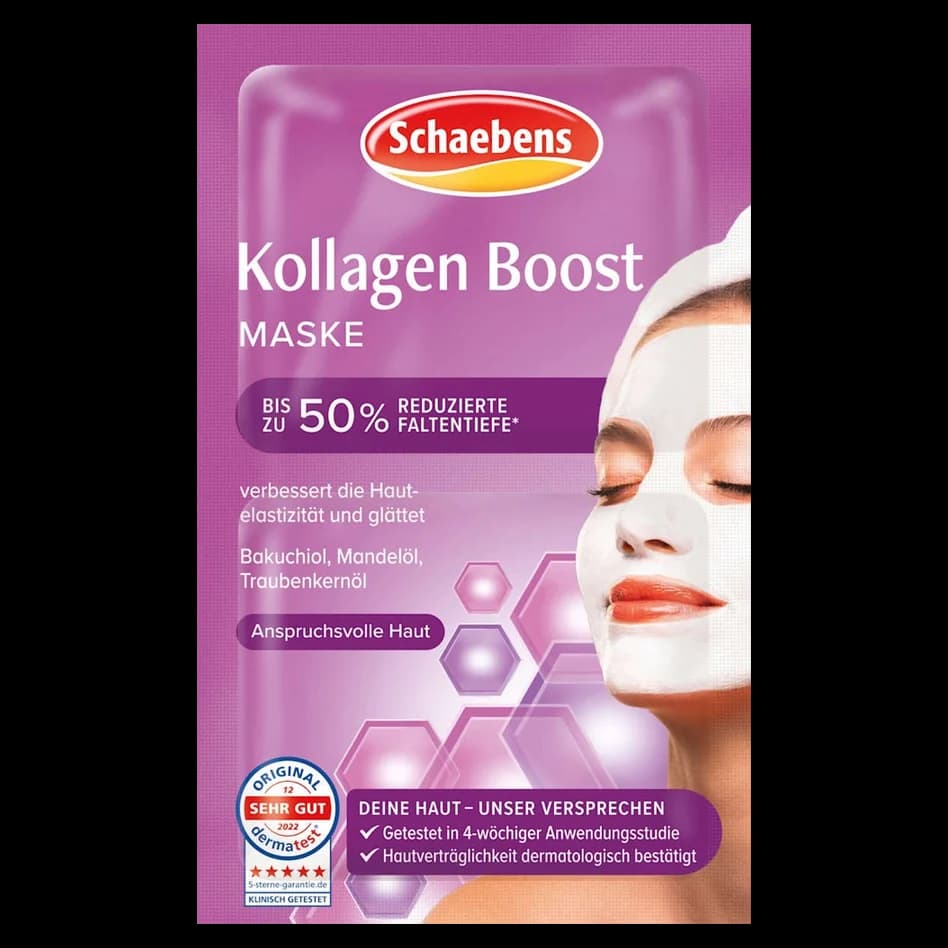
Schaebens
Gesichtsmaske Kollagen Boost
9th of 27 on the label
below ≈1%
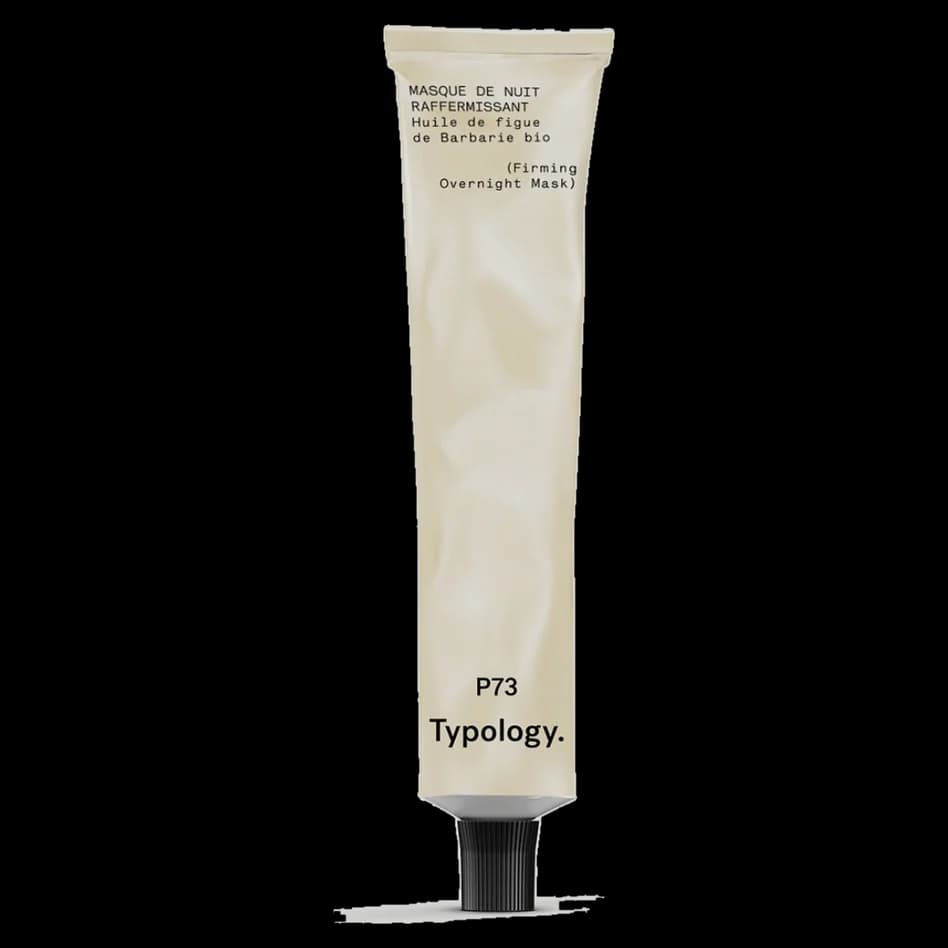
Typology
Masque de Nuit Raffermissant P73 (Firming Night Mask)
5th of 24 on the label