Ubiquinone
Coenzyme Q10
No meaningful concern for most people; irritation is possible but rare.
Also written as: Coenzyme Q10 · CoQ10 · Q10 · Ubidecarenone
What it is
Ubiquinone is the ingredient most packs call coenzyme Q10, or simply Q10. The body makes it, and it sits in cell membranes and in the mitochondrial electron transport chain, where it shuttles electrons and doubles as a fat-soluble antioxidant. Skin carries more of it in the epidermis than in the dermis, and that epidermal level falls with ultraviolet exposure and with photoageing, which is the rationale for putting it back. Cosmetic supply is by fermentation or synthesis rather than extraction from tissue.
How it shows up on a label
Six masks here print it, and unlike the barrier ceramides it usually sits above the point where ingredient order stops indicating quantity - five of the six put it above that point, and its deepest placing anywhere is the 17th of 26 rows. That is a little misleading on its own: the reported use levels are hundredths of a per cent, so a relatively high position reflects how short these lists are rather than a generous dose.
What it does well
An antioxidant the skin already contains
Ubiquinone is made by the body rather than being foreign to it, and it is found at higher concentration in the epidermis than the dermis - the layer where ultraviolet exposure and photoageing deplete it. That gives a coherent reason to top it up. It is a rationale rather than a demonstrated outcome, and it is not sun protection.
Moderate evidence
Reaches the living layers of skin when the formula carries it there
Applied in ethanol to pig skin it crossed the stratum corneum, with roughly 20% recovered in the epidermis and 2% in the dermis. In excised human tissue, 90% of the ubiquinone dissolved in a hydrophilic cream reached the viable epidermis against 60% from a microemulsion. Delivery therefore depends heavily on how the product is built, and these are measurements on excised tissue rather than on living people.
Limited evidence
Worth knowing
Named on the front of the pack, used at hundredths of a per cent
The highest leave-on use concentration reported across this group of ingredients in the CIR survey was 0.05%, in body and hand products, against a reported leave-on range running from 0.00075%. Two of the masks here carry Q10 in the product's own name. The distance between the billing on the front and the level in the formula is the single most useful thing to know about this ingredient.
Matters most toAnyone choosing a mask because Q10 is on the front of it.
The safety panel flagged a skin-lightening effect
The CIR report records data indicating that ubiquinone may have a skin-lightening effect, by inhibiting tyrosinase and so reducing melanin synthesis. The Panel noted that skin lightening is considered a drug effect and should not occur from using a cosmetic. Its concern was mitigated by the low concentrations actually used, but it advised that formulators should use these ingredients only in a way that does not cause depigmentation.
Matters most toAnyone using a Q10 product over hyperpigmentation, or watching for uneven lightening.
Published reactions concern a related ingredient, not this one
Four women developed facial eruptions and sensitisation to creams containing up to 1% hydroxydecyl ubiquinone, with positive patch tests at 0.5% and 1%. Hydroxydecyl ubiquinone is a different INCI ingredient - a shorter-chain synthetic analogue - and the reports should not be read across. Ubiquinone itself was neither an irritant nor a sensitiser at 6.3% in an animal maximisation test, and a formulation carrying 1% ubiquinone was non-irritating and non-sensitising in a repeat insult patch test of 50 people that included 8 with eczema and 18 with sensitive skin.
Matters most toAnyone who has read of reactions to Q10 products and is checking which ingredient was involved.
Where the EU stands
No specific restriction
Not listed in any Annex of the EU Cosmetics Regulation, so there is no specific concentration limit; it is still covered by the general safety assessment every cosmetic product must pass before sale.
Regulation (EC) No 1223/2009 - no annex entry · source ↗
Sources (4)
Every link goes to the original: a journal, a PubMed record or an EU document.
- [1]Safety Assessment of Ubiquinone Ingredients as Used in Cosmetics
Cosmetic Ingredient Review Expert Panel · 2022
The Panel concluded the four ubiquinone ingredients are safe as used, recorded a maximum reported leave-on use concentration of 0.05%, and advised that they be used only in a way that does not cause depigmentation.
- [2]Coenzyme Q10, a cutaneous antioxidant and energizer
BioFactors · 1999 · doi:10.1002/biof.5520090238
Reported that applied coenzyme Q10 penetrated the viable epidermis, lowered a measure of oxidation and suppressed collagenase expression in fibroblasts after ultraviolet A - early work from a manufacturer rather than an independent trial.
- [3]Investigation of ex vivo Skin Penetration of Coenzyme Q10 from Microemulsions and Hydrophilic Cream
Skin Pharmacology and Physiology · 2020 · doi:10.1159/000511443
Coenzyme Q10 sits at higher concentration in the epidermis than the dermis and penetrates poorly, so how much reaches the living layers depends on the carrier it is dissolved in.
- [4]Effective photoprotection of human skin against infrared A radiation by topically applied antioxidants: results from a vehicle controlled, double-blind, randomized study
Photochemistry and Photobiology · 2015 · doi:10.1111/php.12375
In 30 volunteers, a sunscreen plus an antioxidant mixture containing ubiquinone reduced infrared-driven MMP-1 expression where the sunscreen alone did not - a result for the mixture, which cannot be attributed to ubiquinone on its own.
Masks that contain Ubiquinone
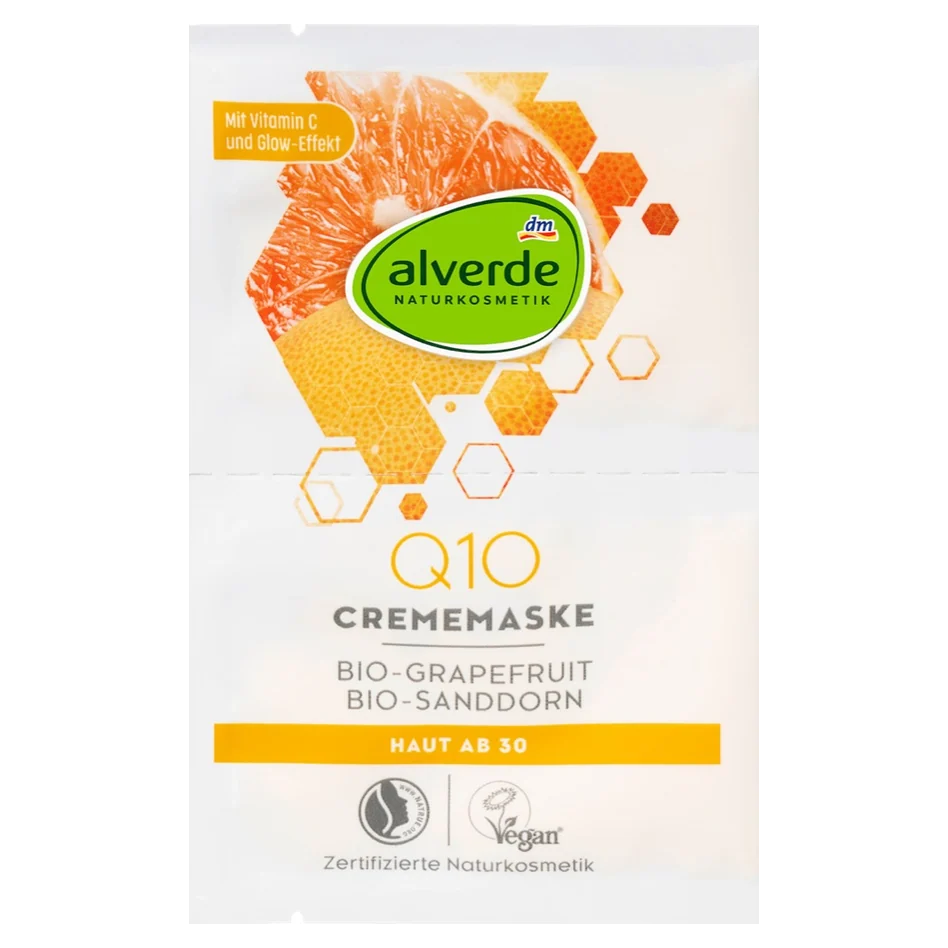
alverde Naturkosmetik
Gesichtsmaske Q10 mit Vitamin C
15th of 40 on the label
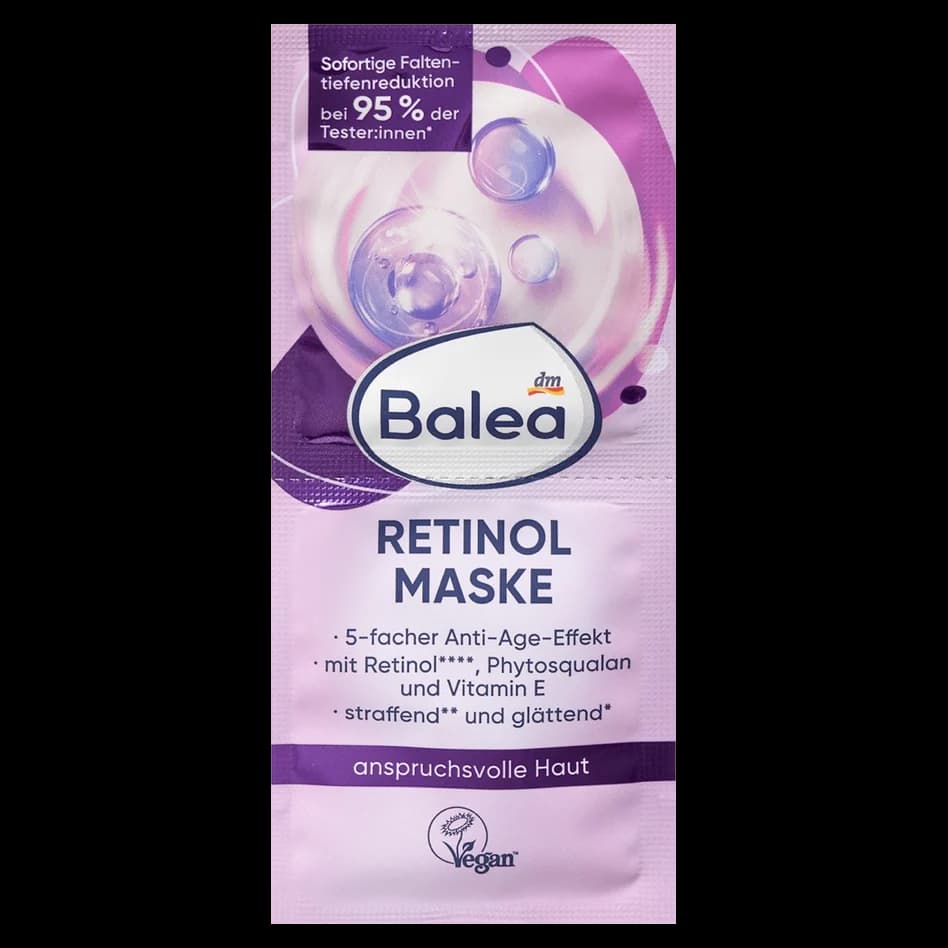
Balea
Gesichtsmaske Retinol
15th of 23 on the label
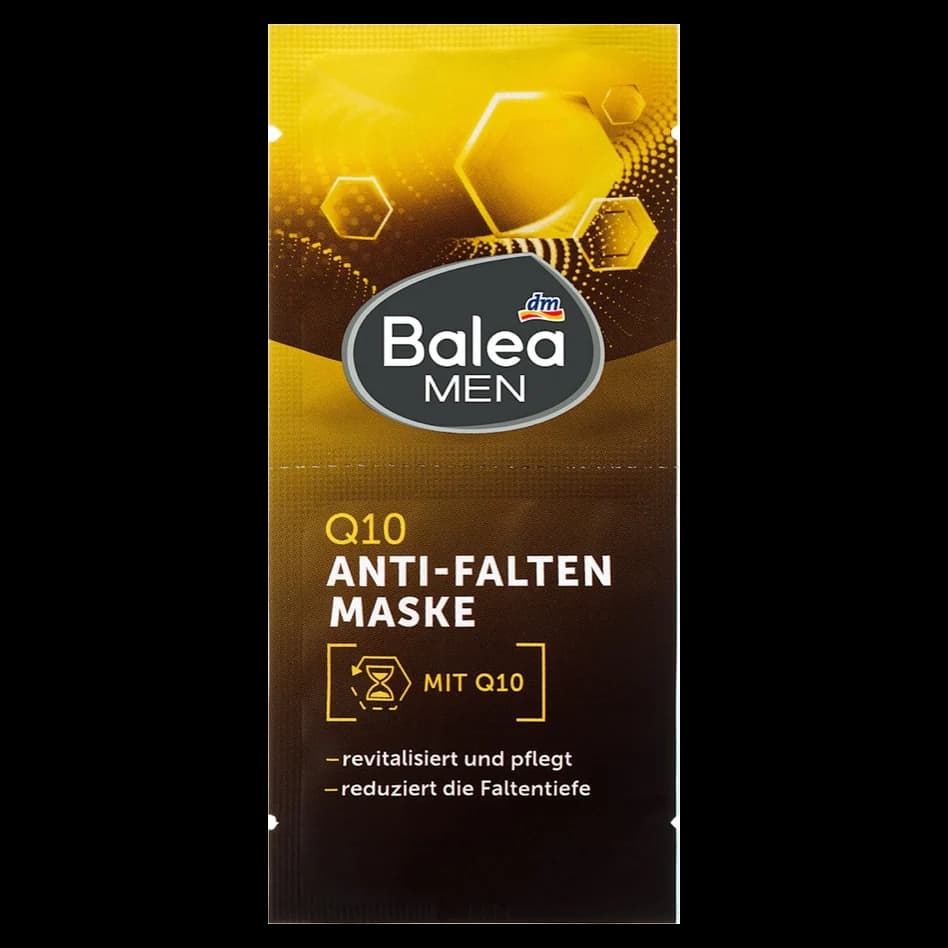
Balea MEN
Gesichtsmaske Q10 Anti-Falten
14th of 28 on the label
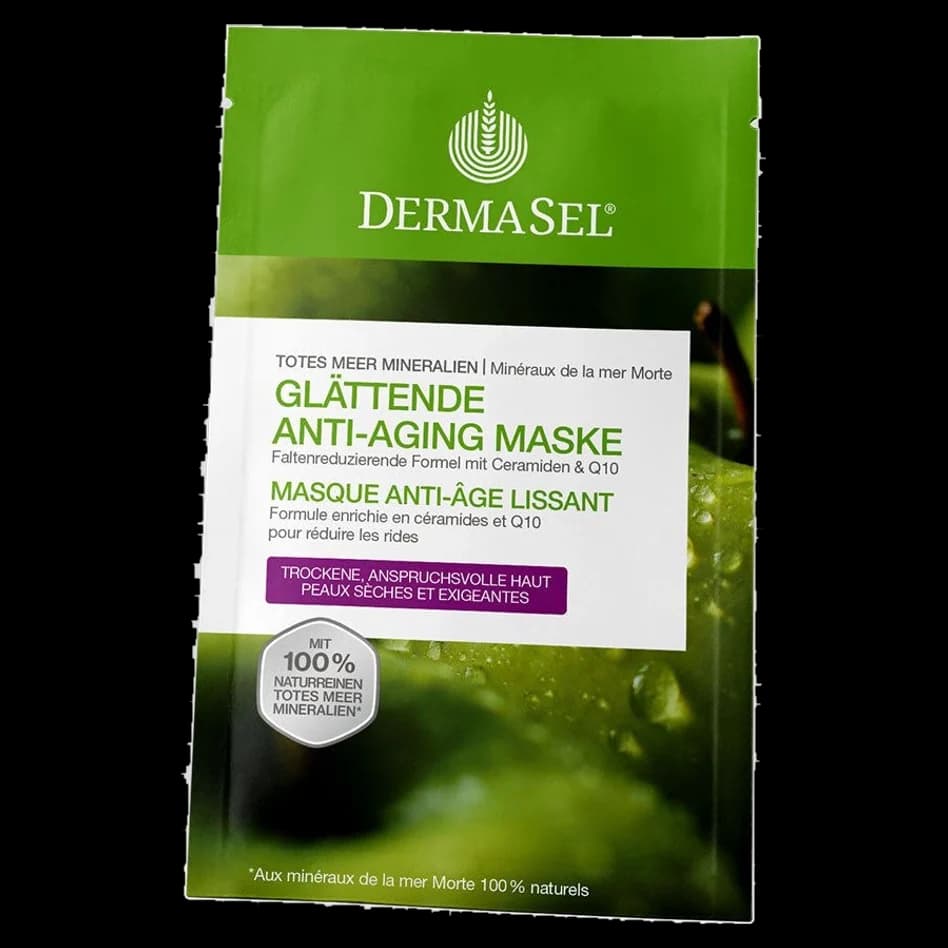
DERMASEL
EXKLUSIV Totes Meer Maske Anti Aging
17th of 26 on the label
below ≈1%
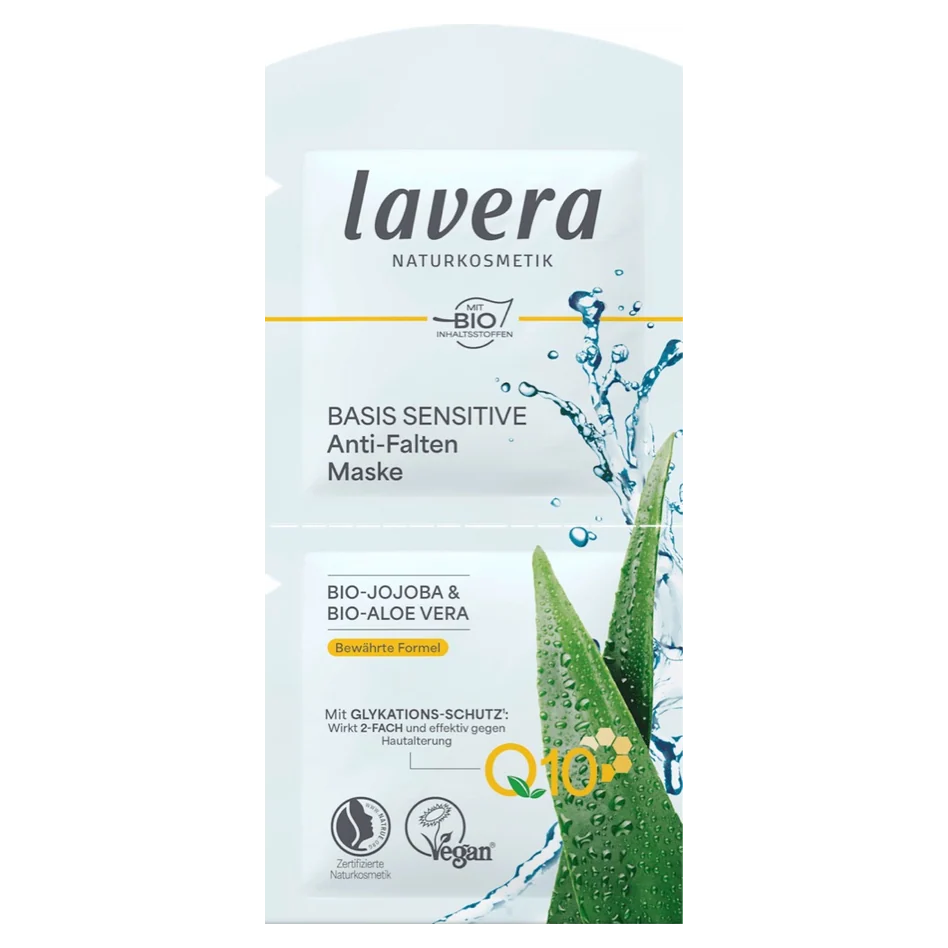
lavera
basis sensitiv Anti-Falten Gesichtsmaske
15th of 42 on the label
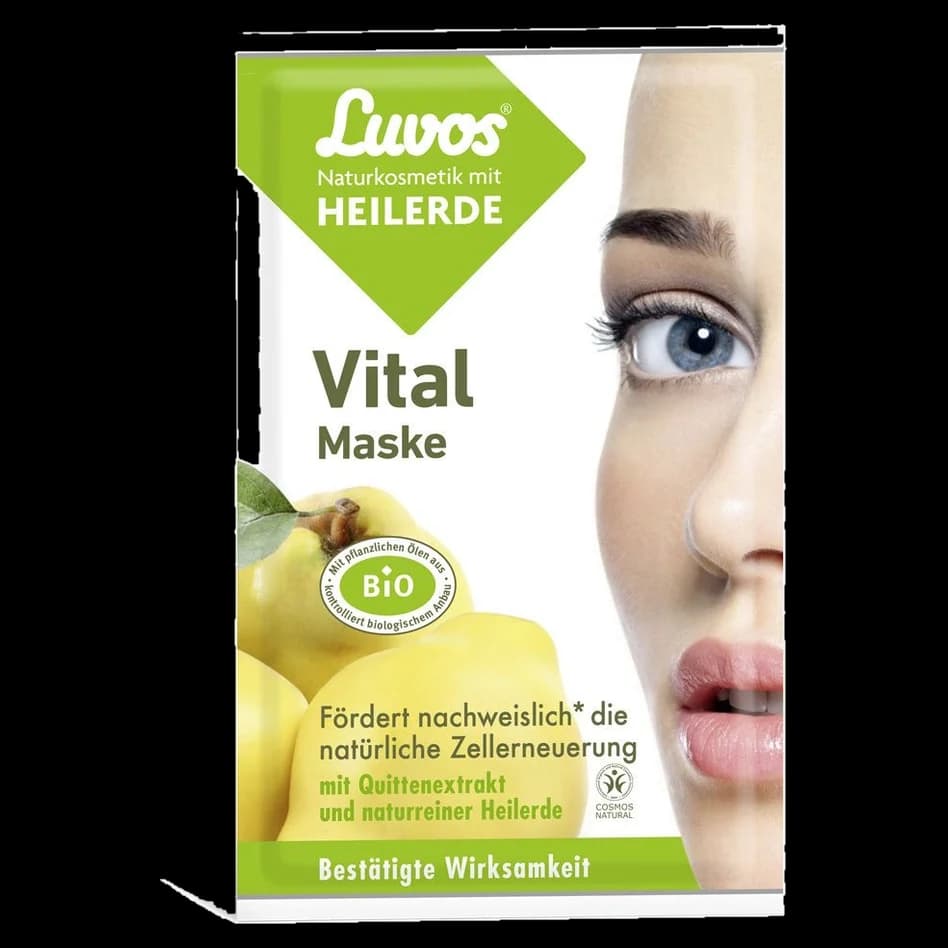
Luvos-Heilerde
Vital-Maske
11th of 30 on the label