Cetyl Alcohol
Fatty alcohol
No meaningful concern for most people; irritation is possible but rare.
Also written as: Hexadecan-1-ol · Palmityl alcohol
What it is
Cetyl alcohol is a 16-carbon fatty alcohol, solid and waxy at room temperature, usually derived from coconut or palm oil. Formulators use it to thicken emulsions, stabilise them and leave a smooth, cushioned finish; it has no relationship to the volatile alcohols that can dry skin.
What it does well
Adds body to a cream and leaves skin feeling soft
It is one of the most established emollient thickeners in cosmetic formulation, valued for a non-greasy, cushioned after-feel.
Strong evidence
Worth knowing
Rare contact allergy, mainly reported with medicated ointments
Positive patch tests to cetyl alcohol occur but are uncommon, and usually in patients with damaged skin using topical medicines long term.
Matters most toPeople with chronic eczema or a history of reacting to ointment bases.
Where the EU stands
No specific restriction
No EU restriction on use or concentration in cosmetics.
Regulation (EC) No 1223/2009 - no annex entry for cetyl alcohol; Cetylamine Hydrofluoride (Annex III entry 36, oral products) and the Cetyl Phosphate named in Annex VI entry 27a as a titanium dioxide (nano) coating are different substances · source ↗
Sources (1)
Every link goes to the original: a journal, a PubMed record or an EU document.
- [1]Seven cases of contact dermatitis due to stearyl alcohol contained in topical medications
The Journal of Dermatology · 2022 · doi:10.1111/1346-8138.16325
Patients allergic to stearyl alcohol in topical medicines sometimes also reacted to cetyl alcohol, confirming both as occasional but genuine allergens.
Masks that contain Cetyl Alcohol
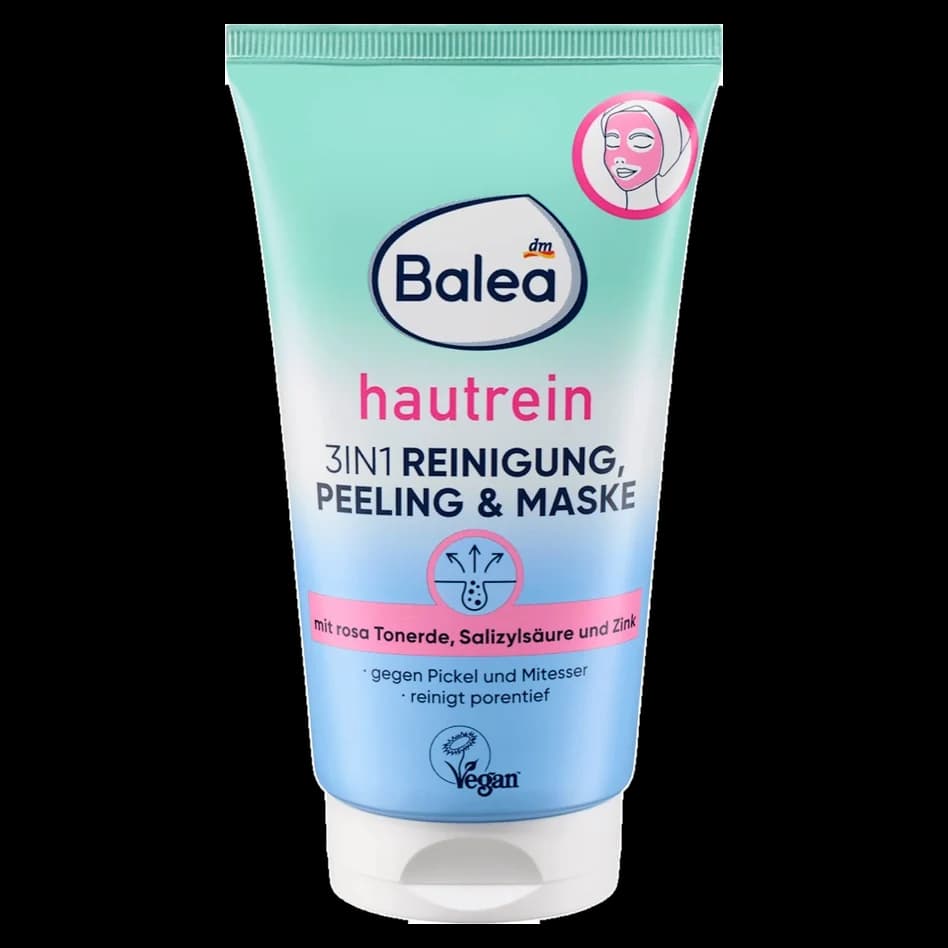
Balea
Reinigung, Peeling & Maske hautrein 3in1
4th of 18 on the label
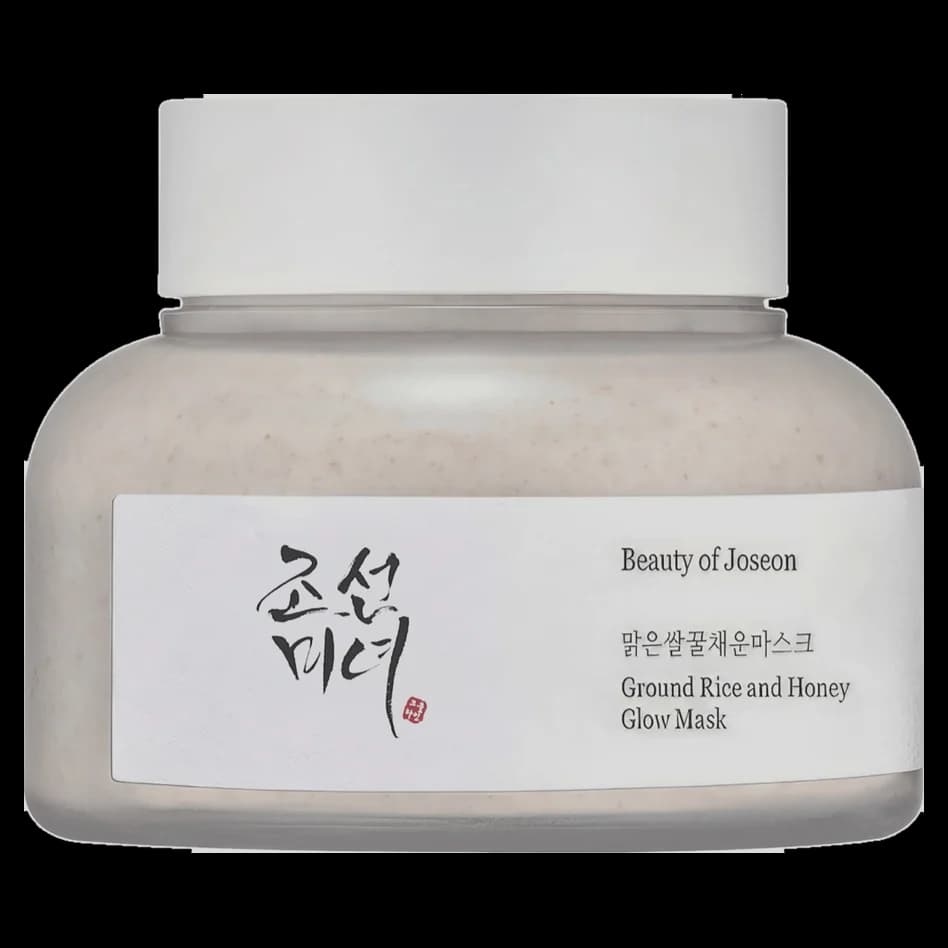
Beauty of Joseon
Ground Rice and Honey Glow Mask
10th of 35 on the label
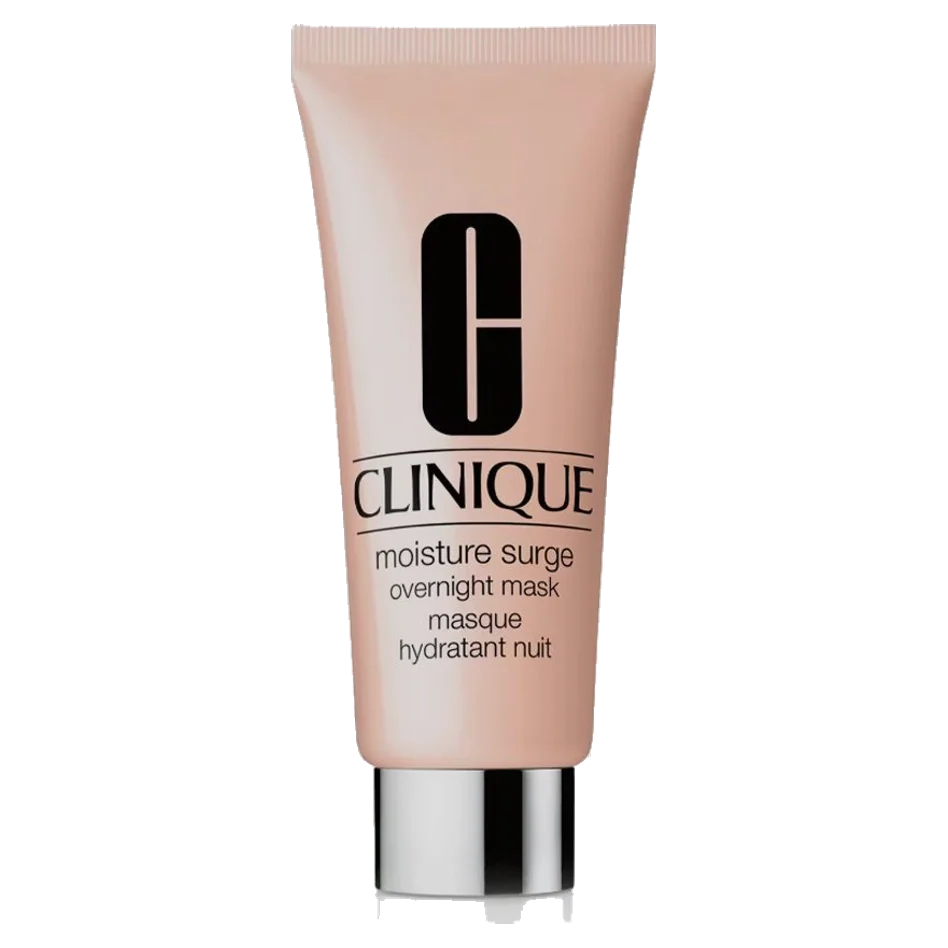
Clinique
Moisture Surge Overnight Mask
3rd of 42 on the label
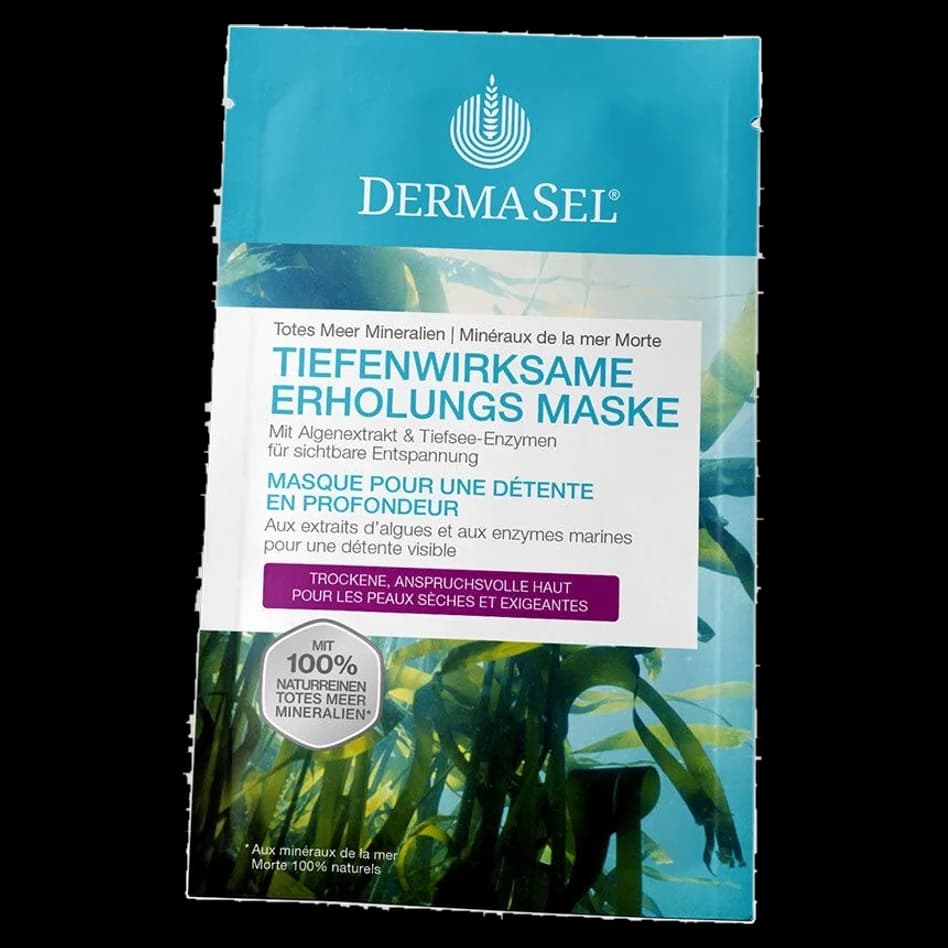
DERMASEL
SPA Totes Meer Maske Erholung
5th of 31 on the label
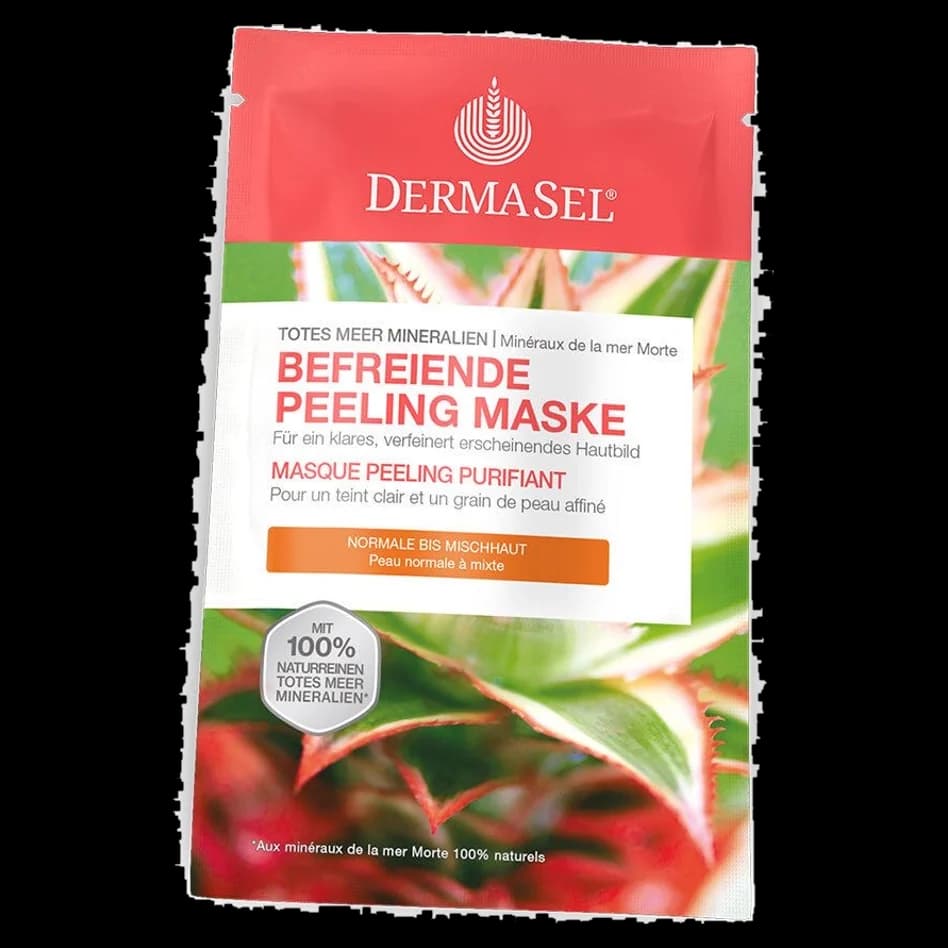
DERMASEL
SPA Totes Meer Maske Peeling
3rd of 16 on the label
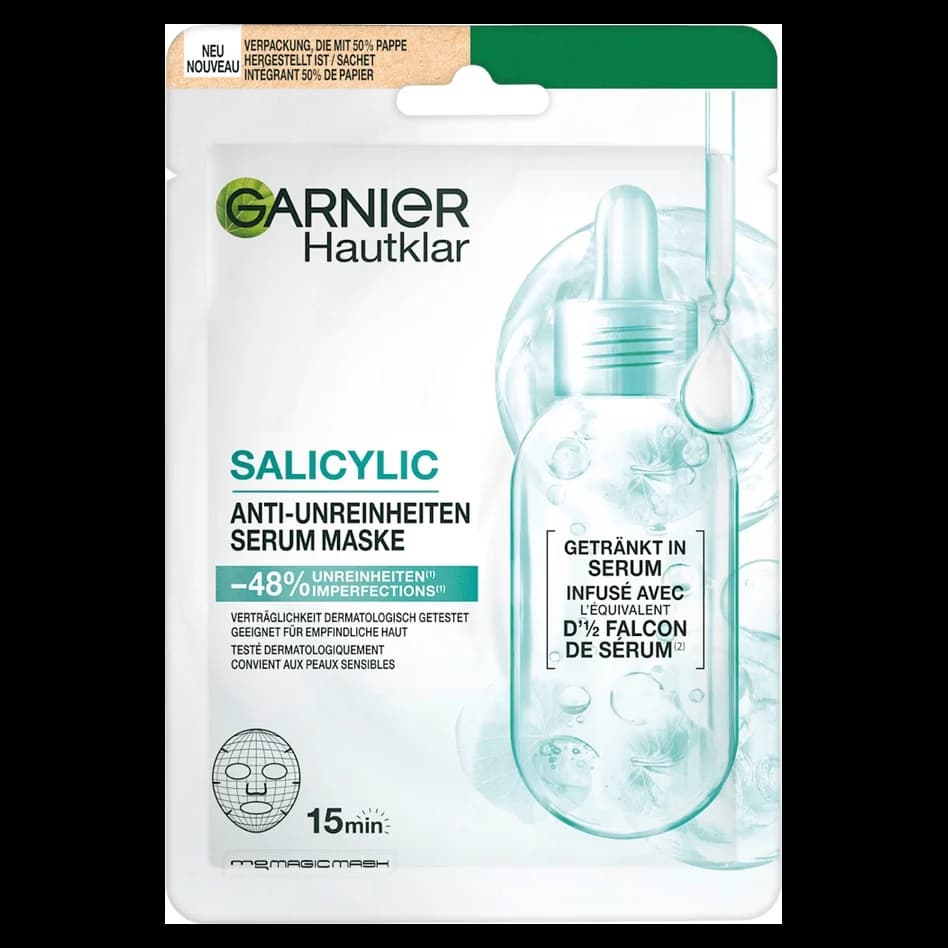
Garnier
Salicylic Tissue Mask
9th of 26 on the label
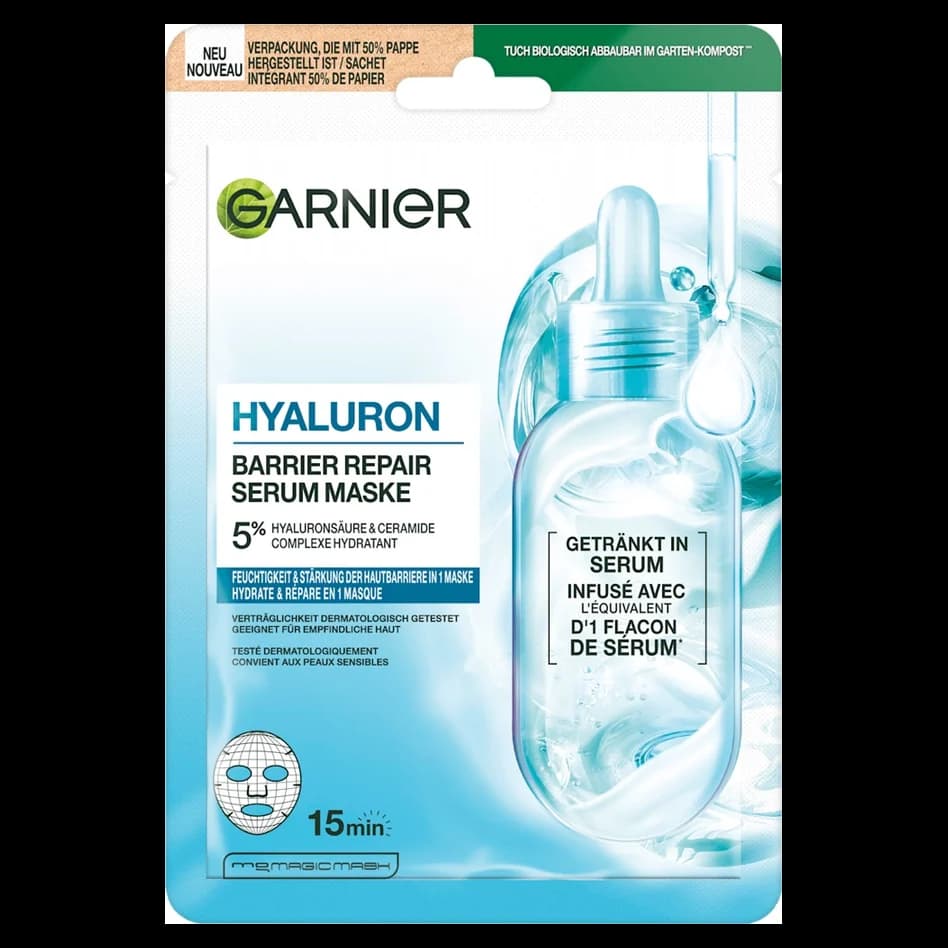
Garnier
SkinActive Hyaluronic Acid Barrier Repair Serum Tissue Mask
9th of 25 on the label
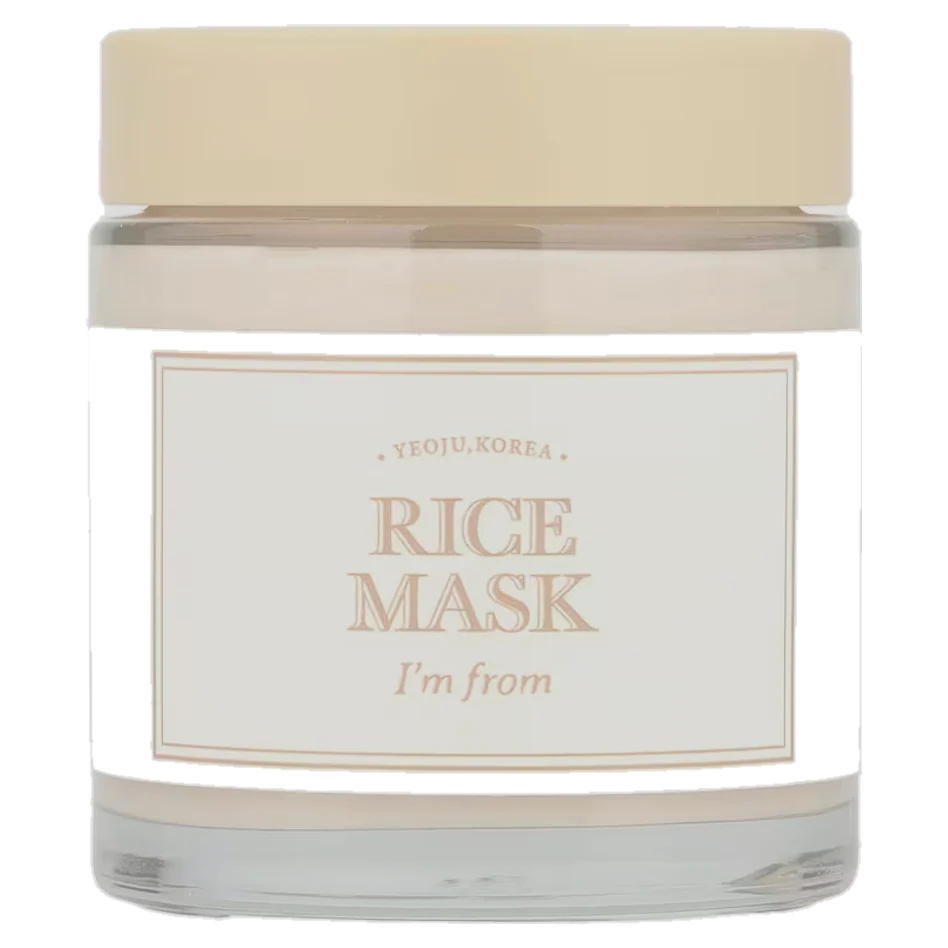
I'm From
Rice Mask
12th of 43 on the label
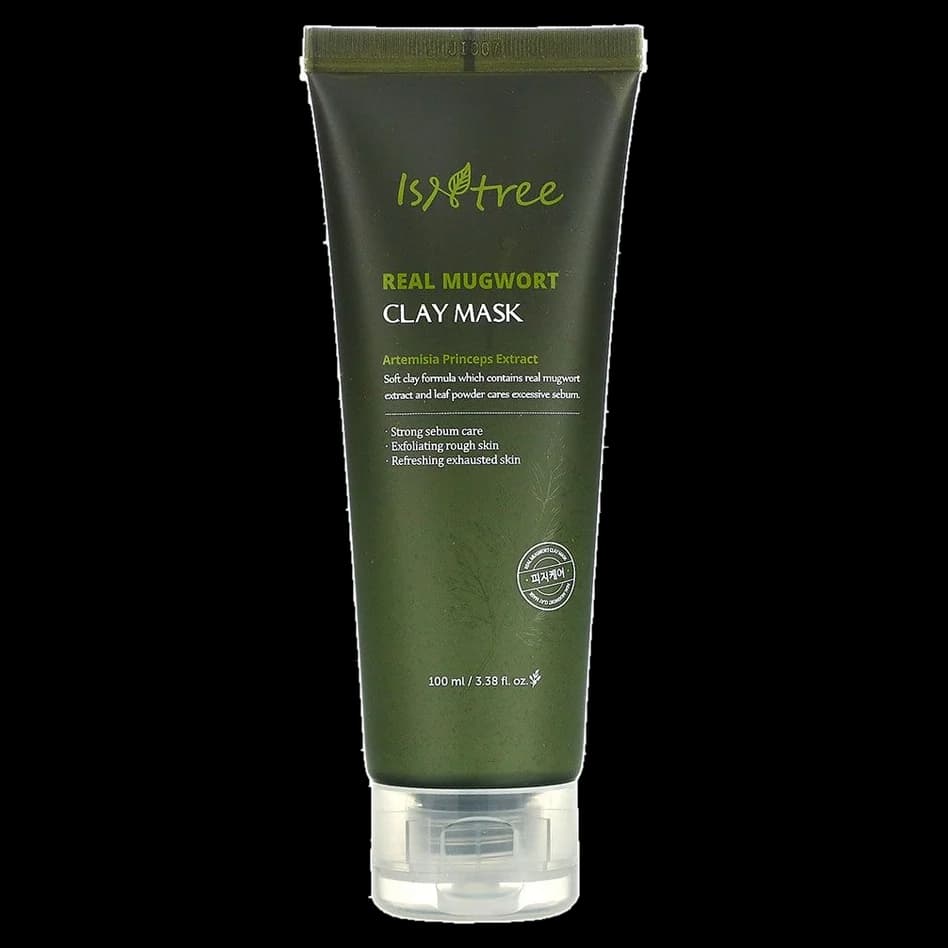
Isntree
Mugwort Calming Clay Mask
32nd of 38 on the label
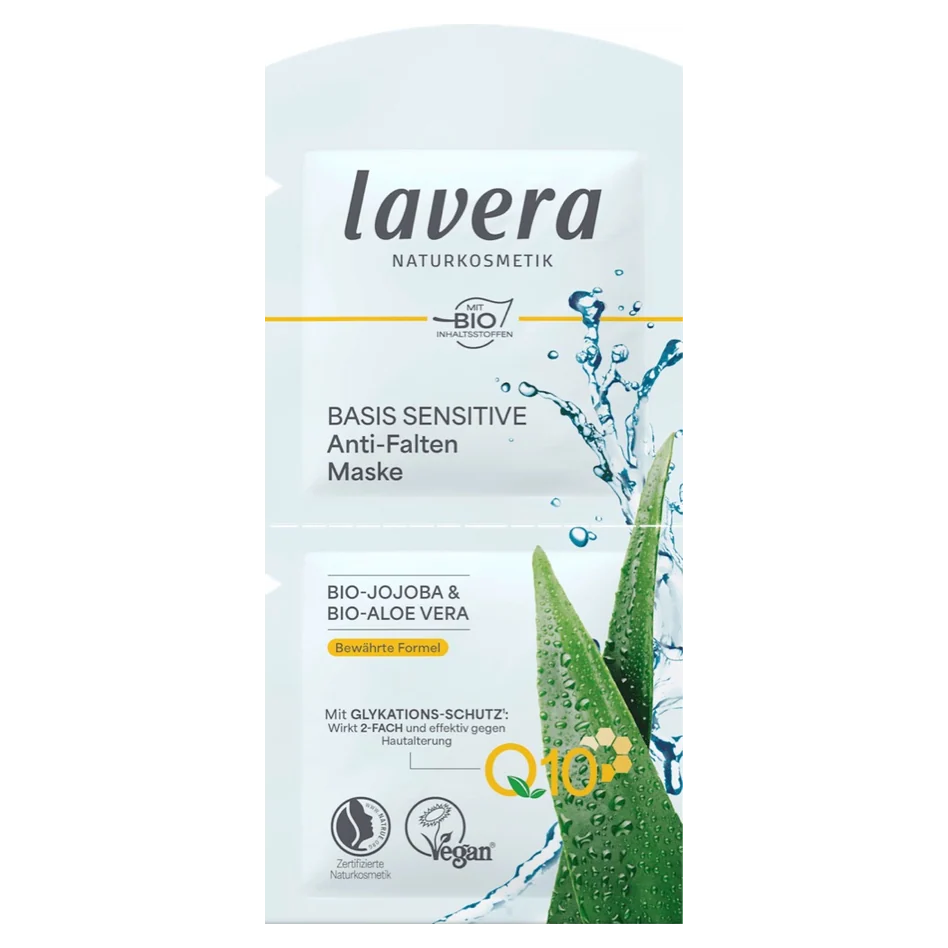
lavera
basis sensitiv Anti-Falten Gesichtsmaske
9th of 42 on the label
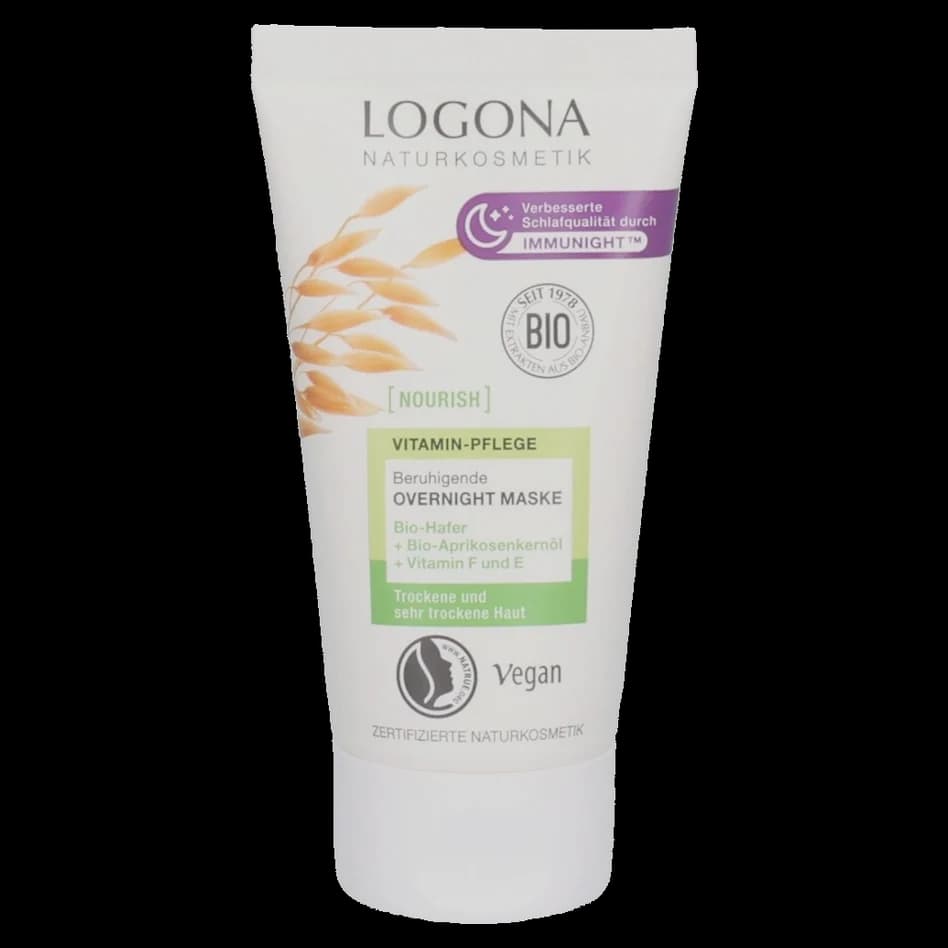
LOGONA
Nourish Beruhigende Overnight Maske
5th of 53 on the label
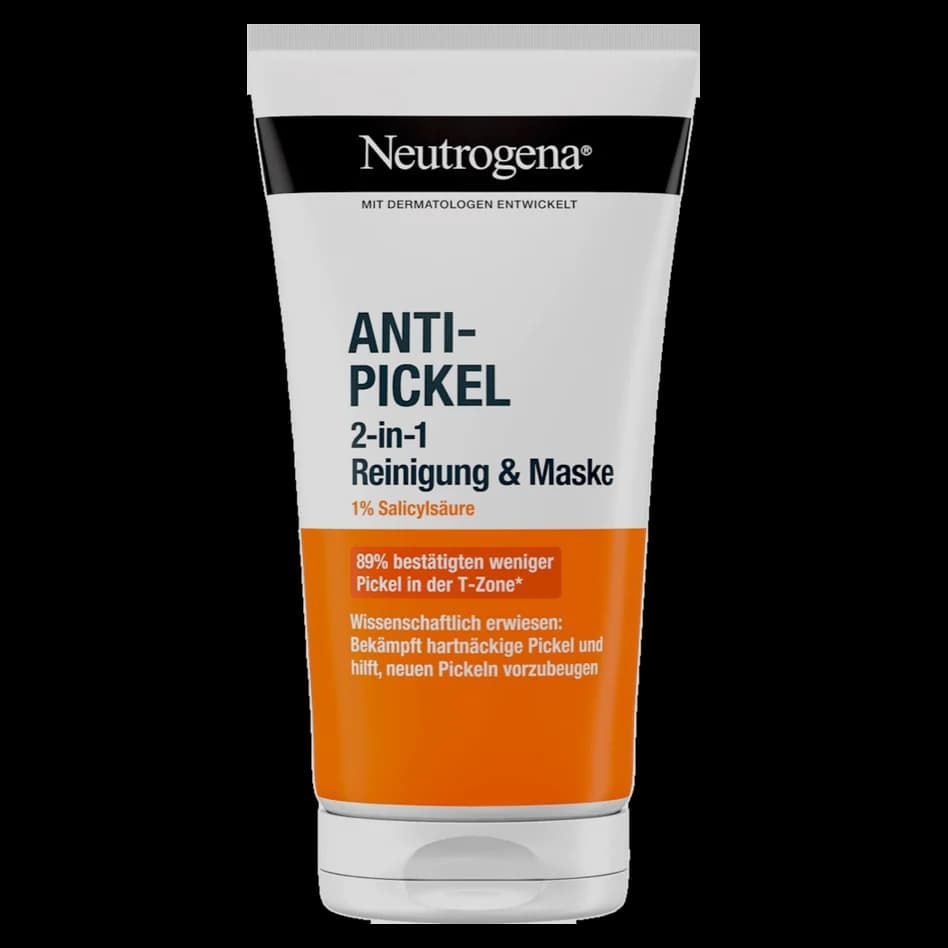
Neutrogena
Anti Pickel Gesichtsmaske 2in1
13th of 23 on the label
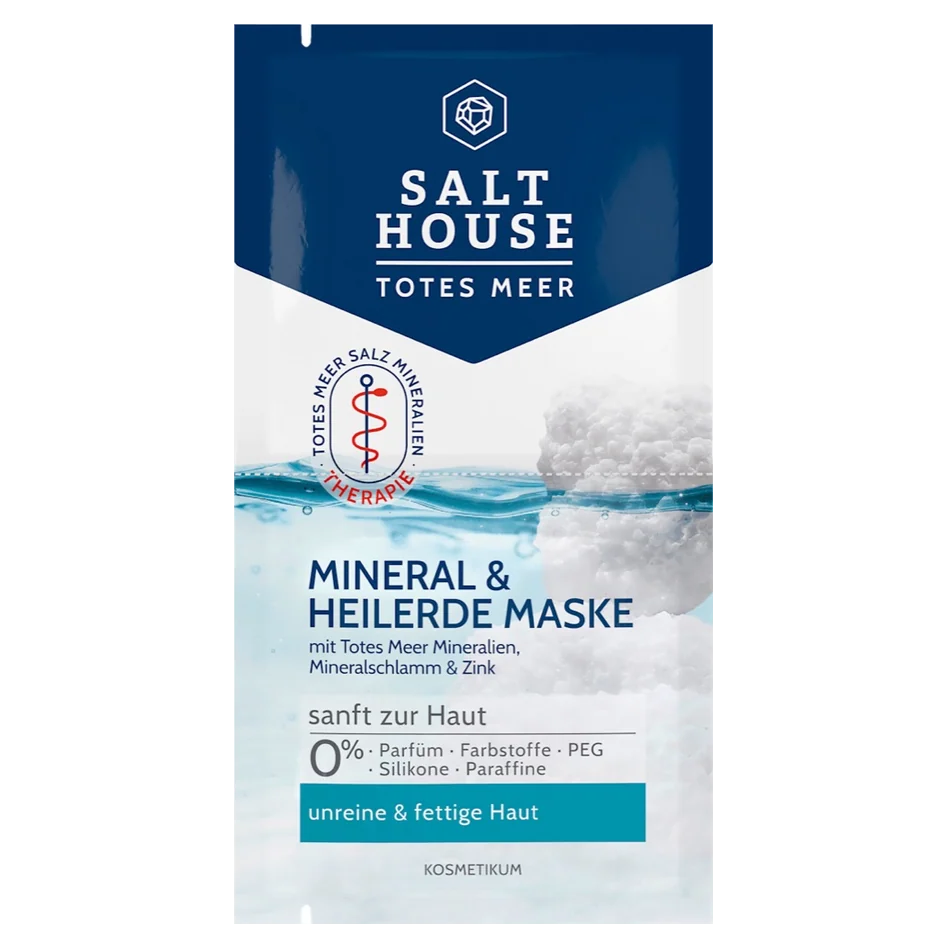
Salthouse
Totes Meer Therapie Gesichtsmaske Mineral & Heilerde
2nd of 17 on the label
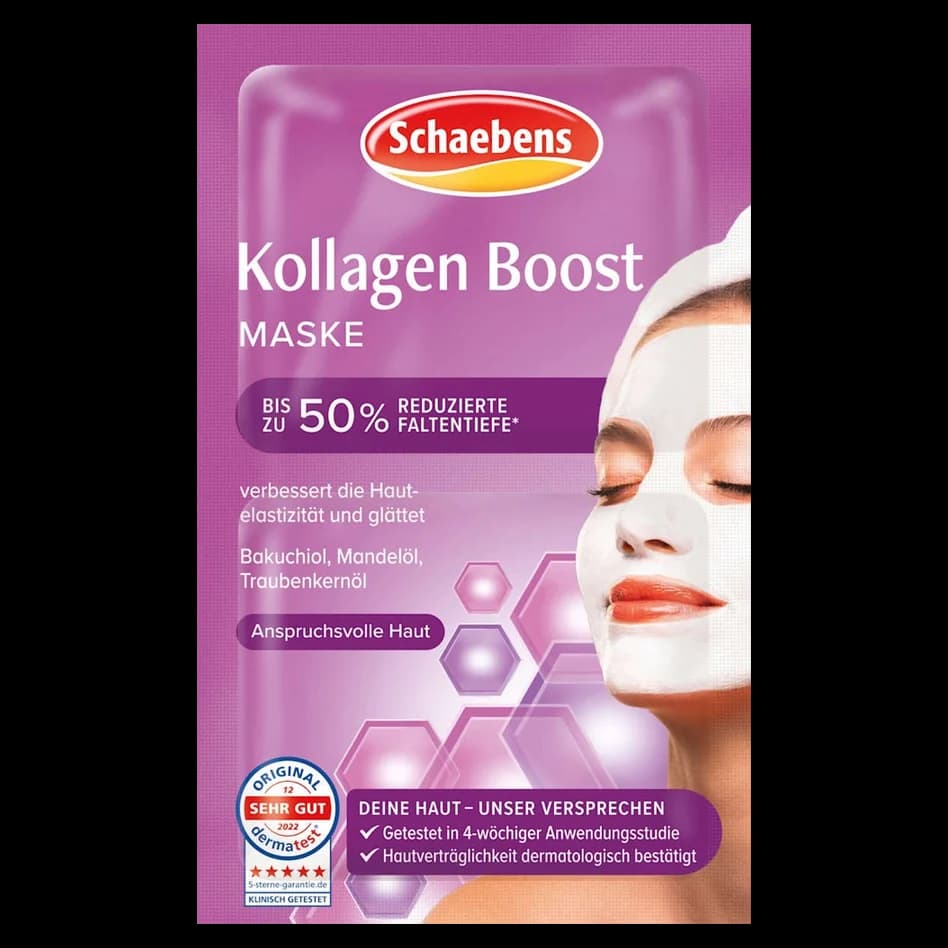
Schaebens
Gesichtsmaske Kollagen Boost
5th of 27 on the label
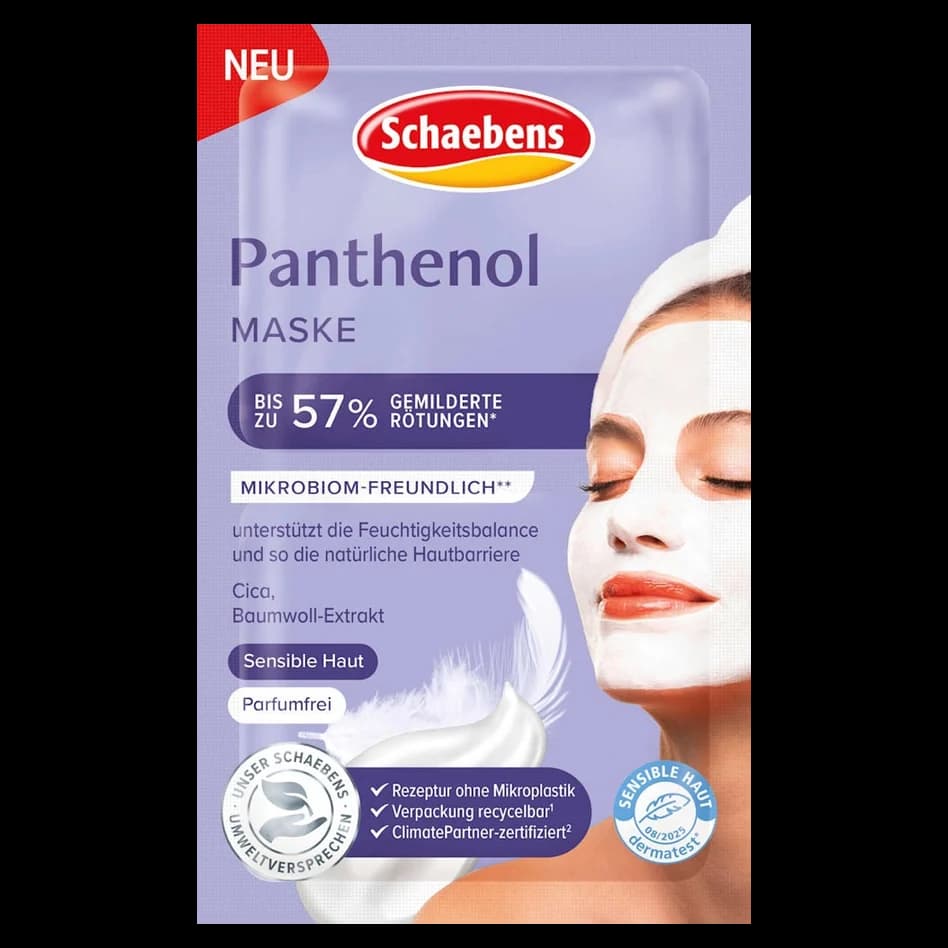
Schaebens
Gesichtsmaske Panthenol
6th of 22 on the label
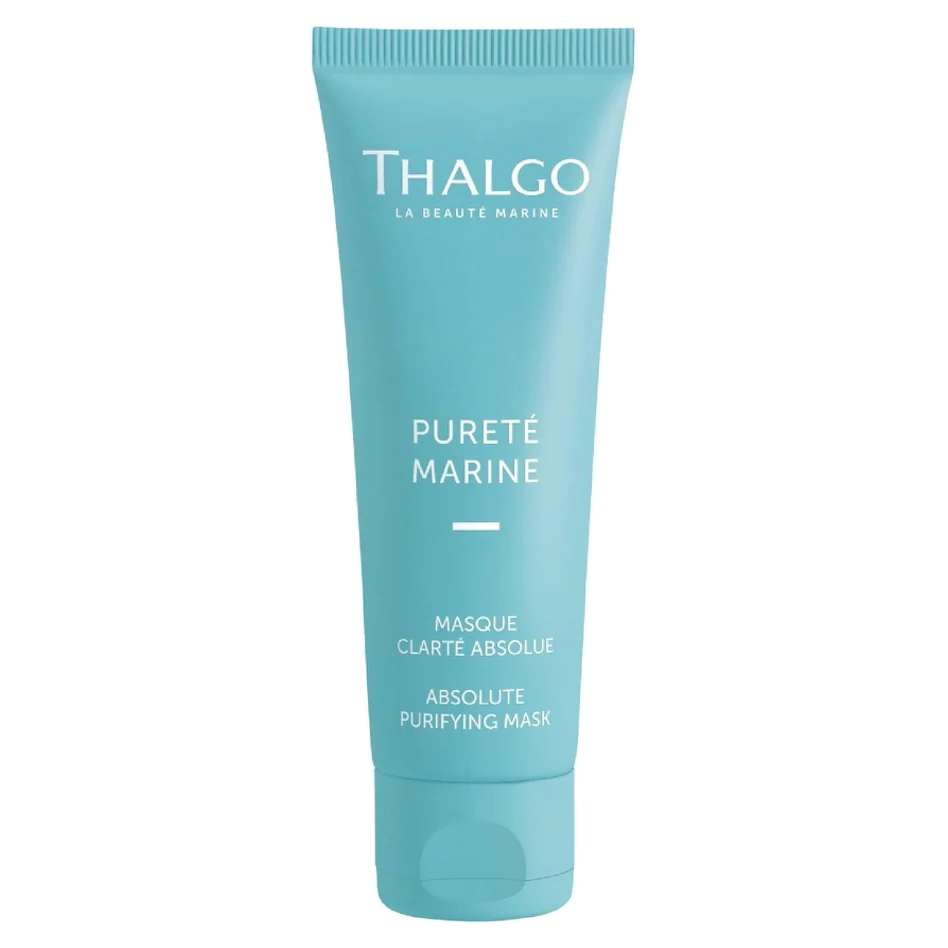
THALGO
Klärende Intensiv-Maske
5th of 32 on the label