Coco-Caprylate/Caprate
No meaningful concern for most people; irritation is possible but rare.
Also written as: Coco Caprylate/Caprate
What it is
Coco-caprylate/caprate is not a single molecule. It is the mixture of esters made by reacting the fatty alcohols from coconut with caprylic and capric acids. CosIng records it as a skin-conditioning emollient. It was new to the Cosmetic Ingredient Review in 2013, when its review of 237 alkyl esters took it in on the strength of its family. It had 261 US product registrations that year, and the 2012 industry survey reported it at up to 35% in leave-on and 62% in rinse-off products. In this catalogue it is printed on seven masks, from drugstore cream masks to natural-cosmetics and premium brands. NUXE's clarifying detox mask lists it first.
How it shows up on a label
First on NUXE's Prodigieuse clarifying detox mask, second on Annemarie Börlind's Sensitive Cream Mask and La Mer's Ultra Booster mask, fifth on Balea MEN's cream-gel hydro mask and sixth on Balea's hyaluronic mask, all above the point where ingredient order stops indicating quantity. It is also fifth in the Hydro Booster list of Luvos-Heilerde's two-part set, above that list's line. On BIO:VEGANE's pore detox clay mask it is ninth, below that point.
What it does well
Serves as the emollient in the formula
Skin-conditioning emollient is the function both CosIng and the Cosmetic Ingredient Review record for it. This is the job it is added to do, not a measured effect of these masks on skin.
Strong evidence
Reviewed as safe when formulated to be non-irritating
The Cosmetic Ingredient Review concluded in 2013 that the alkyl esters, coco-caprylate/caprate among them, are safe in the present practices of use and concentration when formulated to be non-irritating. The evidence grade here is lower than for its better-studied relatives, because the report gives no toxicity, irritation or sensitisation data on coco-caprylate/caprate itself. Its listing rests on the review's group method: where data were missing, the panel extrapolated from esters similar in structure, properties and use, and the review groups it among the esters whose constituent acid or alcohol the Cosmetic Ingredient Review had already found safe.
Limited evidence
Worth knowing
The safety conclusion is a read-across, with an irritation caveat
Coco-caprylate/caprate appears in the review's ingredient lists, definitions and use tables, but in none of its test summaries, so its conclusion is borrowed from the group and from the earlier review of coconut alcohol, its one previously reviewed constituent. That conclusion also carries a condition: the panel was "concerned that the potential exists for dermal irritation with the use of products formulated using some of the alkyl esters", and so required products to be formulated to be non-irritating. Nothing in the report shows a problem with this ingredient. It is simply less directly tested than ethylhexyl stearate or decyl oleate.
Where the EU stands
No specific restriction
Not restricted for cosmetic use in the EU: coco-caprylate/caprate appears in no annex of the Cosmetics Regulation as consolidated on 18 May 2026, and CosIng records no cosmetic restriction for it. Like every ingredient, it is still covered by the safety assessment each product must pass before sale.
Regulation (EC) No 1223/2009 - no annex entry · source ↗
Sources (5)
Every link goes to the original: a journal, a PubMed record or an EU document.
- [1]Amended Safety Assessment of Alkyl Esters as Used in Cosmetics - final amended report
Cosmetic Ingredient Review · 2013
Final amended report, released 12 April 2013. Conclusion: the alkyl esters listed, Coco-Caprylate/Caprate among them, "are safe in the present practices of use and concentration described in this safety assessment when formulated to be non-irritating". Definition: "a mixture of esters of Coconut Alcohol with Caprylic Acid and Capric Acid. The mixture of esters obtained from the reaction of the fatty alcohols derived from coconut alcohol with a mixture of caprylic acid and capric acid", function "skin cond. agent – emol.". Table 8: 261 uses in 2013; maximum concentration 0.5-62% (2012), 0.5-35% leave-on, 1-62% rinse-off. The ingredient is not among the 57 previously reviewed esters, and no study in the report tests it directly. The abstract explains the basis: "where there were data gaps, similarity in structure, properties, functions and uses of these ingredients allowed for extrapolation of the available toxicological data to assess the safety of the entire group". Discussion: "The Panel was also concerned that the potential exists for dermal irritation with the use of products formulated using some of the alkyl esters. The Panel thus specified that products must be formulated to be non-irritating." Checked 13 October 2026.
- [2]Safety Assessment of Alkyl Esters as Used in Cosmetics
International Journal of Toxicology 34(2 Suppl):5S-69S · 2015 · doi:10.1177/1091581815594027
The journal publication of the 2013 final amended report, abstract read via Europe PMC: the Panel "assessed the safety of 237 alkyl esters for use in cosmetics", "with skin-conditioning agent being the most common function", and "concluded that these ingredients are safe in cosmetic formulations in the present practices of use and concentration when formulated to be nonirritating". Where data were missing, "similarity in structure, properties, functions, and uses of these ingredients allowed for extrapolation of the available toxicological data to assess the safety of the entire group". Checked 13 October 2026.
- [3]Quick Reference Table: CIR conclusions by ingredient
Cosmetic Ingredient Review · 2024
The table of conclusions, updated October 2024, lists Coco-Caprylate/Caprate with finding SQ (safe with qualifications) and the conclusion that the alkyl esters, listed subsequently, "are safe in the present practices of use and concentration described in this safety assessment when formulated to be non-irritating", citing IJT 34(Suppl.2):5-69, 2015. Checked 13 October 2026.
- [4]CosIng entry: Coco-Caprylate/Caprate
European Commission, CosIng database
INCI name COCO-CAPRYLATE/CAPRATE, status active, no CAS number. Functions: skin conditioning - emollient; skin conditioning. No annex number, cosmetic restriction or other restriction is recorded. Checked 13 October 2026.
- [5]Regulation (EC) No 1223/2009 on cosmetic products, consolidated text of 18 May 2026
Official Journal of the European Union · 2026
A sweep of the full consolidated text finds no occurrence of coco-caprylate/caprate or coco-caprylate. The caprylate esters it does name are unrelated, such as allyl octanoate (2-allyl caprylate) in Annex III, which is controlled for its free allyl alcohol. Checked 13 October 2026.
Masks that contain Coco-Caprylate/Caprate
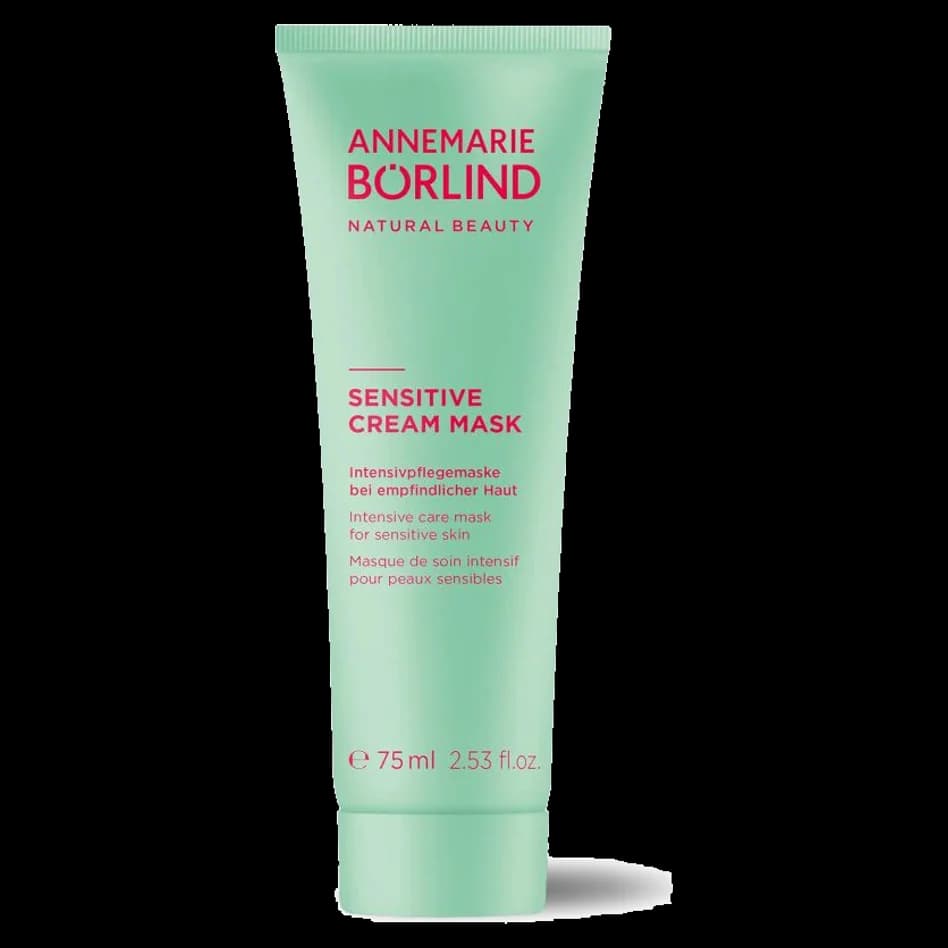
Annemarie Börlind
Sensitive Cream Mask
2nd of 31 on the label
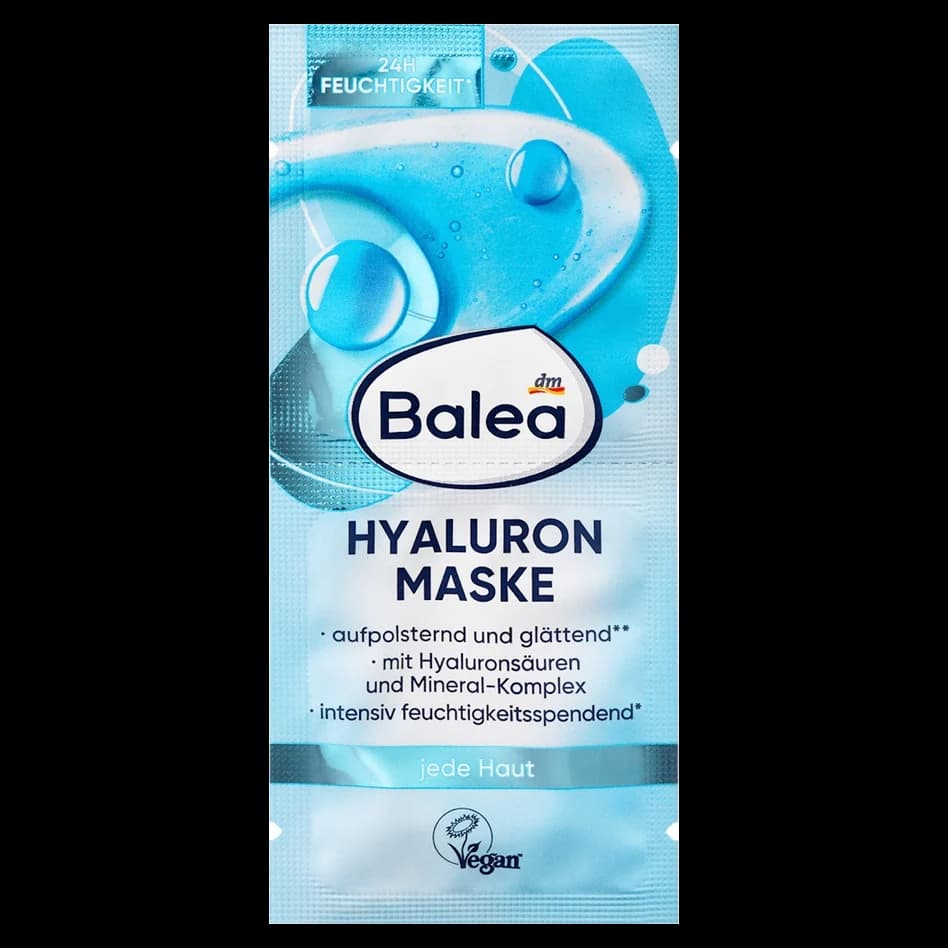
Balea
Gesichtsmaske Hyaluron
6th of 29 on the label
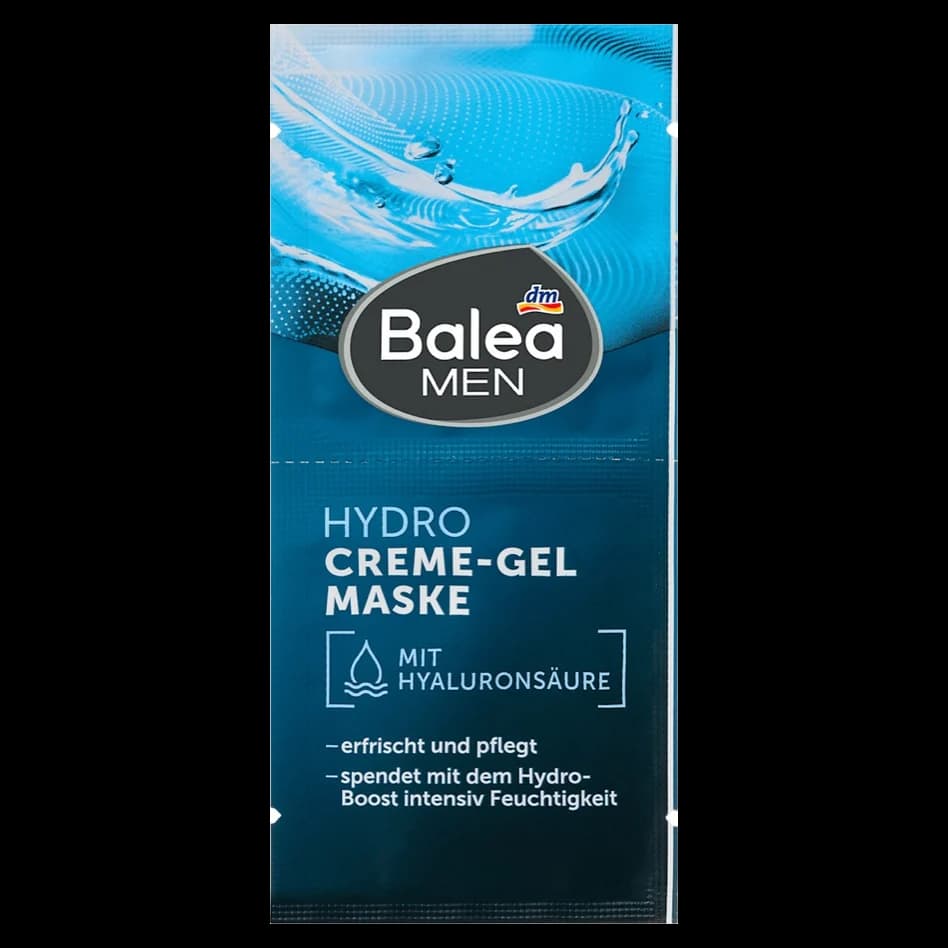
Balea MEN
Gesichtsmaske Creme-Gel Hydro
5th of 31 on the label
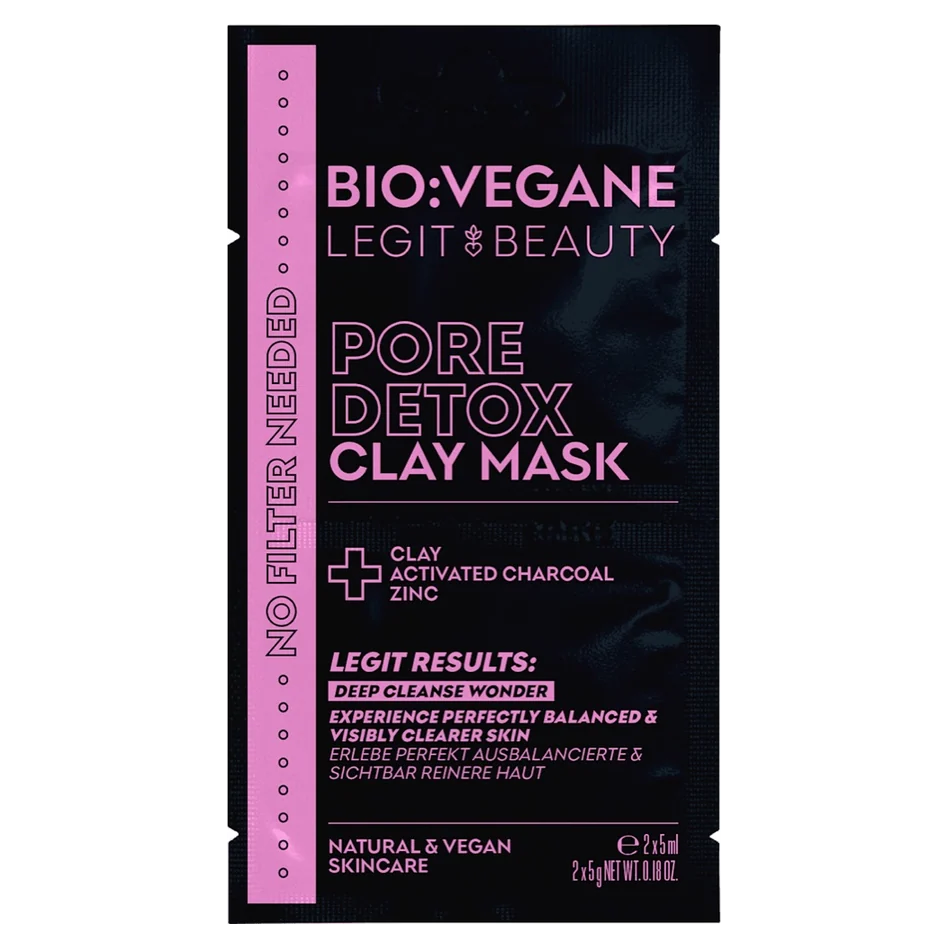
BIO:VEGANE
Gesichtsmaske Pore Detox Clay Mask
9th of 19 on the label
below ≈1%
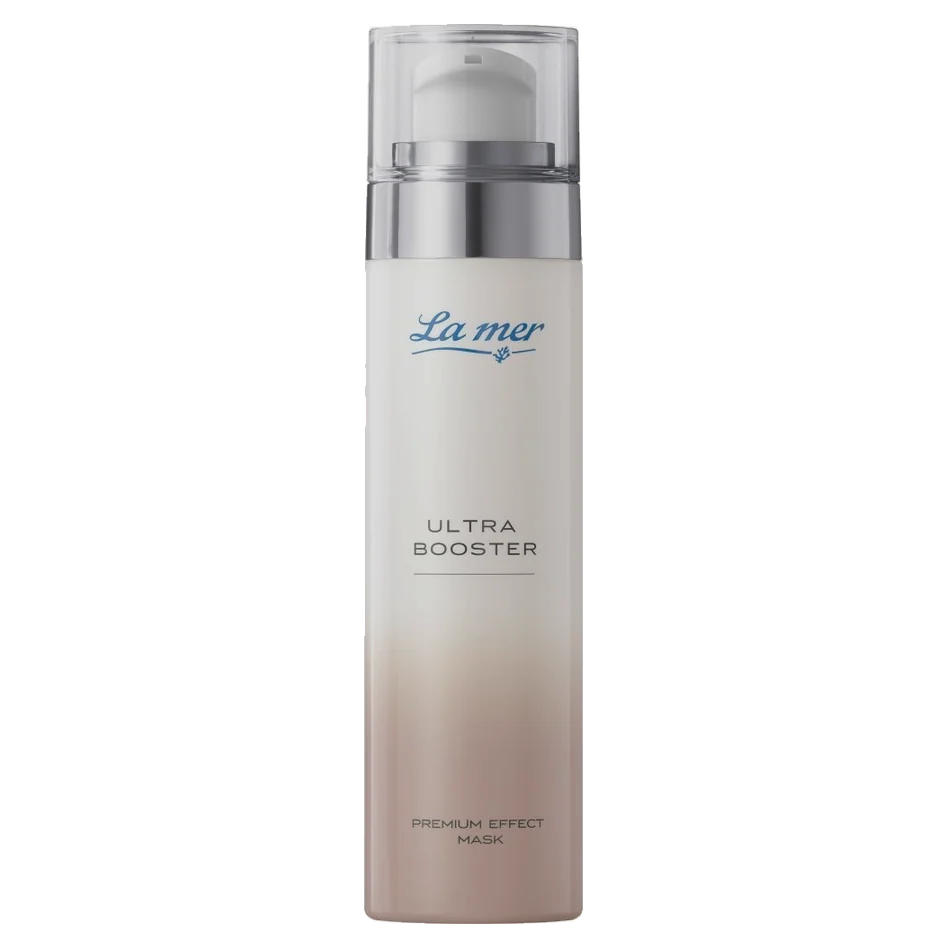
LA MER
Ultra Booster Premium Mask Effect
2nd of 41 on the label
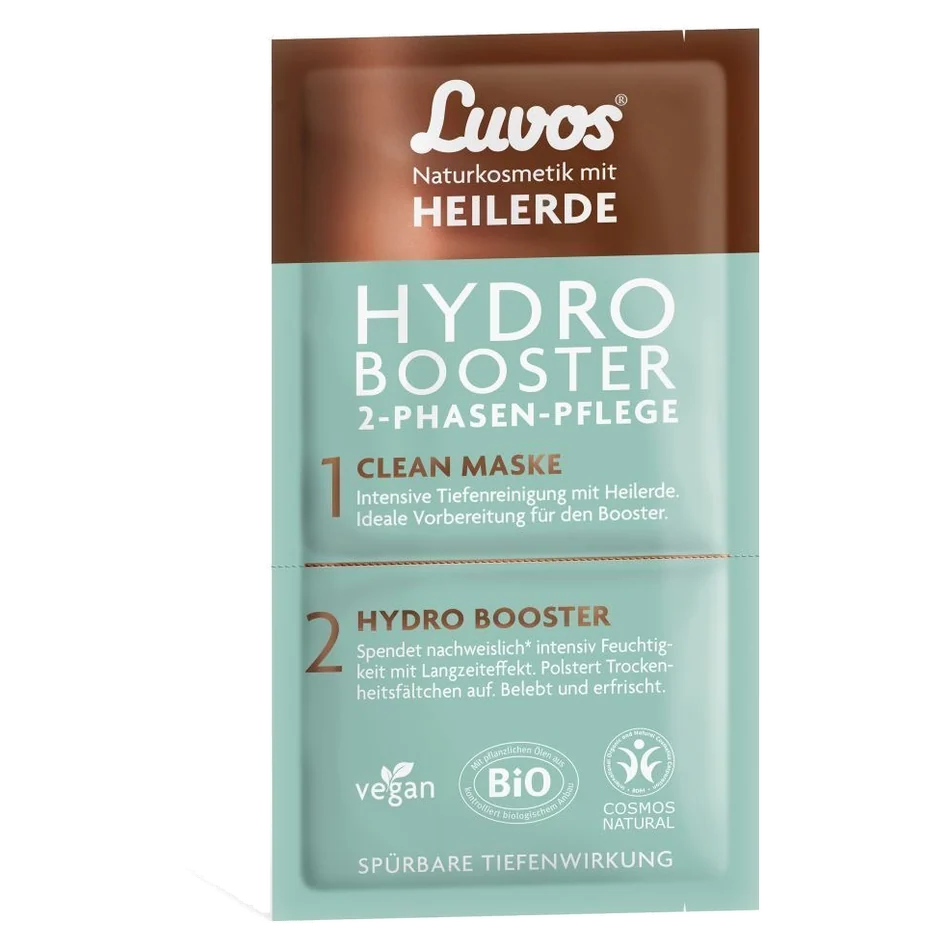
Luvos-Heilerde
Hydro Booster mit Clean Maske
34th of 63 on the label
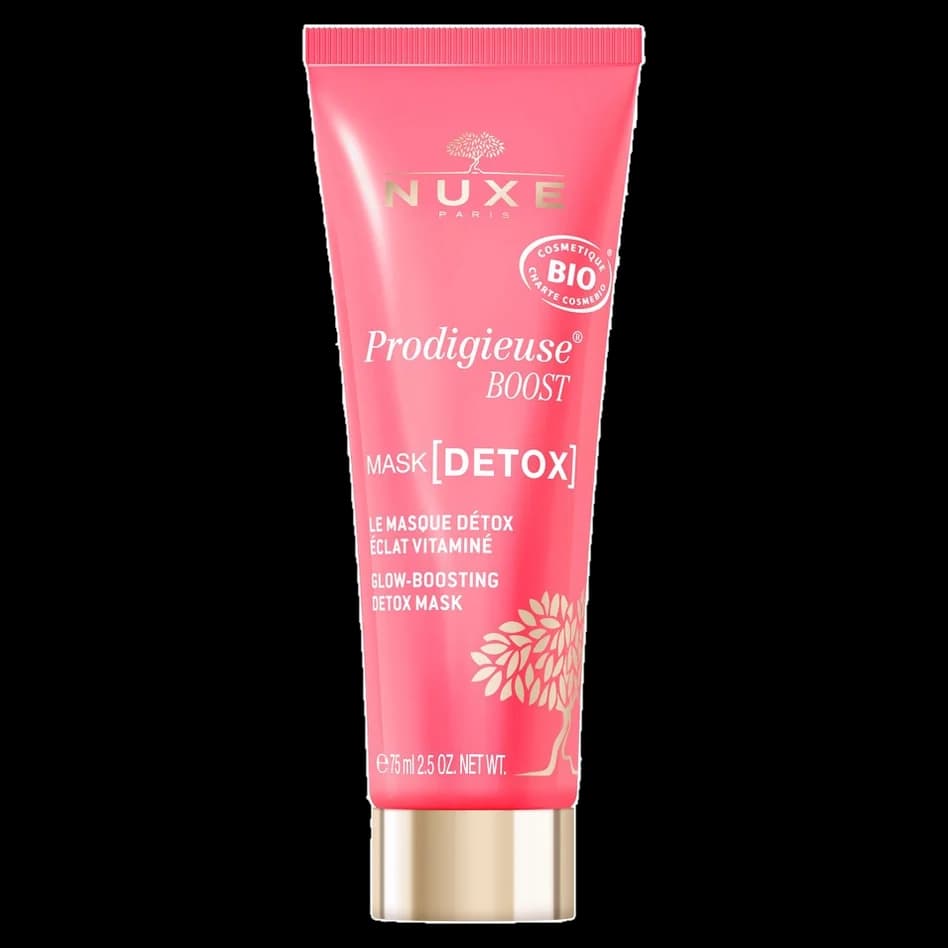
NUXE
Prodigieuse Boost Clarifying Detox Mask
1st of 14 on the label