Octyldodecanol
No meaningful concern for most people; irritation is possible but rare.
Also written as: Octyl Dodecanol · 2-Octyldodecanol
What it is
Octyldodecanol is a branched twenty-carbon fatty alcohol. The branch is what keeps it liquid where straight-chain fatty alcohols such as cetyl and stearyl alcohol are waxy solids, so it is used where a formula needs slip without weight, and as a solvent for ingredients that will not dissolve in water. The Cosmetic Ingredient Review lists it among the ingredients its panel has found safe as used, and the human data behind that are unusually plain.
How it shows up on a label
Spread across formats - sheet masks, creams, wash-offs - rather than tied to one, and mostly on European lists.
What it does well
Well tolerated on human skin, even undiluted
Summarising the data it had, the Cosmetic Ingredient Review records that in clinical studies concentrations of up to 100% octyldodecanol were non- to mildly irritating, non-sensitising, non-phototoxic and non-photosensitising. Undiluted, it was also non-toxic in acute oral and dermal animal studies.
Moderate evidence
Worth knowing
The animal irritation results disagree with each other
In one multi-species study, undiluted octyldodecanol caused severe skin irritation in rabbits, moderate irritation in guinea pigs and rats, and none in swine; in another study using rabbits it was non-irritating at 30% and at 100%. It also produced transient mild eye irritation in rabbits at concentrations up to 100%. The human clinical results are the more relevant ones for a mask, and those were mild.
Where the EU stands
No specific restriction
No specific EU restriction is recorded for this ingredient. Whatever it appears in must still pass the safety assessment that Regulation (EC) No 1223/2009 requires of every cosmetic sold in the EU.
Sources (2)
Every link goes to the original: a journal, a PubMed record or an EU document.
- [1]Final amended report on the safety assessment of Octyldodecyl Stearoyl Stearate
International Journal of Toxicology · 2005 · doi:10.1080/10915810500257113
The report summarises the existing octyldodecanol data alongside the ester it assesses: undiluted octyldodecanol was non-toxic in acute oral and dermal animal studies; it produced only transient mild ocular irritation in rabbits at up to 100%; one multi-species study found severe skin irritation in rabbits, moderate in guinea pigs and rats and none in swine, while another rabbit study found it non-irritating at 30% and 100%; and in clinical studies up to 100% it was non- to mildly irritating, non-sensitising, non-phototoxic and non-photosensitising. Checked 6 September 2026.
- [2]Quick Reference Table: ingredients found safe in the present practices of use and concentration
Cosmetic Ingredient Review · 2024
The Cosmetic Ingredient Review's table of conclusions, updated 8 October 2024, lists Octyldodecanol as safe, citing Journal of the American College of Toxicology 4(5):1-29, 1985 and International Journal of Toxicology 25(Suppl. 2):1-89, 2006. Checked 6 September 2026.
Masks that contain Octyldodecanol
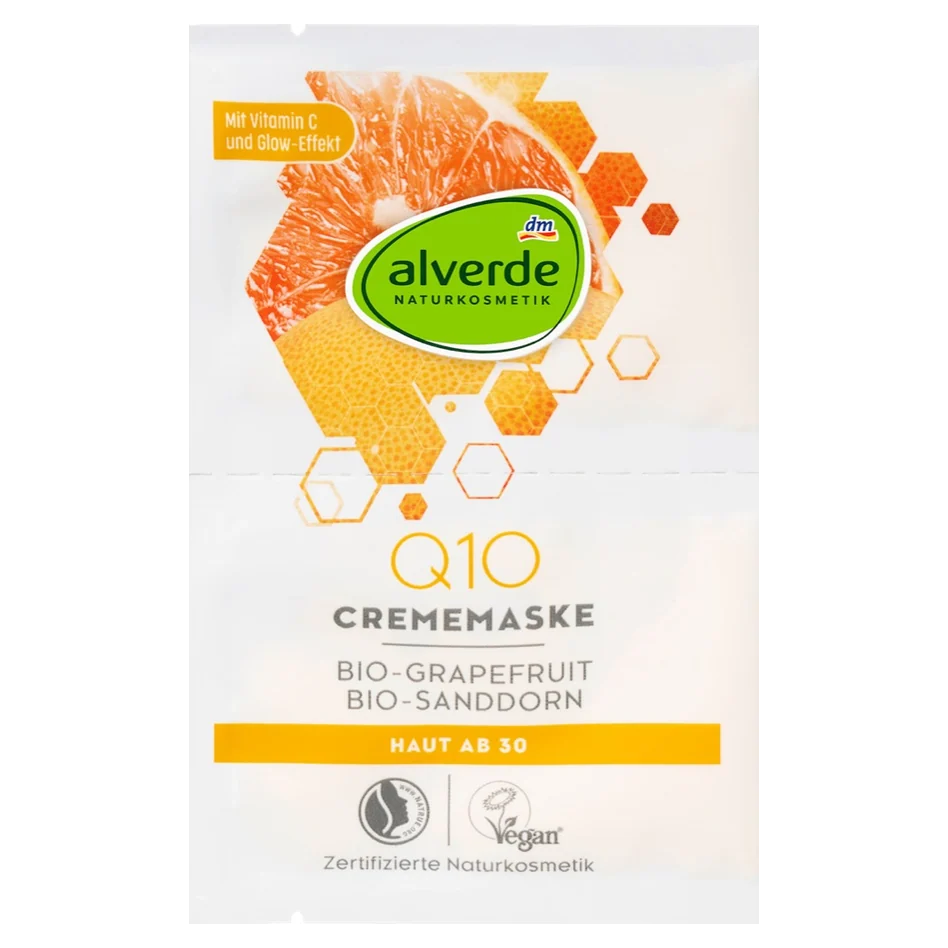
alverde Naturkosmetik
Gesichtsmaske Q10 mit Vitamin C
27th of 40 on the label
below ≈1%
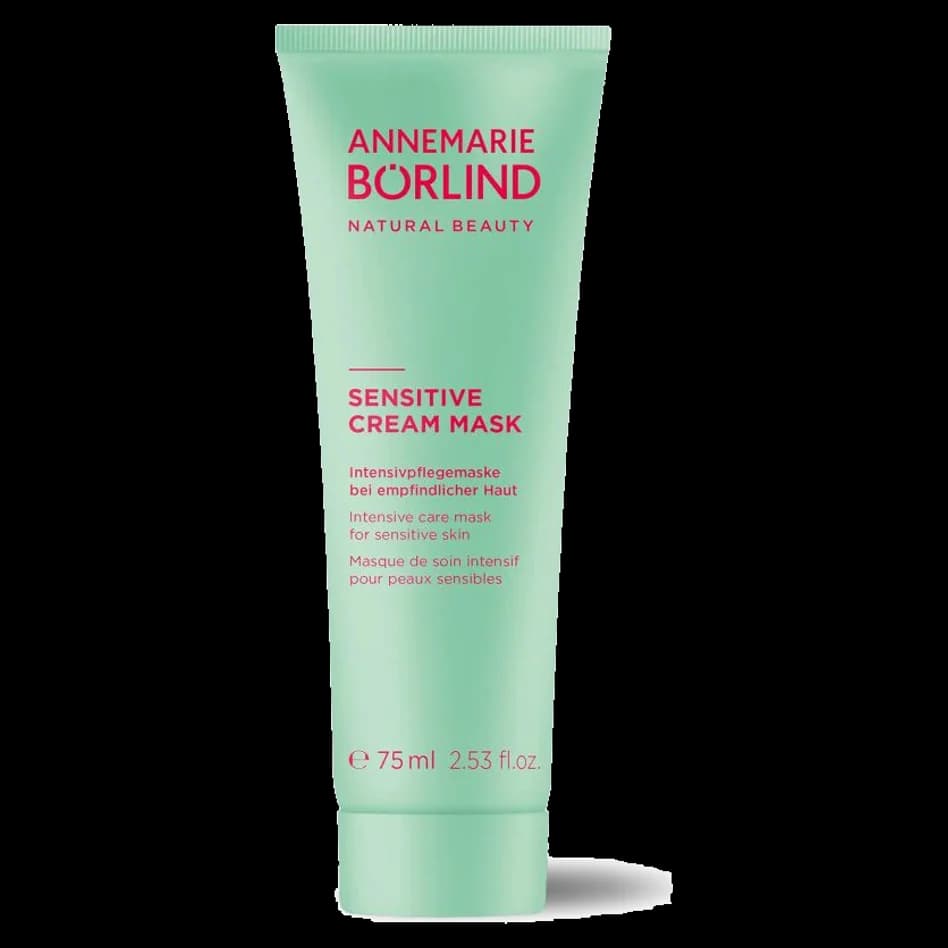
Annemarie Börlind
Sensitive Cream Mask
11th of 31 on the label
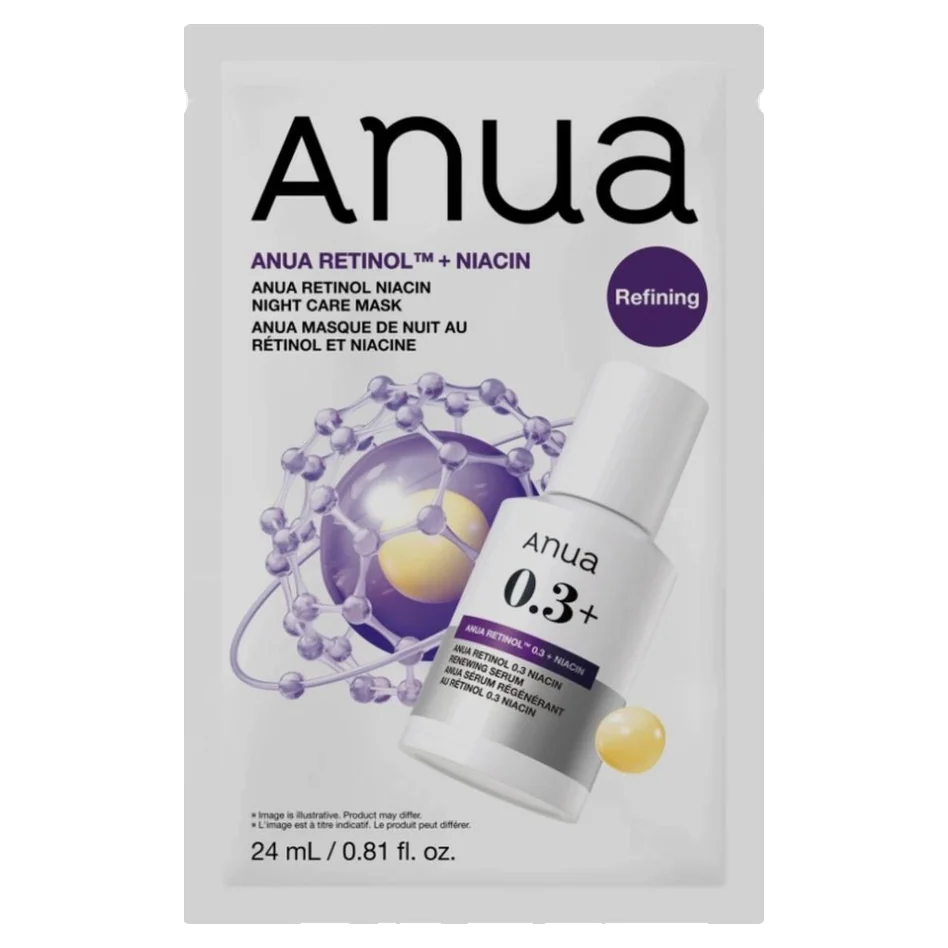
Anua
Retinol Niacin Night Care Mask
40th of 44 on the label
below ≈1%
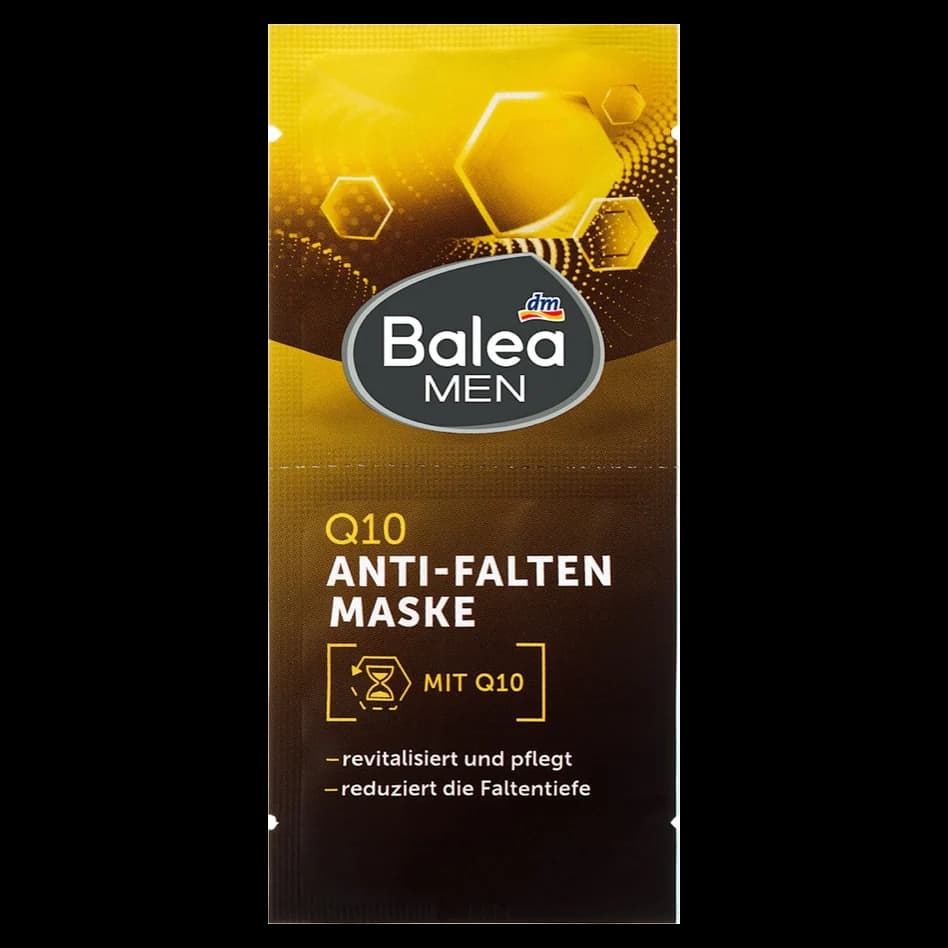
Balea MEN
Gesichtsmaske Q10 Anti-Falten
4th of 28 on the label
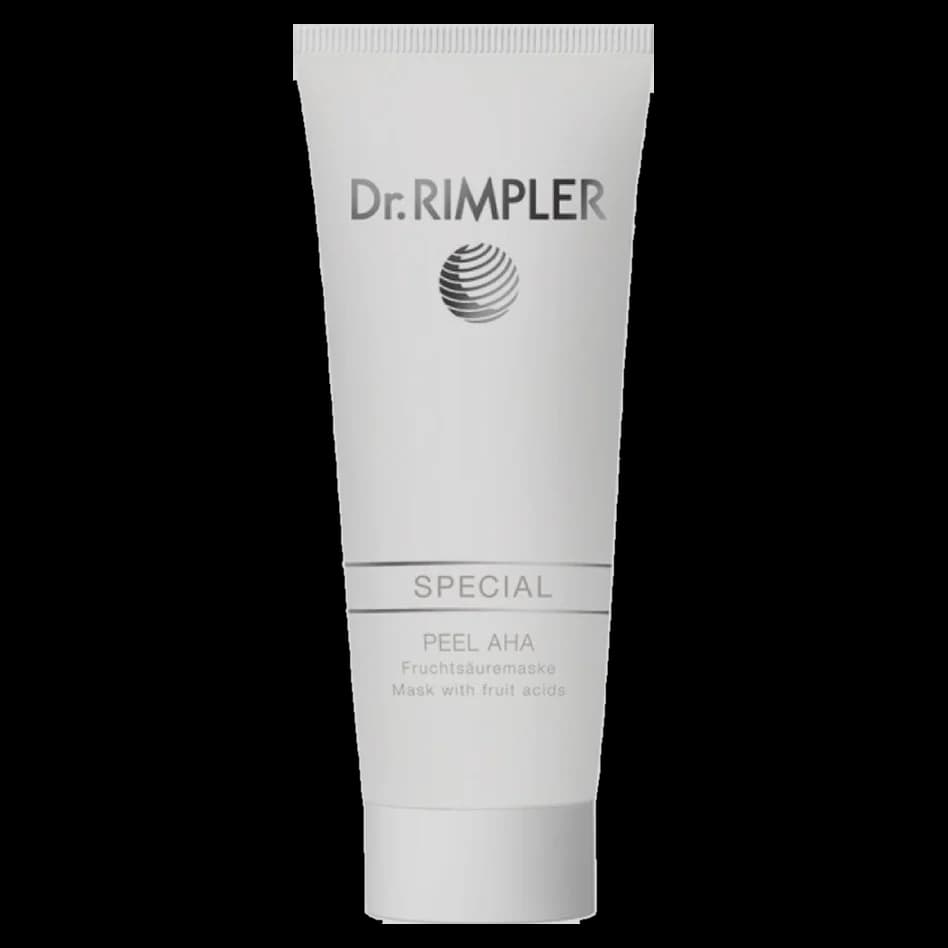
Dr. Rimpler
SPECIAL Peel AHA
4th of 16 on the label
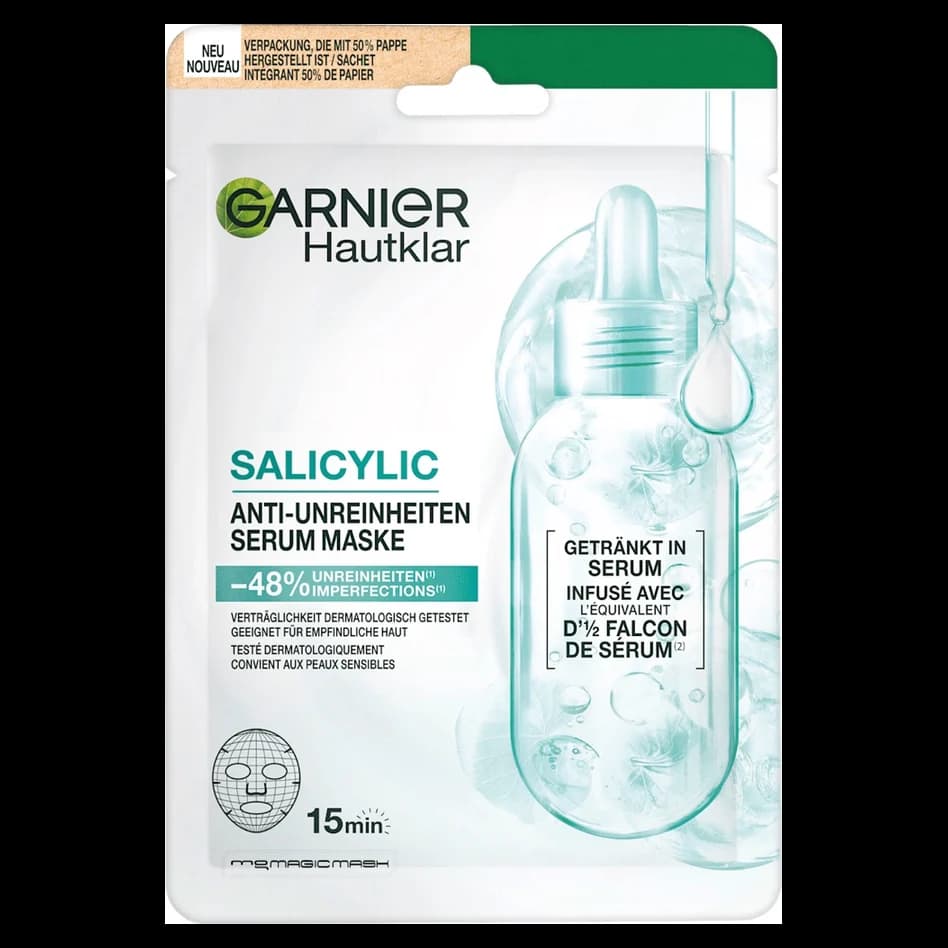
Garnier
Salicylic Tissue Mask
18th of 26 on the label
below ≈1%
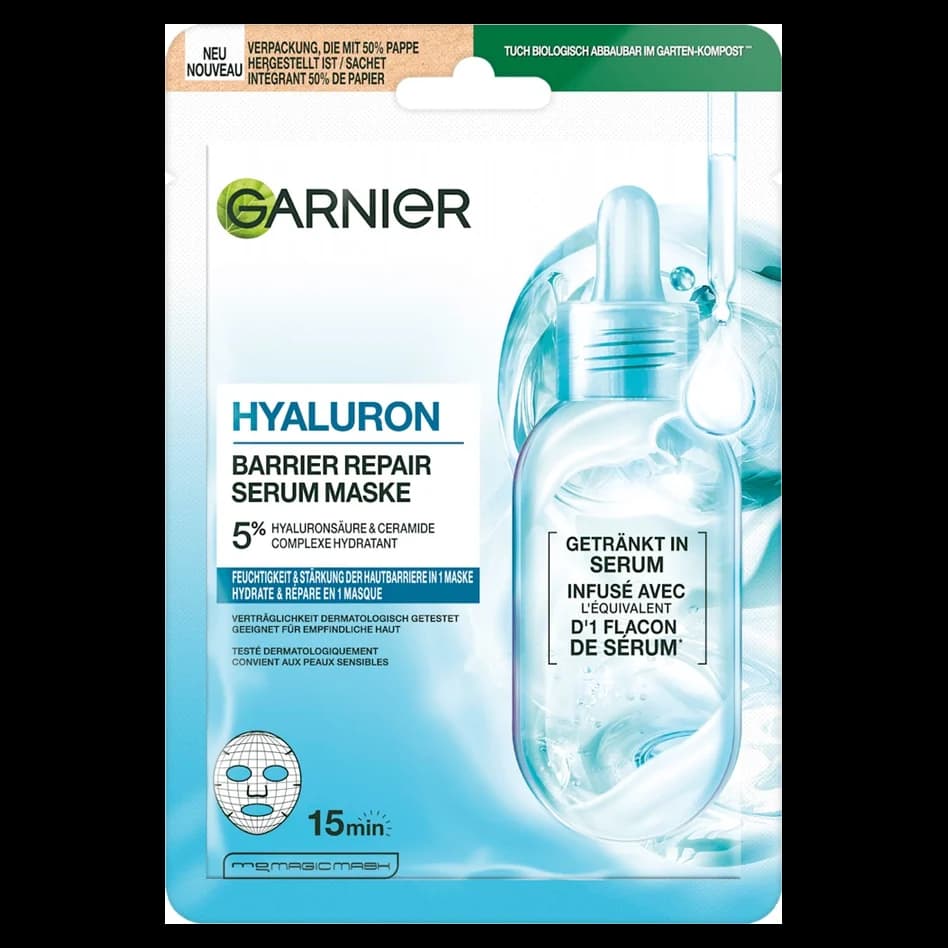
Garnier
SkinActive Hyaluronic Acid Barrier Repair Serum Tissue Mask
17th of 25 on the label
below ≈1%
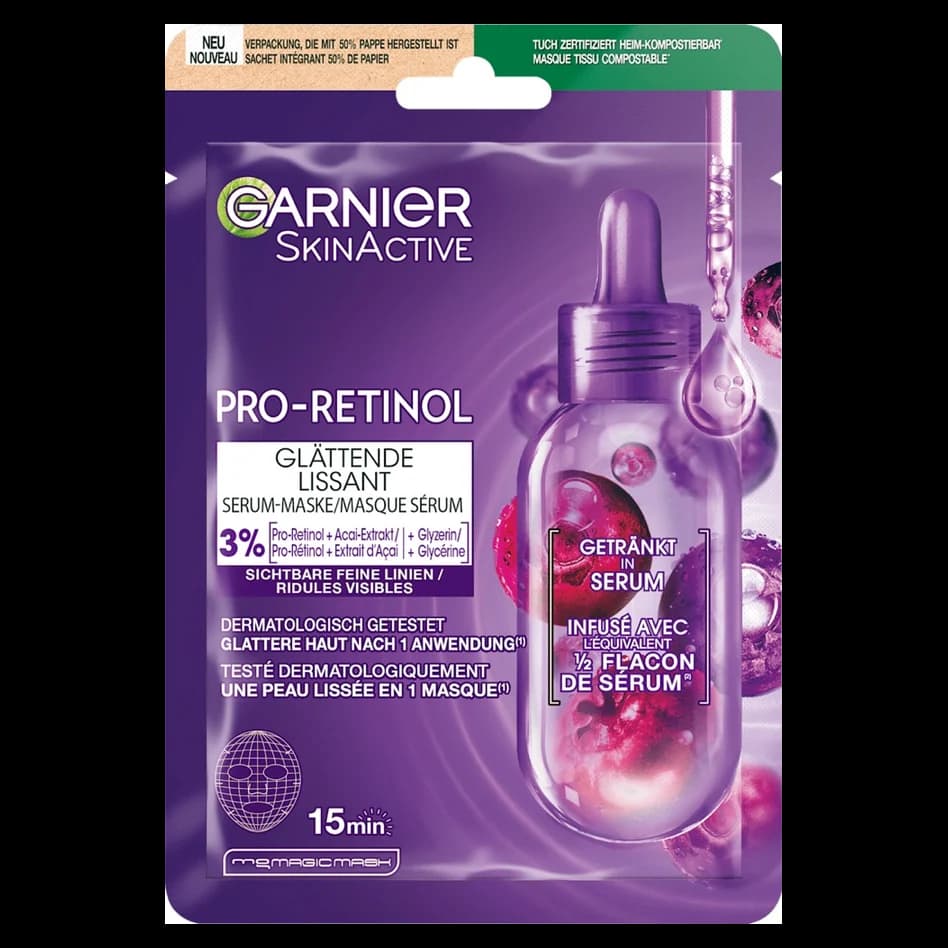
Garnier
SkinActive Pro-Retinol Tissue Mask
7th of 24 on the label
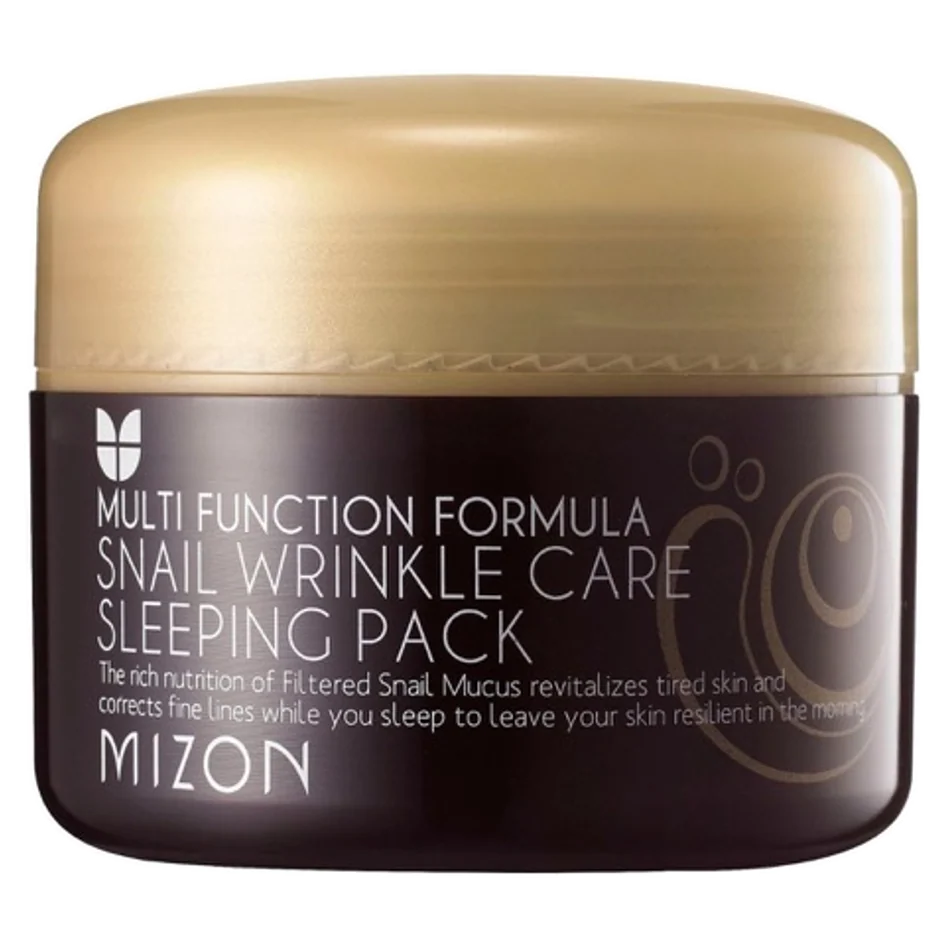
MIZON
Snail Wrinkle Care Sleeping Pack
4th of 31 on the label
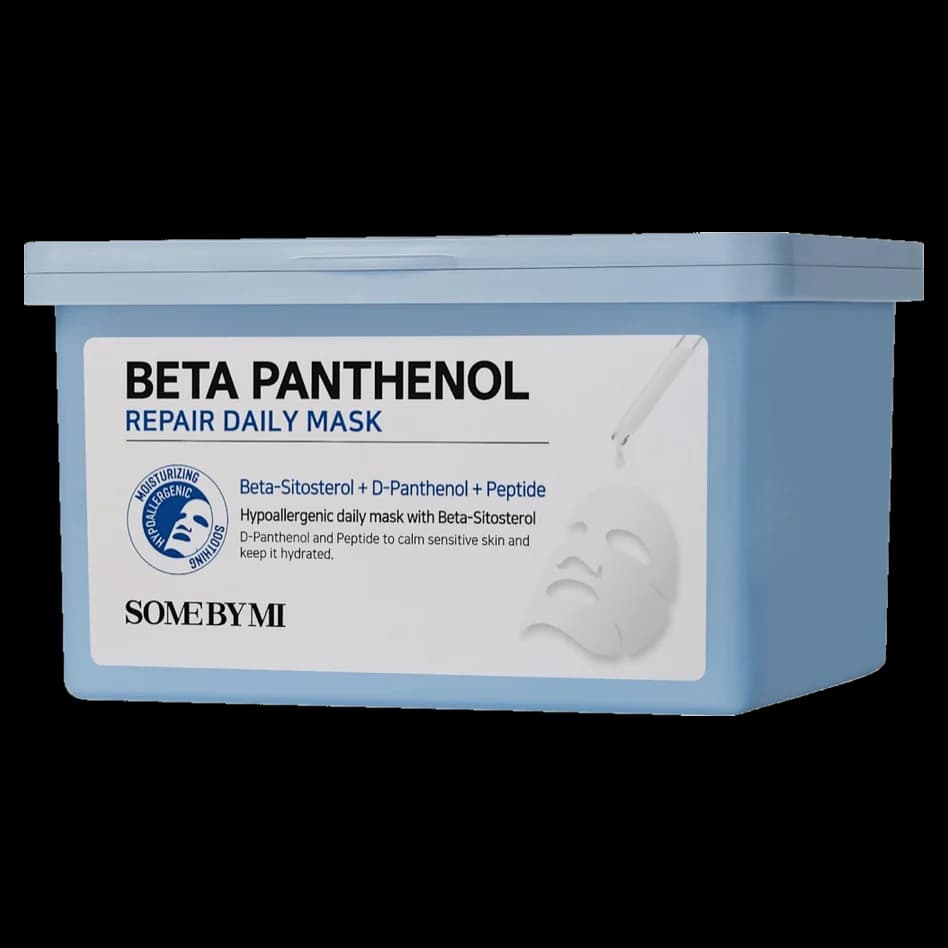
SOME BY MI
Daily Beta Panthenol Repair Mask
39th of 57 on the label
below ≈1%
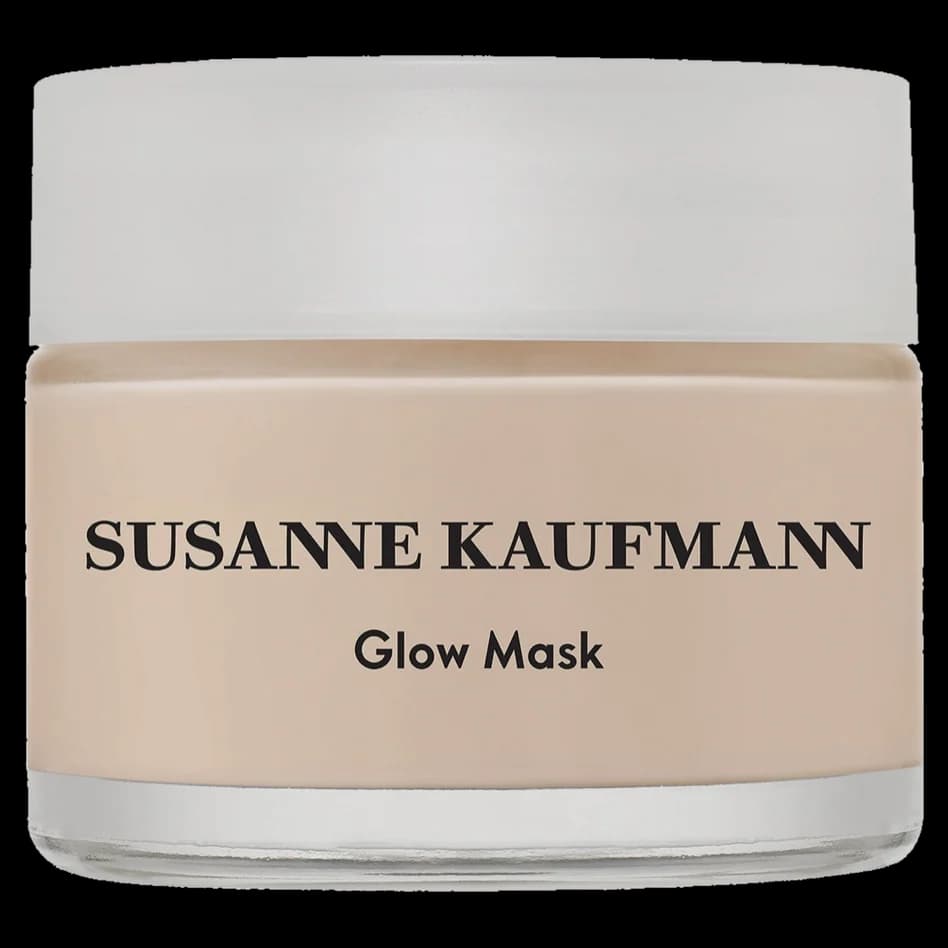
Susanne Kaufmann
Glow Mask
17th of 45 on the label