Olea Europaea (Olive) Fruit Oil
Olive oil
Genuinely relevant for some people, or depends on dose and pH.
Also written as: Olea Europaea Fruit Oil · Olive Oil
What it is
Olive oil is pressed from the fruit of Olea europaea and is roughly 70% oleic acid, with only a small share of linoleic acid and a well-studied set of polyphenol antioxidants. Its long history as a food and a massage oil gave it an easy passage into skincare, but it is one of the few plant oils to have been tested head-to-head on human skin, and the results were not favourable. It remains useful in cleansing and short-contact products, and questionable as a leave-on treatment for dry or eczema-prone skin.
How it shows up on a label
A few per cent of olive oil in a mask that is rinsed off after fifteen minutes is a very different exposure from the twice-daily neat application used in the barrier studies. Treat it as a reason to avoid olive oil as a standalone moisturiser rather than to reject any product containing it.
What it does well
Effective lubricant and cleansing oil
As a surface lipid it softens and lubricates well and dissolves make-up and sunscreen readily. The concerns below relate to repeated leave-on application, not to brief contact followed by rinsing.
Moderate evidence
Worth knowing
Repeated application measurably damages the skin barrier
In a randomised forearm-controlled study, four weeks of twice-daily olive oil significantly reduced stratum corneum integrity and produced mild redness, in volunteers both with and without a history of eczema. Sunflower seed oil applied to the same volunteers' other arm did not. The authors concluded that olive oil for dry skin and infant massage should be discouraged.
Matters most toAnyone using olive oil as a facial or body moisturiser, and especially parents using it for infant massage.
Its main fatty acid is a known barrier disruptor
Oleic acid is used deliberately in pharmaceutics as a penetration enhancer because it fluidises stratum corneum lipids. Controlled work in human skin found it adversely affected both water loss and electrical impedance, two standard measures of barrier integrity.
Matters most toPeople with eczema, rosacea or an already-compromised barrier.
Popular perception has not caught up with the evidence
Olive oil's reputation as a gentle, natural moisturiser is widespread; a 2021 commentary in a leading allergy journal was pointedly titled 'Olive oil is for eating and not skin moisturization'. Small amounts inside a well-designed emulsion are a different proposition from neat oil applied twice daily.
Matters most toAnyone choosing products on the assumption that natural oils are inherently safe for the skin.
Where the EU stands
No specific restriction
Not listed in any Annex of the EU Cosmetics Regulation, so there is no specific concentration limit; it is still covered by the general safety assessment every cosmetic product must pass before sale.
Regulation (EC) No 1223/2009 - no annex entry · source ↗
Sources (3)
Every link goes to the original: a journal, a PubMed record or an EU document.
- [1]Effect of olive and sunflower seed oil on the adult skin barrier: implications for neonatal skin care
Pediatric Dermatology · 2013 · doi:10.1111/j.1525-1470.2012.01865.x
Four weeks of topical olive oil significantly reduced stratum corneum integrity and induced mild erythema in adults with and without eczema history; the authors recommended against its use for dry skin and infant massage.
- [2]Olive oil is for eating and not skin moisturization
Journal of Allergy and Clinical Immunology · 2021 · doi:10.1016/j.jaci.2021.04.037
A commentary from barrier-biology researchers arguing that olive oil's oleic acid content makes it unsuitable as a skin moisturiser despite its dietary reputation.
- [3]Time-Dependent Differences in the Effects of Oleic Acid and Oleyl Alcohol on the Human Skin Barrier
Molecular Pharmaceutics · 2023 · doi:10.1021/acs.molpharmaceut.3c00648
Oleic acid fluidised stratum corneum lipids and adversely affected two measures of barrier integrity, transepidermal water loss and skin electrical impedance, in ex vivo human skin.
Masks that contain Olea Europaea (Olive) Fruit Oil
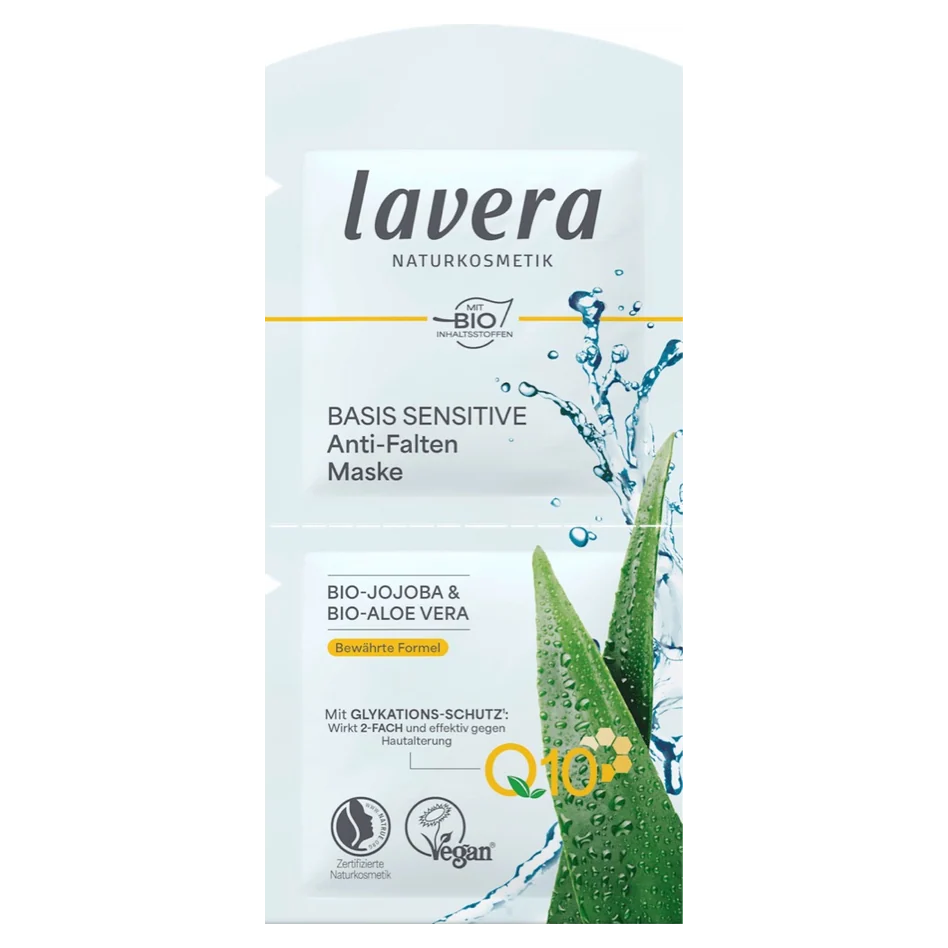
lavera
basis sensitiv Anti-Falten Gesichtsmaske
19th of 42 on the label
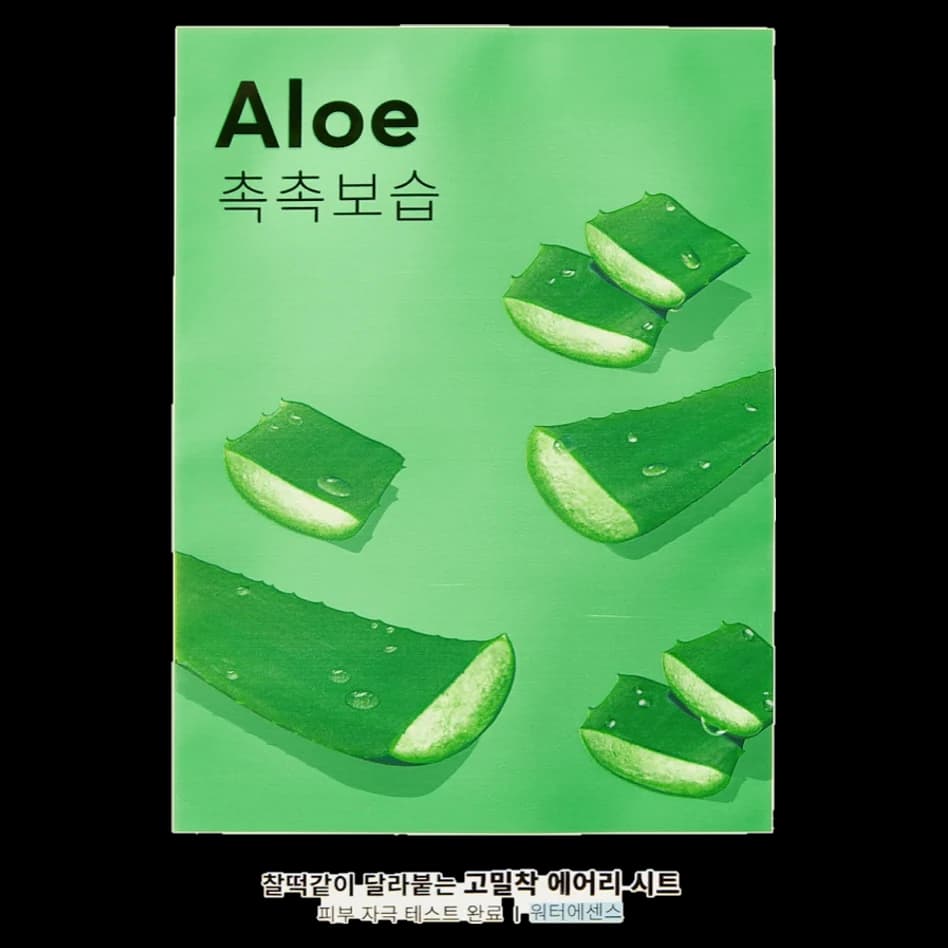
MISSHA
Airy Fit Sheet Mask Aloe
22nd of 26 on the label
below ≈1%
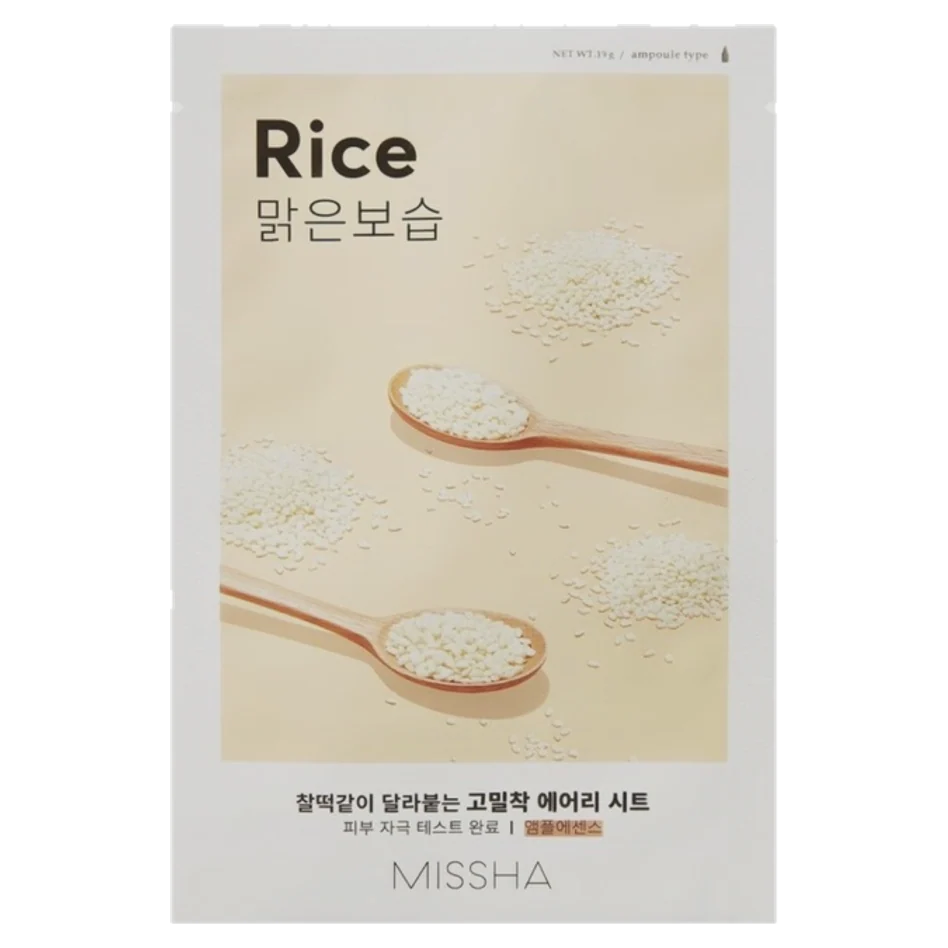
MISSHA
Airy Fit Sheet Mask Rice
16th of 27 on the label
below ≈1%
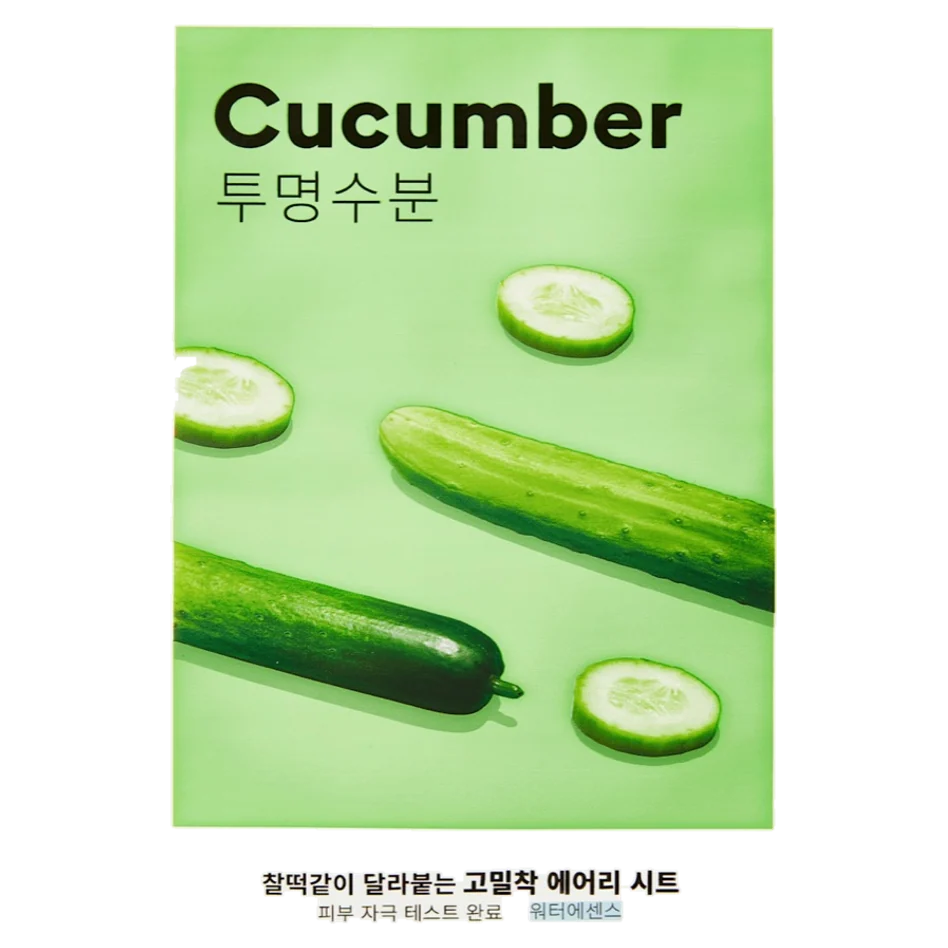
MISSHA
Sheet Mask Cucumber
18th of 25 on the label
below ≈1%
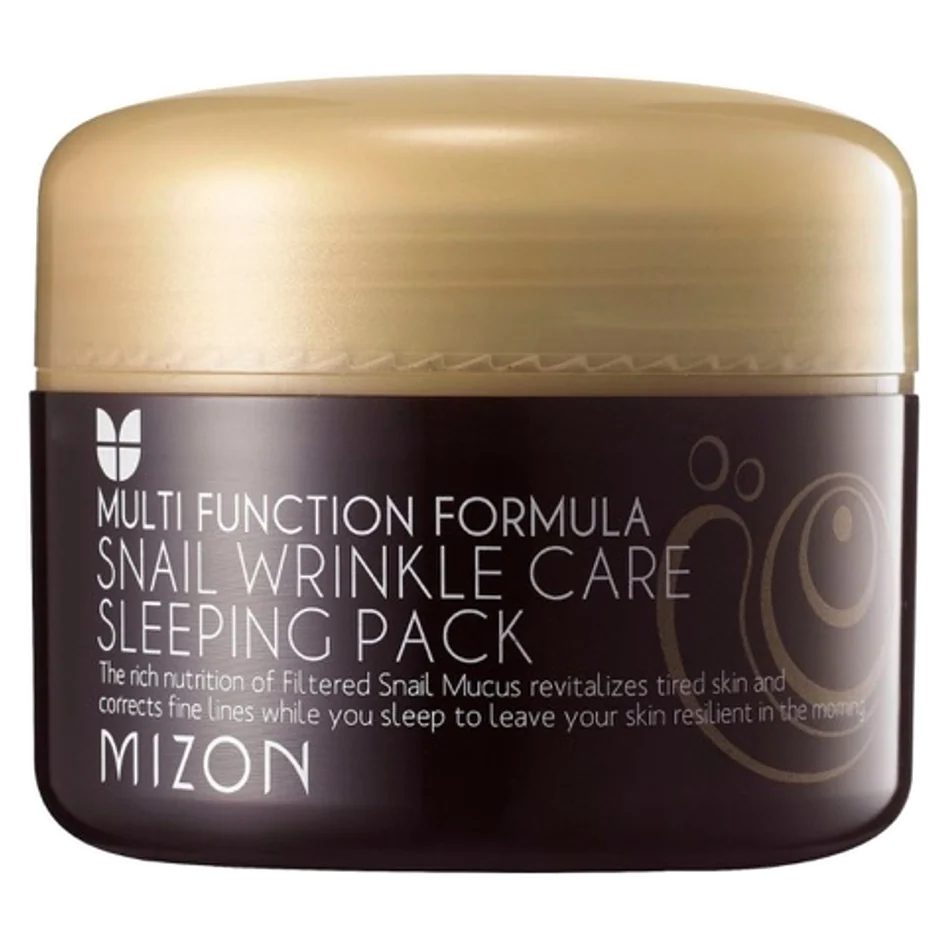
MIZON
Snail Wrinkle Care Sleeping Pack
6th of 31 on the label
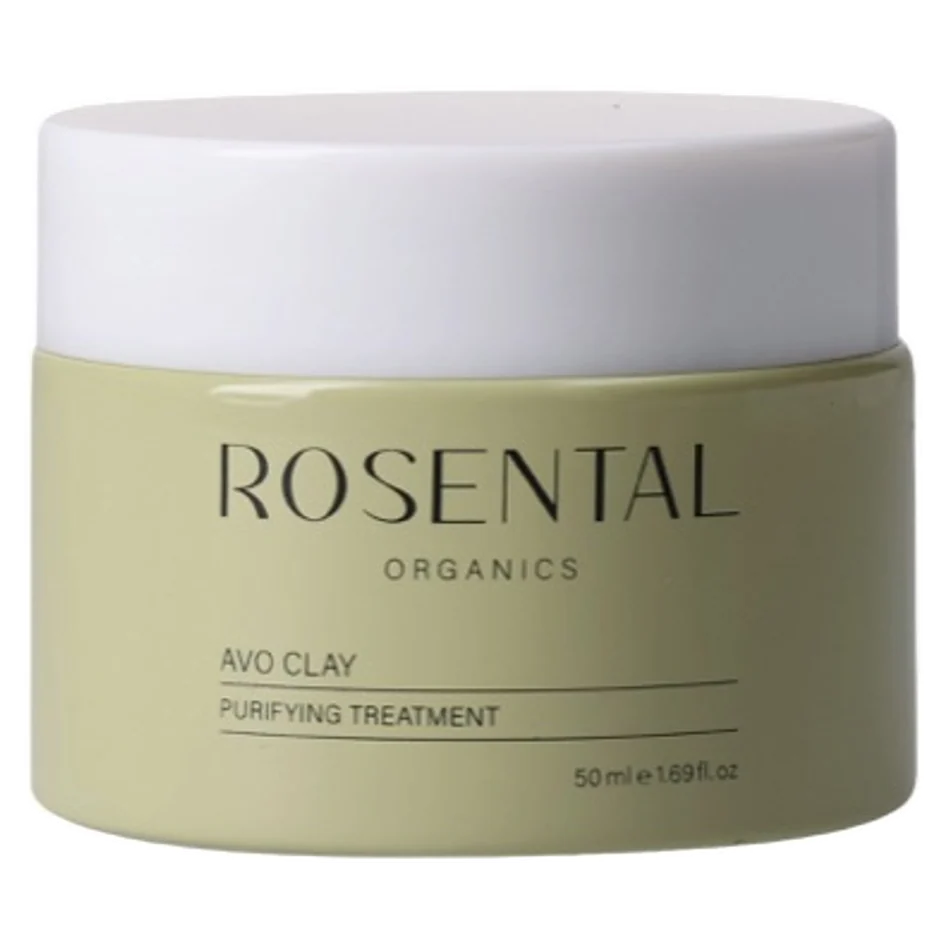
Rosental Organics
Avo Clay Mask
10th of 17 on the label
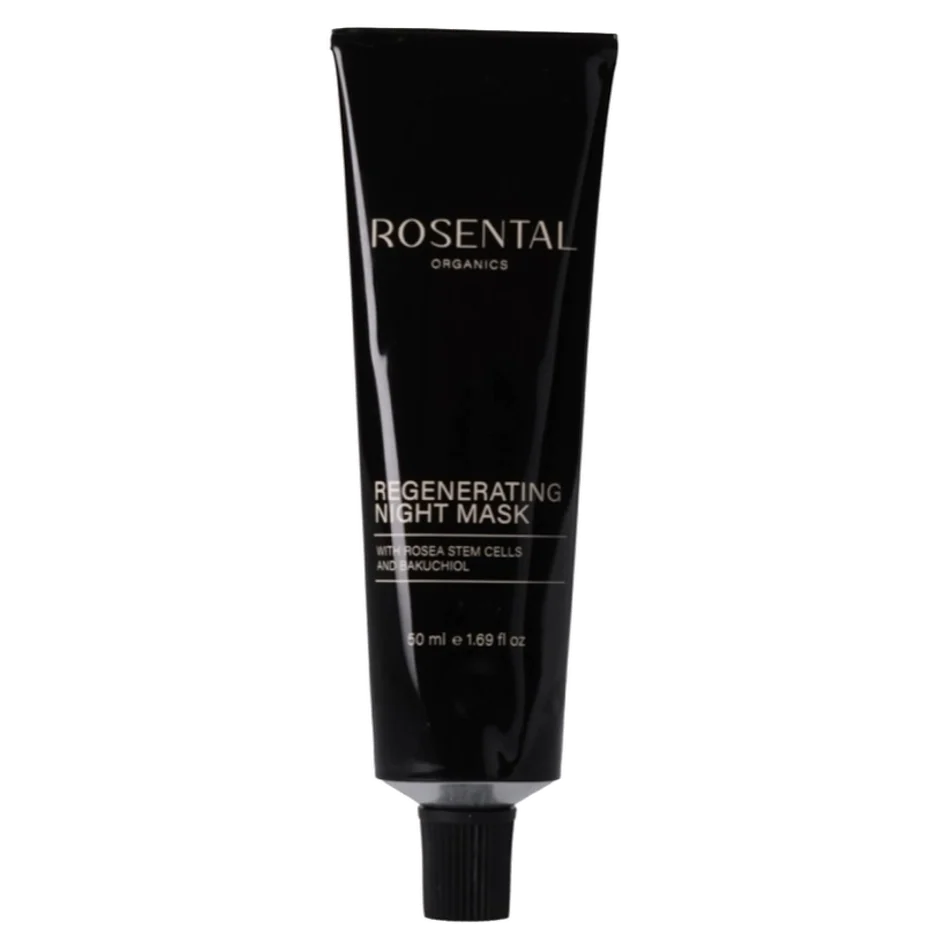
Rosental Organics
Regenerating Night Mask
9th of 44 on the label
Sensai
Cellular Performance Extra Intensive Mask
9th of 44 on the label
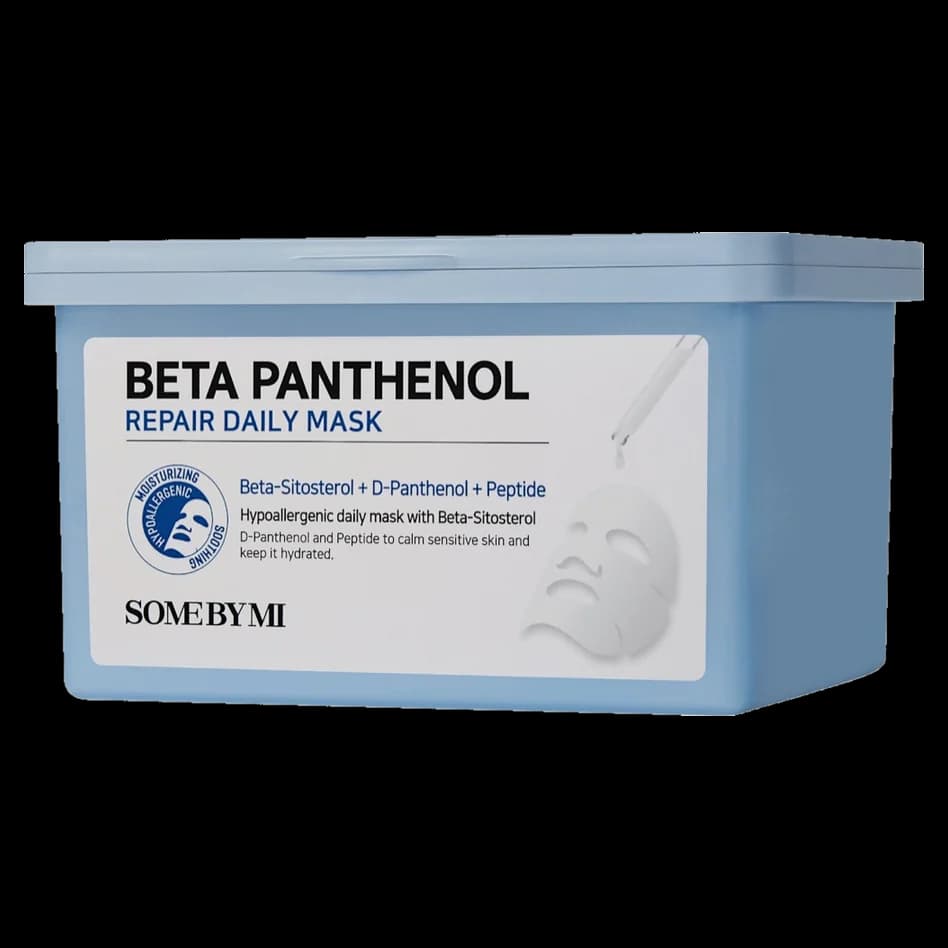
SOME BY MI
Daily Beta Panthenol Repair Mask
8th of 57 on the label
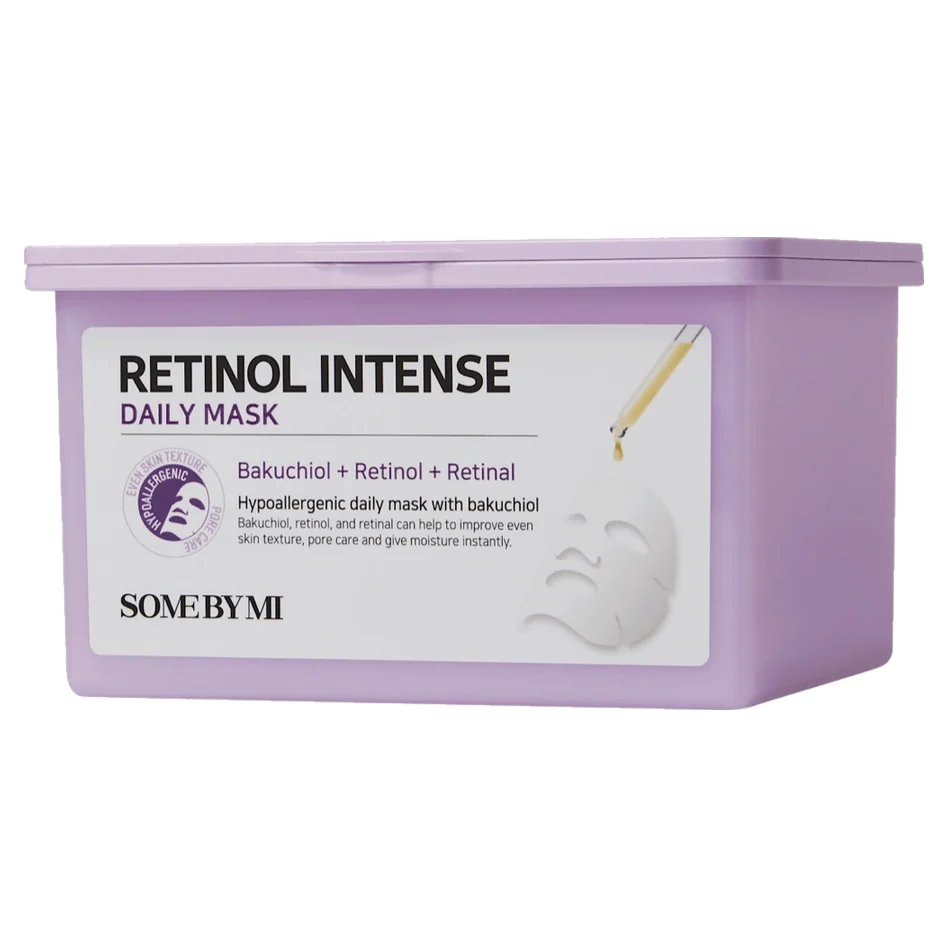
SOME BY MI
Daily Retinol Intense Mask
11th of 62 on the label
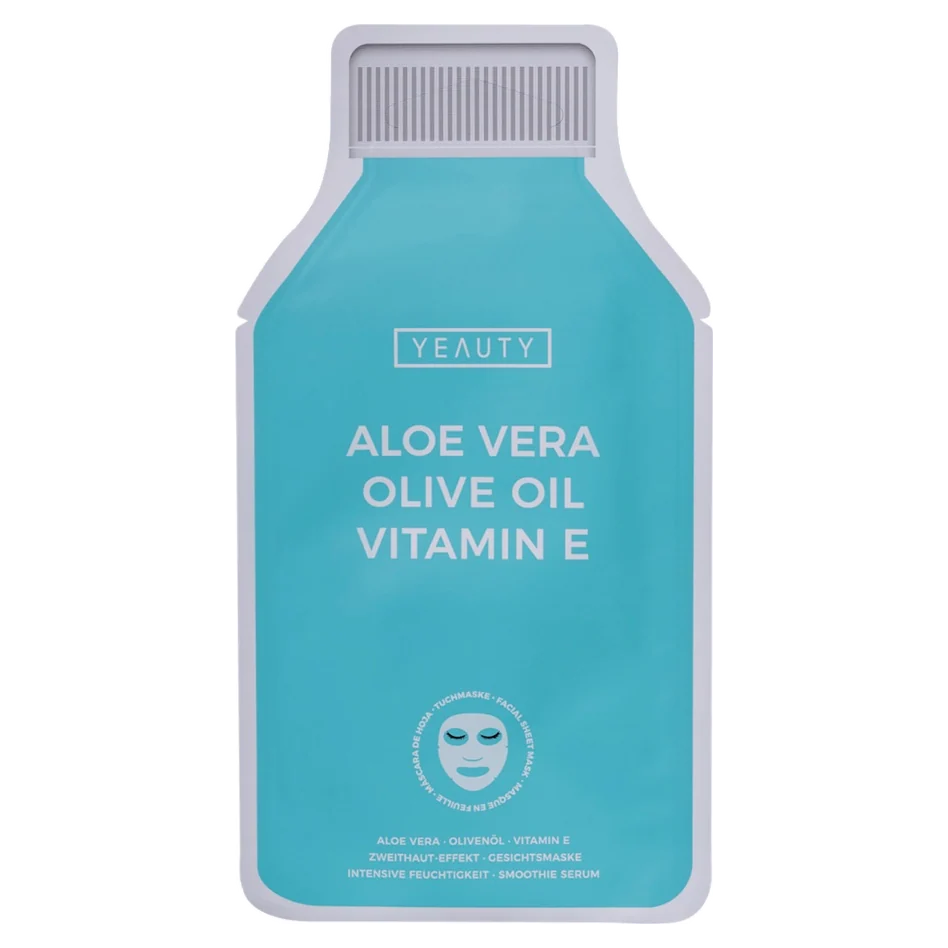
Yeauty
Tuchmaske Aloe Vera Olive Oil Vitamin E
11th of 29 on the label
below ≈1%