Propylene Glycol
PG
Genuinely relevant for some people, or depends on dose and pH.
Also written as: 1,2-Propanediol · Propane-1,2-diol · PG
What it is
Propylene glycol is a small synthetic alcohol used for decades as a humectant, a solvent for ingredients that will not dissolve in water, and a preservative booster. It is also a food additive and a carrier in many oral and injectable medicines. It is frequently confused with ethylene glycol, the toxic component of engine antifreeze; they are different molecules with very different safety profiles.
How it shows up on a label
Usually printed in the first few rows, above the point where ingredient order stops indicating quantity.
What it does well
Hydrates and helps dissolve other active ingredients
Propylene glycol binds water and is one of the most reliable solvents in cosmetic chemistry, letting formulators include actives and preservatives that would otherwise be difficult to stabilise.
Strong evidence
The "it's antifreeze" fear is misplaced
The dangerous antifreeze compound is ethylene glycol, a different chemical. Propylene glycol is approved as a food additive in the EU and used as a solvent in licensed medicines. Toxicity concerns relate to large ingested or intravenous doses, not topical cosmetic use.
Strong evidence
Worth knowing
Documented contact allergen, though sensitisation rates are low
The American Contact Dermatitis Society named propylene glycol its Allergen of the Year for 2018. However, the largest patch-test dataset (45,138 patients) found only 2.3% positive reactions, with many of those judged likely false positives, and concluded that propylene glycol has very low sensitisation potential on intact skin.
Matters most toPeople with known propylene glycol allergy, and those with chronic leg dermatitis or long-standing eczema, where sensitisation is more likely.
Can irritate or sting at higher concentrations
Explicit irritant reactions occurred in 0.6% of patch-tested patients. Irritation is dose-dependent and more likely on already-damaged skin than on healthy skin.
Matters most toPeople with compromised or actively inflamed skin.
Where the EU stands
No specific restriction
Permitted in EU cosmetics with no concentration limit. It is not listed in the banned, restricted or preservative annexes of the Cosmetics Regulation, and it is not a declarable fragrance allergen.
Regulation (EC) No 1223/2009 - no annex entry · source ↗
Sources (3)
Every link goes to the original: a journal, a PubMed record or an EU document.
- [1]Skin-sensitizing and irritant properties of propylene glycol
Contact Dermatitis · 2005 · doi:10.1111/j.0105-1873.2005.00693.x
Across 45,138 patch-tested patients, 2.3% reacted positively and 0.6% showed irritant reactions; the authors concluded propylene glycol has very low sensitisation potential on uncompromised skin.
- [2]Propylene Glycol
Dermatitis (American Contact Dermatitis Society) · 2018 · doi:10.1097/DER.0000000000000315
The article accompanying propylene glycol's designation as ACDS Allergen of the Year 2018, describing it as both a sensitiser and an irritant and discussing correct patch-testing methods.
- [3]Allergic contact dermatitis from propylene glycol: A case series from Australia
Contact Dermatitis · 2023
A recent case series confirming that genuine allergic contact dermatitis to propylene glycol occurs and is worth patch testing for, while remaining uncommon.
Masks that contain Propylene Glycol
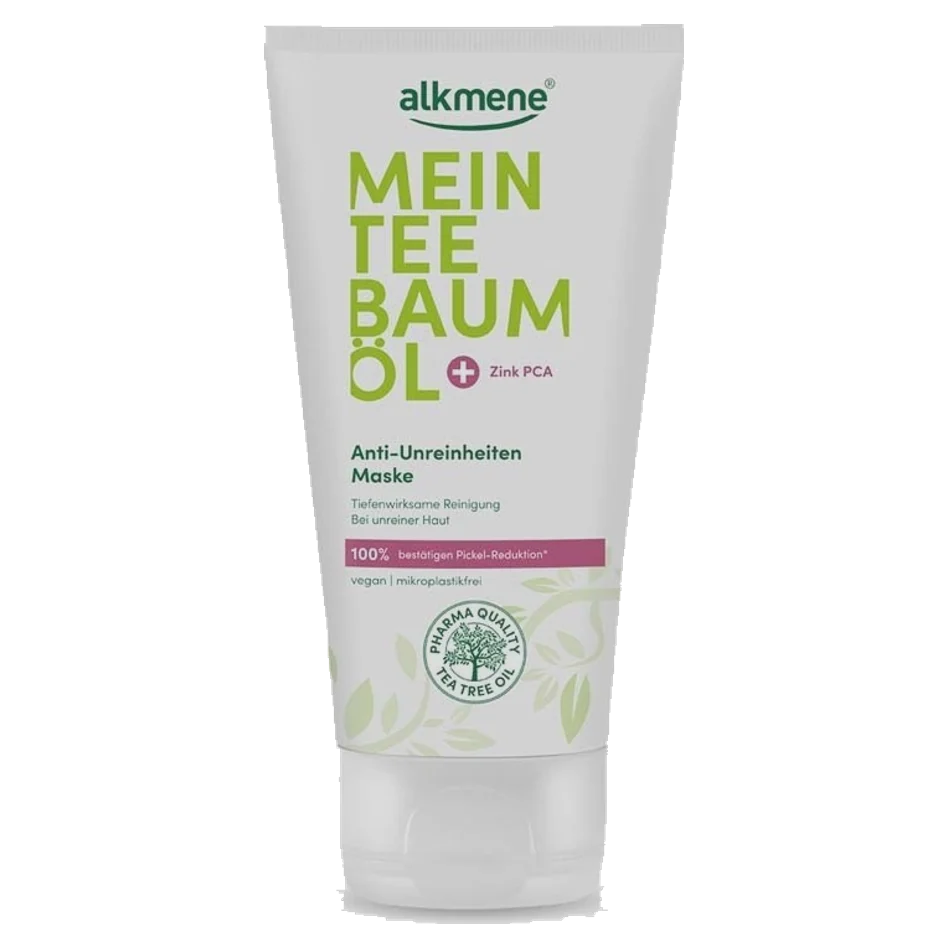
alkmene
Mein Teebaumöl Anti-Unreinheiten Maske
5th of 16 on the label
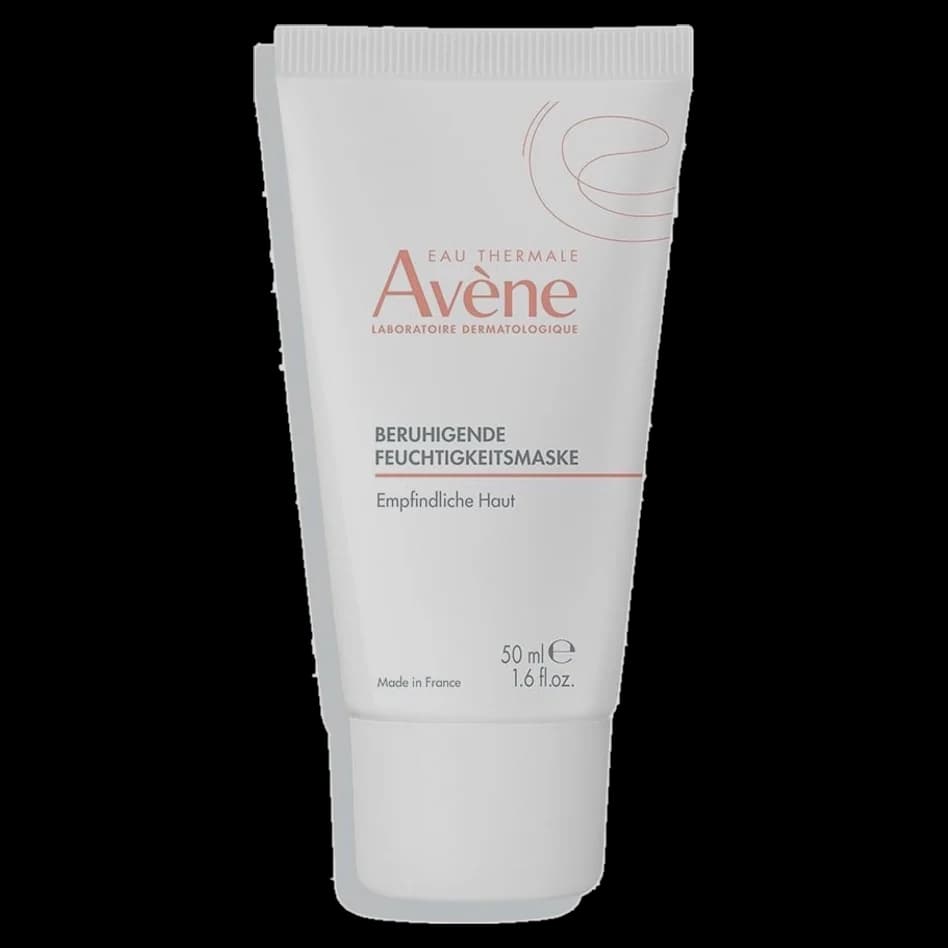
Avène
Soothing Moisture Mask
12th of 26 on the label
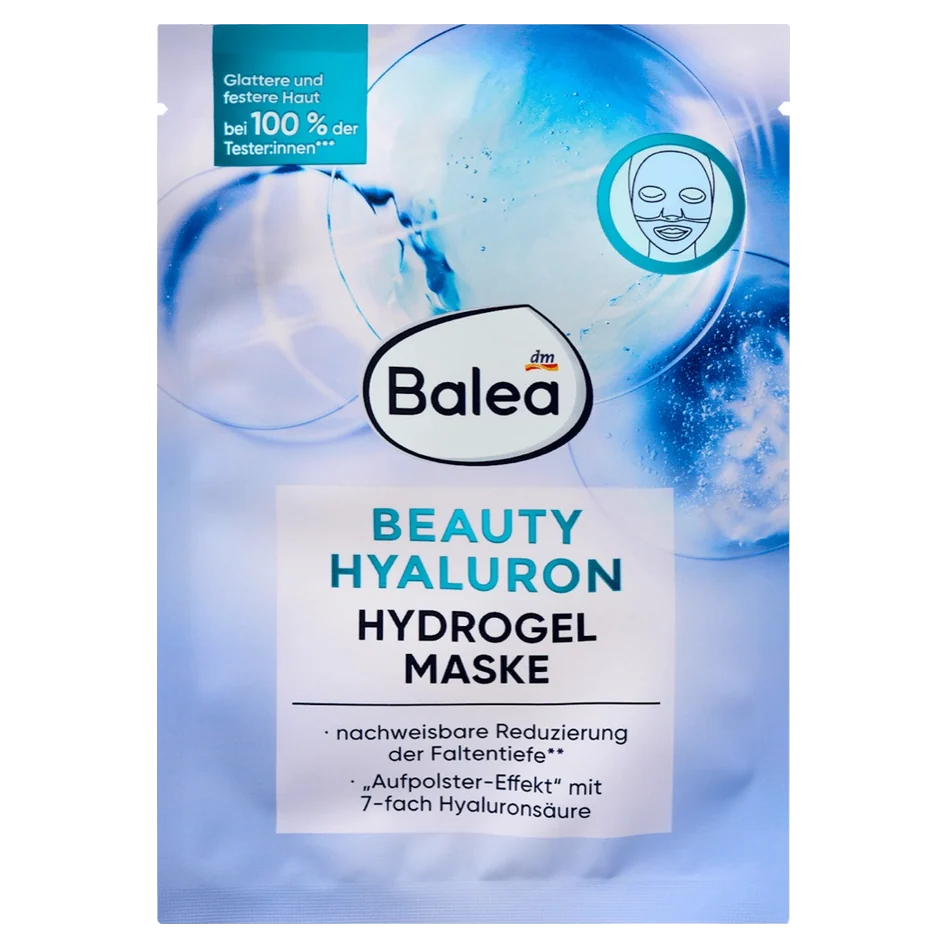
Balea
Gesichtsmaske Beauty Hyaluron Hydrogel
3rd of 28 on the label
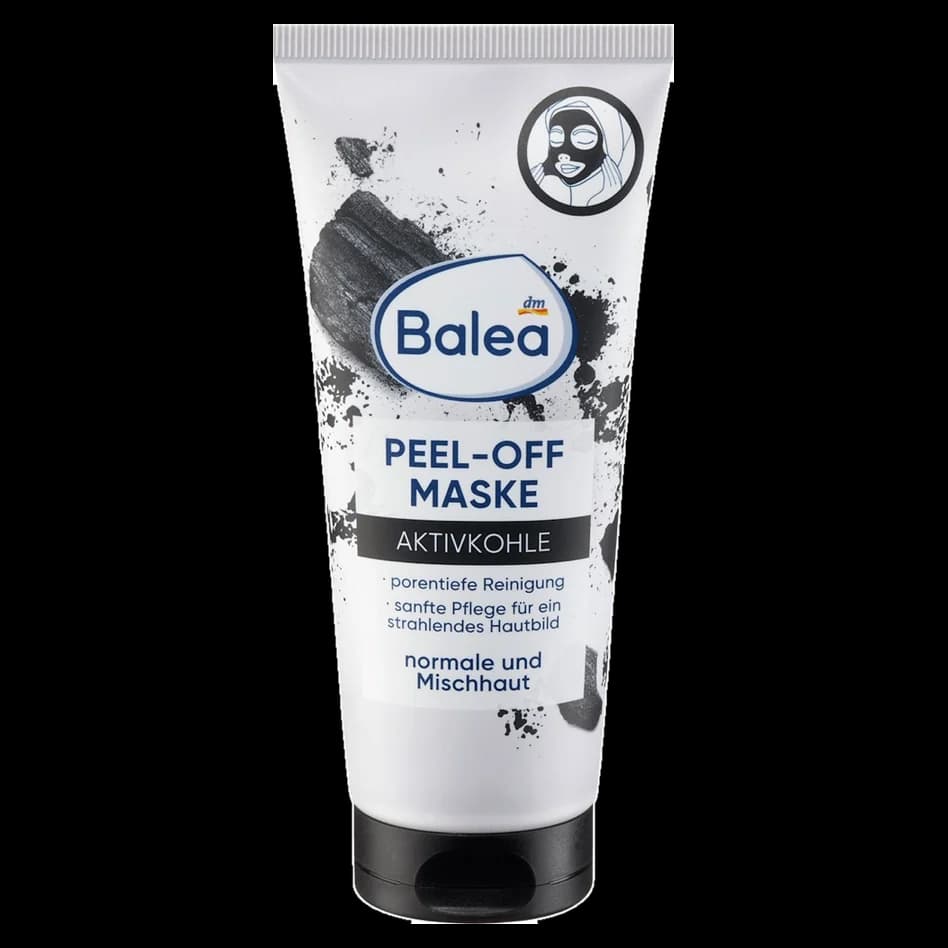
Balea
Gesichtsmaske Peel-Off Aktivkohle
4th of 18 on the label
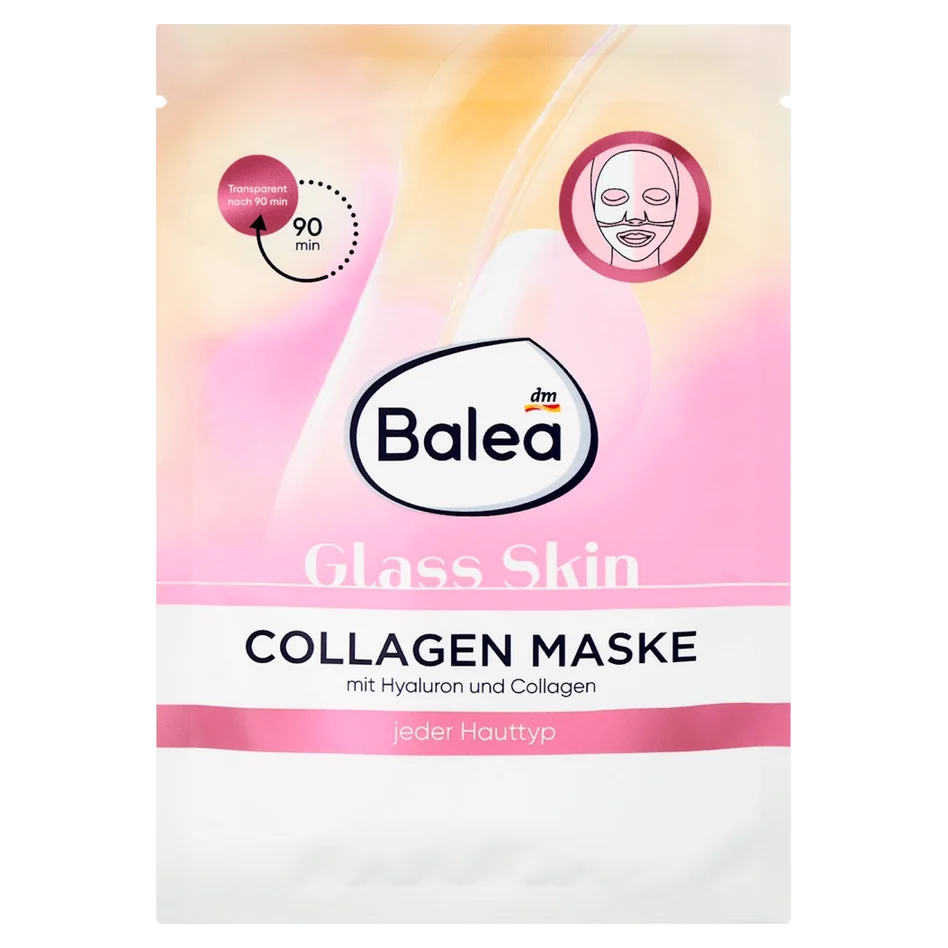
Balea
Glass Skin Collagen Maske
4th of 17 on the label
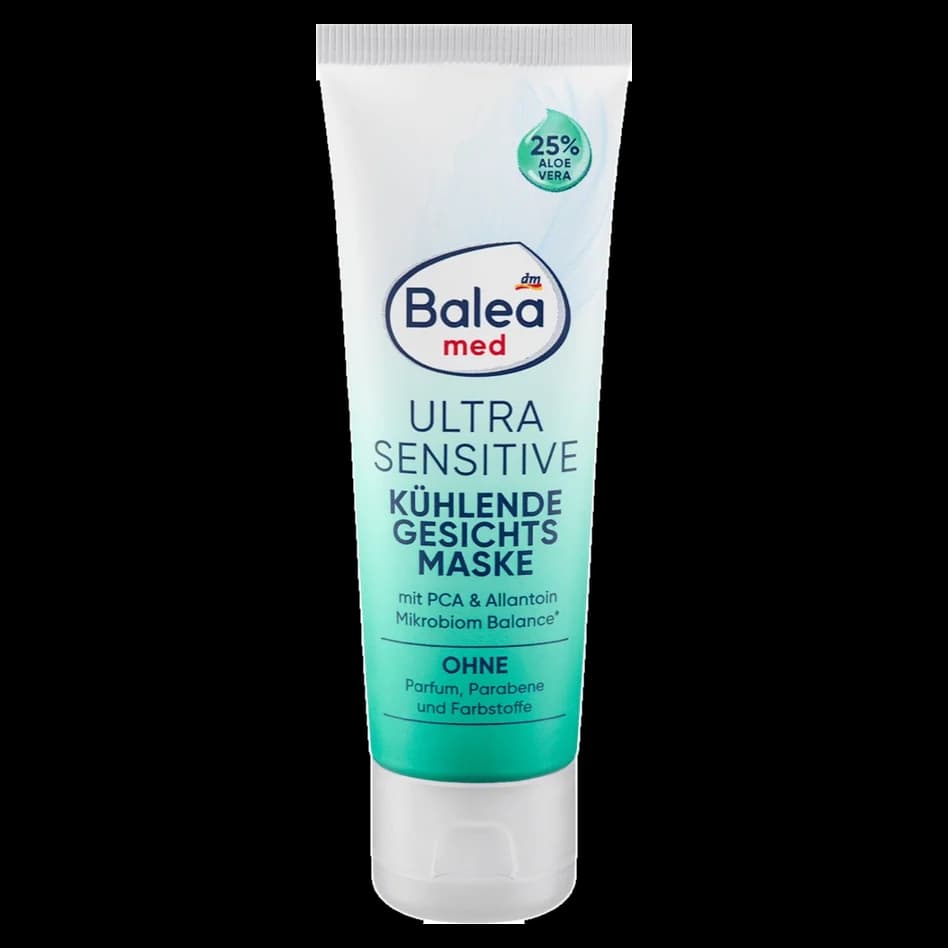
Balea med
Gesichtsmaske kühlend ultra sensitive
3rd of 13 on the label
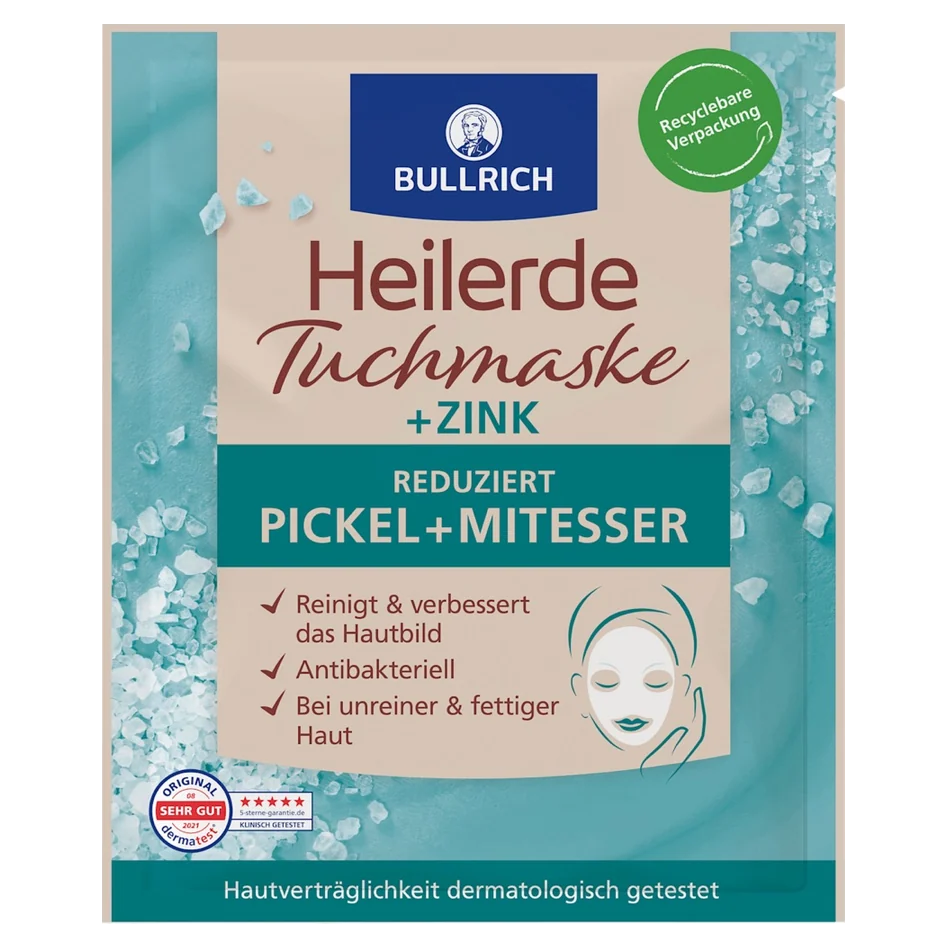
Bullrich
Tuchmaske Heilerde+Zink
6th of 19 on the label
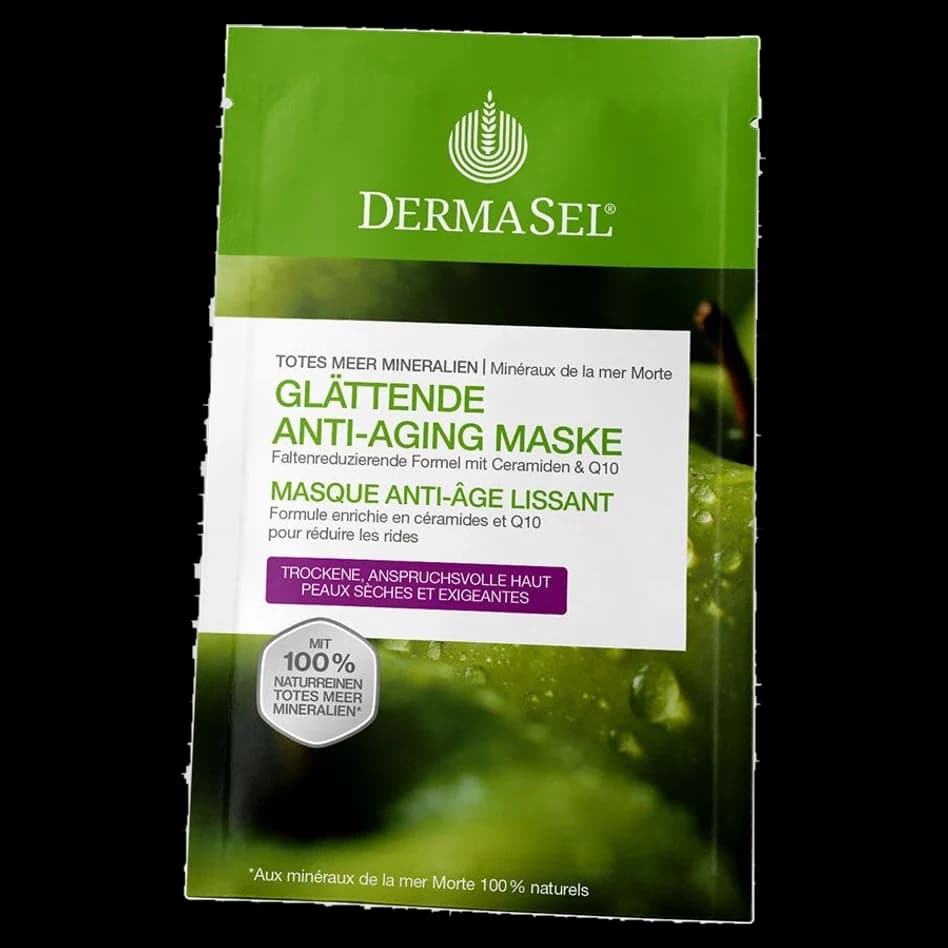
DERMASEL
EXKLUSIV Totes Meer Maske Anti Aging
1st of 26 on the label
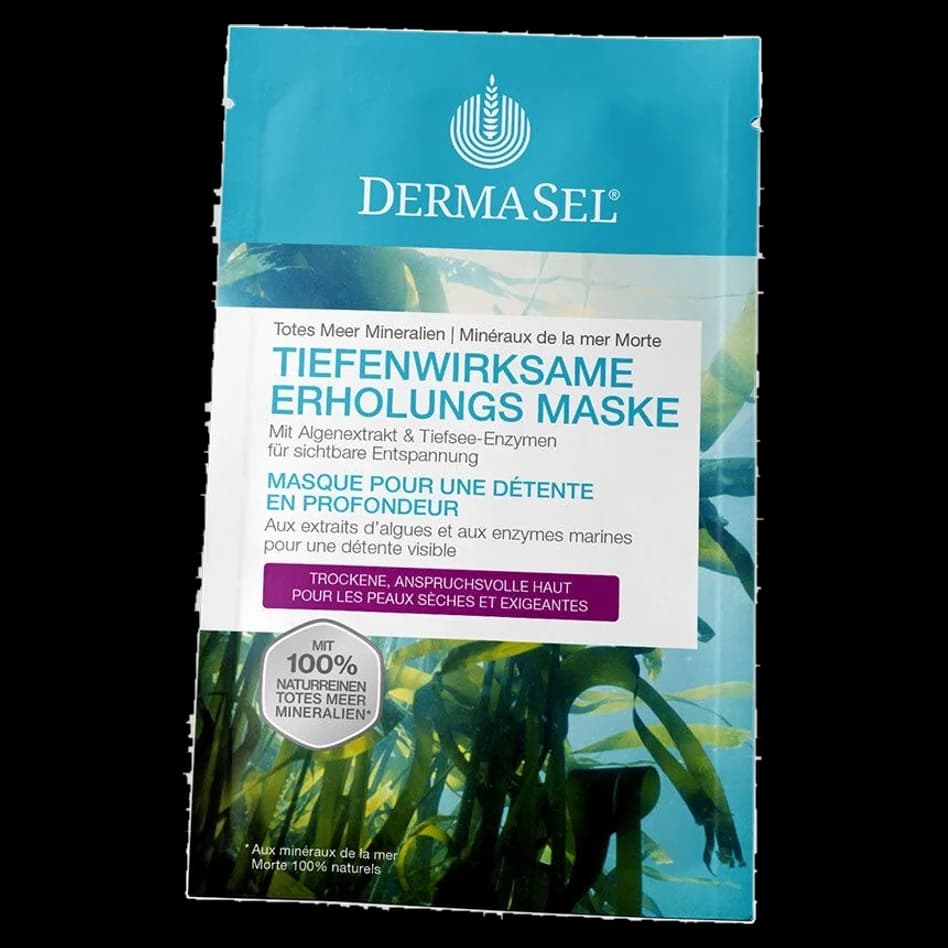
DERMASEL
SPA Totes Meer Maske Erholung
6th of 31 on the label
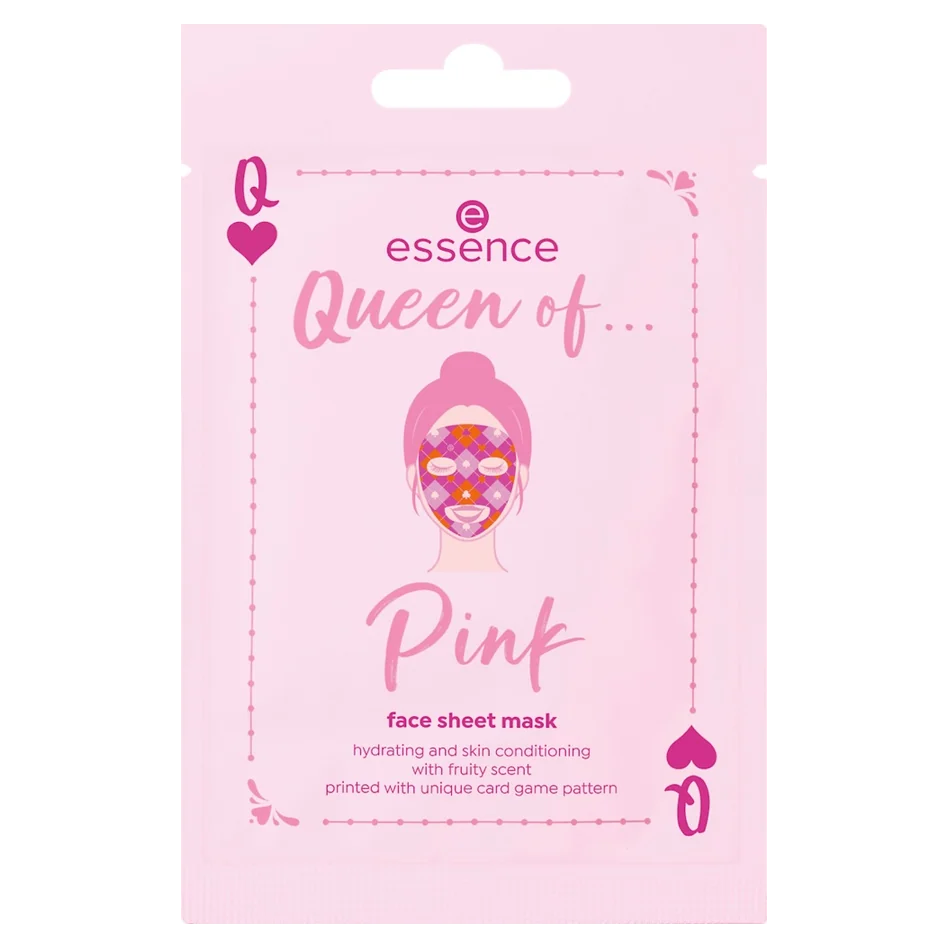
essence
Queen of Pink Face Sheet Mask 01 Keeping My Pink Poker Face
2nd of 23 on the label
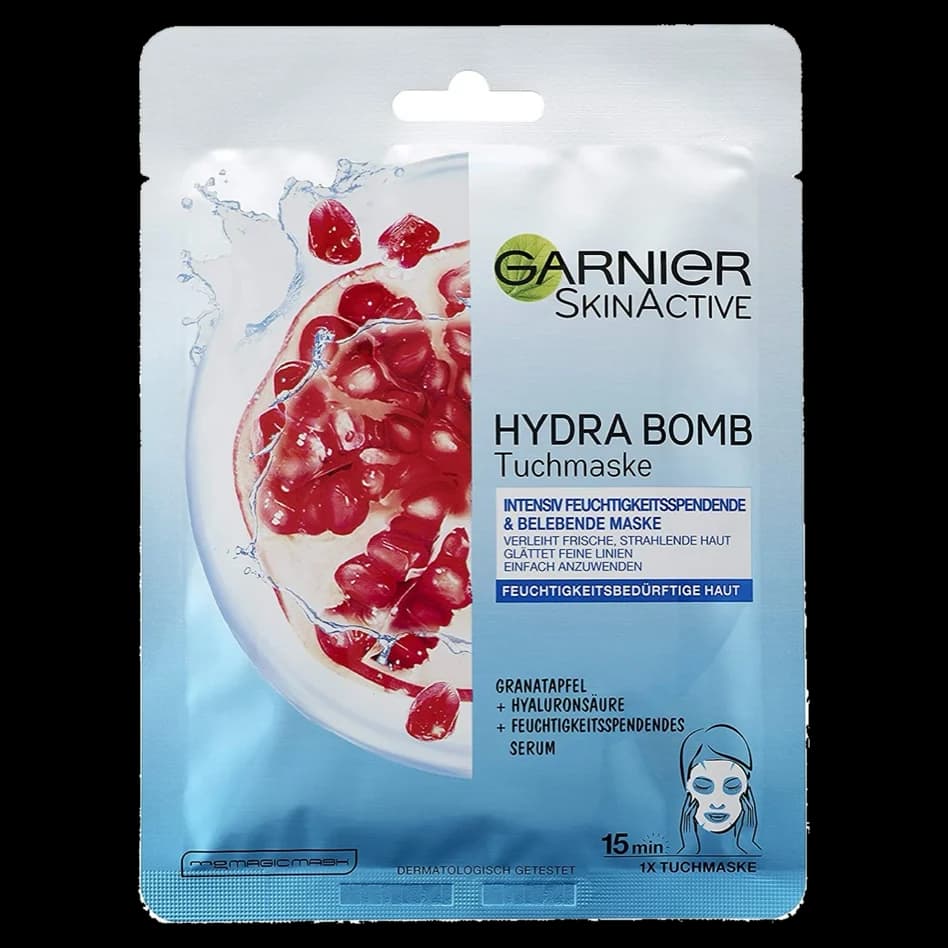
Garnier
SkinActive Hydra Bomb Tissue Mask Pomegranate
2nd of 29 on the label
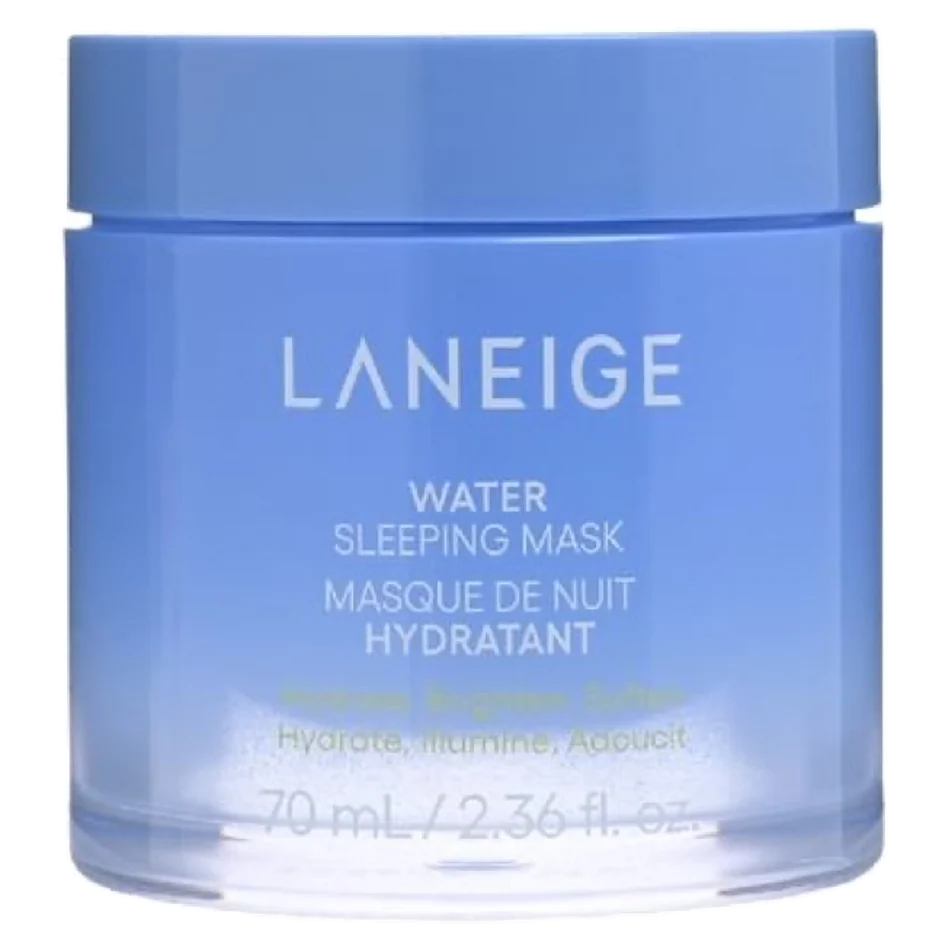
LANEIGE
Water Sleeping Mask
22nd of 43 on the label
below ≈1%
MISSHA
Snail 3D Sheet Mask
5th of 25 on the label
Salthouse
Totes Meer Therapie Gesichtsmaske Mineral & Heilerde
17th of 17 on the label
below ≈1%
Schaebens
Gesichtsmaske Feuchtigkeit Sofort-Effekt
29th of 38 on the label
below ≈1%
Schaebens
Gesichtsmaske Hyaluron Hydrogel
6th of 19 on the label
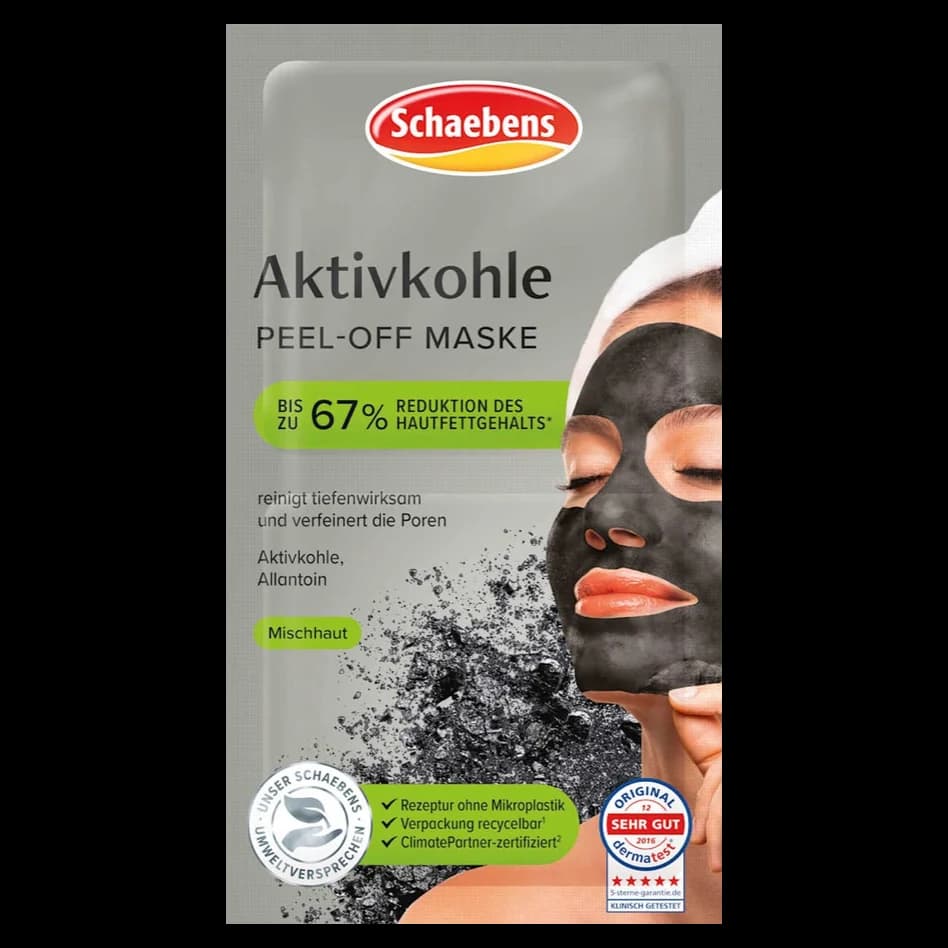
Schaebens
Gesichtsmaske peel off Aktivkohle
4th of 8 on the label
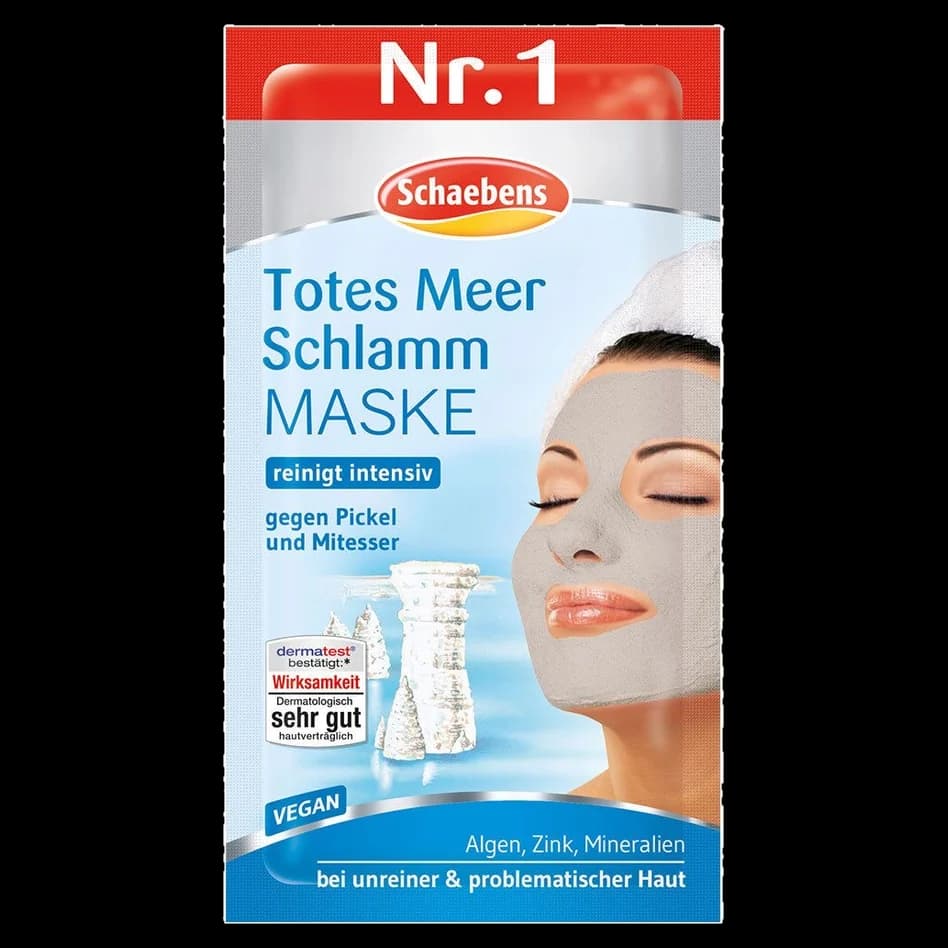
Schaebens
Totes Meer Schlamm Maske
7th of 14 on the label
SEINZ.
Tuchmaske hydro effect
3rd of 21 on the label
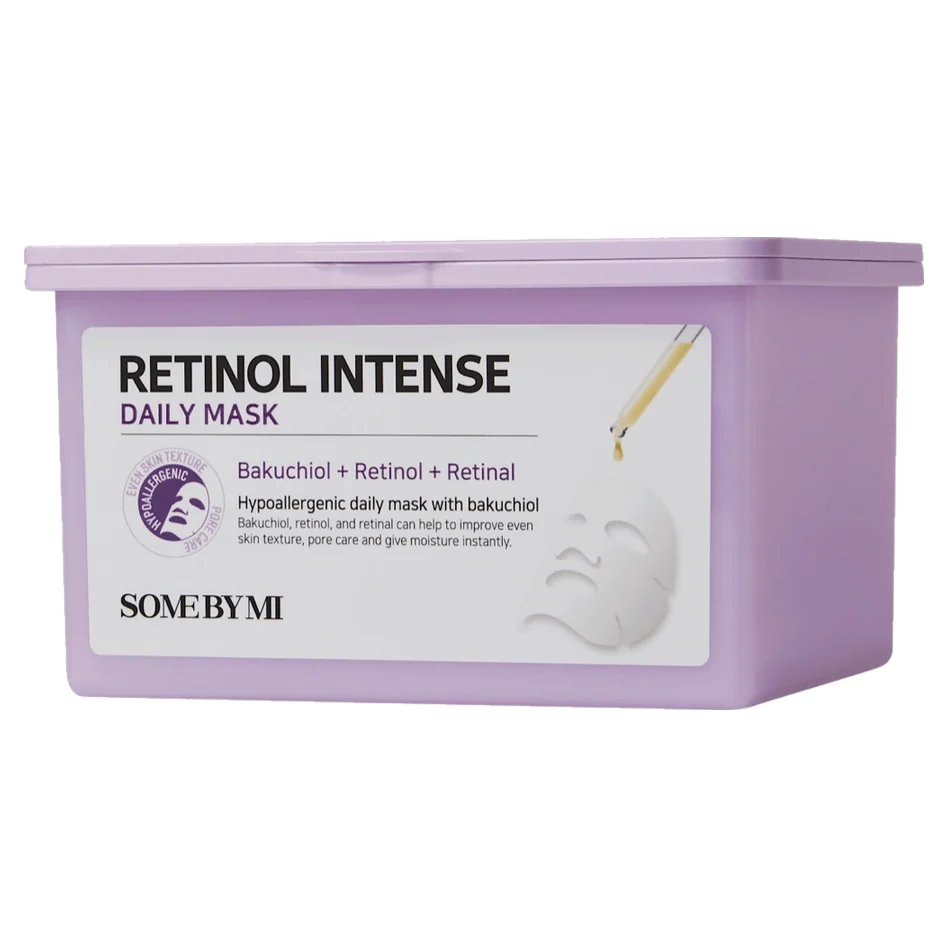
SOME BY MI
Daily Retinol Intense Mask
57th of 62 on the label
below ≈1%
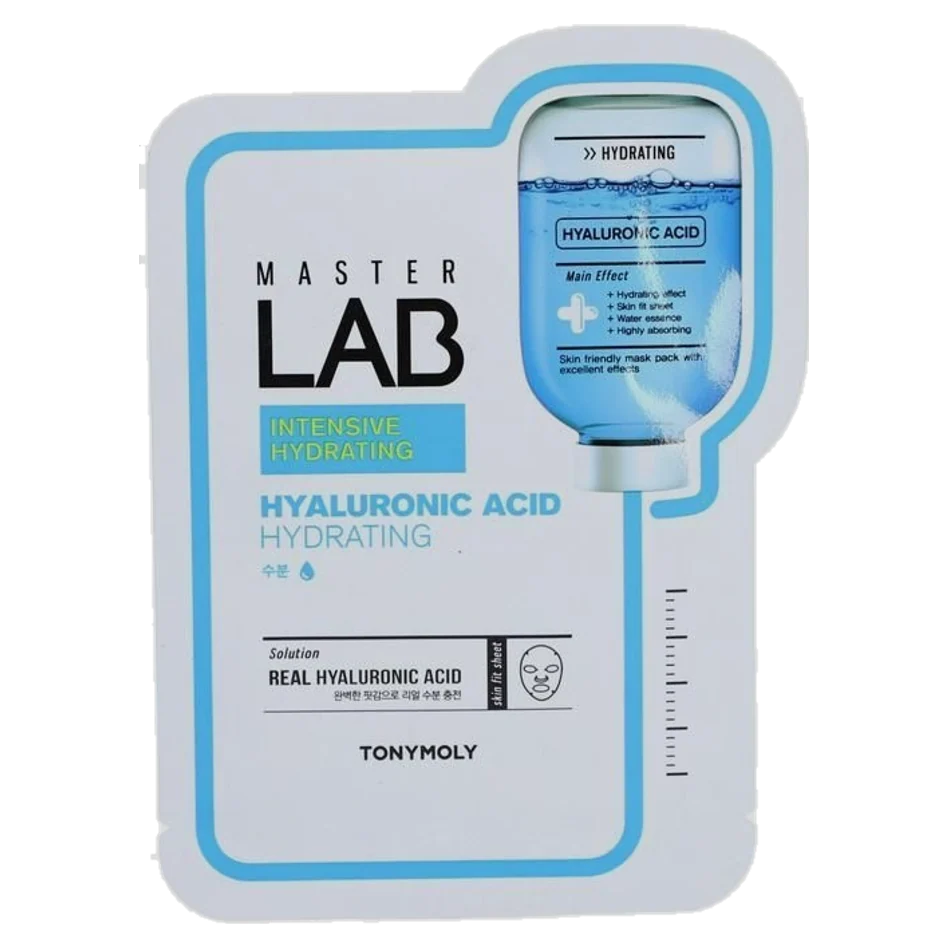
TONYMOLY
Master Lab Sheet Mask Hyaluronic Acid
10th of 31 on the label
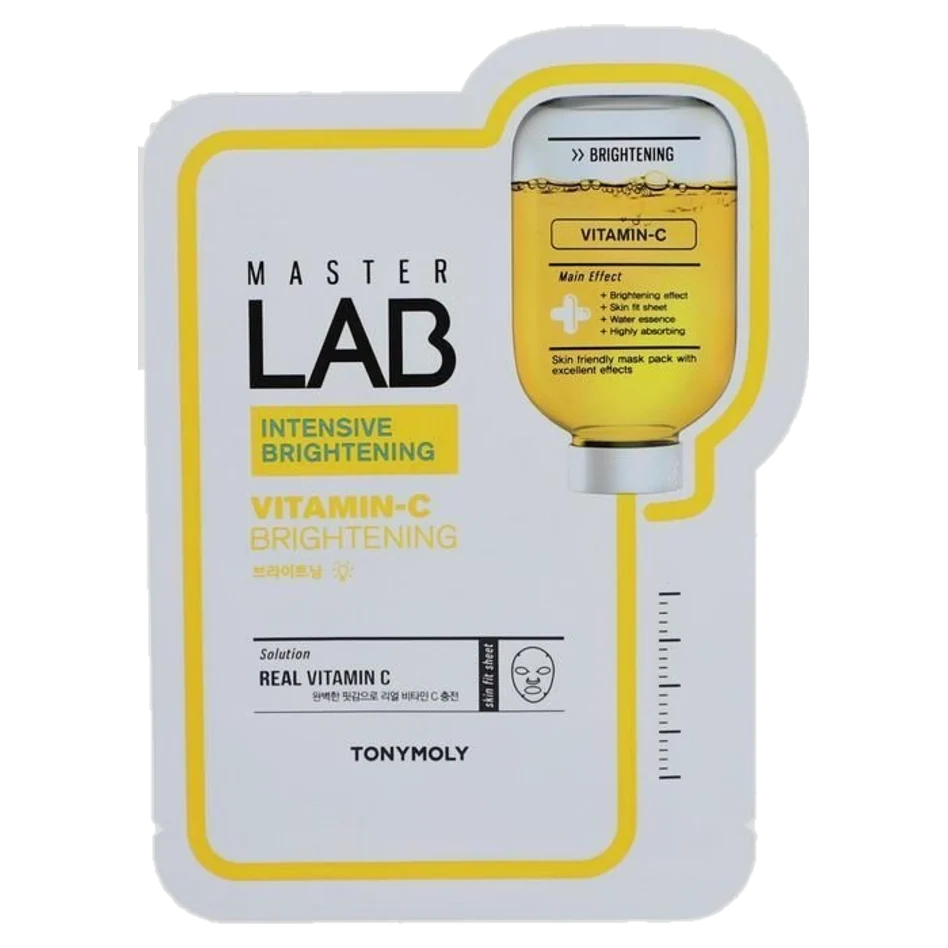
TONYMOLY
Master Lab Sheet Mask Vitamin C
13th of 33 on the label
below ≈1%
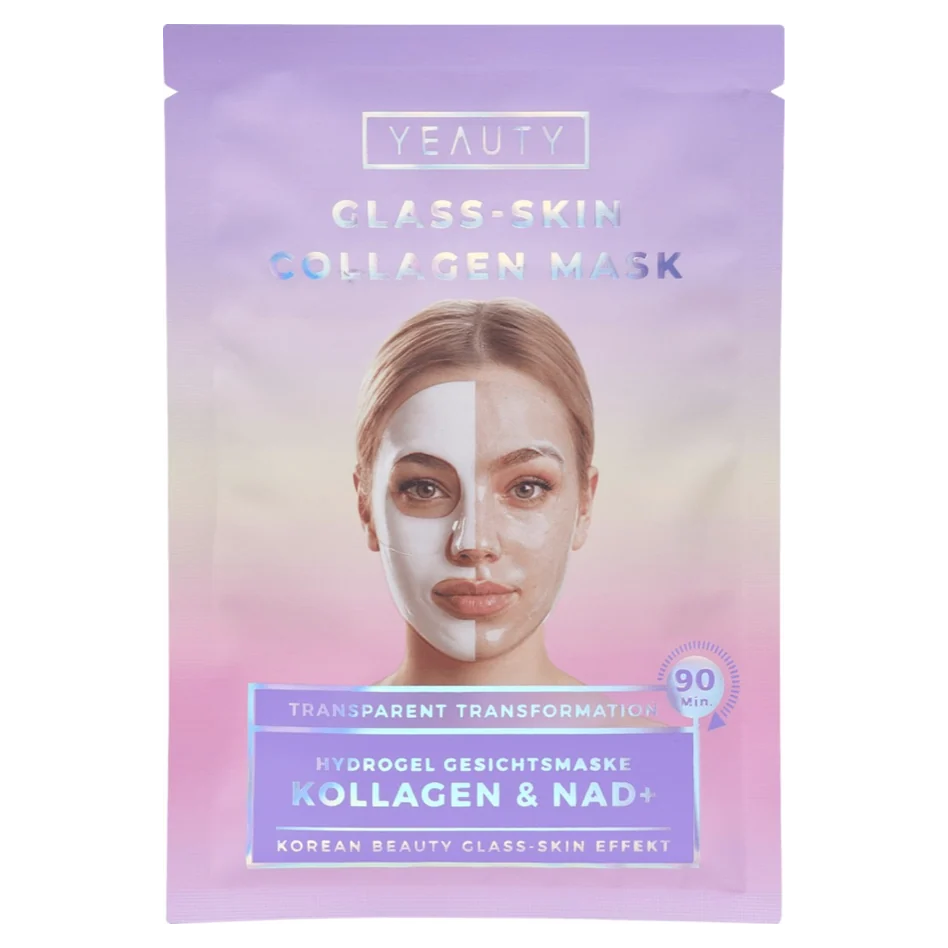
Yeauty
Glass-Skin Hydrogel Maske Kollagen & NAD+
3rd of 15 on the label
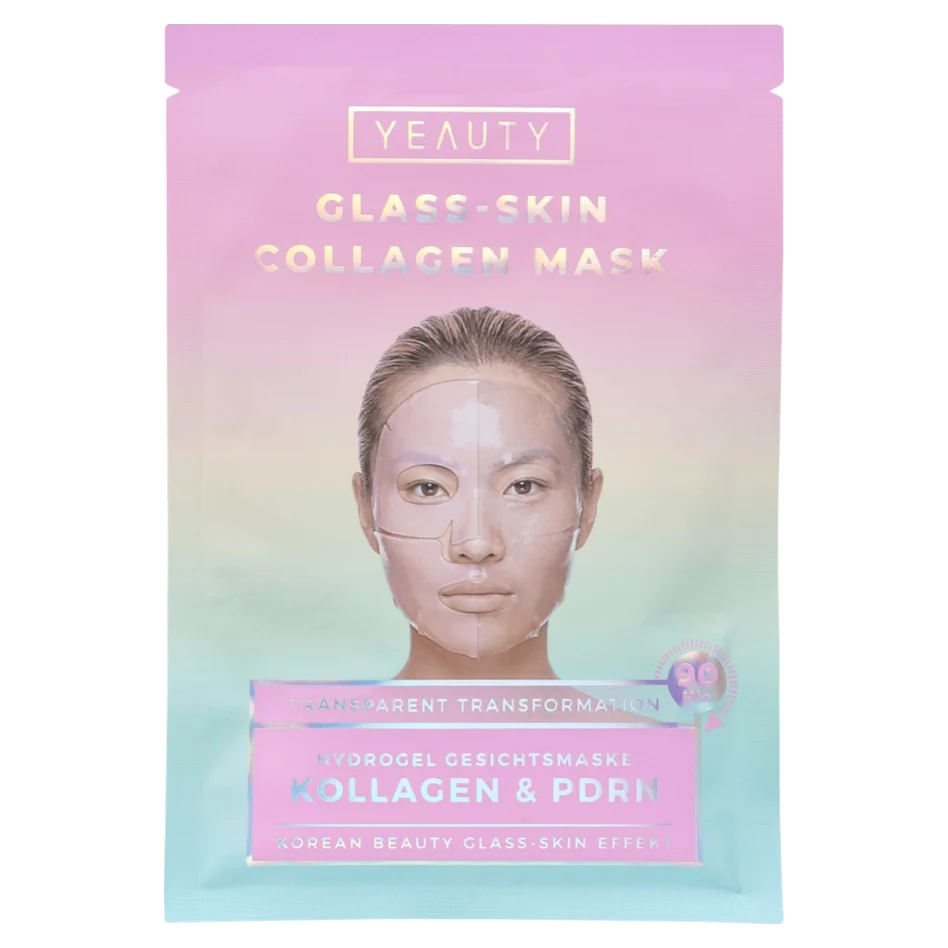
Yeauty
Glass-Skin Hydrogel Maske Kollagen & PDRN
3rd of 16 on the label
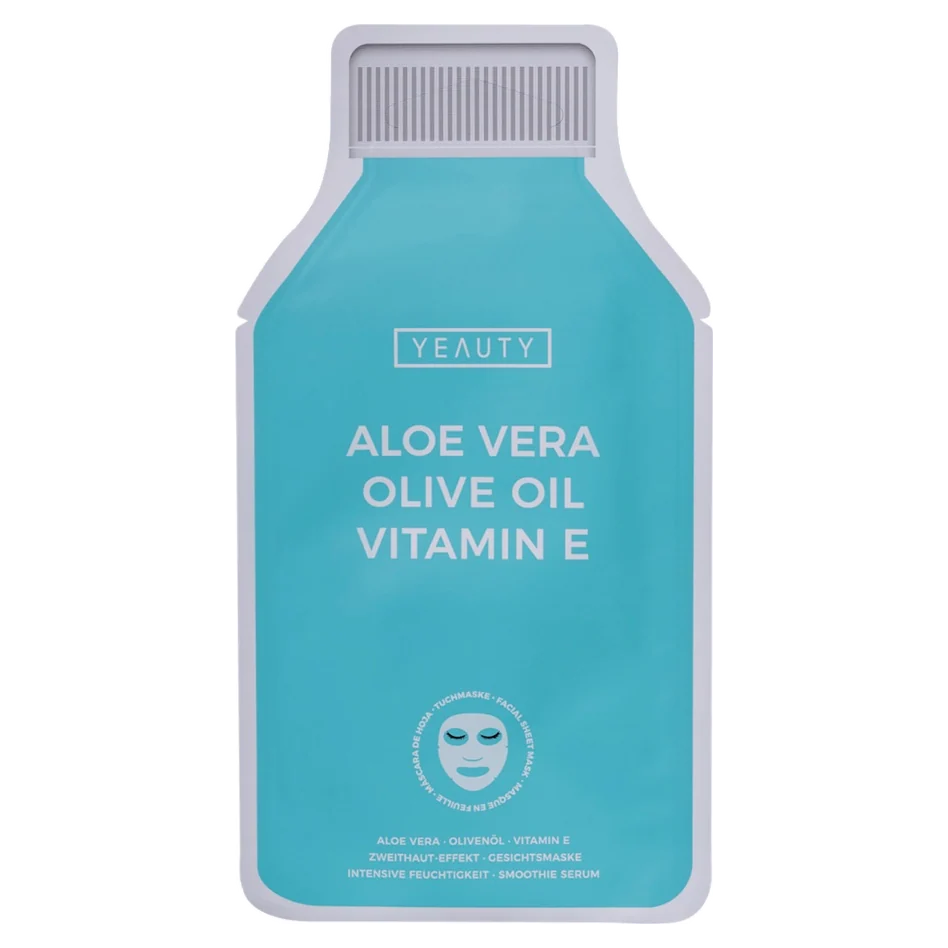
Yeauty
Tuchmaske Aloe Vera Olive Oil Vitamin E
2nd of 29 on the label
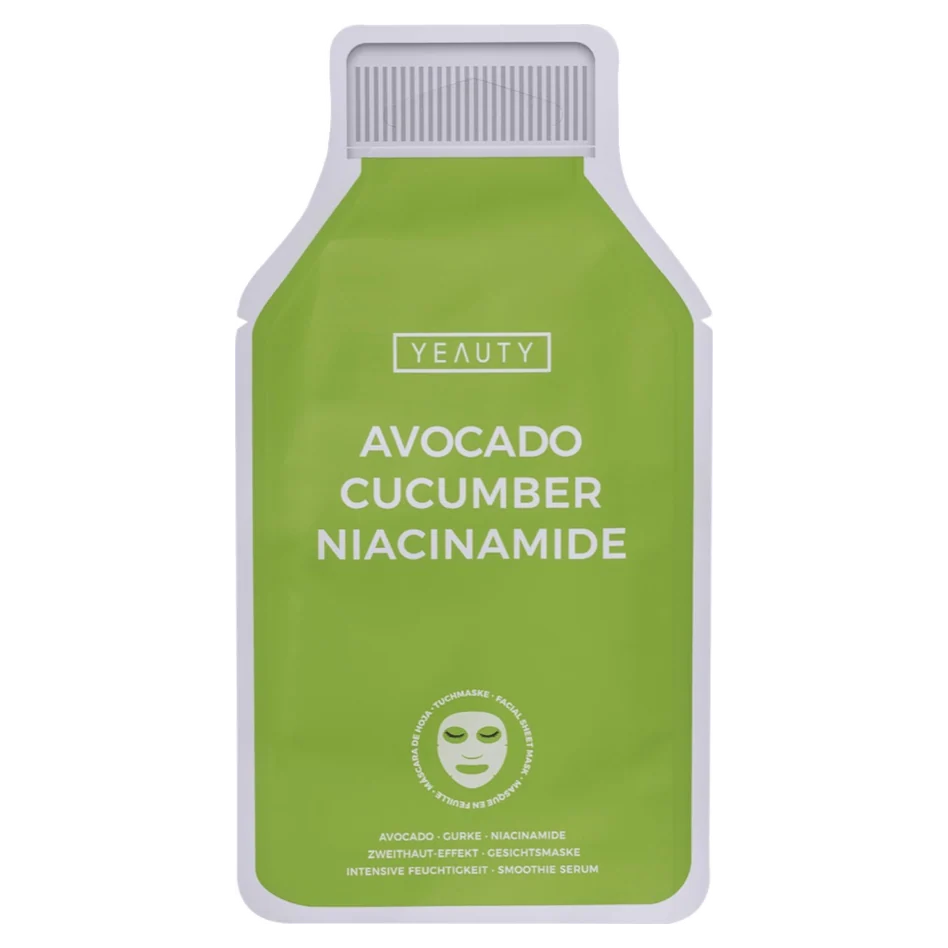
Yeauty
Tuchmaske Avocado Cucumber Niacinamide
2nd of 29 on the label