Simmondsia Chinensis (Jojoba) Seed Oil
Jojoba oil
No meaningful concern for most people; irritation is possible but rare.
Also written as: Simmondsia Chinensis Seed Oil · Jojoba Oil · Jojoba Wax · Simmondsia Chinensis Oil
What it is
Jojoba comes from the seeds of a desert shrub grown in the American southwest, Mexico and Israel. Chemically it is not a triglyceride oil at all: about 98% of it is wax esters, the same broad class of molecule that makes up a substantial part of human sebum, with small amounts of sterols, tocopherols and free fatty acids. That structure gives it a distinctive light, non-tacky feel and an exceptionally long shelf life.
How it shows up on a label
Ten of the twelve masks here print it in the first third of the list, and those same ten sit above the point where ingredient order stops indicating quantity - it is doing real work in the oil phase of the clay and cream masks that carry it, where it offsets the tightness clay leaves behind. Jojoba is also the base of the small round beads sold as biodegradable exfoliants.
What it does well
Closely mimics the skin's own surface wax esters
Human sebum is roughly a quarter wax esters, and jojoba is almost entirely wax esters, which is the usual explanation for why it absorbs without the greasy residue of a triglyceride oil. Reviews of jojoba in skincare report benefits for dry skin and stratum corneum integrity, though controlled trials are scarce.
Moderate evidence
Very stable, so products containing it keep well
Wax esters have far fewer oxidation-prone double bonds than a polyunsaturated seed oil, and jojoba is consistently described in chemistry reviews as one of the most oxidation-resistant natural cosmetic lipids. This is why it turns up in balms and anhydrous products that sit on a shelf for years.
Strong evidence
Some preliminary evidence in mild acne
In a 194-participant open pilot study, a clay-and-jojoba-oil facial mask used two to three times weekly for six weeks was followed by a 54% mean reduction in total lesion count. There was no control group, so the clay, the routine, and natural fluctuation cannot be separated from the jojoba.
Limited evidence
Worth knowing
The acne evidence is much weaker than it is often presented
The frequently cited jojoba acne study was an uncontrolled, self-reported pilot in which participants never met the study physician. It is a reasonable signal to investigate, not proof of an effect.
Matters most toAnyone buying jojoba specifically as an acne treatment.
Contact allergy is reported but uncommon
Case reports of allergic contact dermatitis to jojoba exist in the dermatology literature. Given how widely jojoba is used, the rate appears very low.
Matters most toPeople with unexplained facial dermatitis working through a patch-test series.
Where the EU stands
No specific restriction
Not listed in any Annex of the EU Cosmetics Regulation, so there is no specific concentration limit; it is still covered by the general safety assessment every cosmetic product must pass before sale.
Regulation (EC) No 1223/2009 - no annex entry · source ↗
Sources (3)
Every link goes to the original: a journal, a PubMed record or an EU document.
- [1]An updated review on efficacy and benefits of sweet almond, evening primrose and jojoba oils in skin care applications
International Journal of Cosmetic Science · 2022 · doi:10.1111/ics.12758
Concluded these three oils can strengthen stratum corneum integrity and recovery, while noting discrepancies in the clinical data and questionable study designs across the literature.
- [2]Jojoba Oil: An Updated Comprehensive Review on Chemistry, Pharmaceutical Uses, and Toxicity
Polymers · 2021 · doi:10.3390/polym13111711
Documents that jojoba is around 98% wax esters rather than triglycerides, and summarises its antioxidant, anti-acne and anti-inflammatory activity alongside a favourable toxicity profile.
- [3]Clay jojoba oil facial mask for lesioned skin and mild acne - results of a prospective, observational pilot study
Forschende Komplementarmedizin · 2012 · doi:10.1159/000338076
An uncontrolled pilot in 194 people found a 54% mean reduction in lesion count after six weeks of clay-jojoba masks, giving preliminary but not confirmatory evidence.
Masks that contain Simmondsia Chinensis (Jojoba) Seed Oil
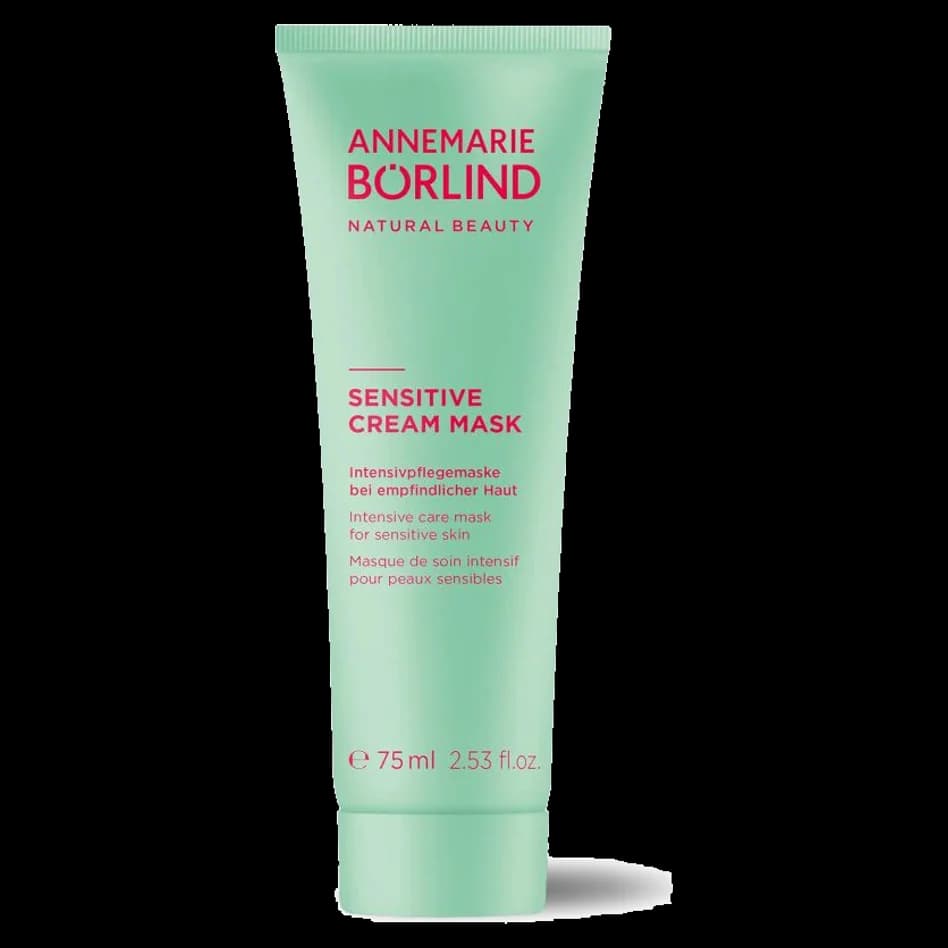
Annemarie Börlind
Sensitive Cream Mask
4th of 31 on the label
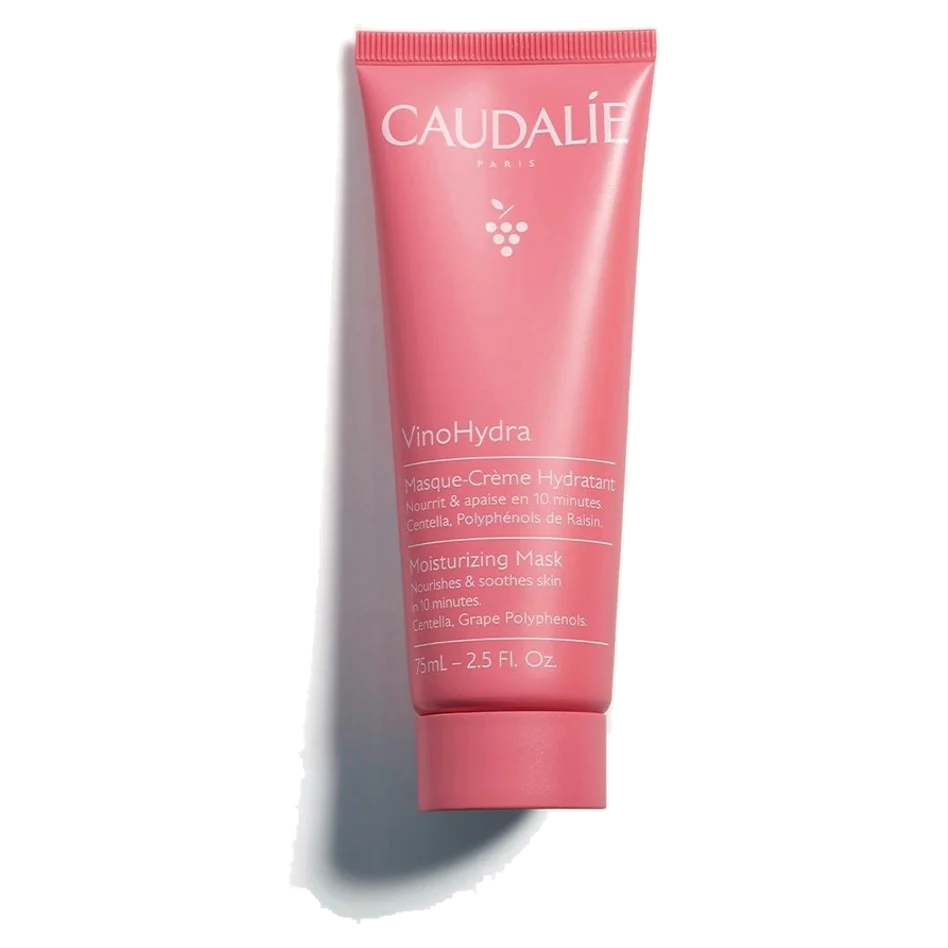
Caudalie
VinoHydra Moisturising Cream Mask (Masque-Creme Hydratant)
6th of 32 on the label
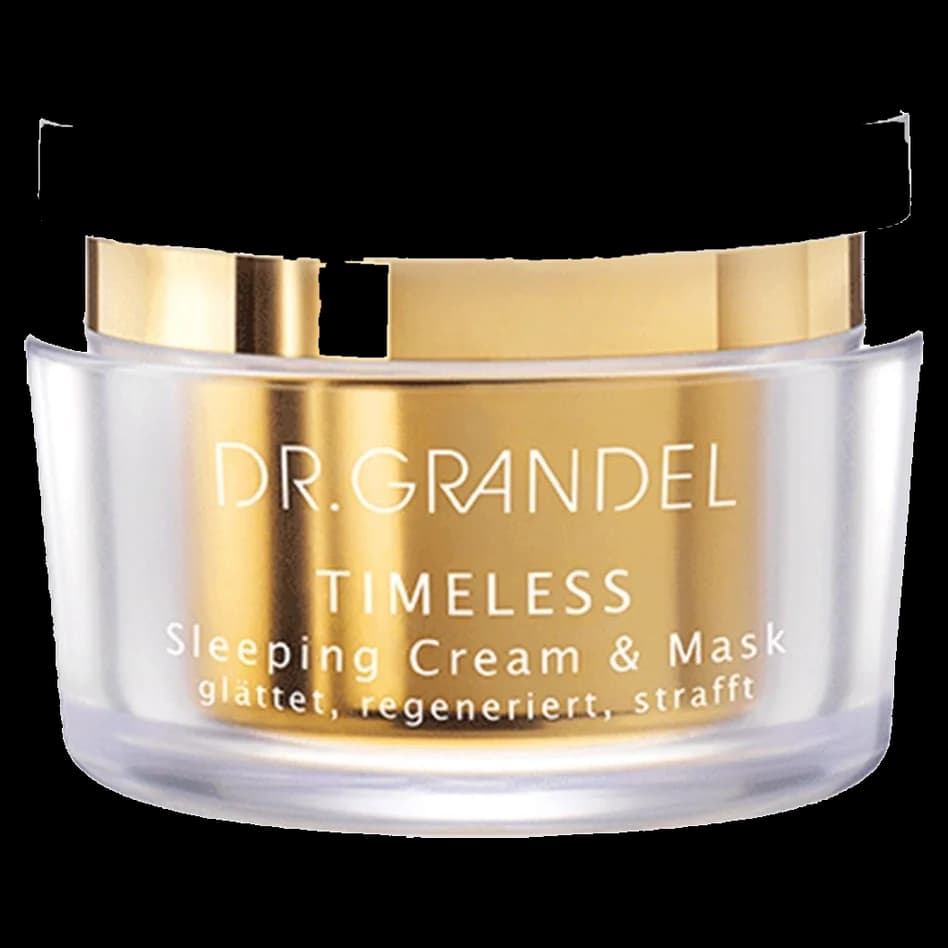
Dr. Grandel
Timeless Sleeping Cream & Mask
9th of 35 on the label
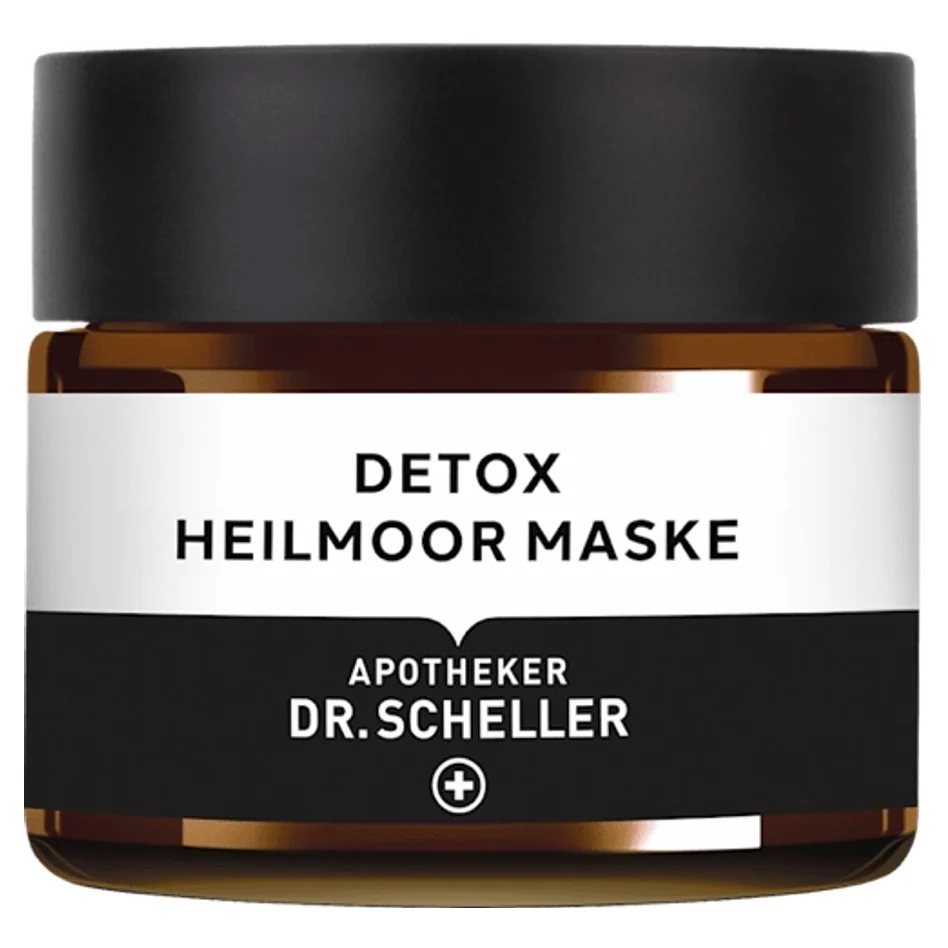
Dr. Scheller
Detox Heilmoor Maske
3rd of 22 on the label
hautsache
Gesichtsmaske Biozellulose Calming
21st of 27 on the label
below ≈1%
lavera
basis sensitiv Anti-Falten Gesichtsmaske
13th of 42 on the label
Luvos-Heilerde
Anti-Aging-Maske
7th of 27 on the label
Luvos-Heilerde
Anti-Stress-Maske
10th of 33 on the label
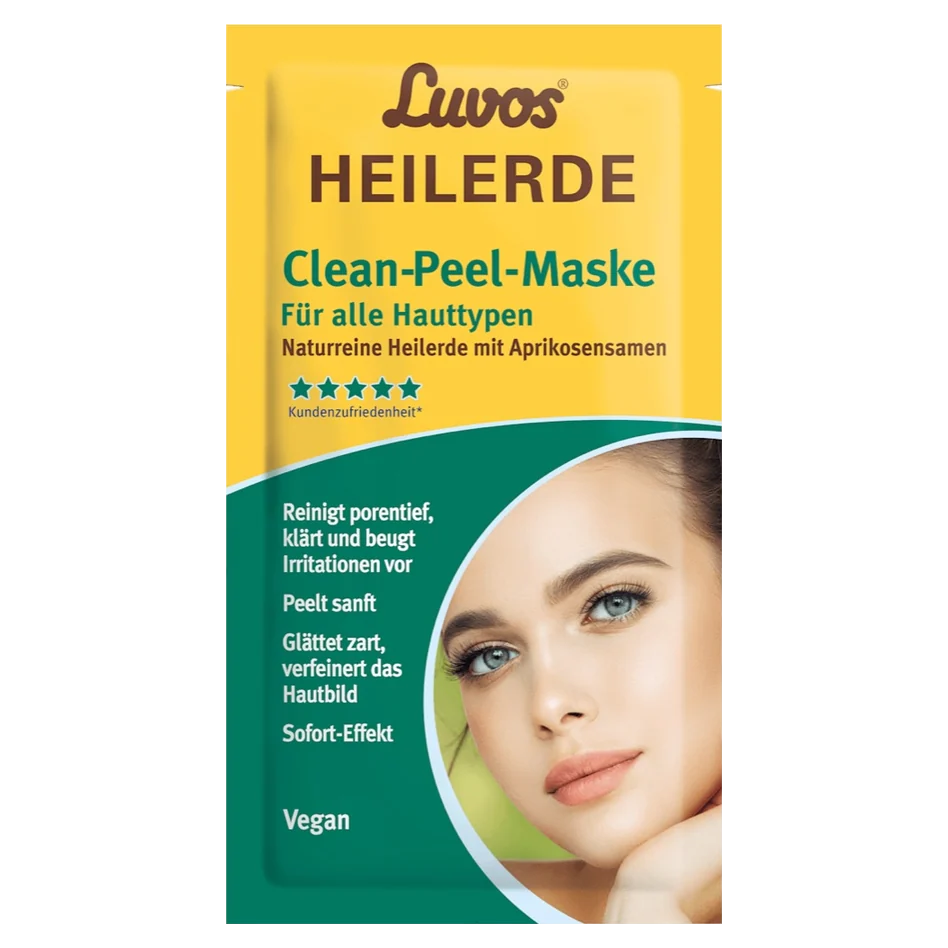
Luvos-Heilerde
Clean-Peel-Maske
8th of 29 on the label
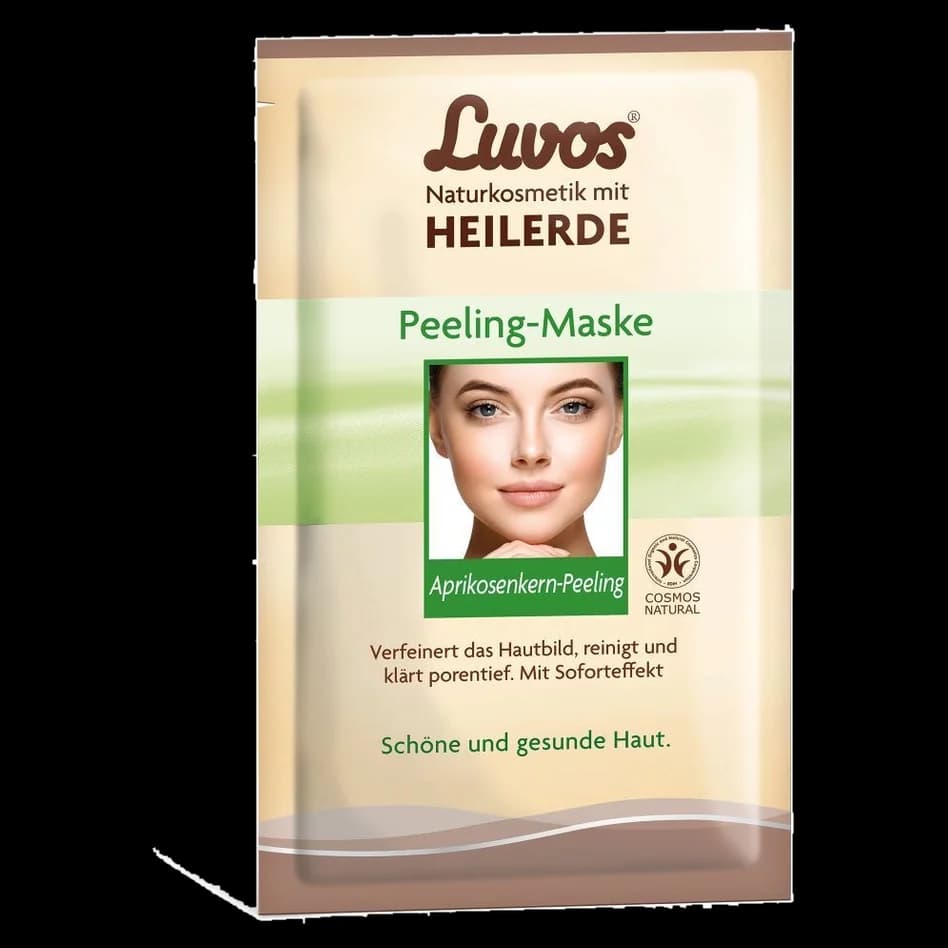
Luvos-Heilerde
Peeling-Maske
8th of 29 on the label
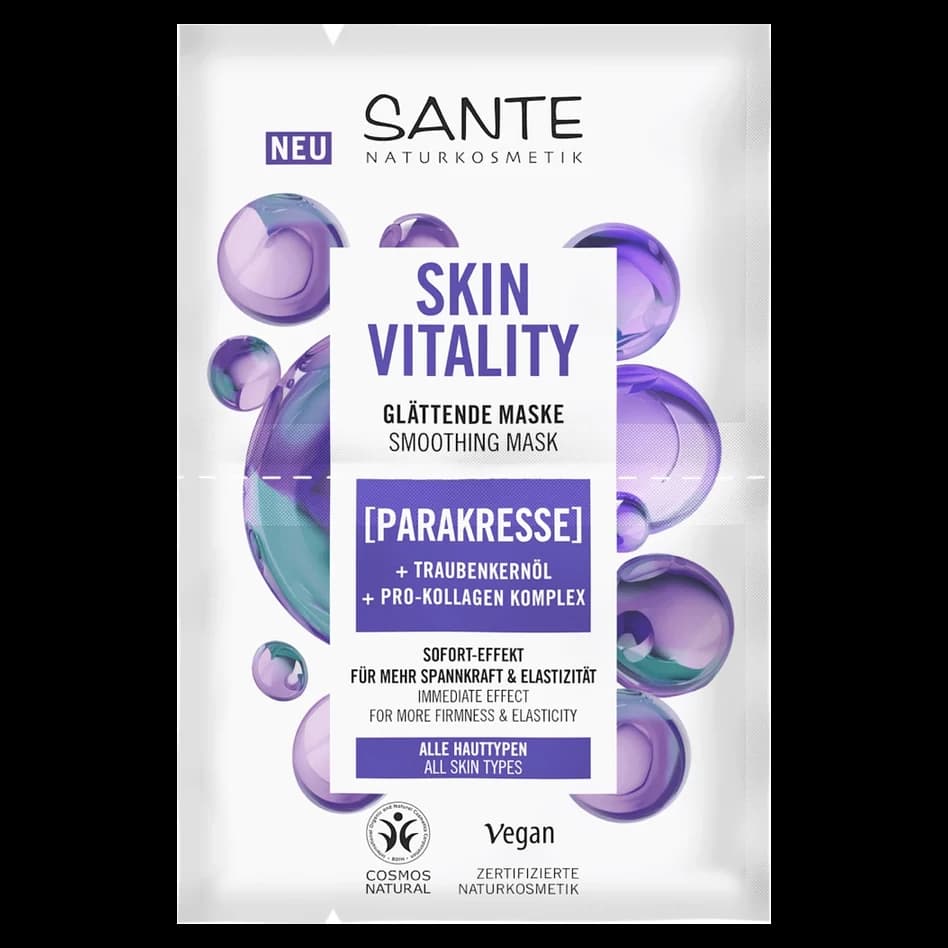
Santé Naturkosmetik
Skin Vitality Maske Parakresse
17th of 33 on the label
below ≈1%
Sensai
Cellular Performance Extra Intensive Mask
8th of 44 on the label