Glycine Soja (Soybean) Oil
Soybean oil
No meaningful concern for most people; irritation is possible but rare.
Also written as: Glycine Soja Oil · Soybean Oil · Glycine Soja Oil / Soybean Oil
What it is
Glycine Soja (Soybean) Oil is pressed from soya beans and is one of the busiest carrier oils in cosmetics: the CIR assessment of 244 plant-derived fatty acid oils counted 912 reported uses for it and a maximum use concentration of 95%, which puts it level with sweet almond oil (1,127 uses) and olive oil (915) in the busiest tier of that group. A 2022 review of clinical work on vegetable oils gives its composition as roughly 50-57% linoleic acid against 10.6-27.5% oleic - the same high-linoleic profile as conventional sunflower oil. It is cheap, light and close to odourless, which is why it tends to be a base rather than a headline.
How it shows up on a label
It turns up at both ends of a list: sometimes in the top few rows, doing the work of a base oil, and sometimes past the point where order stops indicating quantity. Sunflower seed oil, which has much the same fatty-acid profile, is frequently on the same list.
What it does well
A high-linoleic oil, the fatty-acid profile a clinical review associates with the better outcomes
Poljšak and Kočevar Glavač, reviewing 27 clinical studies covering 17 vegetable oils, concluded that on inflammation-affected skin "vegetable oils with a high content of oleic acid, together with the lack of or a low linoleic acid content, may cause additional structural damage of the stratum corneum, while oils high in linoleic acid and saturated fatty acids may express positive effects". At 50-57% linoleic acid, soybean oil sits in the second group. That is a generalisation drawn across a class of oils rather than a trial of this one.
Moderate evidence
Sits on the surface and slows water loss
In an in vivo study of six healthy volunteers, the vegetable oils tested penetrated only into the first upper layers of the stratum corneum, and water-loss measurements showed that applying them "leads to a semi-occlusion of the skin surface", with petrolatum the more effective occlusive. Soybean oil is named as one of the oils in that experiment by the review that tabulates it rather than by the study's own abstract. Six people is a small experiment, and what it measures is the film, not any effect built up over weeks.
Moderate evidence
Assessed by the CIR Expert Panel within a 244-oil review
The published assessment records that the Panel "assessed the safety of 244 plant-derived fatty acid oils as used in cosmetics" and "concluded that the 244 plant-derived fatty acid oils are safe as used in cosmetics", the review having focused on dermal effects because many of the oils are edible and their systemic toxicity potential is low. Glycine Soja (Soybean) Oil, CAS 8001-22-7, is one of the named ingredients. The separate 2020 CIR report on soy-derived ingredients does not assess the oil, and points to this one for it.
Strong evidence
Worth knowing
Refined soy oil carries almost no soy protein, but the label will not tell you it was refined
Work on food oils found that full refining cut residual protein to 62-265 ng/g, against 86,000-87,900 ng/g in crude un-degummed oil, and concluded that "even the most sensitive individuals would need to consume at least 50 g of highly refined oil to experience subjective symptoms". A separate study found no IgE-binding activity detectable in refined soybean oils while unrefined oils and soy lecithins retained some. EU food law draws the same line, listing soybeans as a declarable allergen but exempting fully refined soybean oil and fat from the declaration. Both studies were about eating the oil, though, and an INCI name does not distinguish a fully refined grade from a cold-pressed one.
Matters most toAnyone with a diagnosed soy allergy.
The UV paper usually attached to soy oil tested a different material
A 2005 in vivo study reported that soybean-germ oil protected against UVB-induced skin inflammation by a factor of two over tocopheryl acetate. The oil it prepared was extracted from pure soy germ, "not less than 96% hypocotyle" - which is not the whole-bean pressed oil that reaches a face-mask label. The result is a real one and it belongs to a different ingredient, so it is recorded here rather than counted as a benefit.
Matters most toAnyone who has seen a UV-protection claim made for soy oil.
Often the anonymous part of a blend
Vegetable Oil and Hydrogenated Vegetable Oil are labelling names for blends of plant-derived oils, and the CIR report lists Glycine Soja (Soybean) Oil among the oils such a blend may contain. A reader avoiding soy, or looking for the linoleic acid, gets nothing from that row: it names neither the oils in the blend nor their proportions. Where the oil is declared under its own name, as it is on the products here, the list is doing more work.
Matters most toAnyone scanning a panel for soy and finding only "Vegetable Oil".
Where the EU stands
No specific restriction
Not restricted under the EU Cosmetics Regulation: neither the INCI name nor the plant appears in any annex, and there is no concentration limit. It remains covered by the general safety assessment every cosmetic product must pass before sale. Worth knowing alongside that: EU food law does list "Soybeans and products thereof" as a declarable allergen, but exempts "fully refined soybean oil and fat" from the requirement. Cosmetics have no equivalent allergen-declaration regime for soy at all.
Sources (6)
Every link goes to the original: a journal, a PubMed record or an EU document.
- [1]Safety Assessment of Plant-Derived Fatty Acid Oils
Cosmetic Ingredient Review, International Journal of Toxicology 36(3_suppl):51S-129S · 2017 · doi:10.1177/1091581817740569
The assessment covering this ingredient. "The Cosmetic Ingredient Review Expert Panel (Panel) assessed the safety of 244 plant-derived fatty acid oils as used in cosmetics… Since many of these oils are edible, and their systemic toxicity potential is low, the review focused on potential dermal effects. The Panel concluded that the 244 plant-derived fatty acid oils are safe as used in cosmetics." The underlying report names Glycine Soja (Soybean) Oil (CAS 8001-22-7) among the ingredients found safe, records 912 reported uses for it and a maximum use concentration of 95%, and lists it among the oils a blend labelled Vegetable Oil may contain. Checked 23 August 2026.
- [2]Safety Assessment of Soy-Derived Ingredients as Used in Cosmetics
Cosmetic Ingredient Review, Final Report · 2020
Read to establish what does not cover this oil. The report assesses 28 soy-derived ingredients - extracts, seeds, flours, hulls, lipids, sprouts, phytoplacenta and callus materials - and Glycine Soja (Soybean) Oil is not one of them. It points to the separate review instead: "Several soy-derived ingredients such as Glycine Soja (Soybean) Oil, Glycine Soja (Soybean) Sterols, Glycine Soja (Soybean) Peptide, Glycine Soja (Soybean) Polypeptide, and Glycine Soja (Soybean) Protein, have been reviewed by the Panel, and were considered safe as used in cosmetics in the present practices of use and concentration described in the safety assessment." Checked 23 August 2026.
- [3]Vegetable Butters and Oils as Therapeutically and Cosmetically Active Ingredients for Dermal Use: A Review of Clinical Studies
Frontiers in Pharmacology 13:868461 · 2022 · doi:10.3389/fphar.2022.868461
A review of 27 clinical studies covering 17 vegetable oils, soybean oil among them. Its conclusion is the basis for reading a fatty-acid profile at all: "in inflammation-affected skin, vegetable oils with a high content of oleic acid, together with the lack of or a low linoleic acid content, may cause additional structural damage of the stratum corneum, while oils high in linoleic acid and saturated fatty acids may express positive effects. Non-affected skin, in contrast, may not react negatively to oils high in oleic acid." It gives soybean oil as roughly 50-57% linoleic and 10.6-27.5% oleic acid, and it is the source that identifies soybean oil as one of the oils in the penetration study below. Checked 23 August 2026.
- [4]In vivo investigations on the penetration of various oils and their influence on the skin barrier
Skin Research and Technology 18(3) · 2012 · doi:10.1111/j.1600-0846.2011.00578.x
Six healthy volunteers, laser scanning microscopy and water-loss measurement. "Paraffin oil, as well as the vegetable oils, penetrated only into the first upper layers of the stratum corneum… The most effective occlusion was found for petrolatum… The decreased TEWL values indicate that the application of the oils leads to a semi-occlusion of the skin surface as it is intended by the use of oils to retain moisture in skin." The abstract names jojoba but not the other three vegetable oils; soybean oil is identified as one of them by the 2022 review above, not by the paper's own abstract. Checked 23 August 2026.
- [5]Quantification and partial characterization of the residual protein in fully and partially refined commercial soybean oils
Journal of Agricultural and Food Chemistry 59(5) · 2011 · doi:10.1021/jf103560h
The measurement behind the allergy note. "Oil refining substantially reduced the oil protein content… with neutralized/refined, bleached, and deodorized (fully refined) oils containing 62-265 ng/g oil, whereas crude un-degummed oils contained 86000-87900 ng/g of protein. These analyses and published data on cumulative threshold doses for soybean suggest that even the most sensitive individuals would need to consume at least 50 g of highly refined oil to experience subjective symptoms." A food study, on ingestion; it says nothing directly about an oil left on the face. Checked 23 August 2026.
- [6]The topical protective effect of soybean-germ oil against UVB-induced cutaneous erythema: an in vivo evaluation
Archiv der Pharmazie 338(12):598-601 · 2005
Recorded here because it is regularly attached to soy oil and does not belong to it. The material tested was "an oil newly extracted from pure soy germ (not less than 96% hypocotyle)" - soybean-germ oil, not the whole-bean pressed oil this entry describes. On that material: "Experiments in vivo showed that soybean-germ oil (SGO) possesses a remarkable protective activity against UVB-induced skin inflammation, exceeding that of tocopherol acetate by a factor of 2." No claim is carried across from it. Checked 23 August 2026.
Masks that contain Glycine Soja (Soybean) Oil
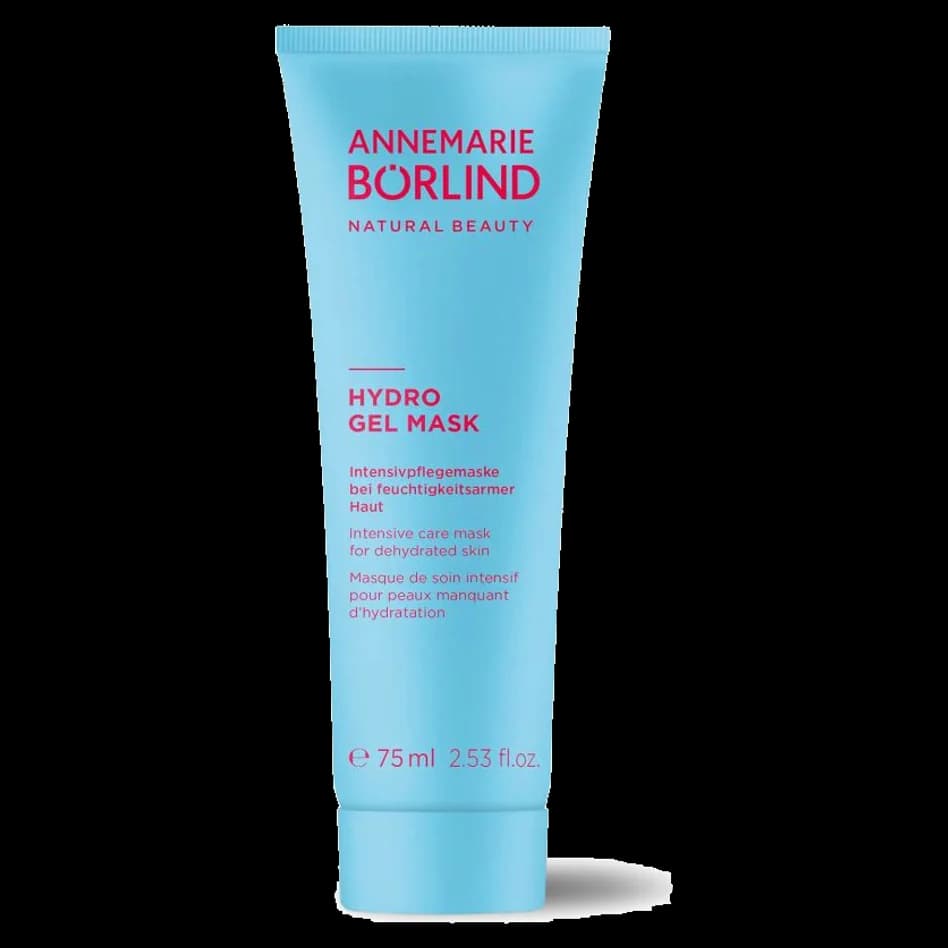
Annemarie Börlind
Hydro Gel Mask
26th of 33 on the label
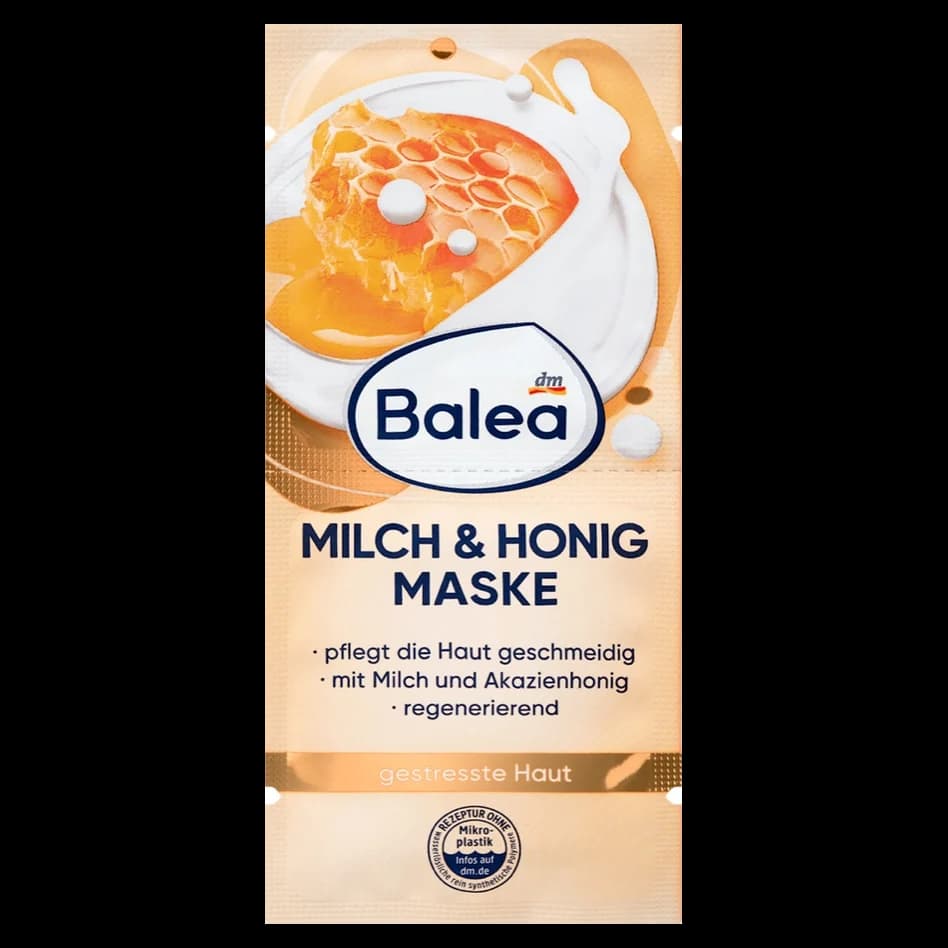
Balea
Gesichtsmaske Milch & Honig
26th of 36 on the label
below ≈1%
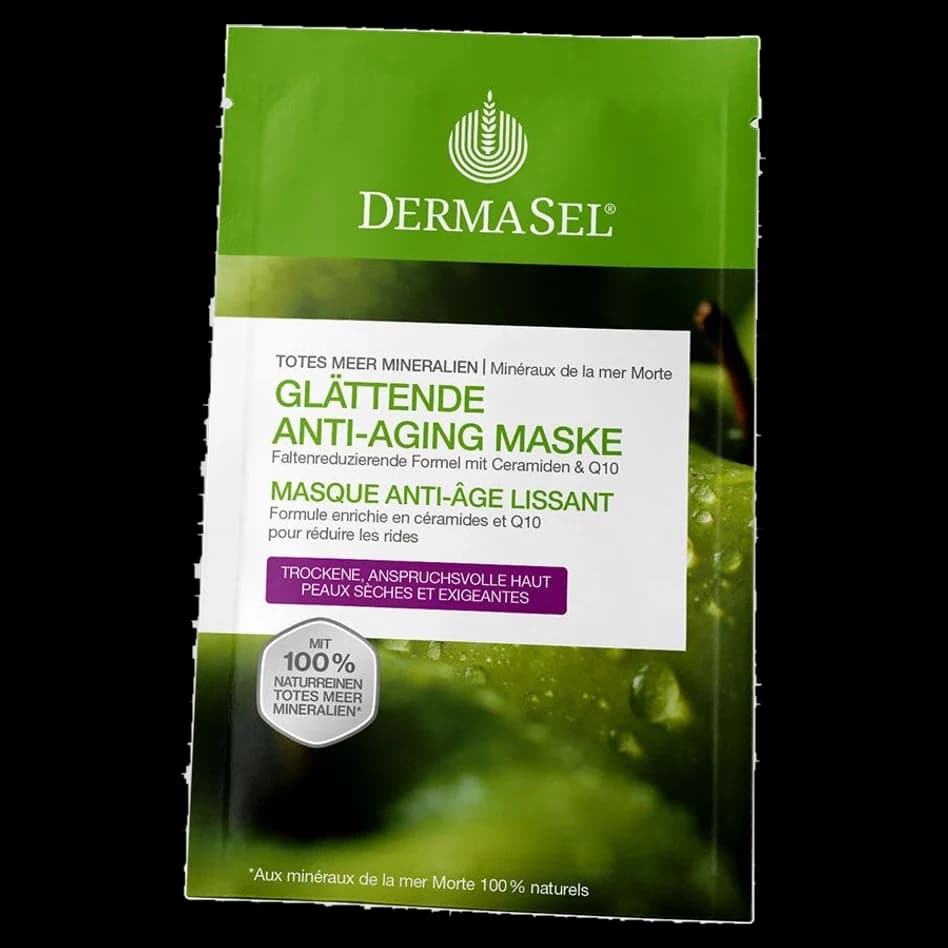
DERMASEL
EXKLUSIV Totes Meer Maske Anti Aging
15th of 26 on the label
below ≈1%
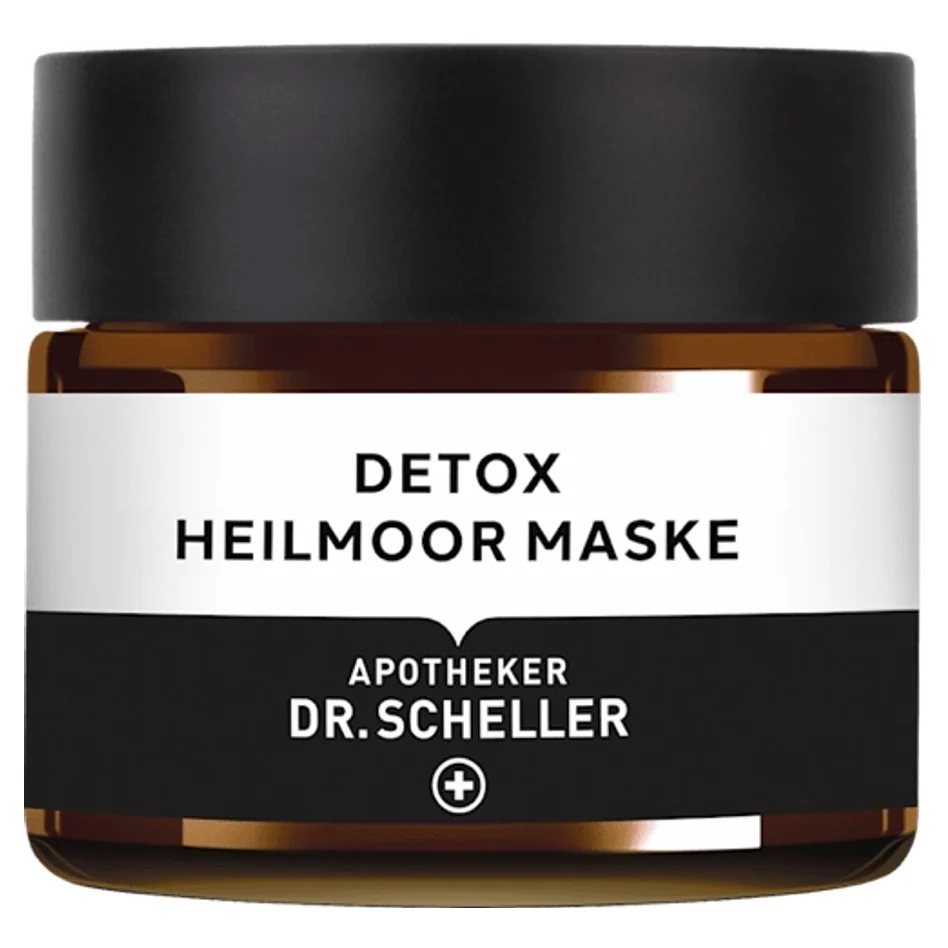
Dr. Scheller
Detox Heilmoor Maske
10th of 22 on the label
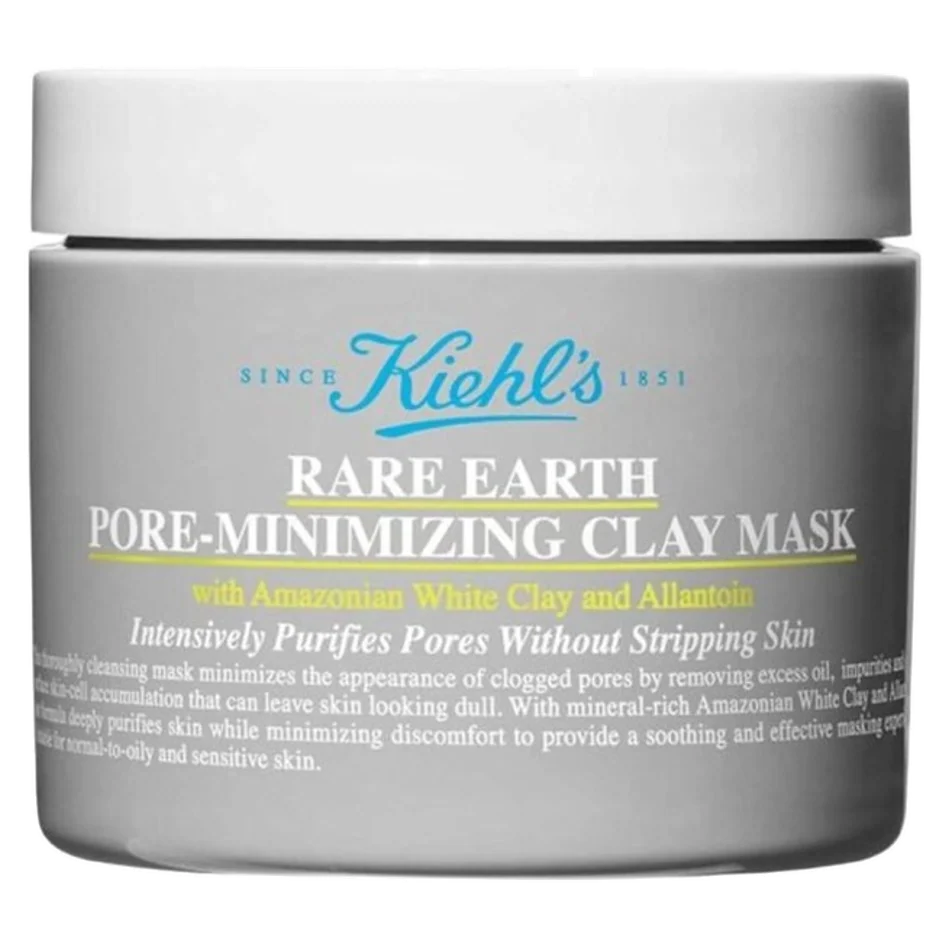
Kiehl's
Rare Earth Pore-Minimizing Clay Mask
14th of 19 on the label
below ≈1%
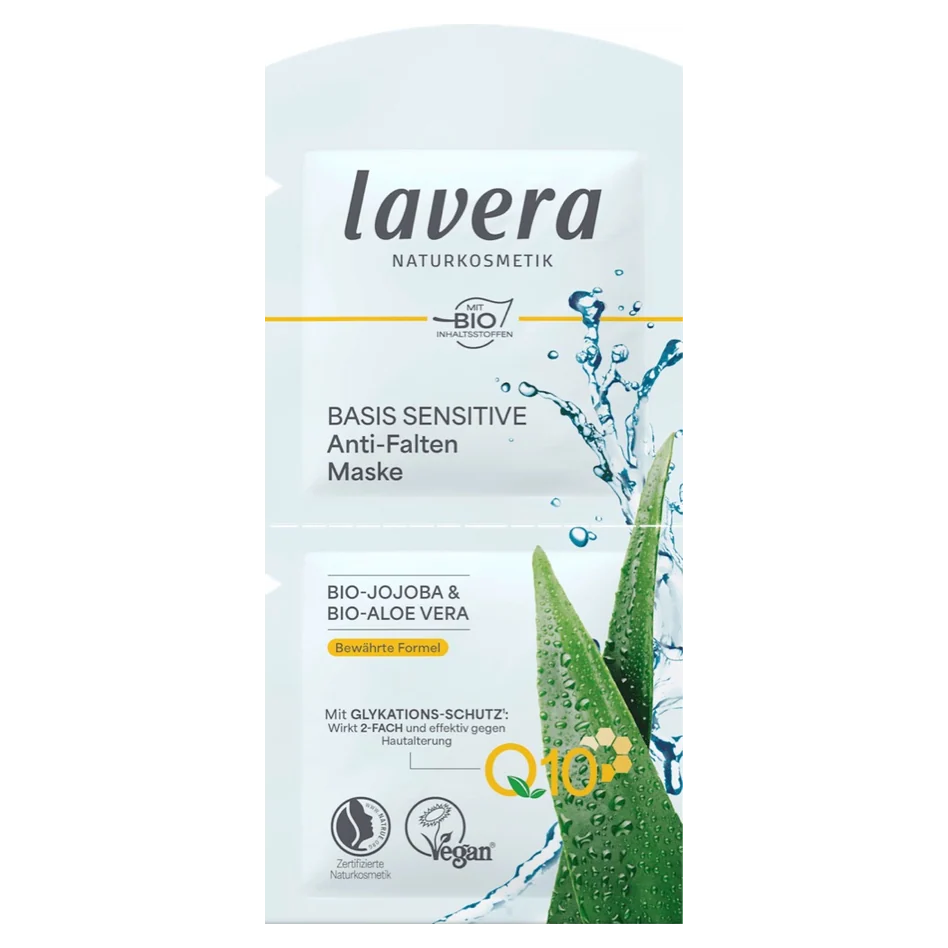
lavera
basis sensitiv Anti-Falten Gesichtsmaske
2nd of 42 on the label
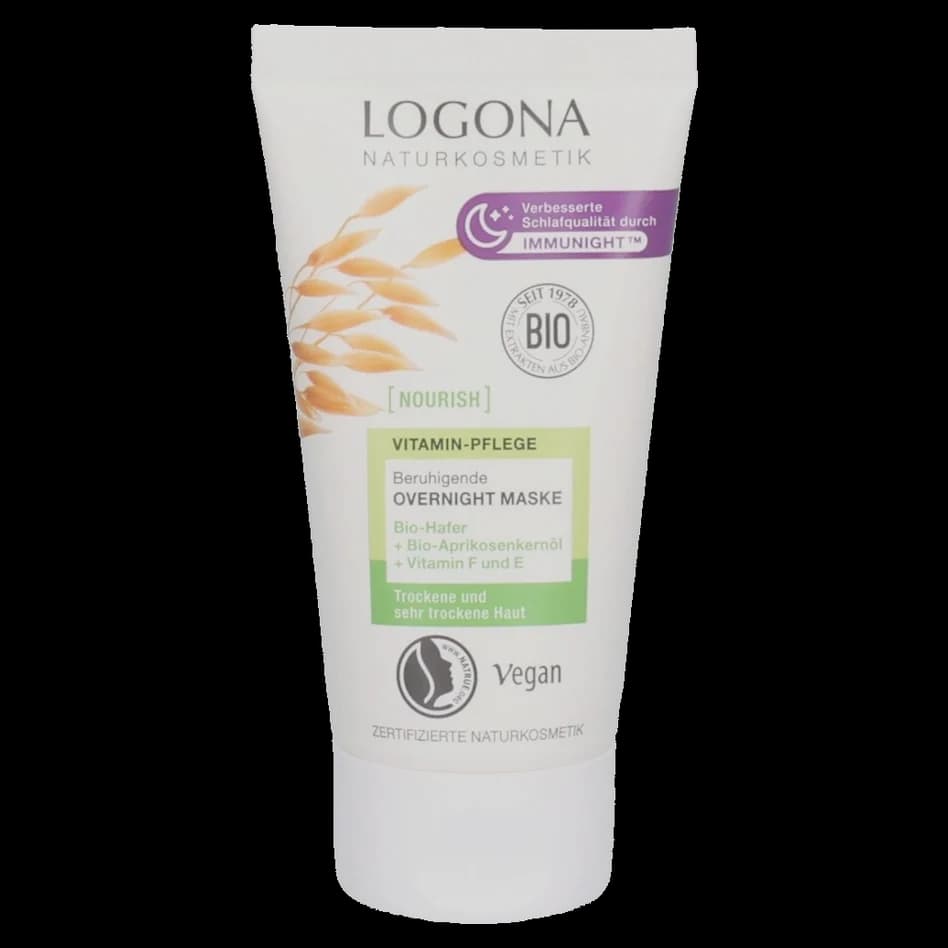
LOGONA
Nourish Beruhigende Overnight Maske
21st of 53 on the label
below ≈1%
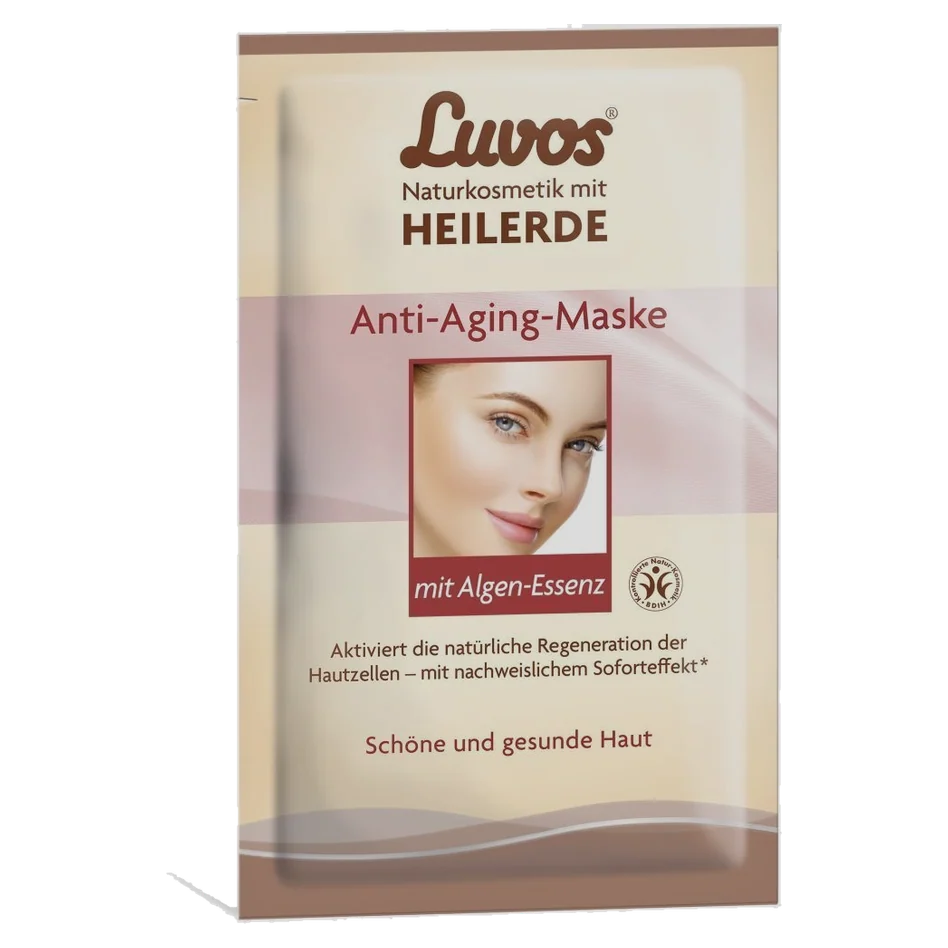
Luvos-Heilerde
Anti-Aging-Maske
10th of 27 on the label
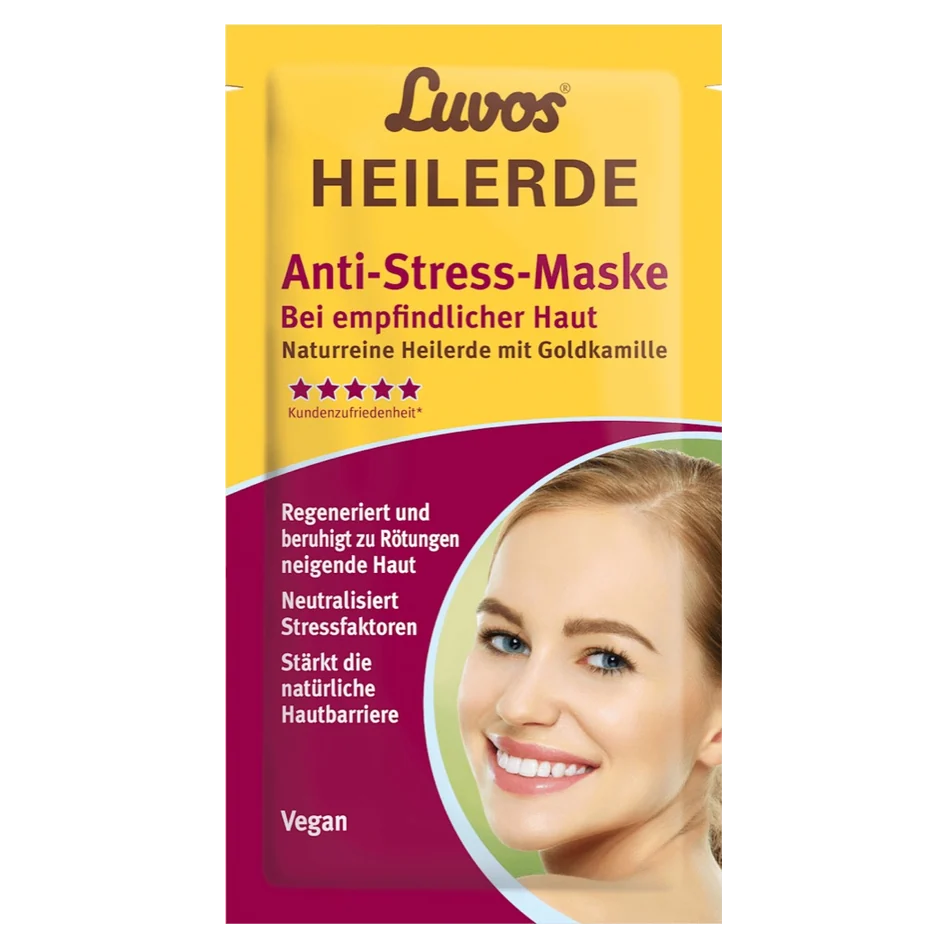
Luvos-Heilerde
Anti-Stress-Maske
12th of 33 on the label
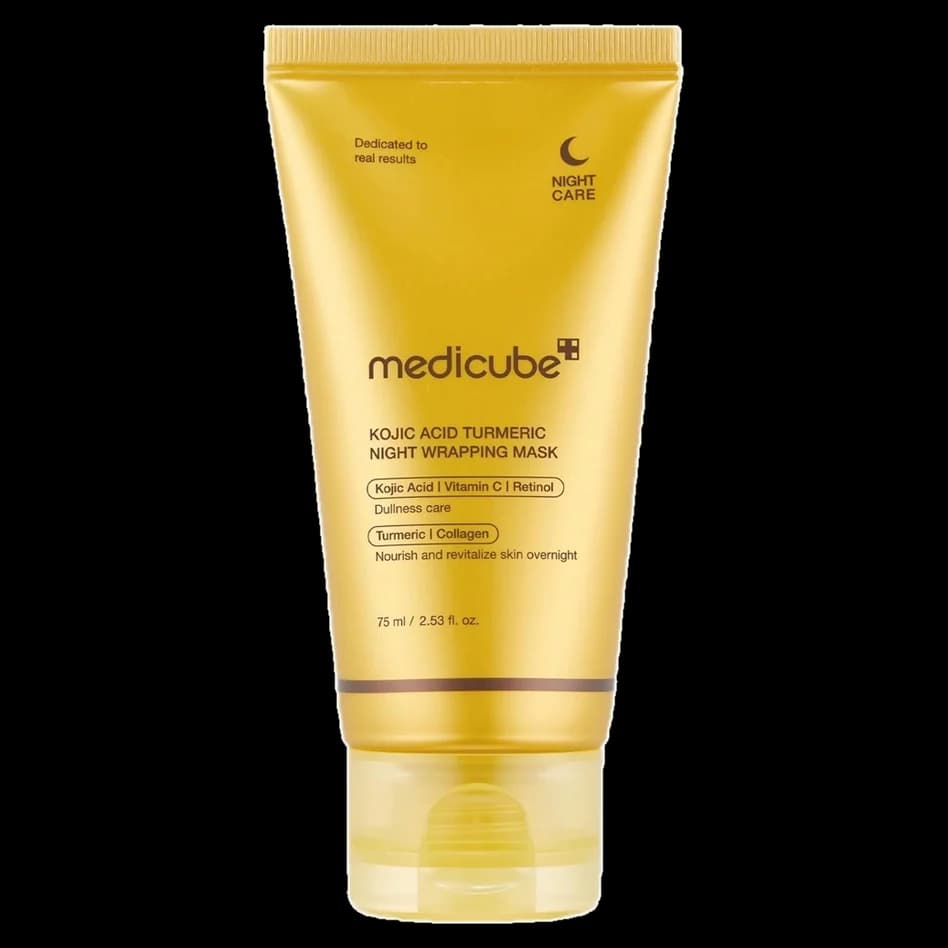
Medicube
Kojic Acid Turmeric Night Wrapping Mask
21st of 22 on the label
below ≈1%
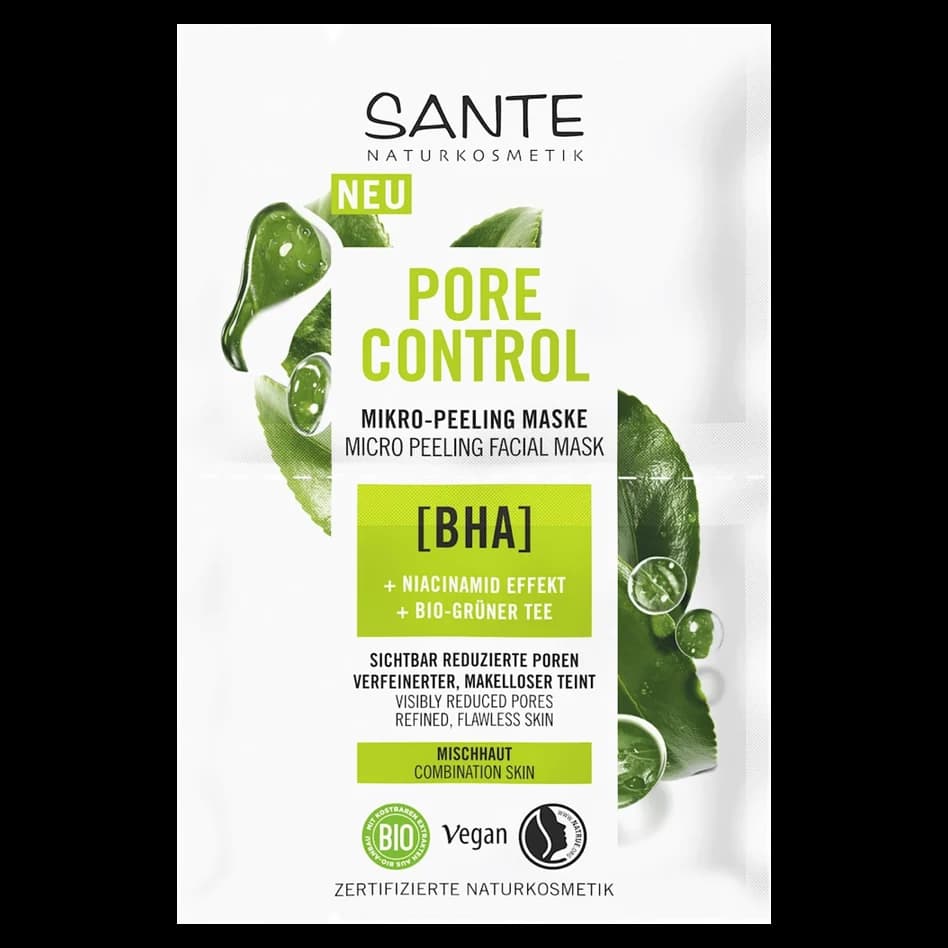
Santé Naturkosmetik
Pore Control Maske BHA
2nd of 29 on the label
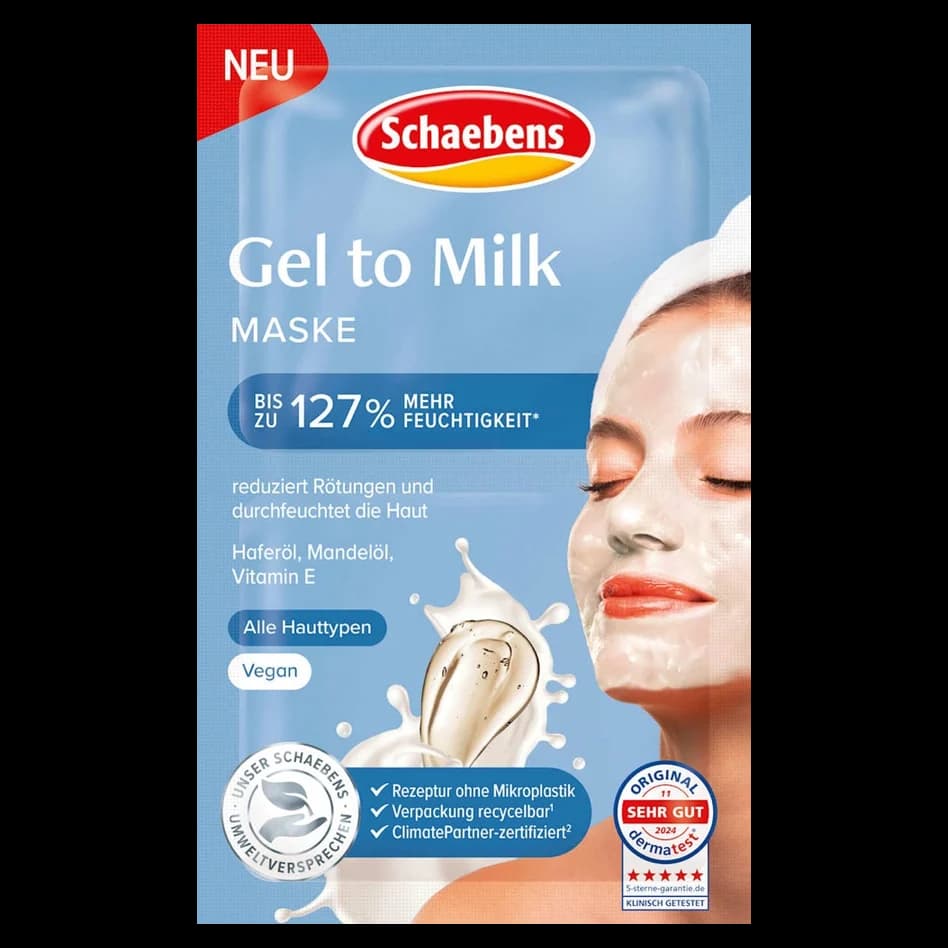
Schaebens
Gesichtscrememaske Gel to Milk
1st of 21 on the label
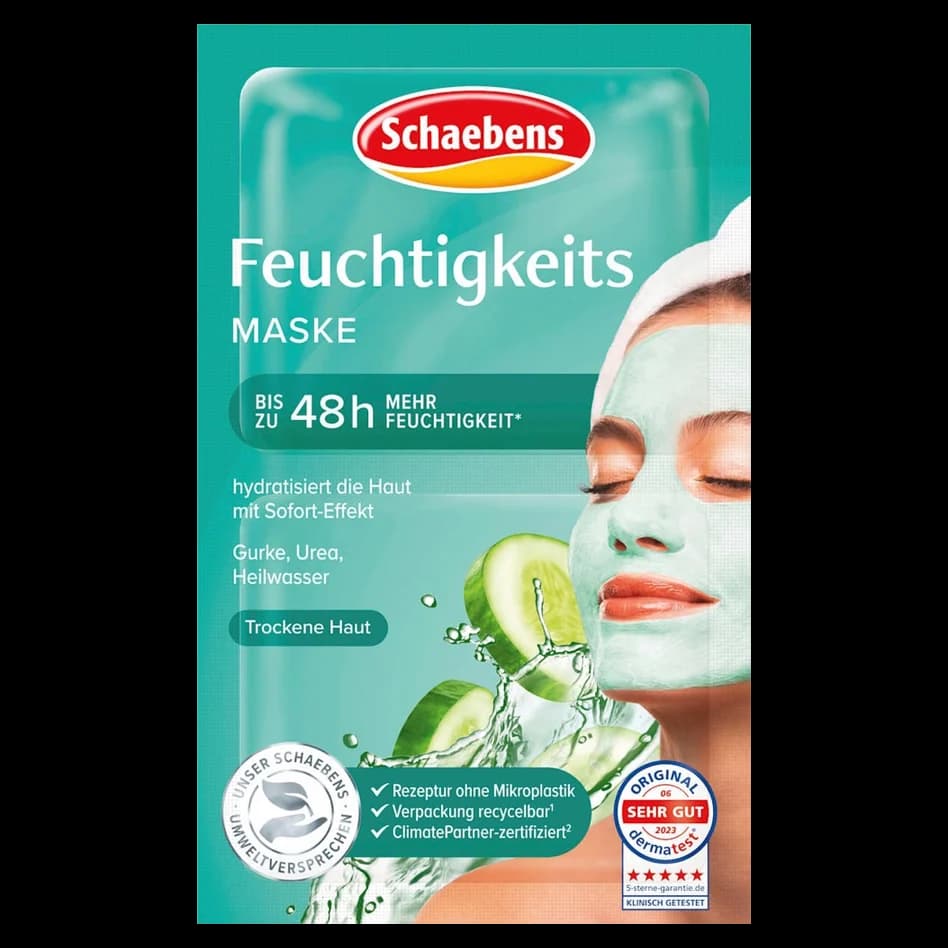
Schaebens
Gesichtsmaske Feuchtigkeit Sofort-Effekt
3rd of 38 on the label
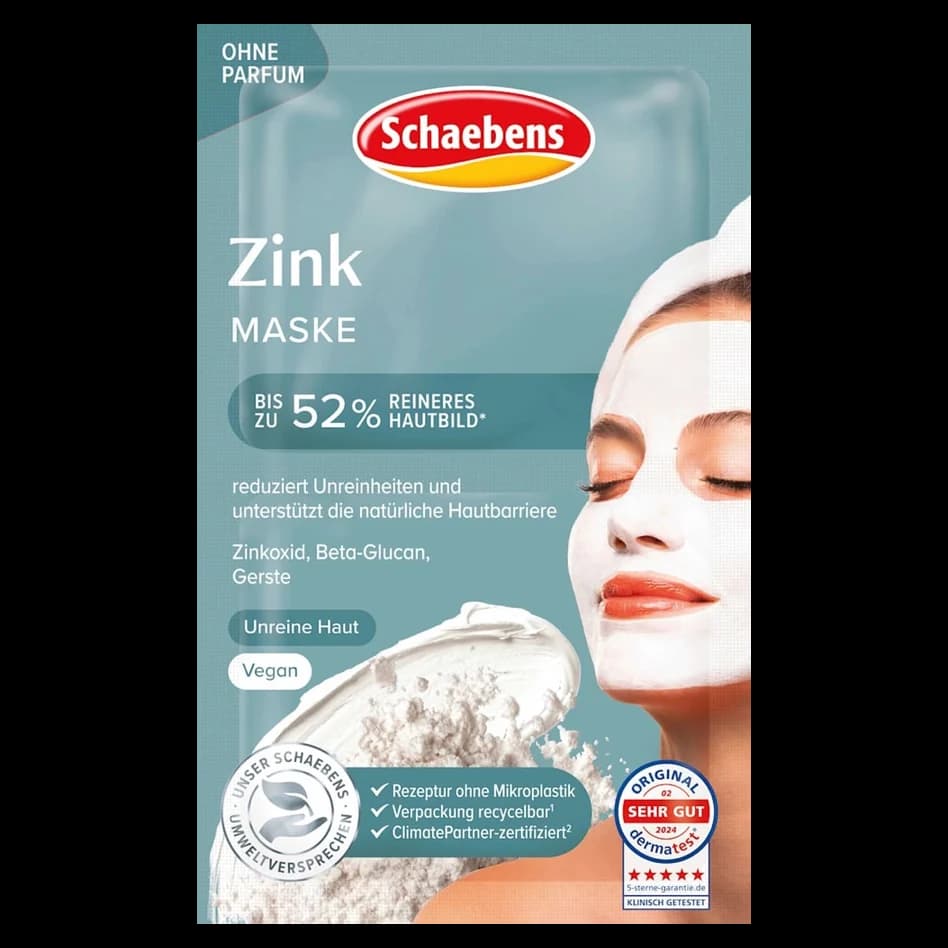
Schaebens
Gesichtsmaske Zink
3rd of 27 on the label