The single-use half
Korean brands
The group that behaves least like the rest of the catalogue: most of these masks are sheets or hydrogels, formats you use once and throw away. The lists run longer than the catalogue's and cost more per application. They are also, by some distance, the quietest labels of the origins with a page here for anyone reading for fragrance - and the most likely of the three to carry something the encyclopaedia flags to check in pregnancy, which is a reason to read a list rather than a verdict on a mask.
- In the catalogue
- 76from 27 brands
- Median per use
- €2.30€0.30-€7.94
- Median list length
- 29.515-65 entries
- Fragrance-free
- 45of 76
Prices are indicative, captured once from the source recorded on each product page, and they drift. 19 of the 76 per-use figures are estimated from pack size at a typical application rather than counted off a sheet count.
The cheapest application here is Benton Aloe Soothing Mask Pack €0.30, 19 entries and the dearest Anua Heartleaf 70 Soothing Collagen Mask €7.94, 35 entries.
“Korean brands” means the brand is based in South Korea. It is not a claim about where the mask was manufactured - that is not printed on most packs, and we do not record it.
The short read
Adenosine is the closest thing to a fingerprint any origin here has: nearly every mask in the catalogue that prints it is on this page, and it appears on barely a handful of the rest.
Dipropylene glycol is on a large share of these lists and on very few others. Polyglyceryl-10 laurate, methylpropanediol and ceramide NP follow the same pattern, each at well above its catalogue share.
Far more of these labels leave fragrance off the list than the catalogue's do, and far fewer break a declared allergen out by name. Both are readings of the label, and the table below gives each against the catalogue.
The spread between the cheapest application here and the dearest is wide, and both ends are counted off a sheet count rather than worked out from pack size - which is not true of the German page, so the two spreads are not read the same way.
Almost every mask here is free of a drying alcohol. The pregnancy flag is the one reading on which this group sits well below the catalogue, and it marks a mask carrying something to check rather than a mask to avoid.
What these lists print that others do not
Not the most common ingredients - water is on nearly every list ever written and tells you nothing about who formulated the mask. These are the entries that appear far more often here than across the 219 masks as a whole, counted by encyclopaedia entry rather than by printed name.
- Well tolerated
- No meaningful concern for most people; irritation is possible but rare.
- Adenosine26 of 76 here·28 of 219 overall
- Methylpropanediol20 of 76 here·23 of 219 overall
- Polyglyceryl-10 Laurate32 of 76 here·37 of 219 overall
- Dipropylene Glycol40 of 76 here·48 of 219 overall
- Ceramide NP20 of 76 here·25 of 219 overall
- Hydrogenated Lecithin19 of 76 here·25 of 219 overall
- Asiaticoside21 of 76 here·28 of 219 overall
- Arginine26 of 76 here·36 of 219 overall
Names without a link have no encyclopaedia entry yet, so we make no claim about them beyond the count.
Every origin side by side
3 of the 12 origins in the catalogue clear 13 masks, which is the floor at which a page says something a filter could not. The rest stay in the catalogue and get no page, because a median over one product is not a median - but they are in this table rather than summarised out of it, because they are exactly what an unscoped superlative loses to. Every figure here is counted across all of them, so the claims above are scoped to something you can check.
| Brands from | Masks | Median per use | Median list | Fragrance-free |
|---|---|---|---|---|
| German brands | 97 | €0.95 | 25 | 24 of 97 |
| Korean brands | 76 | €2.30 | 29.5 | 45 of 76 |
| French brands | 21 | €1.86 | 24 | 1 of 21 |
| Japan | 6 | €6.36 | 30.5 | 3 of 6 |
| Poland | 6 | €1.95 | 27 | 0 of 6 |
| United States | 4 | €1.40 | 23 | 3 of 4 |
| United Kingdom | 3 | €2.16 | 30 | 0 of 3 |
| Canada | 2 | €1.94 | 21.5 | 2 of 2 |
| Austria | 1 | €10.29 | 45 | 0 of 1 |
| Australia | 1 | €4.56 | 16 | 0 of 1 |
| Latvia | 1 | €6.25 | 26 | 1 of 1 |
| Malta | 1 | €3.95 | 26 | 1 of 1 |
What these labels print
Seven readings of the ingredient list, each counted the same way across these brands and across the whole catalogue, so the second column is the baseline the first is worth reading against. Every one of them is a statement about what is printed on a pack - not about what a mask does, and not a verdict on any of them. The pregnancy flag in particular is a reason to read a list rather than a warning: it marks a mask carrying something the encyclopaedia says to check, which is a different thing from a mask being unsafe.
| Reading | Here | Catalogue |
|---|---|---|
| Fragrance-free | 45 of 7659% | 80 of 21937% |
| No essential oil | 58 of 7676% | 182 of 21983% |
| No drying alcohol | 70 of 7692% | 173 of 21979% |
| Nothing flagged in pregnancy | 38 of 7650% | 147 of 21967% |
| Prints parfum | 21 of 7628% | 120 of 21955% |
| Names an allergen | 13 of 7617% | 81 of 21937% |
| Recorded vegan | 7 of 769% | 60 of 21927% |
Vegan status is unrecorded for 63 of the 76 masks here, so that row counts only the packs where we found it stated - unrecorded is not the same as not vegan. How far into a list we can read is its own reading: the encyclopaedia has an entry for a median of 83.5% of each list here, against 82% across the catalogue. The rest is printed in names the site cannot yet decode, and an undecoded name is one we make no claim about either way - what we do not know.
Which formats these are
A format is the plainest thing about a mask that is not on its ingredient list - what you buy it in and how you use it - and it explains a good deal of what the readings above look like. A shelf of pots and tubes carries longer, oilier lists than a shelf of sachets, and its price per use is worked out rather than counted.
- Sheet42 of 76·55%
- Hydrogel15 of 76·20%
- Overnight8 of 76·11%
- Clay4 of 76·5%
- Wash-off4 of 76·5%
- Bubble1 of 76·1%
- Cream1 of 76·1%
- Exfoliating1 of 76·1%
Formats without a link have too few masks in the catalogue to carry a page of their own.
All 76 masks from South Korea brands
Cheapest use first. Every one is on sale in the EU and has a published ingredient list we could source and check.
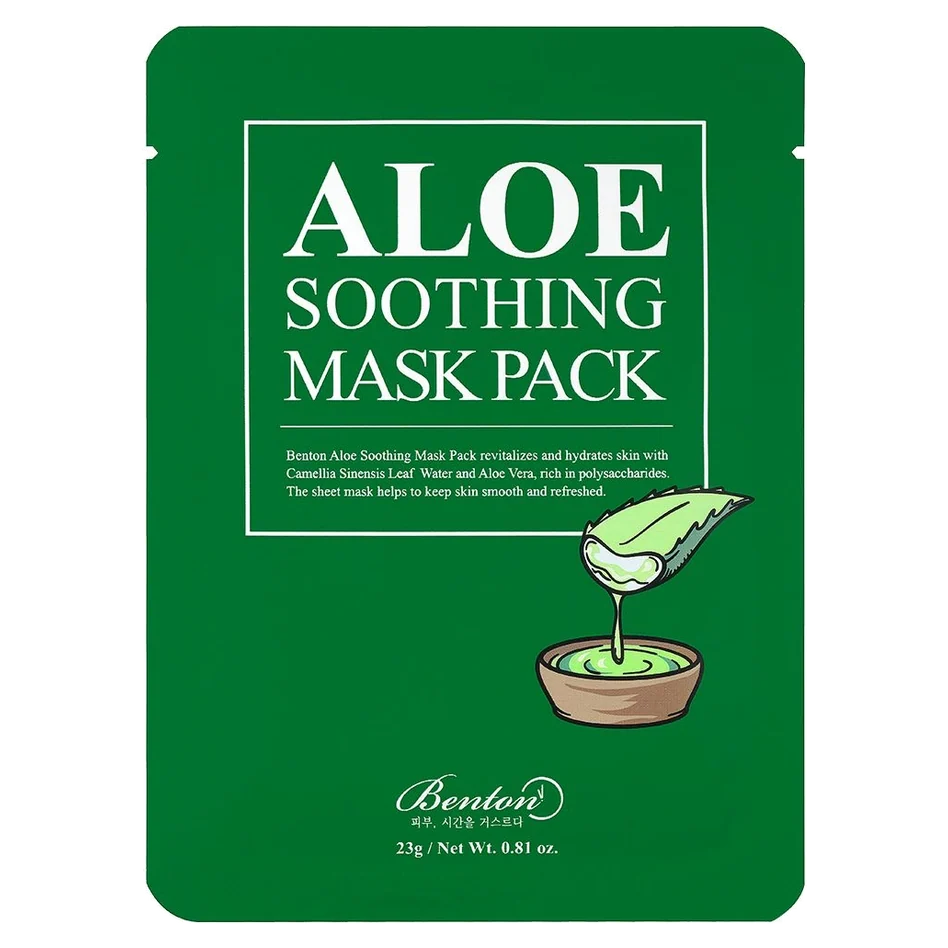
Benton
Aloe Soothing Mask Pack
19ingredients
€0.30 per use
Beauty of Joseon
Apricot Blossom Peeling Gel
19ingredients
≈€0.45 per use
PURITO
Dermide Cica Barrier Sleeping Pack
15ingredients
≈€0.58 per use
Medicube
Collagen Night Wrapping Mask
24ingredients
≈€0.60 per use
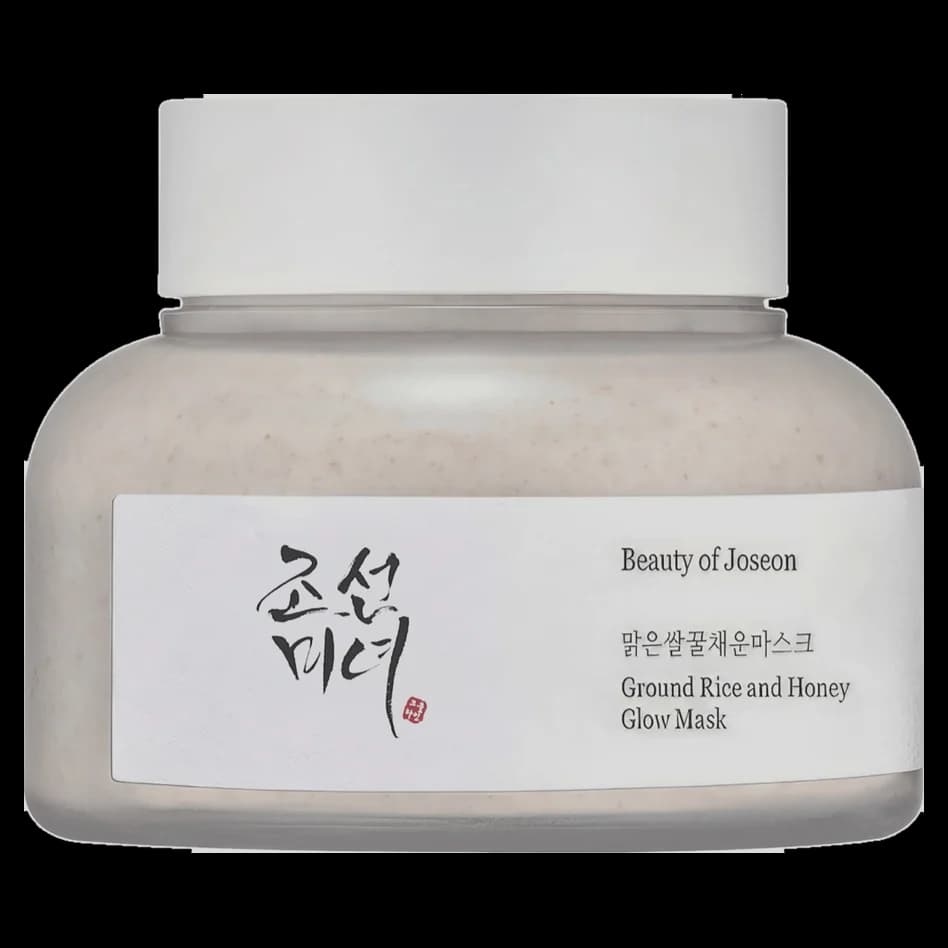
Beauty of Joseon
Ground Rice and Honey Glow Mask
35ingredients
≈€0.64 per use
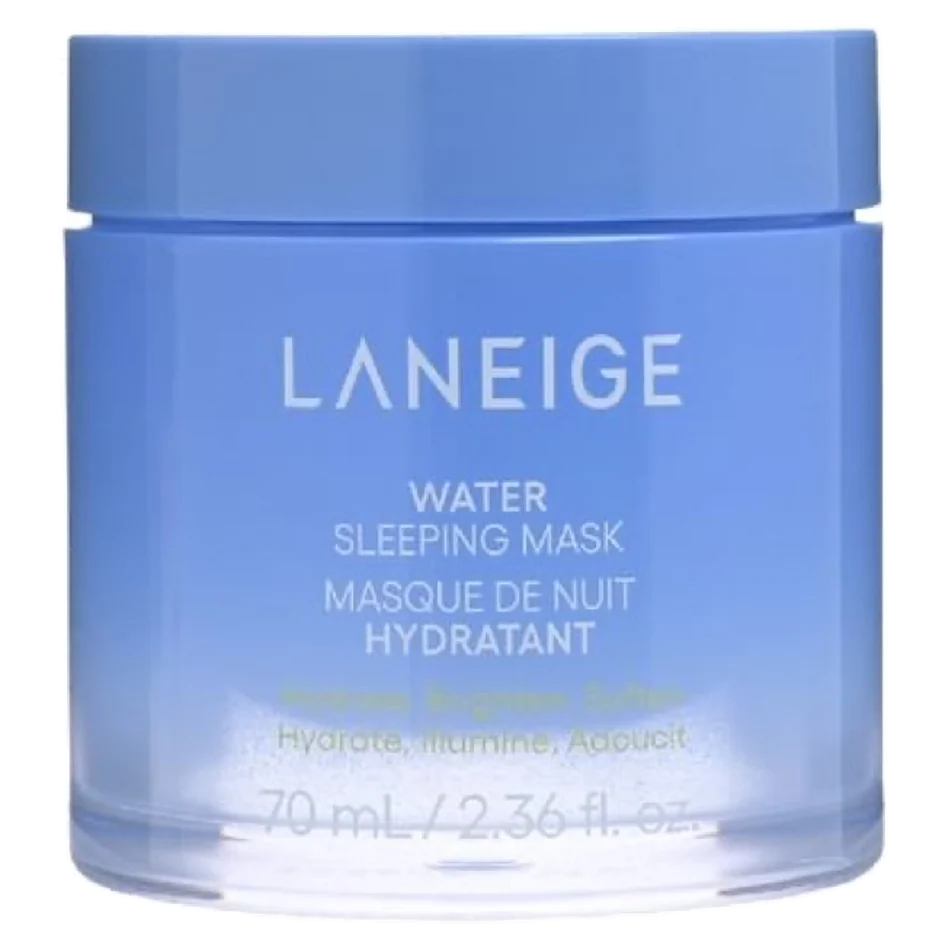
LANEIGE
Water Sleeping Mask
43ingredients
4 ingredients we would look at twice≈€0.64 per use
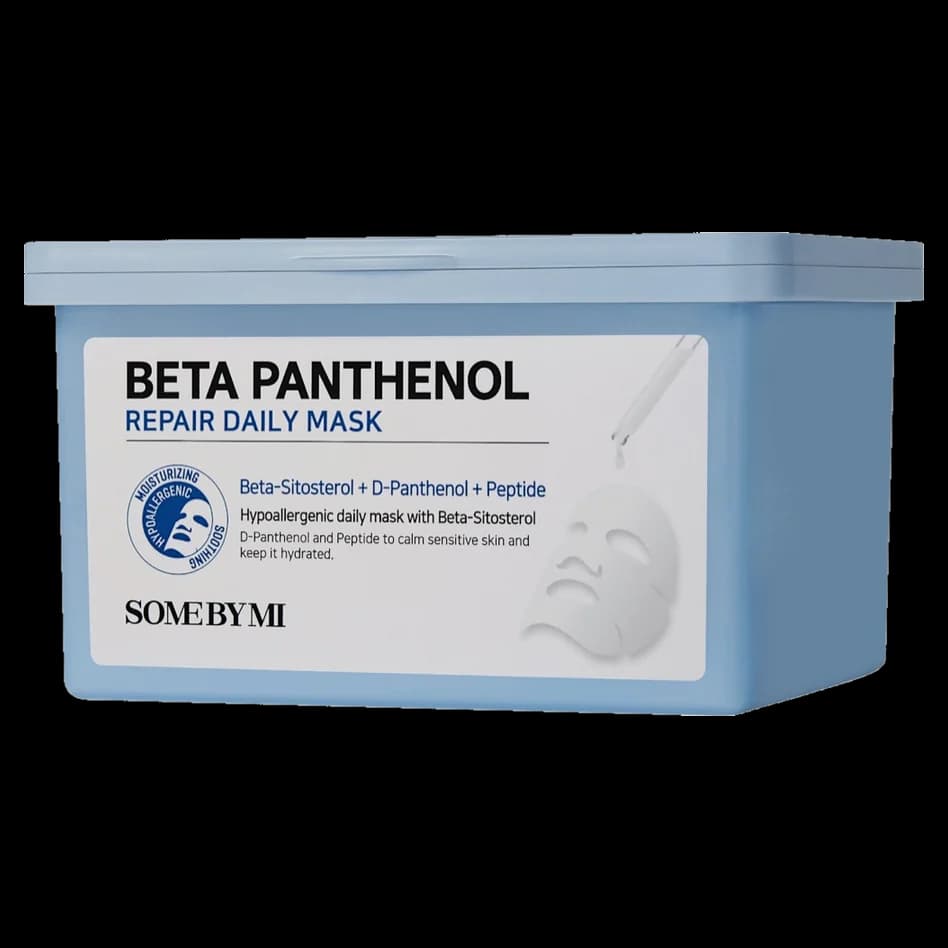
SOME BY MI
Daily Beta Panthenol Repair Mask
57ingredients
1 ingredient we would look at twice€0.66 per use
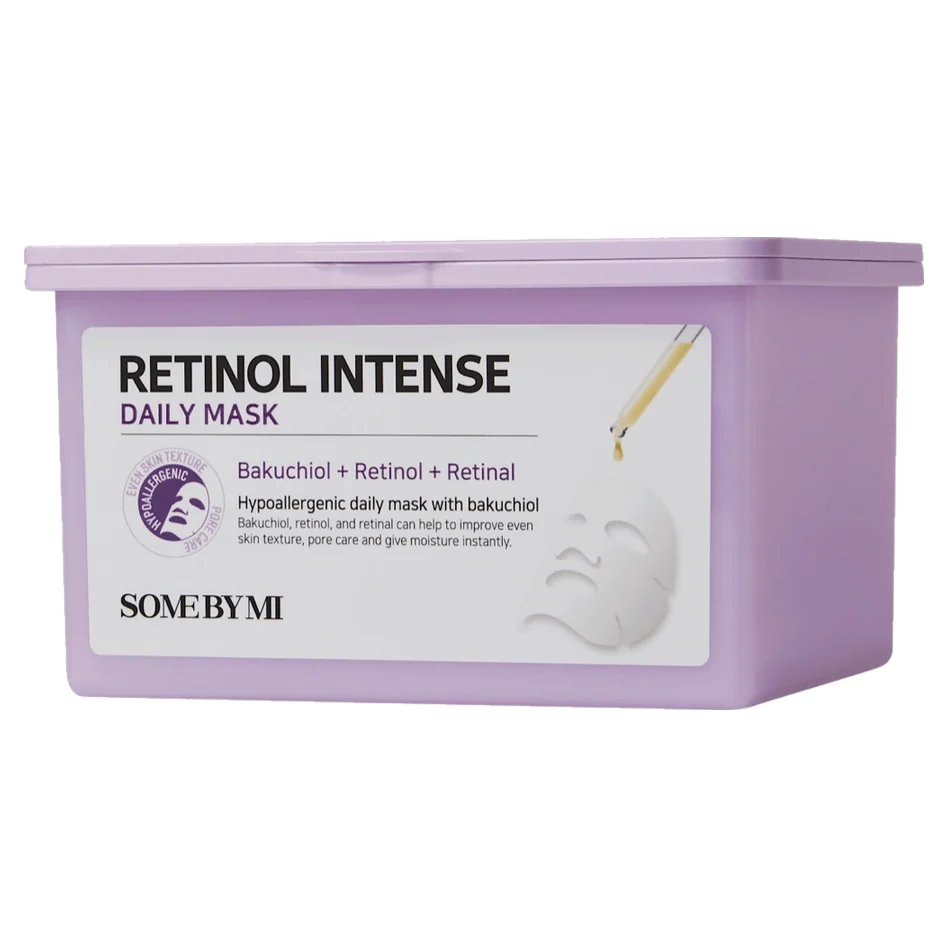
SOME BY MI
Daily Retinol Intense Mask
62ingredients
6 ingredients we would look at twice€0.66 per use
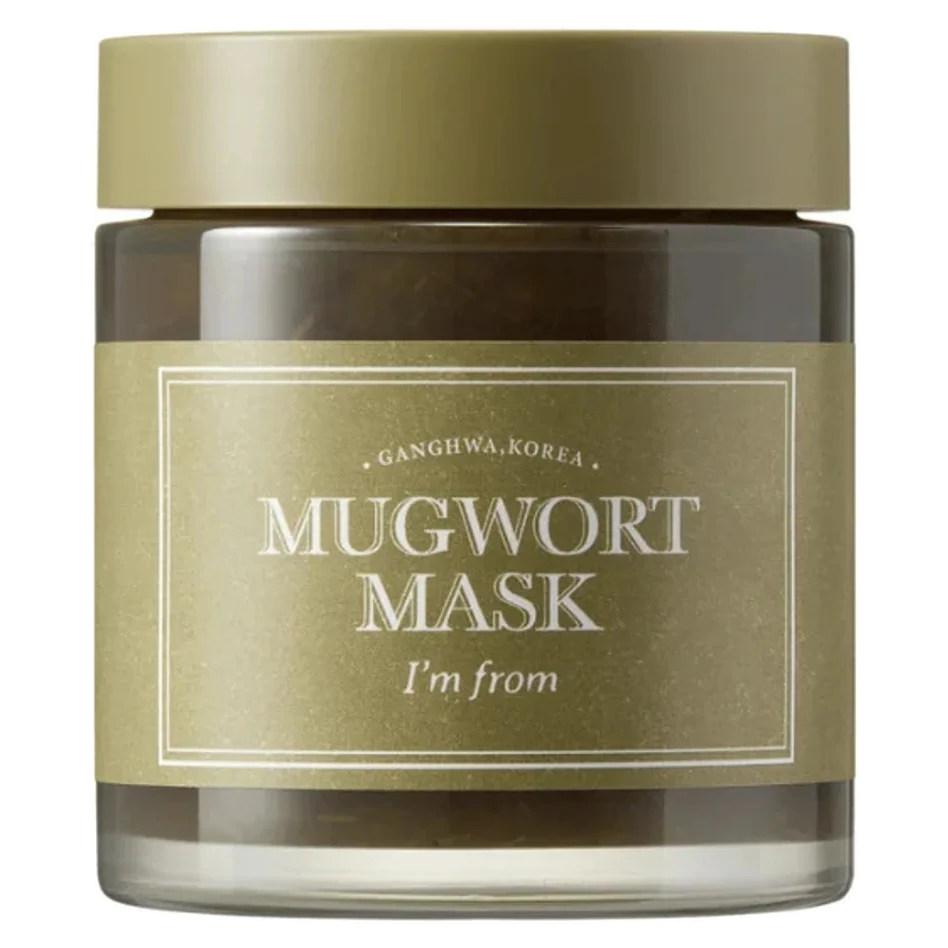
I'm From
Mugwort Mask
26ingredients
2 ingredients we would look at twice≈€0.76 per use
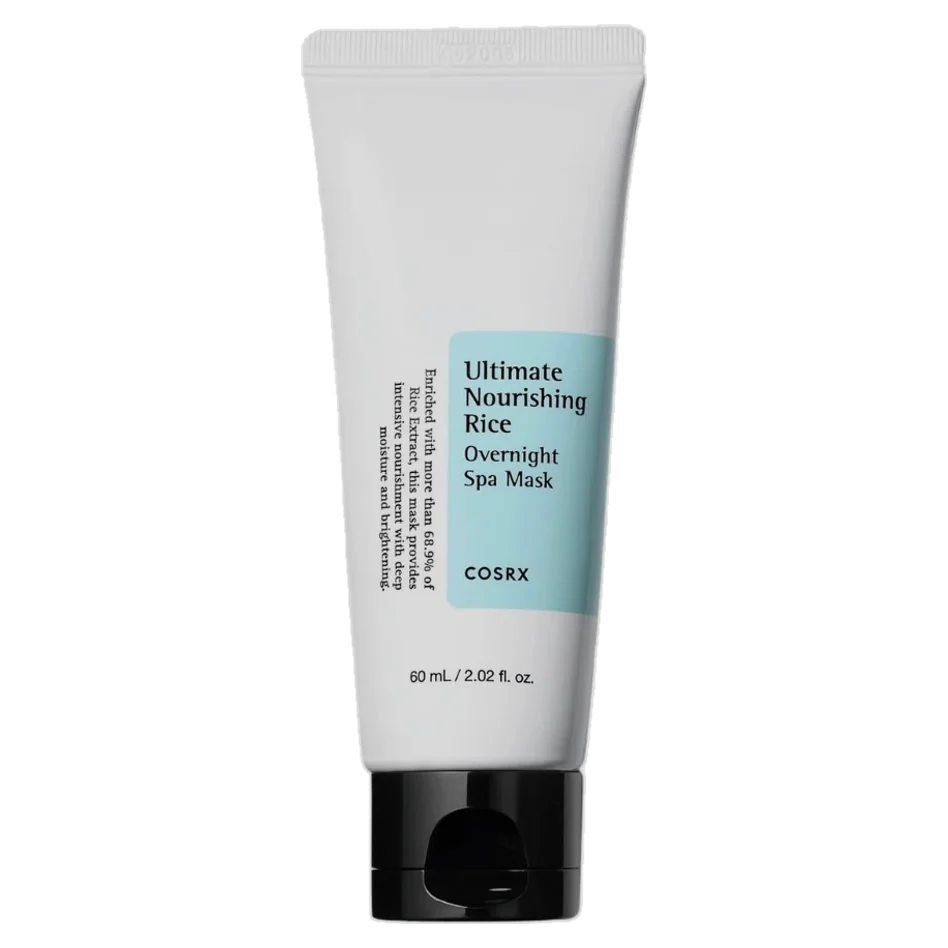
COSRX
Ultimate Nourishing Rice Overnight Spa Mask
19ingredients
≈€0.92 per use
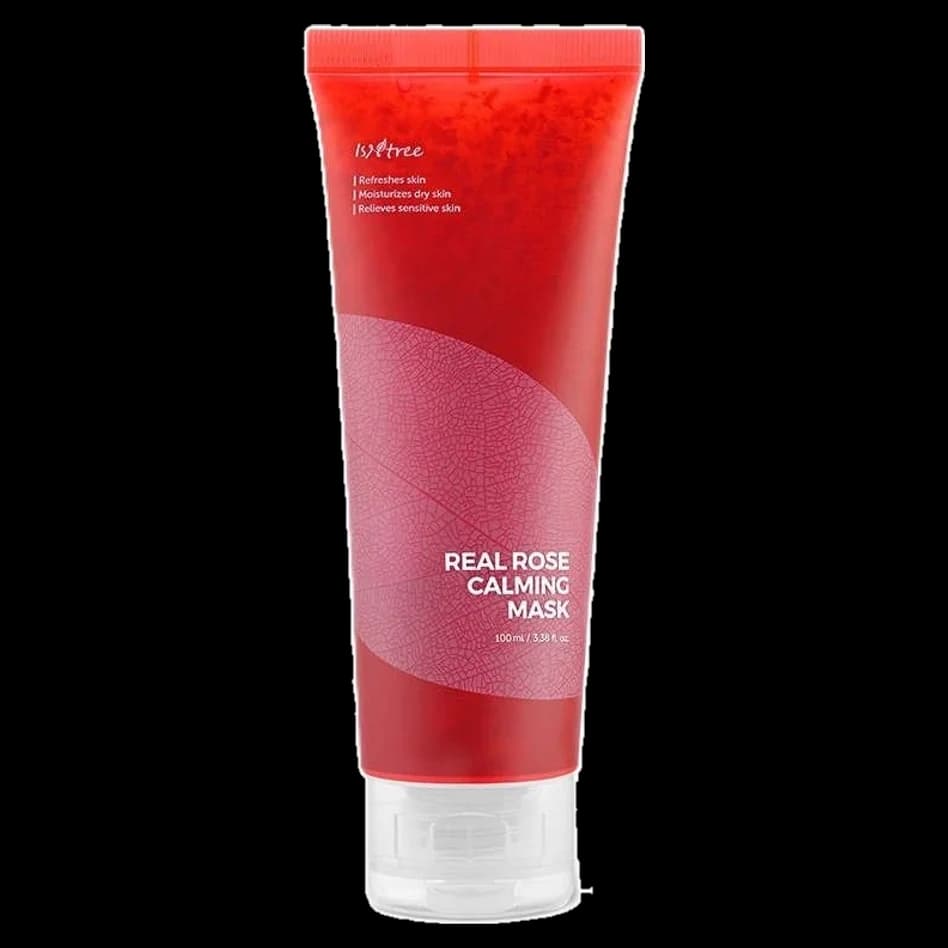
Isntree
Real Rose Calming Mask
31ingredients
≈€1.02 per use
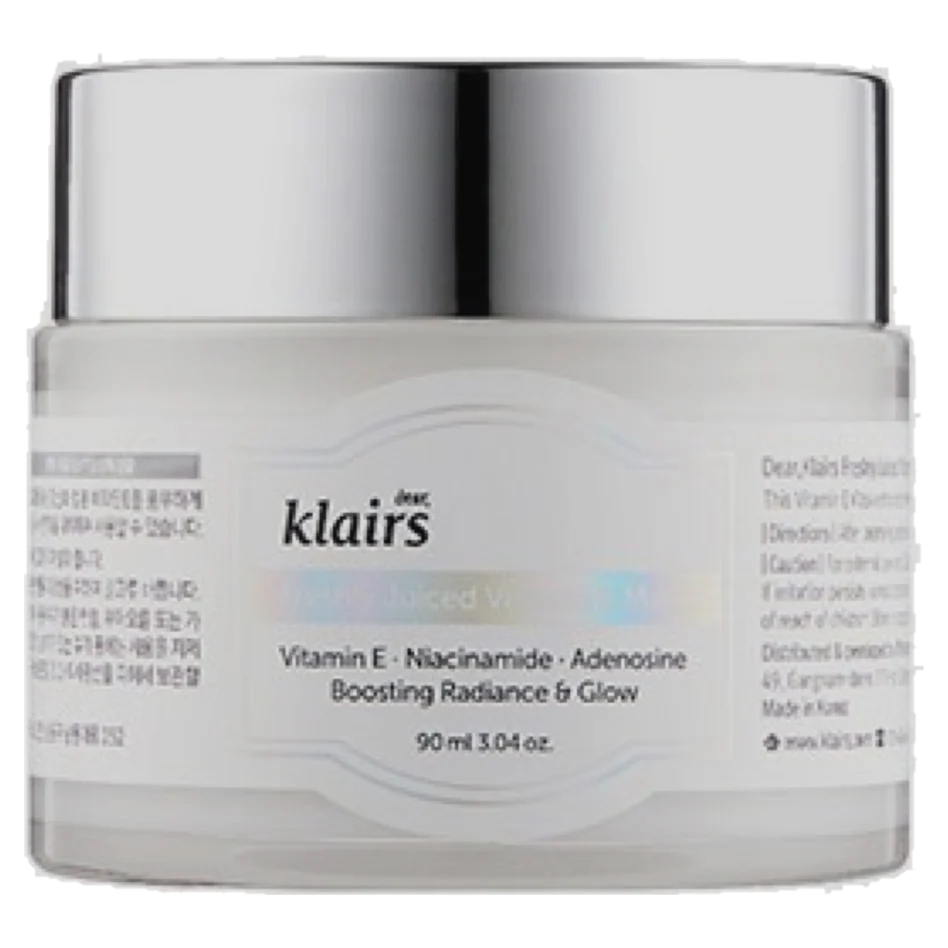
Dear, Klairs
Freshly Juiced Vitamin E Mask
30ingredients
8 ingredients we would look at twice≈€1.13 per use
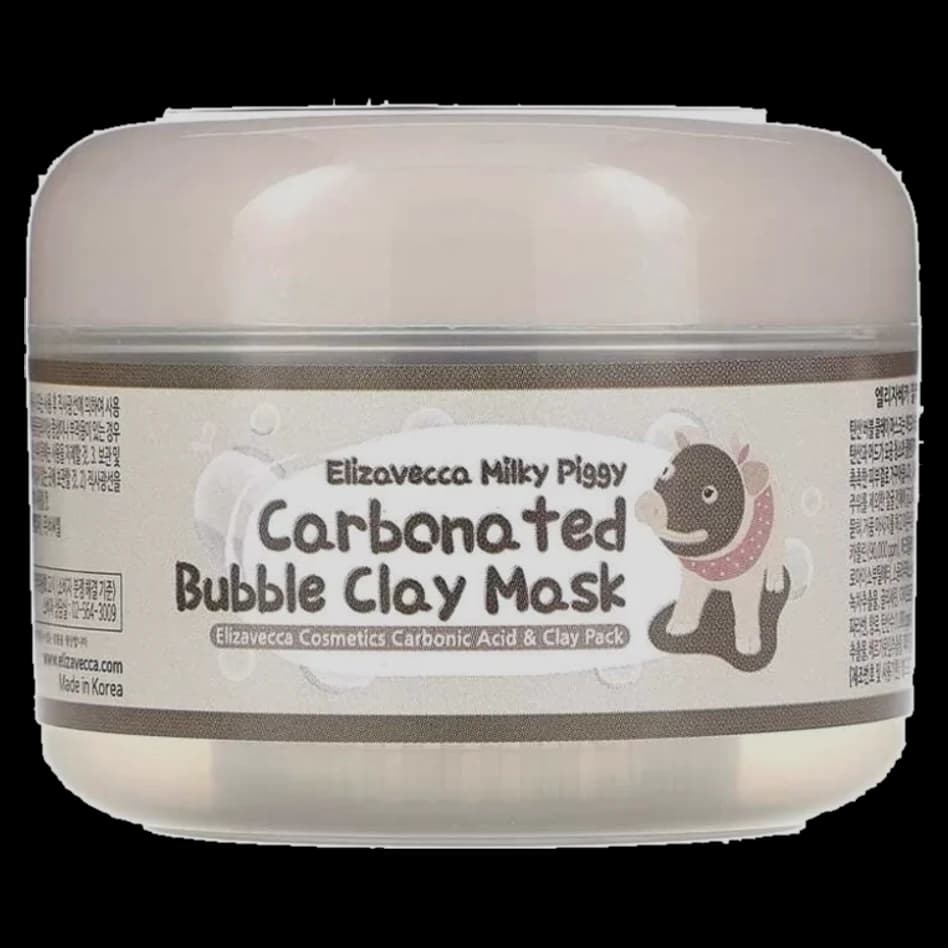
Elizavecca
Milky Piggy Carbonated Bubble Clay Mask
29ingredients
5 ingredients we would look at twice≈€1.14 per use
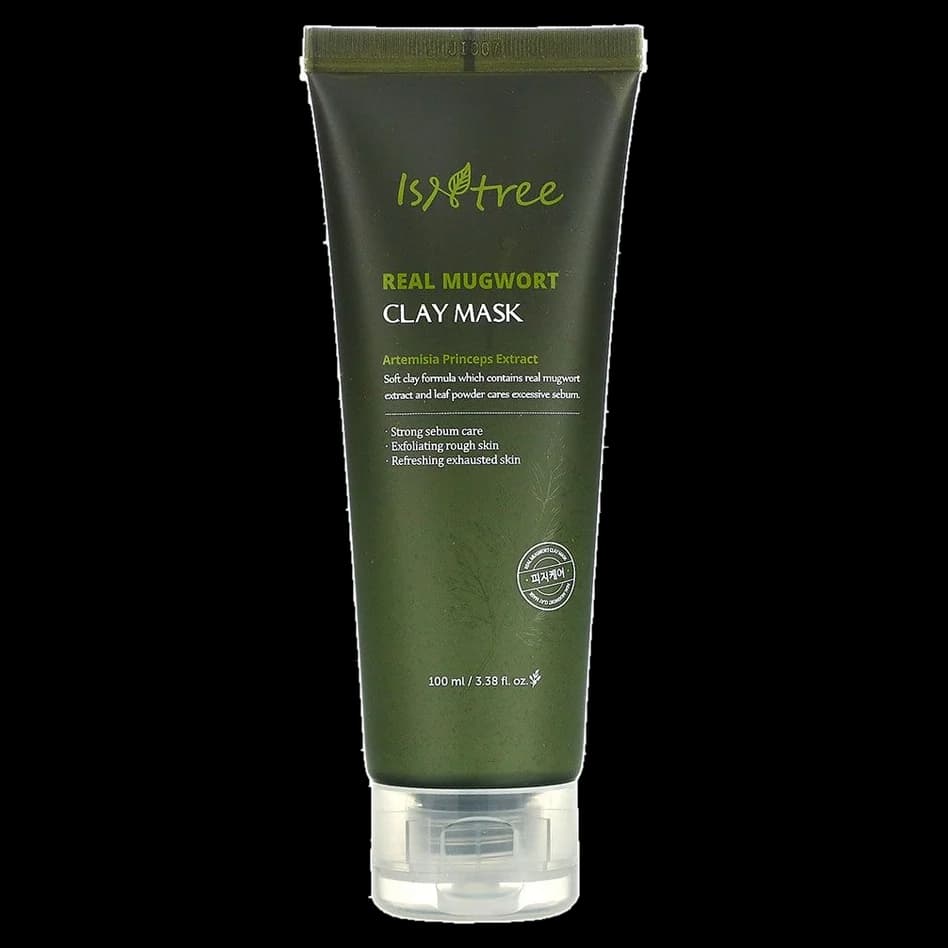
Isntree
Mugwort Calming Clay Mask
38ingredients
2 ingredients we would look at twice≈€1.20 per use
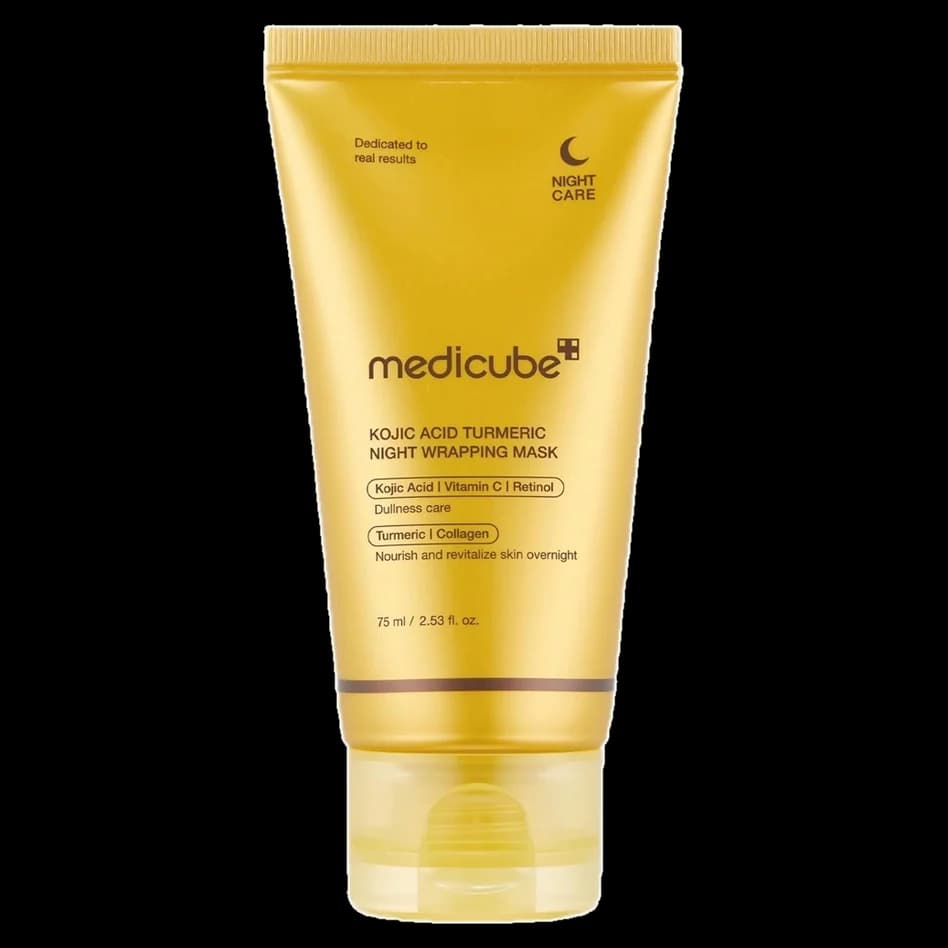
Medicube
Kojic Acid Turmeric Night Wrapping Mask
22ingredients
3 ingredients we would look at twice≈€1.20 per use
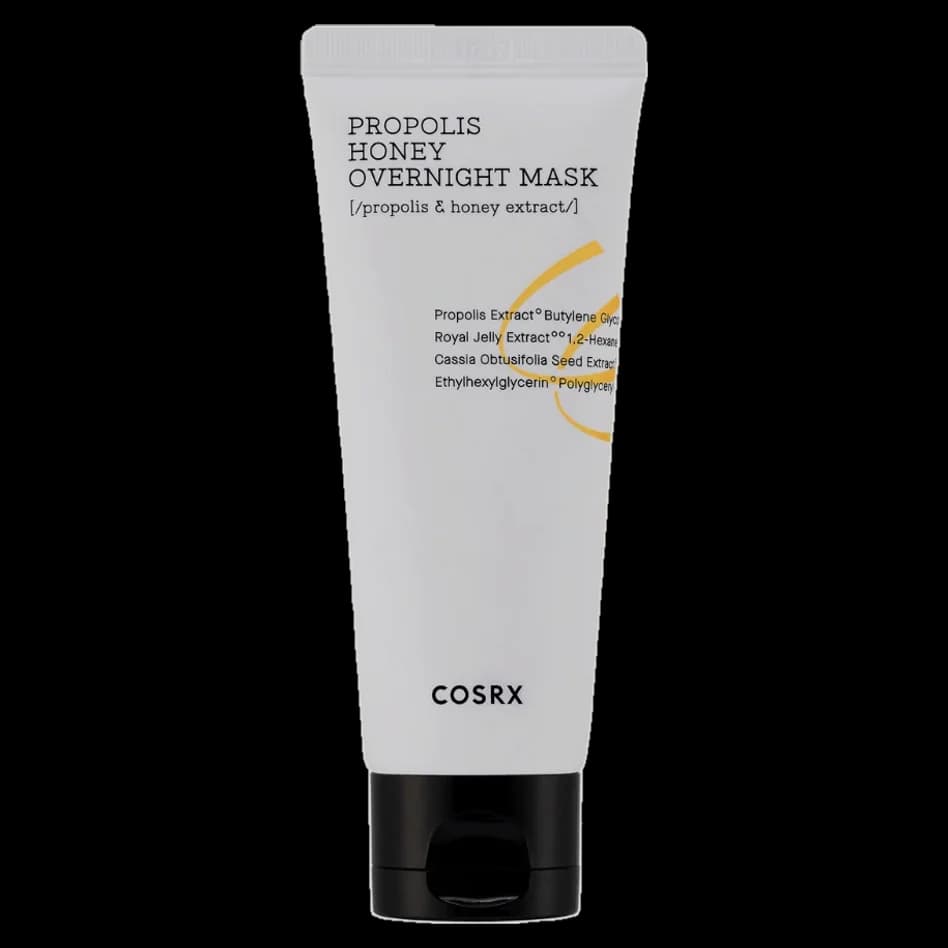
COSRX
Full Fit Propolis Honey Overnight Mask
22ingredients
1 ingredient we would look at twice≈€1.26 per use
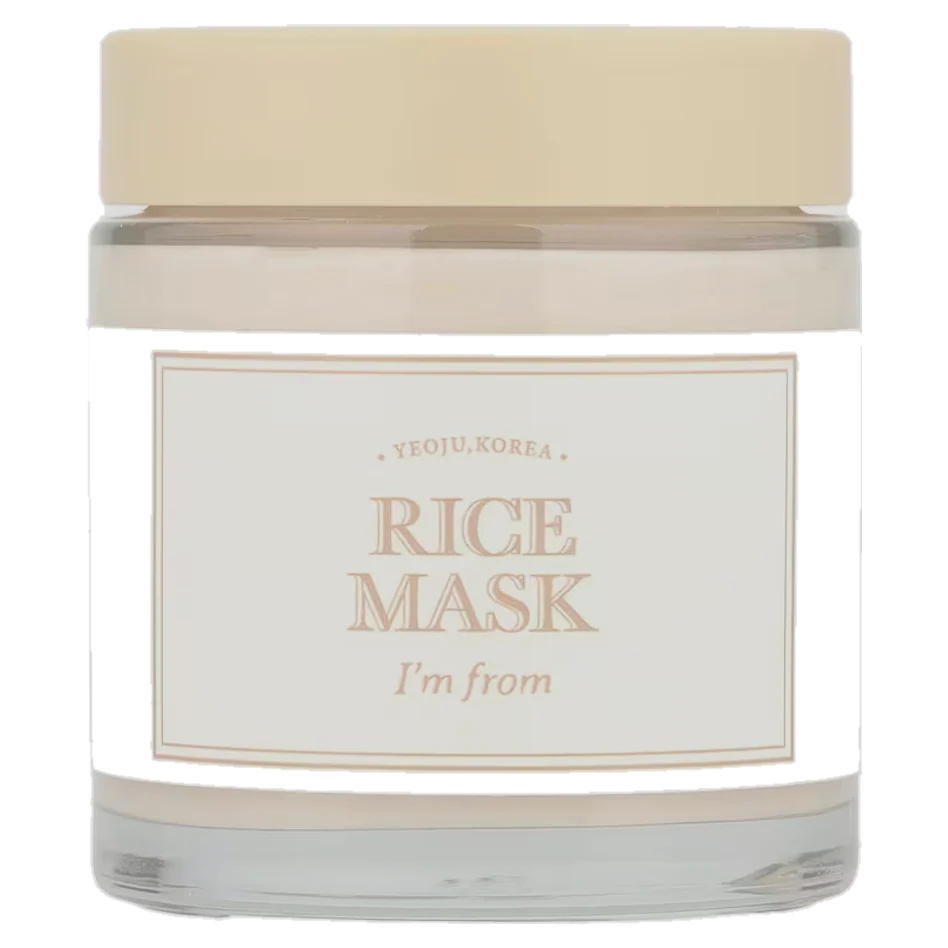
I'm From
Rice Mask
43ingredients
≈€1.30 per use
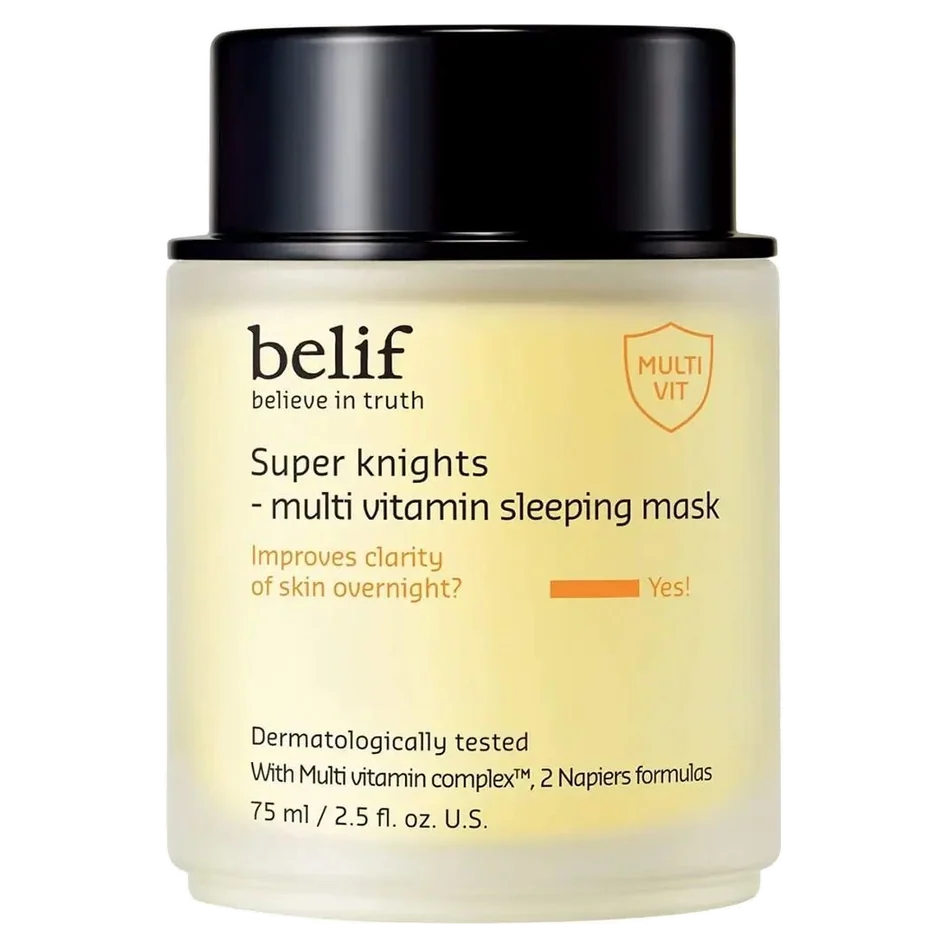
belif
Super Knights Vitamin Mask
26ingredients
3 ingredients we would look at twice≈€1.32 per use
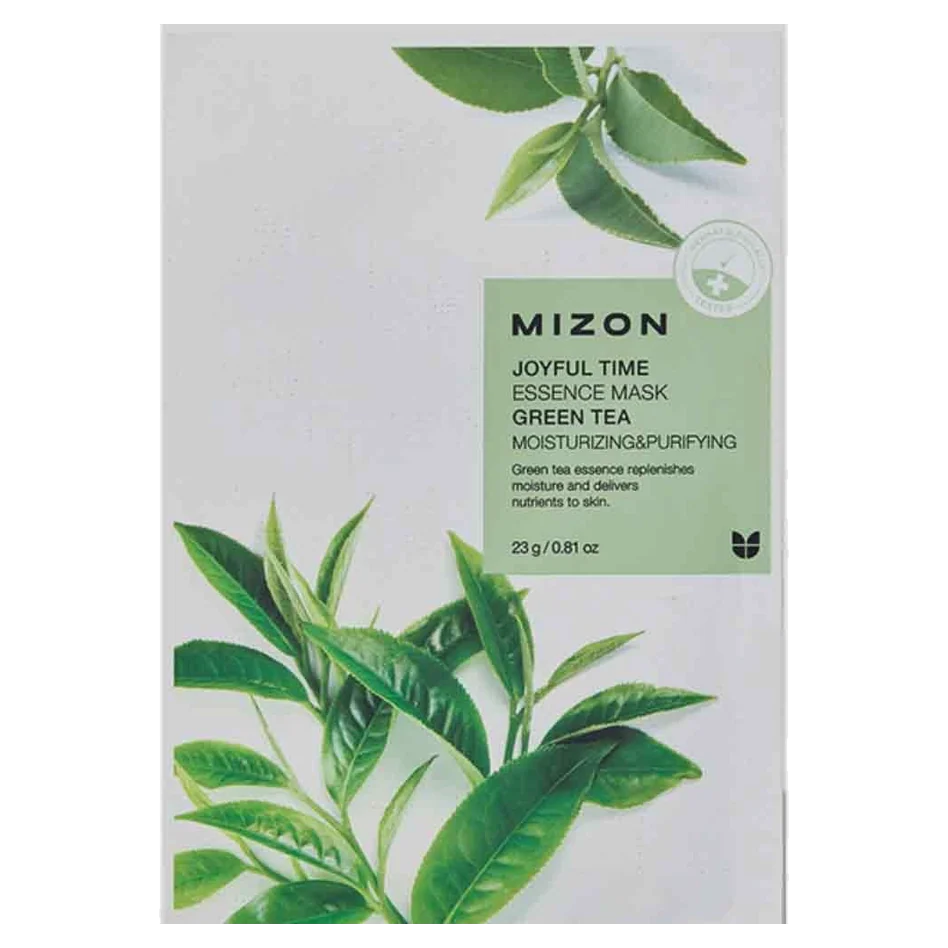
MIZON
Joyful Time Essence Mask Green Tea
26ingredients
2 ingredients we would look at twice€1.33 per use
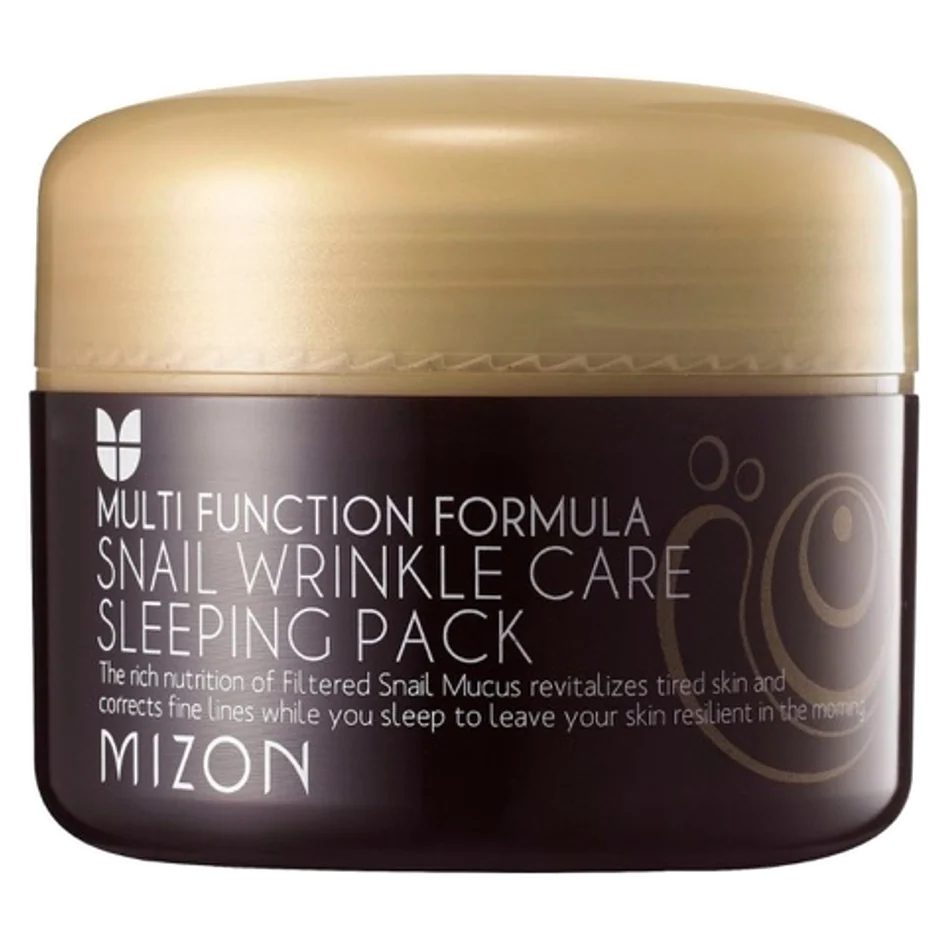
MIZON
Snail Wrinkle Care Sleeping Pack
31ingredients
3 ingredients we would look at twice≈€1.34 per use
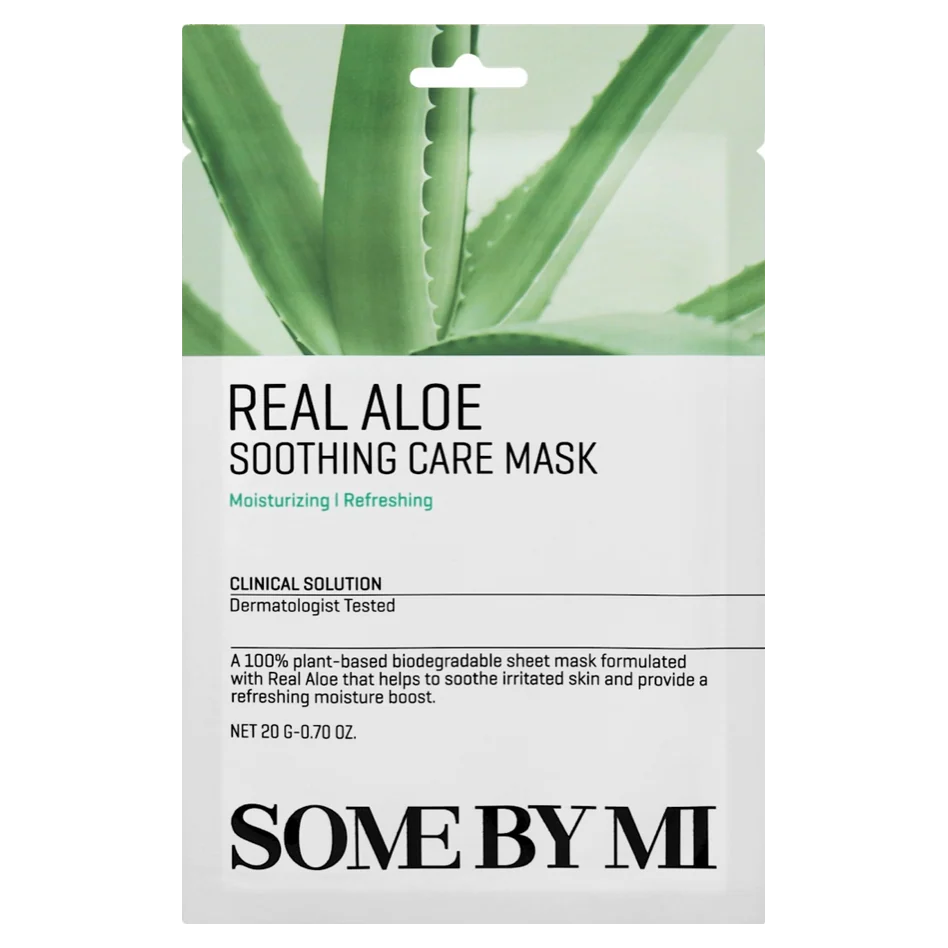
SOME BY MI
Real Aloe Soothing Care Mask
21ingredients
2 ingredients we would look at twice€1.55 per use
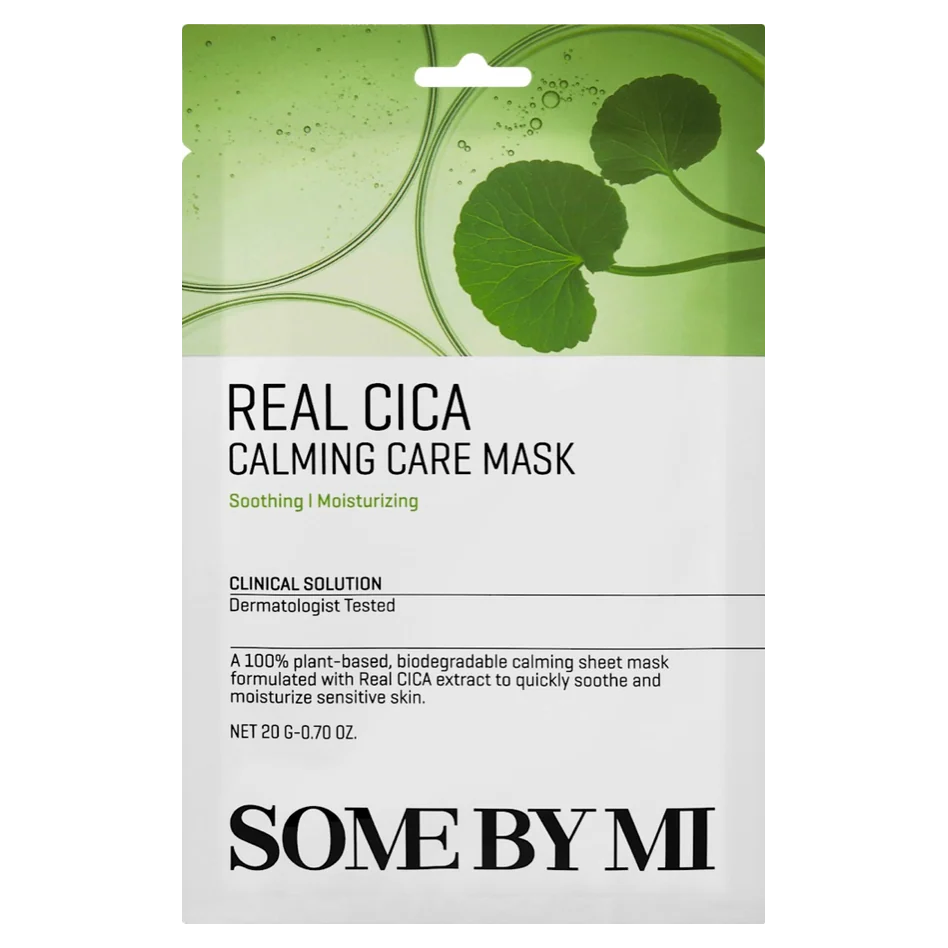
SOME BY MI
Real Cica Calming Care Mask
28ingredients
2 ingredients we would look at twice€1.55 per use
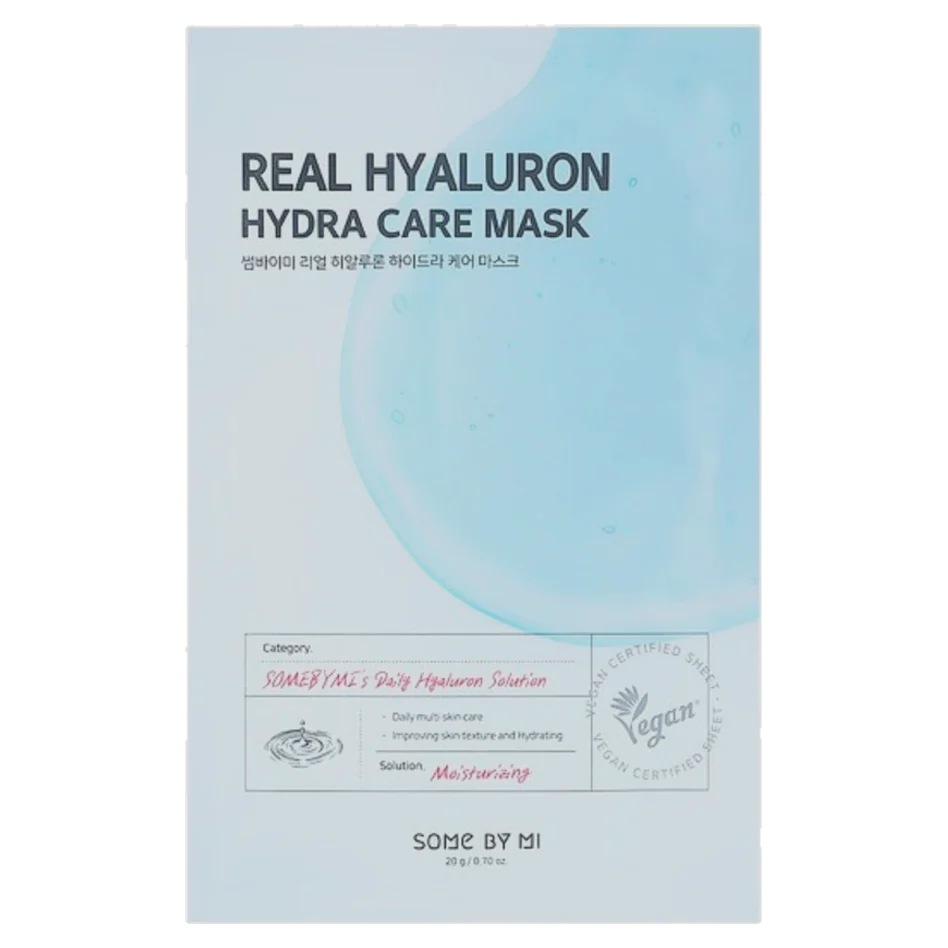
SOME BY MI
Real Hyaluron Hydra Care Mask
31ingredients
5 ingredients we would look at twice€1.55 per use
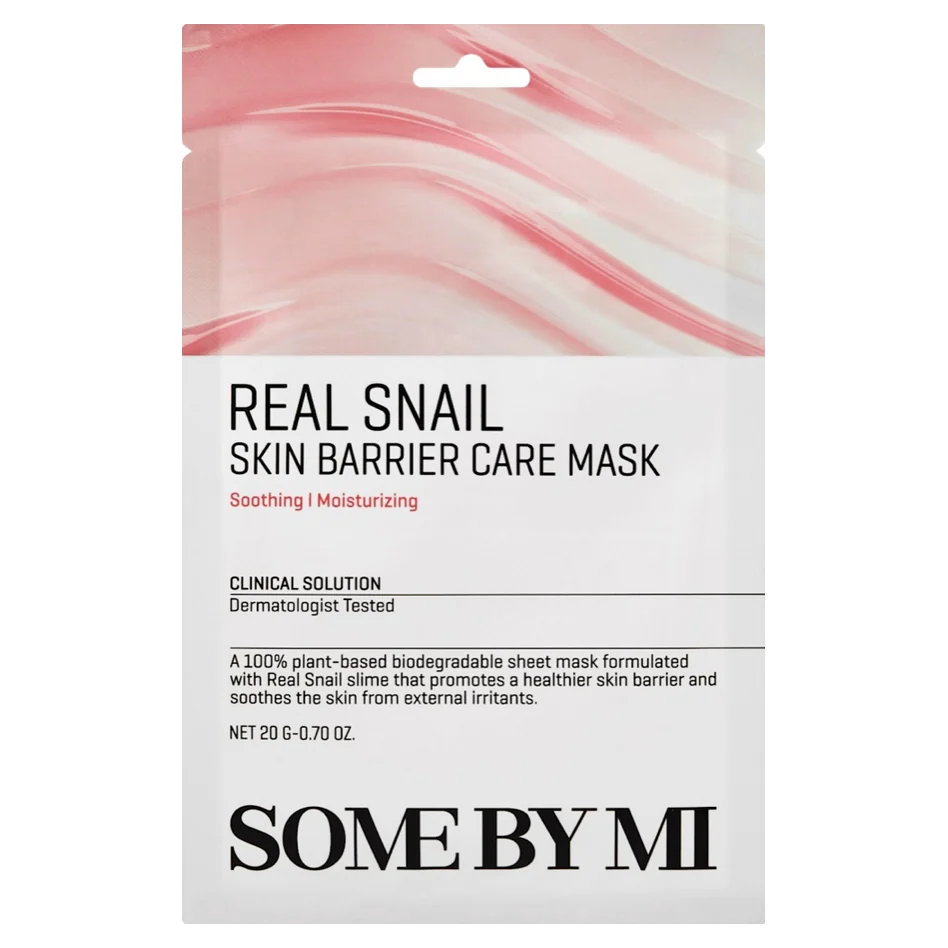
SOME BY MI
Real Snail Skin Barrier Care Mask
21ingredients
1 ingredient we would look at twice€1.55 per use
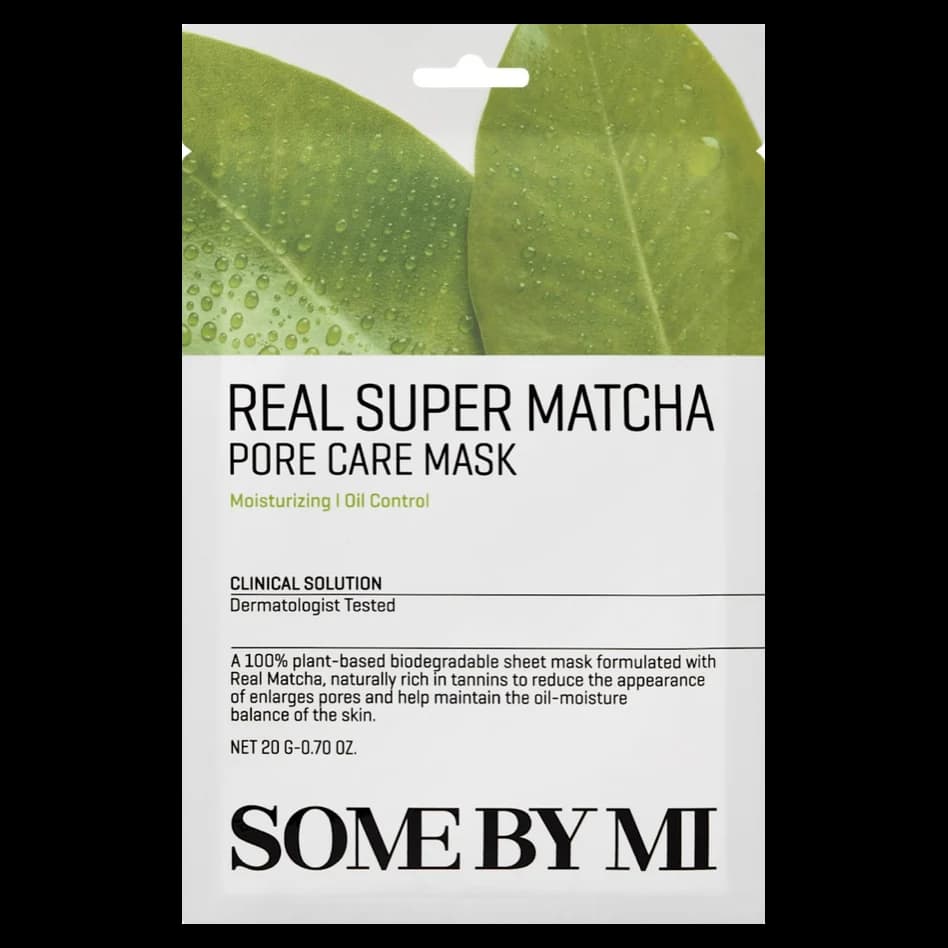
SOME BY MI
Real Super Matcha Pore Care Mask
22ingredients
1 ingredient we would look at twice€1.55 per use
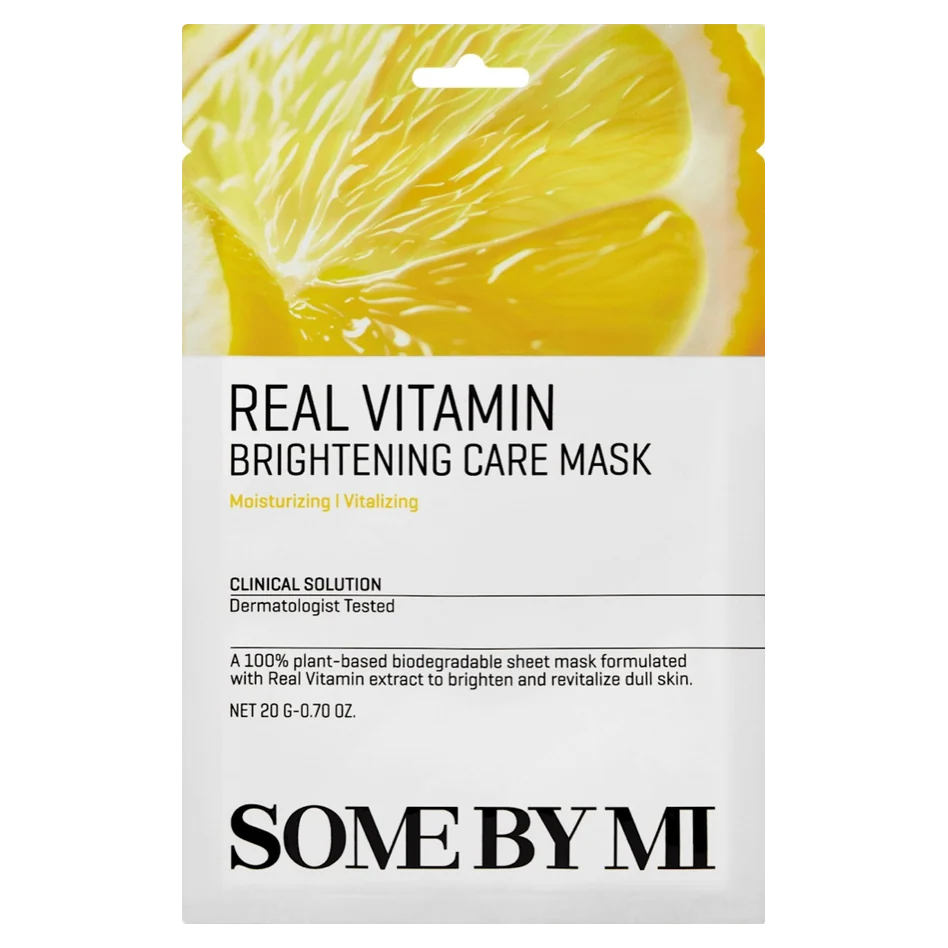
SOME BY MI
Real Vitamin Brightening Care Mask
19ingredients
2 ingredients we would look at twice€1.55 per use
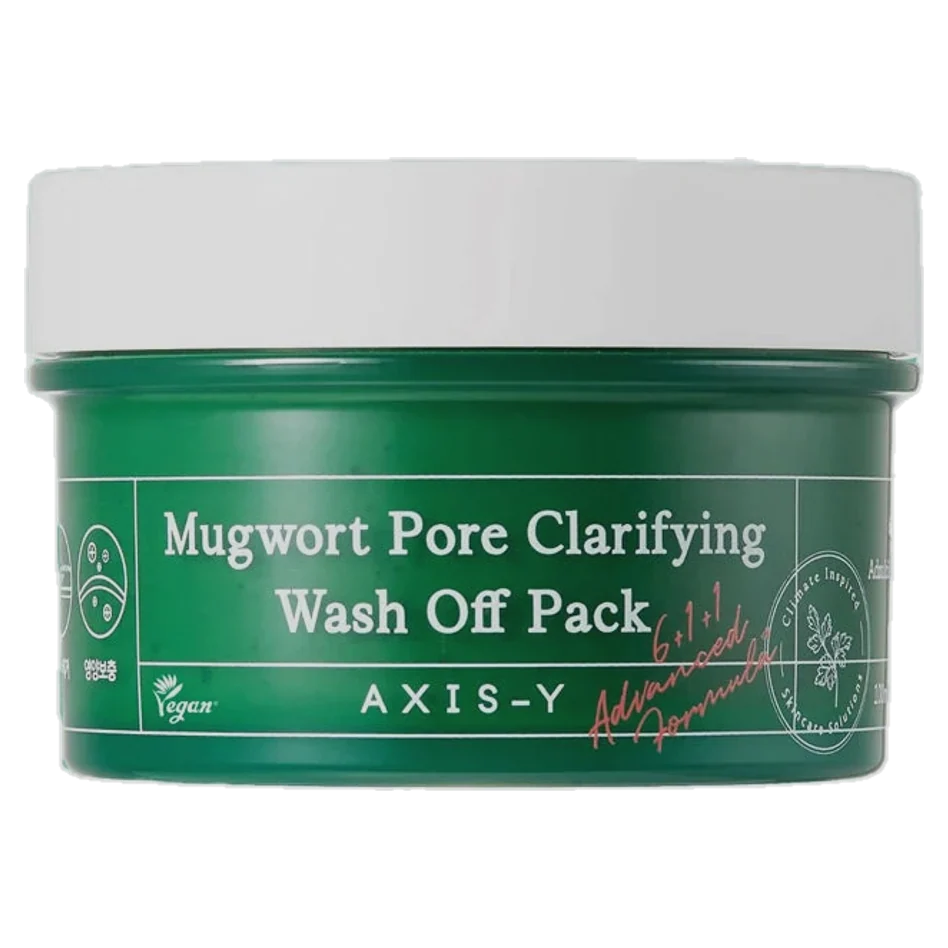
AXIS-Y
Mugwort Pore Clarifying Wash Off Pack
36ingredients
2 ingredients we would look at twice≈€1.63 per use
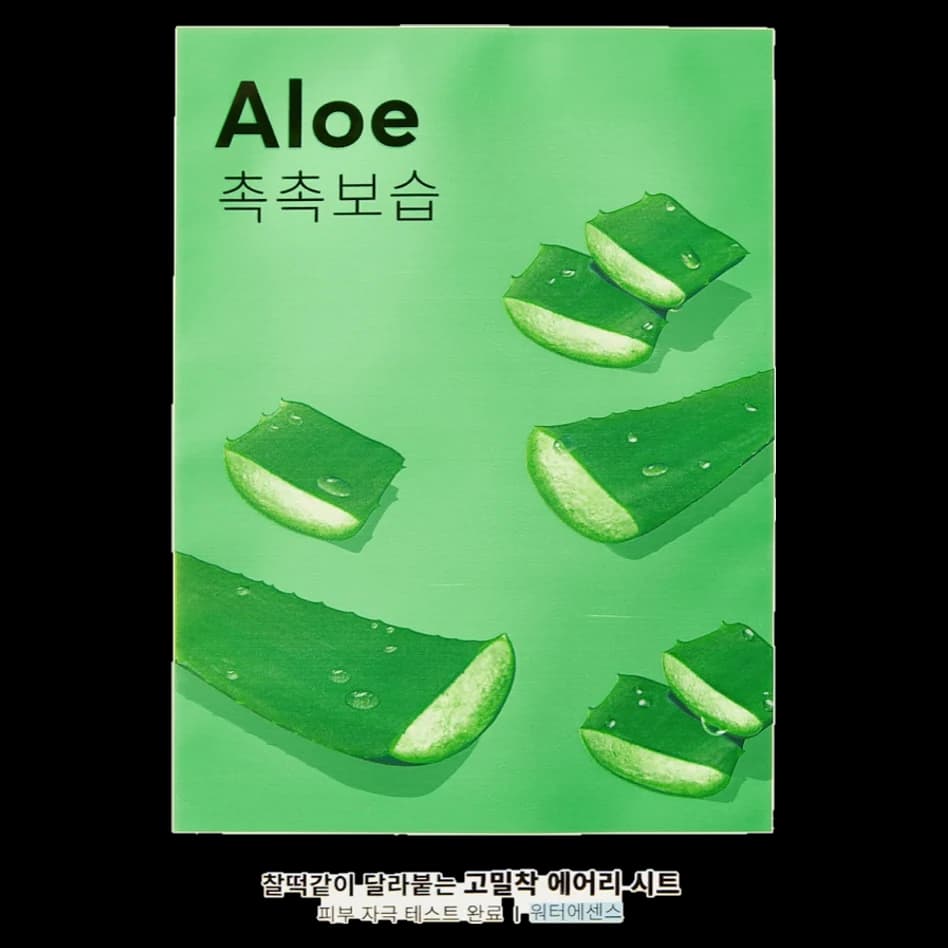
MISSHA
Airy Fit Sheet Mask Aloe
26ingredients
4 ingredients we would look at twice€1.75 per use
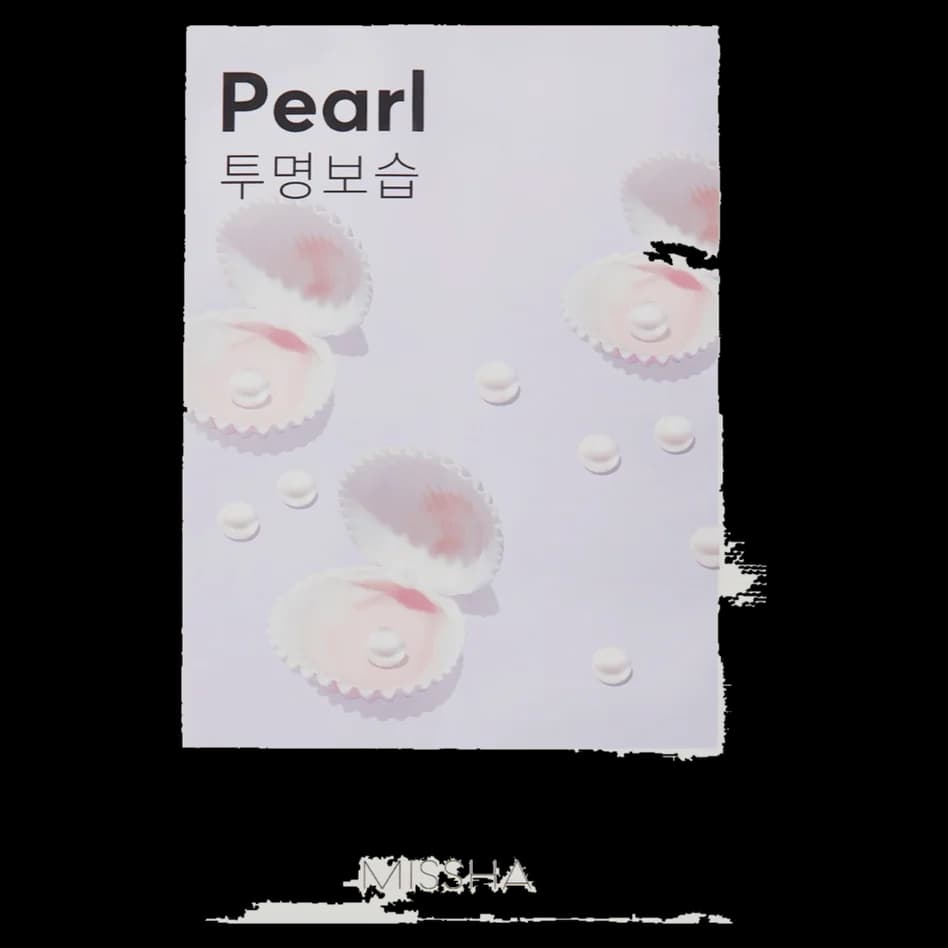
MISSHA
Airy Fit Sheet Mask Pearl
31ingredients
3 ingredients we would look at twice€1.75 per use
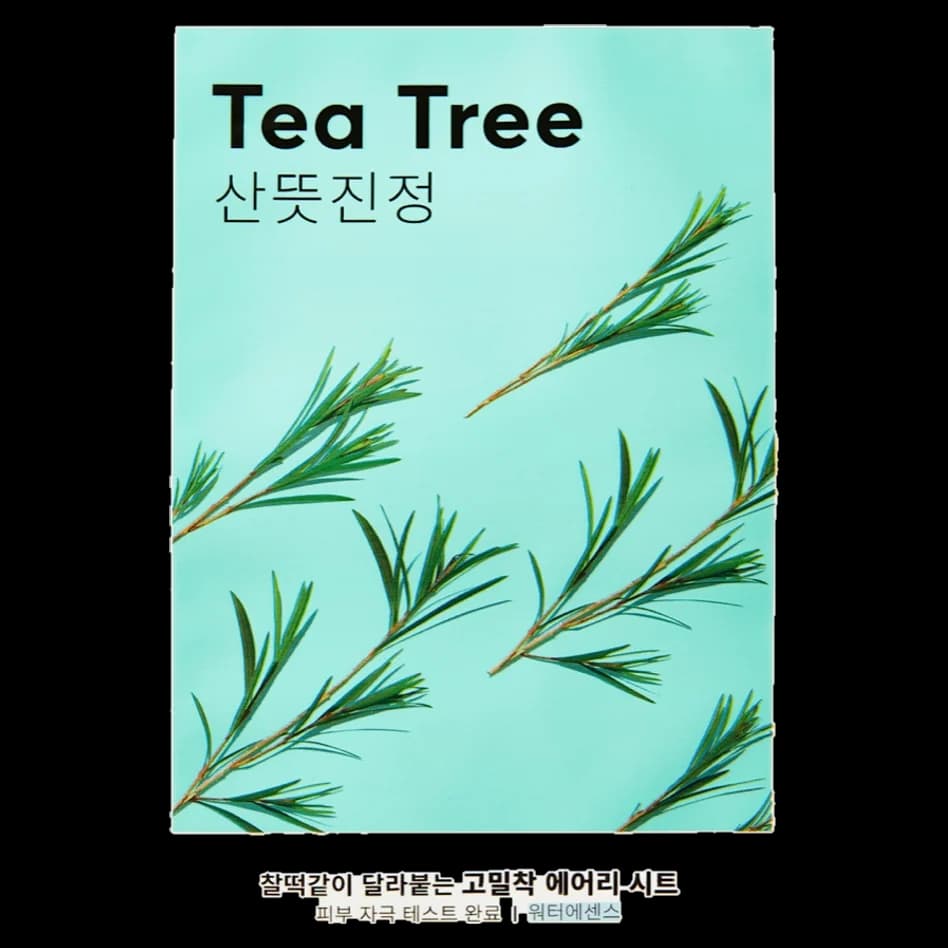
MISSHA
Airy Fit Sheet Mask Tea Tree
23ingredients
2 ingredients we would look at twice€1.75 per use
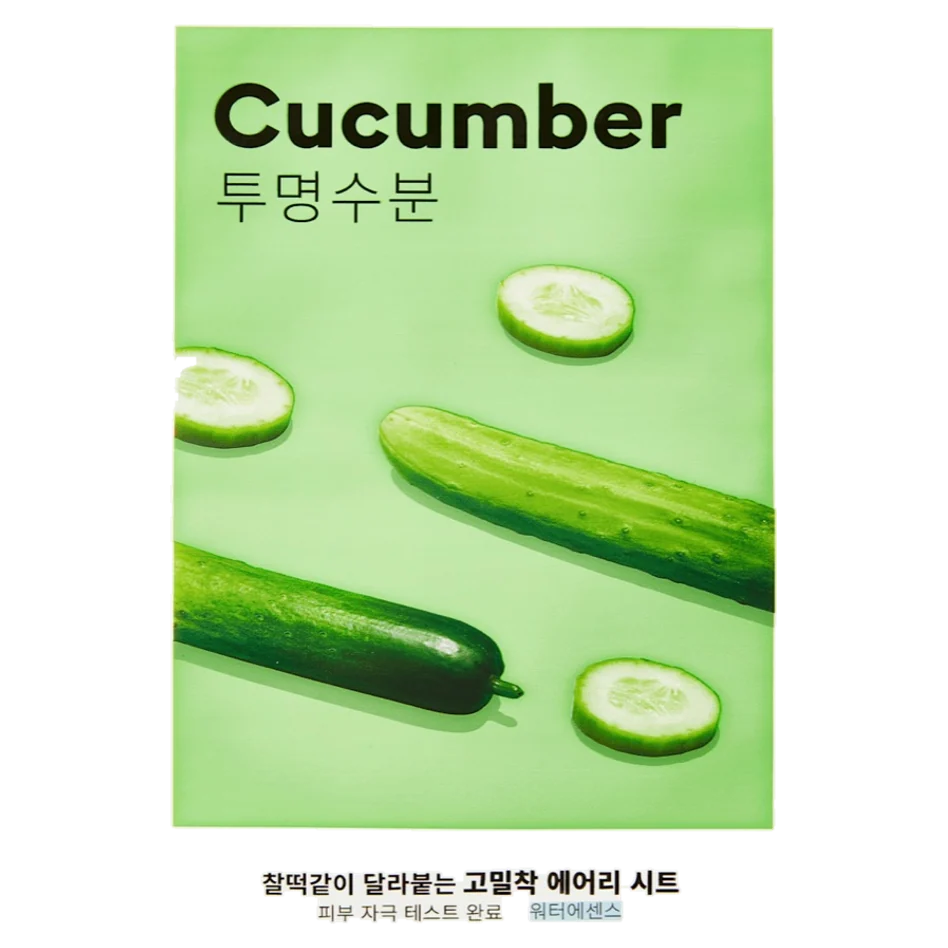
MISSHA
Sheet Mask Cucumber
25ingredients
3 ingredients we would look at twice€1.75 per use
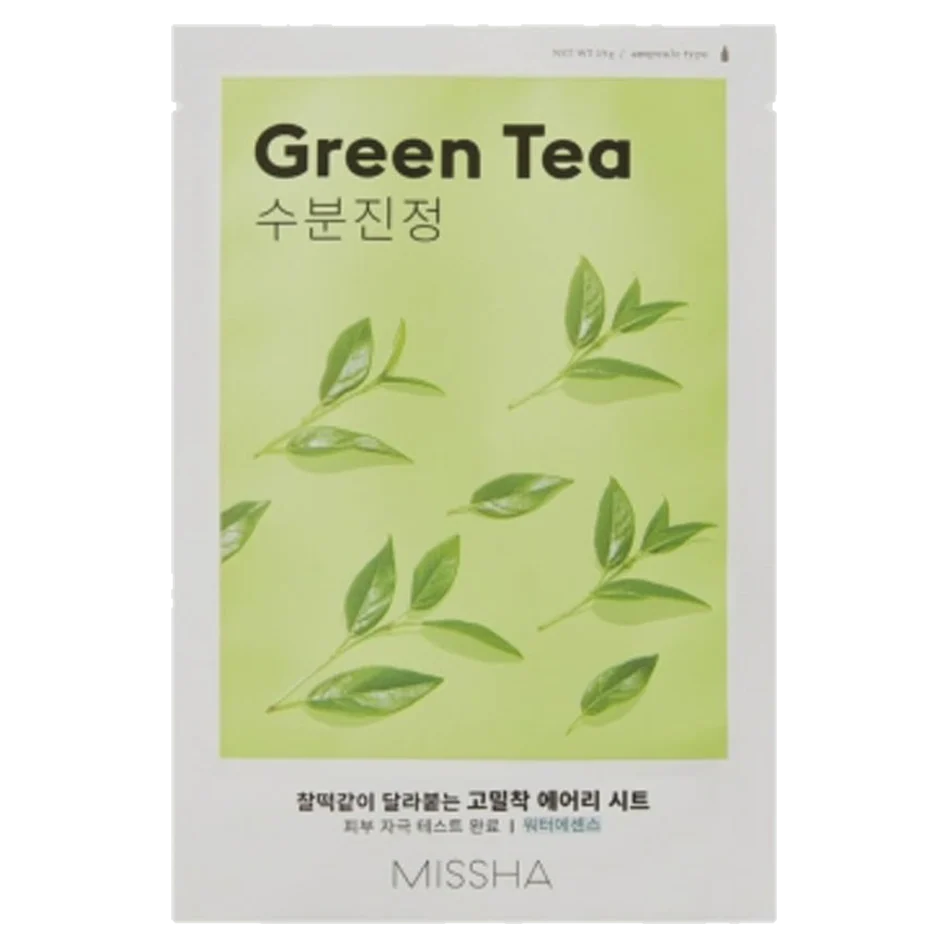
MISSHA
Airy Fit Sheet Mask Green Tea
23ingredients
2 ingredients we would look at twice€1.95 per use
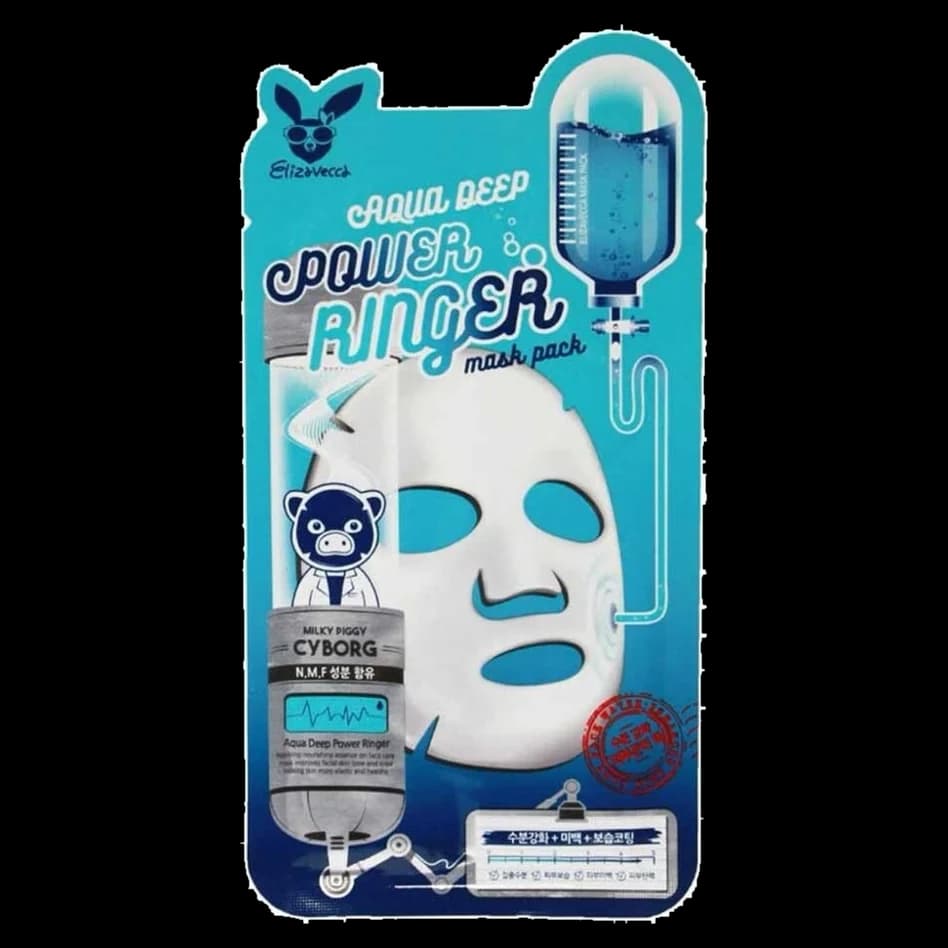
Elizavecca
Aqua Deep Power Ringer Mask Pack
28ingredients
3 ingredients we would look at twice€1.99 per use
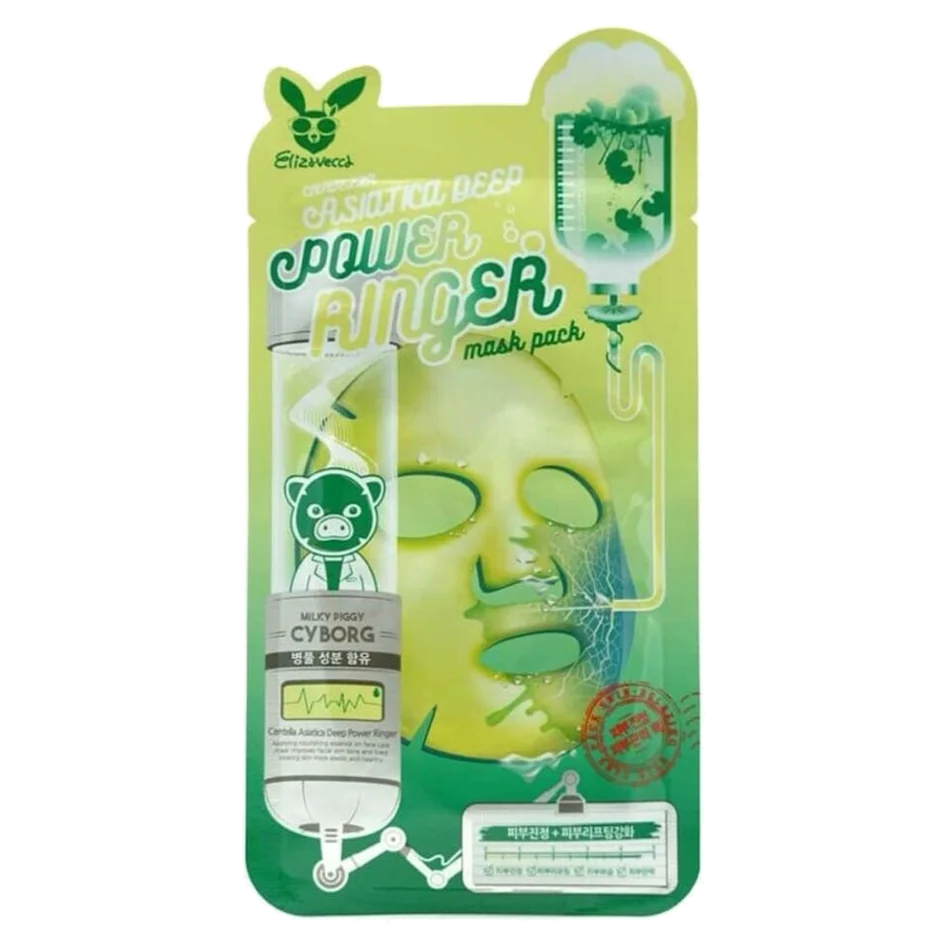
Elizavecca
Centella Deep Power Ringer Mask Pack
22ingredients
3 ingredients we would look at twice€1.99 per use
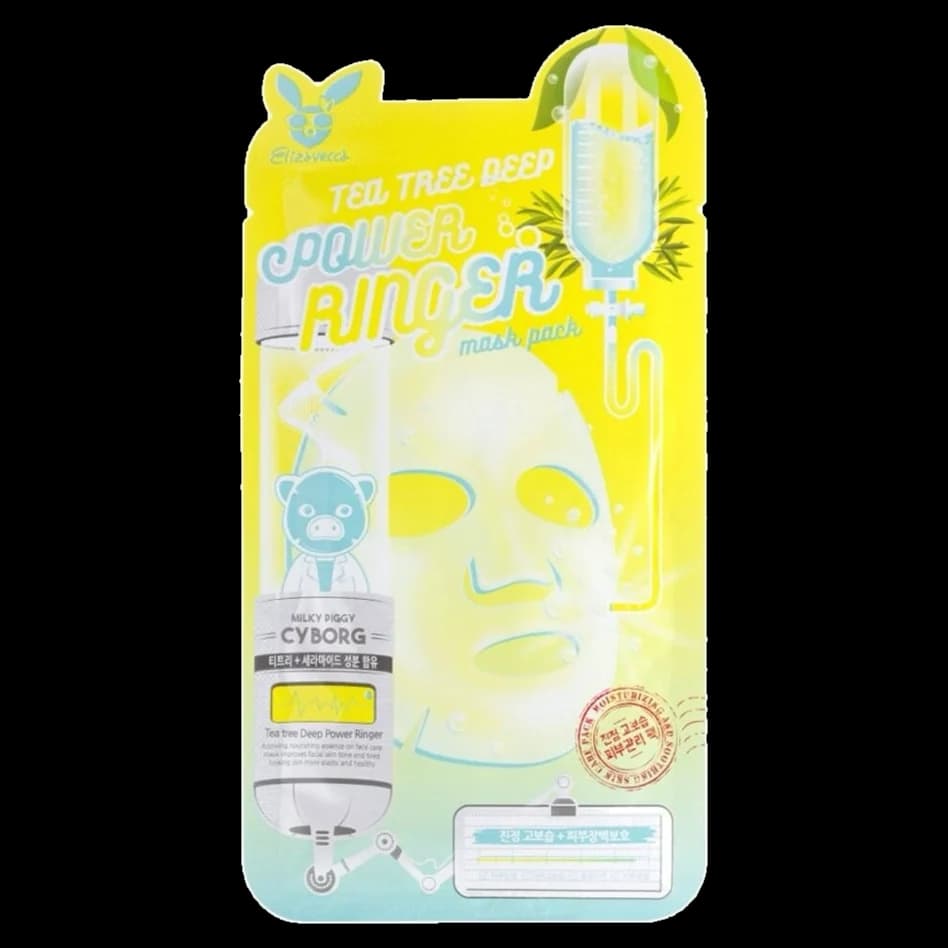
Elizavecca
Tea Tree Deep Power Ringer Mask Pack
23ingredients
3 ingredients we would look at twice€1.99 per use
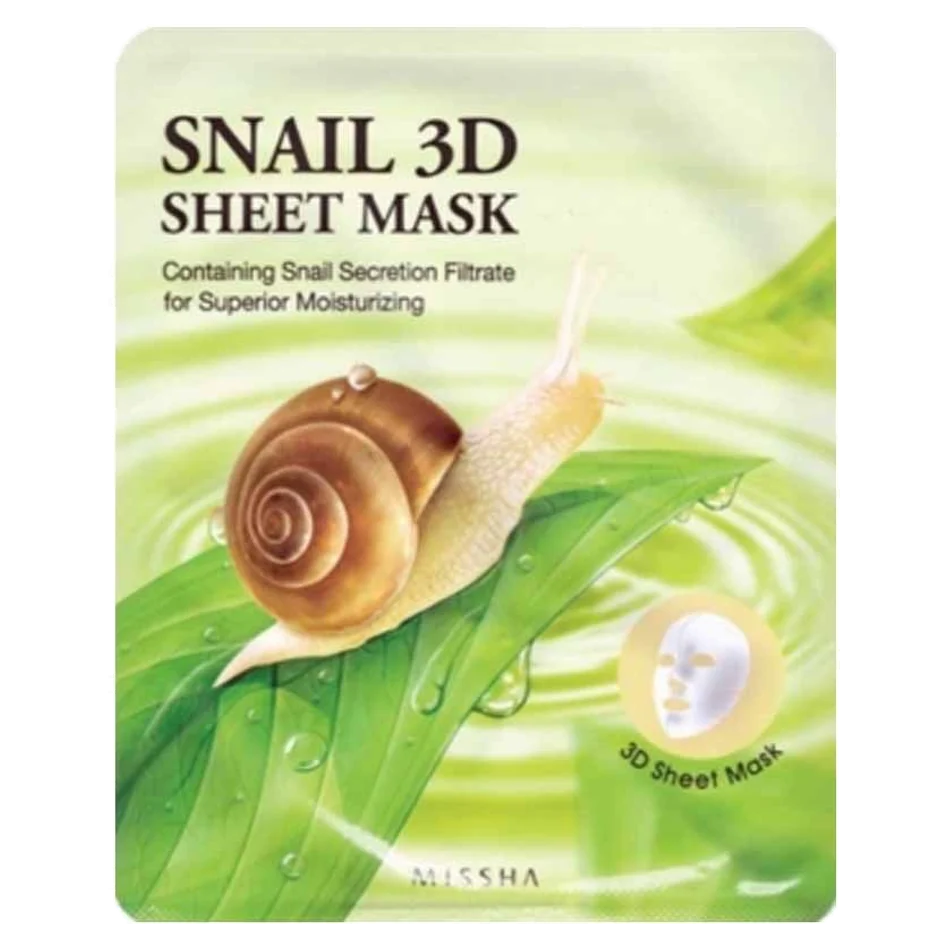
MISSHA
Snail 3D Sheet Mask
25ingredients
4 ingredients we would look at twice€1.99 per use
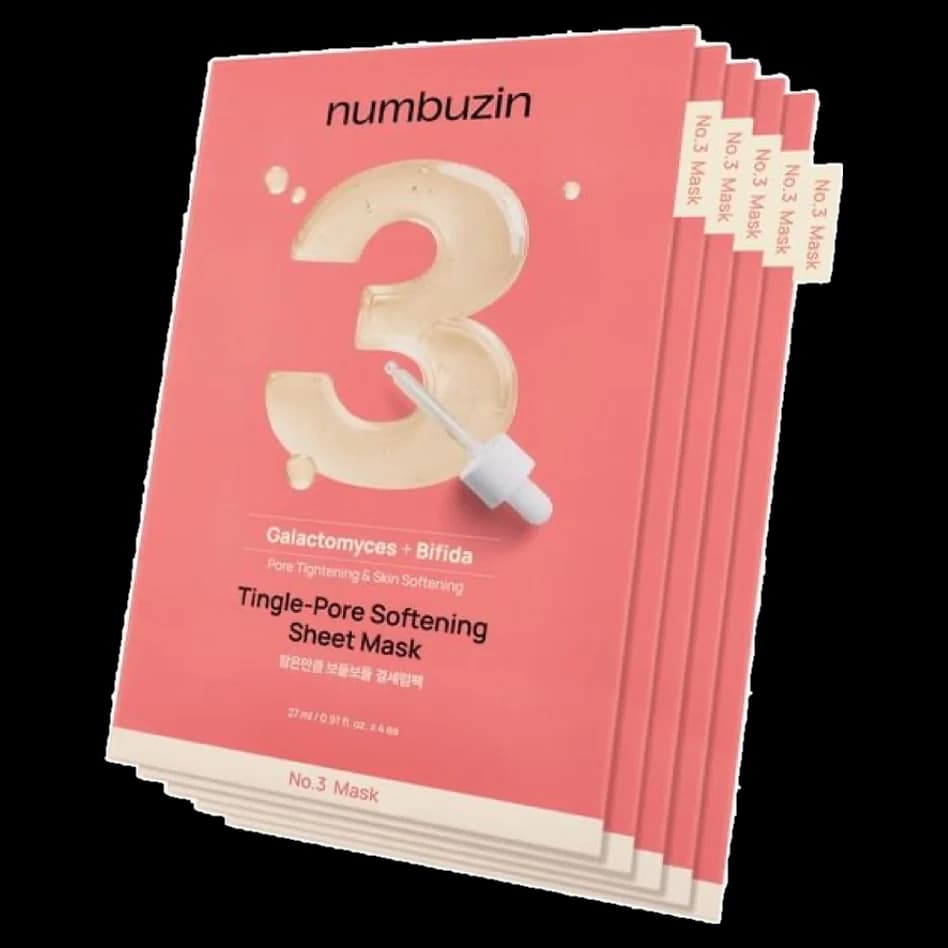
numbuzin
No.3 Tingle-Pore Softening Sheet Mask
42ingredients
10 ingredients we would look at twice€2.17 per use
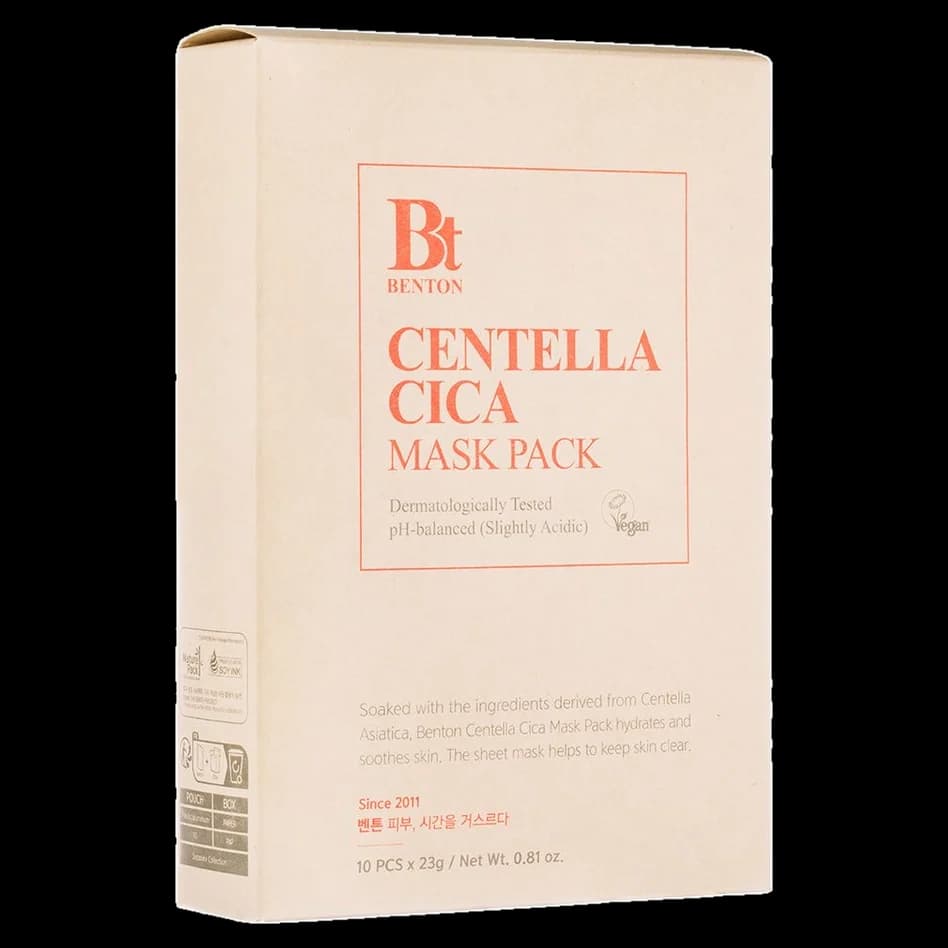
Benton
Goodbye Redness Centella Cica Mask Pack
23ingredients
€2.28 per use
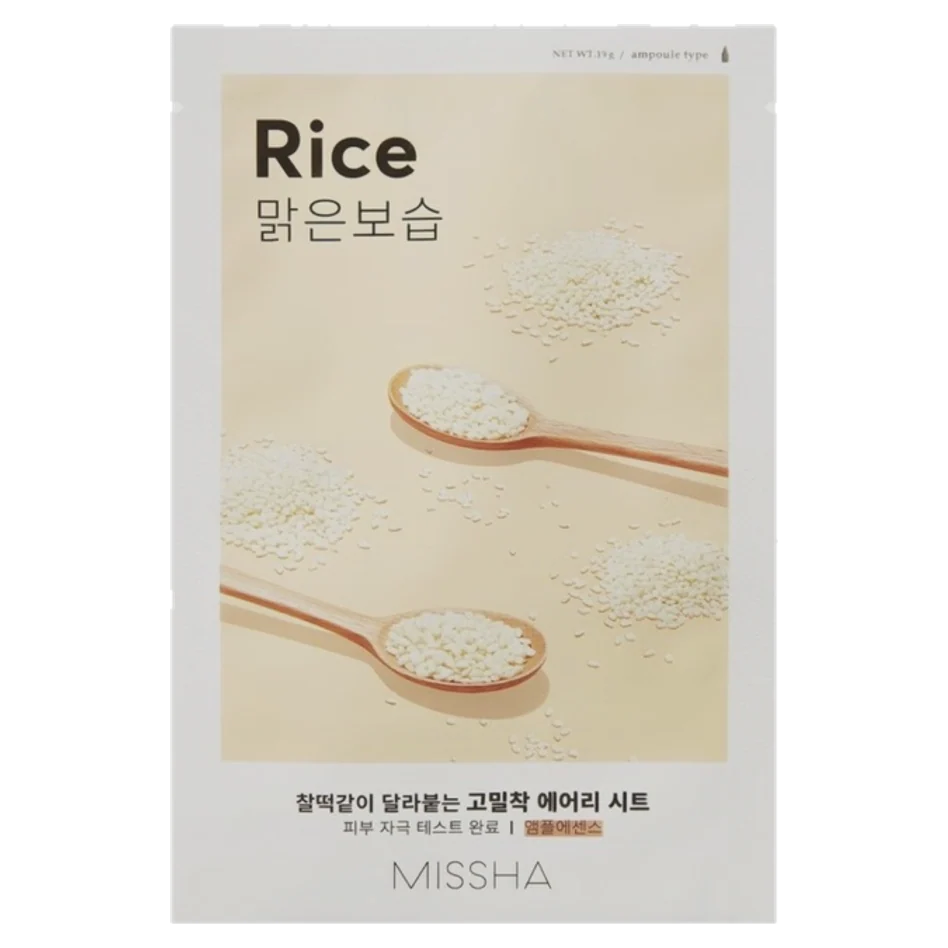
MISSHA
Airy Fit Sheet Mask Rice
27ingredients
3 ingredients we would look at twice€2.33 per use
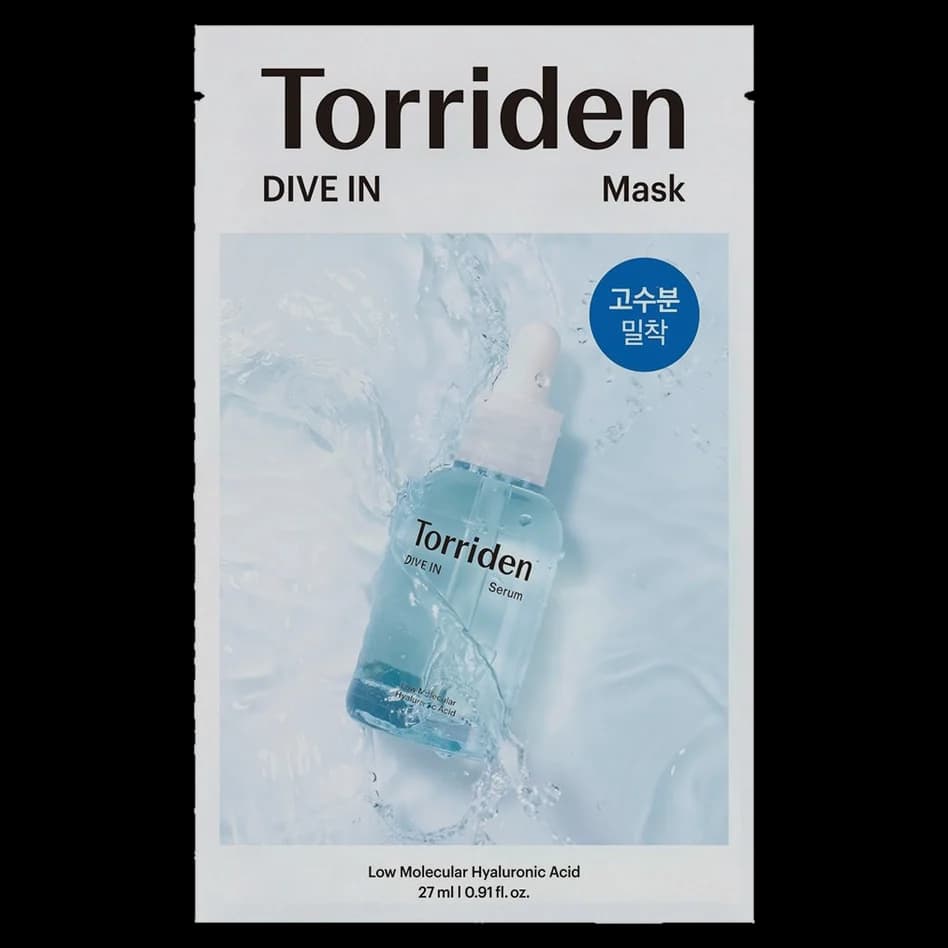
Torriden
DIVE-IN Low Molecular Hyaluronic Acid Mask
33ingredients
2 ingredients we would look at twice€2.80 per use
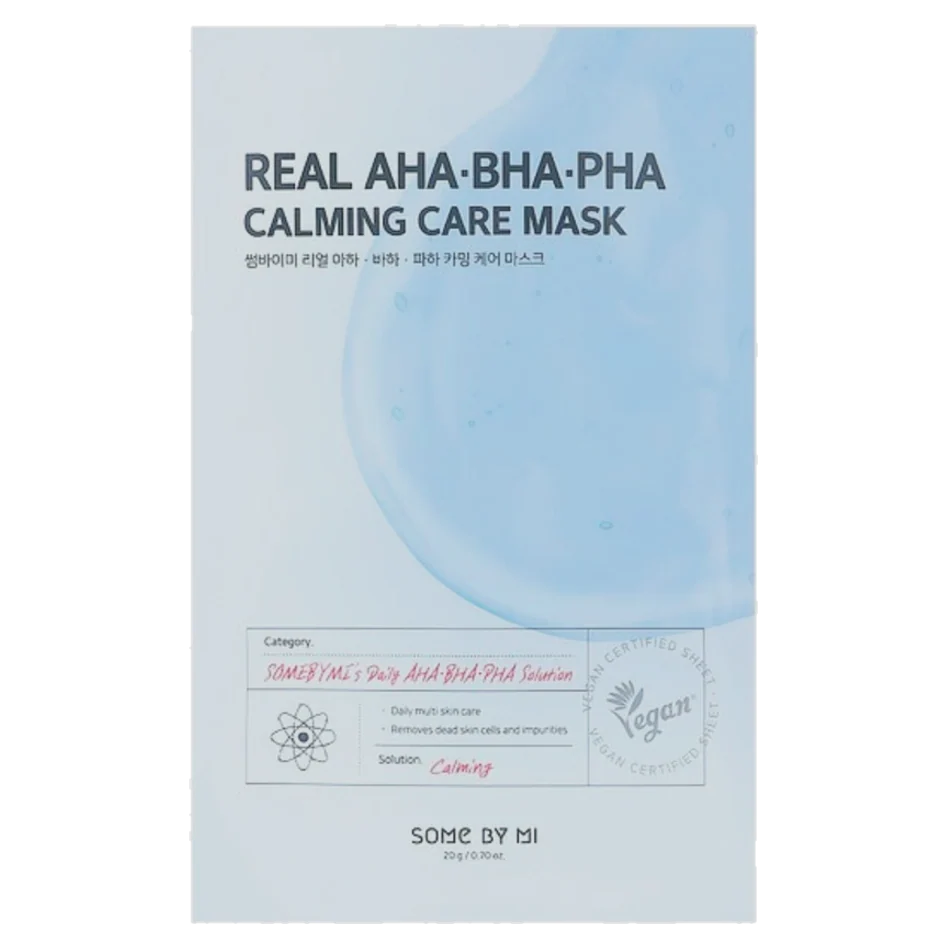
SOME BY MI
Real AHA-BHA-PHA Calming Care Mask
19ingredients
1 ingredient we would look at twice€2.85 per use
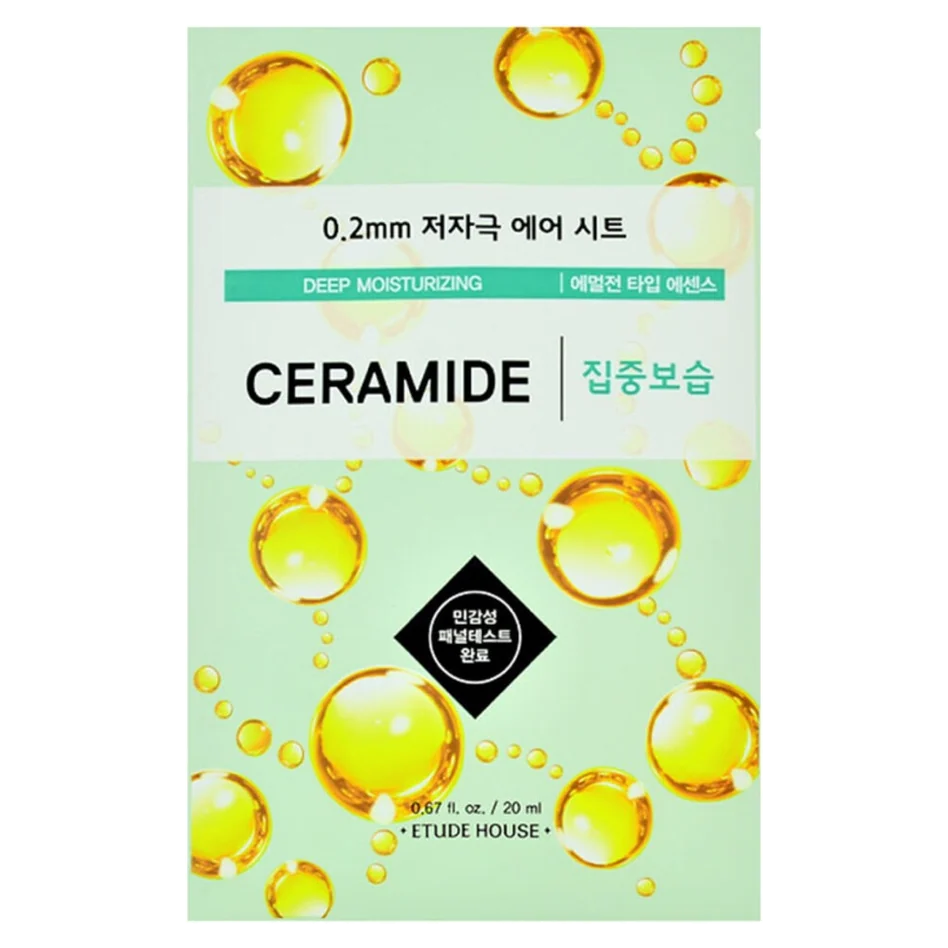
Etude House
0.2mm Therapy Air Mask Ceramide
33ingredients
4 ingredients we would look at twice€2.99 per use
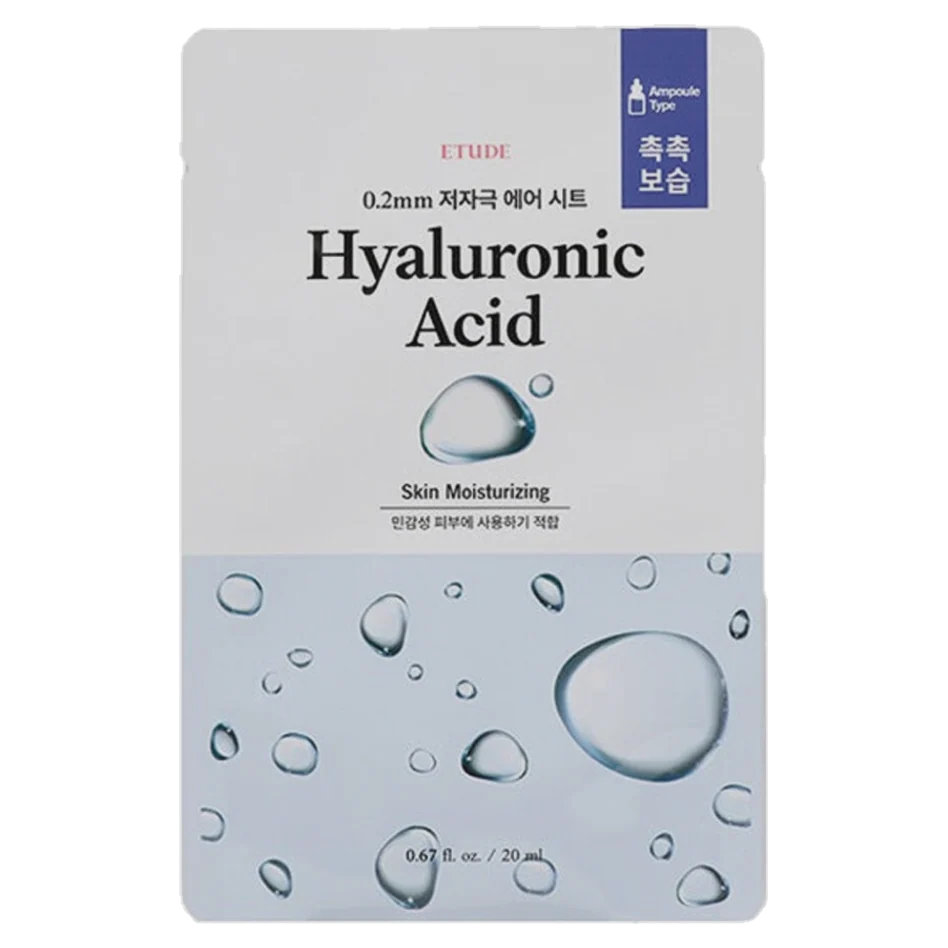
Etude House
0.2mm Therapy Air Mask Hyaluronic Acid
35ingredients
5 ingredients we would look at twice€2.99 per use
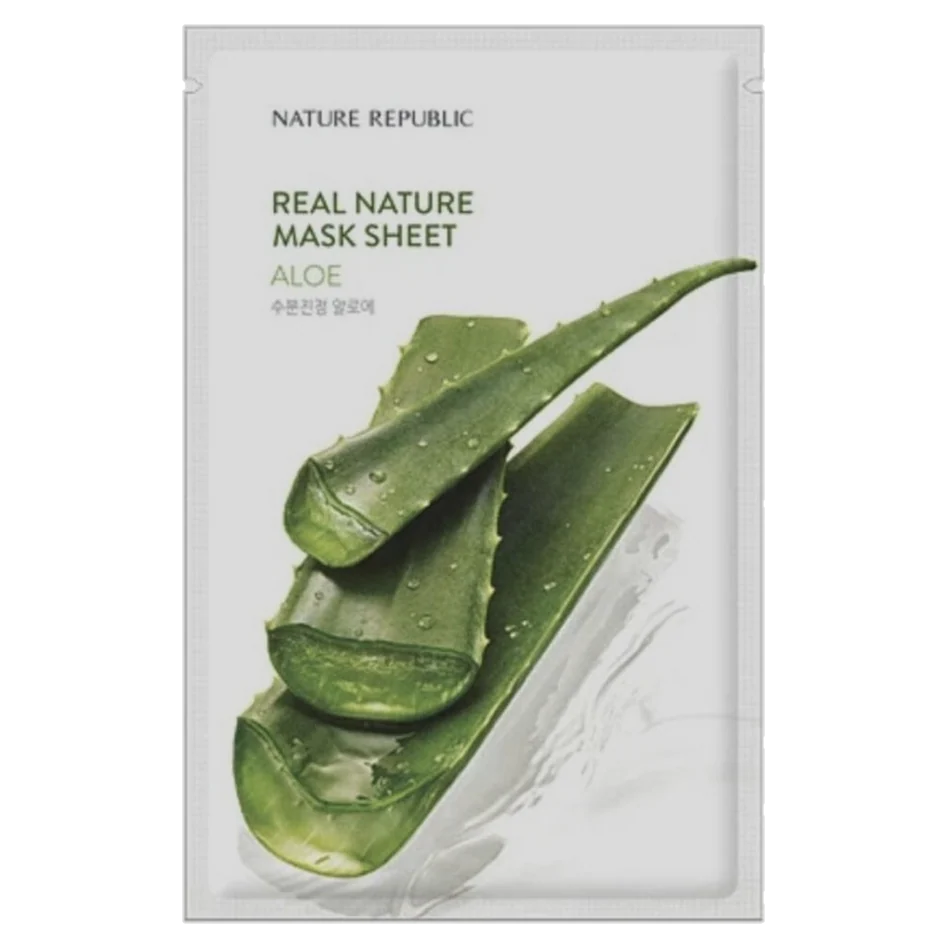
Nature Republic
Real Nature Aloe Sheet Mask
23ingredients
3 ingredients we would look at twice€2.99 per use
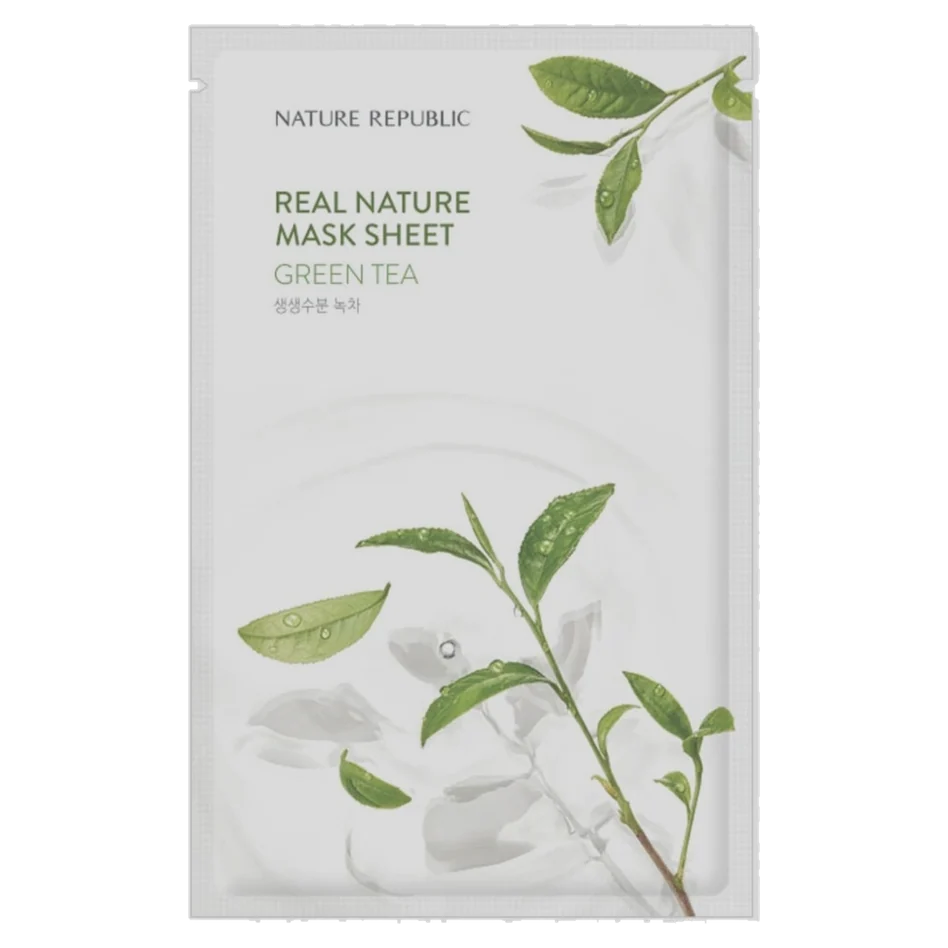
Nature Republic
Real Nature Green Tea Sheet Mask
23ingredients
4 ingredients we would look at twice€2.99 per use
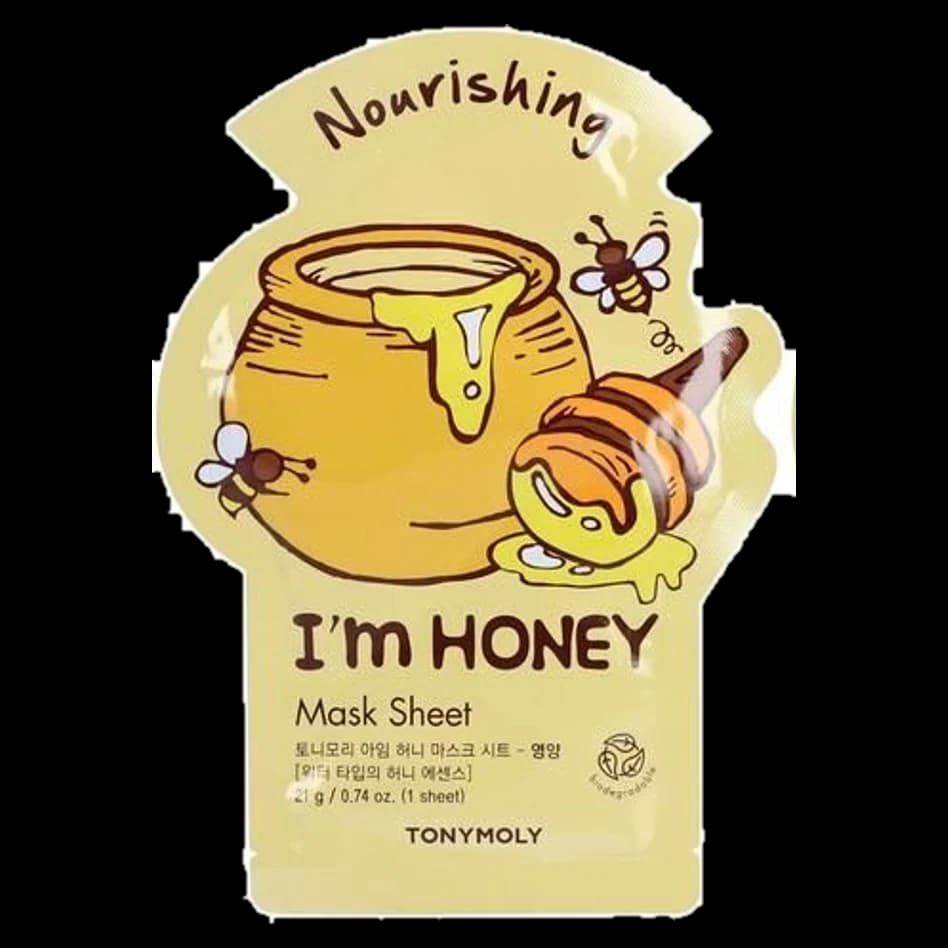
TONYMOLY
I'm Honey Mask Sheet
18ingredients
3 ingredients we would look at twice€3.19 per use
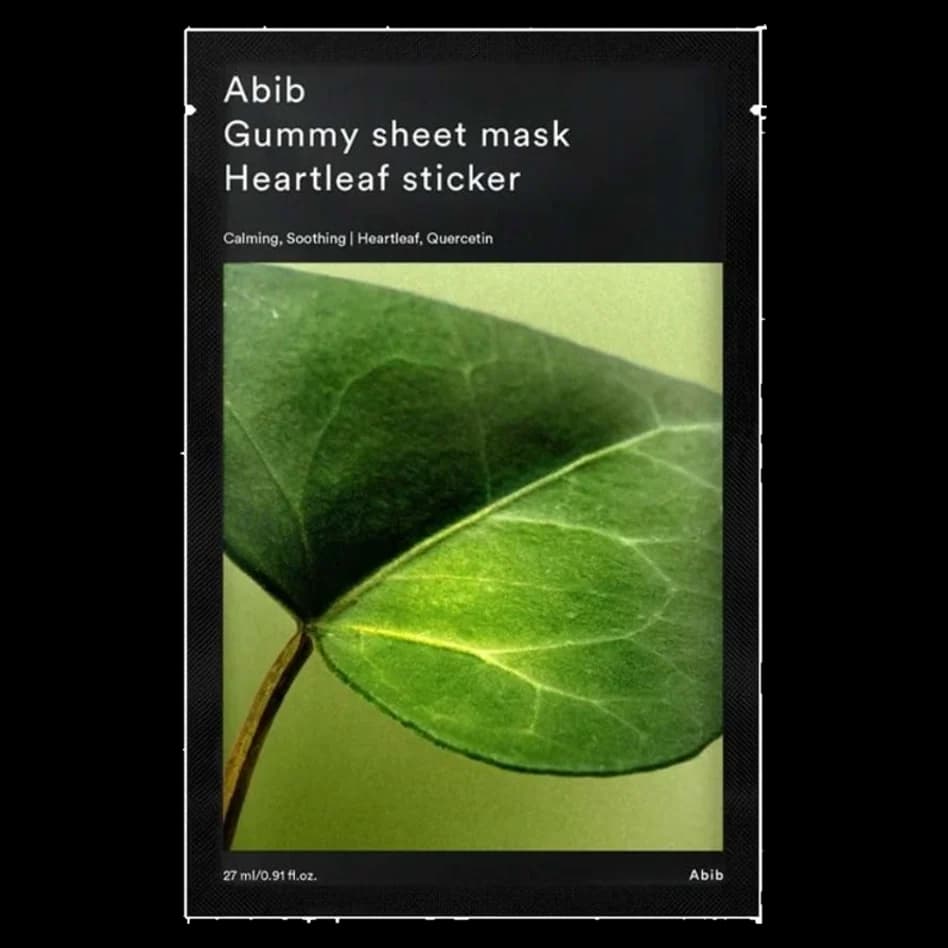
Abib
Gummy Sheet Mask Heartleaf Sticker
29ingredients
1 ingredient we would look at twice€3.20 per use
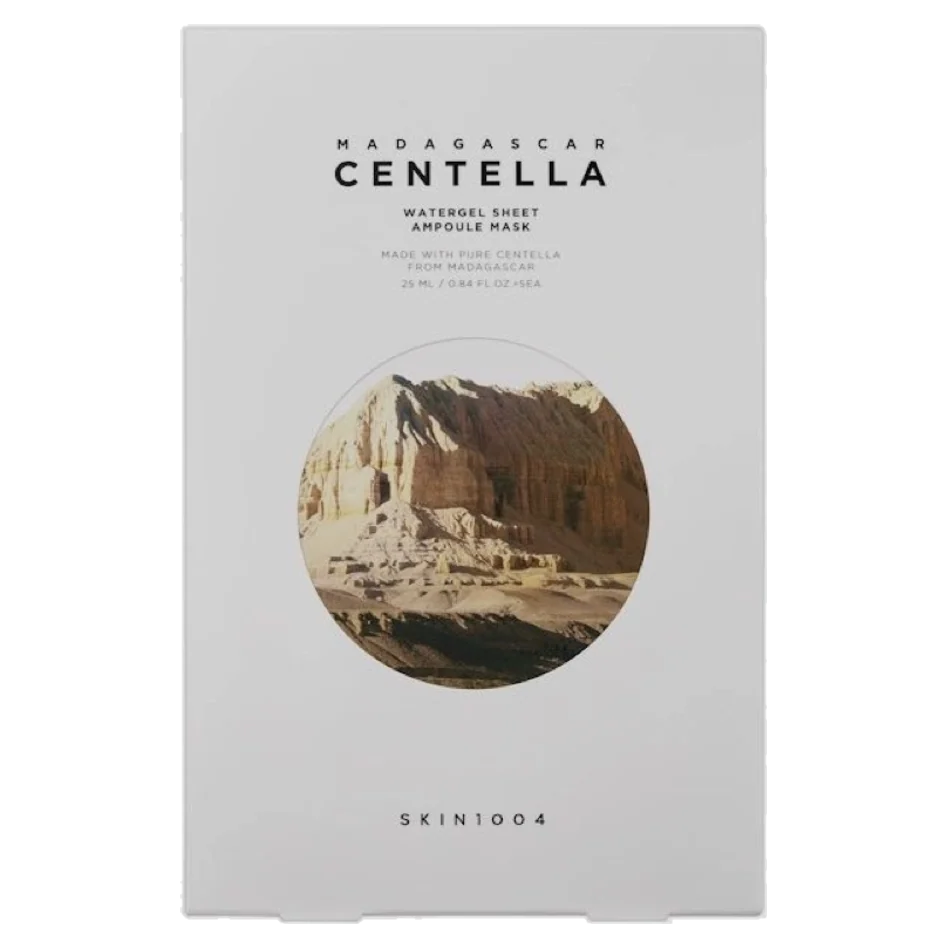
SKIN1004
Madagascar Centella Watergel Sheet Ampoule Mask
29ingredients
2 ingredients we would look at twice€3.52 per use
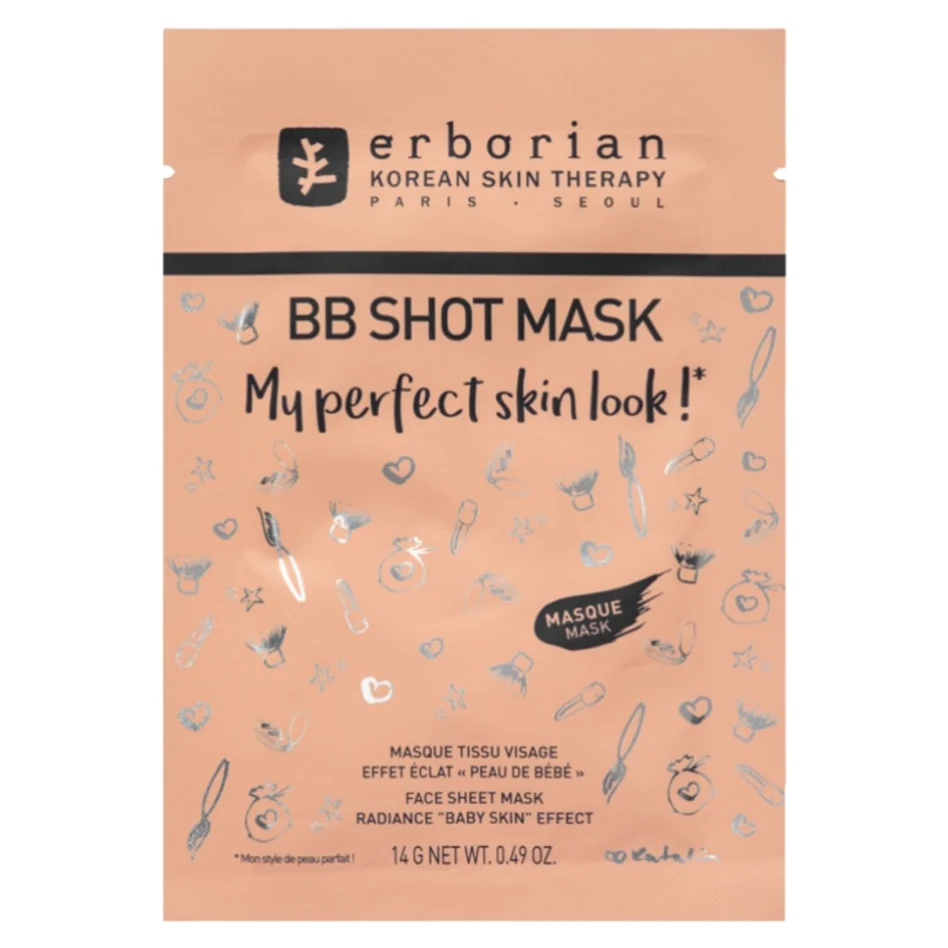
Erborian
BB Shot Mask
34ingredients
9 ingredients we would look at twice≈€3.75 per use
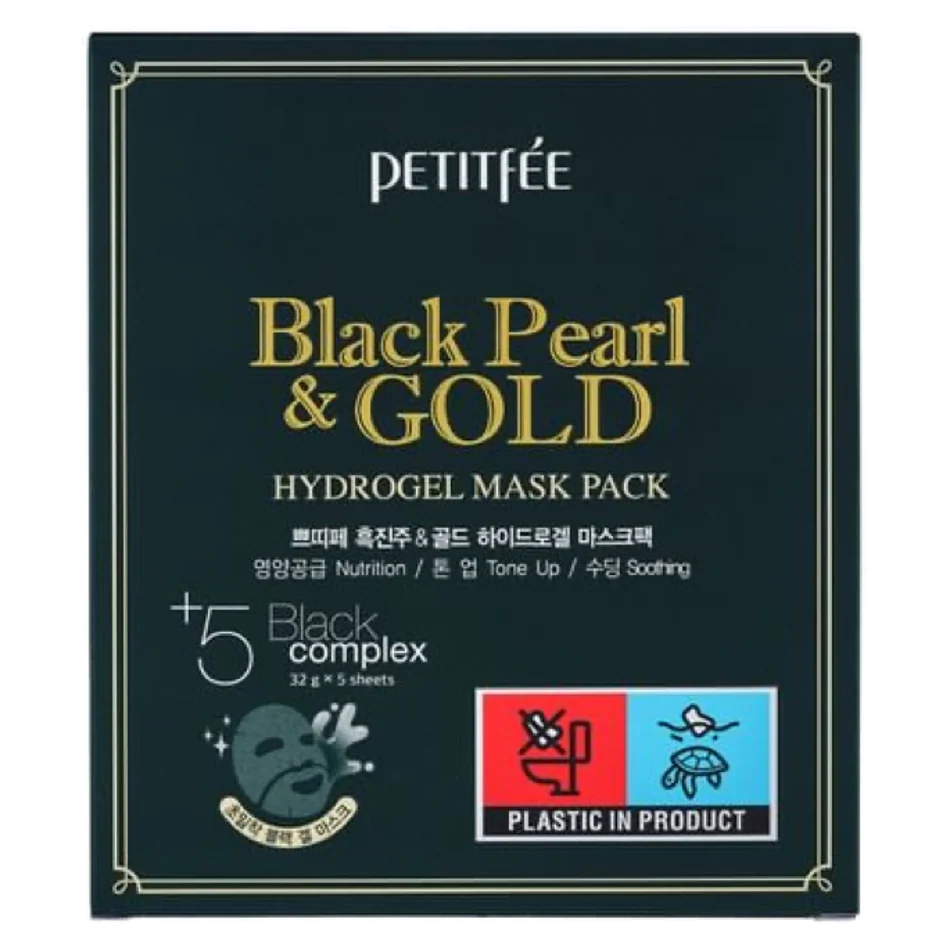
Petitfee
Black Pearl & Gold Hydrogel Mask Pack
33ingredients
4 ingredients we would look at twice€3.84 per use
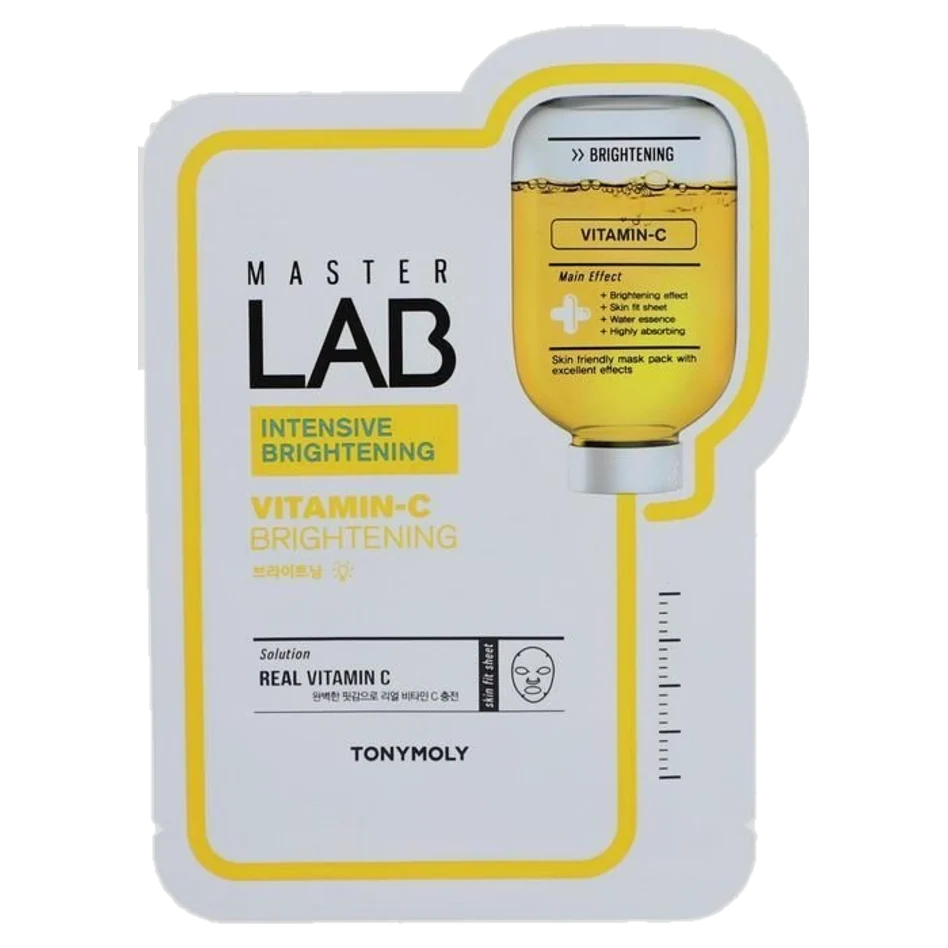
TONYMOLY
Master Lab Sheet Mask Vitamin C
33ingredients
5 ingredients we would look at twice€3.89 per use
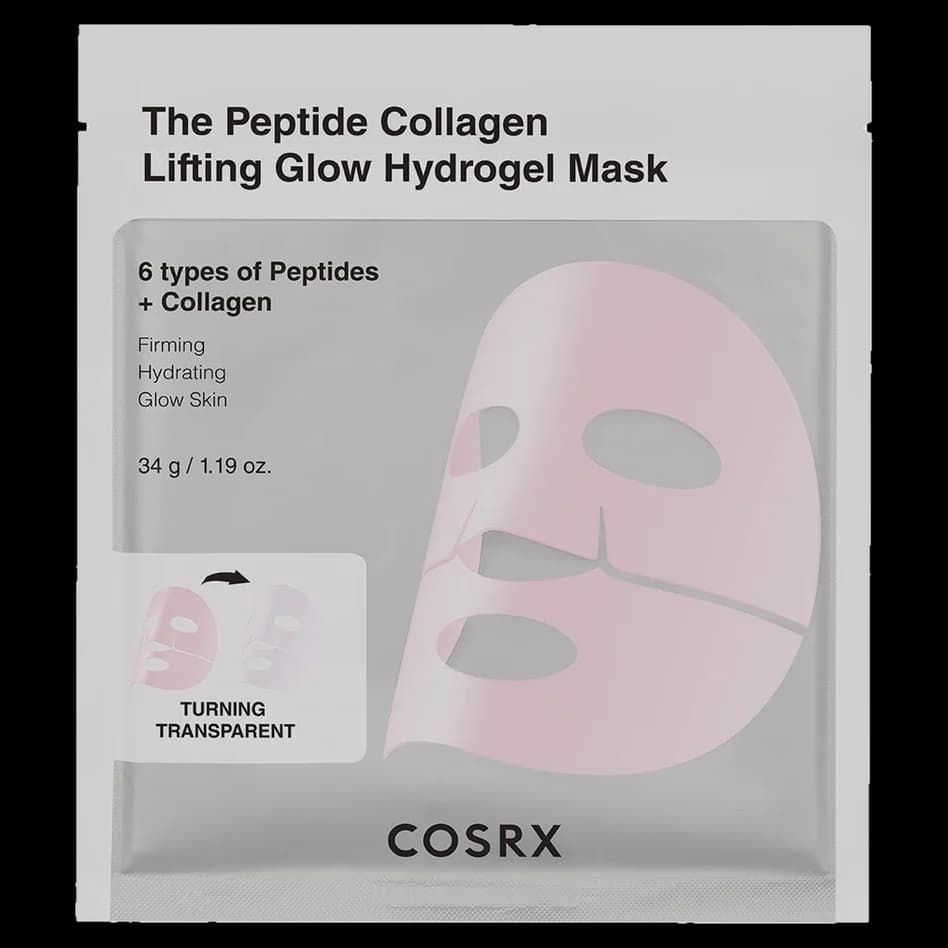
COSRX
The Peptide Collagen Lifting Glow Hydrogel Mask
49ingredients
€3.94 per use
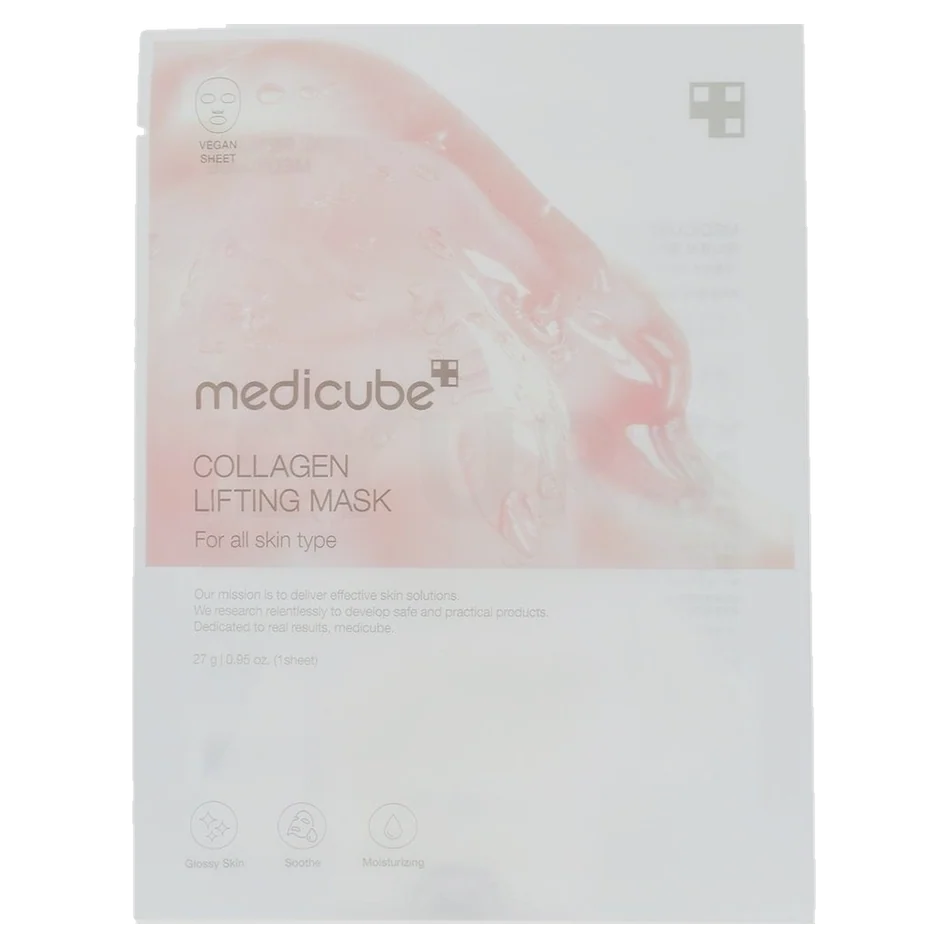
Medicube
Collagen Lifting Mask
39ingredients
1 ingredient we would look at twice€3.99 per use
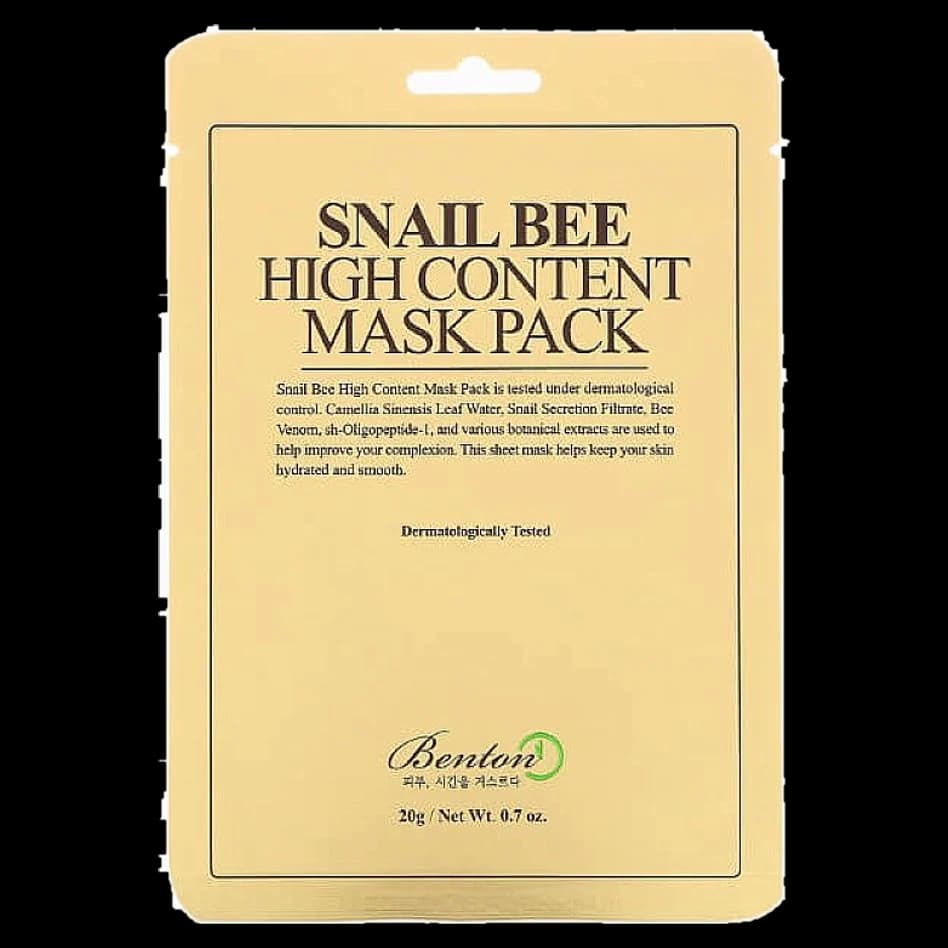
Benton
Snail Bee High Content Mask Pack
27ingredients
1 ingredient we would look at twice€4.09 per use
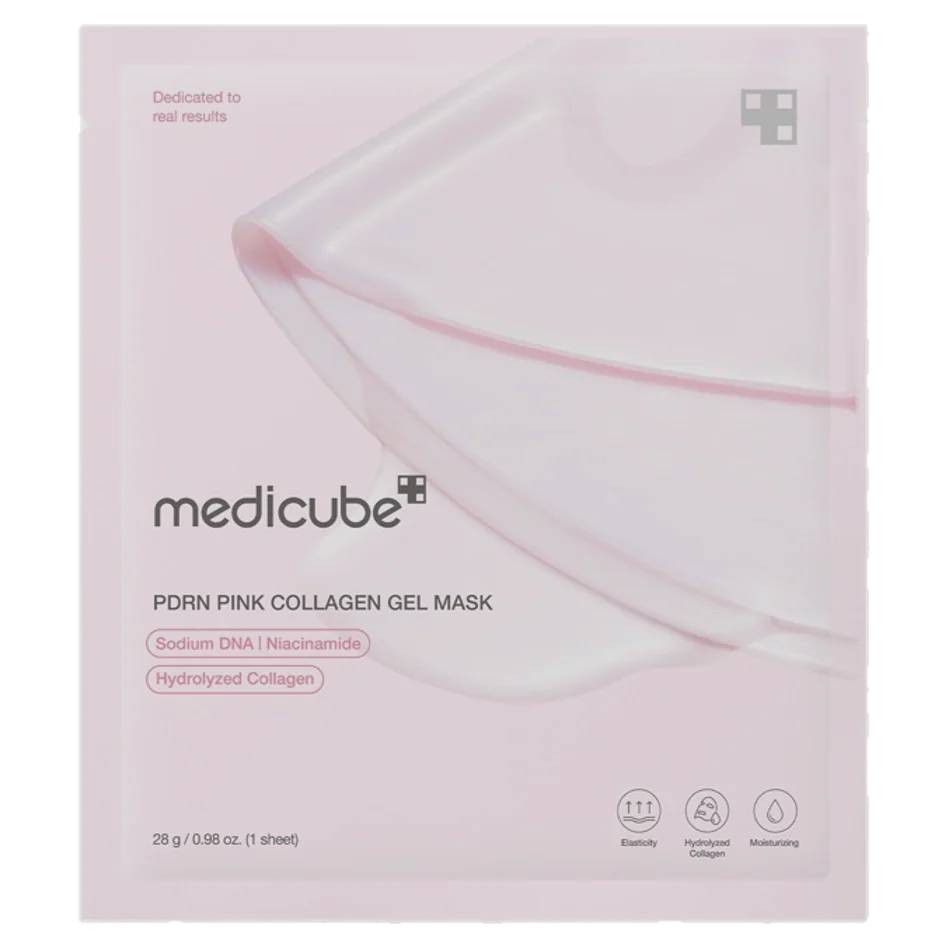
Medicube
PDRN Pink Collagen Gel Mask
43ingredients
2 ingredients we would look at twice€4.41 per use
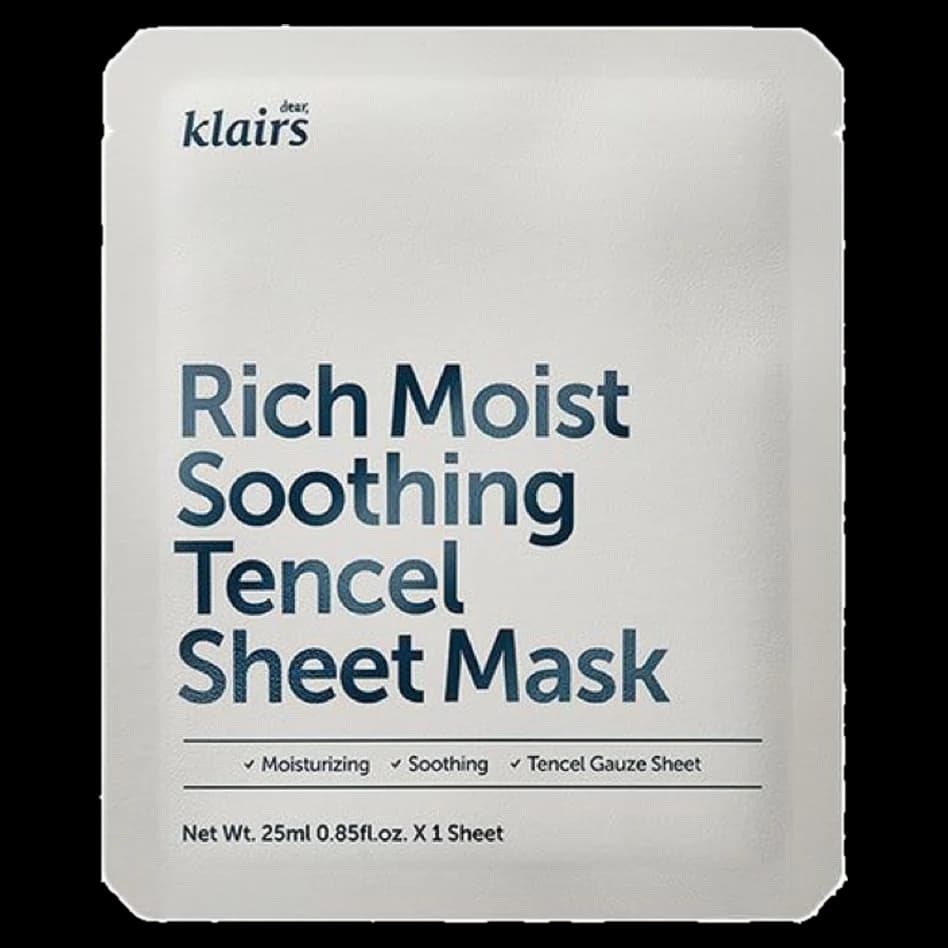
Dear, Klairs
Rich Moist Soothing Tencel Sheet Mask
33ingredients
€4.43 per use
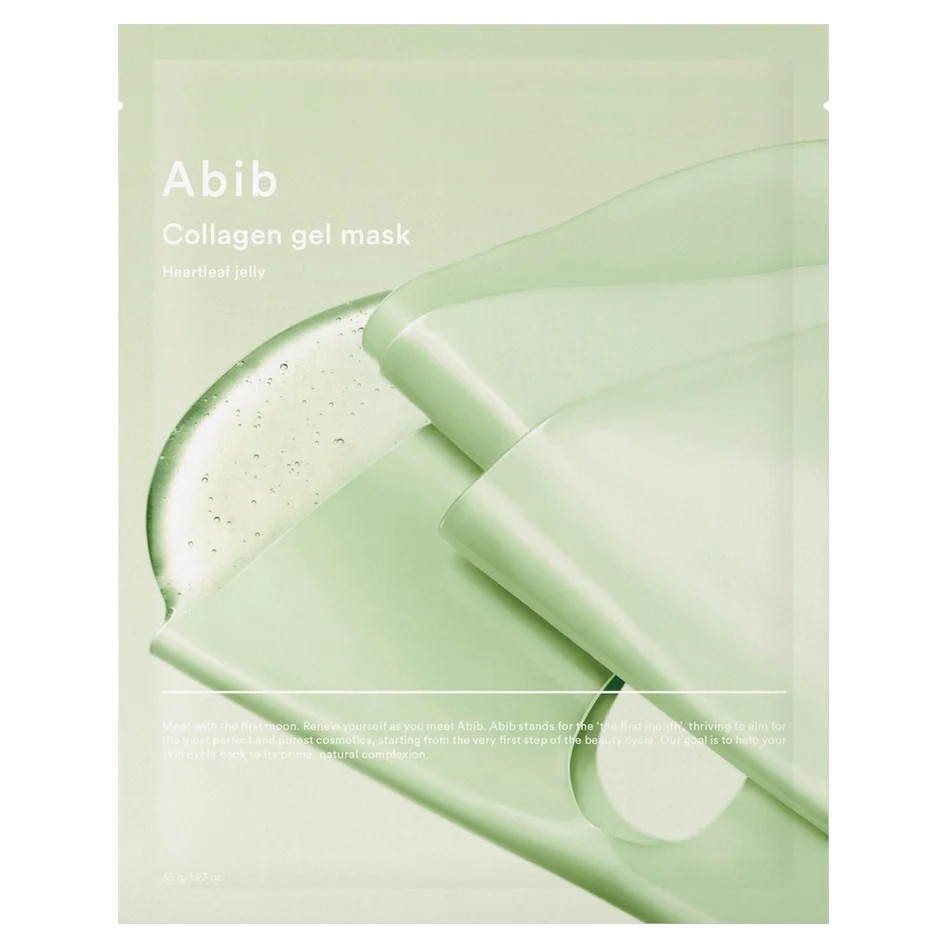
Abib
Collagen Gel Mask Heartleaf Jelly
43ingredients
€4.45 per use
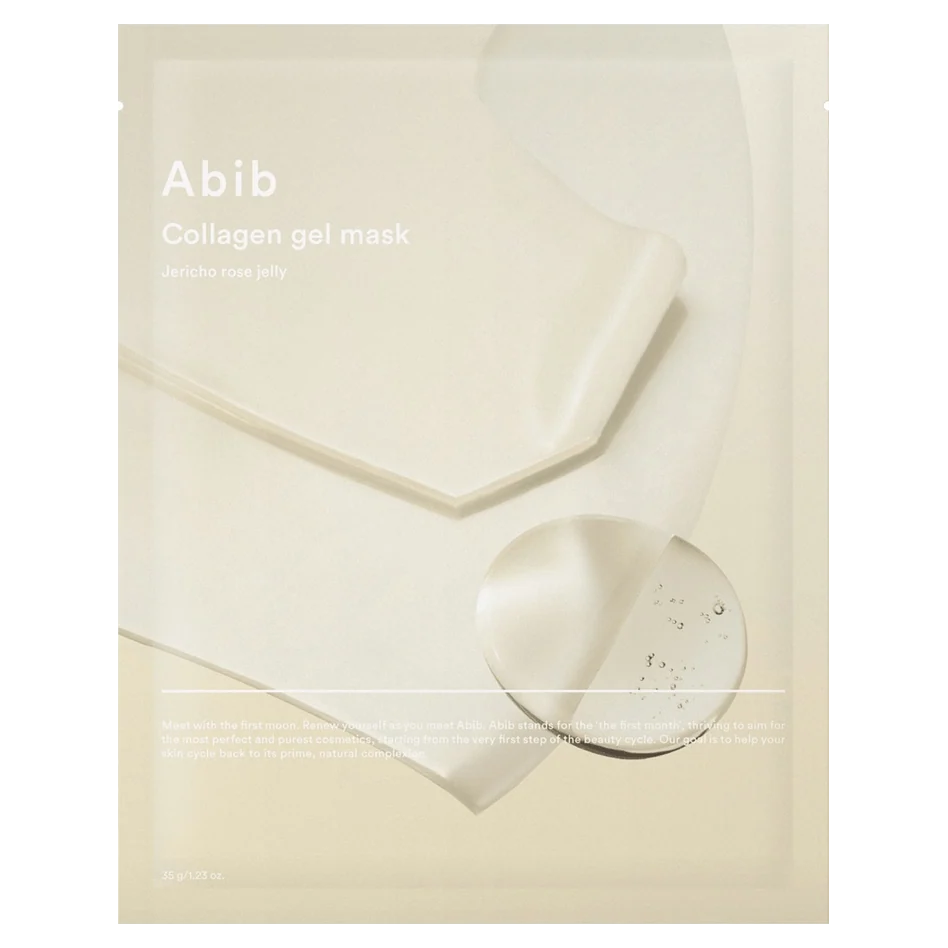
Abib
Collagen Gel Mask Jericho Rose Jelly
43ingredients
€4.45 per use
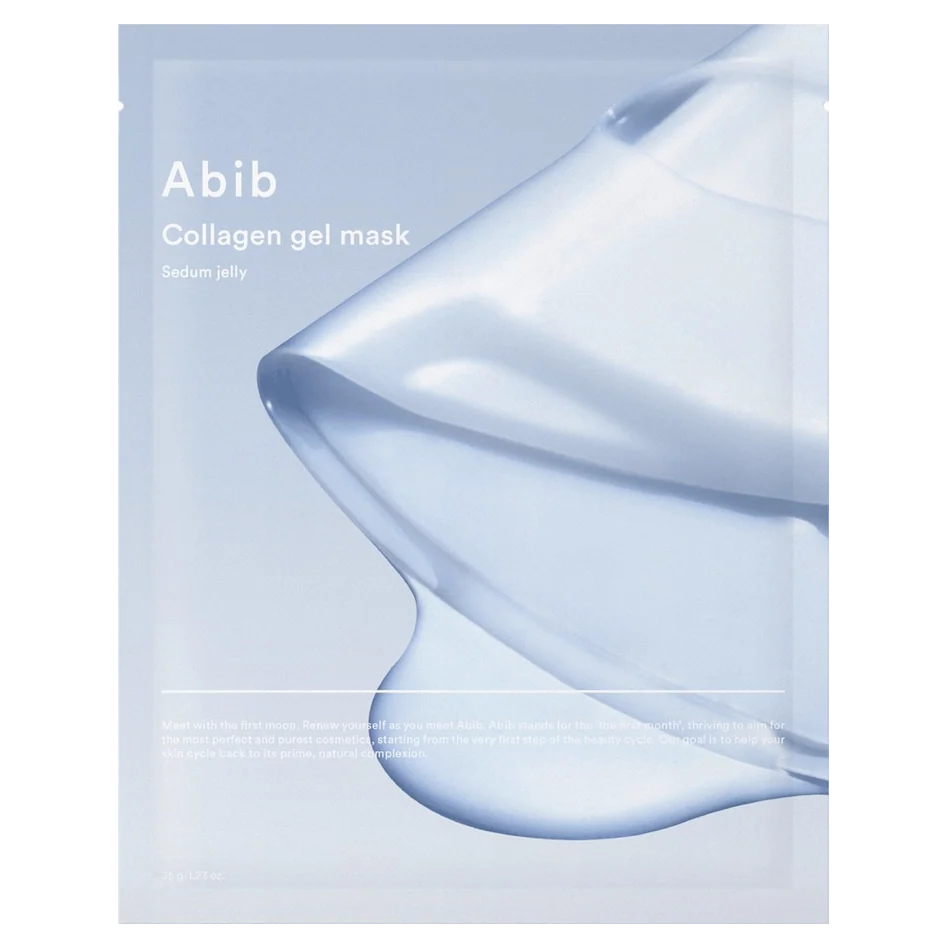
Abib
Collagen Gel Mask Sedum Jelly
41ingredients
1 ingredient we would look at twice€4.45 per use
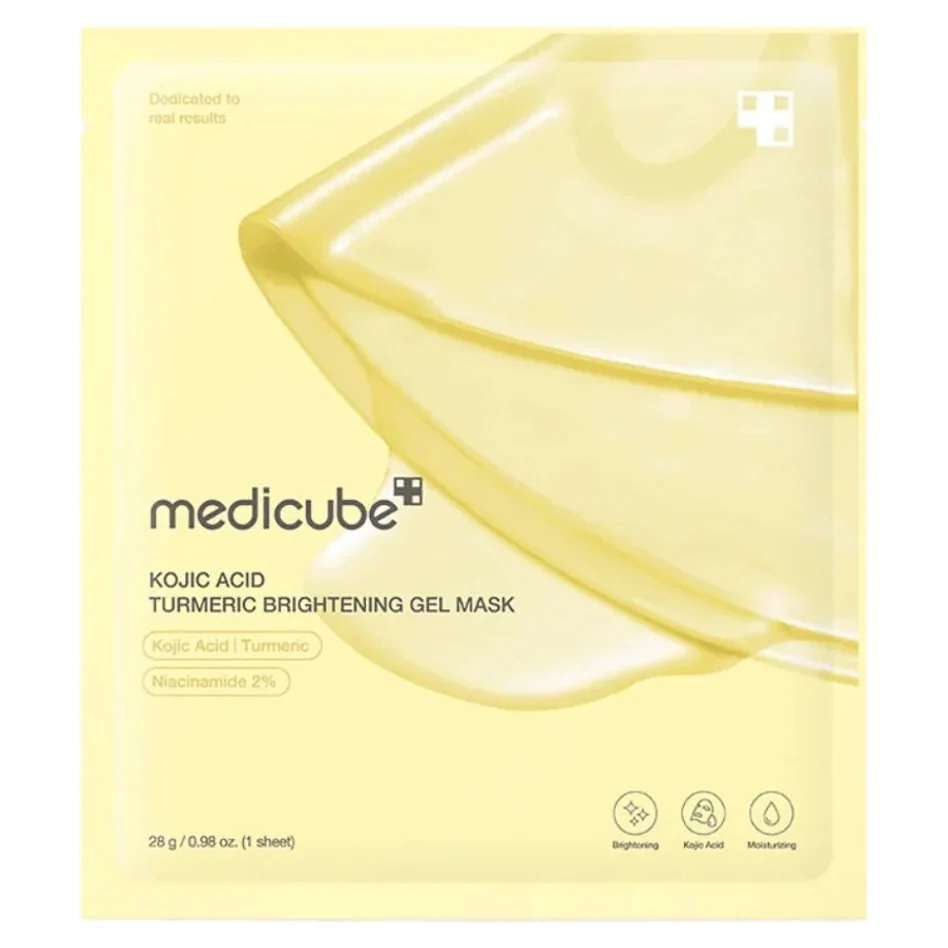
Medicube
Kojic Acid Turmeric Brightening Gel Mask
35ingredients
4 ingredients we would look at twice€4.73 per use
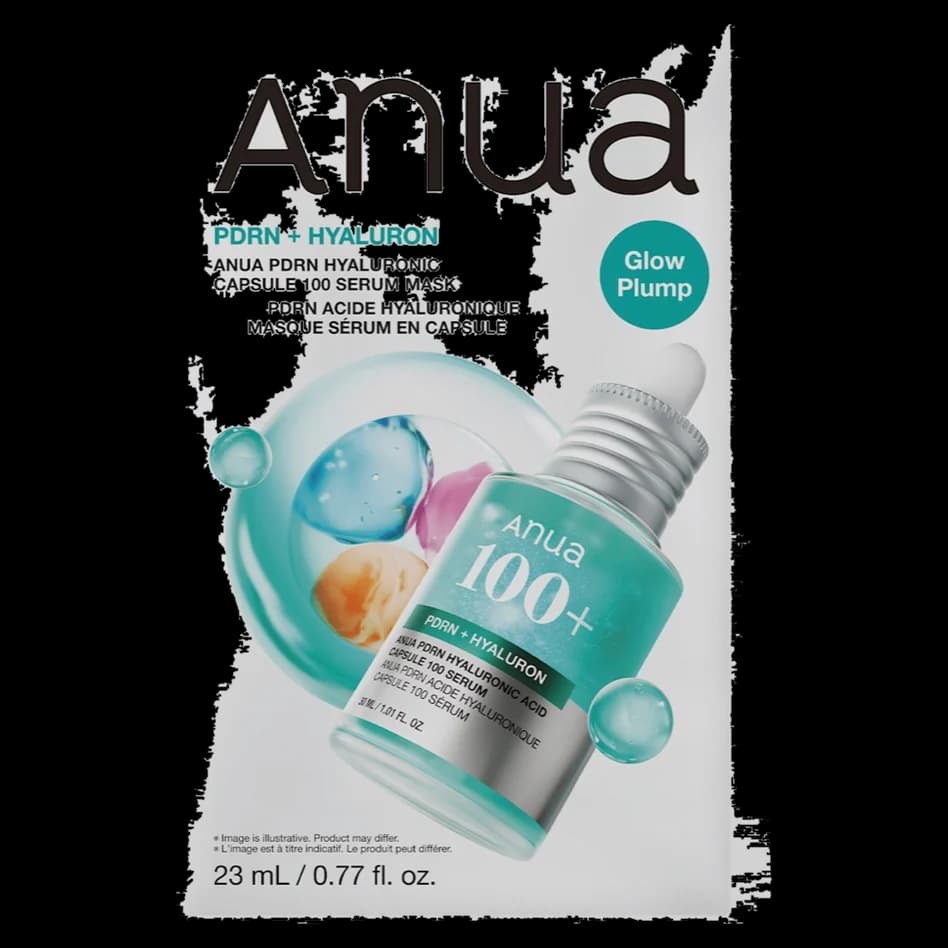
Anua
PDRN Serum Mask 100 Hyaluronic Acid Capsule
45ingredients
€4.95 per use
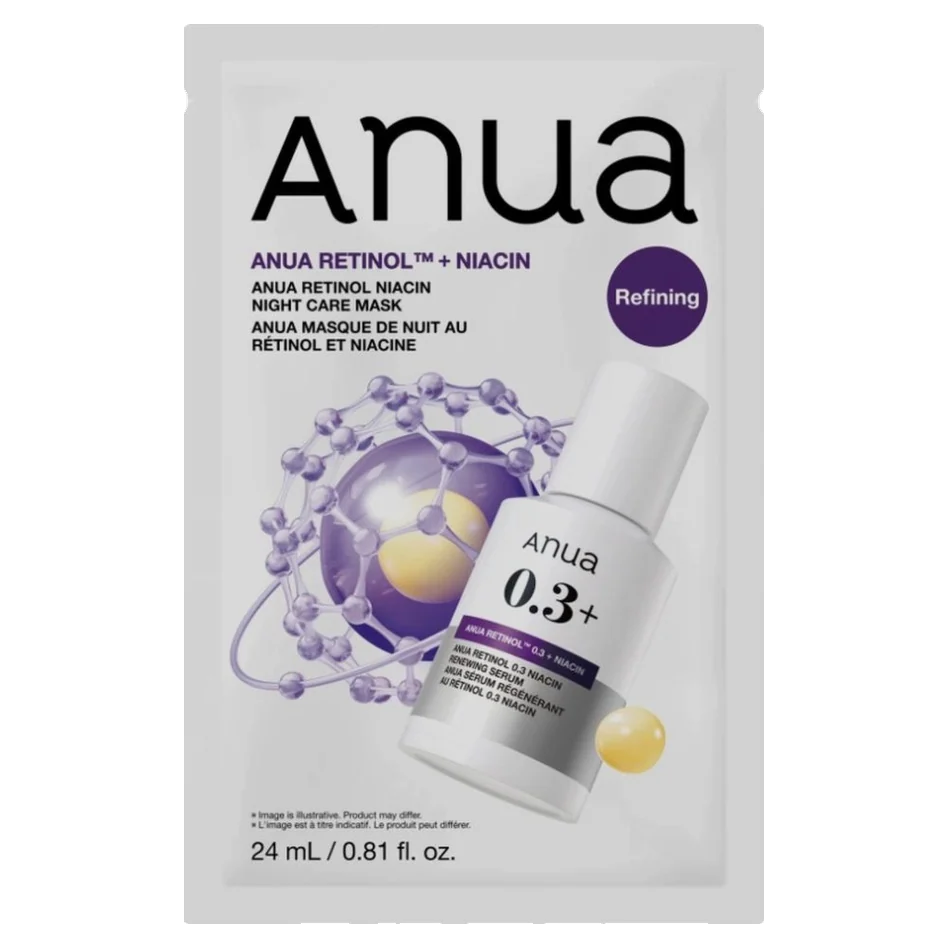
Anua
Retinol Niacin Night Care Mask
44ingredients
1 ingredient we would look at twice€4.95 per use
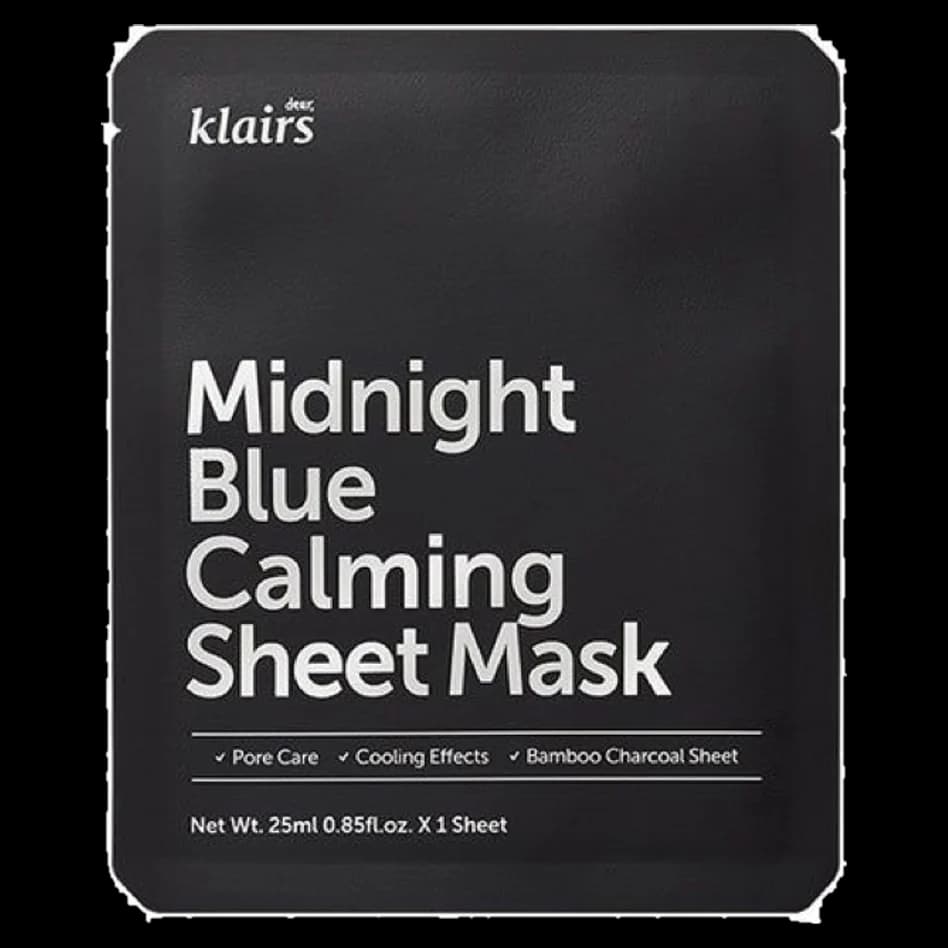
Dear, Klairs
Midnight Blue Calming Sheet Mask
21ingredients
1 ingredient we would look at twice€4.95 per use
Biodance
Refreshing Sea Kelp Real Deep Mask
43ingredients
€5.00 per use
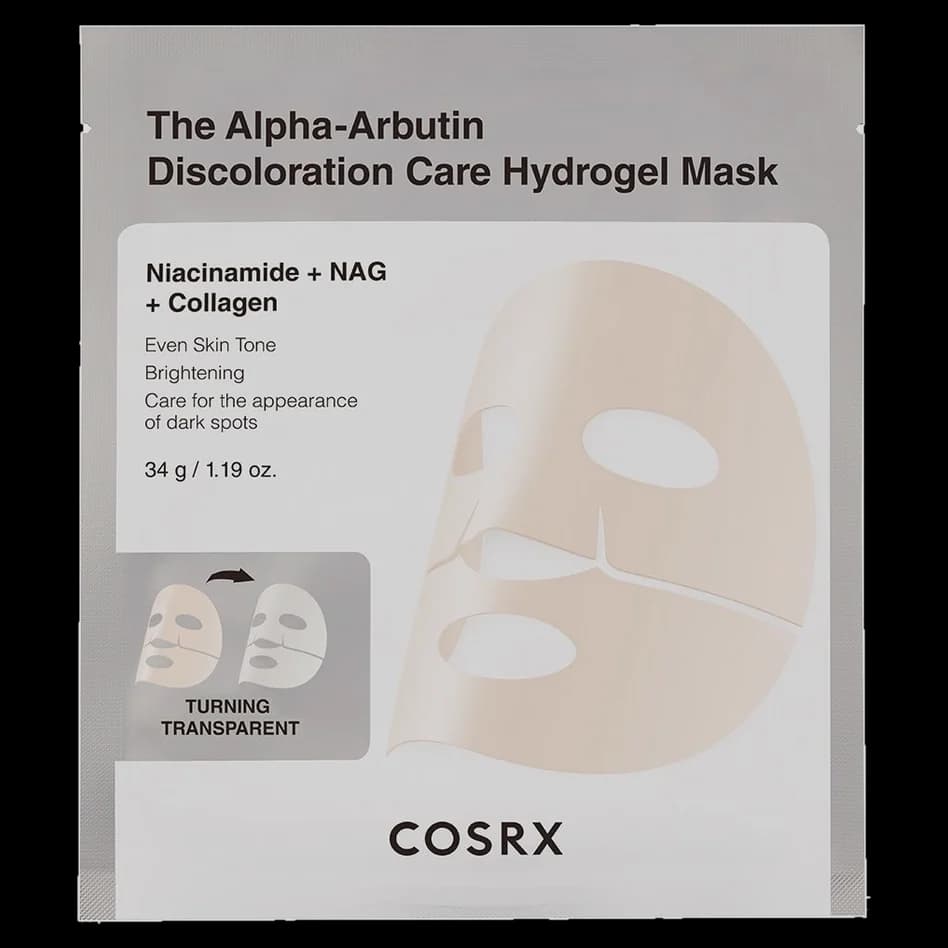
COSRX
The Alpha-Arbutin Discoloration Care Hydrogel Mask
44ingredients
1 ingredient we would look at twice€5.06 per use
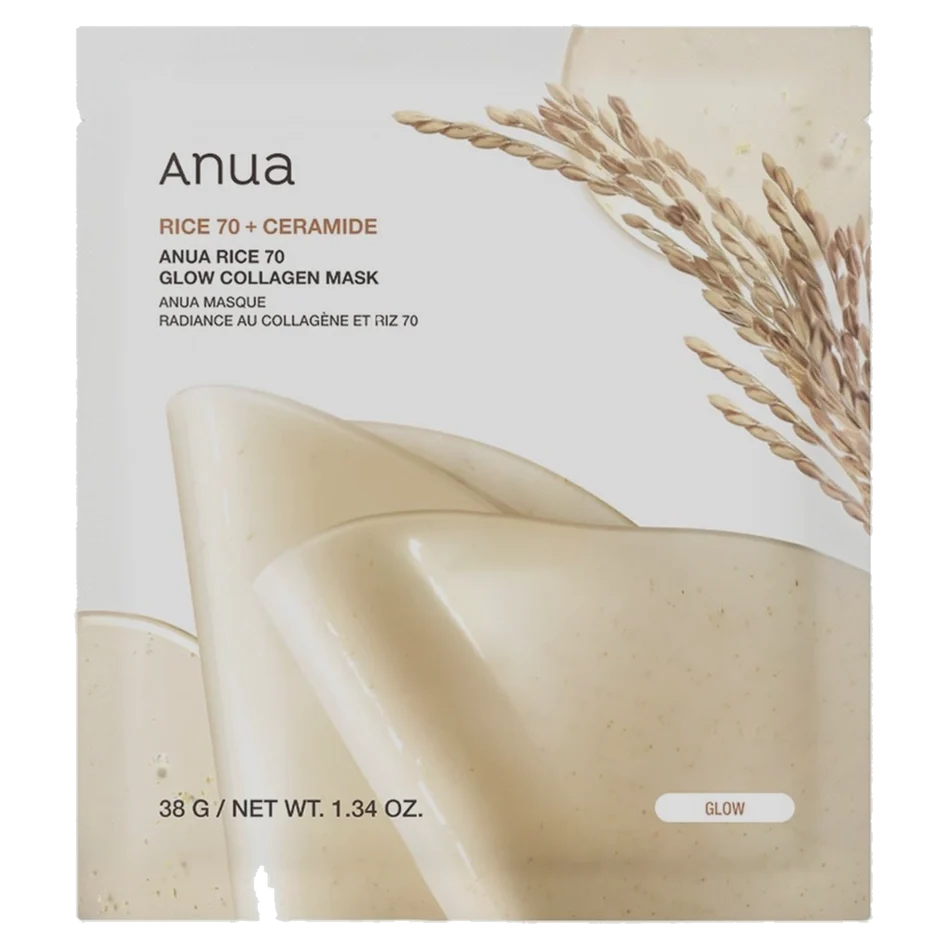
Anua
Rice 70 Glow Collagen Mask
42ingredients
€5.54 per use
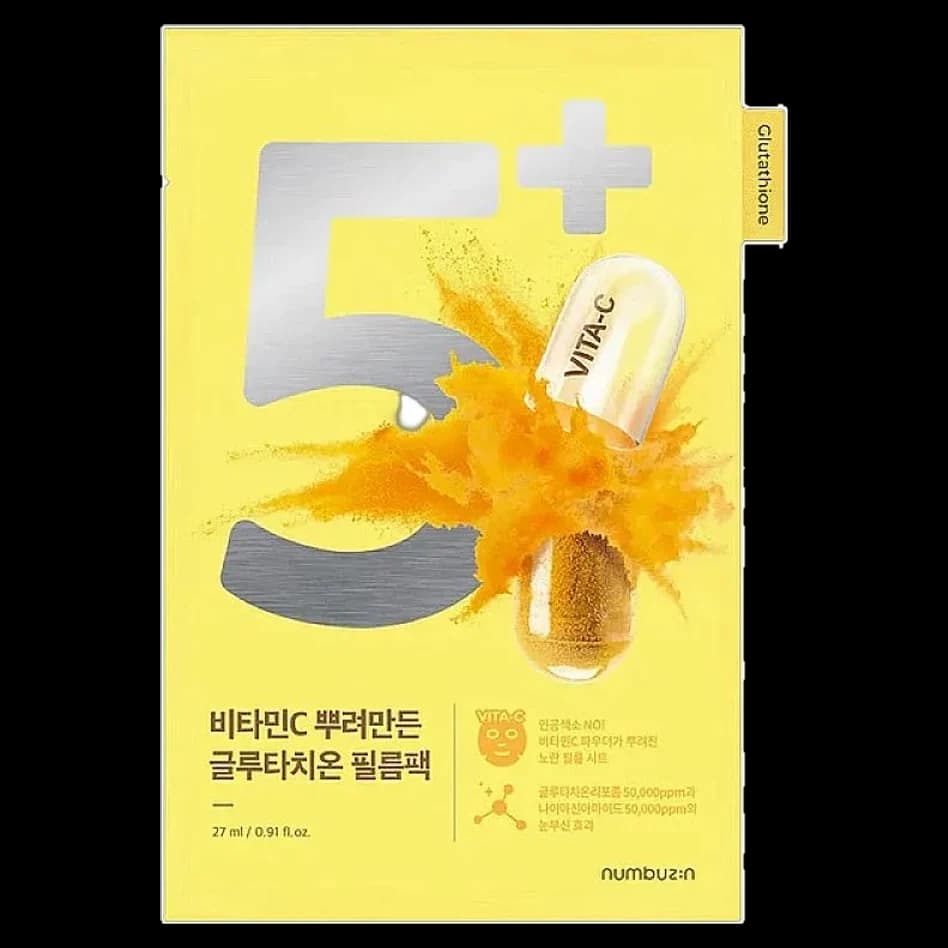
numbuzin
No.5 Vitamin Spotlight Sheet Mask
33ingredients
2 ingredients we would look at twice€5.68 per use
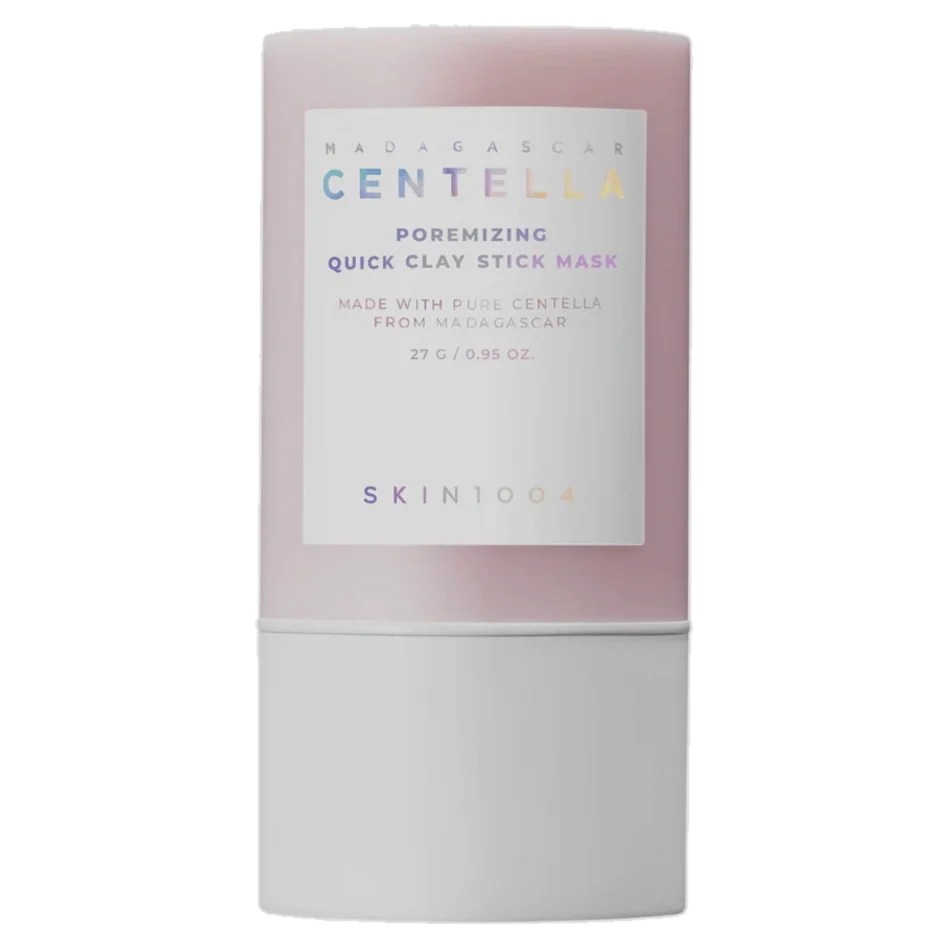
SKIN1004
Madagascar Centella Poremizing Quick Clay Stick Mask
23ingredients
1 ingredient we would look at twice≈€5.68 per use
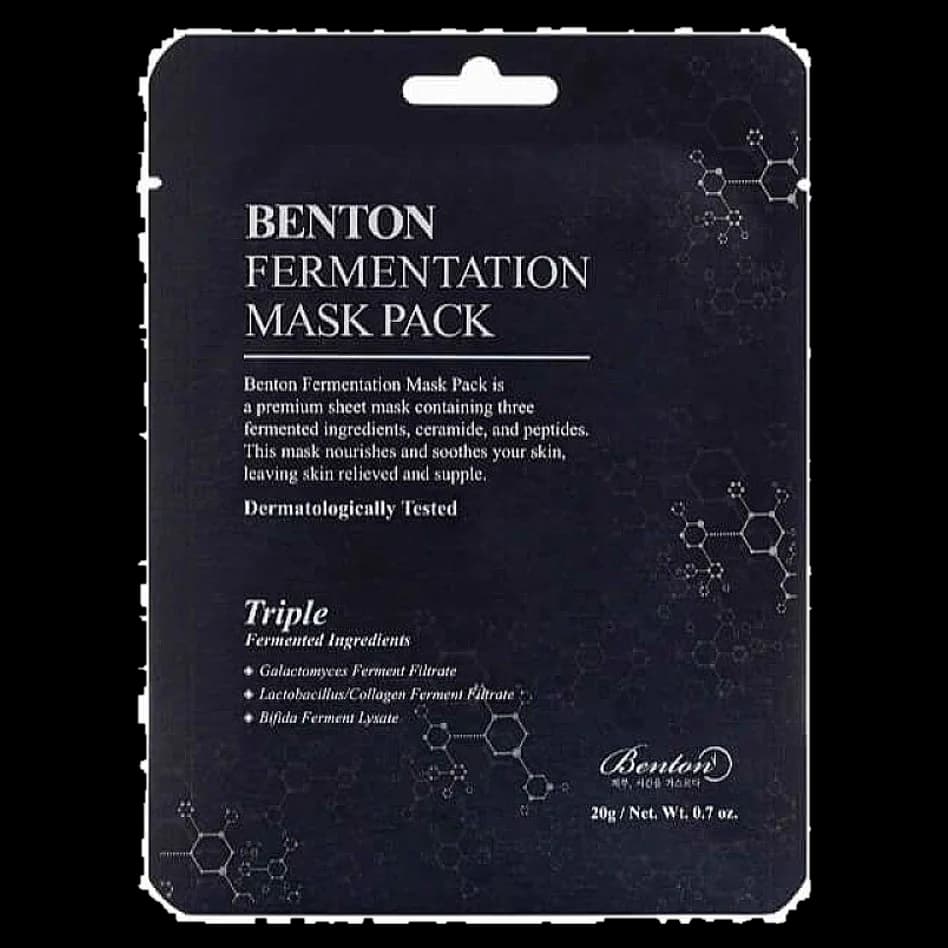
Benton
Fermentation Mask Pack
25ingredients
€5.95 per use
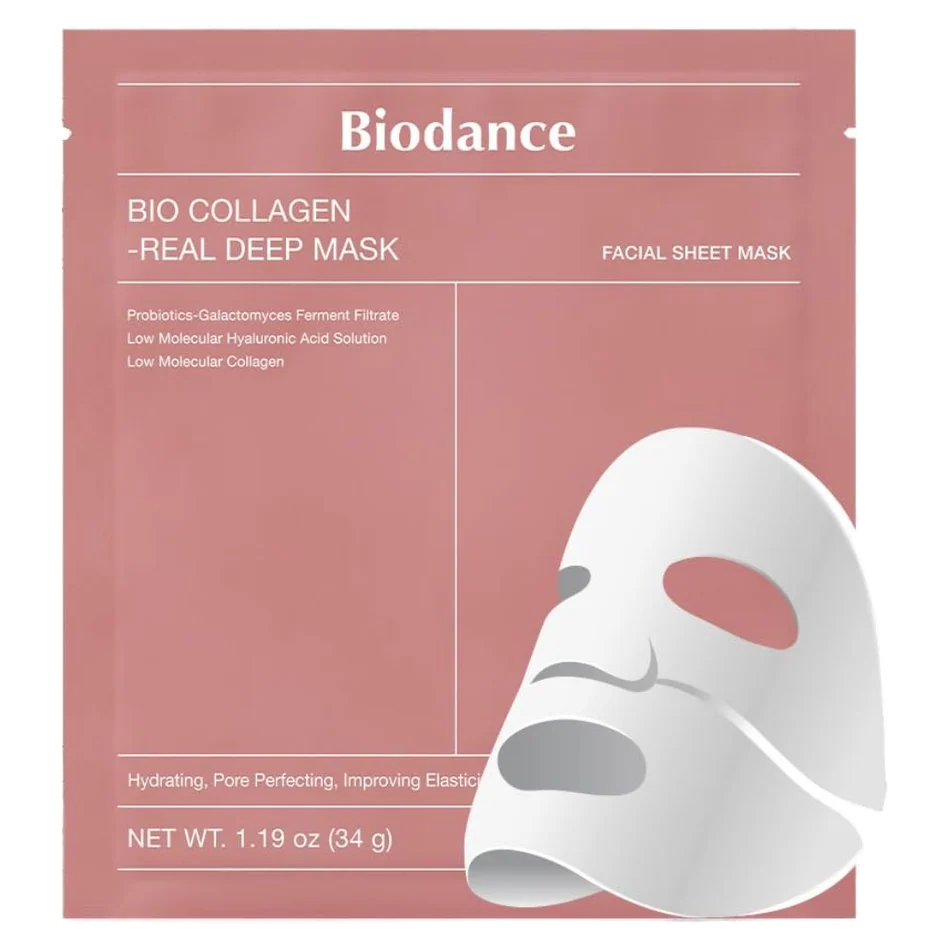
Biodance
Bio-Collagen Real Deep Mask
34ingredients
€5.95 per use
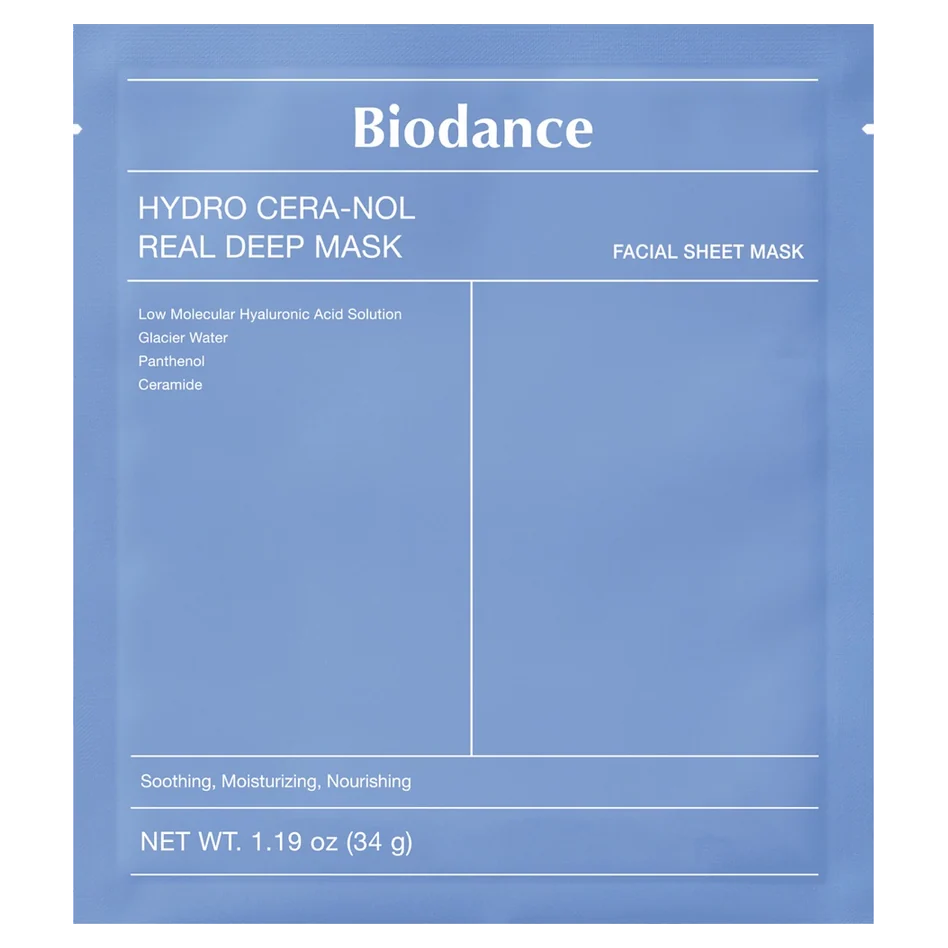
Biodance
Hydro Cera-nol Real Deep Mask
65ingredients
€5.95 per use
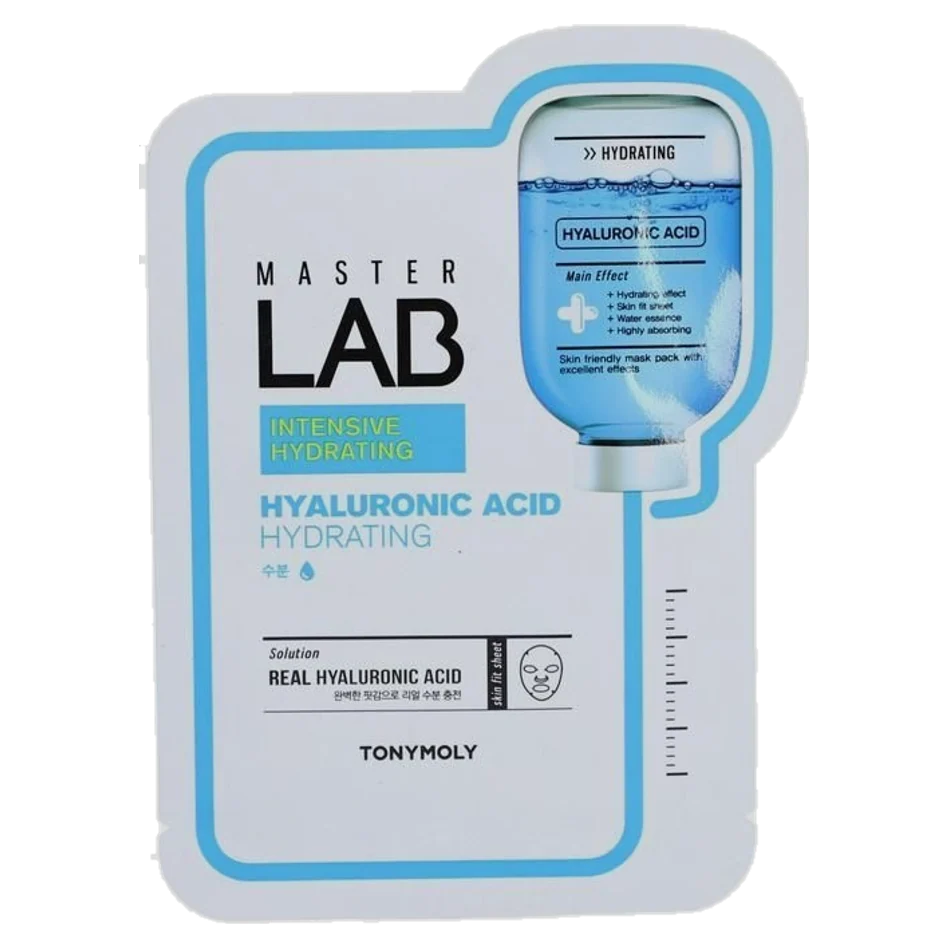
TONYMOLY
Master Lab Sheet Mask Hyaluronic Acid
31ingredients
4 ingredients we would look at twice€5.99 per use
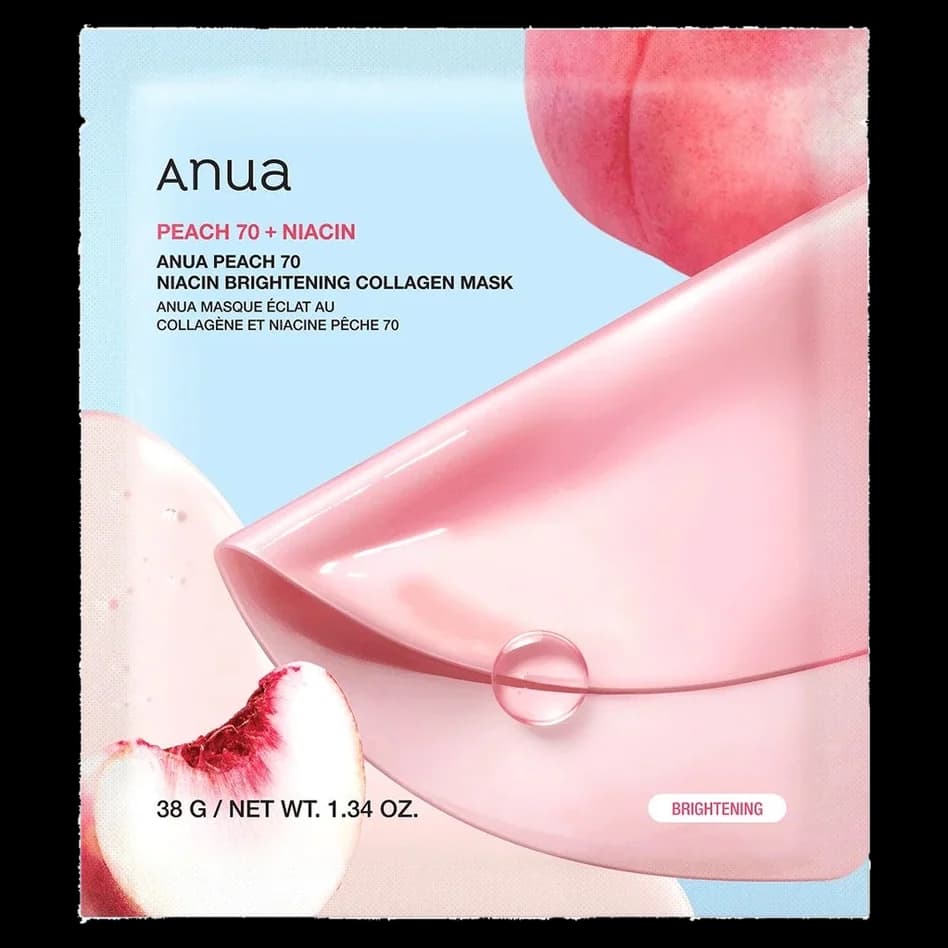
Anua
Peach 70 Niacin Brightening Collagen Mask
44ingredients
€6.52 per use
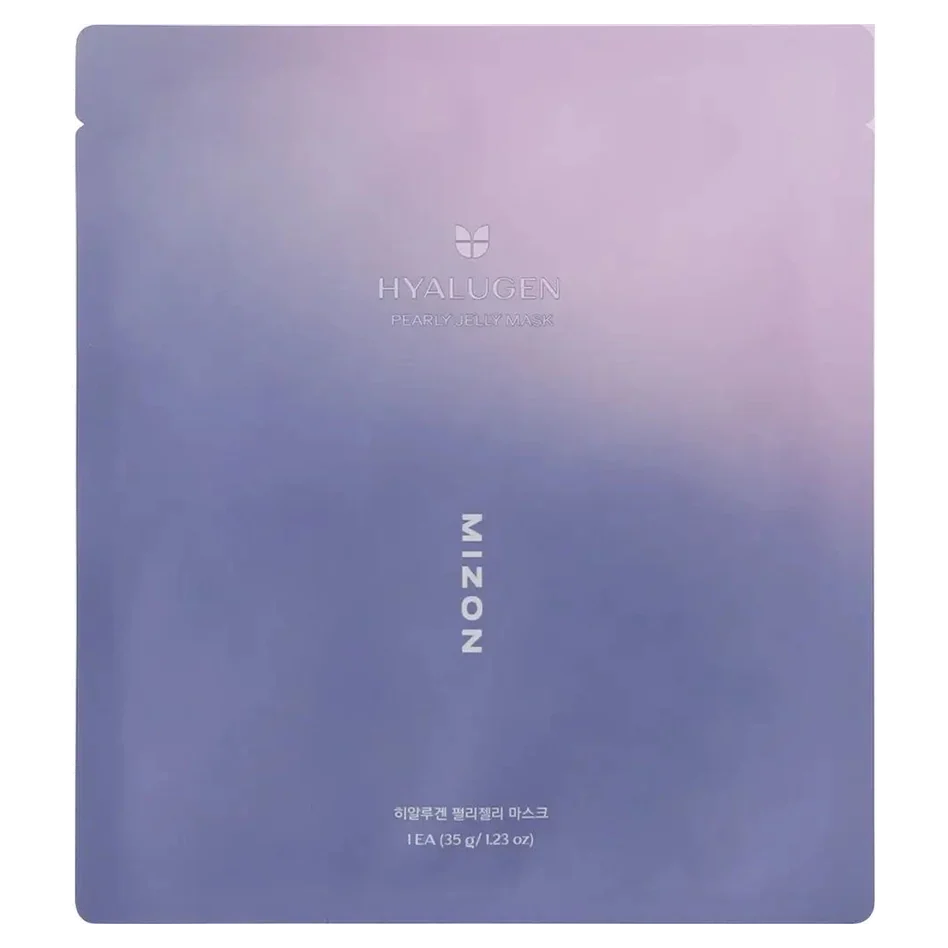
MIZON
Hyalugen Pearly Jelly Mask
19ingredients
€6.52 per use
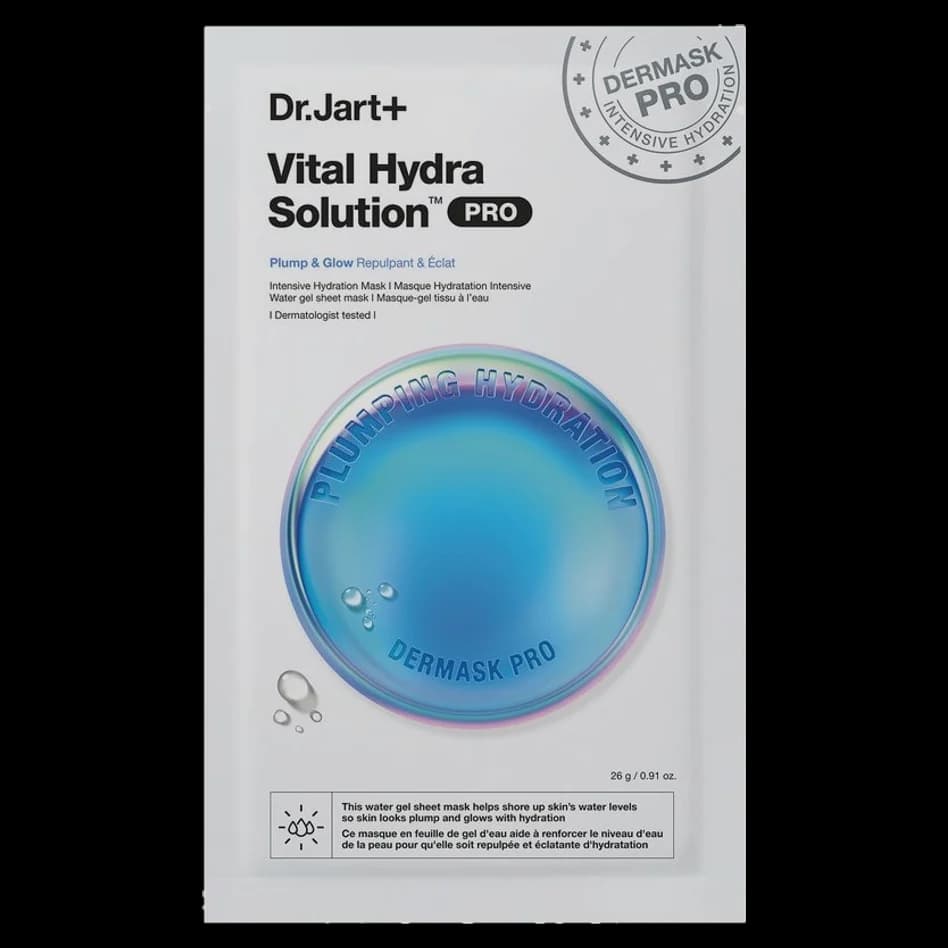
Dr.Jart+
Dermask Vital Hydra Solution Pro + Hyaluronic Acid
25ingredients
€7.39 per use
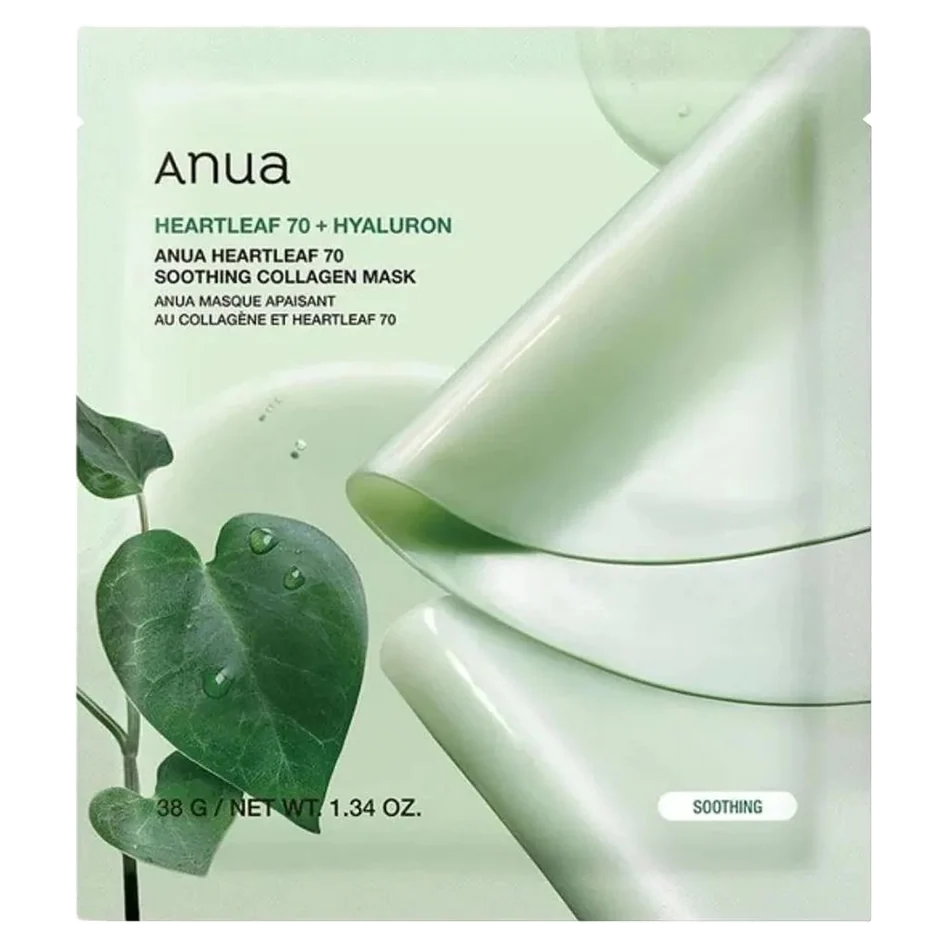
Anua
Heartleaf 70 Soothing Collagen Mask
35ingredients
€7.94 per use
Read another shelf
The other origins
Cheapest by the application
German brands
97 masks · median €0.95 per use
The pharmacy shelf
French brands
21 masks · median €1.86 per use
Nothing on this page is a paid placement and no link here is an affiliate link - see how this site is paid for. To narrow this shelf by skin type, price or what you want kept out, filter the full catalogue.